
Hello readers, and welcome to another week in mental health central.
Today’s topic is something almost everyone has bought into at some point.
The “feeling better” conundrum.
For most people I meet — in sessions and outside of them — feeling better has become the goal.
When I ask clients what “feeling good” would look like, I usually hear:
I wouldn’t feel anxiety, guilt, sadness, frustration.
I would feel calm.
I would have peace of mind.
Makes sense, right?
Here’s the paradox:
The more we try to feel better, the more stuck we get.
Why?
Because we enter what in ACT we call the control agenda — everything we do to control, suppress, avoid, or minimize what we feel.
Have you ever felt frustration and then thought:
“This is ridiculous. I shouldn’t feel this. It’s such a small issue.”
Or felt guilty and told yourself:
“This is stupid. I was just standing my ground.”
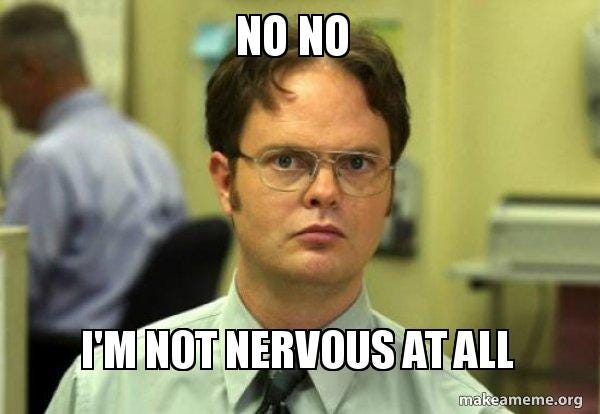
What happened next?
If I go by experience — clinical and human — what followed was probably more frustration. Maybe anger. Maybe even sadness. And the thought:
“I’ll never get this right.”
That’s the control agenda in action.
It can look like:
Avoiding situations so you don’t feel bad.
Distracting yourself constantly.
Minimizing what happened.
Trying to “think positive.”
None of these strategies are wrong.
The question in ACT is not “Is this good or bad?”
It’s: Is this useful for the life you want to live?
It is completely normal to want relief from painful emotions.
But here’s the uncomfortable truth:
Trying to eliminate them often amplifies them.
And more importantly, it shrinks your life.
Emotions are not design flaws.
Anxiety often signals that something important is uncertain.
Guilt can signal misalignment with your values.
Anger can signal a boundary being crossed.
Acceptance does not mean passivity.
It does not mean tolerating injustice.
It does not mean never regulating.
It means responding with flexibility instead of hostility.
What would happen if you looked at your difficult emotions with curiosity instead of trying to silence them?
Negative emotions are not the problem. The war with them is.
Your attempts to control them make sense. Of course you want relief. Of course you want to be calm. But when your energy goes into eliminating discomfort, your life slowly starts revolving around avoidance.
And avoidance shrinks things.
Emotions are signals. Not commands. Not enemies. Not proof that you’re broken.
Psychological flexibility is not about feeling good all the time. It’s about making room for what shows up and still moving toward what matters.
Negative emotions are signals - not the enemy. And you don’t need to believe me - just look at your experience with trying to control them. How is that working out? Be honest. Is it useful? Is it easy? Is it kind?
Control feels powerful. Flexibility is what actually works.
And if you’re tired of organizing your life around trying to feel better before you’re allowed to live, we can work on that properly.
I offer longer-term therapy in Romanian and English for people who want to build flexibility, not just chase relief. You can read more about how I work on my website.
Some spots have opened up recently, so reach out on email or phone to find the best time.
Thanks for reading Acertivo - make mental health simple again! This post is public so feel free to share it.
No posts
Comments
Nothing yet. Say the first thing.
Sign in to join the conversation.