
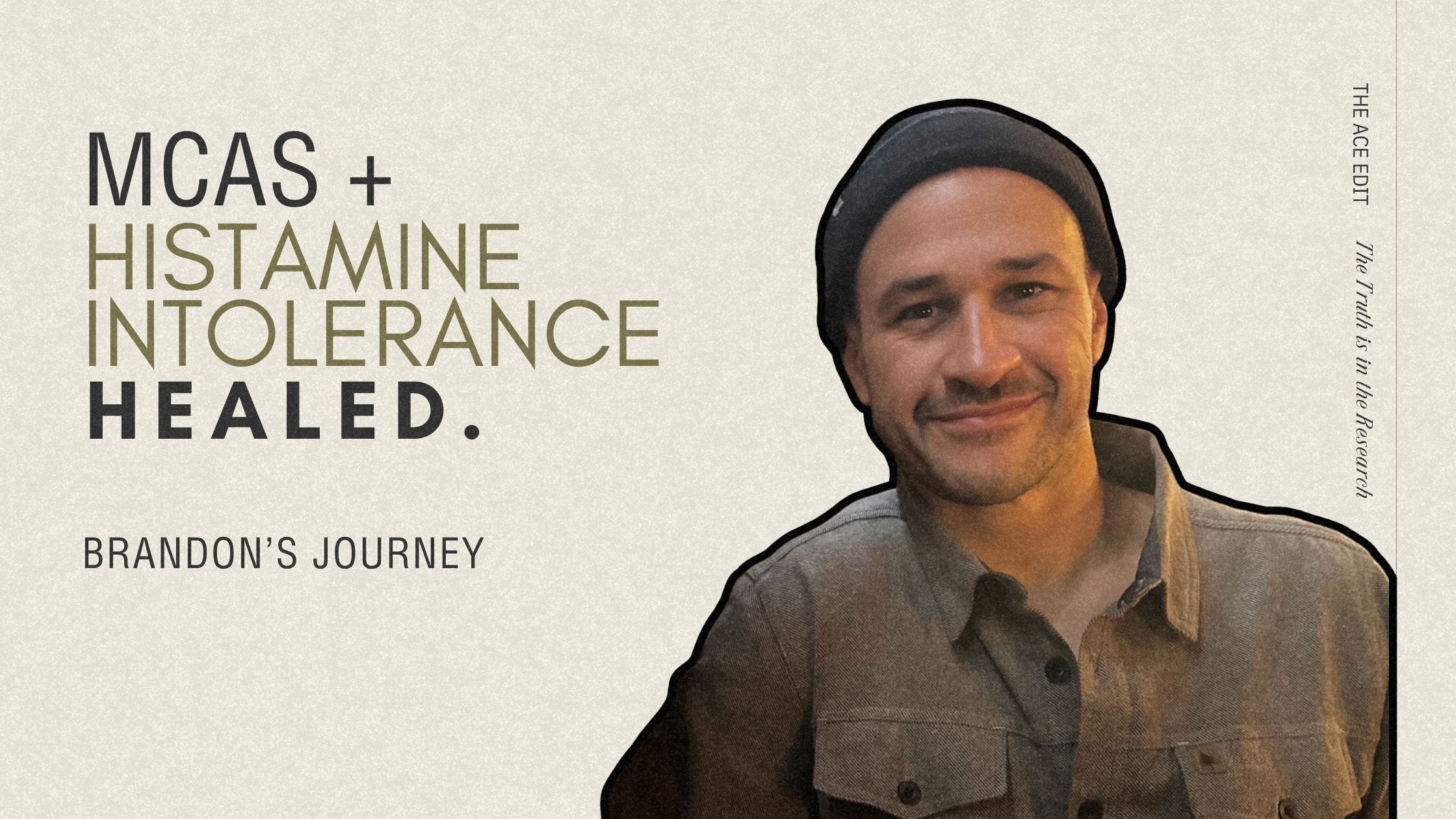
For eight years, I reacted to foods that should have been fine. I lived with chronic fatigue that robbed me of my ability to be present with my wife and children. I saw specialist after specialist, and the labs kept coming back normal.
The working explanation, repeated across multiple providers, was that this was stress or anxiety. It was not stress.
Something was wrong with how my immune system was processing information, and no one had identified it yet.
My wife Niccole and I spent $70,000 over those eight years on tests, specialists, and protocols. Some of it pointed us in useful directions. Most of it treated individual symptoms without asking what was producing them.
The shift came when we had a name: histamine intolerance and mast cell activation syndrome. With a name came a mechanism, and with a mechanism came a solution that actually addressed the root.
What I am going to walk through here is what I wish I had been handed at the beginning. Not a list of supplements, but the actual biology of what was happening, and the steps I took once I understood that biology.
Histamine is a signaling molecule your body produces and depends on. It regulates digestion, keeps the immune system alert, and functions as a neurotransmitter in the brain. In the right amounts, histamine is protective and necessary.
The problems start when the body cannot clear histamine.
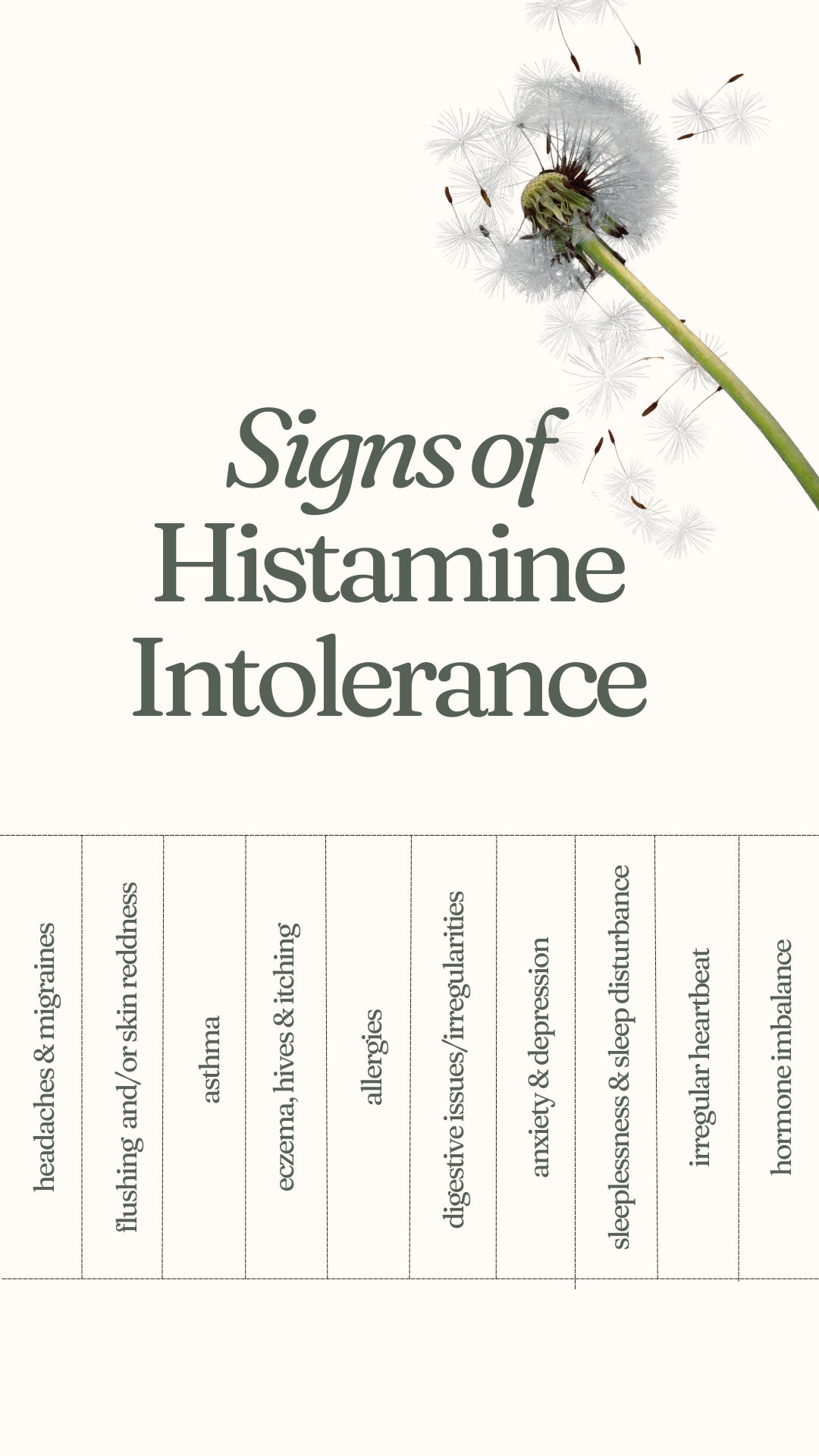
Your body uses two enzymes to break histamine down. DAO, or diamine oxidase, clears histamine in the gut. HNMT, histamine-N-methyltransferase, clears it inside cells. When those enzymes are insufficient, blocked, or overwhelmed by incoming histamine, the compound accumulates. That build up produces a wide and confusing symptom picture: skin flushing, headaches, hives, digestive problems, anxiety, insomnia, and reactions that seem to have no consistent trigger.
This is histamine intolerance.
How Histamine Accumulates
→ Histamine enters through food, particularly fermented foods, aged cheeses, leftovers, bone broth, spinach, avocado, and tomatoes.
→ DAO clears it in the gut. When DAO is low, dietary histamine passes into circulation instead of being broken down.
→ HNMT clears it inside cells. Impaired methylation slows this process significantly.
→ Accumulation produces symptoms that appear random because the trigger is not a single food but a total load that exceeds the body’s clearance capacity.
Mast cells are a type of white blood cell. They store histamine and other immune chemicals and release them when the body detects a genuine threat, an infection, an injury and/or a pathogen.
In mast cell activation syndrome, that release mechanism misfires. Mast cells respond to triggers that are not actually dangerous. Foods, temperature changes, chemical or mold exposures, physical pressure, and stress. Each trigger produces a release of histamine and other mediators. The body ends up in a state of near-constant chemical alarm.
MCAS is one of the primary drivers of histamine intolerance. When mast cells are chronically activated, no amount of dietary restriction fully resolves the problem. The histamine is not just coming from food. It is being generated internally by a signaling system that has lost its ability to distinguish real threats from harmless ones.
That distinction matters for how you approach the protocol. Antihistamines block histamine after it is released, but they do not address why mast cells are releasing it. A protocol aimed at the root has to work at the level of immune regulation, not downstream symptom suppression.
Histamine Intolerance vs. MCAS
→ Histamine intolerance is a clearance problem. The body cannot break down histamine fast enough.
→ MCAS is a signaling problem. Mast cells release histamine in response to triggers that should not activate them.
→ The two frequently overlap. MCAS produces excess histamine that overwhelms clearance capacity. Treating only one without addressing the other is why many people plateau.
Standard labs miss this. You can have significant histamine intolerance or mast cell activation and receive a clean bill of health from routine bloodwork. The markers that reveal the pattern are not part of a standard panel, and most providers have not been trained to order them.
These are the specific labs worth requesting.
Labs That Show the Actual Picture
→ DAO the enzyme that clears histamine in the gut. Low levels indicate intolerance.
→ HNMT the enzyme that clears histamine inside cells. Impaired methylation slows this down.
→ Serum histamine can show elevated circulating levels, though it fluctuates.
→ Methylhistamine (urine) measures histamine breakdown products. More reliable for identifying chronic overload.
→ Tryptase released by mast cells. Elevated levels point toward MCAS.
→ Nutrient panel B6, copper, vitamin C, zinc, folate, and B12 are all required for DAO and HNMT to function. Deficiencies here slow clearance directly.
→ Inflammatory markers hs-CRP, IL-6, and TNF-alpha show systemic inflammation connected to histamine overload.
→ Genetics MTHFR, HNMT, and DAO variants explain why clearance is structurally impaired in some people.
If your provider declines to run these, direct-to-consumer lab services give you access to most of them independently. Knowing what you are looking for changes the conversation.
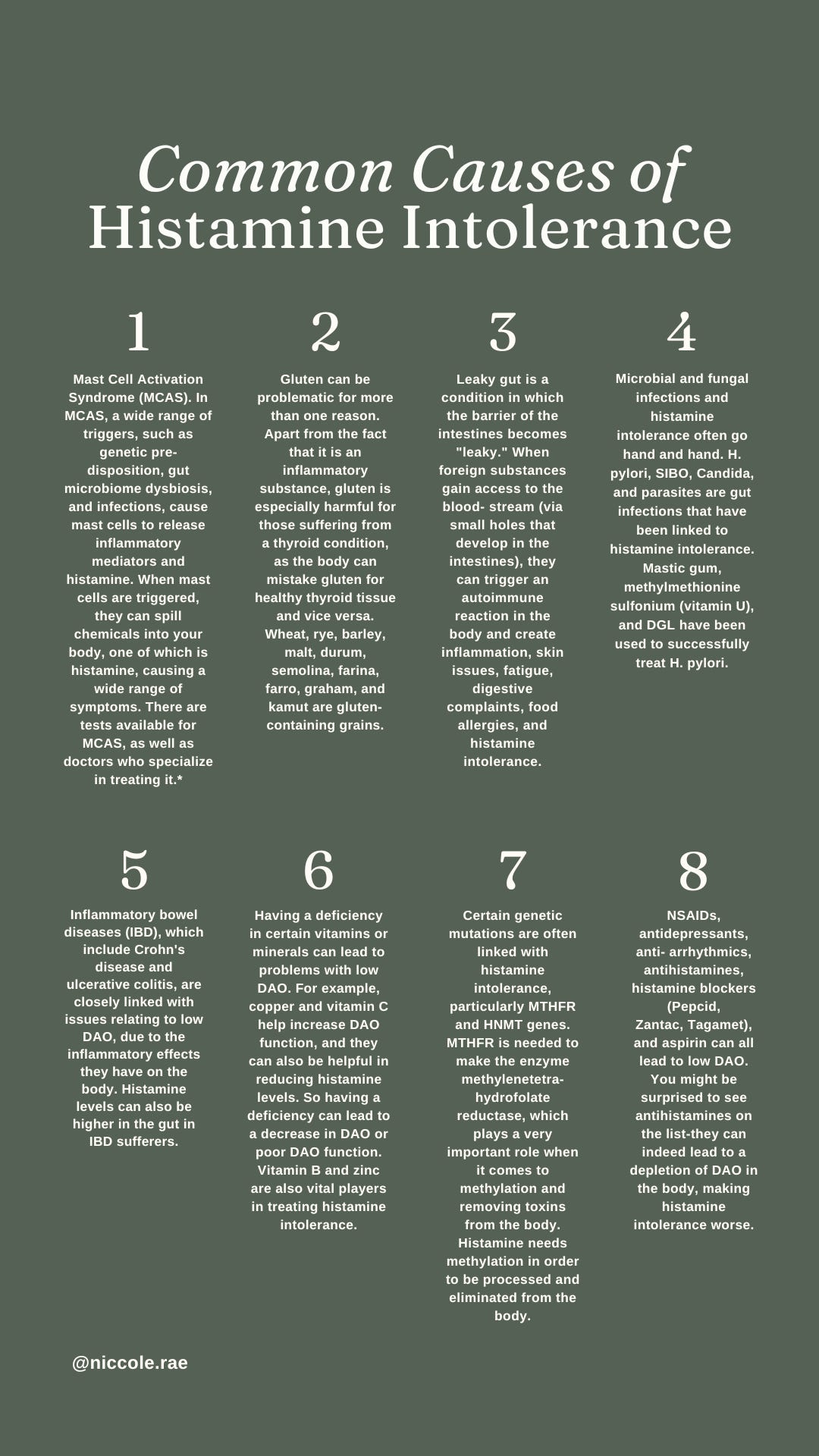
One pattern worth noting: histamine intolerance is frequently a surface-level signal of a heavier burden underneath. Mold exposure is one of the most common hidden drivers. Mycotoxins trigger mast cells, block detox pathways, and produce the same symptom picture. If symptoms started after water damage, if multiple family members are affected, or if nothing improves regardless of diet, it’s worth researching mold.
This is not a supplement list. It is a layered protocol built around a specific sequence. The sequence matters because each step creates the conditions the next step requires.
No supplement works in a body that is still under constant inflammatory load. The foundation has to come first.
Foundational Habits
→ Food fresh meats, simple vegetables like carrots, zucchini, and broccoli, fruits like apples and pears. Avoid leftovers, fermented foods, aged cheeses, and anything processed. Freshly cooked food eaten close to preparation is the baseline.
→ Movement the lymphatic system has no pump. Daily movement, walking and light strength training, clears waste and calms mast cell activity.
→ Sweating exercise, sauna, or hot baths help clear histamine and inflammatory mediators. A few sessions per week reduces the burden on the liver and kidneys.
→ Circadian rhythm histamine levels follow a biological clock. Morning sunlight, consistent sleep and wake times, and reduced artificial light in the evening regulate mast cell behavior. Disrupted rhythms increase mast cell misfiring.
→ EMF reduction research on EMF and mast cell activation is still developing, but the intervention is low cost and low risk. Phone out of the bedroom at night. Wi-Fi off during sleep. The goal is reducing sensory load during the body’s primary repair window.
→ Minerals and hydration detox pathways require both. Fulvic and humic acid added to water supports mineral absorption at the cellular level and assists toxin clearance.
These are not optional steps before the real healing begins. They are part of the healing. Skipping them and going straight to supplements is one of the primary reasons protocols produce inconsistent results.
When histamine is running high, eating becomes its own stressor. This plan is a short-term bridge. Foods that keep the load low while the real work of terrain support, nervous system regulation, and mast cell stabilization is happening underneath. It is not a forever way of eating. It is something to put the fire out while your body catches up.
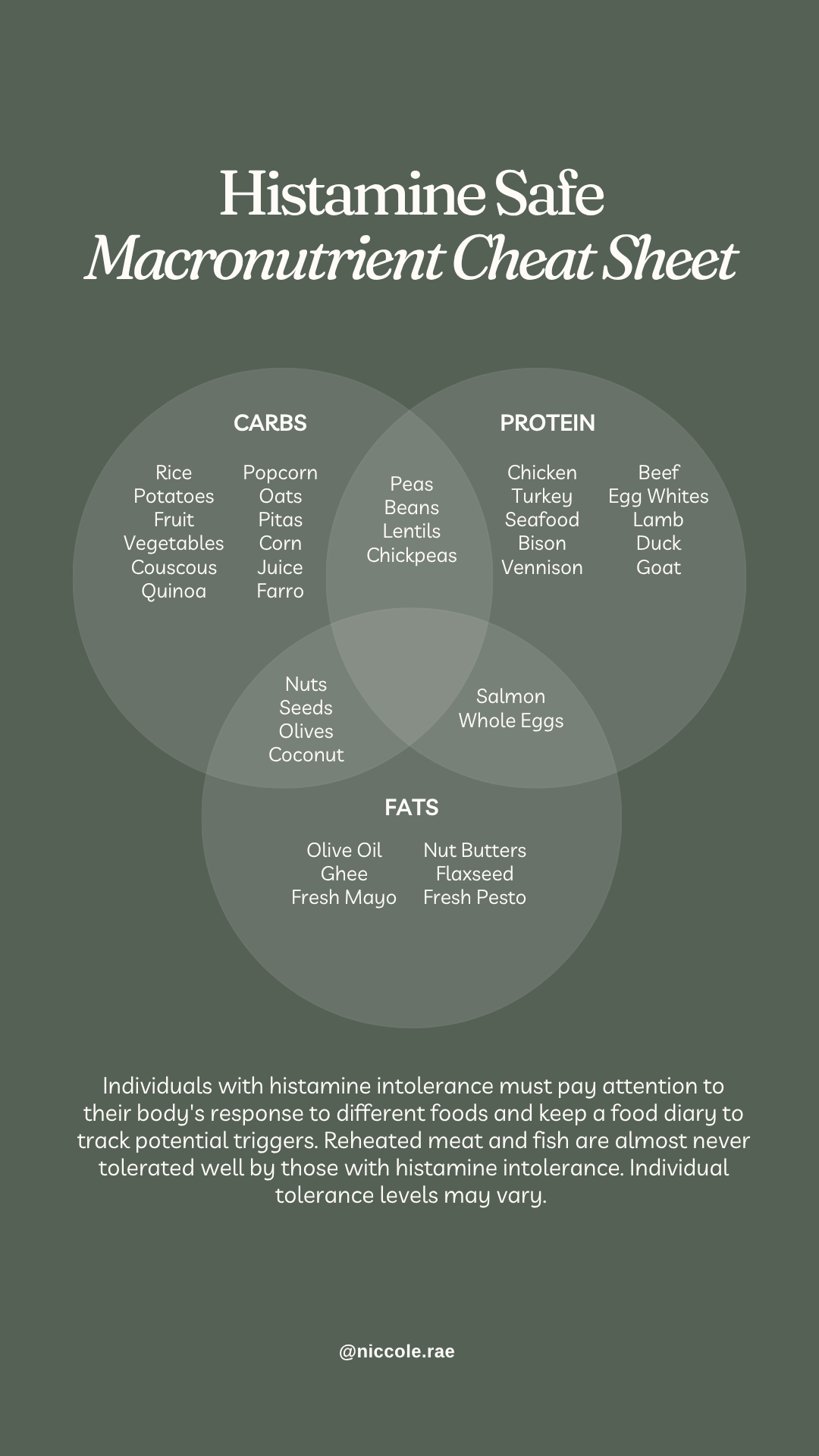
Before you download, consider subscribing. The Ace Edit is where we publish the research, the terrain education, the practical tools, and the resources we build along the way. The meal plan below is one small piece of a much larger library that grows every week.
Step 2: Stabilize the Terrain with Acemannan
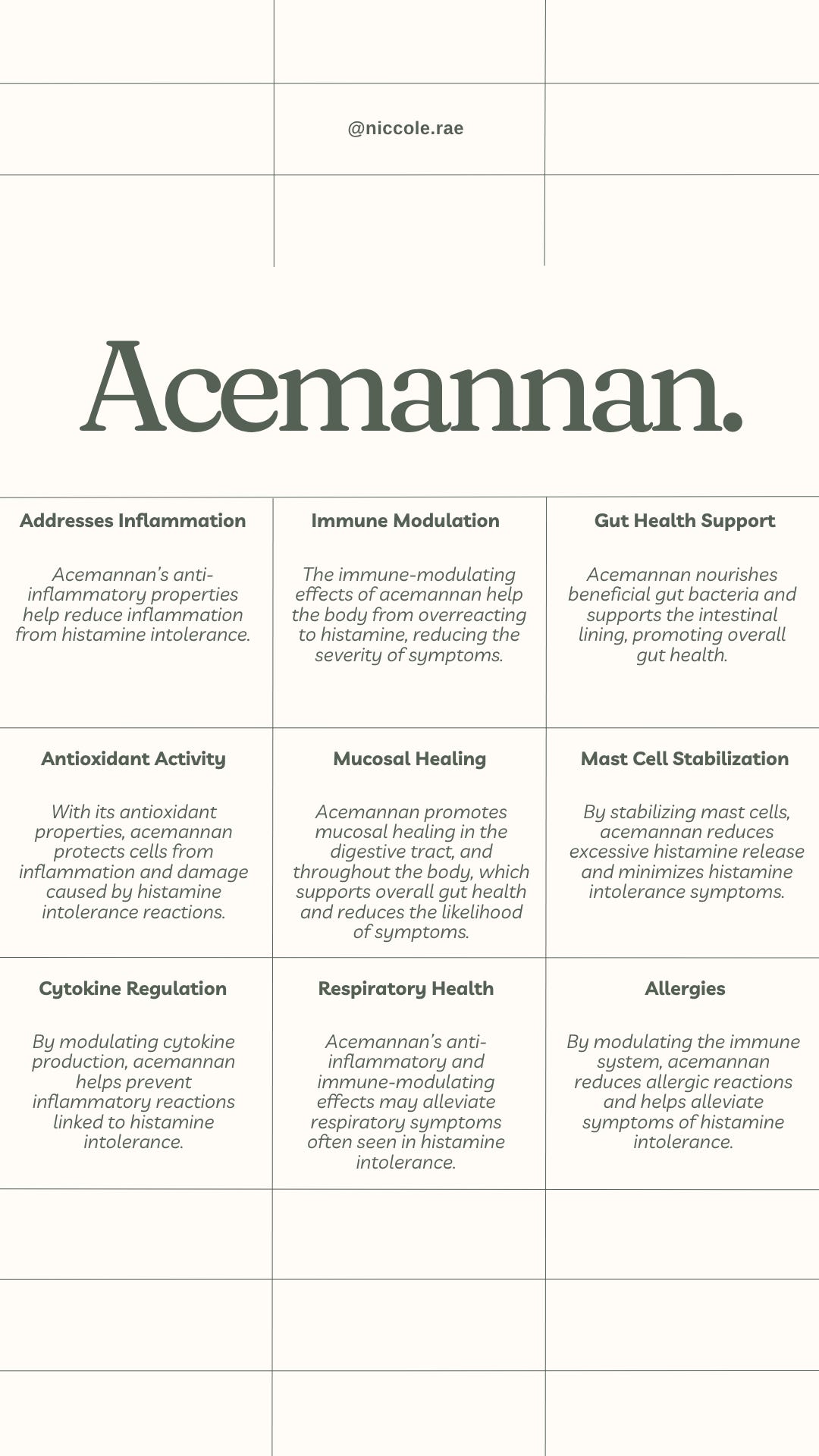
Acemannan is the active polysaccharide in aloe vera. It is the richest natural source of bioavailable mannose, a saccharide the body uses to build glycoprotein structures on the surface of cells.
→ Immun A therapeutic dose of acemannan and the accelerant for repair. It helps the immune system stop misfiring and return to accurate signaling. Most people need this level for at least eight weeks before scaling back. | Two capsules with breakfast and lunch.
Those structures are what allow cells to communicate with each other accurately. They are how the immune system identifies what is healthy, what is damaged, and what is foreign. When that communication layer is intact, the immune system can regulate itself. When it degrades, the system loses precision. Mast cells misfire because the signaling they depend on for accurate information is no longer reliable.
Acemannan works by restoring that communication layer. Not by suppressing the immune response or blocking histamine release, but by giving the immune system the structural support it needs to regulate itself accurately. I want to be clear about that distinction. Suppression and regulation are not the same thing. Suppression shuts the system down. Regulation restores its accuracy.
Note: Acemannan is dose-responsive. Depending on the severity and duration of symptoms, some people may need more acemannan to move the needle. Read the full dosage guide here.
Why Most Acemannan Products Aren’t Efficient
Once an aloe leaf is cut, acemannan remains active for approximately 24 hours. Most commercial aloe juices, gels, and supplements have already lost the compound before they reach you.
Alovéa holds exclusive rights to the highest grade acemannan available. Their stabilization process preserves the active immune-supporting fractions that other extraction methods destroy entirely. Potency is COA verified.
Over 700 peer-reviewed studies and close to $200 million in research support this compound. I spent years tracing acemannan back to its source, the extraction methods, the companies producing it, and the research behind each. Alovéa is where that research ended.
The foundation habits I described above, I had been doing most of them for years before I found acemannan. They produced partial improvement. The histamine reactivity kept returning because the underlying signaling problem was still there. Acemannan was the intervention that addressed that directly.
Histamine overload depletes key nutrients. DAO and HNMT enzyme function depends on B6, copper, vitamin C, zinc, folate, and B12. Chronic mast cell activation generates oxidative stress that mitochondria cannot sustain without support.
Once the terrain begins to stabilize, the cells need resources to rebuild.
→ OptiPack is three formulas working together: whole-food vitamins and minerals, a full-spectrum omega complex, and a mitochondrial and immune support formula built around betalains and polyphenols. | One packet with breakfast and lunch.
→ CORE pairs with OptiPack at this stage. It restores gut integrity so the nutrients in OptiPack can actually be absorbed. If the gut lining is compromised, even a complete nutrient formula cannot do its job. CORE also delivers a maintenance dose of acemannan to keep immune signaling steady while the deeper repair work continues. | One packet with breakfast.
Here is what each one brings to the process.
What OptiPack Delivers for Histamine/MCAS Recovery
→ CoQ10 reduces oxidative stress and supports mitochondrial energy production.
→ Omega-3s bound in cyclodextrin for absorption six times higher than standard fish oil. Reduces inflammation and supports cell membrane integrity.
→ ElevATP ancient peat and apple polyphenols clinically shown to increase cellular ATP production. Gives cells the energy to process histamine and repair tissue.
→ Betalains reduce key inflammatory markers including IL-6 by up to 47%. Stabilize mast cells and regulate the cytokines that drive histamine overload.
→ Multi-nutrients fill the specific gaps in zinc, B vitamins, folate, and minerals that DAO and HNMT enzymes require to function.
What CORE Delivers for Histamine/MCAS Recovery
→ Acemannan restores cell-to-cell communication and keeps immune signaling steady.
→ Betalains calm inflammation that interferes with nutrient absorption and hormone conversion.
→ Pine bark extract improves blood flow so nutrients reach their destination.
→ Modified citrus pectin binds toxins that add to the histamine and immune burden.
→ Lactoferrin strengthens the gut barrier and supports beneficial gut bacteria.
→ Collagen peptides repair the gut lining for better nutrient absorption.
→ Colostrum supplies immune factors that fortify gut defenses.
→ Prebiotic fiber produces seven times more beneficial bacteria than standard fibers.
Together, these two formulas address both sides of the problem. CORE rebuilds the gut so absorption is possible. OptiPack delivers what the cells need once they can actually receive it.
CORE, OptiPack, and Immun come packaged together at a significantly lower price than purchasing them separately. Use code HOPE10 for an additional 10% off your first order.
Once the terrain is stable and cellular energy is restored, additional tools can be added. These are not substitutes for the first three steps. They refine a system that is already moving in the right direction.
Targeted Support Tools
⪢ Okra binds bile and carries toxins out of the gut. Soothes the gut lining.
⪢ Vitamin C and Quercetin calm mast cell activity and reduce histamine release.
⪢ Fulvic and Humic Acid binds toxins and replenishes minerals at the cellular level. Supports the mineral base DAO and HNMT depend on.
Histamine overload rarely exists in isolation. Mold, chronic gut inflammation, and nutrient deficiency all increase mast cell reactivity and reduce histamine clearance. A protocol that addresses the terrain works across all of these simultaneously rather than requiring a separate intervention for each.
How do I know if this is histamine or something else?
The pattern is usually the indicator. Histamine intolerance tends to cluster around high-histamine foods, specific times of day, and stress. MCAS adds environmental and physical triggers. Standard allergy testing comes back negative because this is not a classic allergic response.
A two-to-four week low-histamine diet trial is informative. If symptoms reduce significantly, the connection is likely there. The labs listed above can confirm it.
Should I talk to my doctor before starting?
Nothing in this protocol interacts negatively with standard medications. Worth noting: as immune regulation improves, some people find that existing medication doses need to be adjusted. That is the body responding correctly, not a problem with the protocol. If you are on medication, let your prescribing doctor know you are working on immune regulation and ask them to monitor relevant markers.
How long before something changes?
The foundation habits produced a shift in baseline within four to six weeks. Acemannan took longer. Three months of consistent use produced the most meaningful reduction in reactivity. The immune system is a learning system, not a switch. It needs consistent input over time to recalibrate.
The first thing I noticed was a reduction in unpredictability. Reactions became less frequent and less severe before they stopped. That is what recalibration looks like in practice.
Alovéa operates on a Buy One, Nourish One model. Every product purchase provides a child in a malnourished country with a month’s supply of Hope Boost or Mighty Milk, both of which contain acemannan. Orphanages that were losing thirty to forty children a year to malnutrition and mild illness have not lost another child since the program began.
The compound that stabilizes an immune system here funds the compound that keeps a child alive somewhere else.
For more on the research behind acemannan, or to go deeper on any section of this protocol, read more at The Ace Edit. Links to everything referenced here are in the resources below.
Research References
Acemannan — Immune Regulation
Im et al. (2010) — Acemannan increases IL-10, an anti-inflammatory cytokine that directly suppresses IL-6. This is the mechanism behind regulation rather than escalation. https://pubmed.ncbi.nlm.nih.gov/20041421/
Li et al. (2022) — Purified acemannan fractions inhibit cytokine storms through mitochondrial pathways and shift macrophage behavior from pro-inflammatory to resolving. https://pubmed.ncbi.nlm.nih.gov/36184177/
Gullón et al. (2015) — Acemannan strengthens the gut barrier and increases short-chain fatty acids that lower systemic inflammation. https://pubmed.ncbi.nlm.nih.gov/25504136/
Acemannan — Cognition and Psychological Function
Stancil & Hicks (2009) — Double-blind trial. Glyconutrient intake improved visual discrimination, working memory, and cognitive accuracy in university students. https://pubmed.ncbi.nlm.nih.gov/19425467/
Martin et al. (2017) — Aloe-polymannose multinutrient supplementation increased BDNF and improved cognitive performance in adults with Alzheimer’s dementia. https://www.drreg.net/publications/#pdf-supplementation-brain-derived-neurotrophic-factor/1/
Betalains — Inflammation
Clifford et al. (2015) — Human trial. Betalain-rich beet extract lowered IL-6, TNF-α, and GRO-α after 10 days in osteoarthritis patients. https://pmc.ncbi.nlm.nih.gov/articles/PMC4425174/
ElevATP — Cellular Energy and Inflammation
Reyes-Izquierdo et al. (2013) — A single 150 mg dose of ElevATP raised whole blood ATP by approximately 40% at 60 minutes compared to baseline. https://pmc.ncbi.nlm.nih.gov/articles/PMC4950767/
Nogueira et al. (2013) — Energy stress is a documented trigger for chronic cytokine release. Restoring ATP production reduces the inflammatory signal at its source. https://pubmed.ncbi.nlm.nih.gov/23381720/
CoQ10 — Mitochondrial Support
Meta-analysis (2019) — Significant reductions in IL-6 and TNF-α across chronic disease populations in randomized controlled trials. https://pubmed.ncbi.nlm.nih.gov/31185284/
Full-Spectrum Omegas
Straeten et al. (2024) — Conjugated linoleic acid suppressed pro-inflammatory cytokines including IL-6 in human subjects. https://pmc.ncbi.nlm.nih.gov/articles/PMC11449868/
Next:
No posts
Comments
Nothing yet. Say the first thing.
Sign in to join the conversation.