
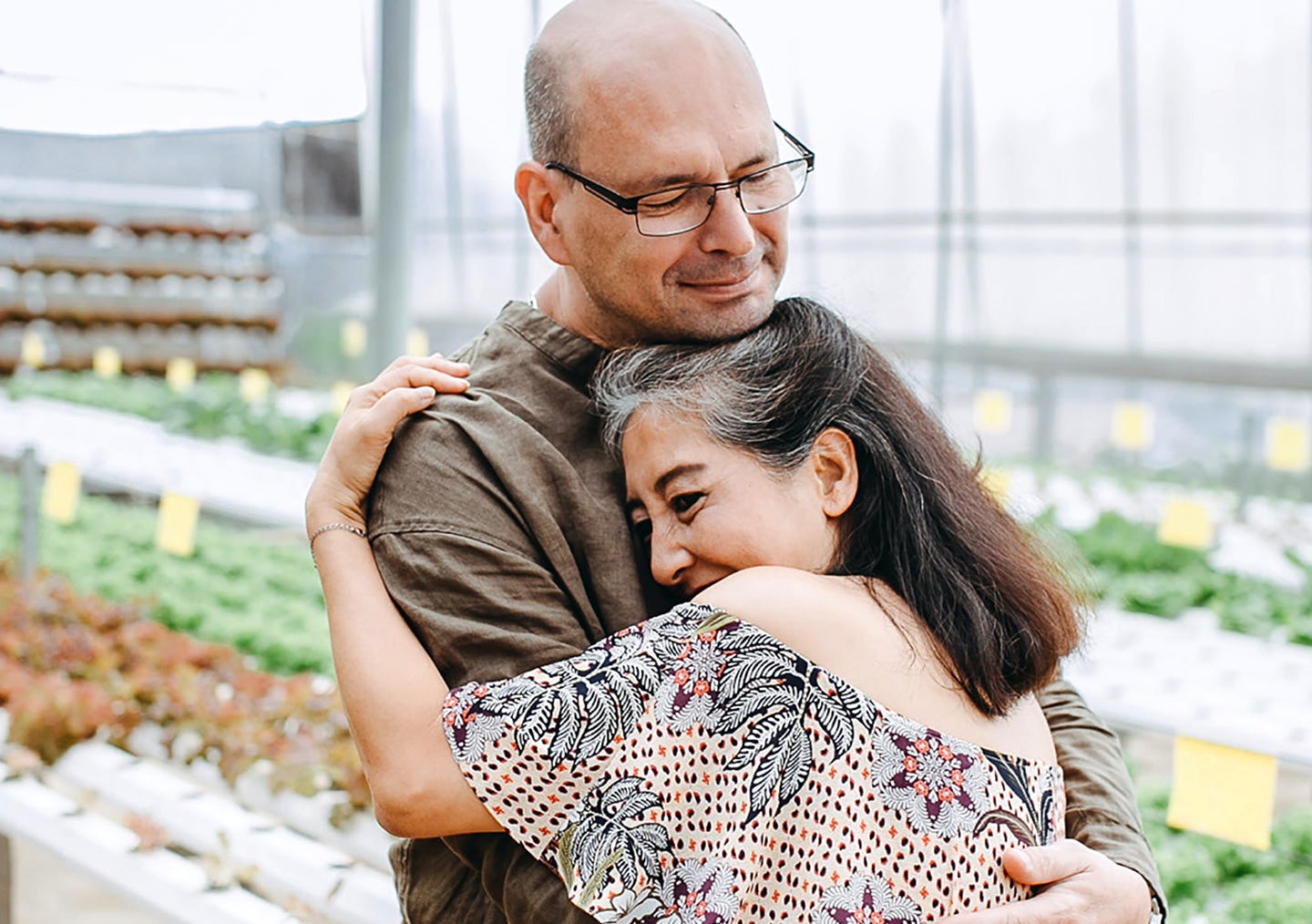
©Anthony Tran, unsplash
Note: There are Resources at the bottom of the article for you!
Does your relationship feel stale and less interesting than it once was? As individuals, do you feel you are growing and changing in positive ways?
When you have been together for a long time, you might develop a certain blindness to each other. You may have stopped asking about each other’s thoughts and feelings. You may not be aware of each other’s personal growth goals. Perhaps you haven’t been trying new activities. Keith and Charla realized they were stuck in familiar patterns. It was a warning sign for her when she noticed another man seemed interesting. She had no wish to be unfaithful. They decided to book a beach cottage for a week and reconnect.
Love Map Activity
Charla and Keith decided to try an activity they read about in a book. They began with their own sheets of paper and writing utensils, including markers, and completed the first part of the activity individually. On their papers, they used creativity to describe one another in words and drawings. Below are ways for you and your partner to carry this out as well.
Creativity: For example, you could draw a tree, squares, circles, pictures, or anything else that represents your partner’s life, and then add words to it.
Sample Topics About Your Partner: (You can go beyond these as needed):
Virtues they exhibit and love
Feelings they express most easily
Feelings most difficult to acknowledge and express
Emotional and spiritual wounds still healing
Preferred type of work; professional aspirations
Favorite activities, service choices, and high priorities for spending time
Preferred time of day for lovemaking
Closest friends
Current or recurring fears, stresses, sadnesses, and worries
Common irritants
Purpose(s) in life
Views about children, parenting, and grandparenting
Philosophies/practices of parenting
Life dreams
Religious/spiritual beliefs and activities
Basic philosophy of life
Favorite music, games, movies, TV shows, podcasts…
What like to read
Most special times in life
Childhood traumas/stresses
Major aspirations and hopes
Likely actions on receiving a major sum of money
What they do to recharge energy; to relax
Favorite hobbies; attitudes about hobbies
Dream vacation spot(s)
Preferred ways to celebrate (include if likes or doesn’t like surprises)
Where turns to for help and support
Preferred ways to exercise
Important events coming up and feelings related to them
Medical concerns
Concerns about family members
Example: One person could draw a circle for “Current fears, stresses, and worries”, and then list in the circle about their partner they are concerned about: “Adjusting to their new job and their parents’ health”. The partner could draw a circle for the other showing their “Most special times in life” and then write in the circle: “The couple vacation we took last year” and “Tutoring a teen to succeed in school”.
Reflect and Discuss: Once you have both completed your “maps”, share them, discuss them, and add to them. You can consider such questions as these:
What were the surprises?
What did we appreciate learning?
Were we able to share and learn without becoming upset that our partner was unaware of something significant about us?
Do we feel confident we know one another better? That we know one another well?
Related Activity: Now draw a “map” together of your couple relationship. Reflect and discuss these questions:
a. What are our goals as a couple?
b. What activities do we do together?
c. What do we do individually with agreement from our partner, and how do these activities enrich us and our relationship?
d. What roles and responsibilities do we carry out as parents or grandparents?
e. What are the primary relationships we have with family members? How healthy are these relationships?
f. What significant concerns are on our minds and hearts?
g. What are the joys we feel?
Source: Growing Our Unity: 19 Vital Practices for a Thriving Relationship (Susanne M. Alexander and W. Grant Peirce IV; 2025); Idea Source: “7 Principles for Making Marriage Work” by Gottman/Silver
A high-quality friendship is the foundation of your relationship. Knowing each other well is part of that. Enjoy!
Coach Susanne M. Alexander
NEXT STEPS
If you’d like to become more mindful of how to navigate difficult moments in your relationship, the Accordia Way is designed to support you. It’s a process for making decisions together and overcoming challenges in unity, not by avoiding differences, but by learning to communicate with respect, clarity, and care.
Could your relationship benefit from coaching? We are happy to be of service:
Coach Susanne: Susanne@marriagetransformation.com
Coach Adrian: Adrian@thecoachadrian.com
No-Cost Accordia Way Resources
1. Accordia Way Communication Mirror – a free 60-second check-in tool to help couples notice whether their conversations are respectful, safe, and collaborative over time. https://qrco.de/aw-mirror
2. “Let’s Answer Your Most Pressing Questions Together” – a simple form where you can share real questions and challenges about money, decision-making, parenting differences, and long-term planning. Your submissions help shape future videos and live sessions. https://qrco.de/aw-answer
Comments
Nothing yet. Say the first thing.
Sign in to join the conversation.