
Good morning, everyone. As promised, our Sunday tradition continues: another weekly good news update. Share one piece of good news from your week in the comments, and pass this along so someone else can join in too.
I’ve got three pieces of good news of my own. First, our reporting has broken through in historic ways. We’re walking into rooms now where everyone already knows this Substack, and people are sharing it with millions of others. That’s happening because of you. Second, my daughter is turning five months old, and while she still isn’t sleeping through the night, she’s trying to crawl. Third, the live show is launching in mid-September, so get ready!!

Let that sink in. We built this with nothing. No billionaire investment. No platform handed to us. No name recognition to open doors. It hasn’t been easy, but I keep showing up, because this was never just about sharing news. We’re building a community, and communities like this one are what will outlast the old media machine.
This is ours to build. Let’s keep going.
Here’s the news:
Ethel Caterham, recognized by Guinness World Records as the world’s oldest living person and oldest living woman, turned 117 on August 21st, marking the occasion with a message noting she’d “had many firsts this year, from stroking a llama to holding hands with the King.” Born in the UK on August 21, 1909, during Edward VII’s reign, she took the title last year after Brazilian nun Inah Canabarro Lucas died at 116, and last September she met King Charles III, sharing memories of watching his 1969 investiture as Prince of Wales. Caterham, the seventh of eight siblings and a former nanny and nursery operator, credits part of her longevity to a non-confrontational approach to life, telling the AP, “never arguing with anyone, I listen and I do what I like.” She outlived her husband Norman, who died in 1976, and both of their daughters, and today has three grandchildren and five great-grandchildren; she now lives in a care home in Surrey, England, where she celebrated her birthday privately with family.
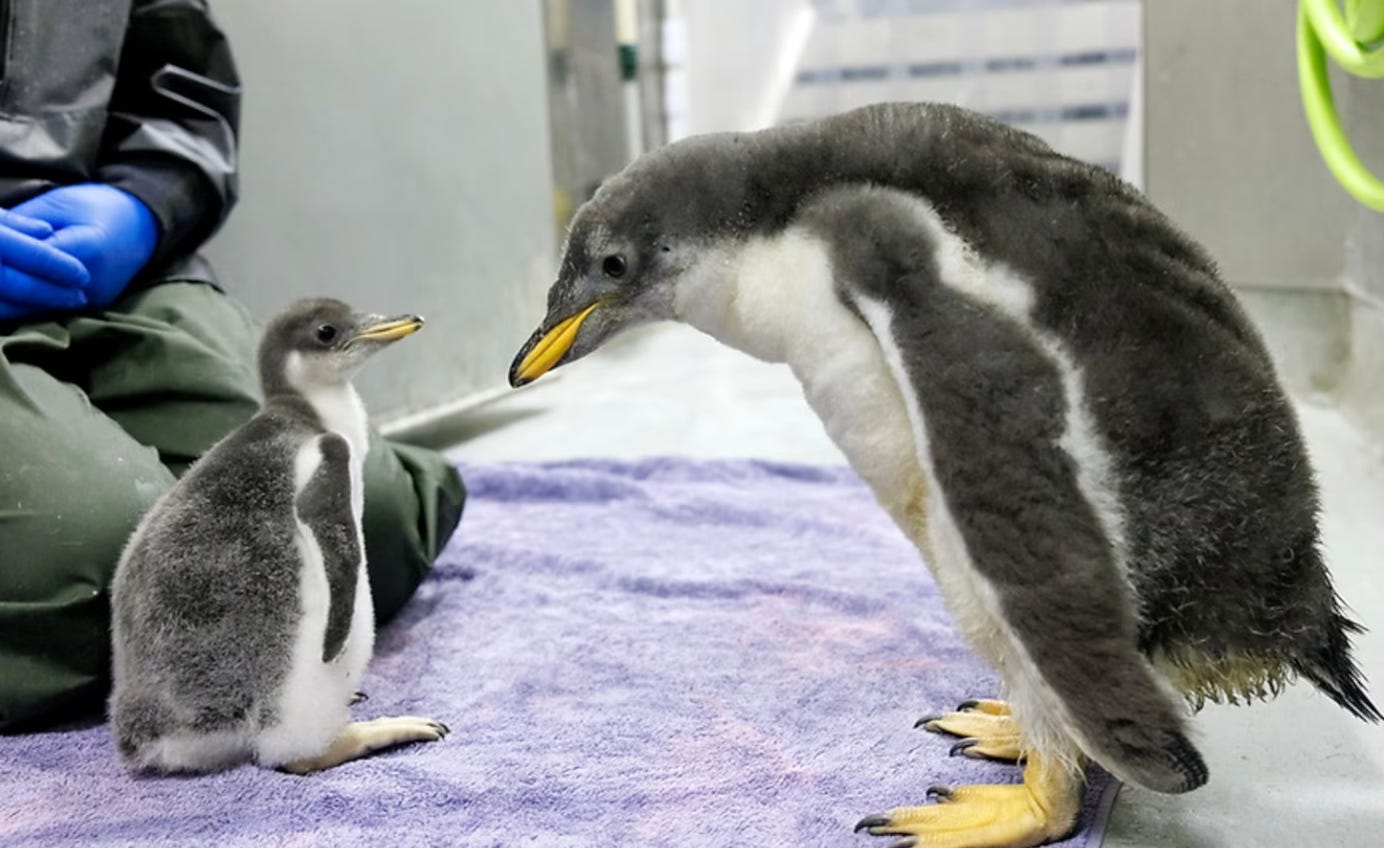
The Tennessee Aquarium is celebrating a summertime “penguin baby boom,” with Gentoo penguin parents Blue and Flower welcoming their second chick on July 17th, weeks after another pair, Nipper and Pebbles, hatched their own second chick on June 25th. Blue and Flower’s new chick had a rocky start, struggling to hold up its head and feed properly, and assistant curator Loribeth Lee said it “would not have made it” without staff intervention, though it’s since grown to a healthy 6 pounds in just one month after weighing only 3.5 ounces the day after hatching. Nipper and Pebbles’ chick, by contrast, has been notably easygoing, with senior animal care specialist Holly Gibson describing it as “pretty chill” and untroubled by handling for nest cleaning or checkups. Neither chick has been named yet, as the aquarium plans to auction off naming rights at a fundraiser in September, and both will need to pass a swim test around 70 days old, floating and exiting the water unassisted, before joining the main colony. Blue and Flower previously hatched their first chick, Carla, back in 2021.
Rio, a 10-month-old Australian Shepherd known for slipping out of fences and screen doors, went missing from Sand Springs, Oklahoma on July 30th after wandering off on one of his usual outings, and owner Melissa Burris feared he’d been hurt or taken after a gas station clerk suggested a customer may have picked him up. Nearly two weeks later, on August 11th, Rio turned up more than 1,000 miles away when he was scanned in Greensboro, North Carolina, a distance that would take about 16 hours to drive or nearly two weeks to walk, leaving Burris with no real explanation beyond guessing he may have hitched a ride with a long-haul trucker or a college student heading to school. Burris said how he got there matters less than the fact he was found safe, and she and her family made the roughly 16-hour drive to retrieve him, passing through five mountain ranges including the Blue Ridge and the Smokies. She credits Rio’s microchip with making the reunion possible and is urging other pet owners to get their animals chipped too.
22-year-old content creator Troi Moore was stood up on a date at a Fogo de Chão in Washington, D.C.’s Penn Quarter, sitting alone at a table for two for about 90 minutes before accepting it wasn’t going to happen. Rather than let her leave upset, her waiter and the head manager invited her to the bar, telling her “we’re your date tonight,” and staff checked on her throughout the evening while comping her a crème brûlée cake and two drinks. Moore posted an emotional video about the experience that racked up over 1.6 million views, saying the staff turned a moment that “would have honestly ruined my night” into “such a kind and empathetic moment.” Fogo de Chão CEO Barry McGowan credited the gesture to the chain’s culture around the Portuguese phrase “Deixa Comigo,” meaning “leave it to me,” which he says drives staff to look out for guests. Moore says she rarely sees that kind of genuine concern from restaurants and wanted to publicly thank the team for treating her “like a human being.”
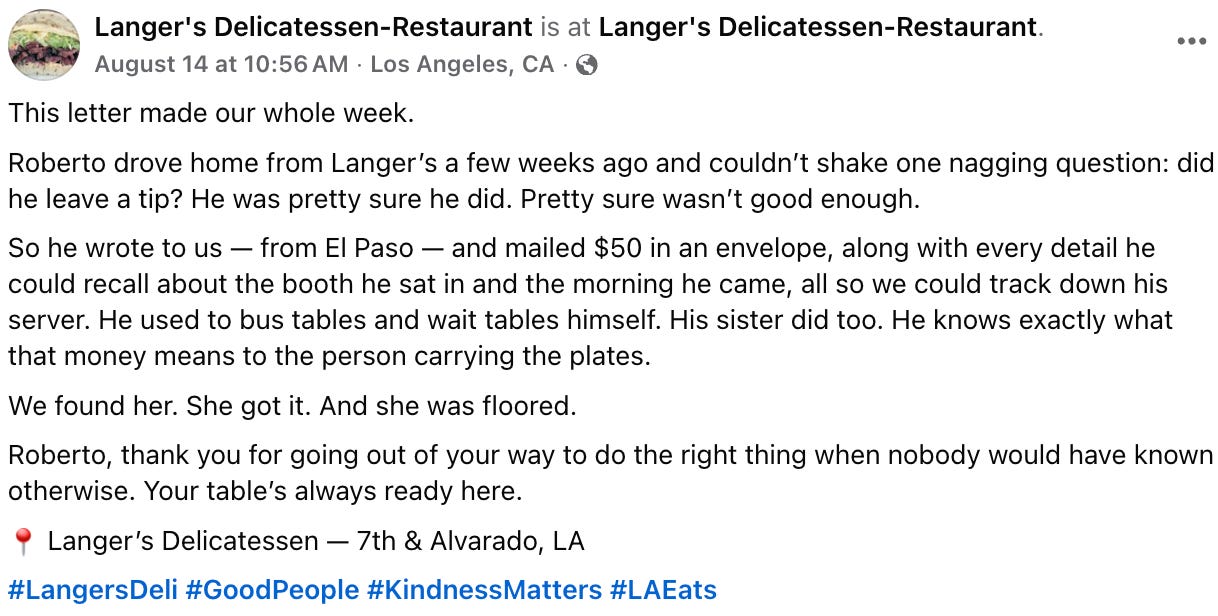
ESPN feature writer Roberto José Andrade Franco visited Langer’s Deli in Los Angeles in May, paid the full bill for himself and two friends to keep things simple, and then spent weeks on the road for work, from Johnny Tapia’s mural in Albuquerque to Muhammad Ali’s grave in Louisville, unable to shake the nagging worry that he’d forgotten to tip. Back home in El Paso, he mailed the 79-year-old deli a detailed letter describing the time of day, where they sat, and what their server looked like, along with $50 cash, writing he was “about 75% sure” he’d tipped but couldn’t let the 25% chance go unresolved. Neither owner Norm Langer nor the server, Sue, could actually recall the encounter, but Langer’s posted the letter on Facebook on August 14th, saying it “made our whole week” and that they’d found Sue and given her the money, leaving her “floored.” Andrade, who has worked as a waiter and busboy himself, says he never forgot how it felt to be undertipped and didn’t want to risk being that person for someone else. The deli confirmed the one detail missing from his letter, that he’d ordered “the number 19,” their famous hand-cut pastrami sandwich with coleslaw, Russian dressing, and Swiss on double-baked rye.
29-year-old Sam Wilmot of Bristol, England has rated over 300 benches on his Instagram page @ratethisbench using a strict ten-point rubric covering location, accessibility, materials, comfort, and a reserved “wow factor” point, and had never given a perfect 10 until he revisited a bench outside the 13th century St. John the Baptist church in Old Sodbury on his wedding day. He’d previously scored that same bench a 9/10, but wrote in a viral June post that the joy of getting married there finally supplied the missing “wow,” declaring “I have found my 10, in Sophie, and this bench.” Wilmot’s wife Sophie has served as the account’s photographer since 2019, joining his life about five months into his bench-rating project and becoming, as he put it, essential to what the page became. He remains strict with his scoring elsewhere, for instance giving Aberystwyth’s striking Giant’s Chair installation only a 4/10 over cramped, uncomfortable seating despite its unspoiled valley view. Wilmot says the larger point of the project isn’t the benches themselves but the walks, conversations, and people that come with seeking them out, calling them “a lived experience” rather than something monumental.
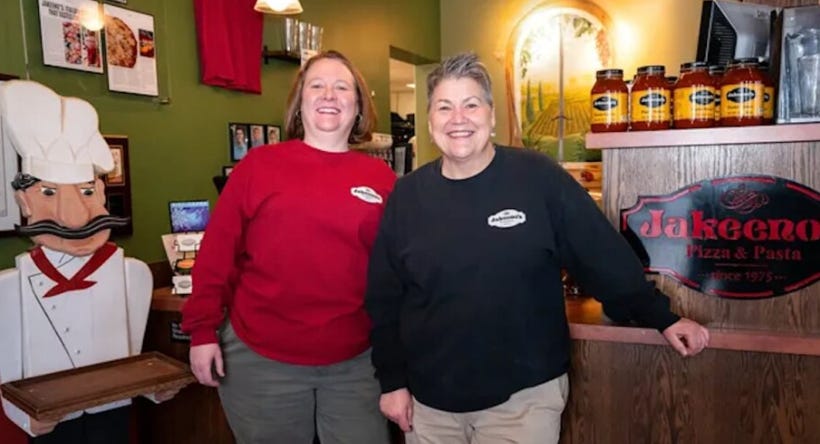
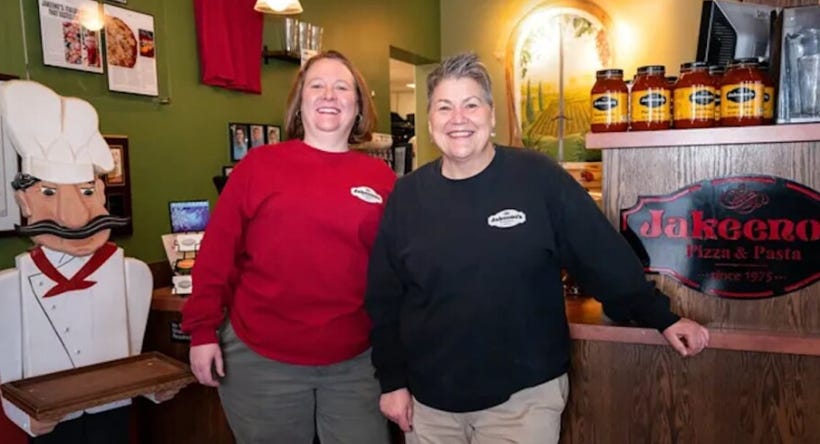
Jakeeno’s Pizza, a 50-year-old, sisters-owned institution in South Minneapolis, closed after a fire broke out beneath its roof membrane in the early morning hours of July 11th, forcing firefighters to tear open sections of the roof to put it out. No one was inside, so the damage was financial rather than physical, and co-owner Amy Keegan says the restaurant is well insured and just waiting on the claims process. Local hospitality entrepreneur Bob Tinsley started a GoFundMe to cover wages for the restaurant’s cooks, wait staff, and bartenders while it rebuilds, and the community has already chipped in $21,000 across 291 donations. Co-owner Patty Keegan says the goal is simply to keep the staff whole until they can reopen, and people can also support the business by buying its branded pasta sauce and frozen pizzas at local grocers and co-ops. It’s not the first crisis Jakeeno’s has weathered: the restaurant also survived the Great Recession, COVID-19, and more.
Mexican fisherman Erasto Crisanto Valdez survived 15 days trapped in total darkness inside a submerged cave after getting lost while fishing in a cenote on July 23rd, kept alive by drinking rainwater from a spring and breathing from an air pocket he stumbled into. He wasn’t found until August 7th, after the Municipal Government of Uxpanapa coordinated what it called an “unprecedented deployment on land, river, and air” across 15 days, involving three levels of government and specialist rescue teams. Valdez was hospitalized in a state of extreme malnutrition and dehydration, having lost all sense of time in the darkness, saying the 15 days “felt like only three days” to him and that he leaned on his faith in God to endure it. He recalled being unable to see anything and only able to hear the lake, unsure whether it was day or night, while surviving off cenote water whenever he felt hungry or thirsty. The story is a reminder of how dangerous submerged cave environments are, and why divers are urged to carry long-lasting light sources and leave trail markers before entering one.
Johns Hopkins researchers report the first-in-human demonstration of a drug designed to prevent pancreatic cancer in people with mutant KRAS, a high-risk gene present in most pancreatic cancers and precancerous lesions, by training the immune system to recognize and destroy mutated cells before they turn cancerous. In a phase 1 trial published July 16th in Cancer Discovery, 20 participants with a hereditary predisposition and a detected pancreatic abnormality received four doses of the vaccine-like drug (a mix of peptides and an immune adjuvant) over 13 weeks between April 2022 and February 2026, and 18 of the 20, or 90%, developed a median 18-fold increase in KRAS-specific T-cell responses that persisted for two years of monitoring. After a median follow-up of 16.5 months, none of the participants developed pancreatic cancer or a high-risk lesion requiring surgery, and all side effects, mainly injection-site reactions, fatigue, chills, and flu-like symptoms, were mild to moderate and resolved on their own. Deputy Kimmel Cancer Center director Elizabeth Jaffee, a co-senior author, called it “a good start aimed at prevention, which no one had thought about doing before,” though researchers caution the trial was designed to test safety and immune response rather than proven cancer prevention, and the small sample size and short follow-up limit conclusions about real-world efficacy. The same treatment approach was tested earlier in post-surgical patients at high risk of recurrence, with a 2026 Nature Communications study finding that those who mounted a strong immune response stayed cancer-free for at least five years.
Philanthropist Maja Kristin discovered that teachers in California’s Ross Valley School District, located in wealthy Marin County, were the lowest paid of any peer group in the county despite Marin’s sky-high property values and per capita income, with the district sitting in the bottom 20th percentile for state school funding. She asked the district to quietly gather 100 K-8 teachers for a meeting on August 13th without telling them why, then had principals hand out envelopes containing checks made out to each teacher for $9,161.70, part of a $1 million donation to the district. Kristin told the assembled teachers, “we as citizens, we can write direct checks,” and local outlet KRON 4 was in the room to capture their reactions as they opened the envelopes. Teacher Sydney Dean called the bonus “life-changing,” while another, Amber Bunnell-Wild, said she’d never experienced “such a beautiful gift from someone I don’t even know or haven’t taught their kid.”
A LiDAR survey of 4,497 square kilometers in the southwestern Amazon, led by Martti Pärssinen of the Ibero-American Institute of Finland with Finnish and Brazilian colleagues, identified 432 geometric earthworks near the cities of Rio Branco, Lábrea, Boca do Acre, and Carauari, 396 of them previously undocumented. Extrapolating from that data alongside existing satellite studies, the researchers estimate the wider region may hold between 24,000 and 30,000 such earthworks, built by a little-understood precolonial society called the Aquiry civilization. The Aquiry are known mainly through these geoglyphs, ditched geometric enclosures ranging from under one to 123 acres that likely served as ceremonial, political, and public gathering sites, first built roughly 2,500 years ago and used, with stylistic changes, into the 13th century; the civilization is believed to have peaked between the 1st and 4th centuries CE. The study’s authors now estimate the Aquiry population at that peak reached 1.25 to 3 million people, comparable in scale to the Late Preclassical Maya, and say the findings triple the known area of Aquiry civilization from about 60,000 to roughly 183,000 square kilometers. Published last week in Nature, the research marks a major leap in understanding a society archaeologists still know very little about.
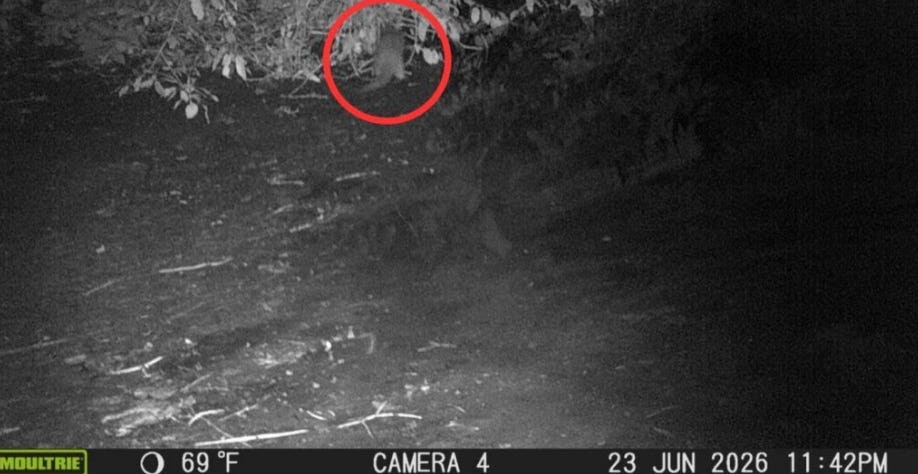
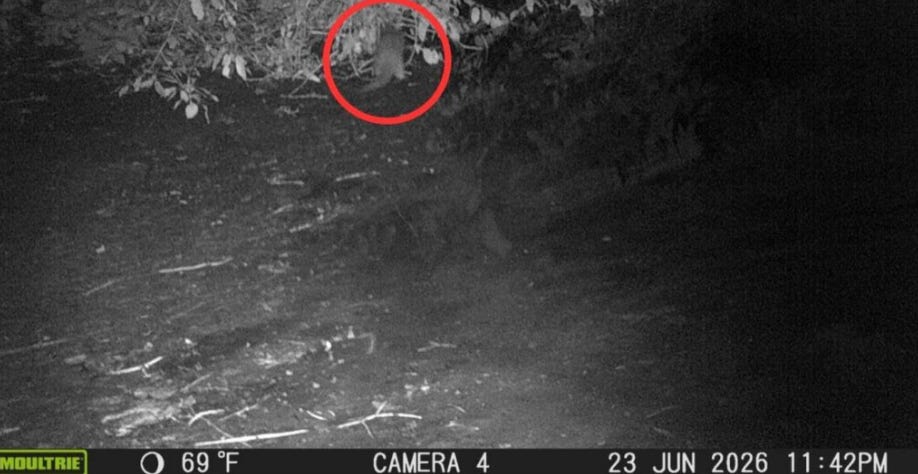
A motion-activated camera along the Bronx River captured a river otter on June 23rd, the first documented sighting of one in the Bronx in roughly 100 years. The camera was set up by RJ Hawkins, a scientist working with the Wildlife Conservation Society’s Education Department out of the Bronx Zoo, who called seeing the footage “an incredible moment” that underscores the value of long-term wildlife monitoring. WCS’s Craig Piper credited decades of restoration work by public and private partners for delivering cleaner water and healthier habitat, calling the otter’s return “a win for both wildlife and people.” River otters vanished from many New York waterways due to pollution, habitat loss, and unregulated trapping, and are considered indicators of a healthy freshwater ecosystem since they need clean water and abundant fish to survive; this sighting follows beavers returning to the same river in 2007 for the first time in over 200 years. Researchers caution one sighting doesn’t confirm a resident population, but the Bronx River Alliance’s Javier Lopez called it a reward for the 50 years communities have spent fighting to revive the river.
Facing a projected 10 to 18 inches of sea level rise over the next 25 years, Boston and the US Army Corps of Engineers released a feasibility study outlining 20 separate coastal infrastructure projects spanning roughly 16 miles of shoreline, from Powder Hill in the north to Columbine Cliffs in the south. The study warns that doing nothing could cost the city up to $54 billion by 2090 in damage to historic buildings, neighborhoods, and especially transportation systems, and it proposes phased investments totaling about a fifth of that figure, roughly $10 billion, to blunt those impacts as sea levels rise. Corps deputy commander Lt. Col. David MacPhail said inaction isn’t viable since flooding costs to public safety and the economy will only compound, and the Corps estimates nearly all of Boston will flood during a 100 year storm event within the next 64 years. No specific measures like seawalls have been finalized yet given the wide range of possible costs, but Mayor Michelle Wu called the study critical to protecting vulnerable inland neighborhoods and unlocking resources, while Green Ribbon Commission’s Rebecca Herst noted this is a rare shot at major federal funding if Boston can put forward a workable local match. A task force plans to finalize its financial plan by next summer alongside the Corps’ final study, and the public comment period on the analysis runs through September 18th.
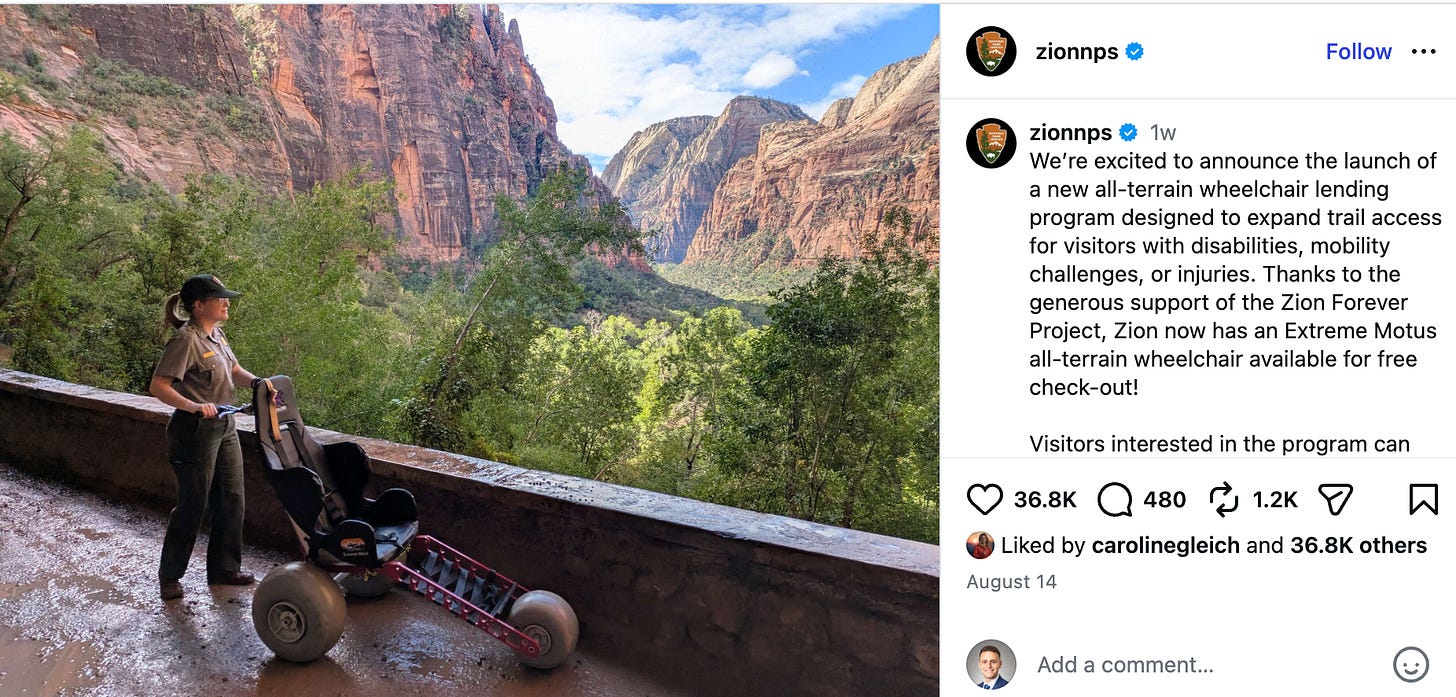
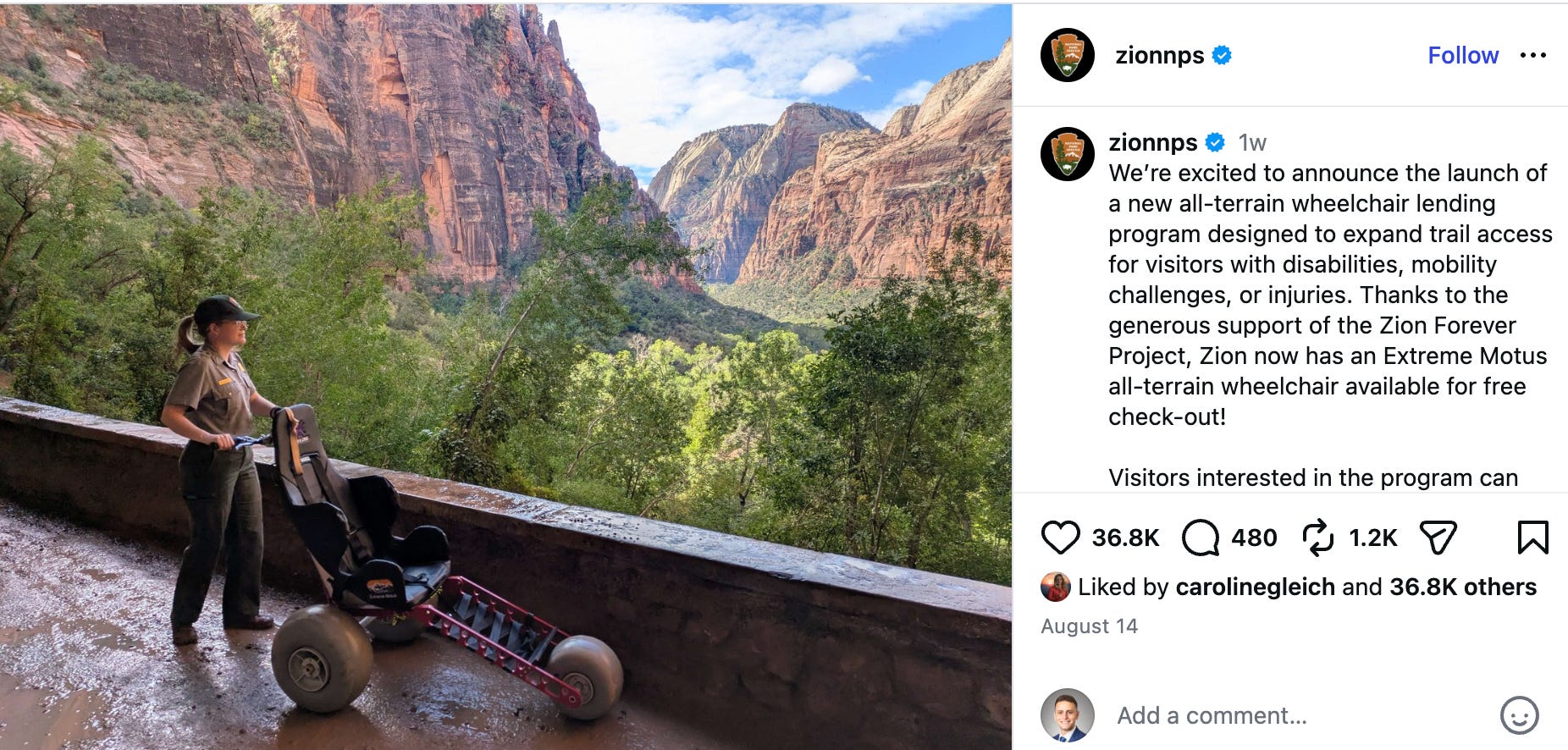
Zion National Park has become the first national park in America to offer a free, all-terrain wheelchair for public use on its trails, funded through donations arranged by the nonprofit 2Live4 and delivered to the park last July. The chair was built by Extreme Modus, whose co-founder Ryan Grassley developed the model over seven years while taking his friend Sam, who has cerebral palsy, to nearly every national park property in Utah. Chief business development officer Kenny Jardine said the roughly two-year process of getting the chair to Zion made the park the first in the national park system with its own offroad mobility equipment. Grassley recalled that during the delivery, a mother whose child uses a wheelchair happened to walk by, and after learning what the chair was for, she was moved to tears, a moment he said confirmed the equipment belonged there. The single available chair is now offered to any visitor free of charge on a first-come, first-served basis.
With over 110 million Chinese citizens living and working abroad, elderly parents left behind in rural areas often go without regular contact, a gap 39-year-old former courier Tian Rui set out to close using his old delivery routes through the mountains of Yichang Province, Hubei. After years of building close relationships with rural residents while delivering parcels, Tian began acting as a paid middleman for their children overseas, making over 200 trips to bring groceries, medications, and birthday cakes, or simply to sit and have tea with seniors whose kids can’t visit, including one client as far away as Bolivia. He charges nothing for short trips and only asks for fuel reimbursement on longer ones, and documents each visit on video to send back to the family, work that Tian says matters most because “what they really want is to know their children are thinking of them and to have someone to talk to.” In one case, video he sent a family last December turned out to be their final glimpse of an elderly relative, who died four months later, while other visits capture moments of surprising vitality, like a 100-year-old woman who insisted he stay for dinner and told him stories about all 16 of her grandchildren. Tian’s visits have gone viral on Chinese social media, earning him recognition as a “family bridge” for isolated rural elders who routinely ask him when he’ll come back next.
When TikTok influencer and NYT bestselling author Jen Hamilton got a DoorDash order in early August, she found a handwritten note from the driver reading “Your tip is helping make our wedding possible. It means the world to us. Hope & Tyler.” Hamilton, a delivery room nurse and founder of a nonprofit offering free home cleaning for low-income parents, tracked down the couple’s wedding registry and sent a pile of gifts through Amazon that arrived stacked outside their front door. Hope, the driver’s fiancée, posted a video of the haul saying the couple was “so grateful,” and GNN confirmed DoorDash itself followed up by sending the couple a wedding gift as well. This isn’t the first time generosity on the platform has snowballed: in March, a woman who saw an elderly DoorDash driver struggle up her front steps started a GoFundMe that raised $940,000 for his retirement, and DoorDash added another $20,000 on top of it.
French energy giant TotalEnergies has switched on the Hydra Project in South Africa’s Northern Cape, Africa’s largest hybrid renewable energy and storage plant, pairing a 216 MW solar array with a 500 MWh battery storage system. Built with partners Hydra Storage Holding and Reatile Renewables, the facility will deliver 75 MW of dispatchable renewable power to the national grid continuously from 5 a.m. to 9:30 p.m. under a 20 year power purchase agreement, generating 400 gigawatt hours of electricity. TotalEnergies Southern Africa managing director Magali Pailhé said the project strengthens South Africa’s energy security while decarbonizing power generation in the continent’s largest electricity market, and it pushes Total’s total gross renewable capacity to just under 36 GW. Hydra will hold the title of Africa’s largest combined renewables and storage project only until Egypt finishes a far bigger 6,000 MW solar, wind, and battery complex along the Red Sea, being built by Orascom Construction, Engie, and Toyota Tsusho. Egypt is also already home to the continent’s largest single renewable generation project, the 1.8 gigawatt Benben Solar Park, which came online in 2019.
White storks are returning to Derbyshire in the English Midlands for the first time in 600 years, part of an effort to establish a wild breeding colony at Willington Wetlands, the same river system where beavers were recently reintroduced after an even longer, 800 year absence. The Derbyshire Wildlife Trust, which manages the site, will keep the storks in a predator-proof acclimation enclosure built by Celtic Rewilding (the Staffordshire charity the birds came from) before any release into the wild, funded by a £300,000 grant from the Veolia Environmental Trust. The Trent Valley location was chosen because wild storks have recently been spotted flying over the area, and organizers hope the settled birds will encourage those wild storks to stay and breed there. Derbyshire Wildlife Trust’s Katie Last said the project will help strengthen wetland habitats and biodiversity while helping people reconnect with nature, and Celtic Rewilding’s Harvey Tweats noted that archaeological evidence and place names around the Humber confirm storks historically lived in the region, making the Trent Valley’s mix of wetlands and former gravel pits well suited to their recovery.
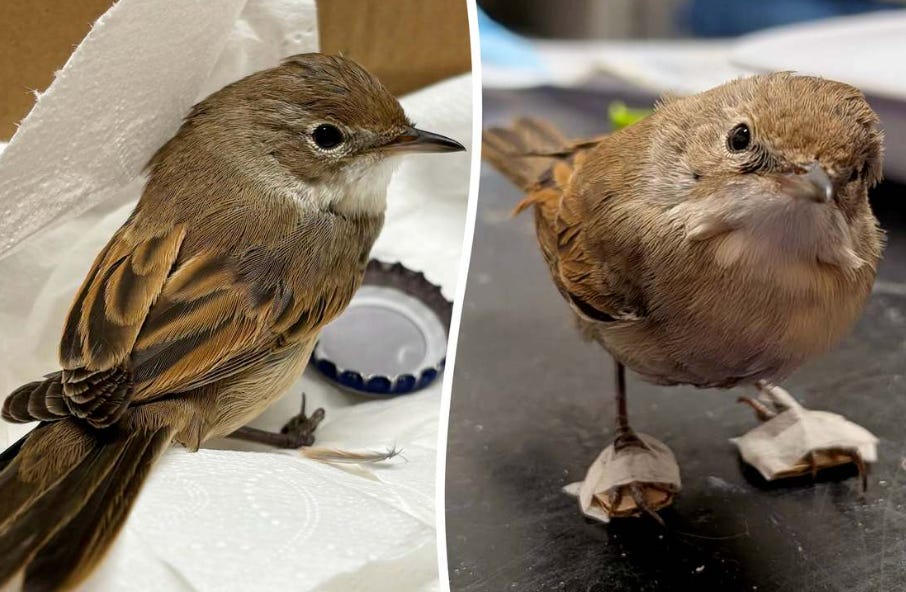
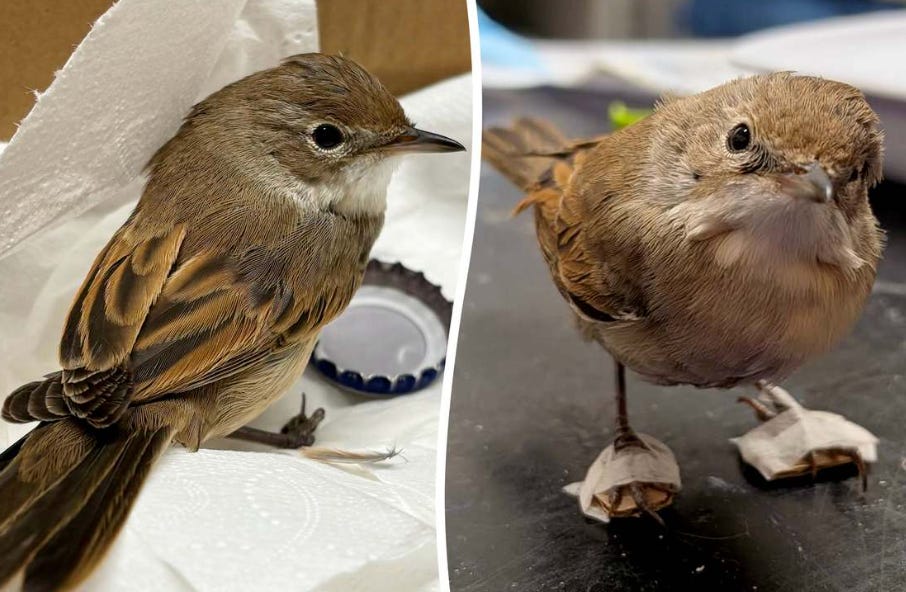
A whitethroat, a migratory songbird listed as an amber species of UK conservation concern, was found stunned in the road last Saturday after being hit by a car and brought to Leicestershire Wildlife Hospital. Staff discovered his feet were curled and unable to grip due to nerve or ligament damage, so they fashioned tiny casts out of cardboard, cotton wool, and micropore tape to hold his feet steady while they heal. Hospital staffer Amy Blower said the technique has been used before on baby birds with nutritional deficiencies, but it’s working well here too, and the bird is making good progress. Since he was otherwise uninjured, staff expect to release him back into the wild within a few days, a happy outcome for a species that’s only in the UK during summer migration from Africa.
A LiDAR survey of 4,497 square kilometers in the southwestern Amazon, led by Martti Pärssinen of the Ibero-American Institute of Finland with Finnish and Brazilian colleagues, identified 432 geometric earthworks near the cities of Rio Branco, Lábrea, Boca do Acre, and Carauari, 396 of them previously undocumented. Extrapolating from that data alongside existing satellite studies, the researchers estimate the wider region may hold between 24,000 and 30,000 such earthworks, built by a little-understood precolonial society called the Aquiry civilization. The Aquiry are known mainly through these geoglyphs, ditched geometric enclosures ranging from under one to 123 acres that likely served as ceremonial, political, and public gathering sites, first built roughly 2,500 years ago and used, with stylistic changes, into the 13th century; the civilization is believed to have peaked between the 1st and 4th centuries CE. The study’s authors now estimate the Aquiry population at that peak reached 1.25 to 3 million people, comparable in scale to the Late Preclassical Maya, and say the findings triple the known area of Aquiry civilization from about 60,000 to roughly 183,000 square kilometers. Published last week in Nature, the research marks a major leap in understanding a society archaeologists still know very little about.
See you soon.
— Aaron
Comments
Nothing yet. Say the first thing.
Sign in to join the conversation.