
Dear BWR Shoeshiners and Barbers!
IMPORTANT NOTICE: Please be aware that some e-mail servers (G-mail in particular) may truncate the BWR newsletter. If this problem occurs, please read BWR on the Substack platform to enjoy the full newsletter.
Follow BWR’s daily posts on the Blue Sky platform for daily updates and posts.
Thank you for reading “Barbershop Whispers....Russia” written by Adam A. Blanco! “Barbershop Whispers…Russia” is a product of e8Q Technologies, a consultancy with insights on all things Eurasia. Subscribe for free to receive new posts.
In last week’s BWR: Say My Name - Mobilization. The word citizen Ivan Petrovich fears, and the Kremlin does not speak. But rumors are circulating that a new mobilization of 500,000 conscripts will be called after the managed September Duma elections.
In this week’s BWR, I discuss some new books I’ve read this year, some I have reread, and others that were inspired by spiraling into rabbit holes of research.
Russia…and More Russia
Rule of Lies: My Wild Ride Through Chaos, Corruption, and Murder in Putin’s Russia.
(Author: Jamison Firestone)
Jamison tells a story many Barbers have read of, but few have experienced: navigating Russia’s business environment of the 1990s, along with the Russian mafia and corrupt government bureaucrats who inhabited it.
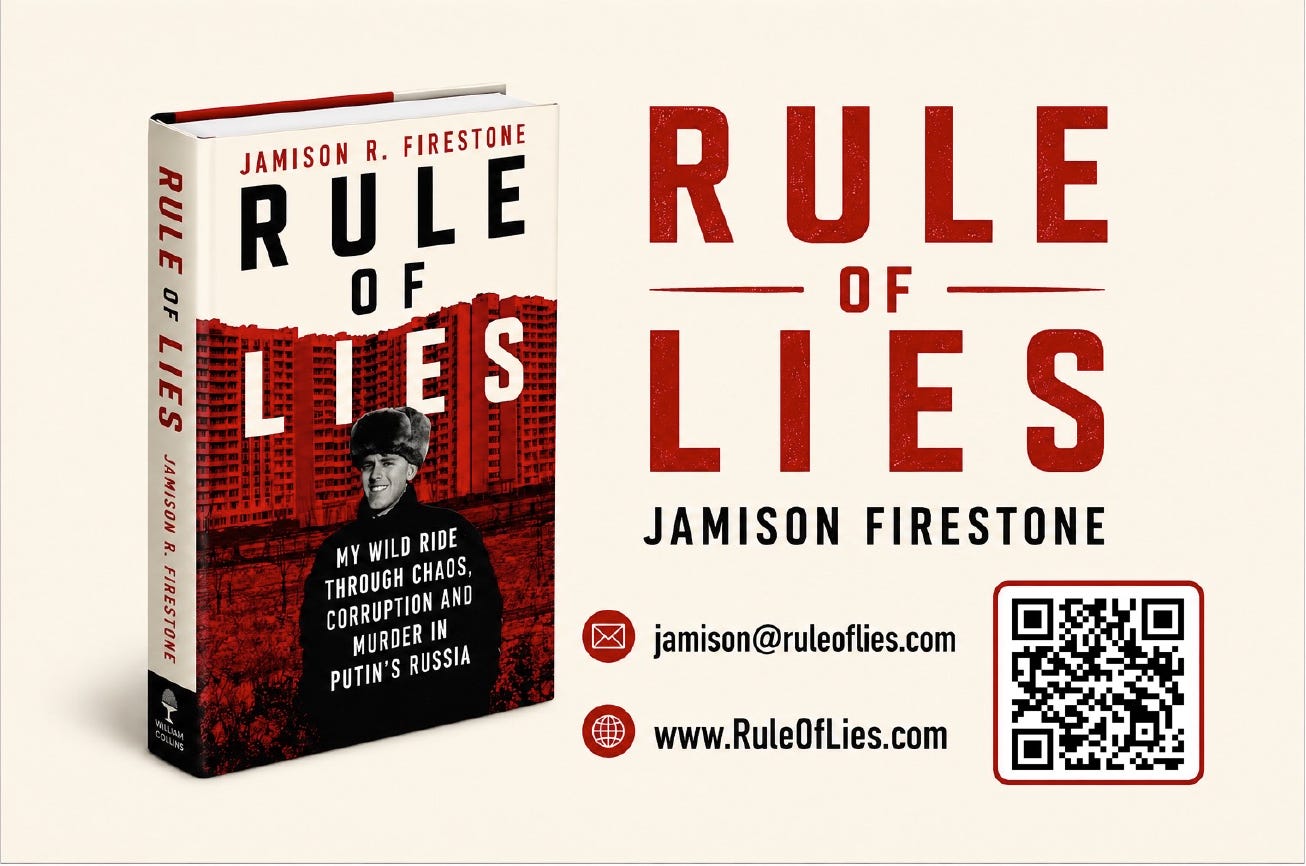
In the book, Jamison explains that the experience with his father, who unfortunately turned to crime, proved invaluable in his ability to navigate the chaotic Russian business world.
He established one of the first independent foreign law firms in the country and eventually acquired corporate clients that were reshaping the Russian business landscape through billions of dollars in investment.
At the same time, the book tells the story of Sergei Magnitsky, Firestone’s brilliant tax attorney, who exposed a sophisticated $230 million state embezzlement scheme orchestrated by corrupt tax officials and ultimately paid for it with his life. Magnitsky’s death, together with Firestone’s determination to honor his colleague and pursue justice, helped lead to the Global Magnitsky Act, which has permanently reshaped international statecraft.
This is a page-turner, written with the kind of dark humor that can come only from having internalized the chaos of 1990s and early 2000s Russia.
It is a favorite book of the year, even though I am not mentioned in it, and one of the few that not only captures the experience of Russia but also brings it vividly to life.
Takeaway: Russia lost many good people, and Sergei Magnitsky was one of several such Russian patriots who left this world unnecessarily early. Waiting for the Netflix series adaptation of this book.
Once Upon a Russia: Voices from a Vanished Era
(Editor: Steven Fisher)
Former Citi banker Steven Fisher collected and edited 100 short stories by entrepreneurs, diplomats, academics, artists, and others who lived and worked in Russia from the early 1990s to the 2010s. The stories share experiences of generational change, filled with optimism and hope for a new world.
By the way, I am in this book, albeit only because I was asked to write about a story of friendship and geopolitical adventure along the Russian-Chinese border in the Russian Far East (pages 170-171).
The book offers a collective human memory of what it meant to live and work in a country at a historical crossroads. For business leaders and professionals, it provides practical lessons, emotional truth, and a nuanced understanding of a market where possibilities and risks have always been tightly intertwined.
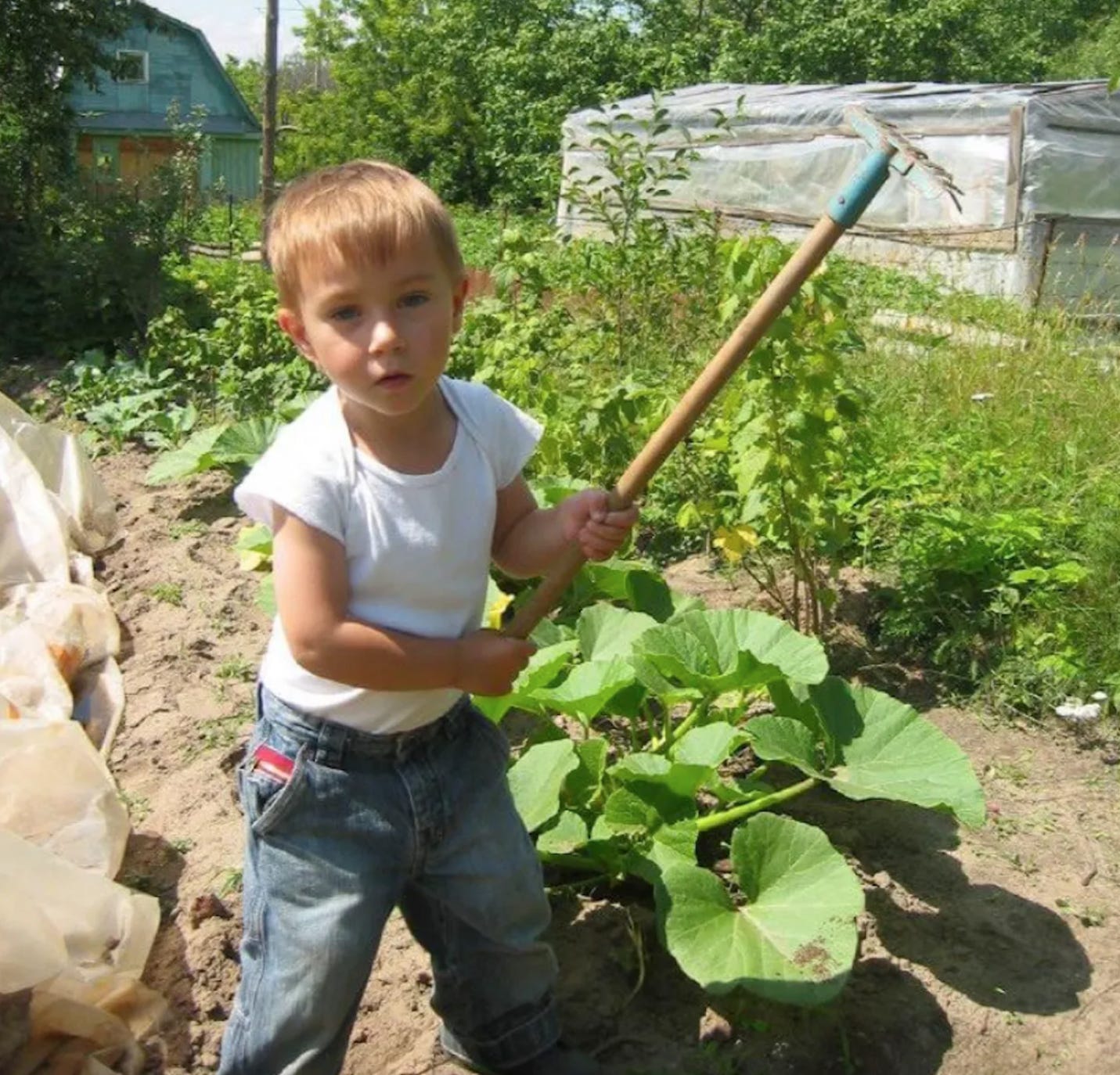
For business leaders looking beyond Russia into other emerging markets—whether China, India, or Latin America—the lessons embedded in Once Upon a Russia: Voices From a Vanished Era are both transferable and timely. The essays underscore the importance of understanding not only formal institutions but also informal networks, cultural cues, and historical legacies that often drive decision-making in transitional economies. They reveal how trust is built—or lost—across cultures, how regulatory frameworks can shift without warning, and how political change can quickly reshape commercial assumptions.
Takeaway: Time moves on, so cherish the moment.
We Shall Outlast Them: Putin’s Global Campaign to Defeat the West
(Author: Hanna Notte)
This is a sober and lucid account of how Russia transformed its 2022 invasion of Ukraine into a broader campaign against the West. Reporting from more than a dozen countries, Notte follows the diplomats, propagandists, businesspeople, and other actors who have helped Moscow evade sanctions, build partnerships, and cultivate influence across the Global South.
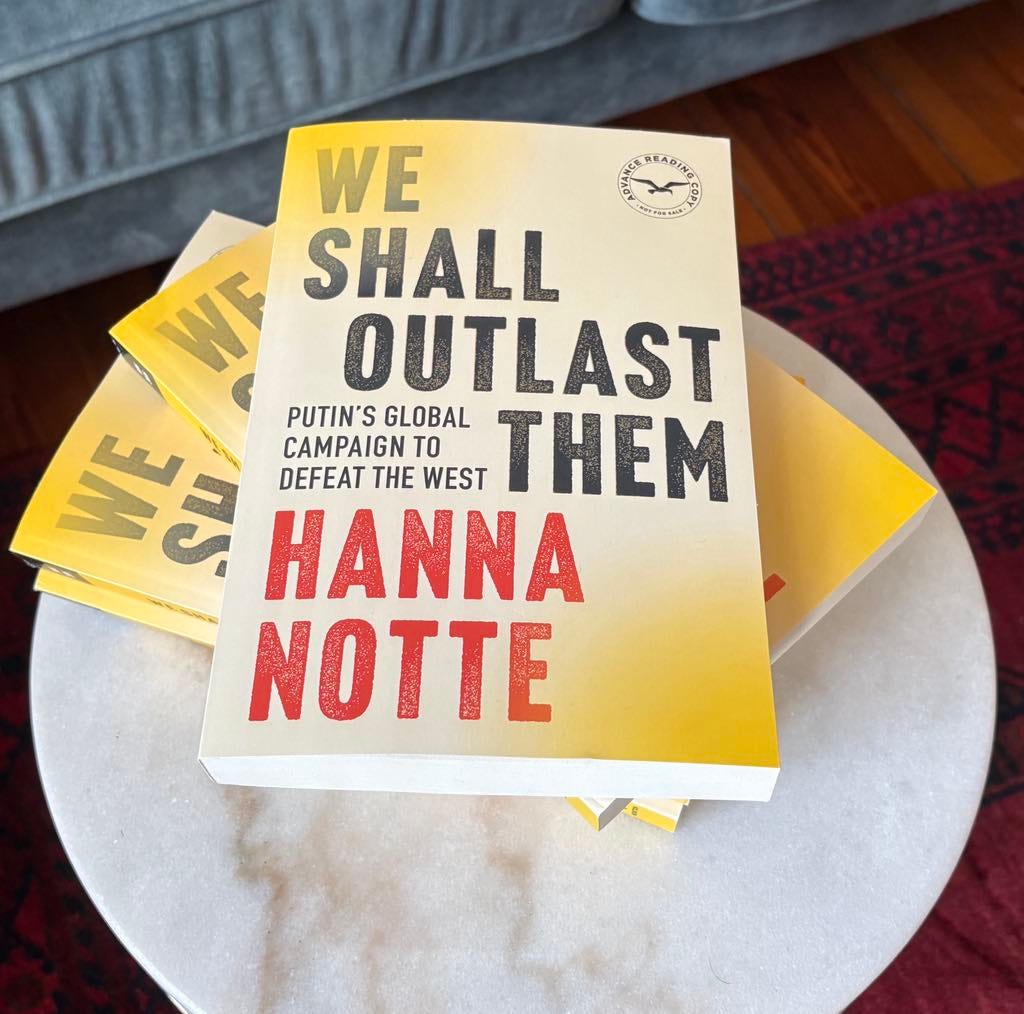
What distinguishes the book is its emphasis on Russian adaptation rather than any overarching master plan. The foreign-policy narrative Russia presents at home and abroad is flexible, almost entrepreneurial, exploiting resentment toward the West across the Global South. The shadow fleet, Iranian drone technology, nuclear intimidation, and anti-Western messaging all form part of an influence campaign designed to exhaust Western governments, whose political attention spans are constrained by electoral cycles and their leaders’ desire to remain in office.
Notte shows how Moscow exploits the gap between Western rhetoric about equality and morality and the West’s uneven application of those principles. She also explains why economic pressure and battlefield resistance, though essential, are insufficient without a credible Western strategy that addresses the underlying sources of this resentment.
This is a well-written and timely analysis of contemporary Russia and its expanding confrontation with the West.
Takeaway: One word: стойкость. The word conveys endurance and fortitude. The Kremlin need not outperform the West if it can simply outlast Western resolve.
Odyssey Moscow: One American’s Journey from Russia Optimist Prisoner of the State
(Author: Michael Calvey)
Another favorite, and a true story of imprisonment and ‘selective rule of law’ shared by Russia’s most successful and seasoned foreign investor. Michael Calvey, who founded Baring Vostok in 1994, had mobilized billions of dollars for Russian entrepreneurs over the course of three decades, creating billion-dollar successes for both his investors and investees. The likes of Tinkoff Bank Services, Ozon, and Renaissance Insurance Group, to name a few.
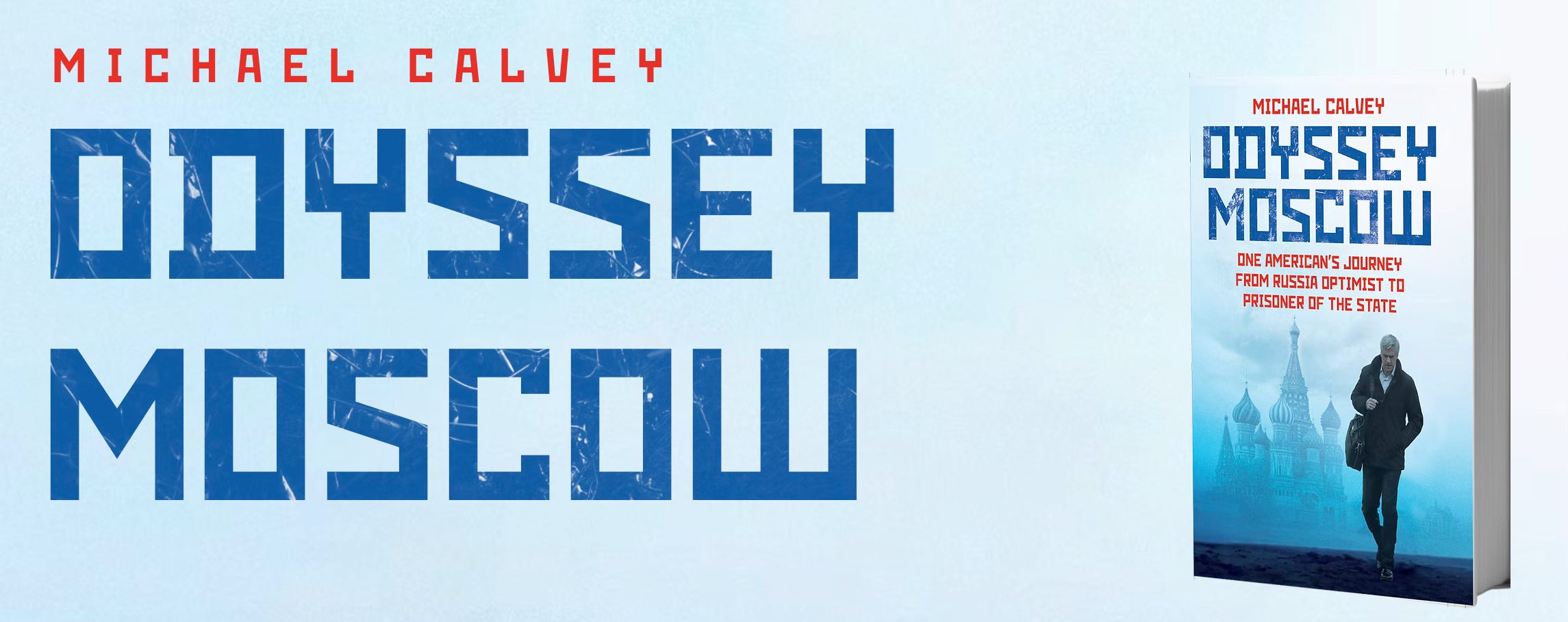
On Valentine's Day 2019, armed and masked Federal Security Service (FSB) agents raided Michael Calvey's Moscow flat and arrested him for a crime that never occurred.
For many in Russia’s business world, the arrest of Calvey and seven of his Baring Vostok associates was shocking. It was another signal that foreign investments were no longer valued. If this can happen to Baring Vostok, it can happen to anyone. The detention stemmed from fabricated embezzlement charges filed against Baring Vostok by a major bank shareholder with strong connections to the FSB.
This is an authentic story of Russian business told in a way only a foreigner with decades of experience in Russia can tell. His relationships with fellow prisoners, prison guards, and the system itself demonstrated a profound understanding of Russia – both its strengths and weaknesses.
The best part of the book is not the business deal gone bad, but the human relationship he developed with his fellow prisonmates and even the guards.
Calvey has successfully reinvented himself on the global stage with Baring Ventures. In less than four years, their investment in Plata Card in Mexico has reached a multi-billion dollar valuation.
Takeaway: The real deal on doing business in Russia and reinvention. There is life after Russia—another Netflix candidate.
Additional Reading(s)
Russia’s Biggest Foreign Investor Arrested (Meduza, 15 Feb 2025)
Baring Vostok Considers Calvey’s Extended House Arrest Unreasonable (09 Jan 2025)
Isaac Asimov & the Brothers Strugatsky
Foundation Trilogy: Foundation | Foundation and Empire | Second Foundation
(Author: Isaac Asimov)
My favorite science fiction, after the Strugatsky brothers’ “Hard to be a God”. Isaac Asimov’s Foundation Trilogy is a brilliant series of science fiction originally published as a series of short stories in 1942–50, and subsequently in three collections in 1951–53. For nearly thirty years, the series stood as a trilogy but was later augmented with two sequels: Foundation’s Edge and Foundation and Earth.
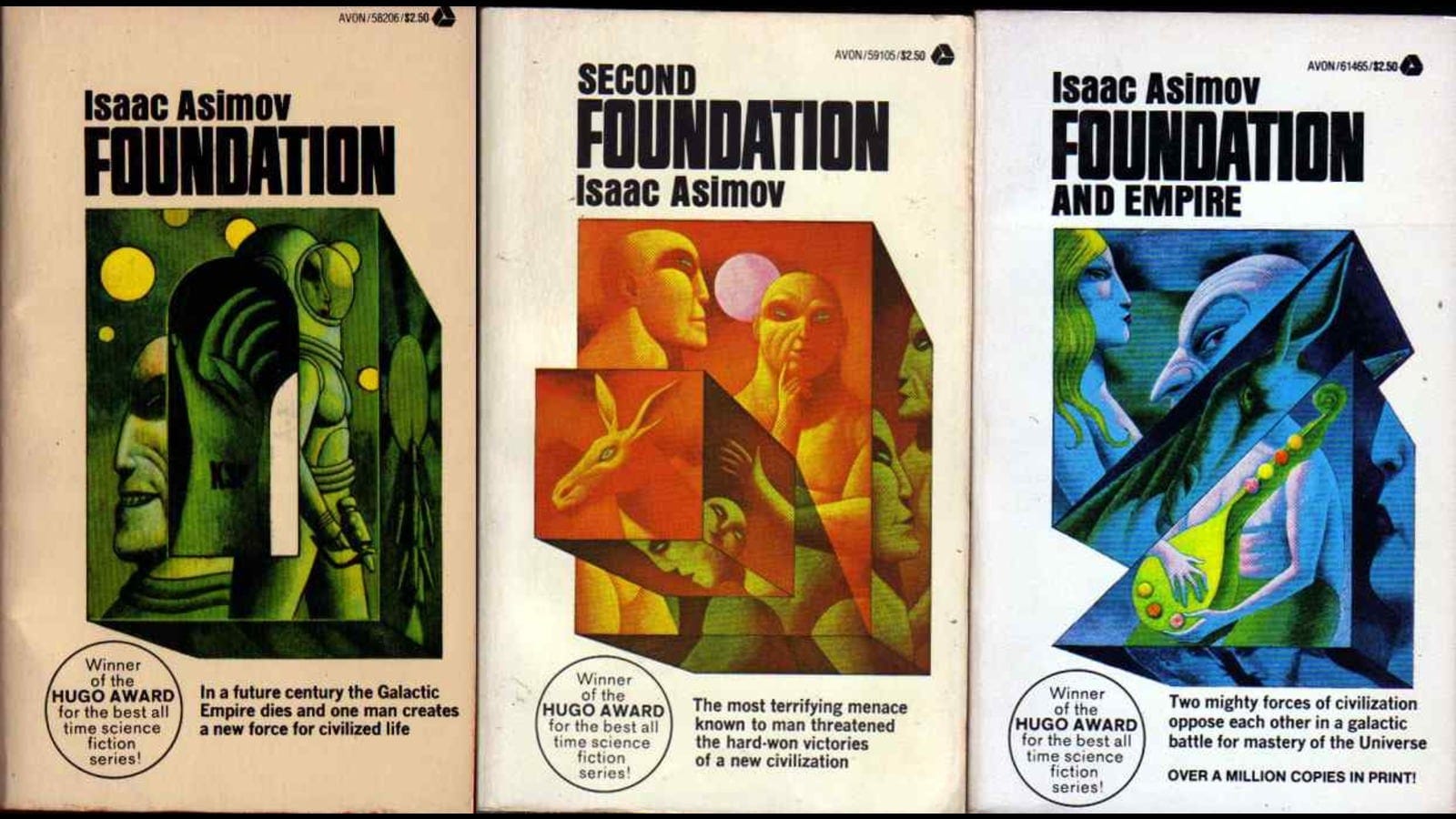
The premise of the stories is that in the waning days of a future Galactic Empire, the mathematician Hari Seldon spends his life developing a theory of psychohistory, a new and effective mathematics of sociology. Using statistical laws of mass action, he can predict the future of large populations. Seldon foresees the imminent fall of the Empire, which encompasses the entire Milky Way, and a dark age lasting 30,000 years before a second empire arises. Although the momentum of the Empire’s fall is too great to stop, Seldon devises a plan by which “the on rushing mass of events must be deflected just a little” to eventually limit this interregnum to just one thousand years.
Another Asimov classic, and relevant to today’s AI world, was the Robot Series - I, Robot | The Complete Robot | Robot Dreams | Robot Visions - from this came the “Three Laws of Robots” presented in the fictional “Handbook of Robotics, 56th Edition, 2058 A.D.
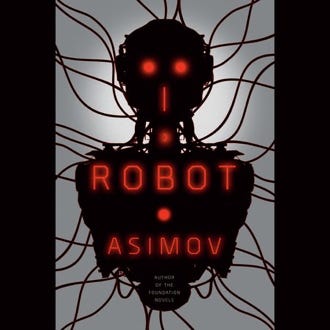
These are good contemporary reads, particularly the next time Anthropic’s newest generative AI agent escapes from its secure sandbox and hacks into the country’s energy grid days before Dario Amodei knows it has escaped. I can only hope the AI agent has been indoctrinated in the three laws of Robots.
Takeaway: It is incredible to think that Asimov wrote these more than 70 years ago. I am convinced Asimov was a time traveler; how else could he have come up with these stories?
Hard to Be a God
(Authors: Arkady and Boris Strugatsky)
After Isaac Asimov, my next favorite sci-fi writers are the late brothers Strugatsky. Of all their works, Hard to Be a God is their greatest.
The Strugatsky brothers were among the Soviet Union’s leading science-fiction writers. Like Bulgakov’s The Master and Margarita, Hard to Be a God uses fantasy and displacement to deliver a veiled criticism of the Soviet system. As literary insiders rather than open dissidents, they tested the limits of official ideology.
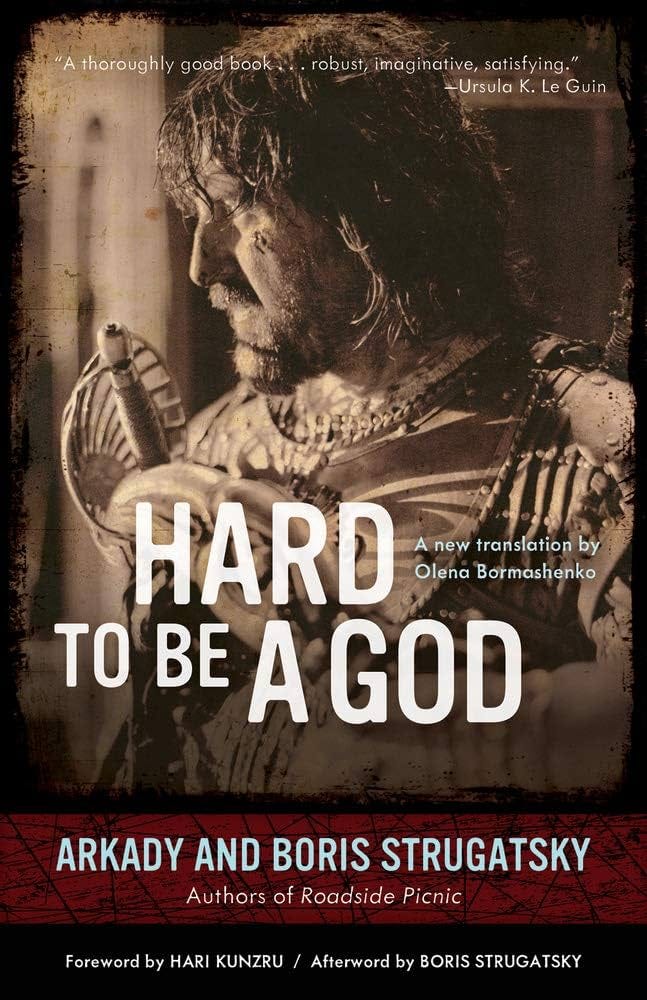
The novel follows Anton, a historian from a future Earth, undercover as Don Rumata on a planet trapped in medieval barbarism. Earth’s observers possess superior knowledge and technology but are forbidden to intervene directly in history. That principle becomes unbearable as Arkanar descends into tyranny under Don Reba, whose regime persecutes scholars, artists, physicians, and independent thinkers. The allusion was deliberate: Reba was originally named Rebia, an anagram of Lavrentiy Beria, Stalin’s notorious secret-police chief. The brothers changed it after being advised that the reference was too obvious.
Rumata attempts to protect Arkanar’s intelligentsia without violating his mission, but every intervention proves inadequate. The novel asks what responsibility a powerful observer bears when neutrality enables atrocity. Its moral density recalls Dostoevsky: neither action nor inaction permits Rumata to remain innocent. Godlike power does not confer godlike wisdom; it creates responsibility without moral certainty.
The book remains relevant in contemporary Russia, where academics face dismissal, prosecution, and imprisonment for antiwar expression (Scholars at Risk), while Yabloko, the country’s oldest liberal party and only registered antiwar party, has been removed from the 2026 parliamentary ballot (Associated Press). Dense and demanding in both English and Russian, Hard to Be a God mixes entertainment with subtle shadows of dissent.
It is a classic of Soviet-era science fiction, one of a kind. I plan to read it again. Two movies have tried to capture the spirit of the book, and a third one is to be released later this year. Of the two, Aleksei German’s (2013 trailer with English subtitles) version was the better of the two.
Takeaway: The political undertones are there, but the book is really an entertaining journey of time travel - Soviet style.
Follow-ups & Quick Bites
Follow-ups
The Crimea Syndrome is now a Crisis: Novorossiysk Grain Exports Suspended After Overnight Drone Strike
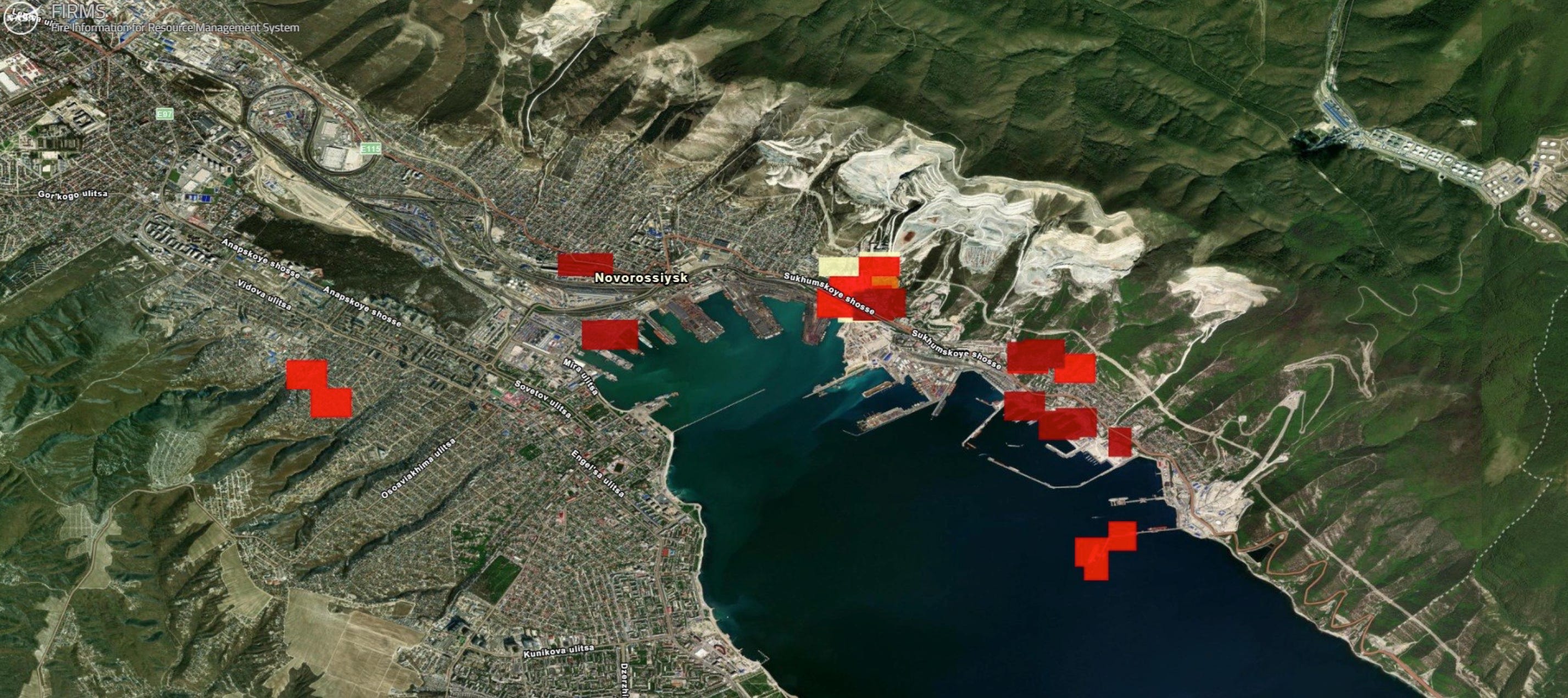
The Ukrainian Armed Forces’ operation MoLoChKa and “long-range sanctions” continue to impede grain shipments out of Southern Russia and oil refinery capacity across the country. This past week, swarms of Ukrainian drones disrupted grain exports in Novorossiysk, halting operations at two of Russia’s largest grain terminals, NKHP (7.1 million tonnes/year export capacity) and Demetra-owned facilities.
In July’s issue, The Crimea Syndrome, I highlighted this growing risk of grain export disruption if the Kremlin does not address the problem before harvest and exports reach peak season in August. That time has come, and it is now an unresolved Kremlin crisis. Why? It appears that the Russian military is struggling with Ukrainian military dominance in the Black and Azov Seas. Russian military resources are thin, and efforts to seize the remainder of Donbas with little success, secure its control over Russian-occupied Crimea, and keep the war out of Russia are failing.
Significance: Novorossiysk is the primary export corridor for the world’s largest wheat exporter; a sustained outage risks tightening global grain supply, lifting CBOT/Euronext wheat prices and creating food-security exposure for African and Middle Eastern importers. Grain-trader counterparty and force-majeure risk on Russian FOB contracts rises materially.
Sources: Moscow Times · Cyprus Mail / Reuters · WHBL / Reuters · Barbershop Whispers…Russia
Petrol Queues and the Banning of Party Yabloko
There was a brief period of petrol supply relief—only a few weeks—but it has now expired. Queues at major retail stations, including Rosneft and Gazprom Neft, are longer than ever, and frustrated citizens Ivan Petrovich
are not shy about posting them on their Telegram and X channels.
(Source: Telegram. Long petrol queues.)
The petrol queues and a frustrated Ivan Petrovich tie into the managed Duma elections. With the Kremlin’s 3-day “Special Military Operation” approaching year 5 and the war now visibly inside Russia— long petrol queues in St. Petersburg and Moscow and burning Wildberries warehouses—the Kremlin cannot afford even a hint of public electoral support for any real opposition party in the Duma elections.
Yabloko is the only officially registered Russian party that can credibly be described as an opposition party. It is also the only party running an explicitly pro-peace, anti-war campaign—and the reason it is being excluded from the ballot in the upcoming Duma elections.
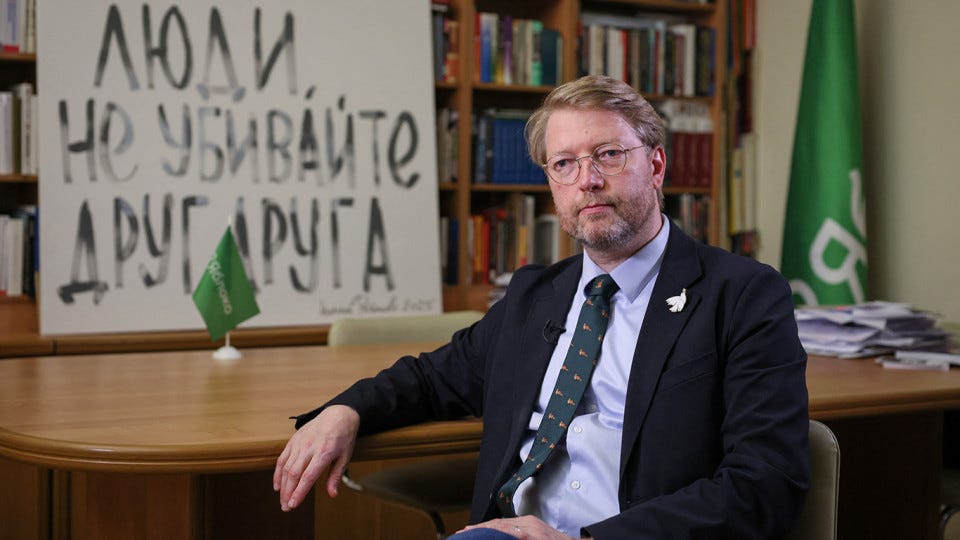
The Kremlin has not forgotten the May 2012 Bolotnaya Square protests, which were driven by widespread public anger over electoral fraud in the December 2011 parliamentary elections. Although similar protests are highly unlikely in today’s Russian repressive environment, even paranoids have real enemies.
Quick Bites
War Drives Competition for University Admission is Strong
According to a piece by the Moscow Times, High school graduates will face higher competition for tuition-free university spots in Moscow this academic year, as paid seats are being eliminated while military quotas expand.
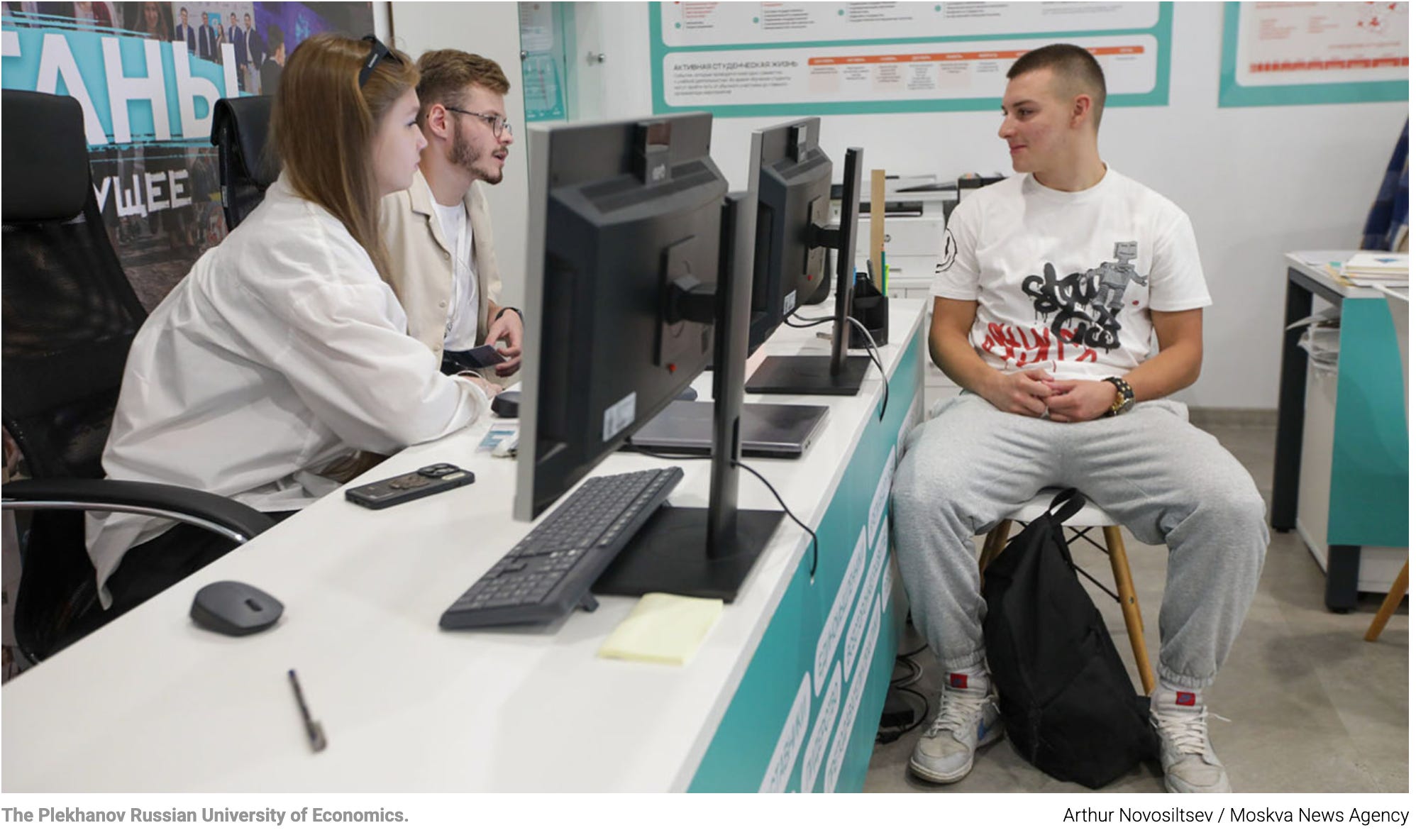
According to data compiled by the state-run TASS news agency, competition for so-called “budget spots” rose by double digits across major institutions including Moscow State University, the Higher School of Economics and the Russian State University for the Humanities.
Up to 257 applications per spot were recorded for International Relations at the Plekhanov Russian University of Economics, while the average spot at the university had 34 applications.
The surge comes amid increasing tuition fees and the wartime requirement for Russian universities to reserve at least 10% of their tuition-free spots for soldiers who fought in Ukraine and their children.
The Kremlin has pushed to reduce university enrollment in favor of vocational training, with public high schools redirecting teenagers into trade colleges to address industrial labor shortages.
Sources: The Moscow Times TASS
Vol 3, No 40 - BWR 16.08.2026
Thank you for reading “Barbershop Whispers…Russia” written by Adam A Blanco! “Barbershop Whispers…Russia” is a product of e8Q Technologies, a consultancy with insights on all things Eurasia. Subscribe for free to receive new posts.
Comments
Nothing yet. Say the first thing.
Sign in to join the conversation.