
In South Africa, sports are not just games; they are a vital component of national identity and pride. However, the path to becoming an elite athlete is riddled with systemic challenges, particularly for those from historically disadvantaged areas (HDA).
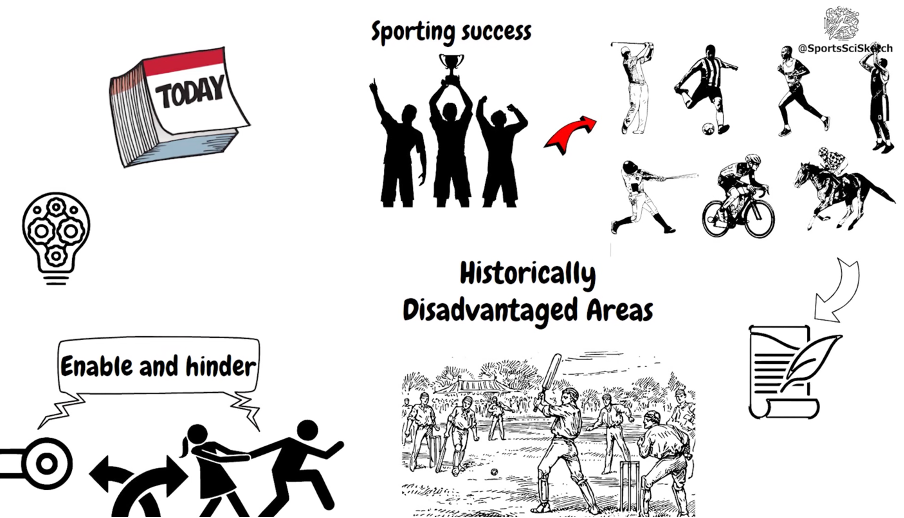
A recent study sheds light on the complex landscape of enablers and hindrances affecting South Africa's elite athletes. The study, utilising a qualitative research design, engaged ten national coaches through semi-structured interviews to delve into their experiences and perceptions. These coaches, who have mentored and coached athletes competing on international stages, provide a unique lens through which to view the factors influencing sporting success in South Africa.

Key enablers of success
Several critical elements contribute positively to the development of elite athletes. Firstly, robust governance and organised sports policies at various governmental levels help structure the sporting pathway from local to national stages. Secondly, scholarships and bursaries play a crucial role by providing athletes from underprivileged backgrounds with access to better training facilities and educational opportunities, crucial for their development.
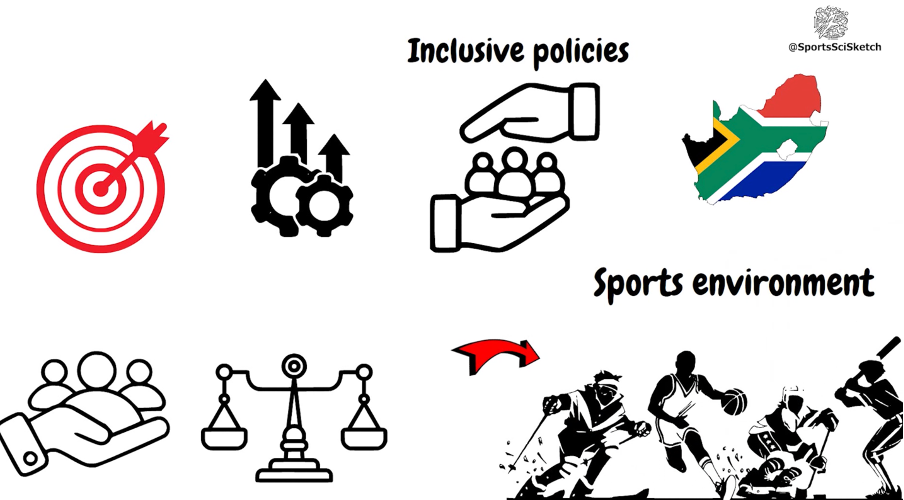
Moreover, the presence of dedicated and well-trained coaches is indispensable. These coaches not only guide athletes in enhancing their physical abilities but also in developing the psychological resilience required to compete at high levels.
Persistent hindrances
Despite these enablers, the journey to the top is hampered by significant obstacles. The lack of financial support stands out as a major barrier, making it difficult for talented individuals from low-income backgrounds to sustain their sports careers. Inadequate sports facilities, particularly in rural and township areas, further inhibit the development of potential athletes, as does a lack of foundational sports participation at the school level.
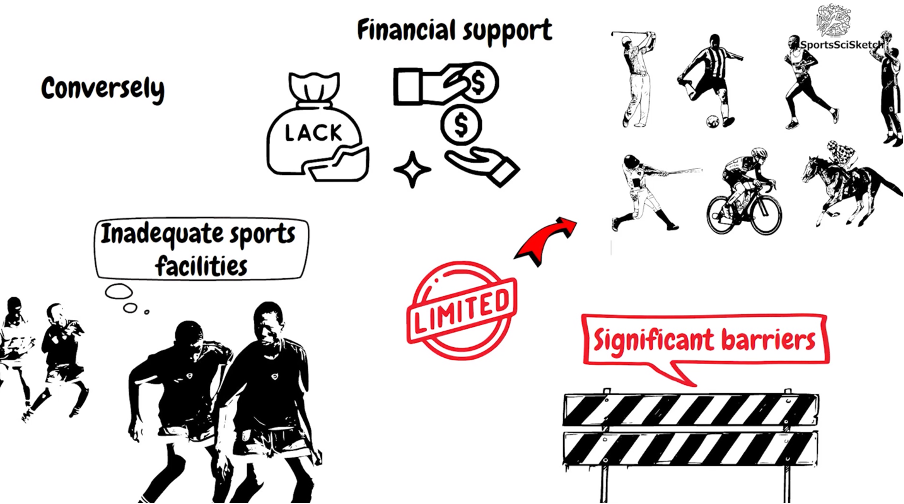
Additionally, the systemic issues extend to the very infrastructure of sports development, with a noted deficiency in scientific and medical support for athletes. This lack of support not only hinders performance optimisation but also increases the risk of injuries.
A call for strategic reforms
The findings from the study underline the need for a systemic and strategic overhaul of the sports development framework in South Africa. Policymakers must prioritise the establishment of a more integrated sports support system that includes adequate budget allocations and effective policy implementations. There is also an urgent need to enhance the accessibility of sports to all South Africans, regardless of their socio-economic status.
The narrative shared by the national coaches in this study provides invaluable insights into both the achievements and challenges within South Africa's sports ecosystem. It highlights the critical role of a supportive environment that includes not only financial backing but also cultural and systemic acceptance and encouragement of sports at all levels.
Summary
While South Africa has made strides in developing elite athletes, significant work remains. By addressing these systemic issues, South Africa can ensure that the road to sporting excellence is accessible to all athletes, paving the way for a future where sports can truly be a source of national pride and unity.
WHITEBOARD VIDEO:
Citation: Mthombeni, S., Coopoo, Y., & Noorbhai, H. (2024). Factors enabling and hindering sporting success among South African elite athletes from historically disadvantaged areas: Through a coaching lens. International Journal of Sports Science & Coaching, 1-14. DOI: 10.1177/17479541241245534
Subscribe to channel: https://www.youtube.com/channel/UCW6O0m6OCfyh8hV-kX_Q_KA
No posts
Comments
Nothing yet. Say the first thing.
Sign in to join the conversation.