
Over the years, we have understood that the art of cricket batting is not merely a skill but a symphony of technique, timing, precision, etc. This detailed exploration delves into an innovative approach to enhance batting performance through the use of a promising coaching cricket bat.
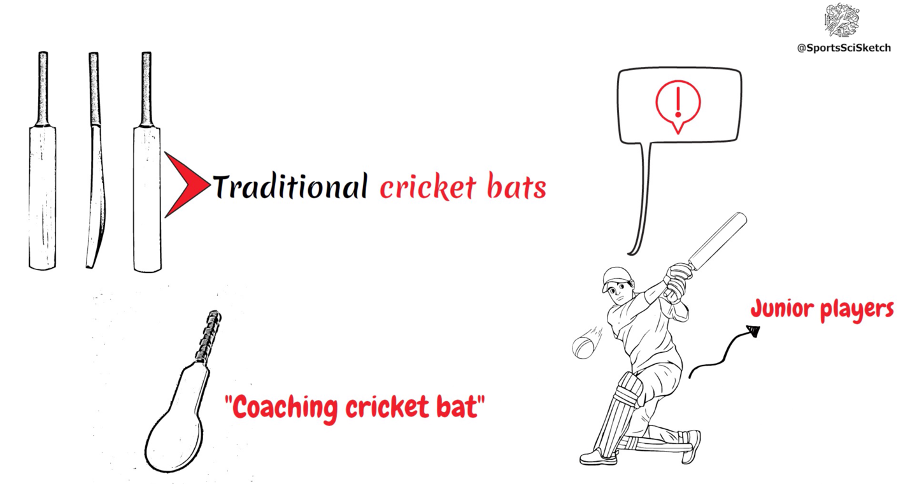
The traditional cricket bat, while steeped in history and tradition, may not always cater optimally to the needs of younger players, who are still developing their techniques. This gap in effectiveness brings us to the forefront of innovation in cricket coaching tools, particularly the coaching cricket bat, designed to significantly improve the backlift technique – a crucial element in effective batting.
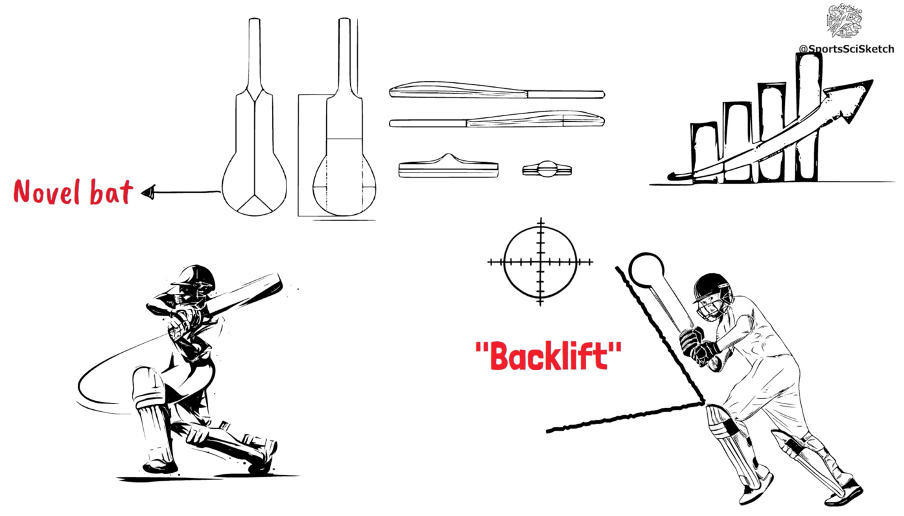
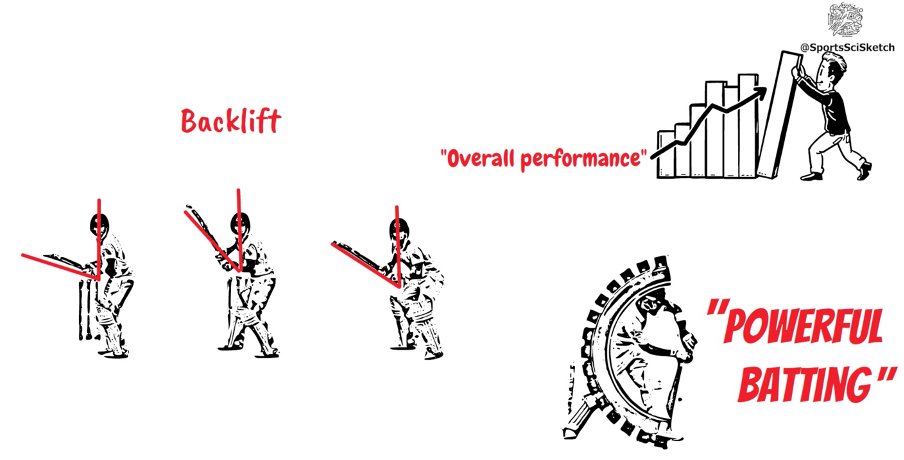
The backlift, the movement of the bat just before hitting the ball, is pivotal. It sets the stage for the kind of impact the bat will make with the ball, influencing everything from the power of the shot to its direction. Traditional methods teach a linear, straight backlift which might not be the most effective approach for every batter. It is a well-established fact that a more lateral or looped backlift could be beneficial, offering a broader range of stroke play and better adaptation to different bowling styles, especially for the T20 format of cricket.
There is compelling evidence, yet not conclusive, on the benefits of using a coaching cricket bat for junior players. This bat, significantly lighter than conventional bats, is designed to enhance the lateral direction of the backlift, which has been shown to potentially improve batting performance.
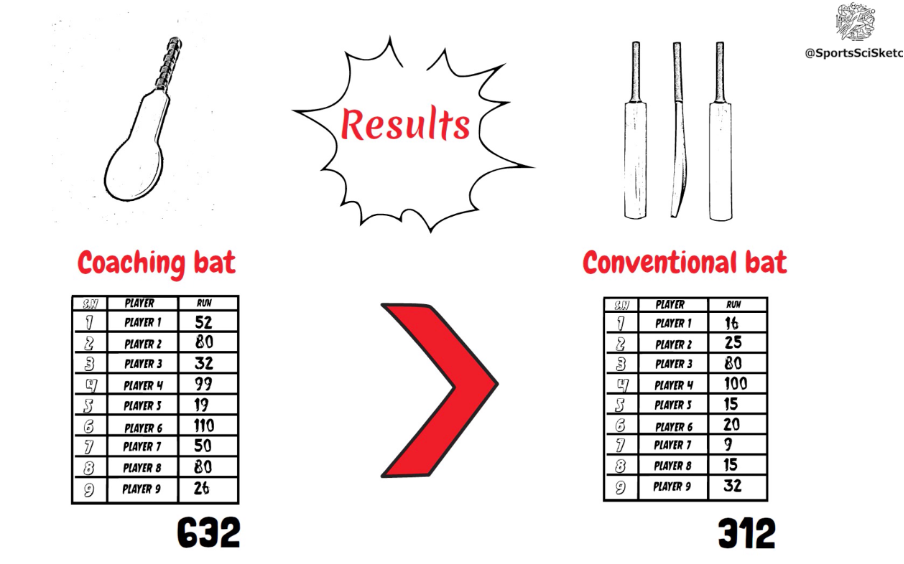
The study involved a group of junior players who used this novel bat over a period of six weeks. The results were striking! Players using the coaching bat not only scored more runs on average but also showed a notable improvement in their backlift technique.
The lateral movement became more pronounced, allowing for a more powerful and precise execution of strokes.
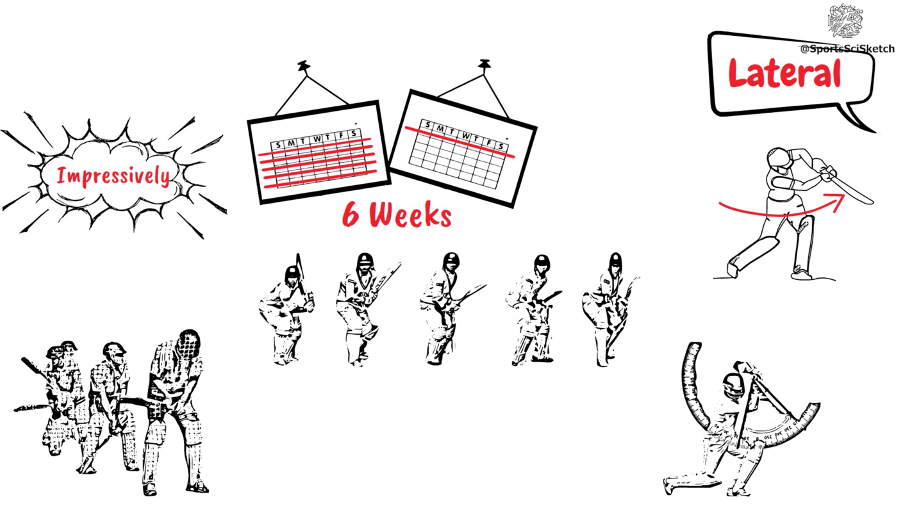
Moreover, the players were subjected to detailed biomechanical and video analyses, which showed a marked improvement in their batting mechanics. The coaching bat encouraged a more effective striking technique, which is crucial for hitting the ball with greater power and accuracy.
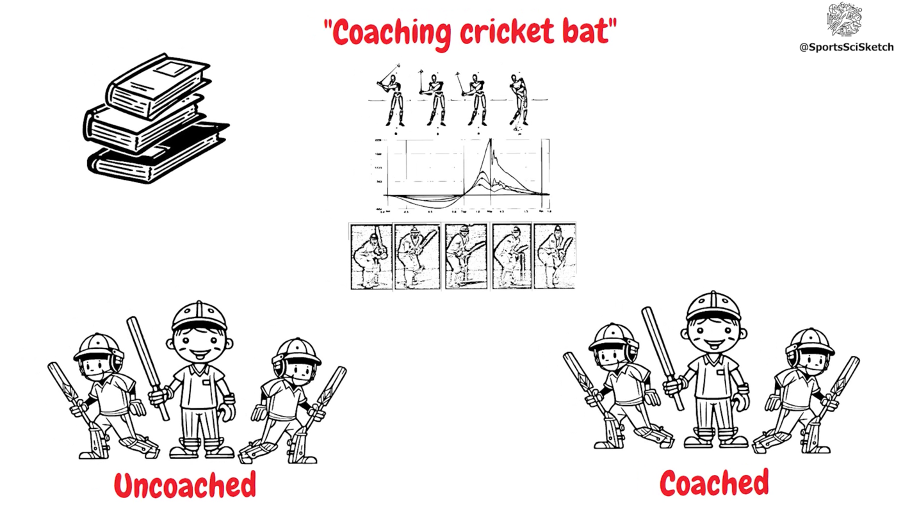
These findings are not just numbers and data; they translate into real-world enhancements in young players' batting skills. Coaches and training academies are recommended to consider integrating this tool into their training regimes. By doing so, they can provide their trainees with an edge, fostering a new generation of cricketers who are not only technically proficient but also adaptable and innovative with their performance.
Link to comprehensive video on the coaching cricket bat (2023):
The implications of this study extend beyond individual performance. They point towards a potential shift in coaching practices globally. As more data emerges supporting the efficacy of the coaching cricket bat, it could well become a staple in cricket academies worldwide, changing the way young talents are nurtured.
Link to Video by the University of Cape Town (2017):
In summary, the coaching cricket bat emerges as more than just equipment; it is a transformative tool for young cricketers. By redefining the backlift and enhancing batting mechanics, it opens up new possibilities for player development. For aspiring cricketers and their coaches, embracing this innovation could pave the way for higher, more effective performances on the cricket field.
WHITEBOARD VIDEO:
Citation: Noorbhai MH, Woolmer RC, Noakes TD. (2016). Novel coaching cricket bat: can it be used to enhance the backlift and performance of junior cricket batsmen?. BMJ Open Sport Exerc Med; 2:e000141. doi:10.1136/bmjsem-2016-000141
No posts
Comments
Nothing yet. Say the first thing.
Sign in to join the conversation.