
In today's fast-paced world, how we choose to commute can significantly impact our health. This week, we explore some insights into the health profiles of public transport users compared to drivers.
A study surveyed almost 100 individuals aged 18 to 50 to understand their commuting habits and physical activity levels. Participants completed an online survey based on the International Physical Activity Questionnaire (I-PAQ), and their health profiles were subsequently analysed.
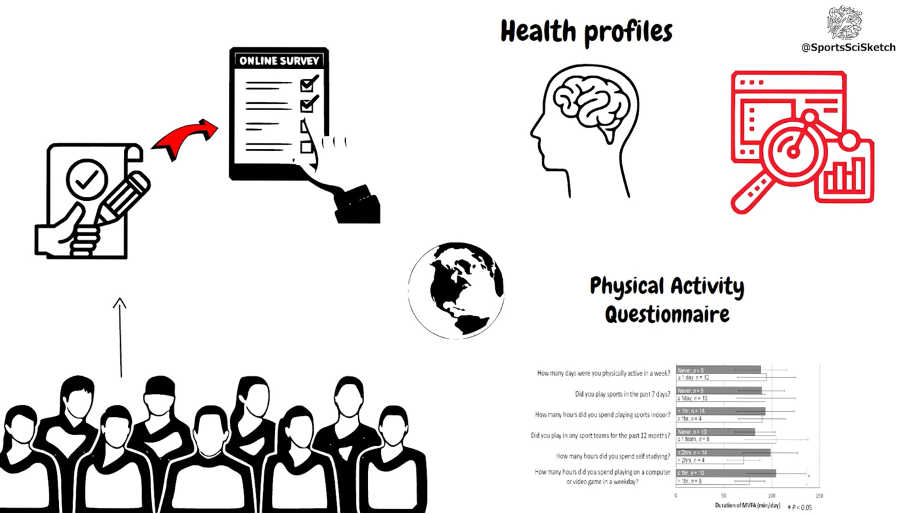
Findings
Increased Physical Activity: Public transport users engaged in significantly more physical activity, averaging 38.47 minutes of vigorous activity per day, compared to just 14.89 minutes for drivers. This difference highlights how incorporating public transport into daily routines can contribute to a more active lifestyle.
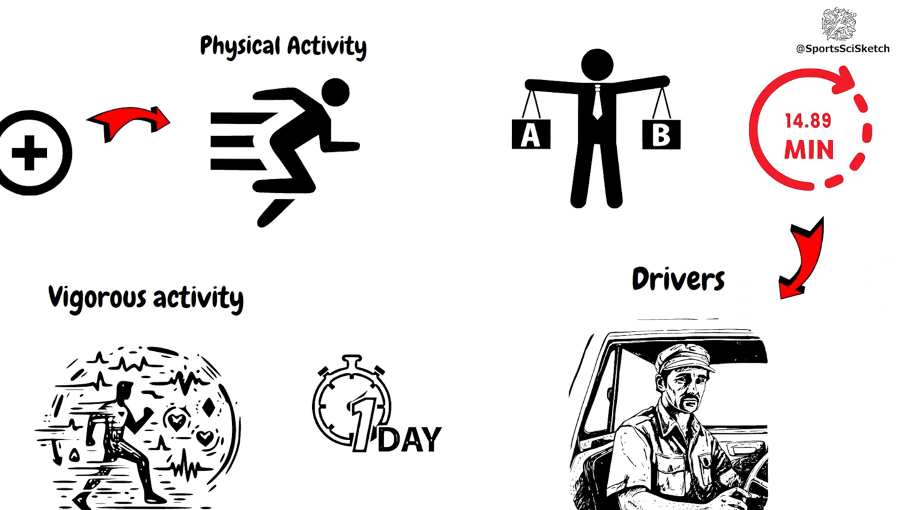
Weekend Sedentary Behaviour: Interestingly, on weekends, public transport users spent more time sitting, averaging 5.94 hours per week, while drivers sat for 4.59 hours. This suggests that while public transport users are more active during the week, they may compensate by being more sedentary on weekends.
Health Benefits: The increased physical activity from using public transport contributes to better overall health, reducing the risk of obesity, hypertension and diabetes. Walking to and from public transport stations, as well as other key options such as cycling, adds valuable minutes of exercise to daily routines, promoting a healthier lifestyle.
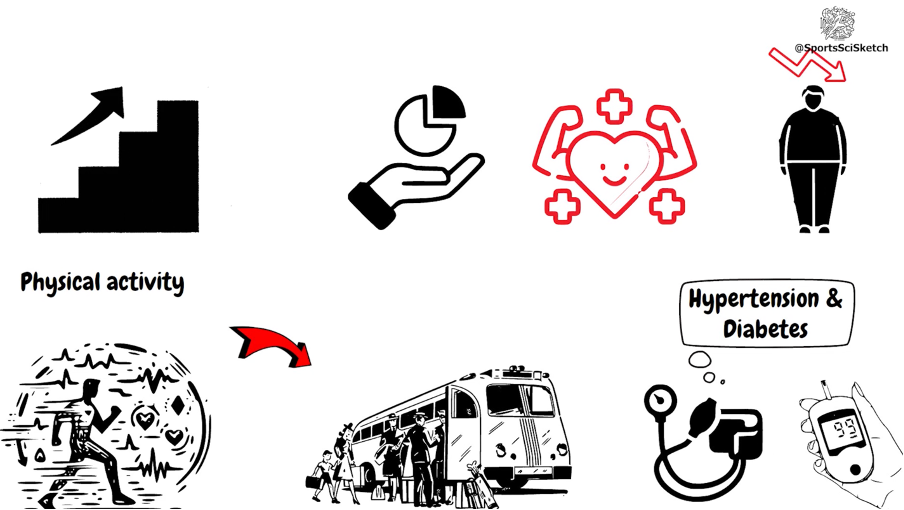
Bigger Picture
The study underscores the importance of incorporating physical activity into our daily commutes. Depending on the setting or country, choosing public transport can lead to a healthier, more active lifestyle. However, the necessity of ensuring safety and providing adequate infrastructure to encourage the use of public transport is imperative. Without these essential elements, the potential for a more physically active lifestyle cannot be fully realised.
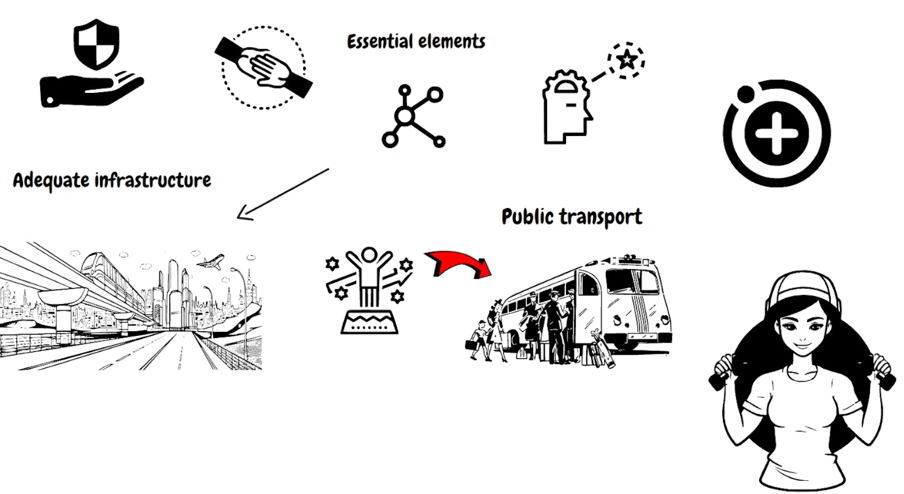
Strengths and Limitations
One of the strengths of this research study was the diverse range of participants from varied age groups. However, the limited sample size means the findings are only relevant from a South African perspective but cannot be generalised to other low-to-middle-income countries. Additionally, the subjective nature of the responses and lack of objective measures mean that no conclusive findings can be drawn.

Conclusion
Given that more health benefits are experienced by people who use public transport and active types of transportation (cycling and walking), it is clear that individuals who use public transport are generally healthier than those who drive. The physical activity associated with public transport, such as walking from home to transport stations and from bus stops to the workplace, contributes significantly to the physical and physiological health of its users.
As we continue to navigate the challenges of modern urban living, incorporating public transport into our daily routines could be a simple yet effective way to enhance our overall health and well-being. Let's take a step towards a healthier future by choosing public transport whenever possible.
WHITEBOARD VIDEO:
Citation: Noorbhai, H. (2022). Public transport users have better physical and health profiles than drivers of motor vehicles. Journal of Transport & Health, 25, 101358. https://doi.org/10.1016/j.jth.2022.101358
Subscribe to channel: https://www.youtube.com/channel/UCW6O0m6OCfyh8hV-kX_Q_KA
No posts
Comments
Nothing yet. Say the first thing.
Sign in to join the conversation.