
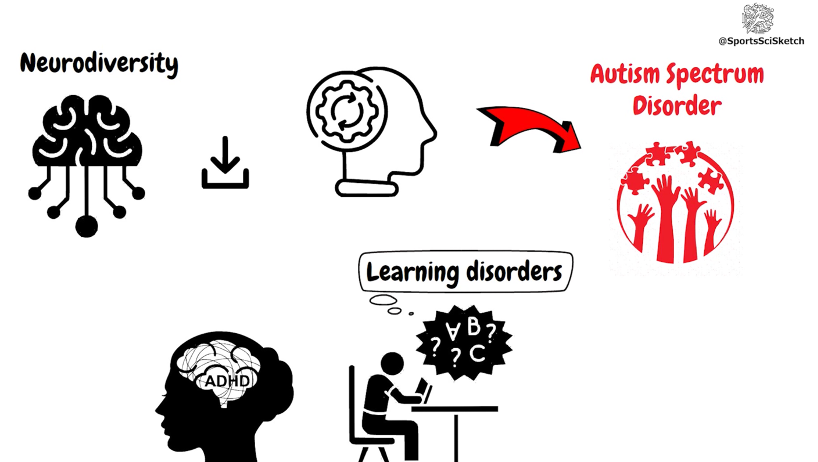
The area of neurodiversity within elite sports is indeed fascinating. Neurodiversity encompasses a range of cognitive variations, including autism spectrum disorder (ASD), ADHD and learning disorders. This concept challenges us to appreciate and understand these differences as part of the natural spectrum of human cognition and behaviour.
Understanding Neurodiversity in Sports
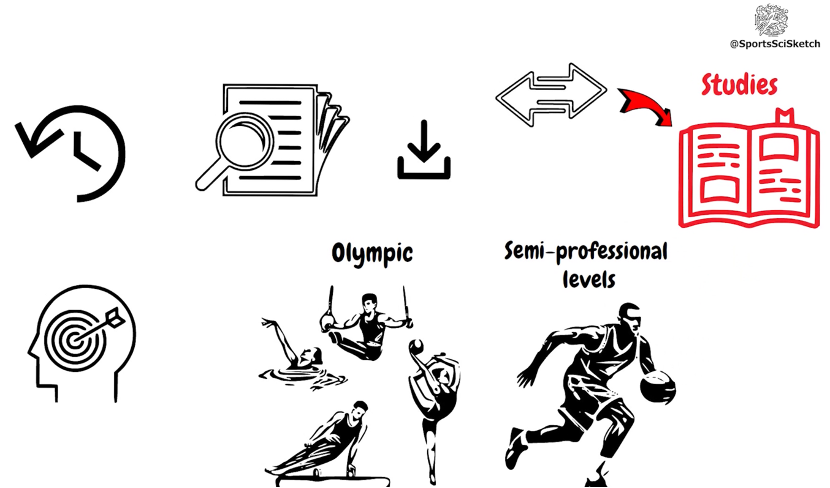
The primary goal of latest research has been to explore the extent and scope of neurodiversity among elite athletes. A recent systematic scoping review scrutinised the available evidence on neurodiversity in elite sports. The review included a variety of studies focused on athletes ranging from Olympic to semi-professional levels.
ADHD in Elite Athletes
Interestingly, studies suggest that ADHD might be more prevalent among elite athletes than in the general population. This raises intriguing questions about the potential advantages ADHD could confer in a competitive sports environment. ADHD is characterised by symptoms such as inattention, hyperactivity and impulsivity, which might translate into heightened alertness and quick reactions – traits beneficial in many sports.
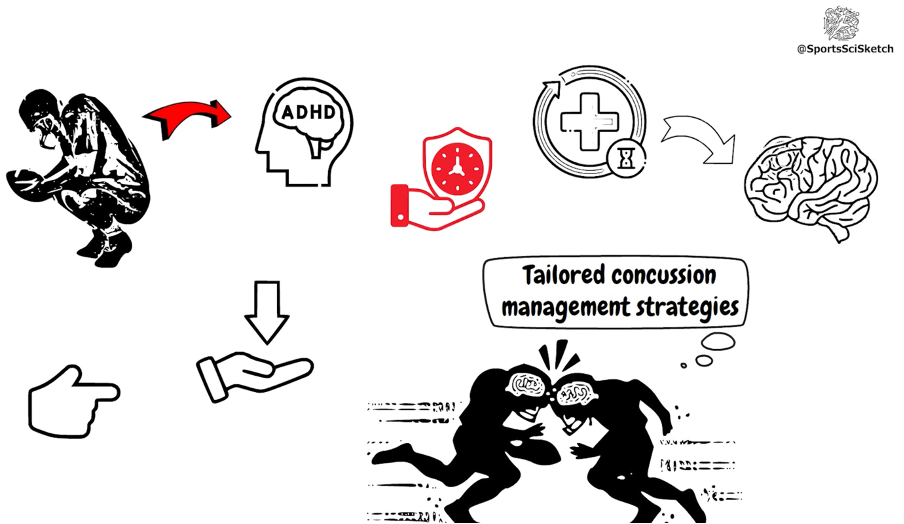
However, ADHD also poses significant challenges. Athletes with ADHD often experience prolonged recovery times from concussions, highlighting the need for tailored concussion management strategies. Managing ADHD in athletes can be particularly complex due to the use of stimulant medications, which frequently clash with anti-doping regulations. Careful medical oversight is crucial to navigate these challenges while ensuring fair play.
Autism and Elite Sports
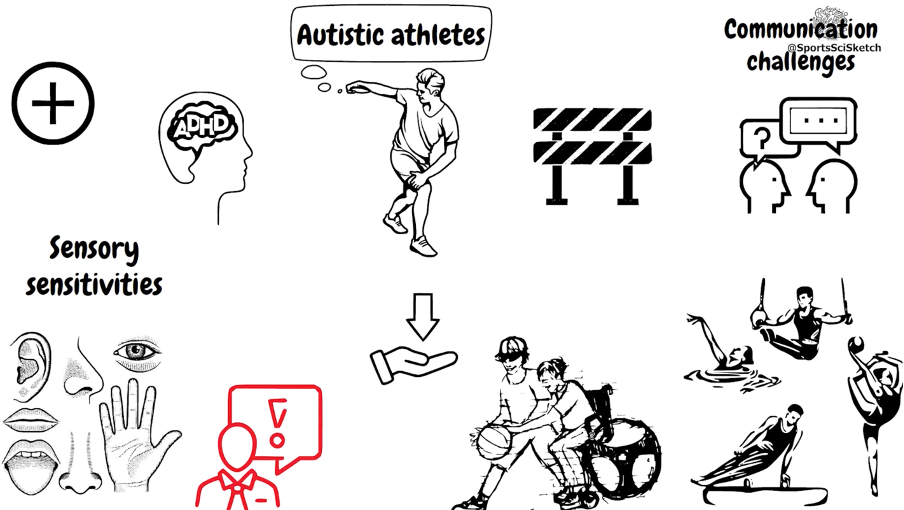
Aside from athletes with ADHD, autistic athletes face unique barriers in elite sports, such as communication challenges and sensory sensitivities. Despite these hurdles, there is limited research on autism in this context, pointing to a significant gap in understanding and supporting these athletes. Qualitative studies shed light on the lived experiences of autistic athletes, underscoring the need for flexible and accommodating sporting environments.
The call for Inclusive Practices
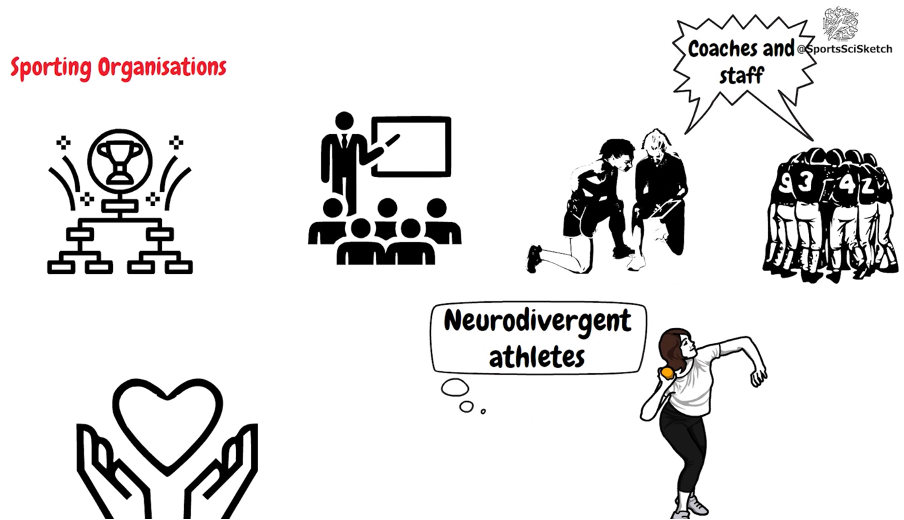
There is a compelling rationale for more research to foster supportive and inclusive environments in elite sports. Sporting organisations should educate coaches and staff to meet the unique needs of neurodivergent athletes. This includes understanding the specific challenges these athletes face and implementing practices that leverage their strengths.
Moving Forward
To truly support neurodivergent athletes, we must build inclusive sporting environments. This involves not only recognising and accommodating their unique challenges but also celebrating and leveraging their strengths. There is a strong rationale for more research and action to create supportive frameworks within elite sports.
In summary, understanding and supporting neurodivergent athletes is crucial. As we continue to explore and embrace neurodiversity, it is fundamental for us to work together to build inclusive sporting environments. This will not only enhance the well-being and performance of neurodivergent athletes but also enrich the world of sports with diverse talents and perspectives.
WHITEBOARD VIDEO:
Citation: Hoare E, Reyes J, Olive L, et al. Neurodiversity in elite sport: a systematic scoping review. BMJ Open Sport & Exercise Medicine. 2023; 9:e001575. doi:10.1136/bmjsem-2023-001575
Subscribe to channel: https://www.youtube.com/channel/UCW6O0m6OCfyh8hV-kX_Q_KA
No posts
Comments
Nothing yet. Say the first thing.
Sign in to join the conversation.