
In a blink of an eye, we’ve arrived at Week Four: our final week of pre-production. Last Monday, 84 high schoolers took over 48 Hills and announced their arrival with their whole chest.
As camp balloons to it’s largest size, we are delighted to see wide-ranging talents bloom across all our new departments: directing, acting, cinematography, costume design, hair and makeup, and a growing art department.
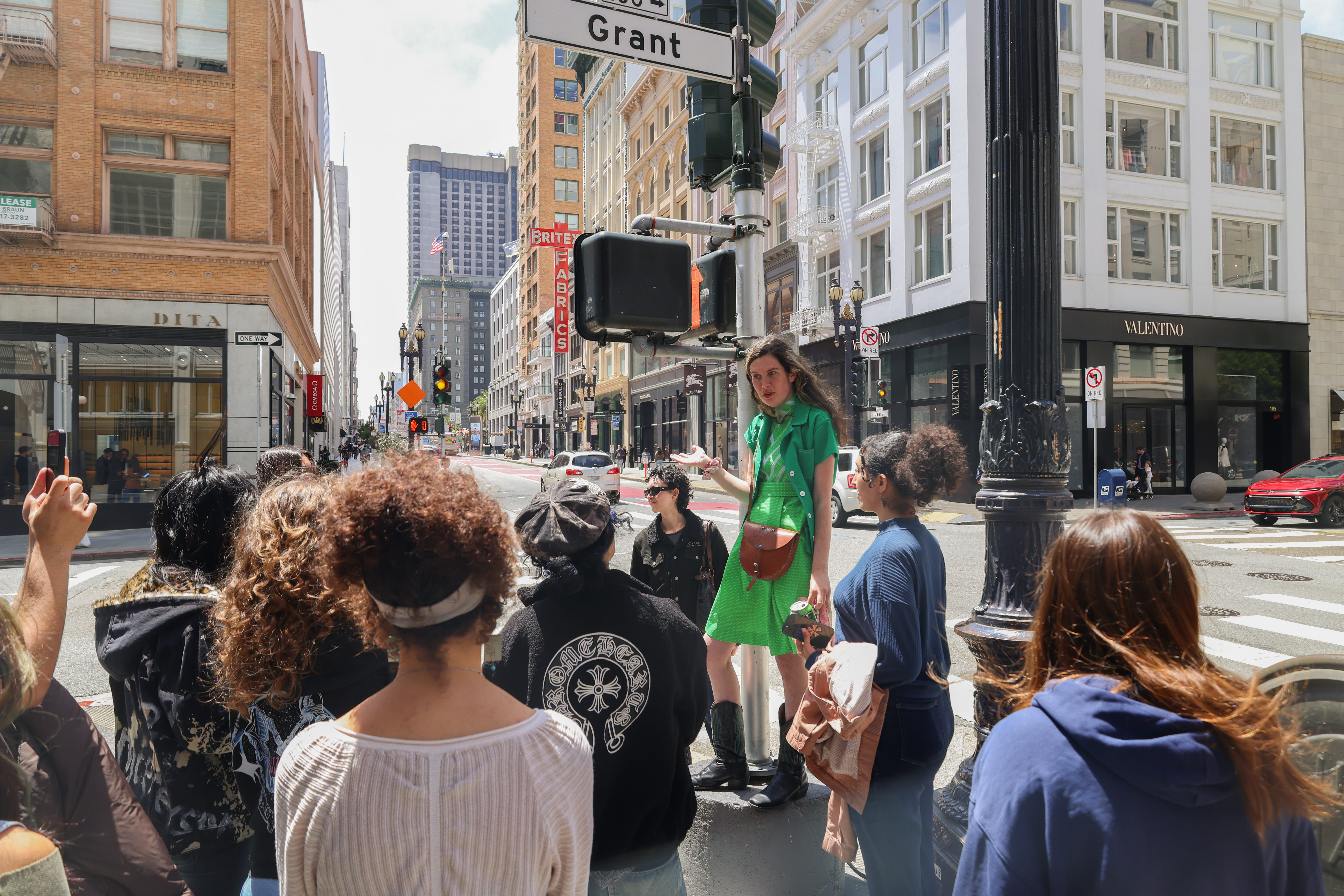
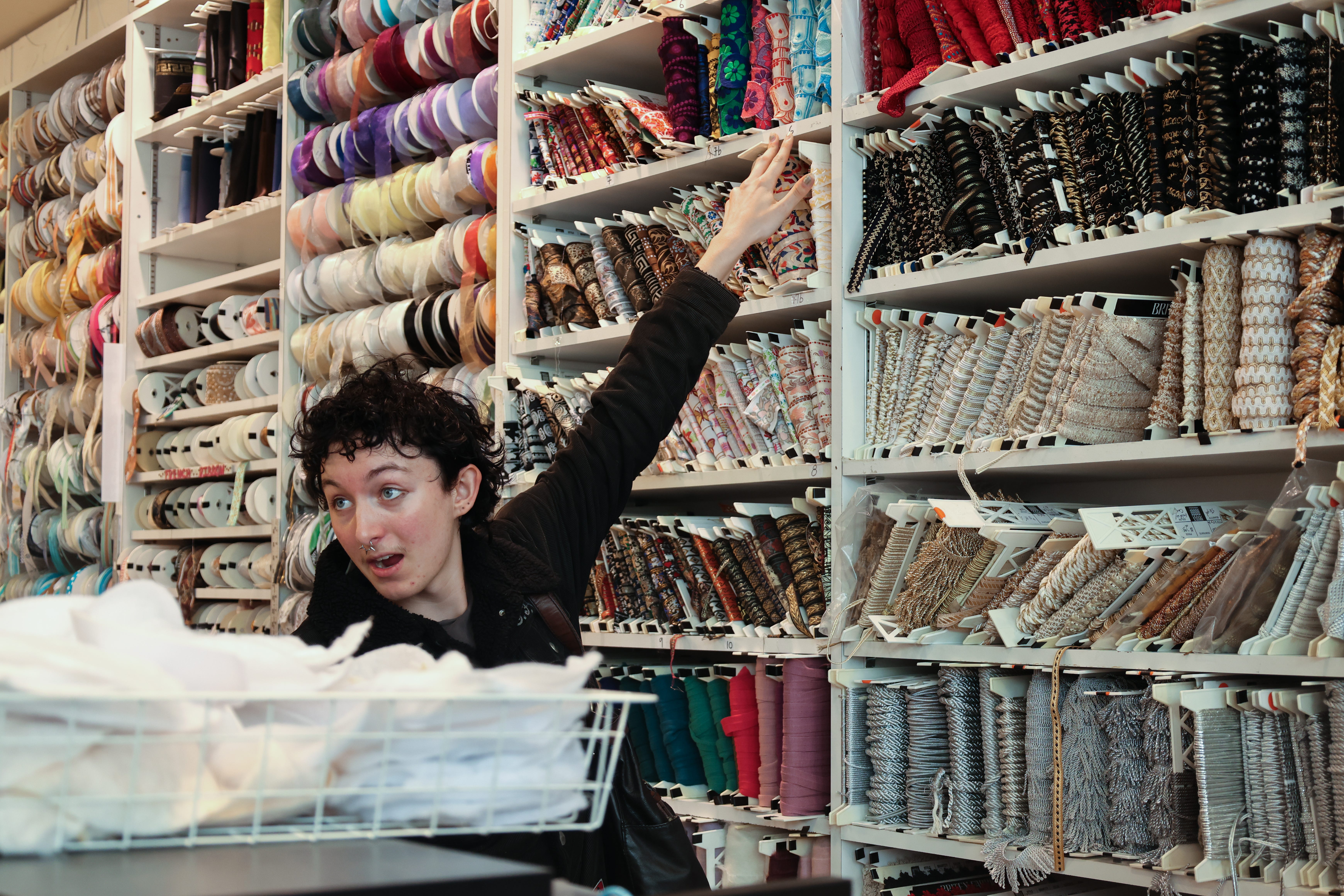
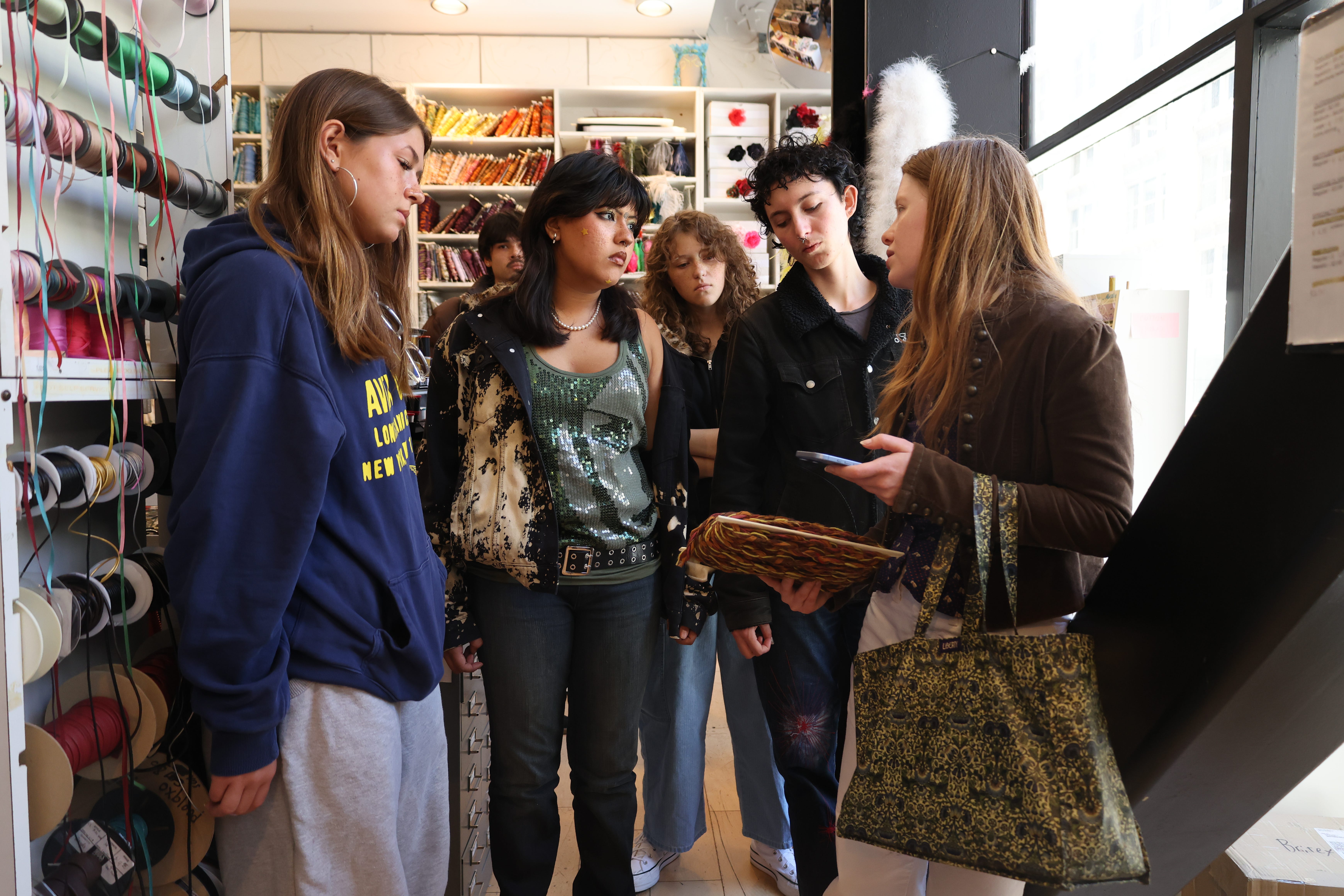
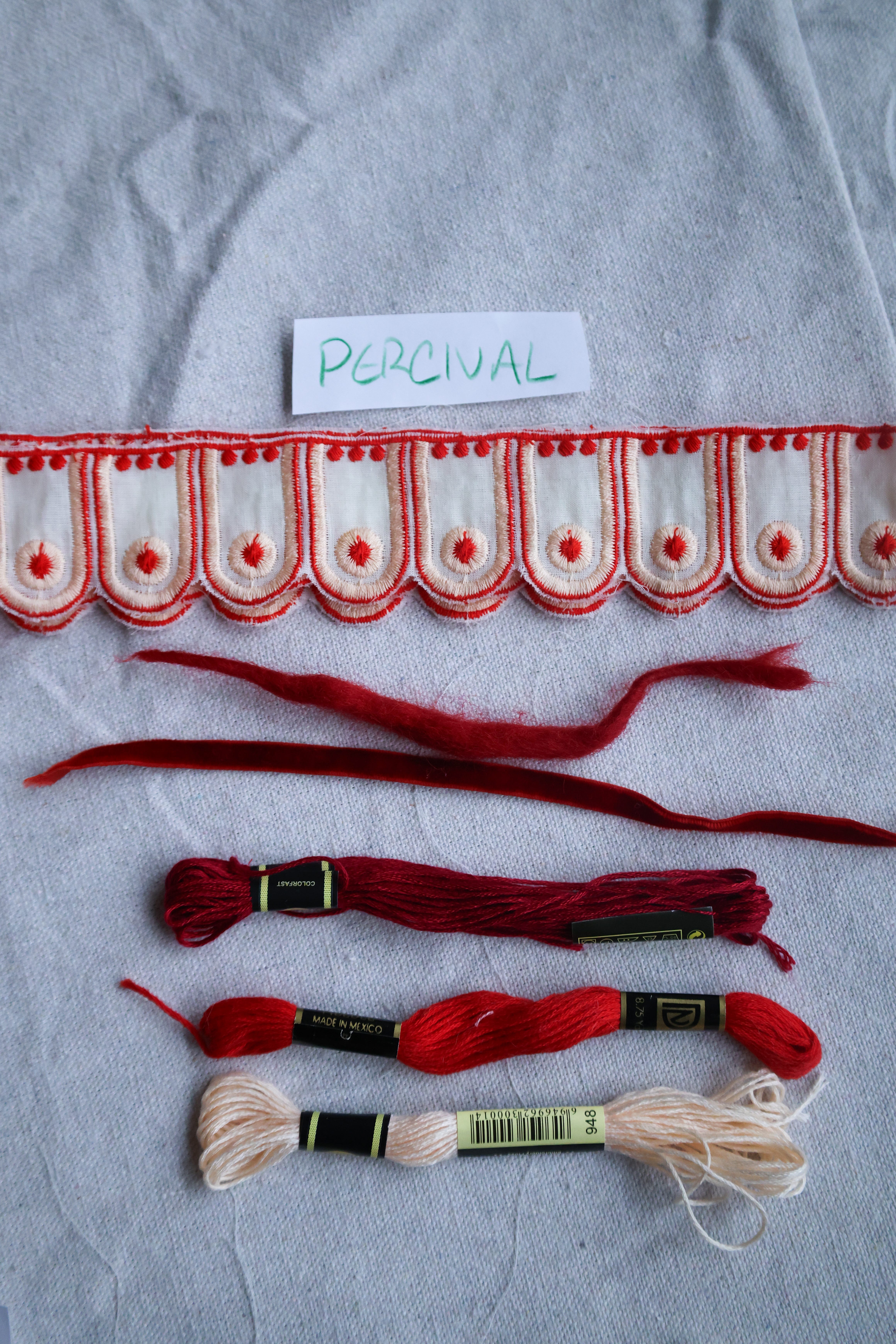
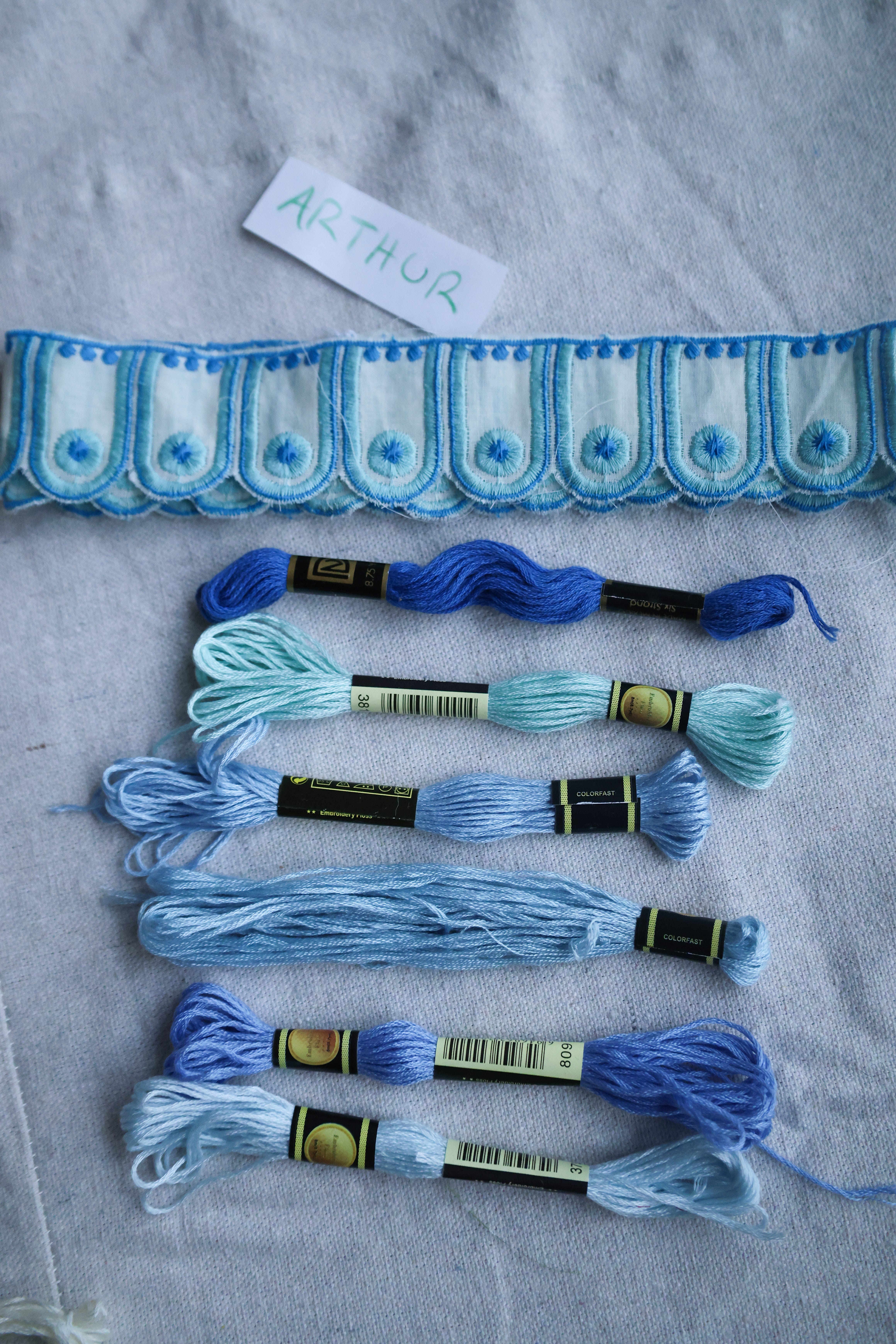
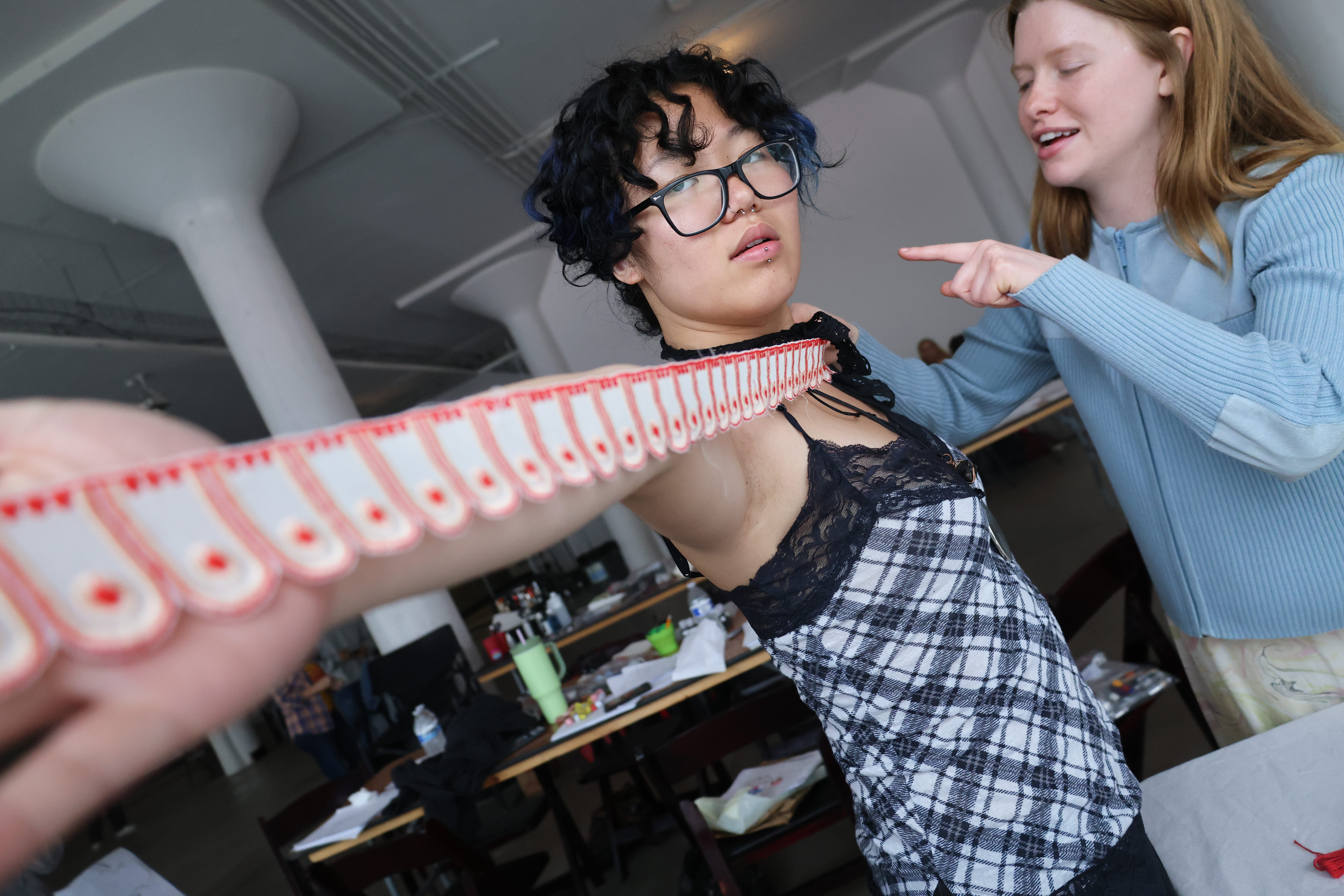
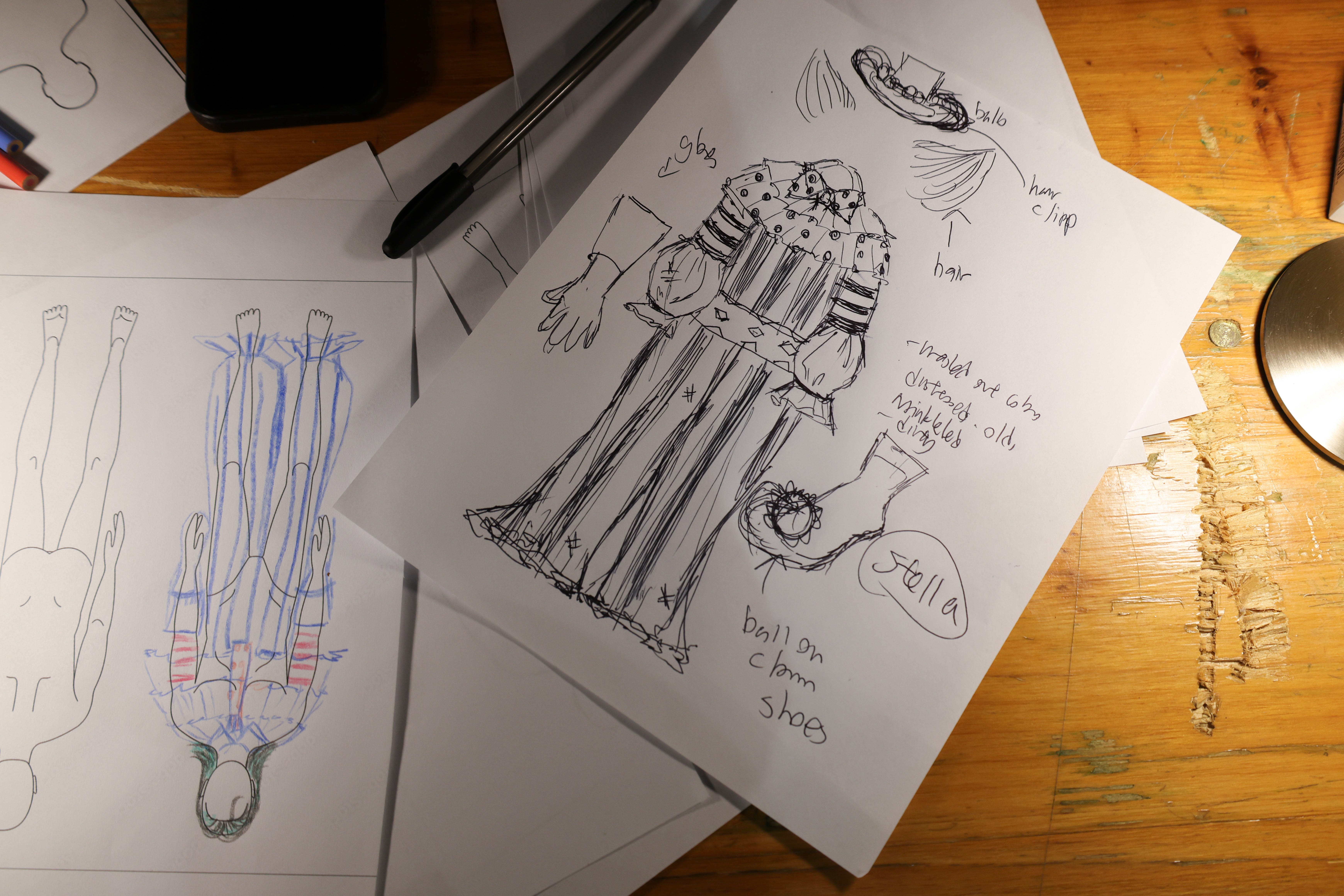
Last week, the producers made an offer to a celebrated A-list talent, the costume department took a special field trip, and hair and makeup began testing out a special look for the town clown.




As we bring this town to life, we must too honor it’s dead.
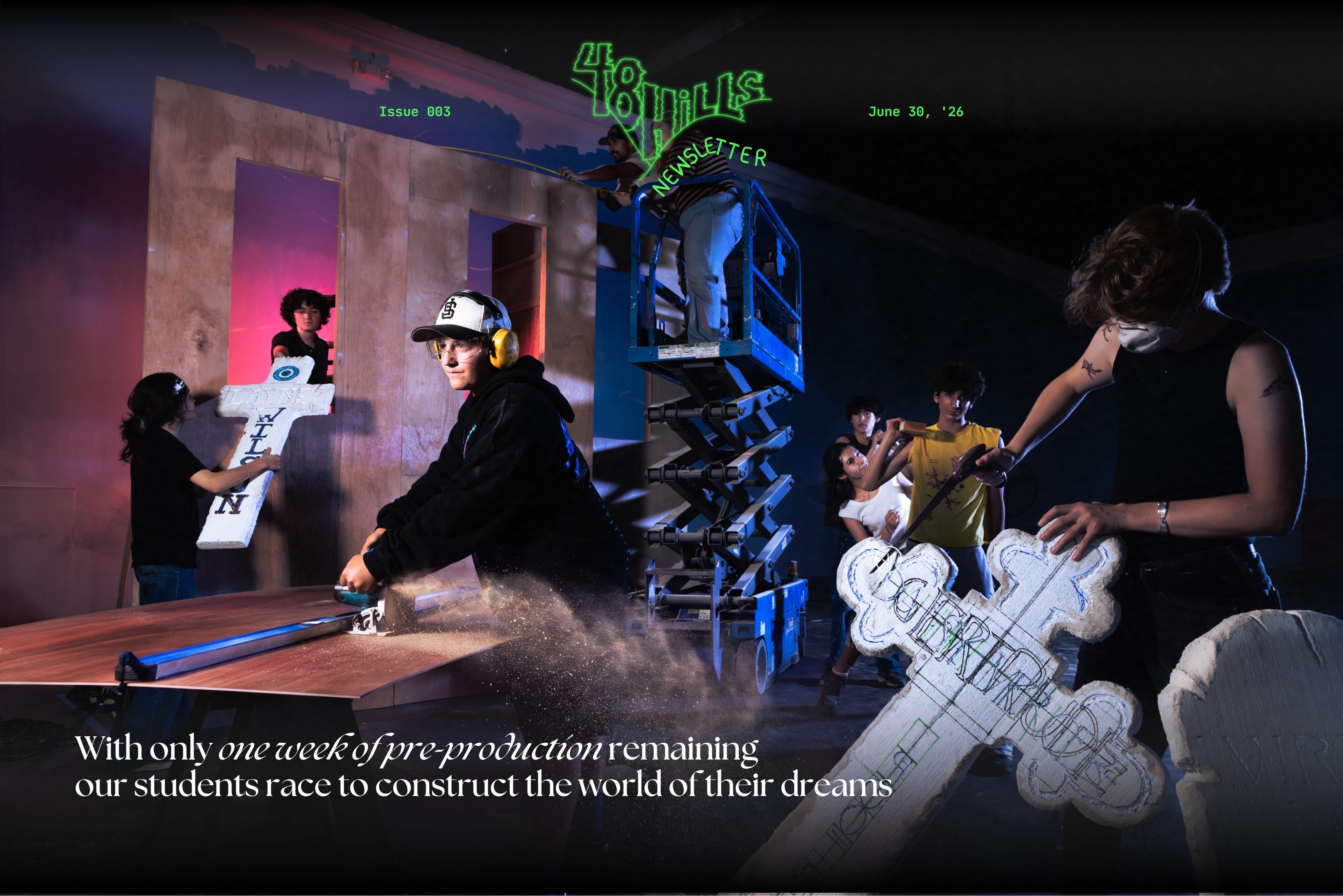
As students prepare to build its cemetery, the question on the floor is how do you turn styrofoam into a tombstone?
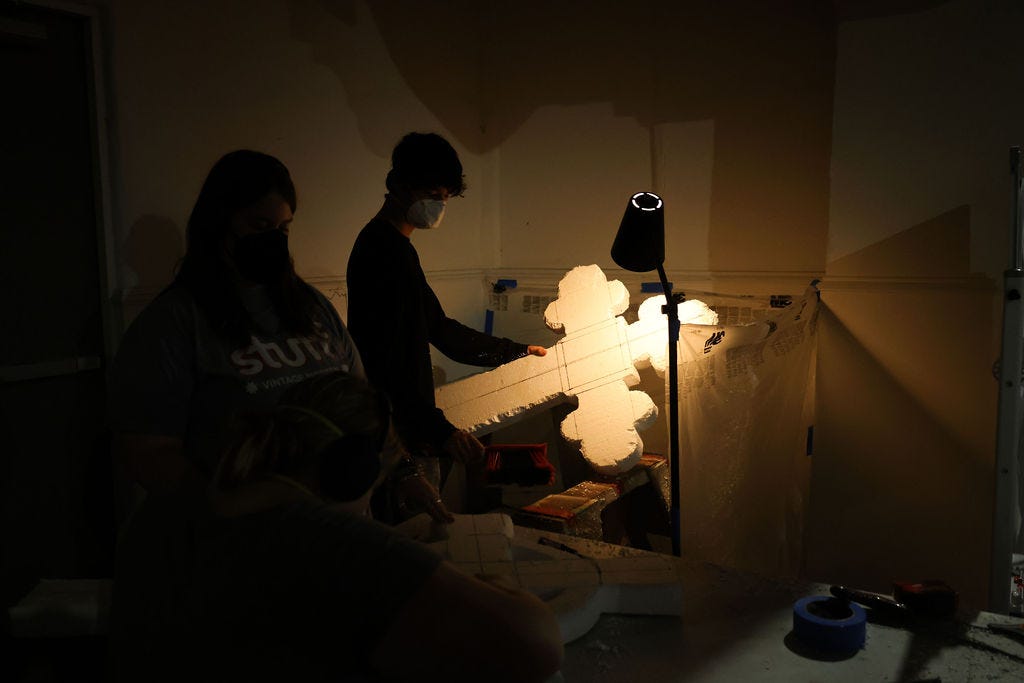
You start with a block of foam. You carve it. Then you spend the rest of the day convincing it that it has been standing in the rain since the 1850s. Our students are learning to age new material into old stone, softening the lettering, weathering the edges, leaning each headstone a few degrees off true.
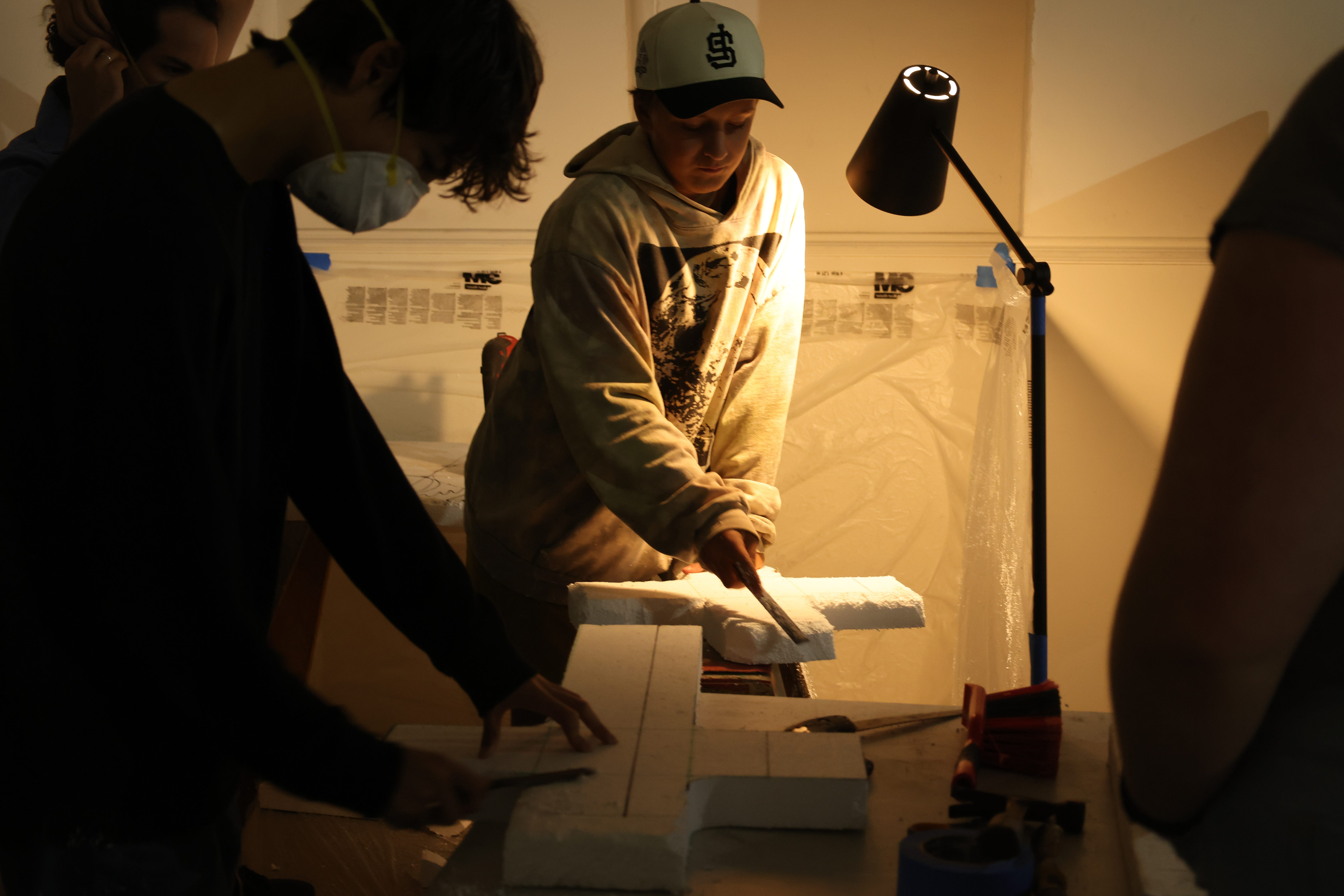
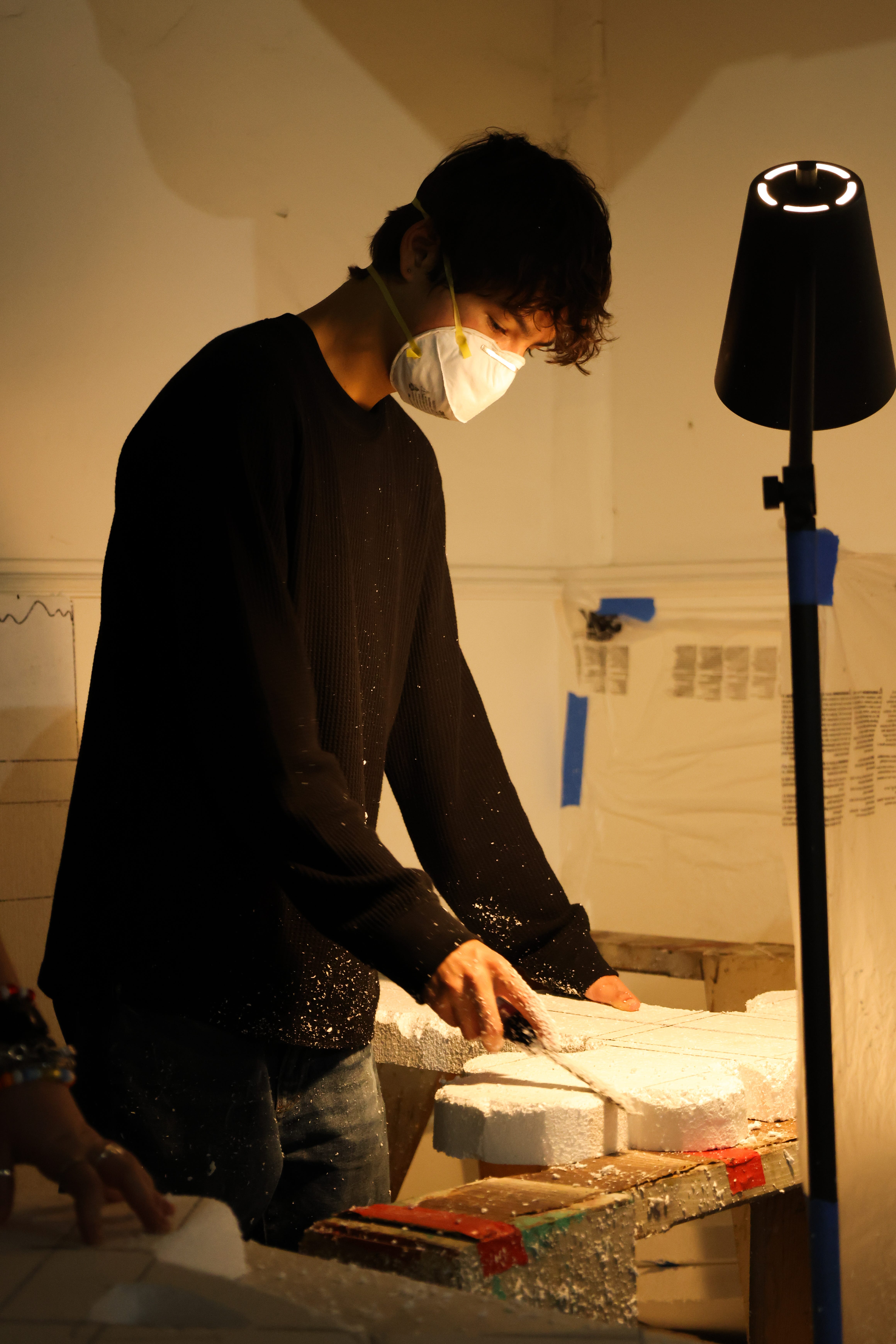
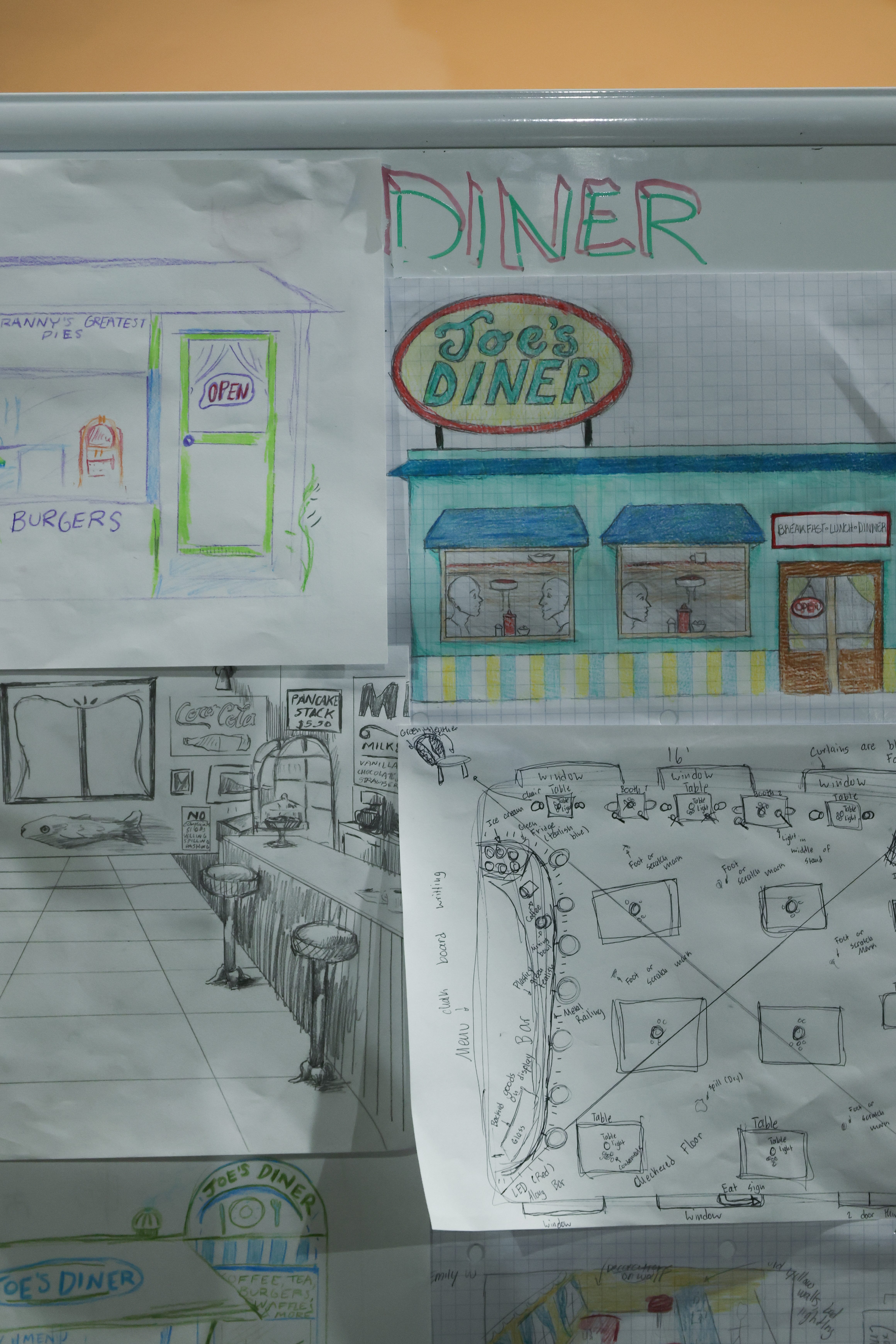
Two weeks ago, the Art Department promised to transform sketches on paper to a cemetery where the graves lean slightly off-center. In week 3, they started making good on it and the tombstones are halfway there.
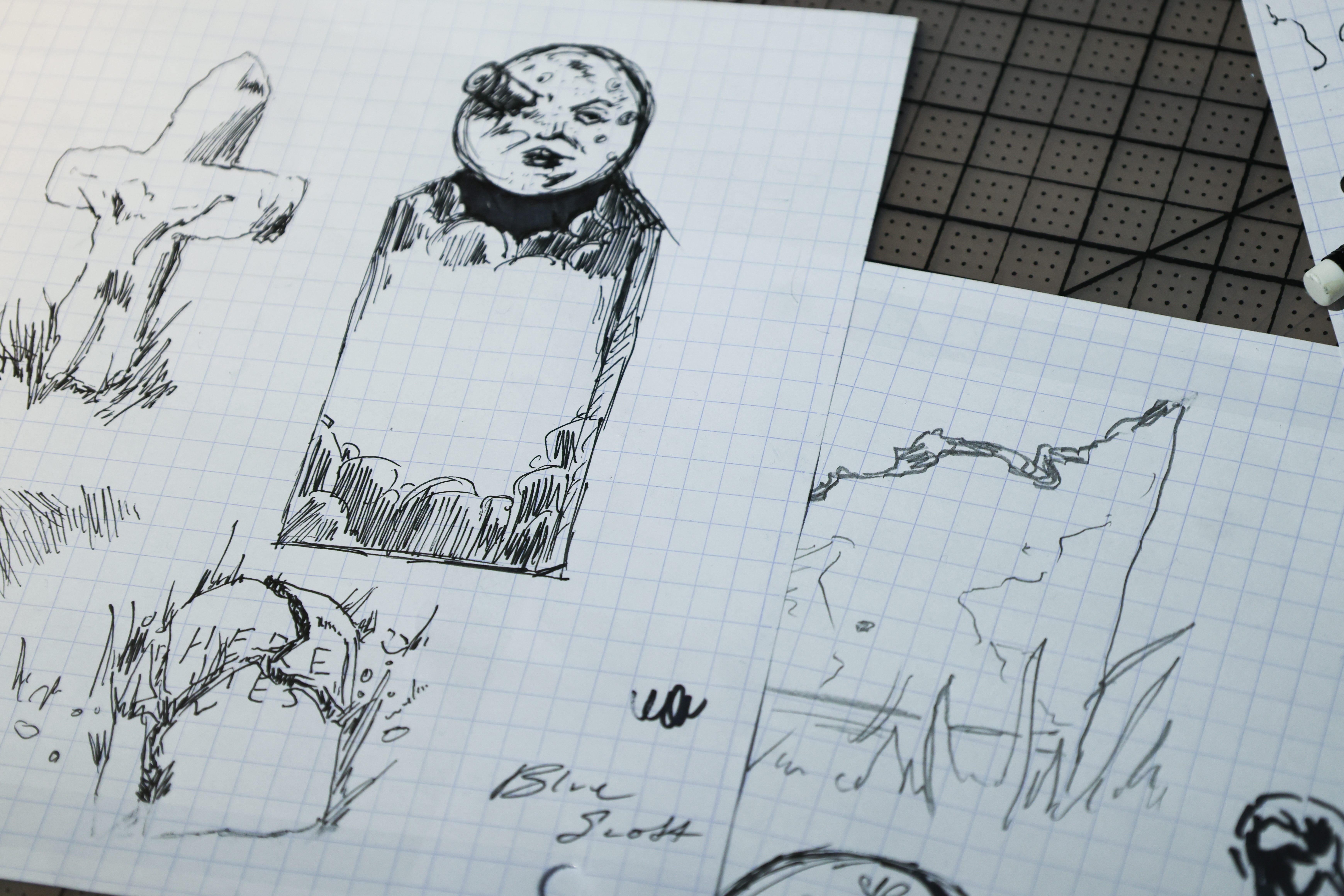
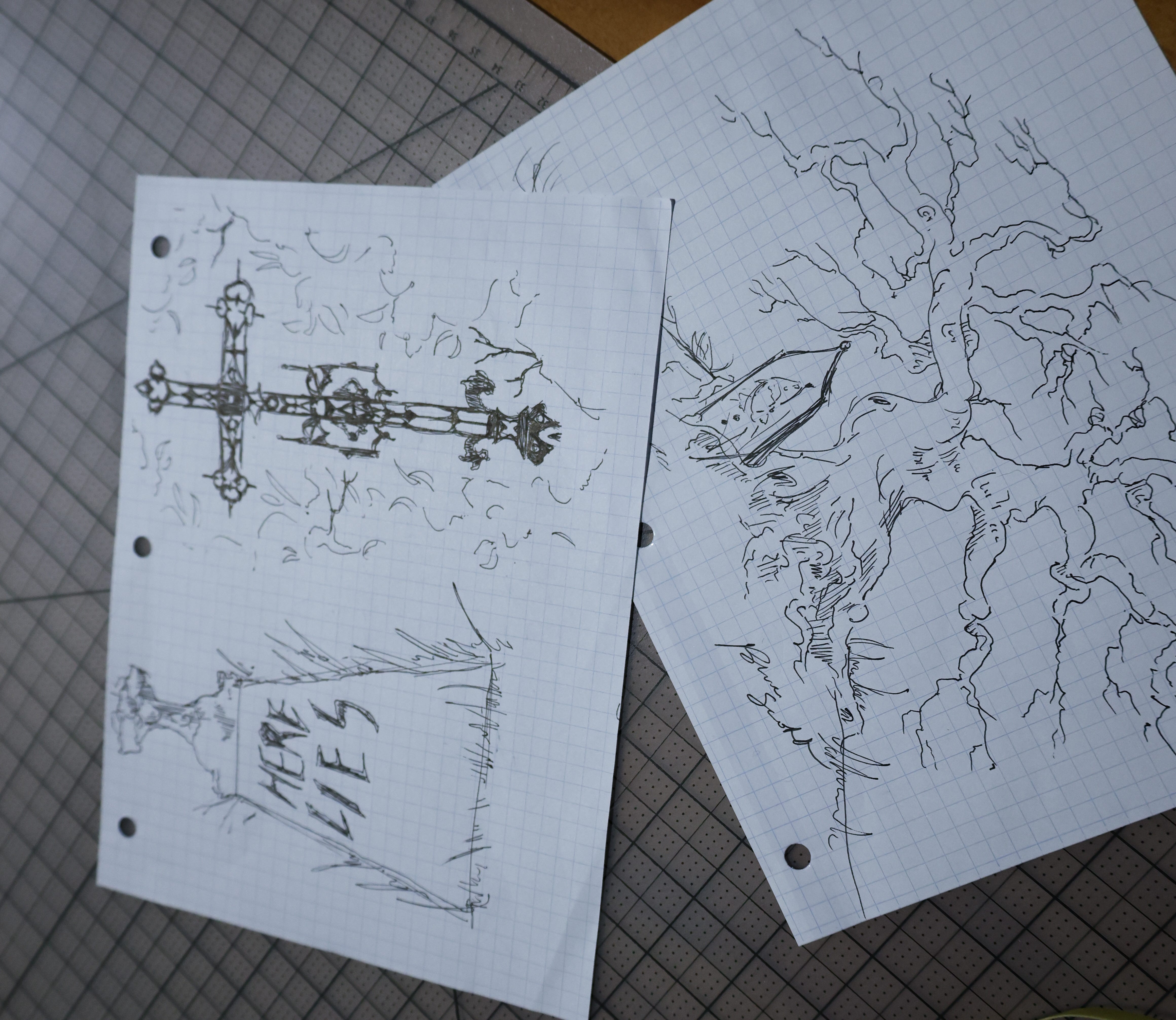
Behind them a sky emerged and with it a new horizon. Completely white and lifeless this time last week, the entire back wall is now painted. The measurements are faintly absurd — 140 feet of wall standing 20 feet tall. Stand at one end and you can’t quite take in the other.
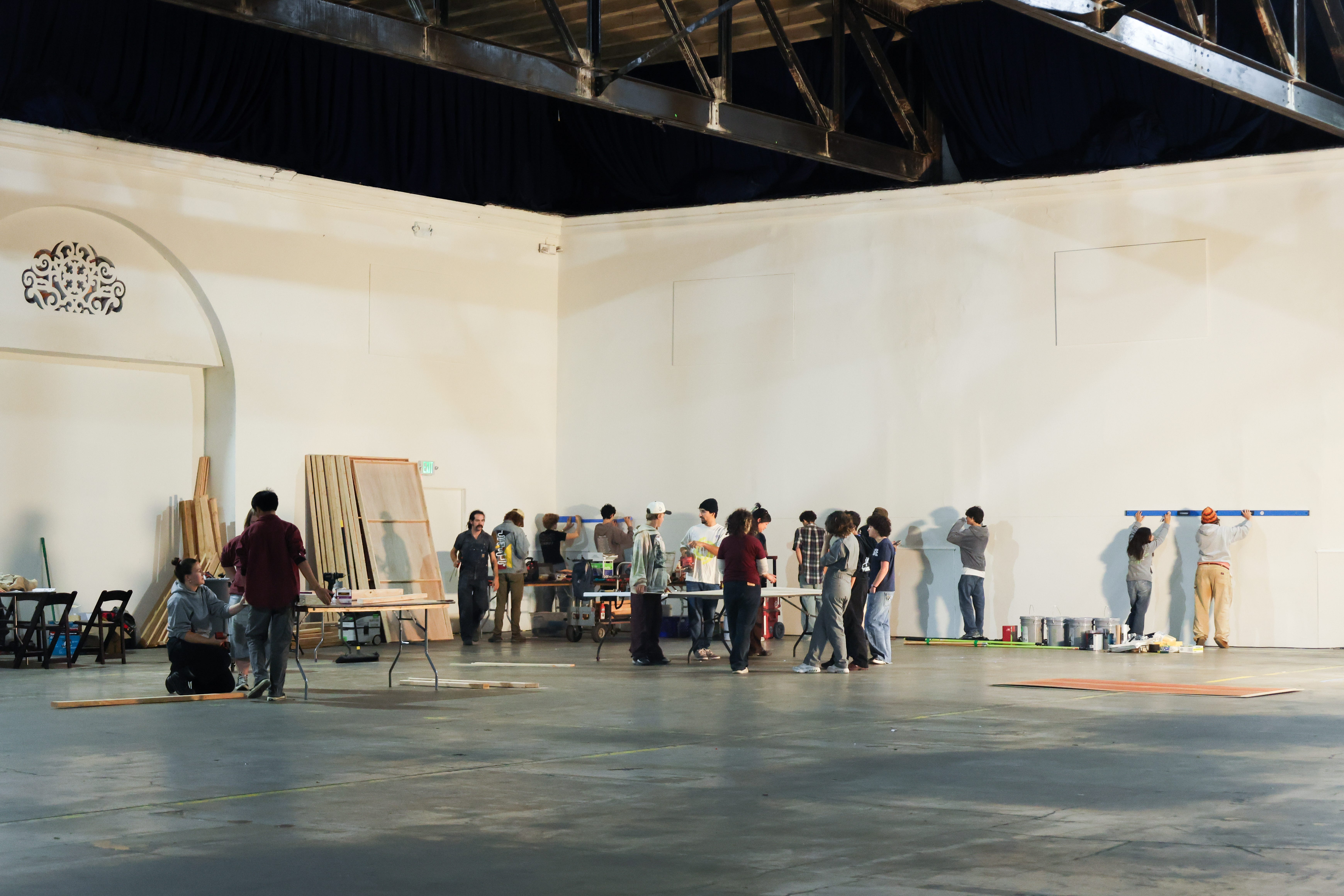
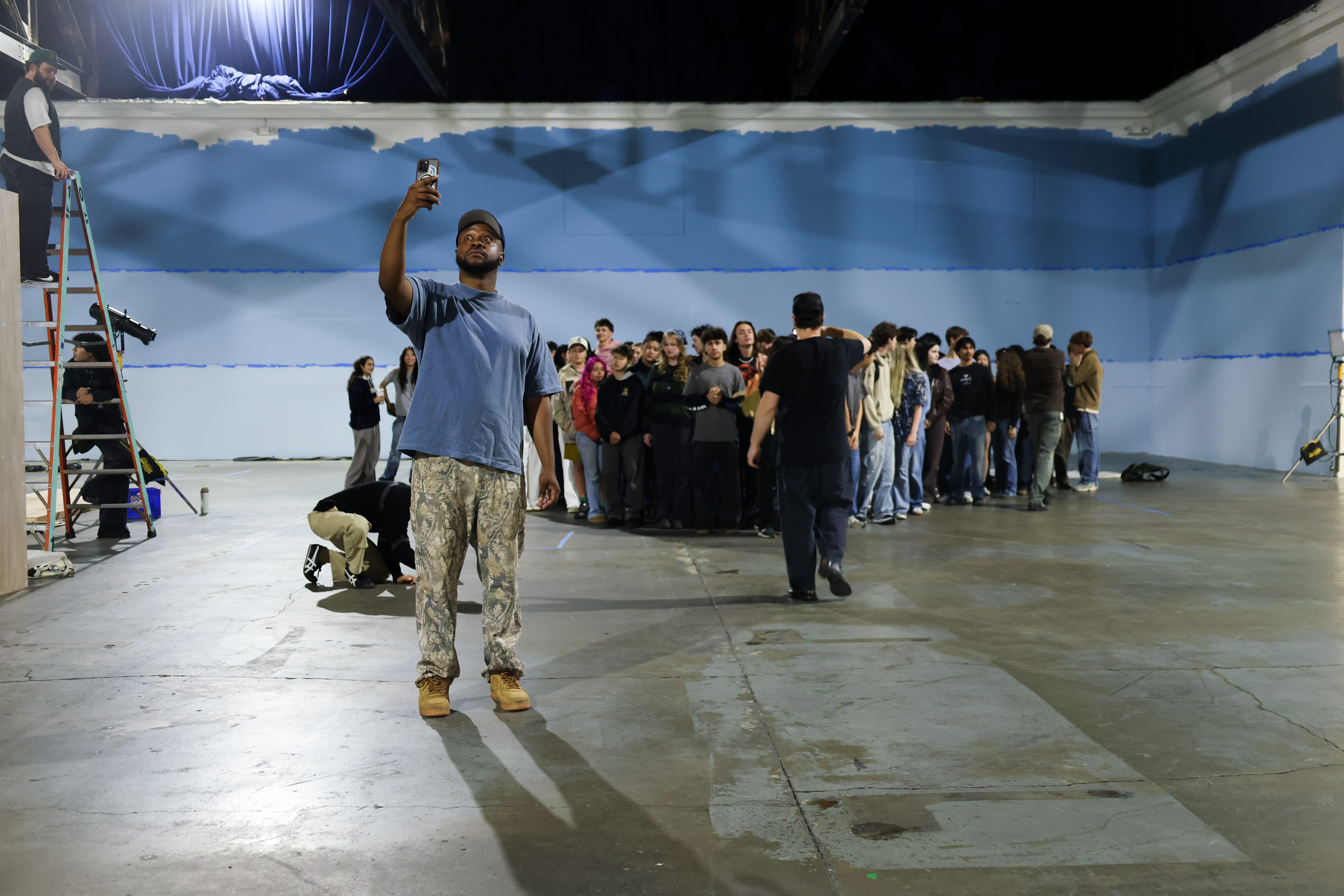
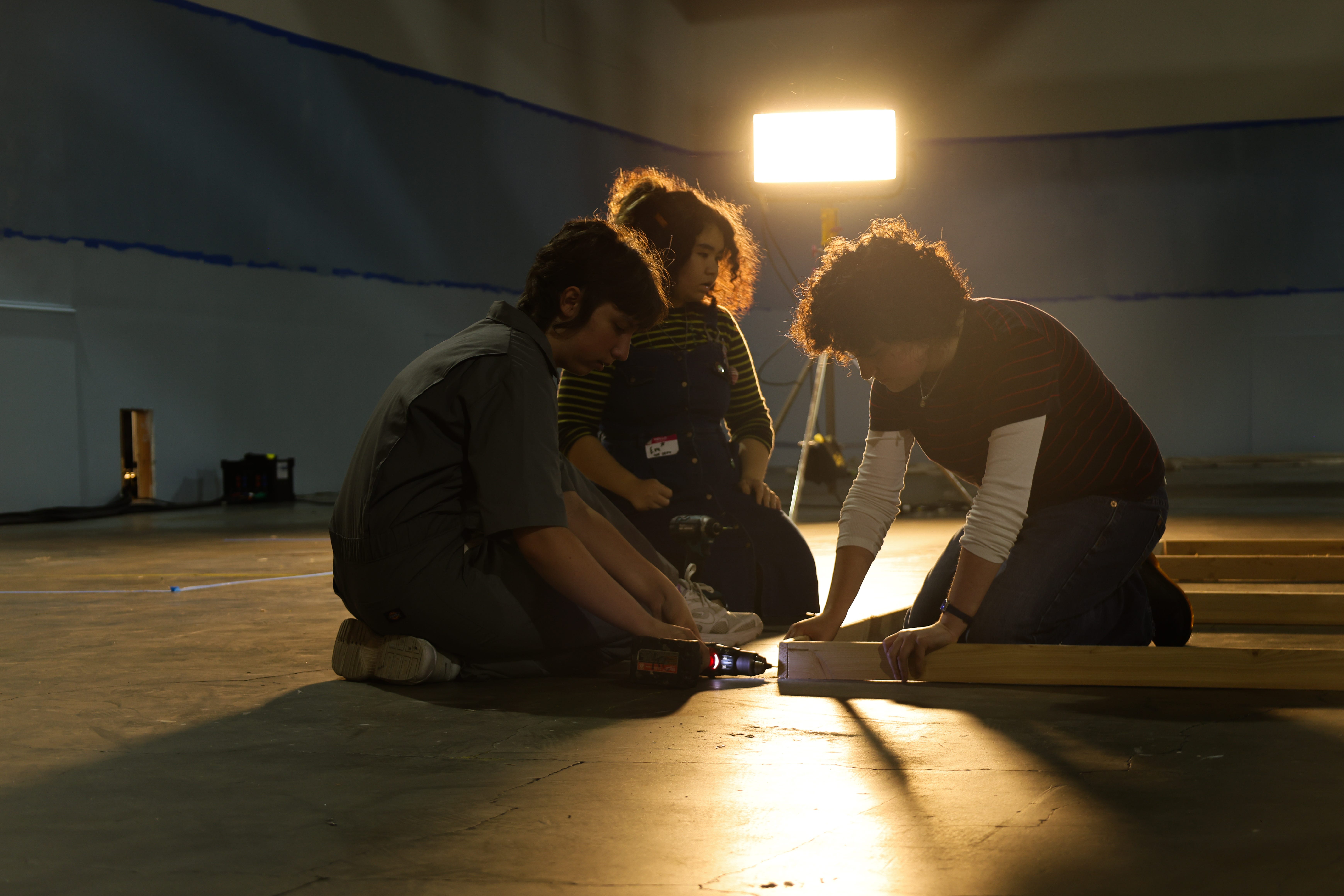
Then the actors showed up, and the town got its first residents. Watching a fictional mountain town fill up with actual faces is its own strange milestone. A character who existed as a line in a script two weeks ago now has someone reading for the part.
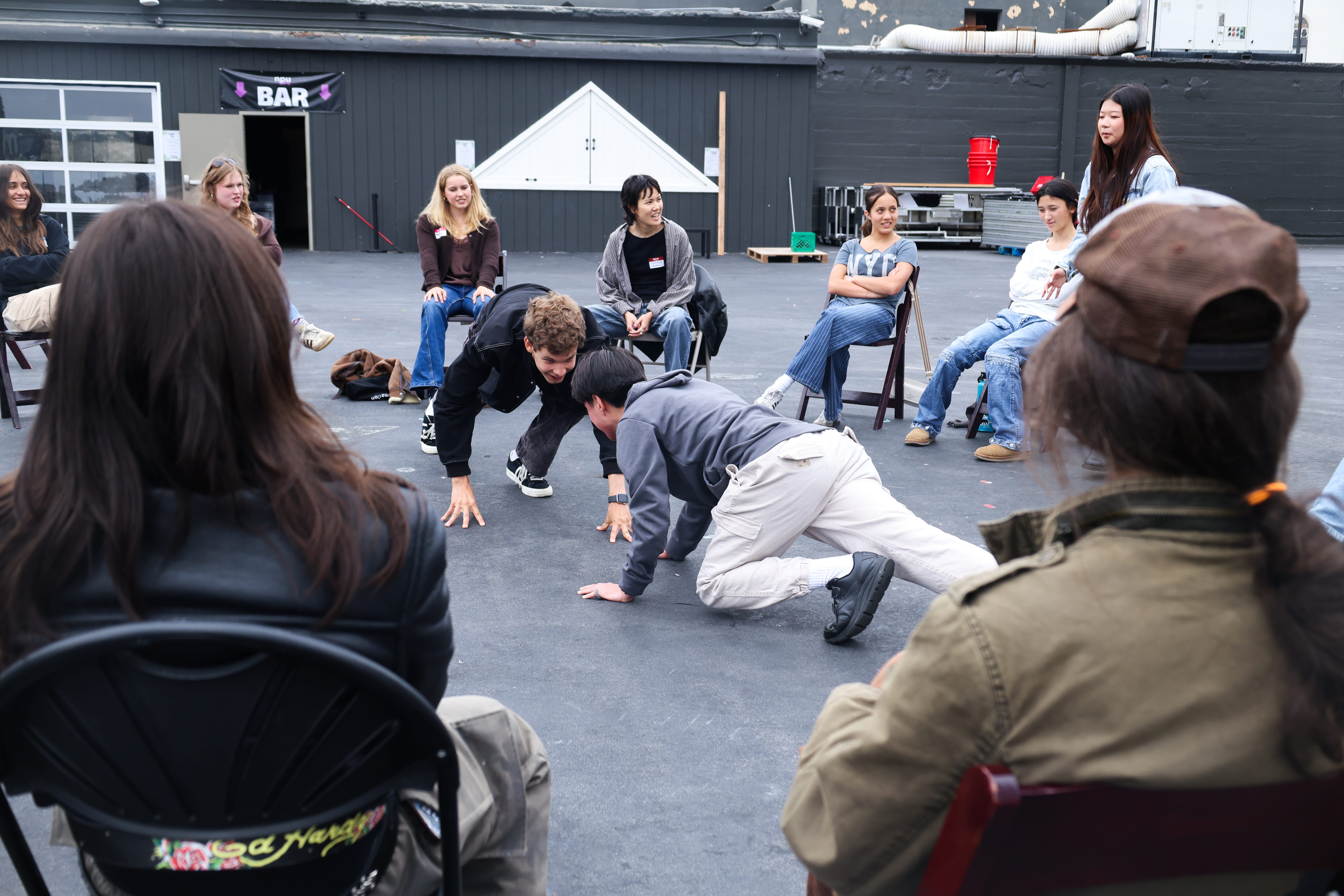
Most of us spend all day editing ourselves. Acting asks for something the world trains out of you: to do less, say the first thing, stop editing yourself in front of a room. How do you teach instinct?
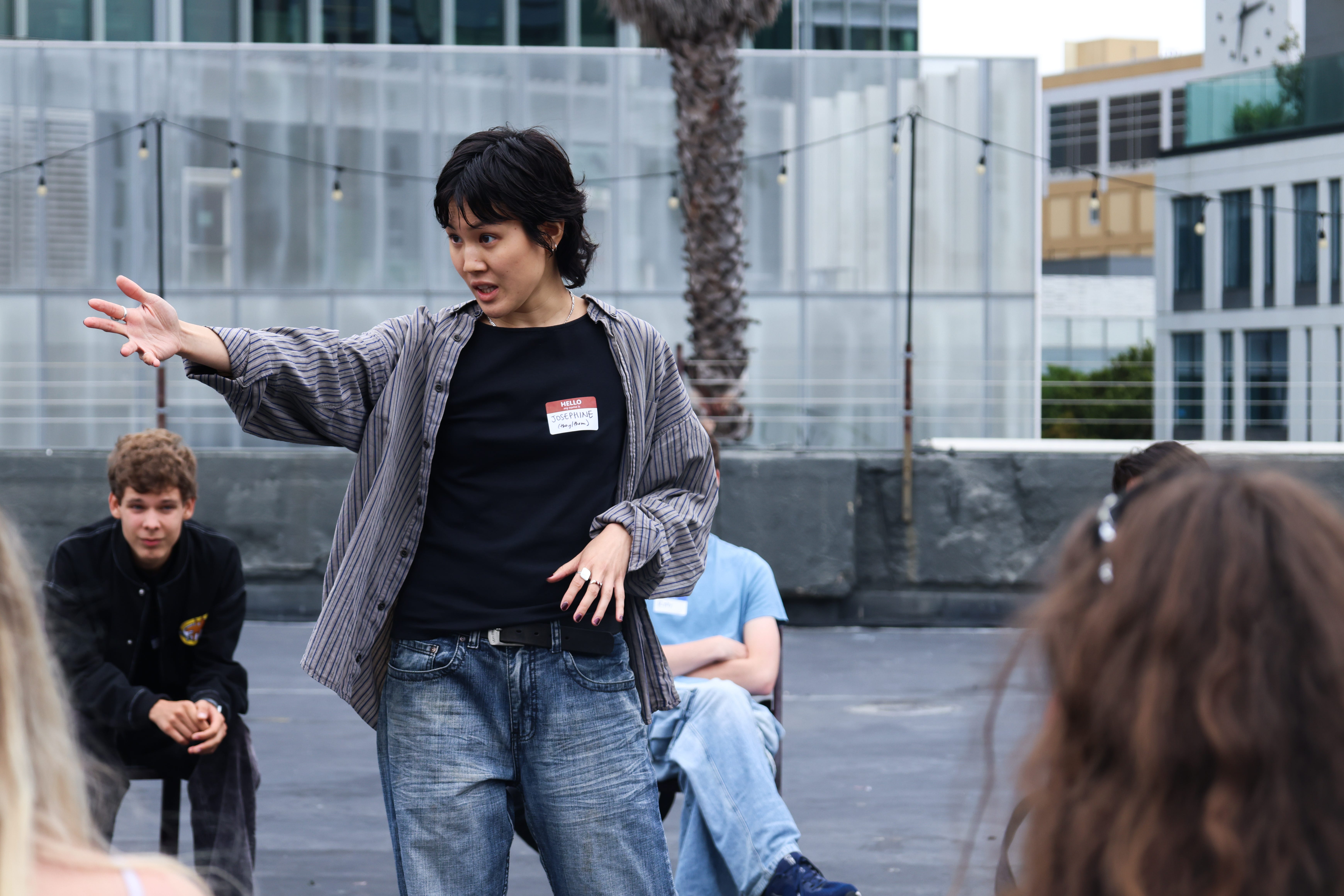
Their teachers Joesphine and Mikiko start on the floor. Every morning the actors curl into a fetal position, breathe, and pull everything inward until the only thing in the room is themselves. Then they stand, walk, and open back out until they’re holding eye contact with the whole room. They call it the womb to walk.
Then the unlearning begins. Josephine leads them through improv games like “I’m a tree”, where the only way to lose is to hesitate. The first thought is the best thought.
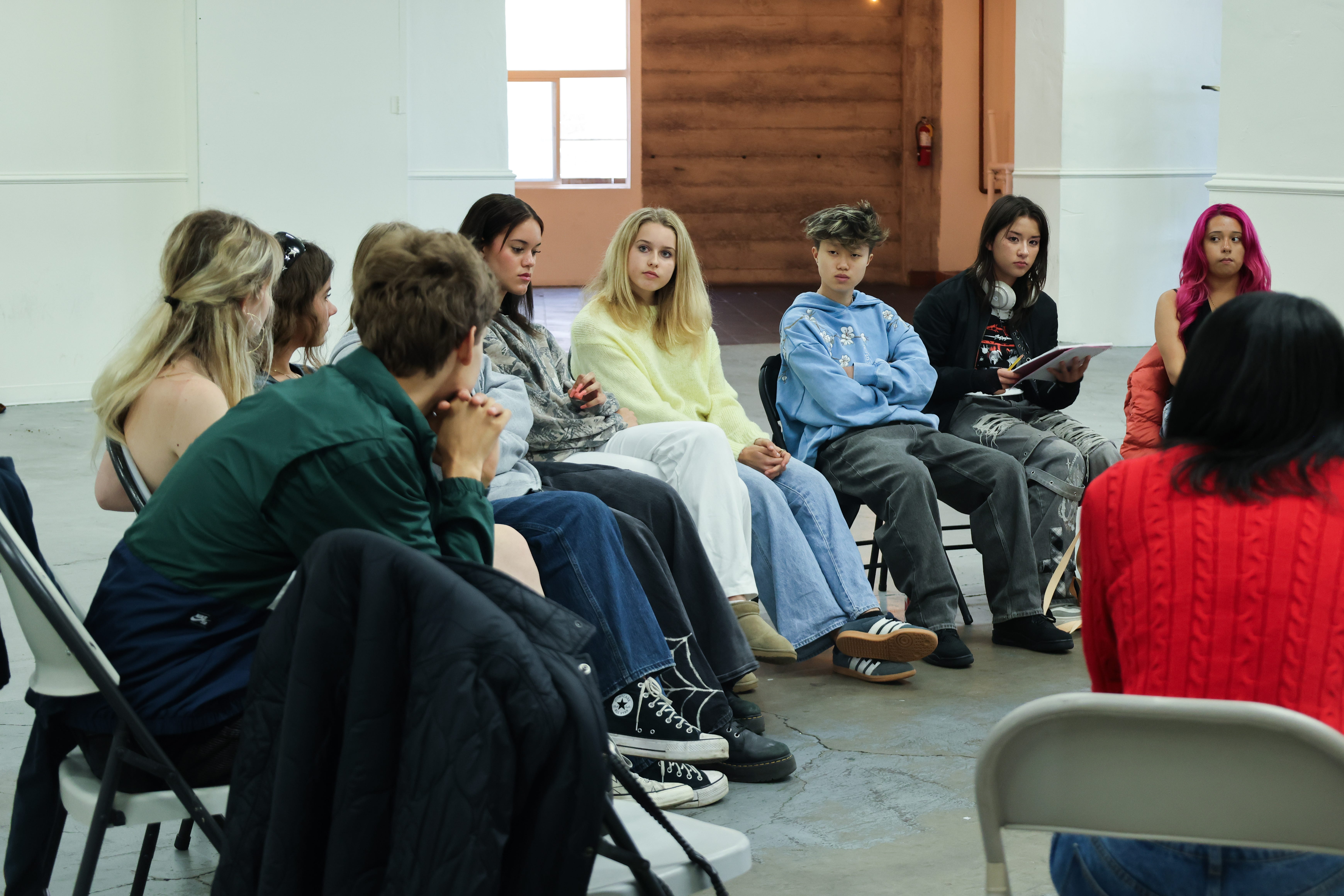
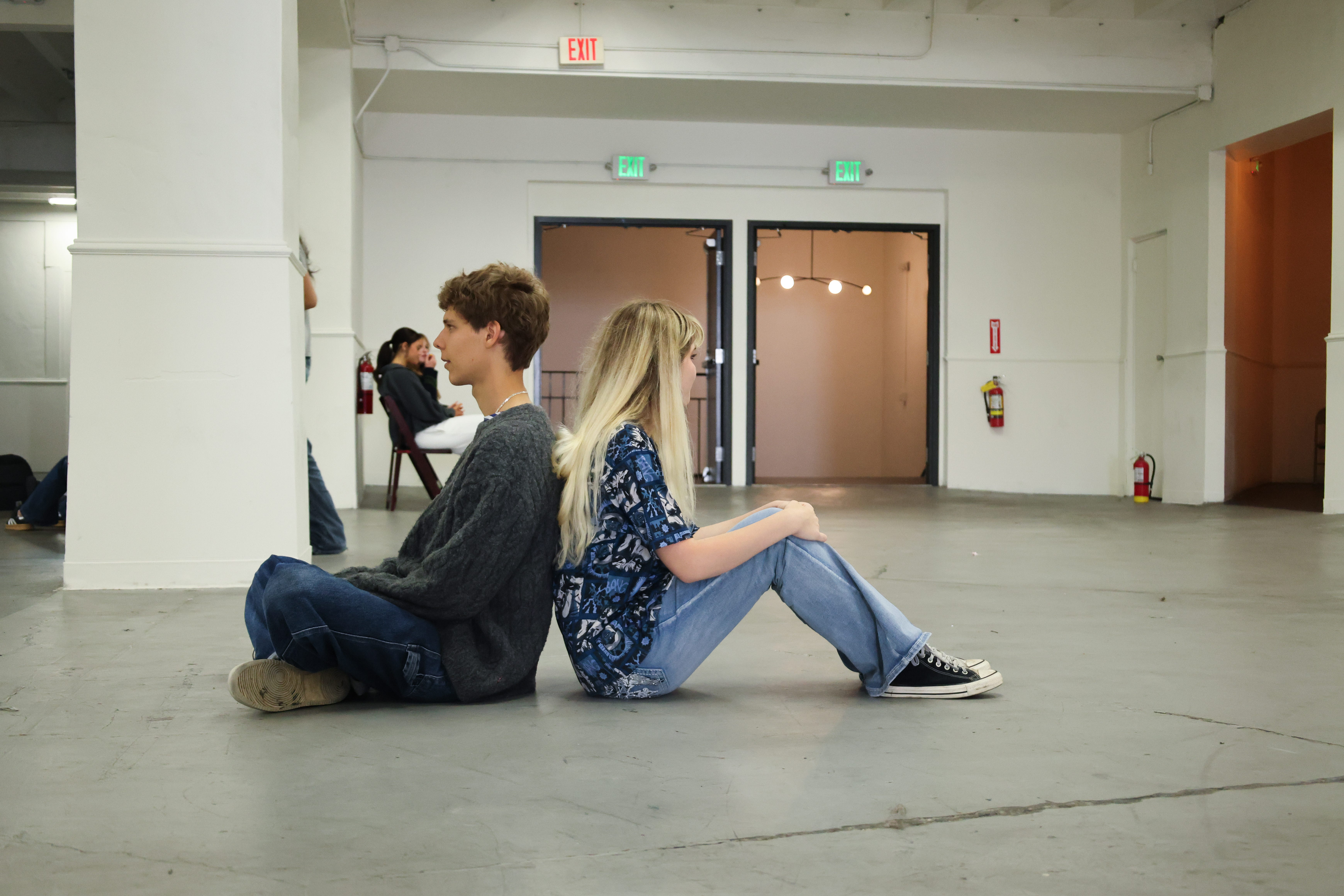
Only then do they open a scene, and the first instruction is to do almost nothing. Two actors, knees close and eyes locked, read flatly with no emotion. The second pass is still flat, but they can look away when it feels true. On the third pass the rule comes off, and by then it’s already there. An authentic feeling enters lines they were trying to say plainly.
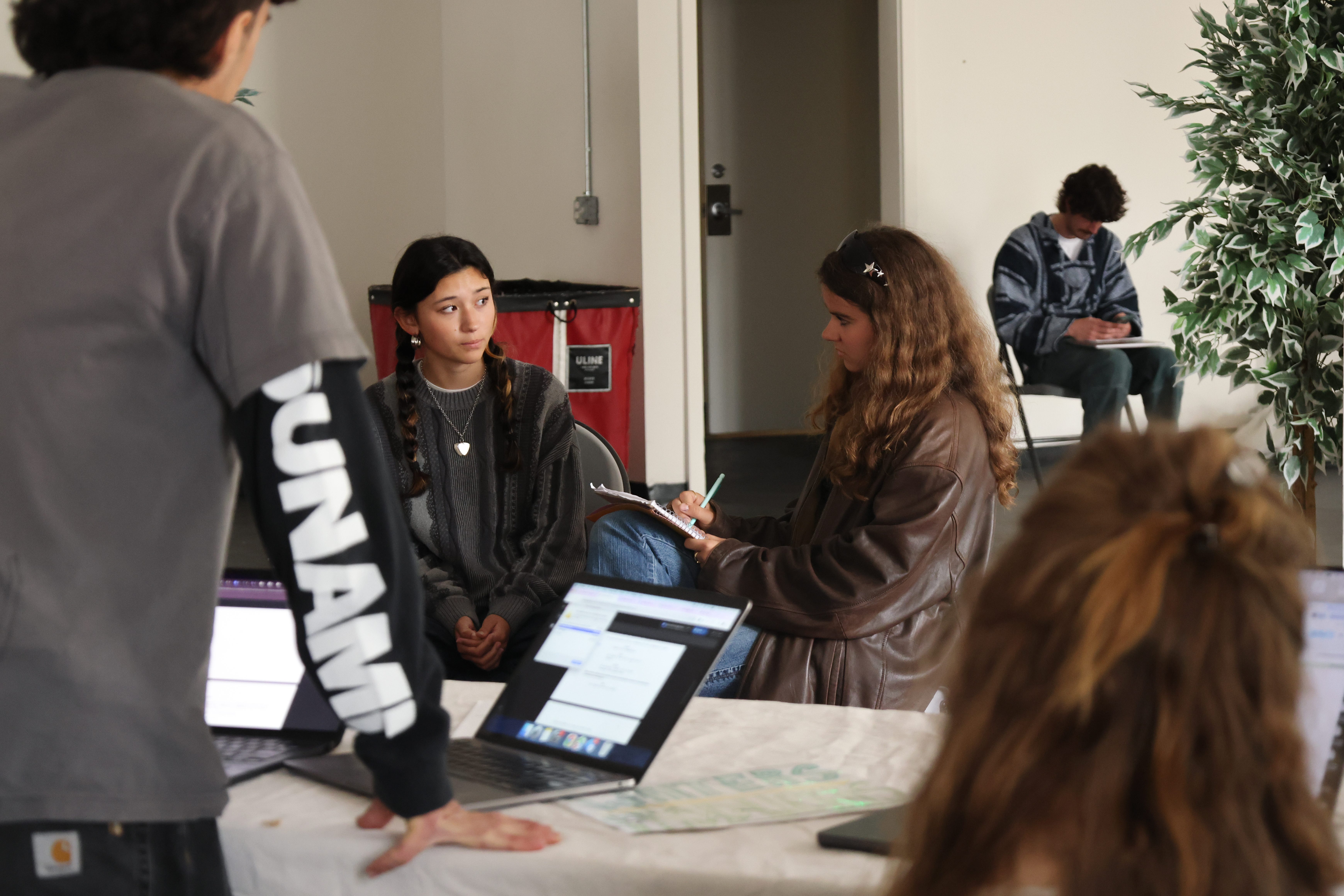
Contrary to popular belief, students are learning that acting isn’t adding -- it’s taking everything off until only what is true is left.
By then the actor has done the hard part. The last move belongs to someone else: the director, grounding them one degree deeper and finding the choice that makes it interesting.
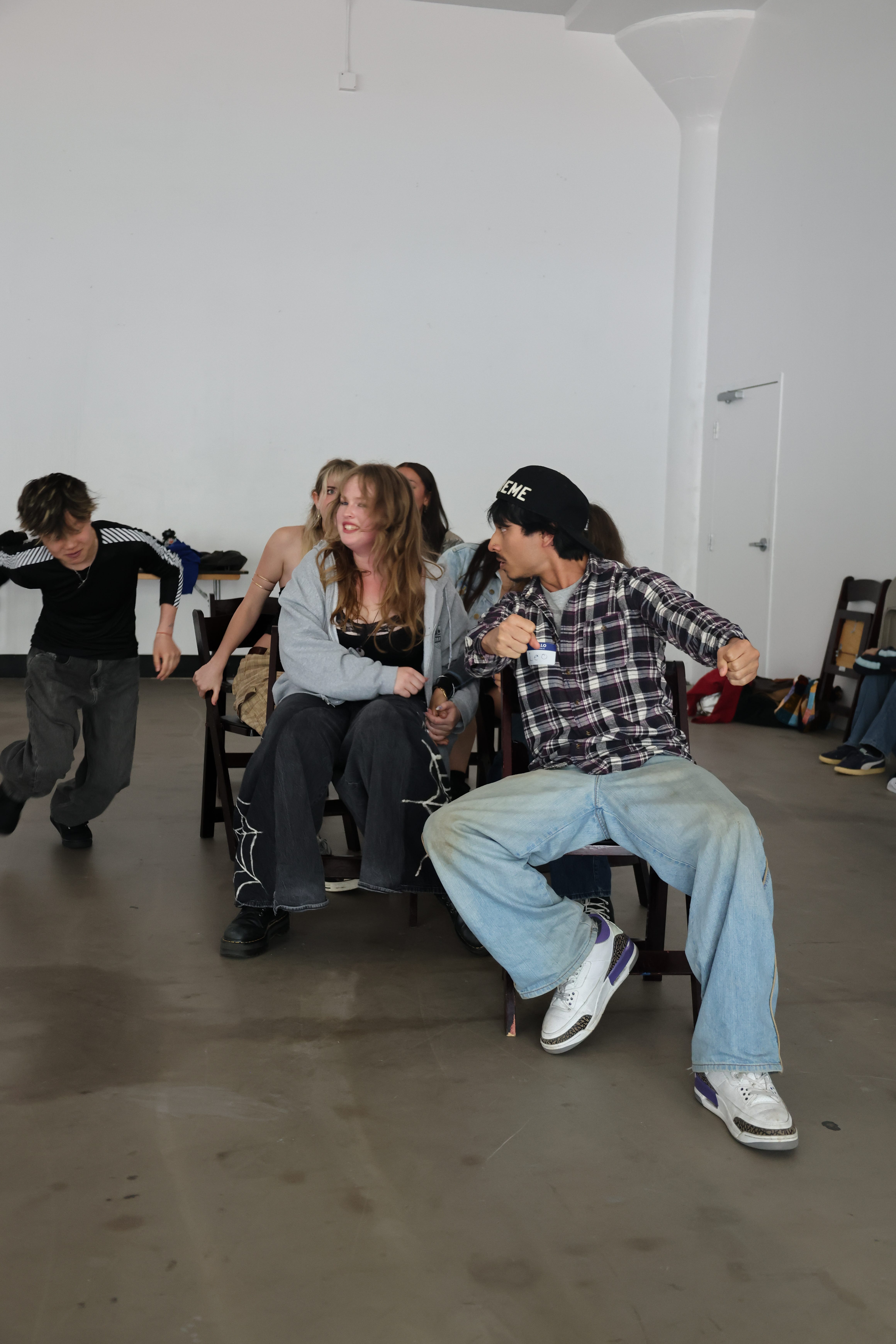
The actors weren’t the only ones being tested in those rooms.
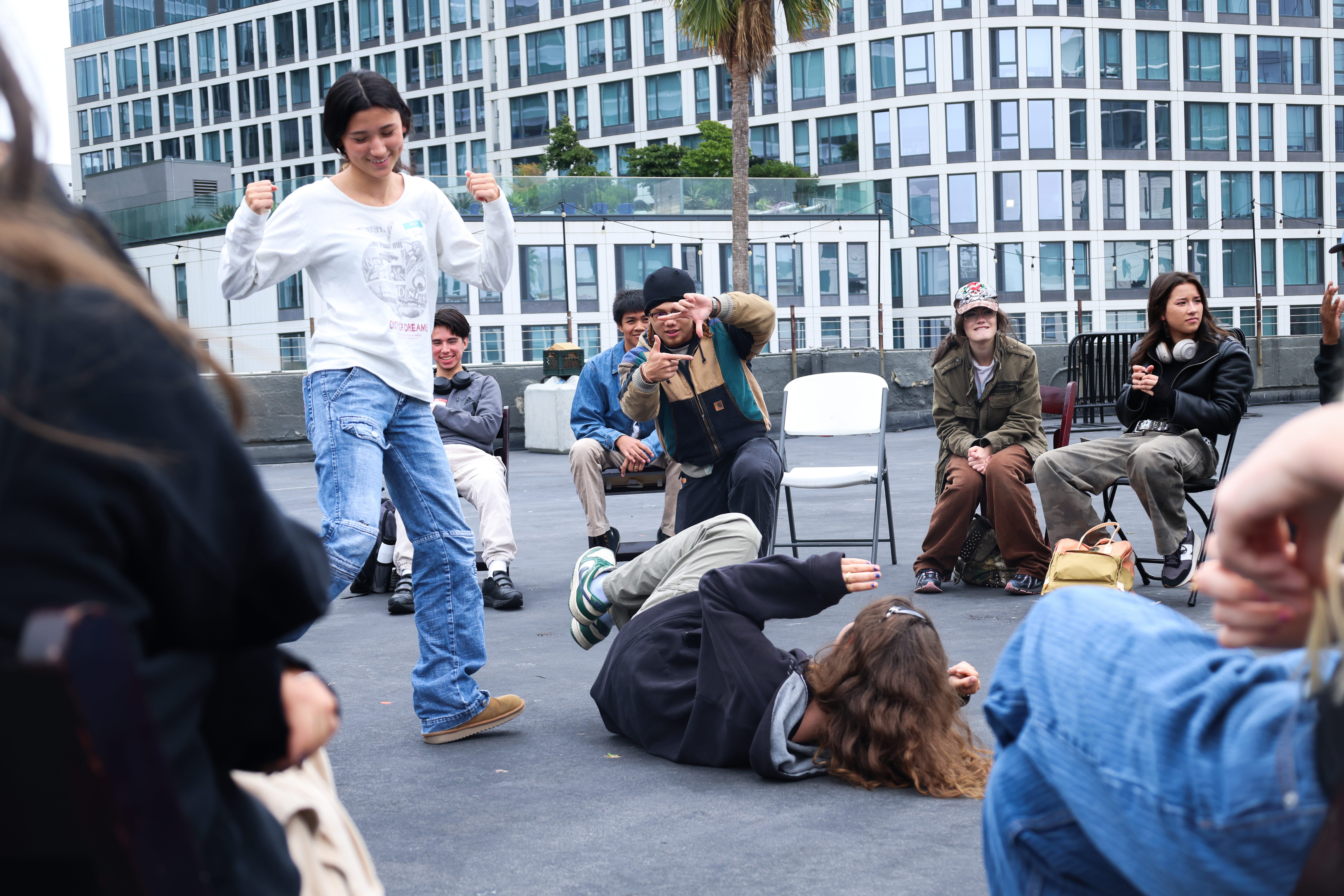
Under writing and directing teachers Joe and Eliza, the directors were auditioning too, in their own way. Their job was to learn how to give notes. It can be almost as unnerving to stand in front of your peers and find the clever note that lifts a performance as it is to give the audition itself.
The first lesson is what not to say. You don’t tell an actor to be sadder, you give them a reason to be sad.
The directors are learning to externalize feeling through behavior, to direct what a person does so an audience understands what a person feels. Be sensitive to the actor. Be honest to the scene. Nudge the performance somewhere true without ever telling it where to go.
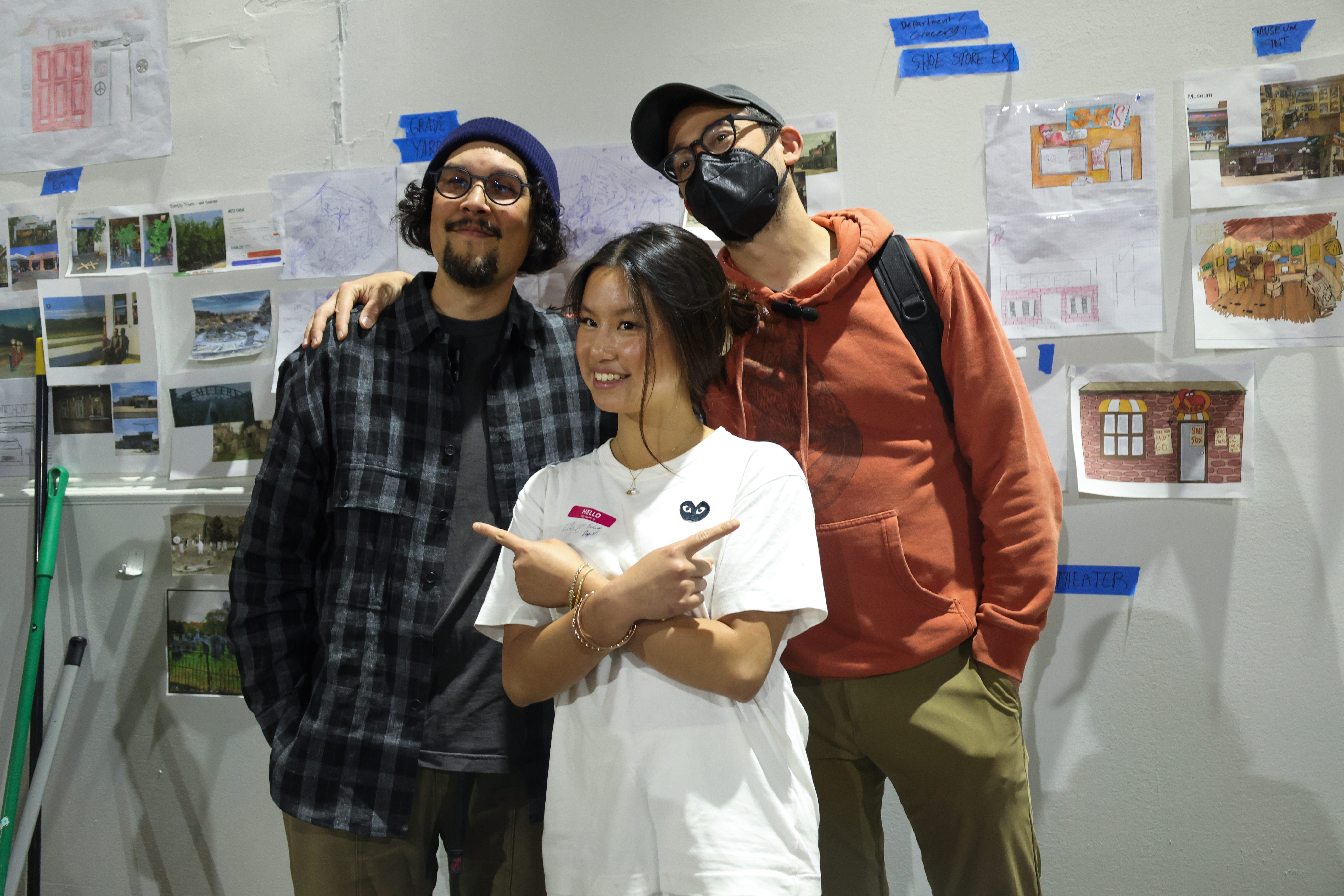
Last week, Trevor Jimenez and Jesse Andrews came by for a special visit. Between them, they’ve worked on Coco, Hoppers, Soul, and Inside Out 2, which is to say they’ve spent their careers building worlds that millions of people live inside.
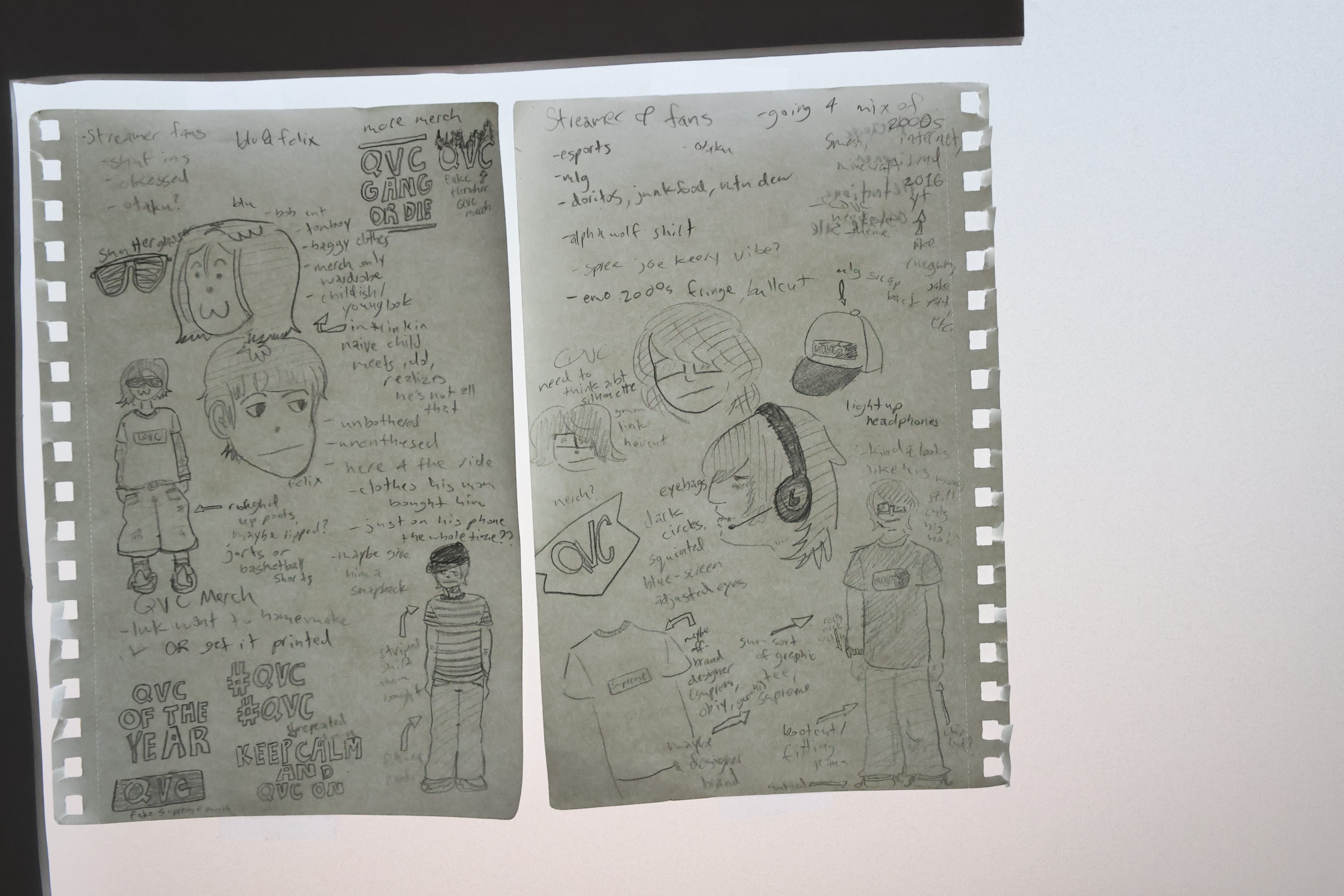
So we let the students give a sneak peak of ours and walk them through the town they’re building — the sketches, the streets that don’t exist yet, the logic of a place invented from nothing. And the visit turned into the thing we keep hoping for. The people who do this for a living were the ones asking the questions. How did you arrive at this? Why this character, why this corner, why build it this way? They loved the drawings. They were genuinely taken with what these teenagers had conjured in a warehouse.
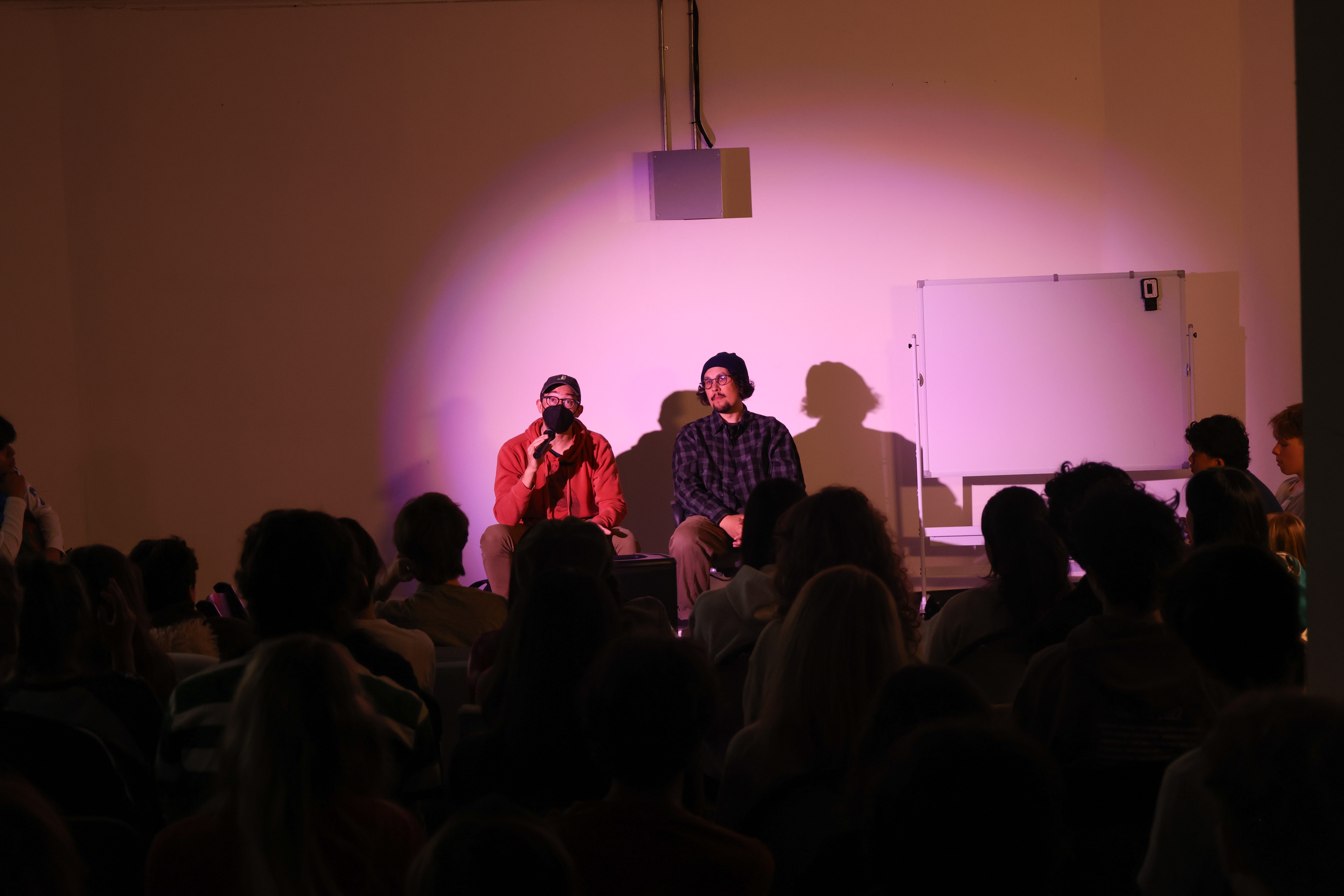
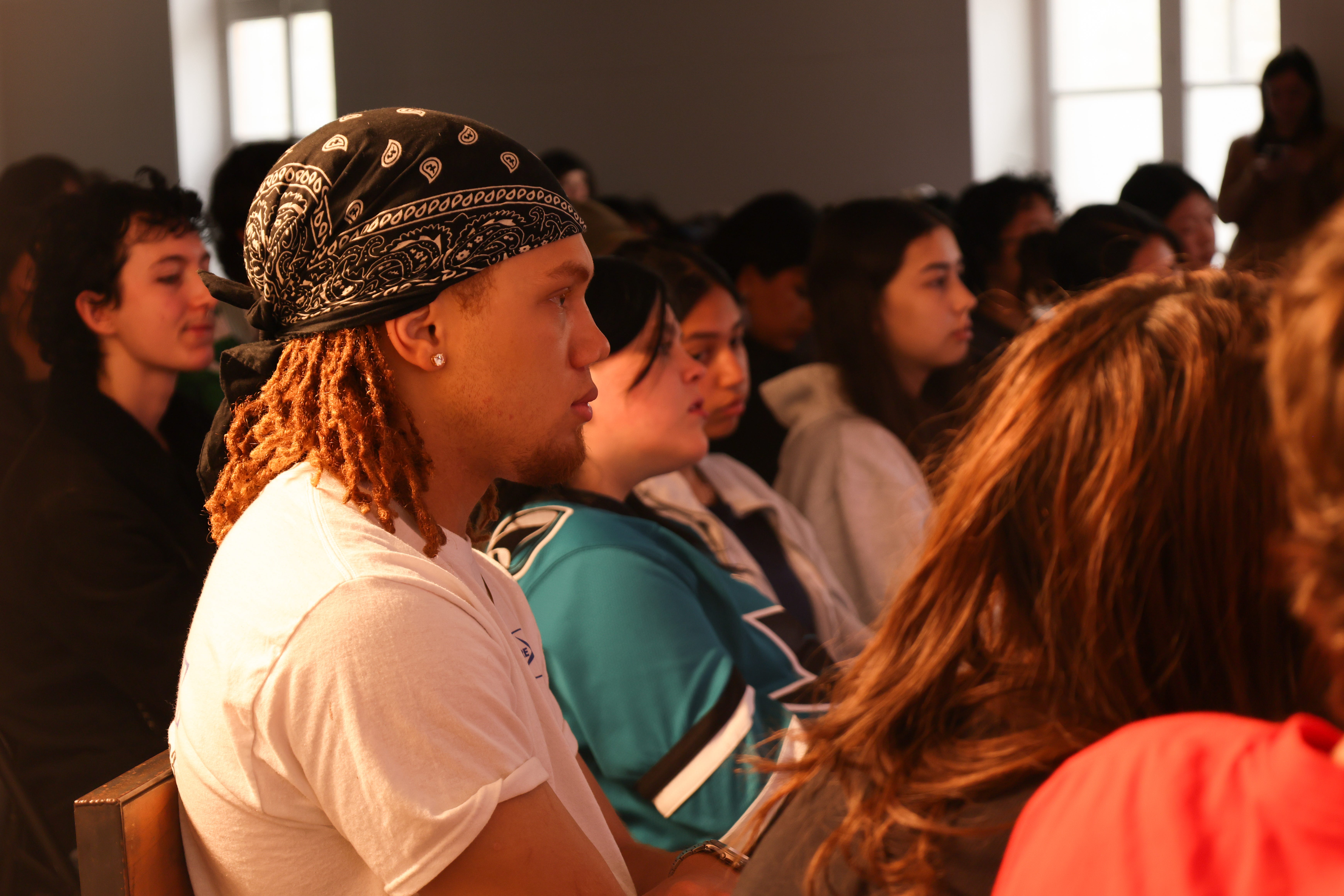
In a highly-engaging Q&A, Trevor and Jesse shared their own process and how long it takes to find your voice, learning to take a creative notes without without ego, and how the thing nobody tells you when you’re young and picture the lone genius at the desk, which is that none of it happens alone. A film is hundreds of people deciding to build the same thing.
You spend a career making places for the world to disappear into. Then you walk into one that a group of high schoolers dreamed up, and you find yourself immersed.
No posts
Comments
Nothing yet. Say the first thing.
Sign in to join the conversation.