
Year of the Linux Desktop might be a joke as old as the time itself. Every year enthusiastic Linux users will tell you that this year will finally be the year of the Linux and every next year they'll tell you the same again. Despite running on more than 95% of world's servers, Linux is only being used by less than 5% of users around the world. Unluckily, what makes Linux so great — the freedom to customize — is also what makes it less approachable. There are about a 100 mainstream distros and not everybody likes to have a choice. As Steve Jobs once said, “People don’t know what they want until you show it to them.” Also, despite multiple efforts (from Ubuntu, Mint and etc.), it still felt like Linux had always focused on one community, the developers.
In 2022, things started changing! Valve released the Steam Deck, first ever commercially successful Linux based gaming handheld. I’ll admit, I was skeptical myself at first. Anyone who had tried wine on Linux would know that it didn't work very well. Proton — Valve’s translation layer between Windows games and Linux OS — was being developed in partnership with the Wine team, so I wasn't really sure what to expect. But Steam Deck's success inadvertently popularized Linux amongst the gamer community. Fast forward to 2025, Valve has been estimated to have sold about 5 million Steam Deck devices and ProtonDB has 22,000+ games listed as playable.
The winds also started shifting in the influencer world. PewDiePie released a video “I installed Linux (so should you)” which now has 6M+ views. Adding fuel to the fire, Windows 10 was officially discontinued and in the latest Windows 11 preview build, Microsoft removed various loop holes that allowed to skip Microsoft Account setup during the out-of-box-experience (OOBE), frustrating many of the existing users. In Apple’s walled garden, release of the latest MacOS with liquid glass redesign was also received with a mixed bag of emotions.
In the Linux world, thing's couldn't have been better. Tools like Hyprland, Waybar and Quickshell are quickly gaining traction because of their freedom to customize the Linux experience however you like. But like I said, not everybody likes to choose which is why distros like Mint Linux (Ubuntu based, for everyday users), Bluestar (Arch based, combines the best of Windows & MacOS), Bazzite (Fedora based, with a focus on gaming) and Omarchy (Arch based, minimal, beautiful but for software development) have become increasing popular. They are pre-configured enough so that the user can instantly get started but Linux at core and can still be customized however you like.
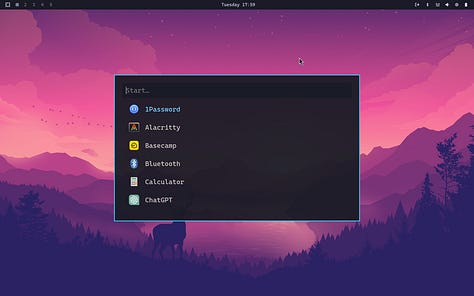
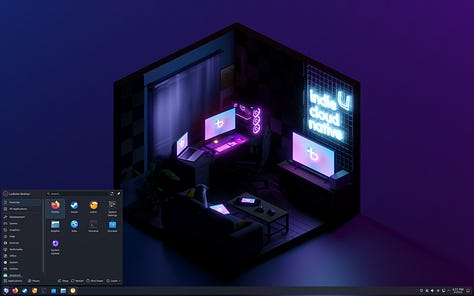
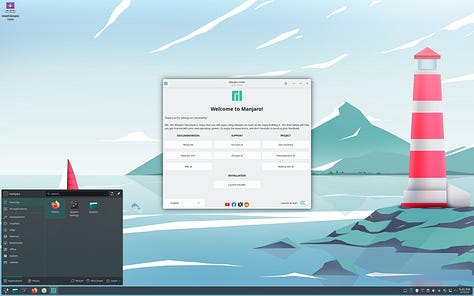
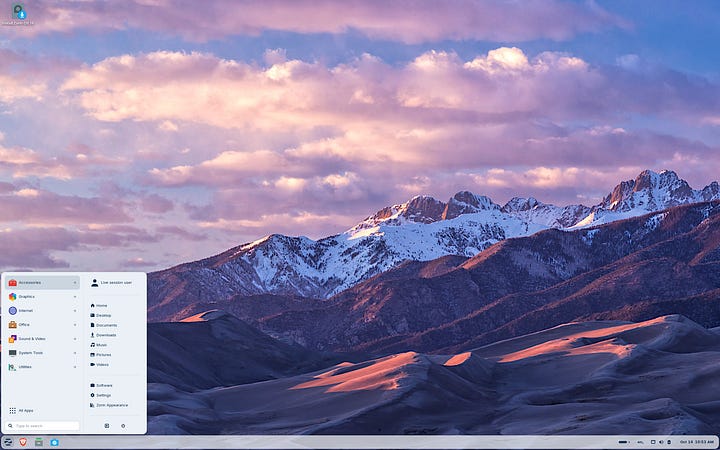

So… is it really the Year of the Linux Desktop? Maybe not but it might be the year people finally start taking it seriously. But for once, it actually feels like we’re heading there. I switched my Surface Laptop 3 from Windows to Linux (an Arch-based distro) a few weeks back, and the difference was quiet visible. Simpler installation, faster boot, snappier development setup and zero bloat. It’s the same machine, but it somehow feels lighter and more fun. Maybe the “Year of the Linux Desktop” isn’t about mass adoption. Maybe it’s about moments like these, when a lifelong Windows user finally decides to switch.
Comments
Nothing yet. Say the first thing.
Sign in to join the conversation.