
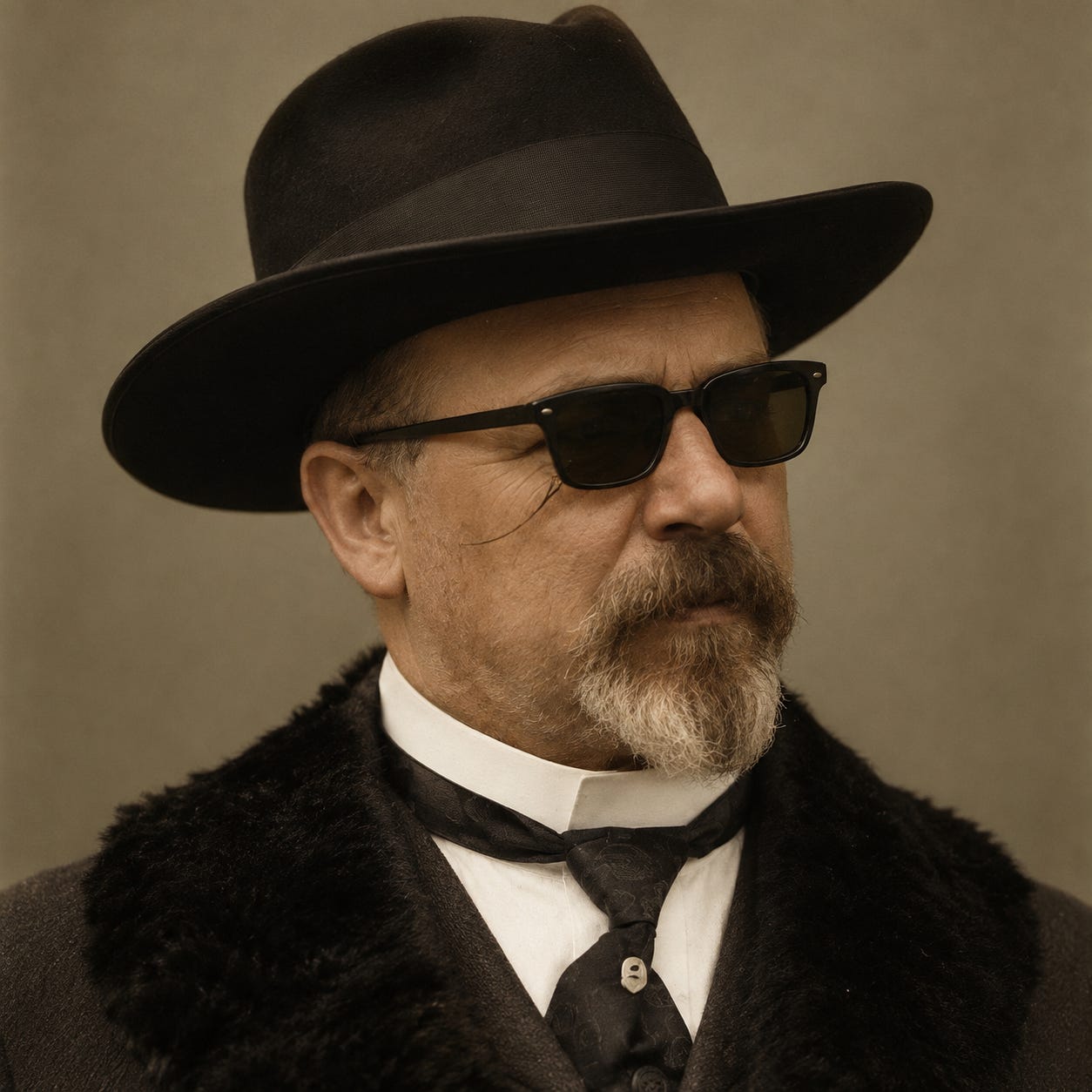
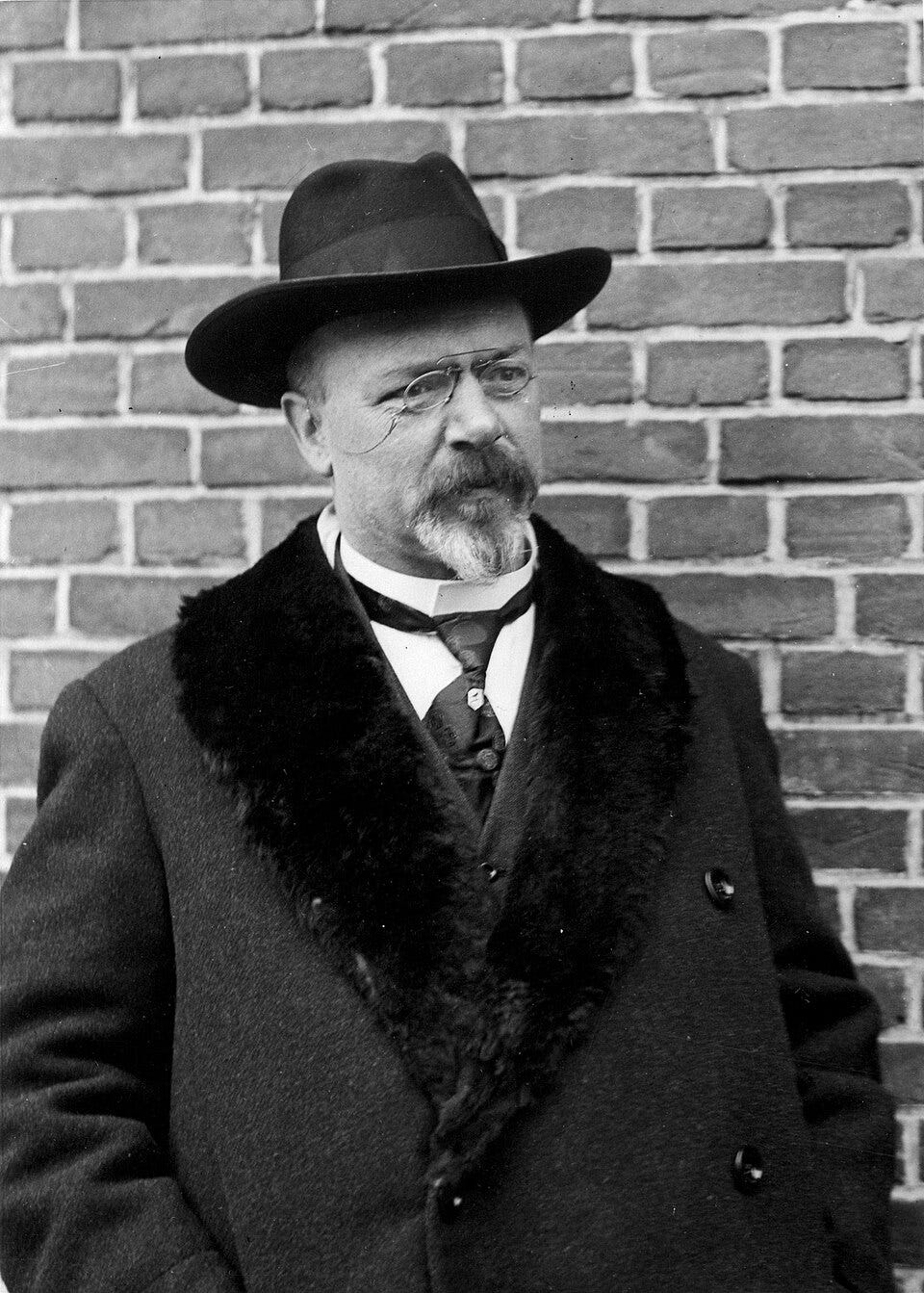
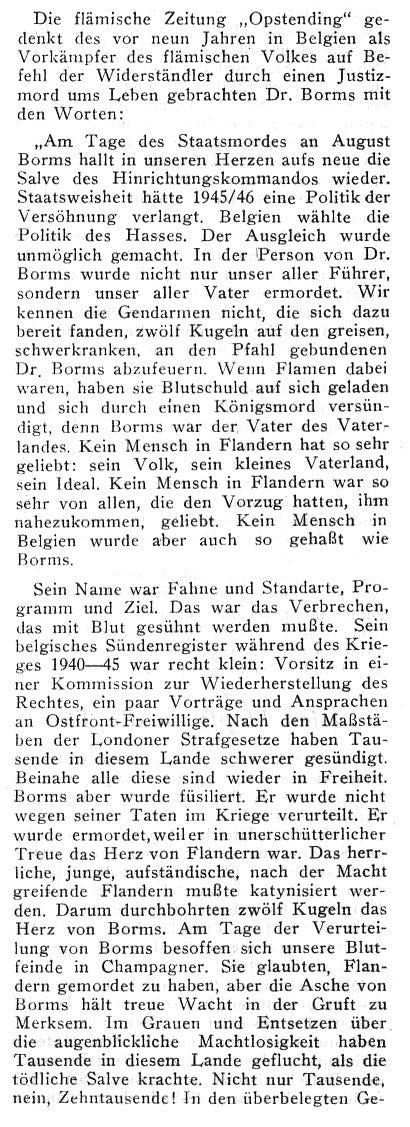
On the day of the state murder of August Borms, the salvo of the firing squad echoes anew in our hearts. State wisdom would have required, in 1945–46, a “policy of reconciliation.” Belgium chose the policy “of hatred.” Reconciliation was made impossible. In the person of Dr. Borms, not only the leader of us all but the father of us all was murdered. We do not know the gendarmes who were ready to fire 12 bullets at the severely ill, aged Dr. Borms, bound to the stake. If Flemings were among them, they have taken blood guilt upon themselves and sinned by regicide, for Borms was the father of the fatherland. No man in Flanders has so greatly loved his Volk, his little fatherland, his ideal. No man in Flanders was so greatly loved by all who had the privilege of coming near him. But no man in Belgium was so hated as Borms either.
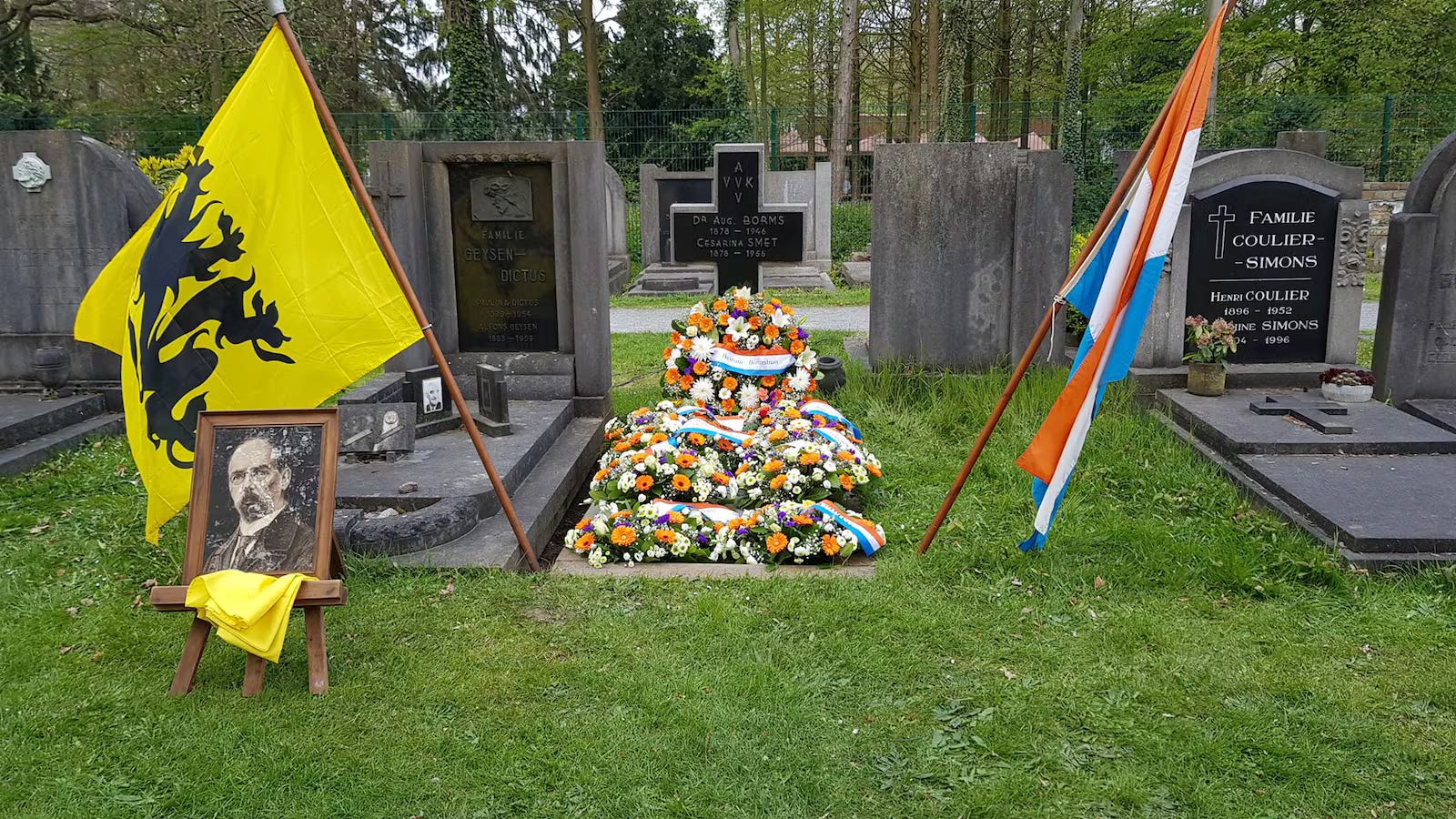
His name was a banner and a standard, a program and a goal. That was the crime that had to be atoned for with blood. His Belgian register of sins during the war 1940–45 was small: the chairmanship of a commission for the restoration of justice, a few lectures and addresses to Eastern Front volunteers. By the standards of the London penal laws, thousands in this country have sinned more heavily. Almost all of them are free again. Borms, however, was shot by a firing squad. He was not condemned for his deeds in the war. He was murdered because, in unshakable loyalty, he was the heart of Flanders. The glorious, rebellious, young Flanders, reaching for power, had to be Katynized. Therefore, 12 bullets pierced the heart of Borms. On the day of Borms’s sentencing, our blood enemies got drunk on champagne. They believed they had murdered Flanders, but the ashes of Borms keep faithful watch in the crypt at Merksem. In horror and terror at the momentary powerlessness, thousands in this country cursed when the deadly salvo cracked. Not only thousands, no, tens of thousands! In the overcrowded prisons, a spirit of revolt stirred, and countless Flemings outside, in problematic freedom, clenched their fists.
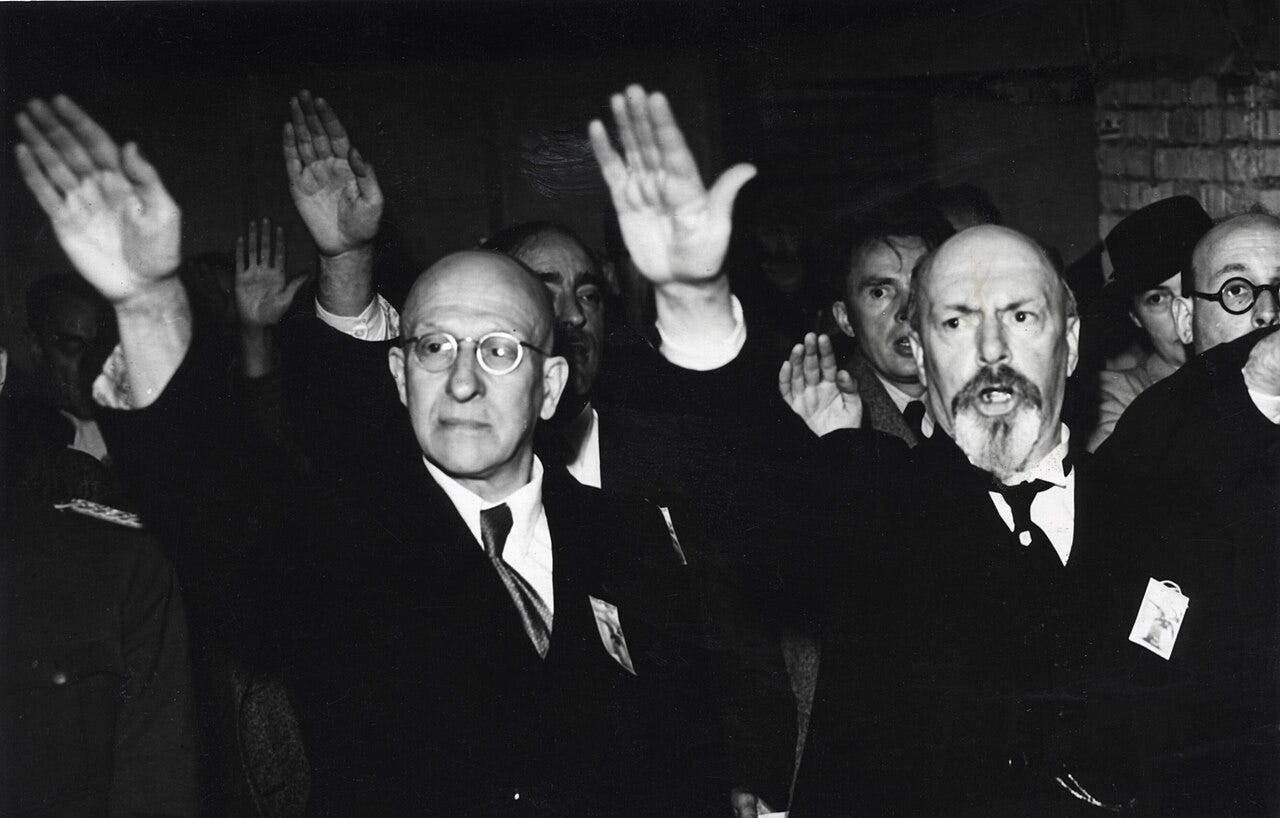
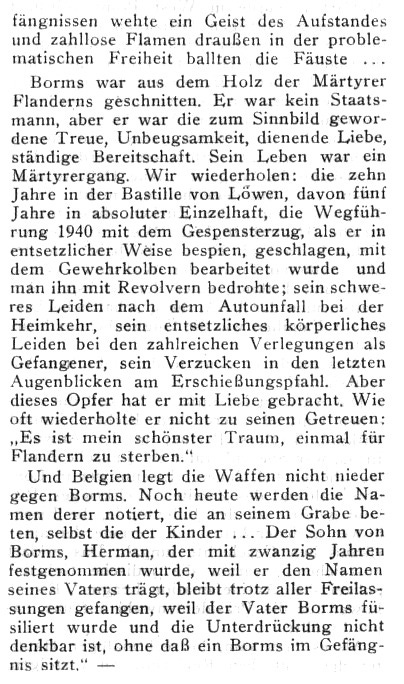
Borms was cut from the wood of the martyrs of Flanders. He was no statesman, but loyalty became an emblem of unyieldingness, service, and constant readiness. His life was a martyr’s path. We repeat: the 10 years in the Bastille of Louvain, of which five were spent in absolute solitary confinement; the deportation of 1940 on the ghost train, when he was spat upon in a horrible manner, beaten, struck with the rifle butt, and threatened with revolvers; his severe suffering after the car accident on the return home; his horrible physical suffering during the numerous transfers as a prisoner; and his twitching in the last moments at the execution stake. But he brought this sacrifice with love. How often he repeated to his faithful: “It is my fairest dream one day to die for Flanders.”
And Belgium does not lay down its arms against Borms. Even today, the names of those who pray at his grave are noted, even those of the children . . . The son of Borms, Herman, who was arrested at 20 because he bears his father’s name, remains imprisoned despite all releases, because Father Borms was shot by a firing squad and the oppression is inconceivable without a Borms sitting in prison.

Original Title: Gedächtnis an Dr. Borms
Attributed Author: unattributed.
“Der Weg” Issue: Volume 8, Issue 8 (August 1954)
Page(s): 591 [Scan LINK]
Der Weg - El Sendero is a German- and Spanish-language magazine published by Dürer-Verlag in Buenos Aires, Argentina, by Germans with ties to the defeated Third Reich.
Der Weg ran monthly issues from 1947 to 1957, with official sanction from Juan Perón’s Government until his overthrow in September 1955.
See the end of this article for source details.
Comments
Nothing yet. Say the first thing.
Sign in to join the conversation.