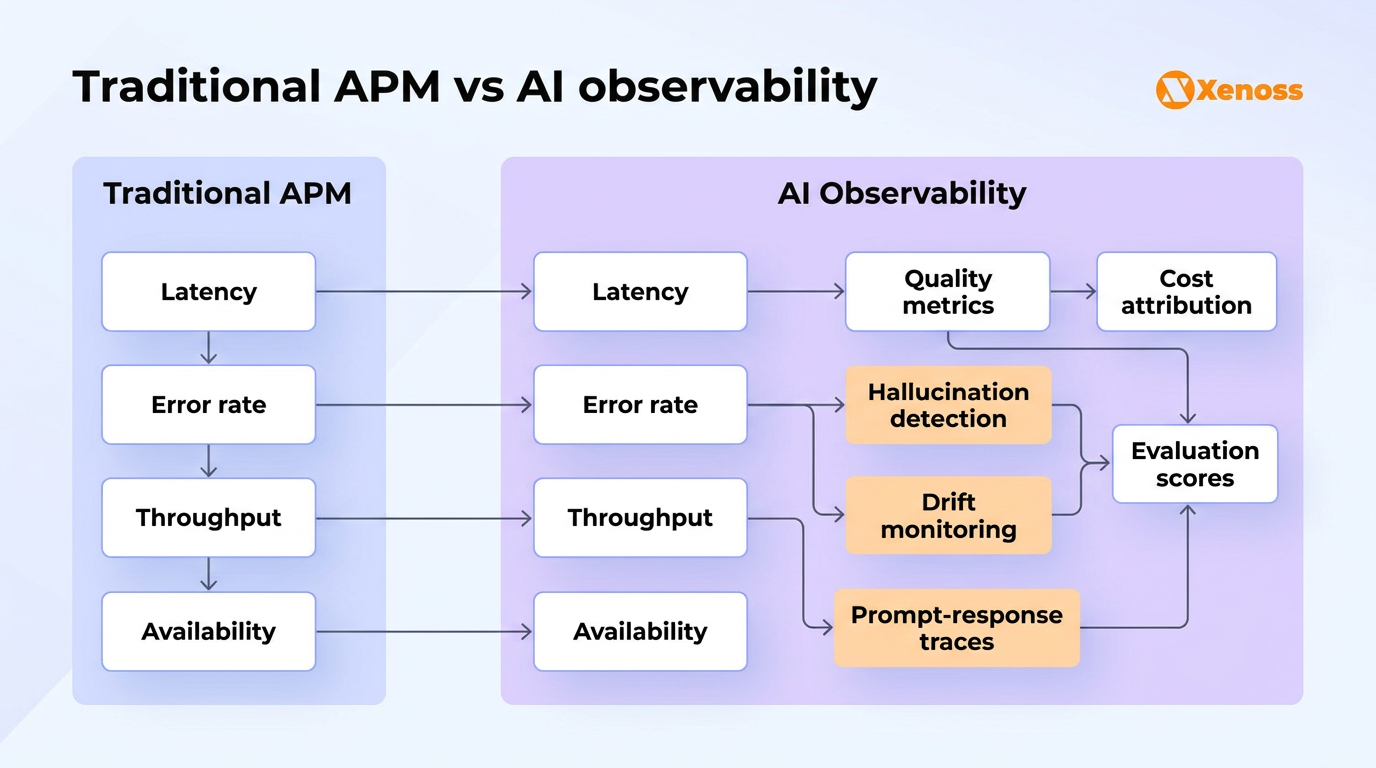
A Datadog dashboard full of green metrics does not mean your AI system is working. It means your AI system is responding. An LLM can return a 200 OK with sub-second latency while confidently hallucinating a company policy that does not exist, citing a document it never read, or generating a financial recommendation based on […] The post AI observability: How to monitor LLMs and AI agents in…
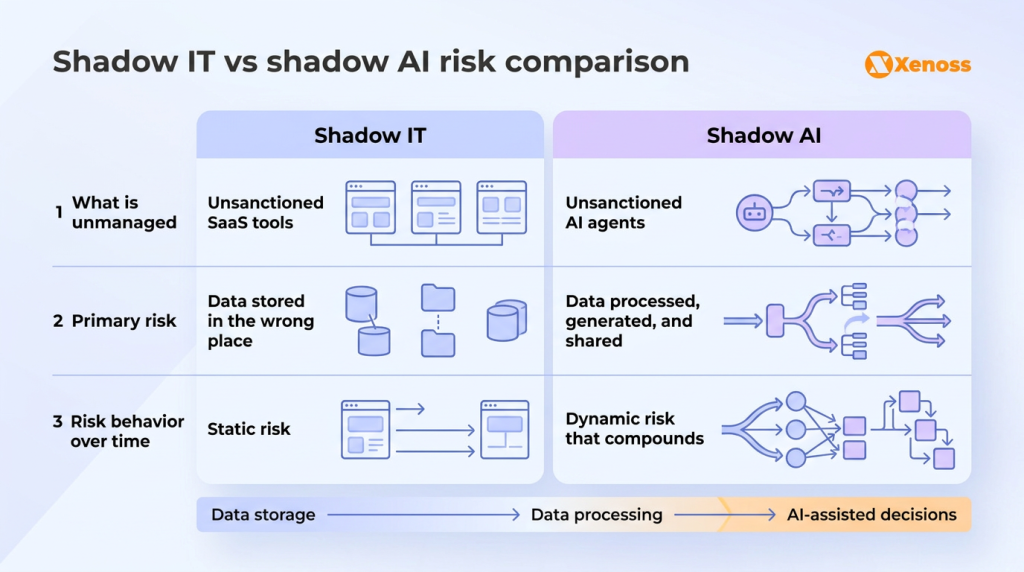
80% of Fortune 500 companies are running active AI agents, most of them built with low-code tools by non-technical employees. Only 47% of those organizations have implemented security controls for generative AI. And 29% of employees admit to using unsanctioned agents for work tasks. AI adoption inside enterprises is outrunning governance by a wide margin. […] The post Shadow AI: How ungoverned AI…
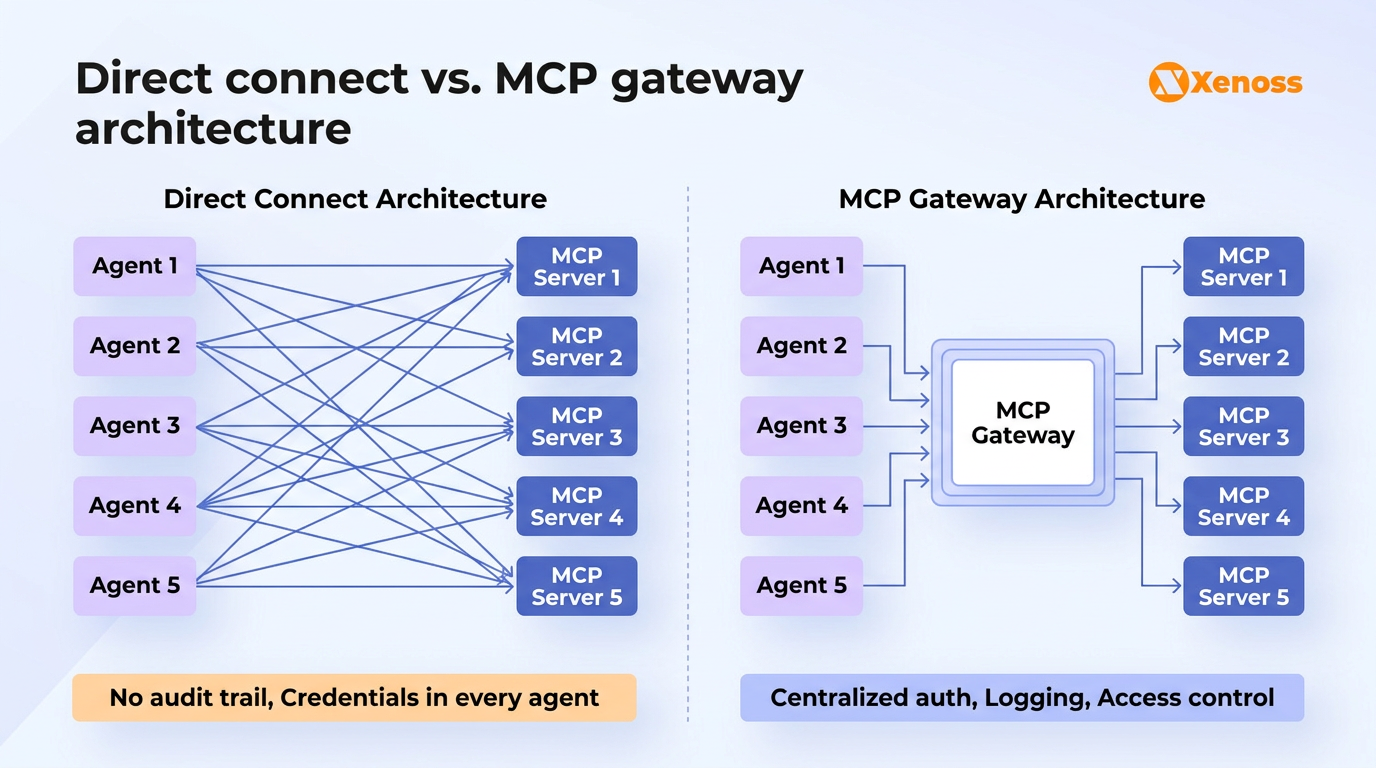
Your engineering team deploys five AI agents. One handles customer support tickets, another monitors infrastructure, a third automates sales outreach, and two more manage internal workflows. Each agent needs access to Slack, Jira, your CRM, two databases, and a handful of internal APIs. That is five agents times eight tools, which means forty individual connections, […] The post MCP gateway…
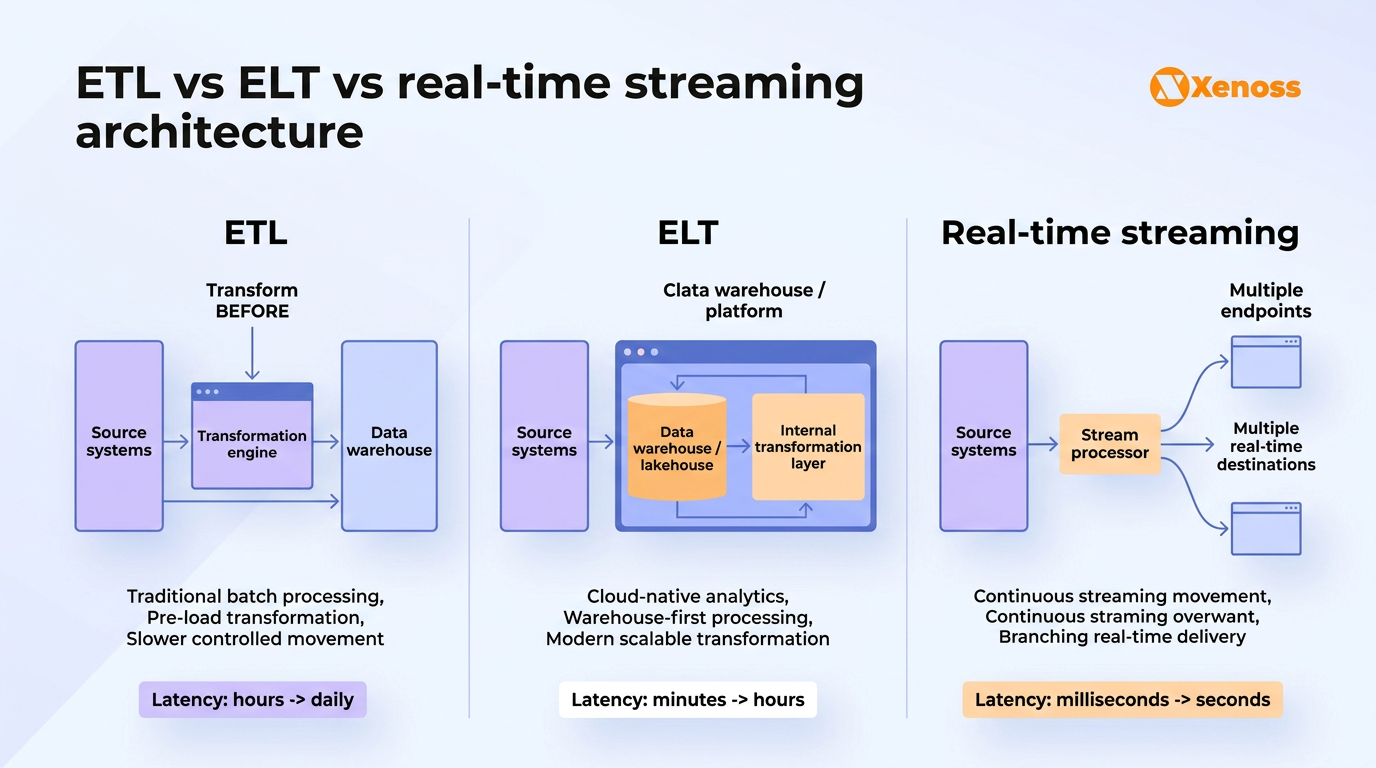
In October 2025, Fivetran and dbt Labs signed a merger agreement, combining the two most widely adopted tools in modern data pipelines into a single company approaching $600 million in annual recurring revenue. The deal was a signal: the era of modular, best-of-breed ETL tooling is consolidating into platform plays. Snowflake, Databricks, and Microsoft Fabric […] The post ETL pipeline: Complete…
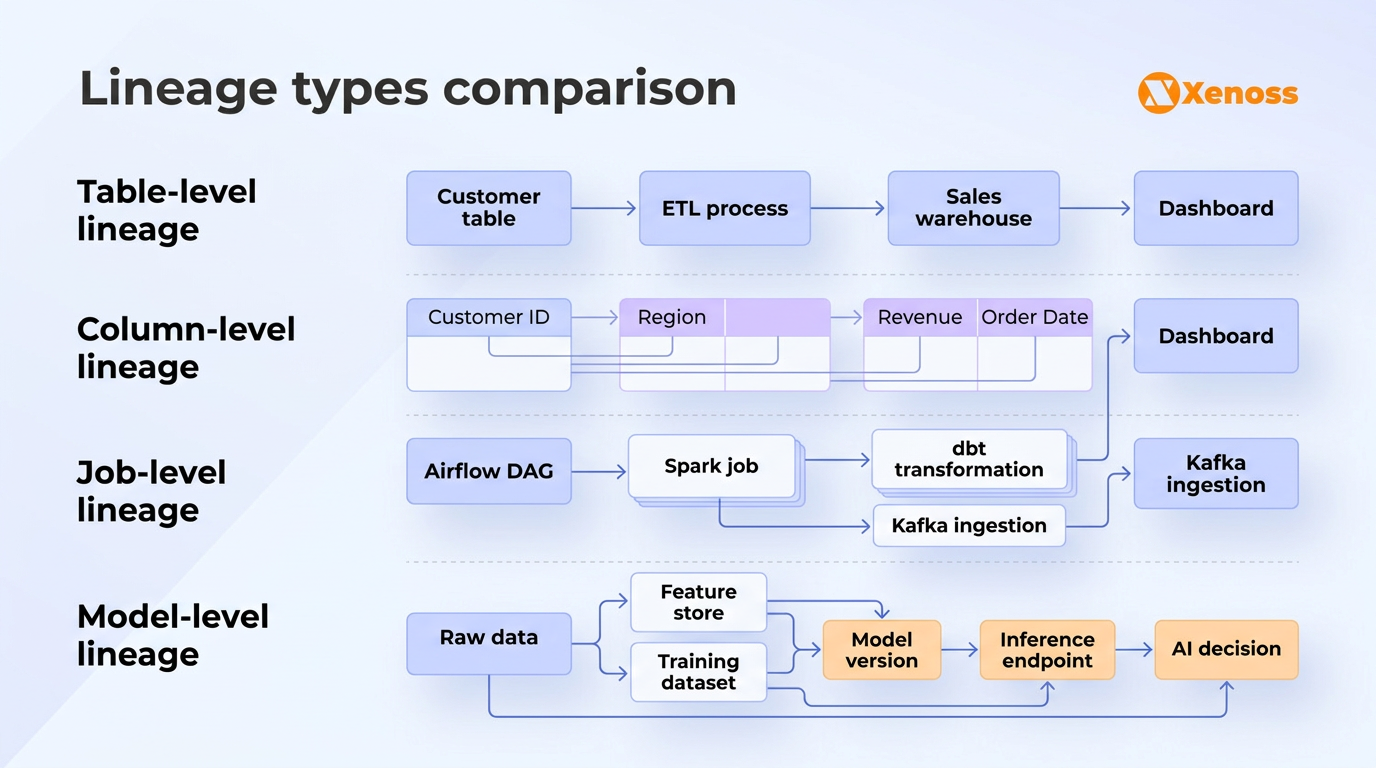
Data lineage is the record of where data comes from, how it moves through systems, and what happens to it along the way. It is like a version control for data flows: every transformation, join, filter, and aggregation is tracked so that when something goes wrong downstream (a dashboard shows the wrong number, an ML […] The post Data lineage: How to track data from source to AI model output…
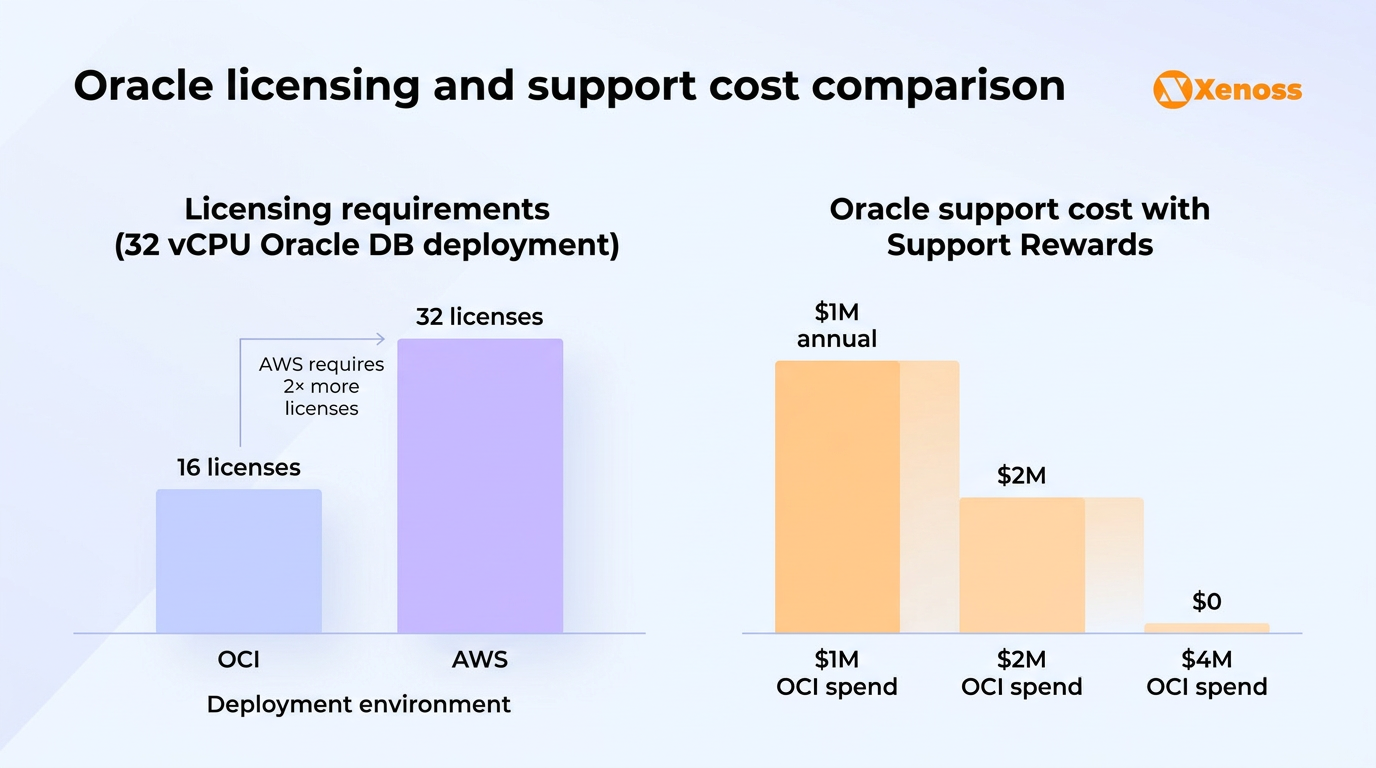
A company running a large Oracle Database environment on AWS is typically paying three separate penalties without knowing it: a 2:1 licensing ratio that doubles the Oracle license count, egress fees that compound with data volume, and standard compute rates on infrastructure that has no awareness of Oracle’s query patterns. Moving the same workload to […] The post OCI vs AWS: Oracle Cloud…
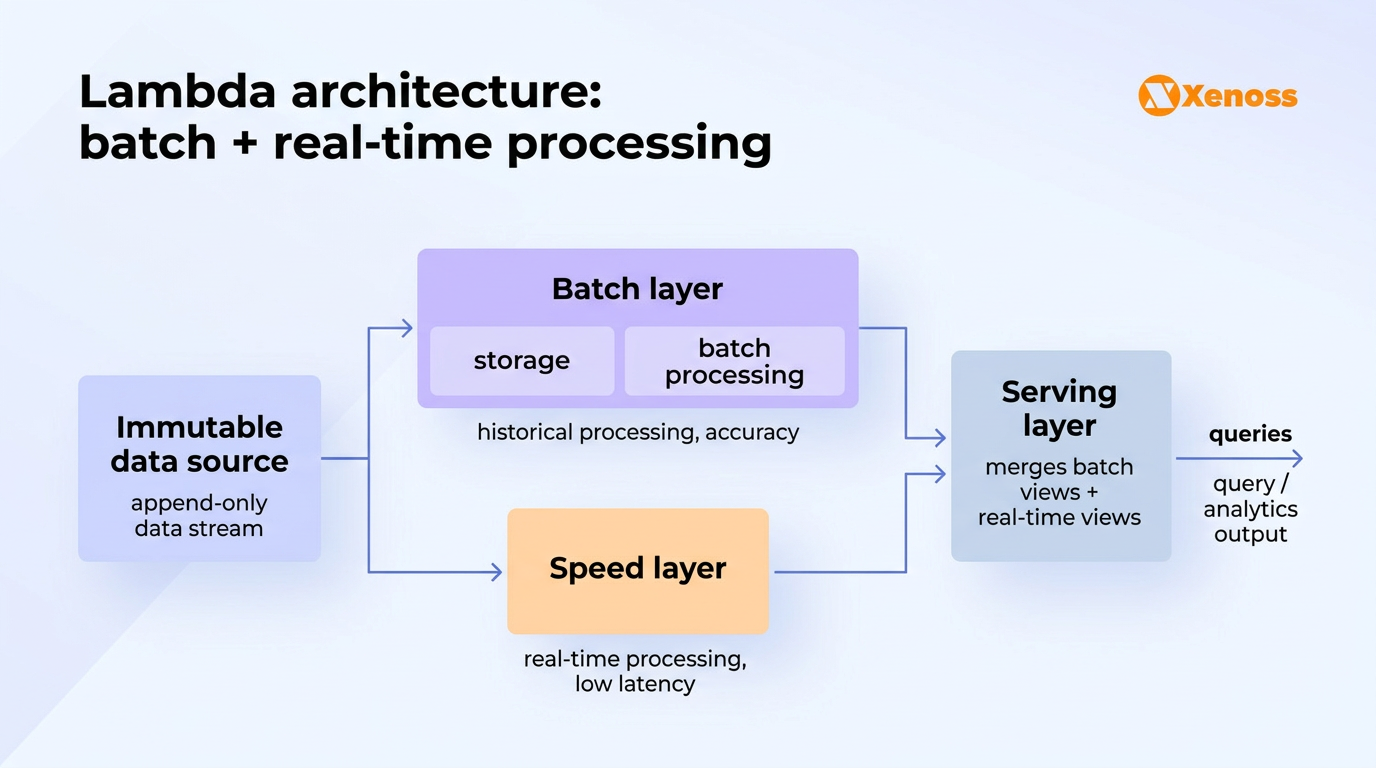
Real-time analytics still faces the same problem it did a decade ago: the business wants answers now, but it also expects those answers to be complete, correct, and reproducible. Lambda architecture was designed to solve exactly that tension by running batch and stream processing in parallel, then merging both outputs in a serving layer. Nathan […] The post Lambda architecture: How batch and…
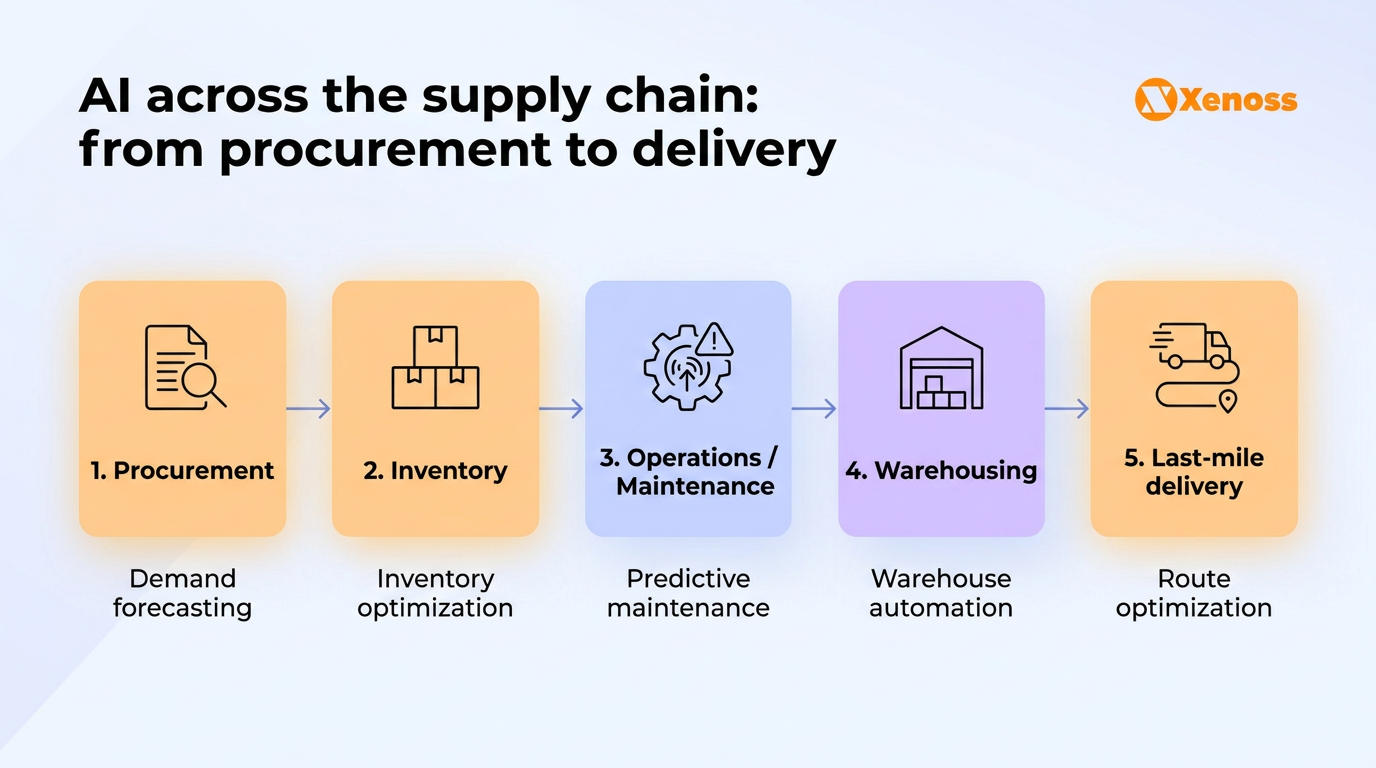
Here is a number that should bother every supply chain executive: only 23% of supply chain organizations have a formal AI strategy, according to a Gartner survey of 120 supply chain leaders who had deployed AI in the past 12 months. The rest are investing project by project, without a defined roadmap. Gartner’s own term […] The post Supply chain optimization: How AI reduces costs and improves…
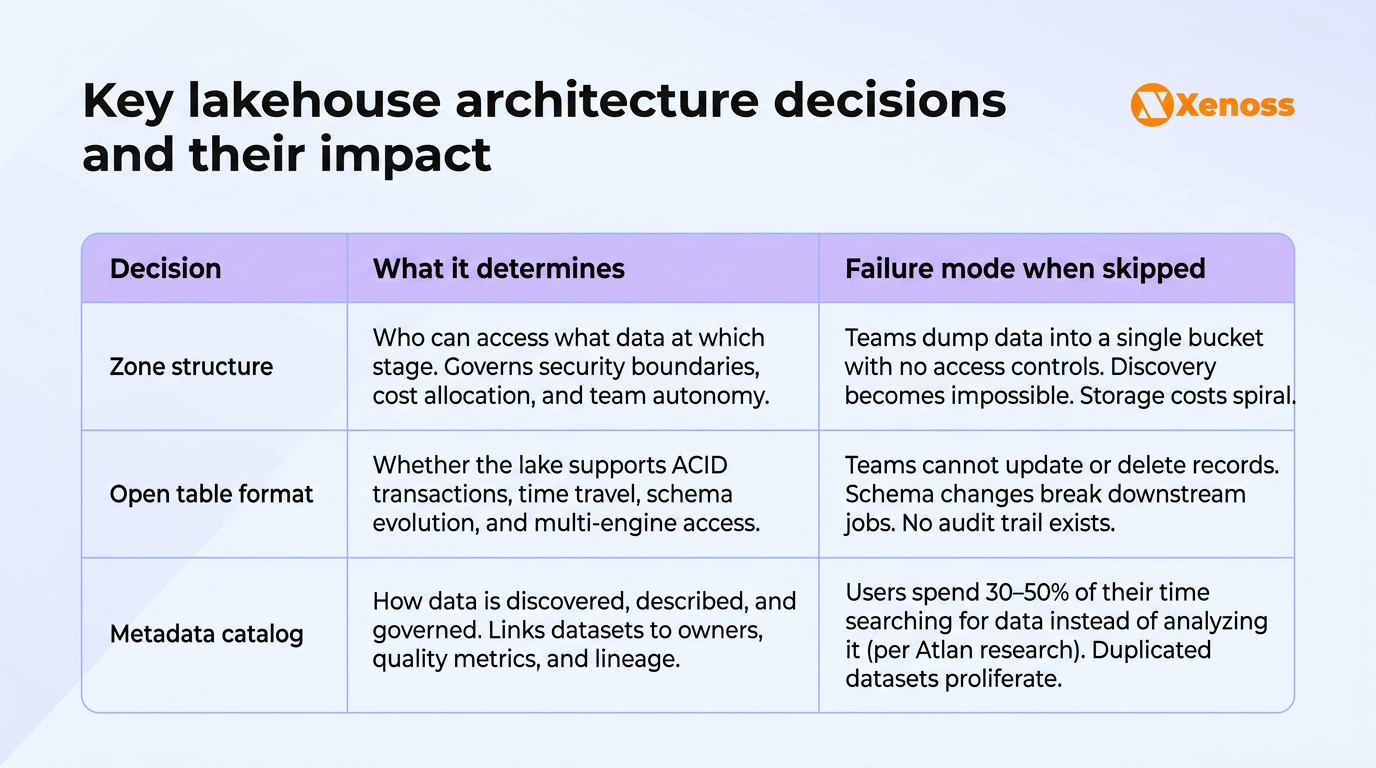
The 2026 State of Data Engineering survey of 1,101 data professionals identified that 44% still rely on cloud data warehouses as their primary paradigm, while 27% have moved to lakehouse architectures. The remaining teams use a mix of both, and 25% name legacy systems and technical debt as their biggest bottleneck. For organizations stuck in […] The post Data lake architecture: Design patterns for…
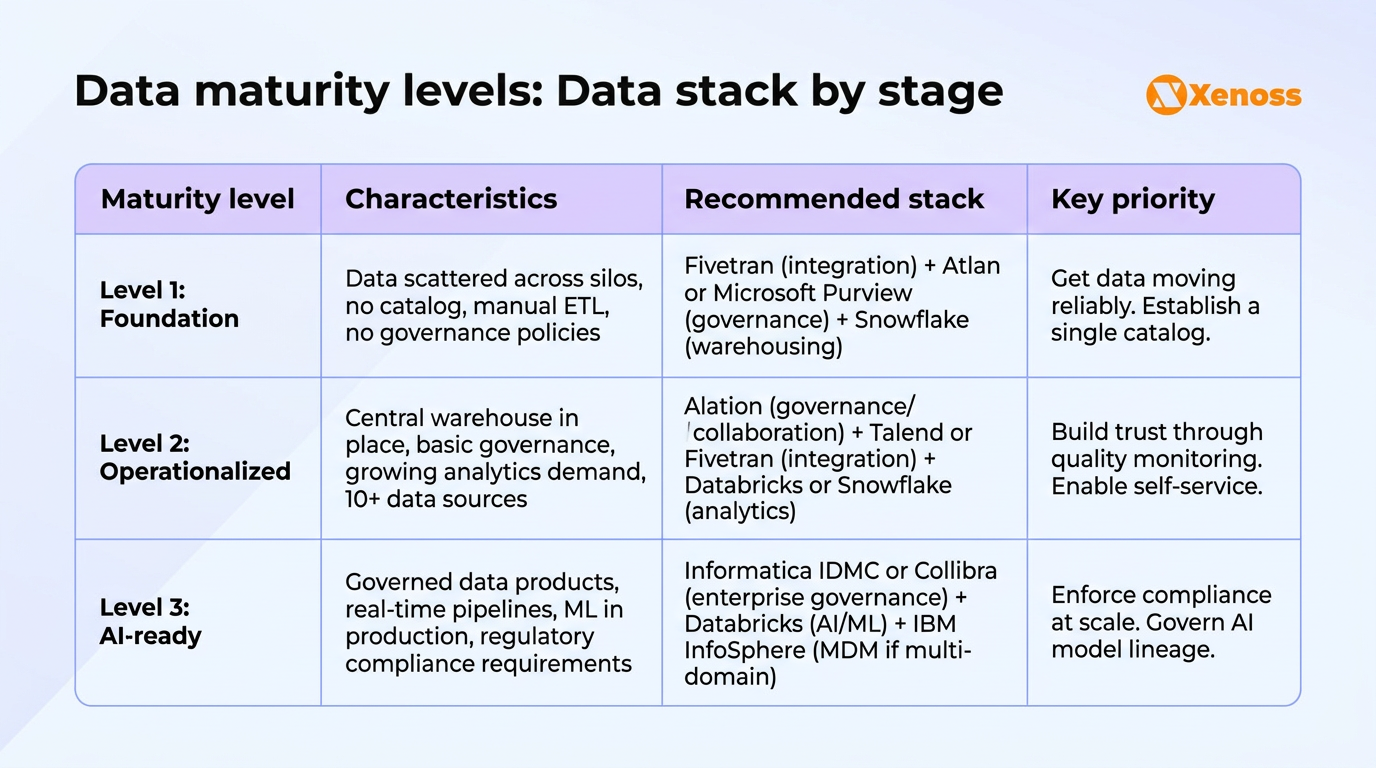
An IBM Institute for Business Value study of 1,700 Chief Data Officers found that only 26% are confident their data capabilities can support AI-driven revenue streams. At the same time, 82% said data is wasted if employees cannot access it for decision-making. Picking the right data management platform means balancing three capabilities: Governance (who can […] The post Best data management tools:…
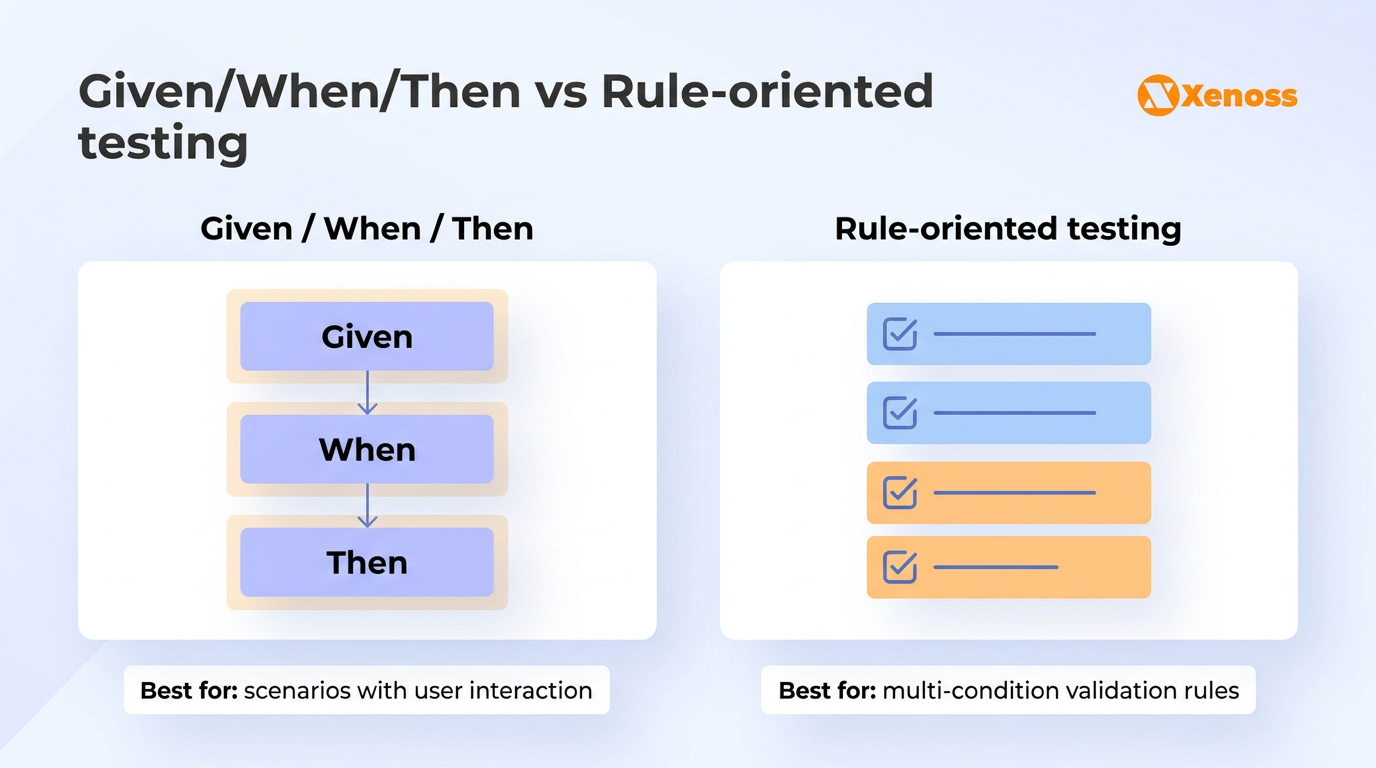
Acceptance criteria define the conditions a feature, system, or model must meet before stakeholders consider it done. They are the contract between what the team builds and what the business expects to receive. When acceptance criteria are specific and testable, teams ship with confidence. When they are vague, projects drift into rework, scope creep, and […] The post Acceptance criteria: How to…
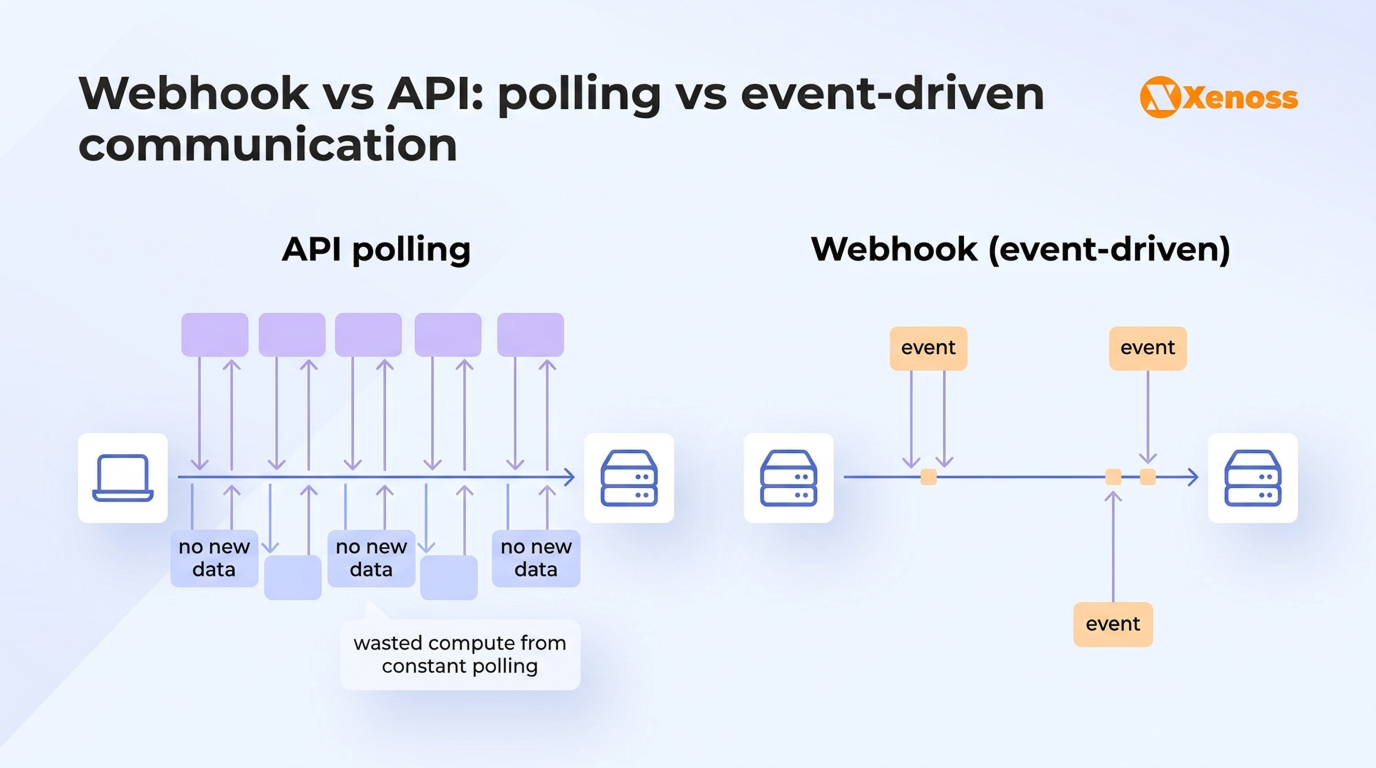
Every enterprise engineering team eventually hits the same integration question: should this system pull the data it needs, or should the source push it over when something changes? That’s the core of the webhook vs API decision, and getting it wrong leads to over-polled endpoints, missed events, bloated infrastructure bills, and integrations that crack under […] The post Webhook vs API: Key…