
By Sheena Macleod - Deputy Editor in Chief.
ISSN: 2977358x (online)
Each season carries a distinct mood, and fiction writers have harnessed this in their stories for centuries. While many novels unfold over an extended period spanning all four seasons, others focus on a single one. In addition to shaping a story’s mood and themes, a specific season can also strengthen the plot by working for or against the characters. I usually brainstorm all aspects of the season/s before starting a new piece of work.
Spring is associated with birth and new beginnings, summer with halcyon days and holidays, autumn with darkening nights and falling leaves, and winter with coldness and endings. The seasons, along with their associated holidays, provide writers with a rich source of inspiration and setting across all genres. Holidays, from Easter and Christmas to summer breaks and Halloween, feature in the plots or provide the backdrop for many novels.
In The Lion, the Witch, and the Wardrobe, C.S. Lewis’ classic 1950 fantasy novel, the mood of Narnia is set against a winter landscape. The snow, furs and icy landscape are as integral to the story as the plot and characters. I can’t imagine Narnia set in summer. It just wouldn’t be the same.
It is no coincidence that stories are set in a specific season; writers carefully select settings to match the story’s mood, serve the plot, and work for and against the characters.
Spring
Spring is my favourite season. I love to see the flowers sprouting and the blossoms appearing on the shrubs. For writers, spring holidays can be a time for characters to attend village fairs, have days out, or spend time with their family and friends over Easter, for those who celebrate it. Themes can include birth, renewal and growth.
My choice of a book set in spring has to be the contemporary fiction novel, The Book of Beginnings by Sally Page (2025). With its themes of friendship and relationships, this uplifting novel captures the essence of spring and longer days. It is a feel-good story at any time of the year.
Summer
Summer conjures up images of holidays, romance, warmth and relaxation, and this mood can be reflected in stories set during that time. Many romance writers capture the mood of the summer season. Holiday getaways also work well as settings in cozy mysteries, crime novels and many other genres. The season fits perfectly with themes of adventure, freedom and growth.
Rosamunde Pilcher’s novel September is set in summer. The story opens with the line, “In early May, the summer came at last to Scotland.” I love this opening. It establishes the season, setting and mood of the story – while hinting at a theme of fate and destiny. The novel opens in May, when invitations are written for a birthday party in September, at the end of summer, when the story concludes.
Autumn
Autumn is a time of change: the days start to shorten, and the trees shed their leaves. Colours in the natural world around us grow darker. Life is a cycle, reflected in nature, with autumn bringing a sense of endings. Writers can find inspiration in autumn themes, from death and the end of relationships to gothic horrors, as nights lengthen and the weather turns bleaker. Autumn is associated with Halloween, and writers from many genres have drawn on this as a backdrop to their stories, with witches and other spooky characters creating popular narratives.
Winter
I love stories set in winter. There is something magical about this time of year that resonates with writers and readers alike. Cozy mysteries set at or around Christmas are popular with readers, myself included. I’ve also written cozy mysteries set at this time. This season is filled with sights, sounds, smells, textures and tastes that most people are familiar with, creating an opportunity for writers to immerse their readers in the sensory details of the story. From the smell of pine trees, the tang of satsumas, the biting cold winds, the frost and snow, and the sound of Christmas markets and carol singers, to the sight of holly with frosted red berries, the bright colours of hats and scarves, mainly green and red, and roaring fires and twinkling lights, there is an abundance of sensory details to include. And that’s before we even start on the tastes and smells associated with winter. The options seem never-ending.
But winter doesn’t have to be cozy. Many thrillers, romances and crime stories also fit this season. The winter setting in The Snowman, a police procedural crime thriller by Jo Nesbo (2010) featuring Detective Harry Hole, is unforgettable and chilling. The plot is built into the winter details, which work for and against the characters.
Conclusion
Whether your stories take place within a single season or across all four, sensory and other details can be woven into the plot to work for and against your characters. This applies equally to a chilling thriller set in winter, a coming-of-age story set in spring, a summer romance, or a cozy mystery set at Halloween. Which season best fits your current work in progress?
How have you incorporated the seasons into your fictional stories?
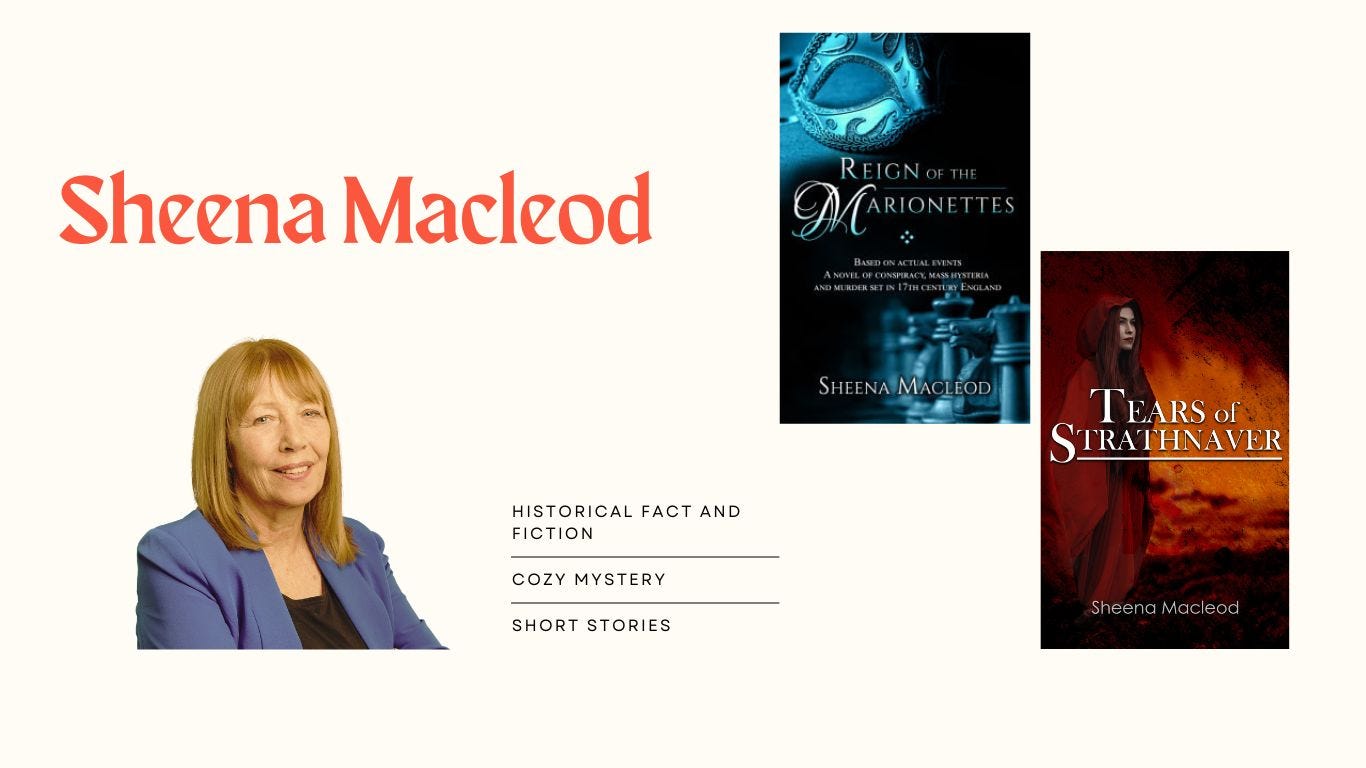
Sheena Macleod is an award-winning novelist and short story writer who lives in a seaside town on the east coast of Scotland. She writes historical fiction and non-fiction as well as cozy mysteries. Reign of the Marionettes, her debut historical fiction novel, is set in 17th-century London.
No posts
Comments
Nothing yet. Say the first thing.
Sign in to join the conversation.