

By Sheena Macleod - Deputy Editor in Chief.
ISSN: 2977358x (online)
Boxing Day is more than just a day when shops in the UK open their biggest sales.
The Boxing Day holiday, observed in some countries, originates from a tradition that started in Victorian England – although other versions date back further. After spending Christmas Day tending to their employer’s needs, the 26th of December became a day for servants to spend time with their own families. To help them celebrate, many employers gave boxes of food, and sometimes money or gifts.
These boxes form the basis of the term ‘Boxing Day’.
All of us need time off to recharge, and writers are no exception. Most writers agree that taking short breaks away from the keyboard helps boost creativity. Yet many writers struggle with the idea of taking an extended break from their writing, such as a bank holiday, time off over the festive period, or for a summer holiday, fearing it might disrupt their flow.
Is it beneficial for writers to build planned breaks into their writing schedules? What do the masters say?
‘Just write every day of your life. Read intensely. Then see what happens.’ Ray Bradbury.
Advice I’ve come across suggests that keeping to a regular writing routine is the key to greater productivity. This view considers writing to be like a muscle that needs to be kept exercised – use it or lose it. So, should writers take advantage of seasonal holidays to take a step back from their writing? Fortunately, an alternative view holds that taking regular writing breaks can boost creativity.
Every writer is different in how much time off from writing they need, but is there some common ground?
‘The best time for planning a book is when you are doing the dishes.’ Agatha Christie.
I love this quote from Agatha Christie. With only twenty-four hours in a day, it can be hard to find enough time to write as much as we would want to, let alone add in writing breaks. It is therefore important when writing to make the best use of our time - rather than spending it procrastinating or chasing words.
Taking time off can help creativity, making sure that when you do write, the words flow. Stephen King reports that he walks every day.
In her diaries, Virginia Woolf also notes that she takes regular walks as part of her morning writing routine to help think through plot points, then reads in the afternoon to ‘fill up the well.’
‘I would walk along the quais when I had finished work or when I was trying to think something out. It was easier to think if I was walking…’ Ernest Hemingway.
Whenever you feel bogged down by a plot point or need fresh ideas, consider going out, even if it’s only for a walk. For long writing projects, taking regular breaks seems to help writers continue to enjoy the creative process.
Time away from home can also be combined with research and accessing the archives of an area. I’ve found these trips to be extremely productive.
‘My working habits are simple: long periods of thinking, short periods of writing.’ – Ernest Hemingway.
Even when taking time off from writing, my writing brain never really shuts down. Stepping away from routine can help develop plot ideas or new ways of looking at situations. Inspiration often strikes at the most unexpected moments. Interests beyond writing can help creativity.
Many writers read for relaxation, myself included. Holidays are a great time to catch up on your To-Be-Read pile.
Spending time with family is also important. Writing can be an insular activity, requiring long periods of solitude. Why not use that break from writing to spend time with family and friends - without feeling guilty?
Unless a deadline looms, there is no real need to rush a writing project.
‘In order to write about life, first you must live it.’ Ernest Hemingway
Taking time off from any activity can help recharge our batteries, enabling us to return to the task at hand with renewed energy and ideas. The same seems to hold for writing. Laying the pen down - or setting aside the keyboard - may seem counterproductive when deadlines loom, but stress and pressure can be equally counterproductive, leading to exhaustion or even burnout.
The same applies to struggling through writer’s block. A walk, a change of scenery or even a short break away creates distance and can help ideas flow again.
‘If you want to be a writer, don’t worry so much about writing. Read as much as you can. Read as many different writers as you can. Soak up the styles.’ - R.L. Stine.
A short change in routine, or building breaks into our daily schedules, can remind us why we enjoy writing so much. Visiting new places, trying new activities, and having new experiences all add to our repertoire of writing material.
Clear your head to gain new perspectives. Listen to music or watch a film. Have a meal with family - no writing included. All of these activities can support our mental and physical well-being, helping us return to our writing refreshed.
Read, read, read. Read everything – trash, classics, good and bad, and see how they do it.’ William Faulkner
Taking a planned writing break can boost creativity and prevent burnout. But how long is too long away? This depends on the individual and the stage they are at in their work in progress. Stephen King suggests leaving a finished piece for a few weeks before editing.
If you find yourself spending too long on a particular section or experiencing writer’s block, then that might be the perfect time to stop writing and go off and do something else. Go for a walk, do something different: you might even benefit from an extended break.
Thinking time is essential for writers, helping them plan, structure and develop their stories. It’s not an either-or choice - write or take time off - both these activities work alongside each other.
Do you include planned breaks within your writing schedule? What are your thoughts about taking extended breaks?
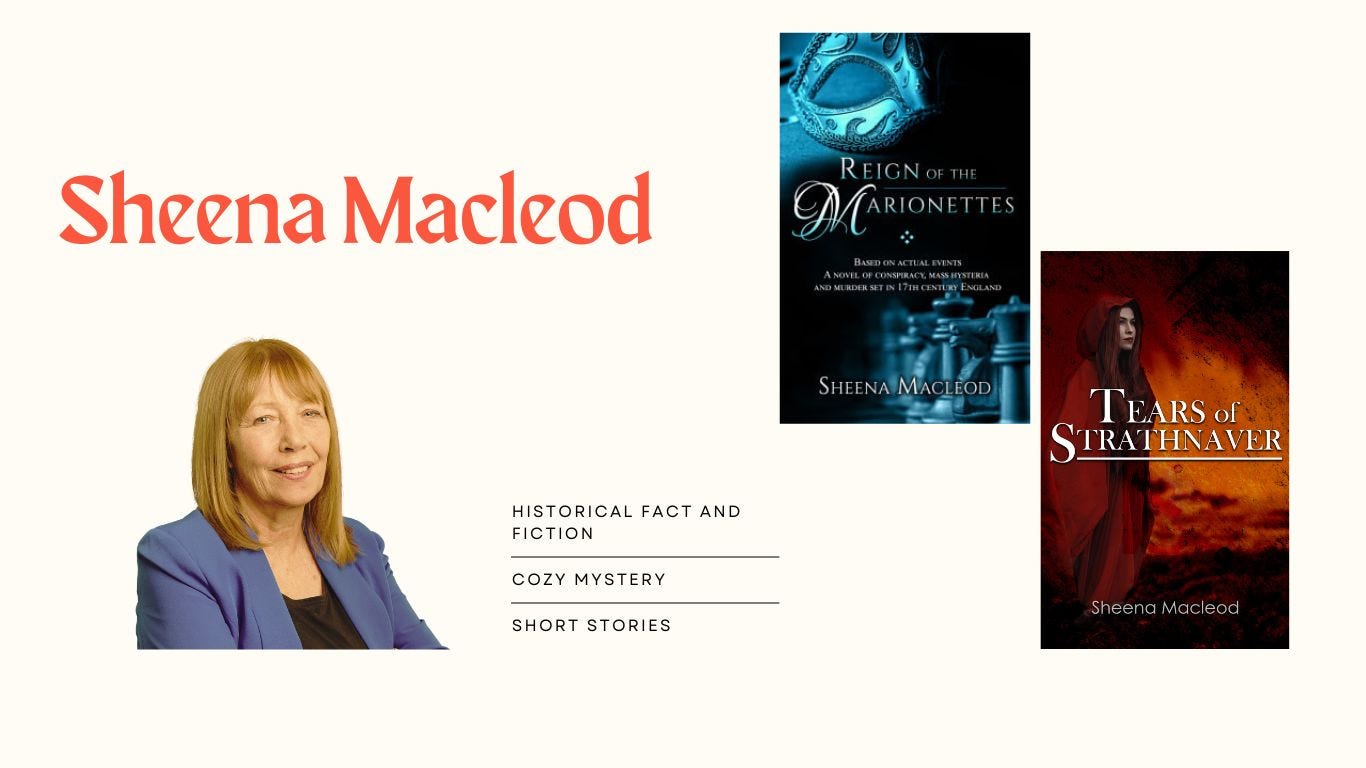
Sheena Macleod is an award-winning novelist and short story writer who lives in a seaside town on the east coast of Scotland. She writes historical fiction and non-fiction as well as cozy mysteries. Reign of the Marionettes, her debut historical fiction novel, is set in 17th-century London.
No posts
Comments
Nothing yet. Say the first thing.
Sign in to join the conversation.