
There is a moment in almost every session where your mind goes blank.
It tends to arrive about ninety minutes in.
The room is working. A group in the corner is deep in something. You glance up to check the clock and realise you have no idea what comes next.
Your agenda is a ten-page document in your bag.
Your notes are on a laptop across the room.
And the one thing you need right now, the next question, the time you’re meant to break, the move if this activity falls flat, is nowhere you can reach in the three seconds before someone looks up and asks, “so what are we doing now?”
Every facilitator knows that moment. The good ones have designed for it.
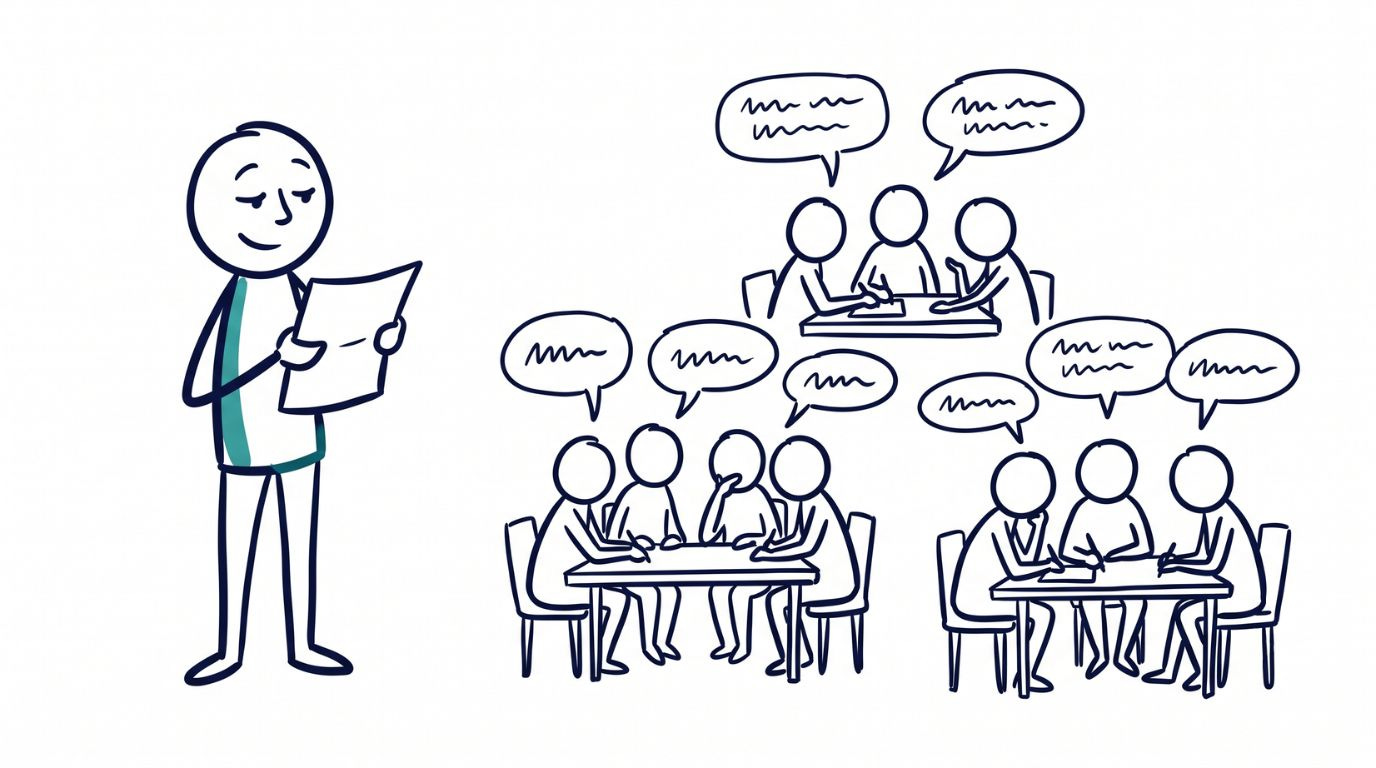
Most of us prepare for the wrong version of ourselves.
We build a detailed facilitator guide. Ten pages. Every activity written out in full, every instruction, every timing, every contingency.
It takes hours. It feels responsible. Then we walk into the room, put it down somewhere, and never look at it again.
You cannot read ten pages while a room full of people waits for you to say the next thing.
The detailed guide is for the week before. It’s where you think through the design, test the timing, decide the sequence.
That work matters. But it’s the wrong thing to have in your hand at 11am when the energy dips and you need a decision in two seconds.
What you need in the room is one page: a distilled version of the plan that your eye can land on and pull exactly one thing from without breaking your attention on the group.
Eight things go on it. Below is each one, with the reason it earns a place where space is the constraint.
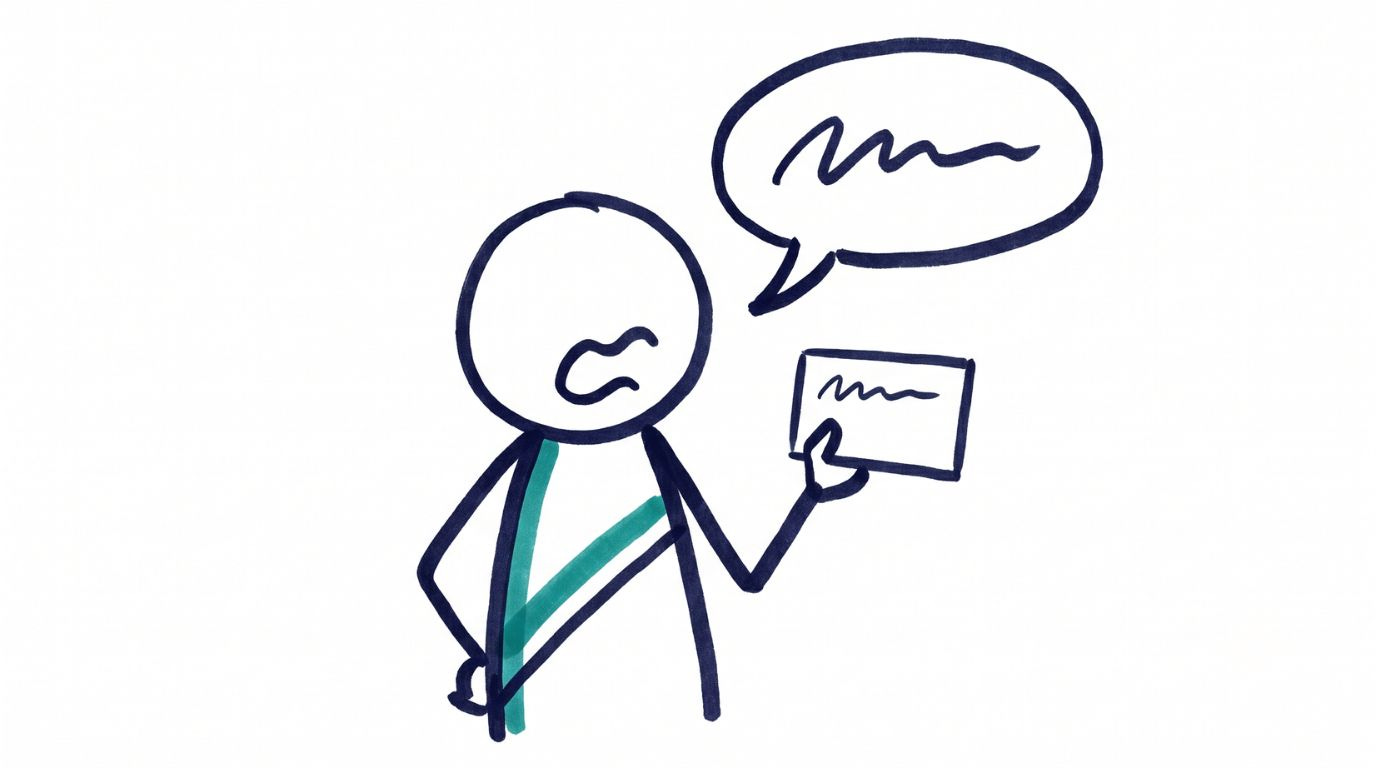
Write the actual first sentence you’ll say, exactly as it’ll come out of your mouth.
“By 3pm, this team will have agreed on three operating principles you’ll start using on Monday.”
The reason this goes on the page is nerves.
The first thirty seconds of a session are when you’re most likely to fumble, and a fumbled opening sets the tone for the whole day.
If you start by waffling, the room reads it as “this person isn’t sure,” and you spend the next two hours earning back ground you gave away in the first minute.
A written opening removes the one moment where your nerves are highest and your judgement is worst.
You don’t decide how to start. You read the line and go.
Practise it once out loud the morning of, and when 9am arrives and your stomach is tight, the sentence is there waiting for you.
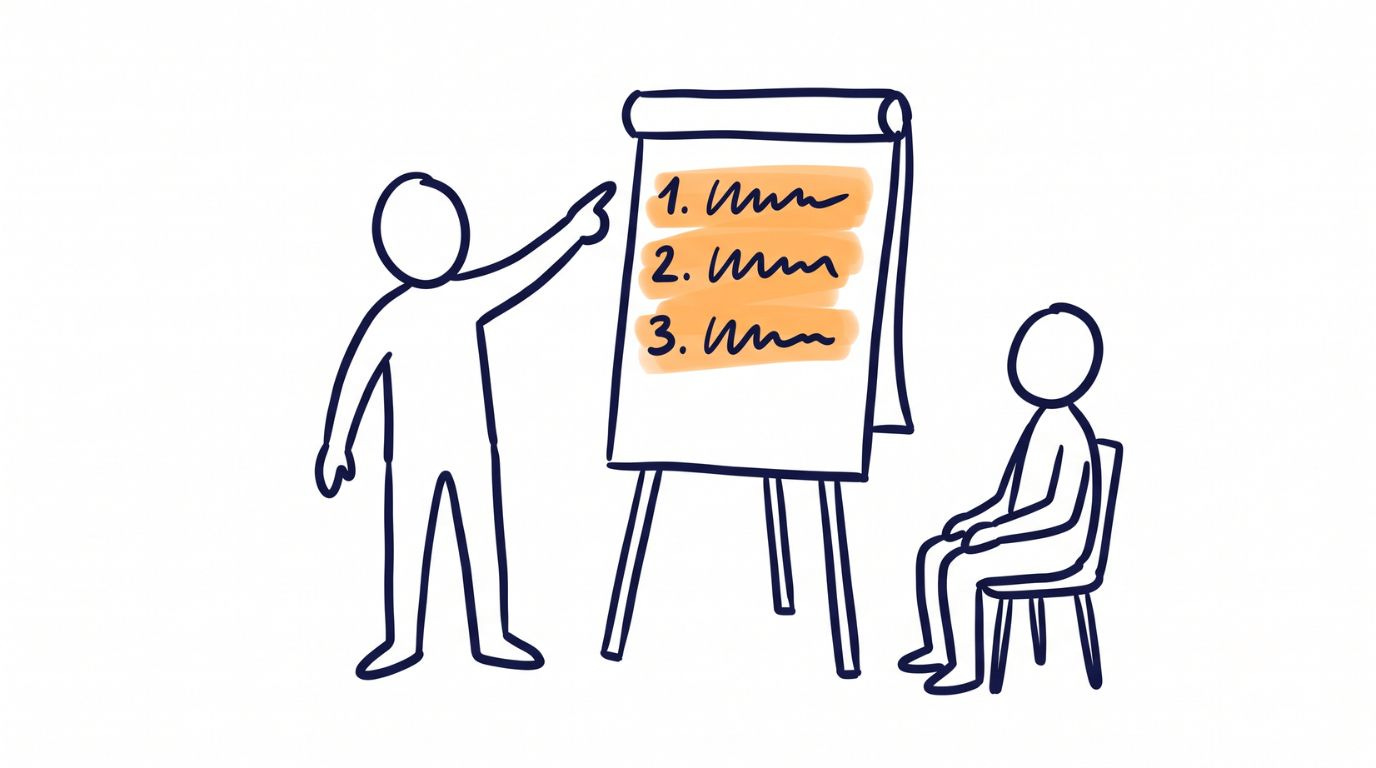
Three at most. Written as things the group will have produced, not topics you’ll have covered, e.g.
Written operating principles, three max
Accountability partners assigned
Fourteen-day check-in date set
This section does two jobs. When someone asks “what are we actually doing today?”, and someone always asks, you point at the list instead of improvising a justification.
And when the session drifts, and sessions always drift, you look down, see the outcomes, and steer back toward them.
The numbering matters. “We’re here to improve how the team works” is a wish. “We’re here to leave with three written principles and a check-in date” is a target you can hit or miss.
You want the version you can hit or miss, because that’s the version the room can feel progress against.
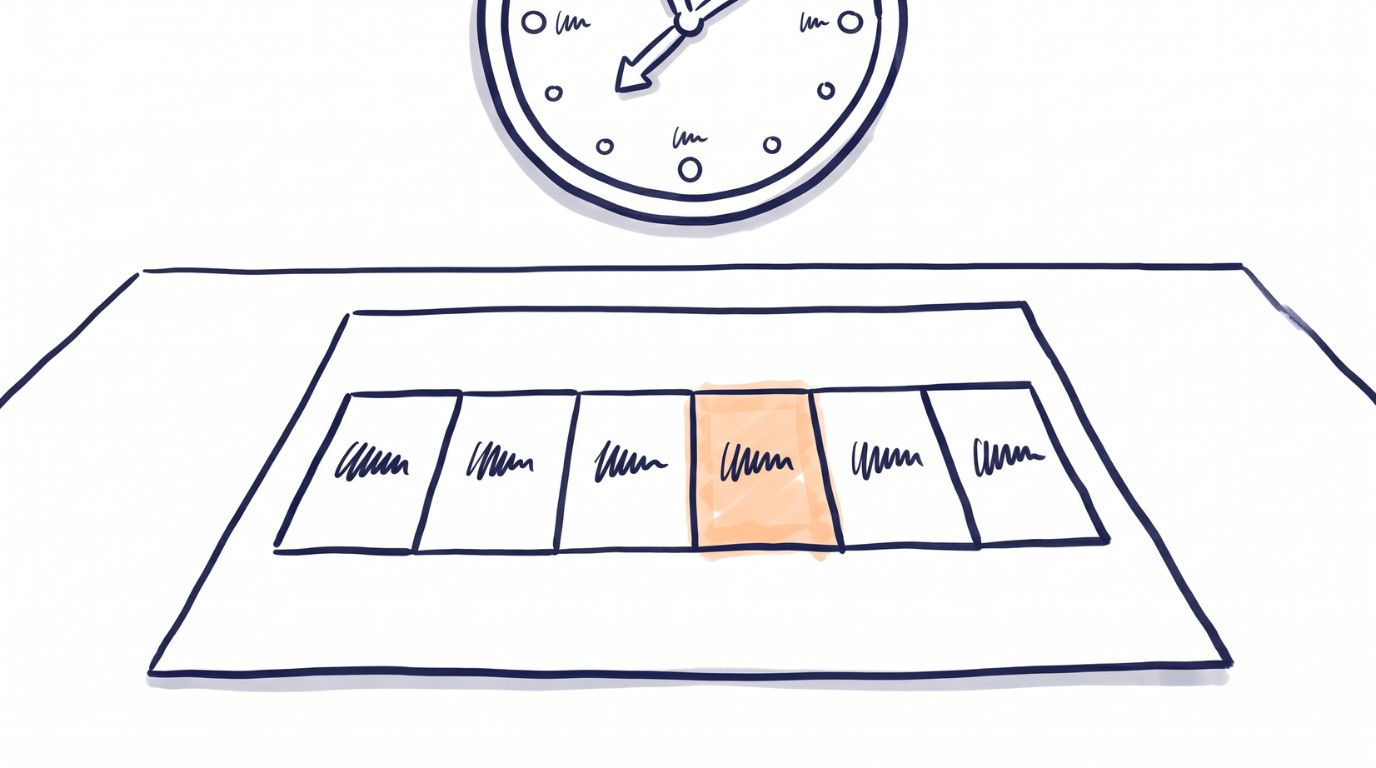
Not a detailed agenda. Just the blocks and their edges, e.g.
9:00–9:05 Opening
9:05–9:50 Activity 1
9:50–10:30 Activity 2
10:30–10:45 Break
10:45–11:30 Activity 3
11:30–12:00 Closing
This is the part of the sheet I look at most during a session. One glance tells me whether I’m on track, slightly behind, or in trouble.
That early read is the reason it earns more of my attention than anything else on the page.
If I’m ten minutes behind at the morning break, I still have options. I can trim the afternoon, shorten a debrief, cut a round.
If I don’t notice I’m behind until 2pm, those options are gone and I’m cutting the closing, which is the one thing you can’t afford to cut.
The time blocks are an early warning system. They tell you about the problem while you can still do something about it.
There’s a deeper reason to get the schedule out of your head and onto the page. The real work in the room is reading the group in real time: who has spoken, who has not, where the energy sits, whether the room needs a change of setup.
For small groups you can hold most of that in your head. The time blocks free you up to do it. You’re not tracking the schedule mentally, because it’s on the page, so your attention goes to the people instead.
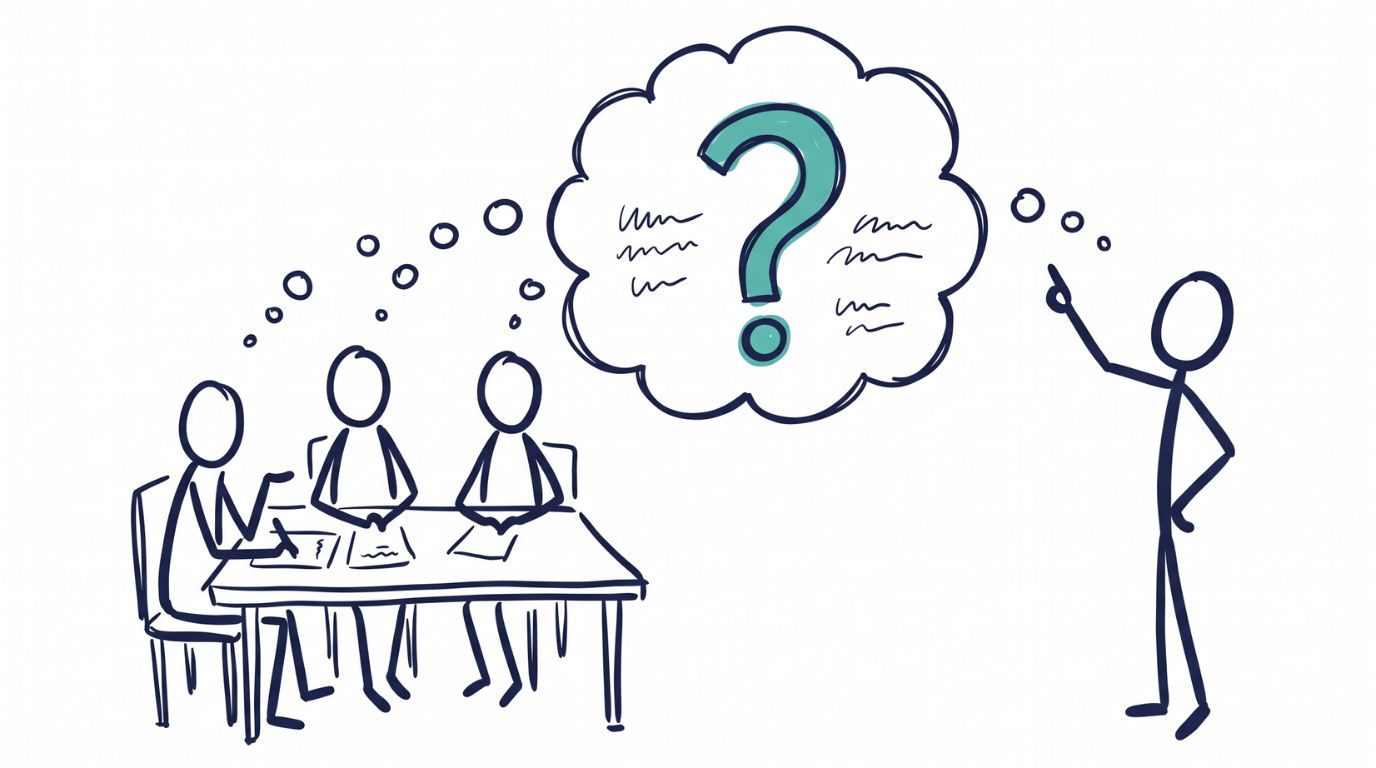
One question per block. Not the full instructions. The single question participants are answering.
Activity 1: “Where do decisions get stuck on this team?”
Activity 2: “What’s the one change that would fix the biggest bottleneck?”
Activity 3: “Who owns each commitment, and when’s the check-in?”
Full activity instructions belong in your prep, not on the sheet. The core question is the exception.
If you blank on everything else about an activity, the setup, the timing, the grouping, the question gets you back on your feet.
You can rebuild the instructions around it live. You cannot rebuild the point of the activity once you’ve lost it.
There’s a discipline in this too. If you can’t reduce an activity to one clear question, the activity might not be sharp enough yet.
The sheet forces you to find the question before the session.
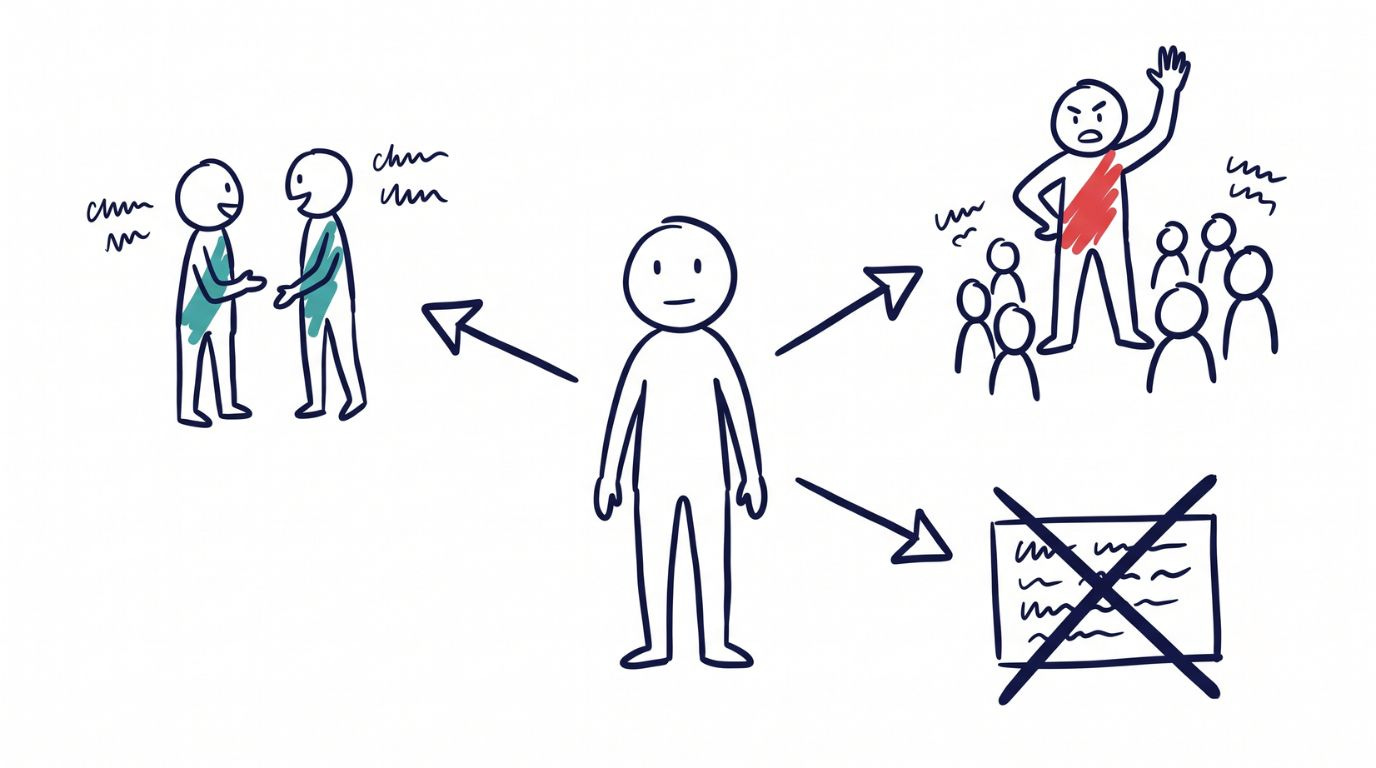
Two or three backup moves for when things go sideways.
If energy drops → pairs, two minutes
If one person dominates → written round, sixty seconds
If an activity flops → scrap it, ask “what’s the real issue here?”
This is the section that separates prepared facilitators from merely confident ones.
Confidence doesn’t come from believing everything will go well. It comes from knowing what you’ll do when it doesn’t.
A facilitator with three pre-decided pivots stays calm when the energy drops, because the drop cues a plan she already made rather than a scramble.
The room that gets hijacked by one loud voice gets handled with a written round she decided on last week, not a panicked improvisation now.
Pre-decided responses are faster and steadier than in-the-moment ones, every single time.
Responding to the room is part of facilitating, so why write the pivots down at all?
It’s a good challenge. If you’ve run enough sessions that the pivots live in your body, leave them off.
The sheet is yours to strip down.
But for most facilitators, and for all of us on a bad day, the written pivot is the difference between a smooth recovery and a visible freeze.
Better to have it and not need it than reach for it and find nothing there I reckon.
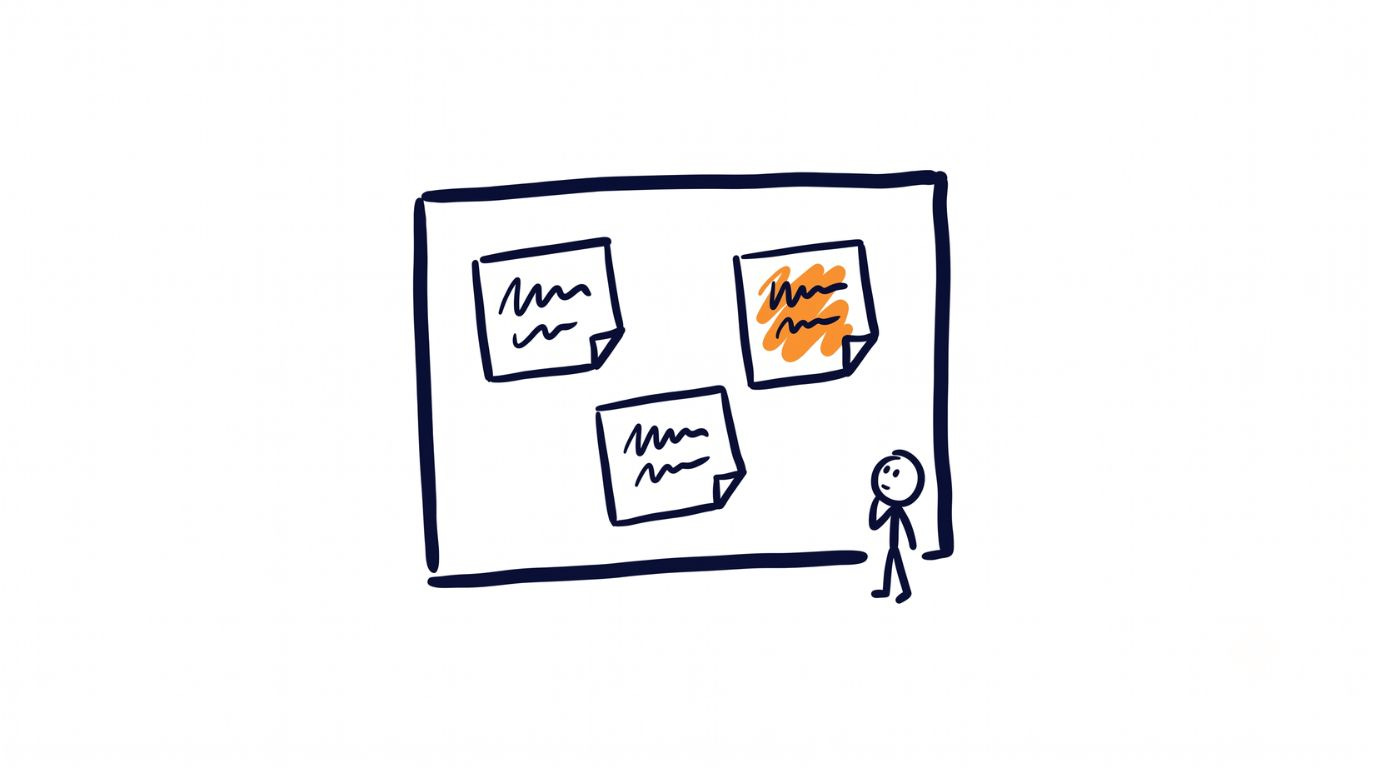
Three words, in bold, somewhere you’ll see them near the end.
CHECK PARKING LOT
It looks too small to include, and it’s on the sheet precisely because it’s the kind of thing that vanishes under pressure.
You capture something important mid-session, promise the group you’ll come back to it, and then the closing rush swallows it whole.
The person who raised it notices. Trust takes a small hit. Three words on the page stop that from happening.
One more thing about the parking lot: the term itself has gone stale.
There are fresher metaphors that do the same job, the sandbox, the fridge, the backlog, the ideas board, each with an agreed rule for how the group handles what lands there.
The mechanism stays the same, capture now and decide later, but the framing shapes how a group treats it.
If “parking lot” has gone flat for you, swap in one of those. The reminder on your sheet just needs to be whatever word makes you look up and check.
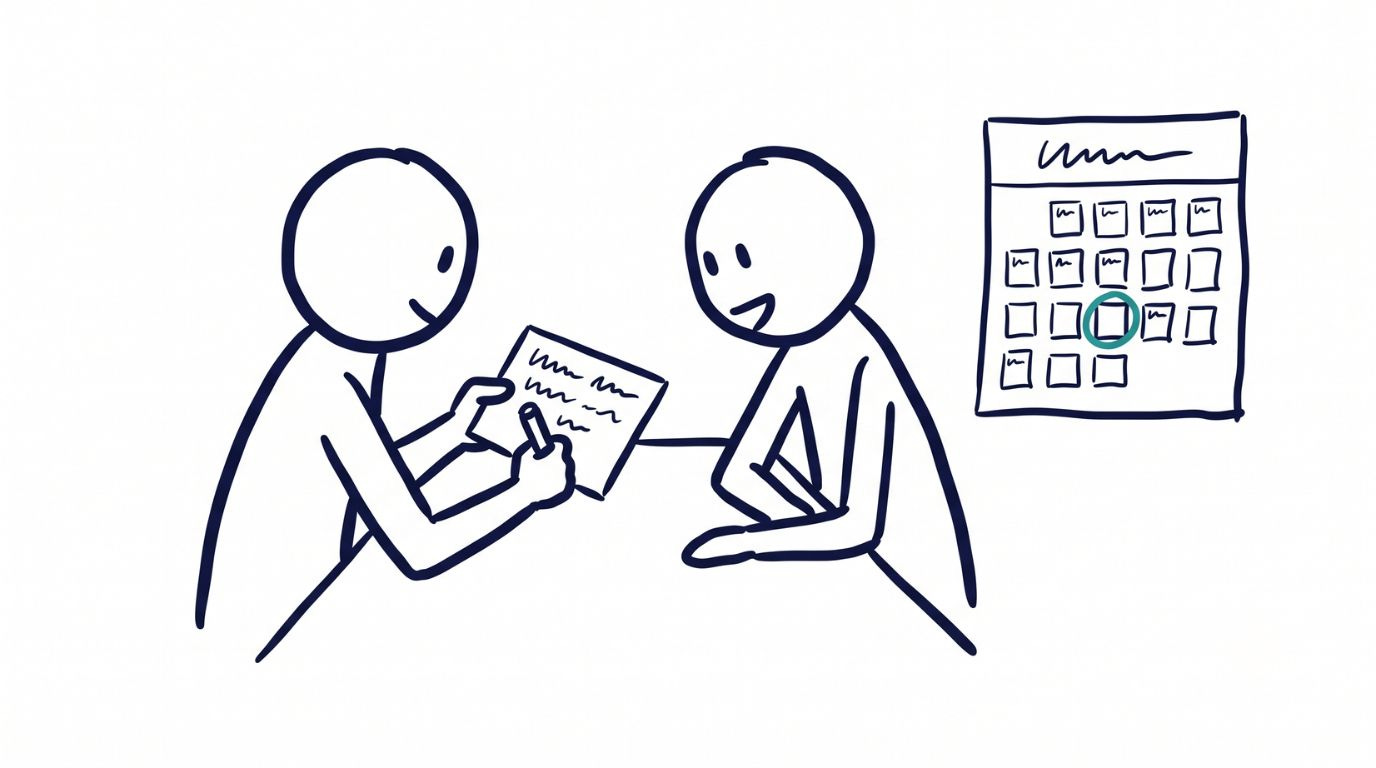
Written out. Never improvised.
Write commitment, sixty seconds
Pair up, sixty seconds
Set date, ten seconds
One closing sentence
You know how your sessions end. That’s exactly why this feels unnecessary, and exactly why it isn’t. When you run over, and you will run over, your brain scrambles for the fastest way to wrap.
What comes out is “let’s each share one final thought,” which produces a lap of vague comments and nothing anyone acts on. The closing evaporates.
Four lines on a page protect the most important five minutes of the day from your own time pressure.
The closing is where behaviour change either locks in or leaks away. A commitment with an owner and a date on it survives contact with Monday.
A warm round of final thoughts does not.
The pressure is highest at exactly the moment you most need the structure already written, because that’s when you’re least able to invent it.
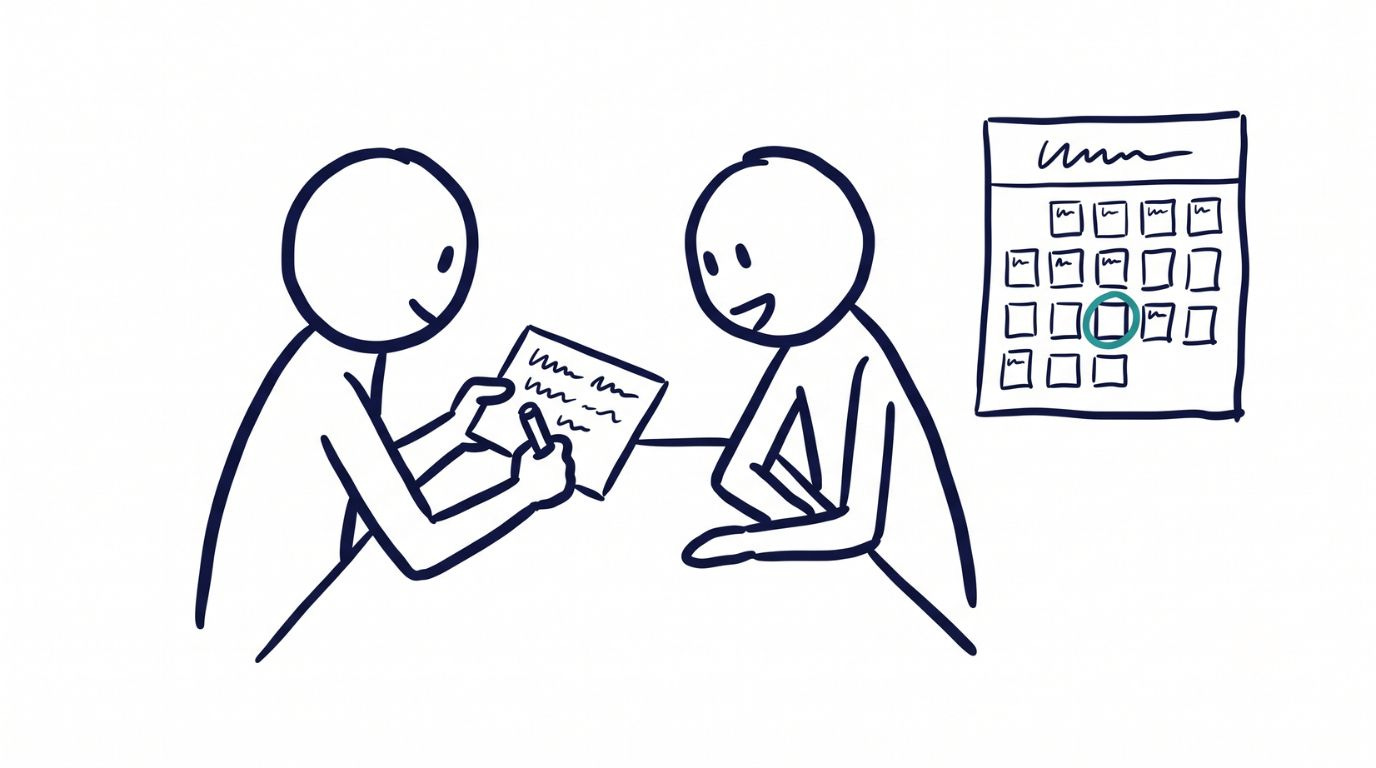
Something you specifically tend to get wrong.
“Slow down.”
“Don’t answer your own questions.”
“Let the silence sit.”
This is the item that makes the sheet yours rather than a template. Everyone’s line is different, because everyone’s bad habit is different.
Mine says “don’t answer my own questions.”
That’s my pattern. I ask the room something, get three seconds of silence, and start filling it myself before anyone else gets the chance.
I read that line at the first break and I catch myself in the next section.
Learning to let silence sit is one of the hardest things in facilitation, because we’re all a little afraid of the gap. The gap is where people think.
Your personal reminder is you doing a spot of self-coaching. One line, read at every break, aimed straight at the thing you know you do wrong.
Put all eight on one page. Print it. Fold it once so it sits flat next to your water bottle, or hold it in one hand as you walk the room.
A real moment from a recent session.
Late morning, energy sagging after a dense activity, and I catch it because the room has gone quiet in the wrong way.
I glance down. The time blocks tell me I’ve got fifteen minutes before the break, more than I want to spend limping.
The pivot line says: energy drops, pairs, two minutes.
So I put a quick question to the pairs, the volume comes straight back up, and we reach the break on a high instead of a slump.
That recovery took about four seconds of looking at a page. Without the sheet it’s thirty seconds of visible hesitation while I try to remember what I’d planned, and the room feels every one of those seconds.
That’s the value of the thing. It hands you the right small move at the exact moment you’d otherwise freeze.
There’s an objection worth taking seriously: every session is different, a good facilitator feels the room, so who wants to cheat anyway?
That’s half right. Every session is different, and feeling the room is the job.
The cheat sheet exists to make that job possible.
When the logistics live on a page, the operational load, the timings, the questions, the pivots, comes off your working memory. And your working memory is the thing you need free so you notice the quiet person in the corner, the pair that’s drifted off-topic, the shift in the room that tells you the real issue just surfaced.
The paradox is that the more you write down, the more present you get to be.
A facilitator juggling the whole plan in her head is half-somewhere-else all day.
A facilitator with the plan on a page beside her is fully in the room. The sheet handles the mechanical part so you can do the human part.
One page. Every session. It keeps your attention where the work is.
Paid subscribers get two tools below to put this into practice:
The one-page cheat sheet template
A fill-in-the-blank version of all eight items, ready to copy straight into your planning doc. Bracketed prompts for your opening line, outcomes, time blocks, activity questions, pivots and closing, with facilitator notes on why each one is built the way it is. Fill the brackets, shrink it to a single page, and you walk in with the whole session in your hand instead of in your head.
Scripts for when it gets hard
The free post tells you which move to make. These give you the words. Word-for-word language for the five moments where the exact phrasing decides whether you keep the room: the first thirty seconds, the energy dip mid-session, the person who won’t stop talking, the activity that’s visibly dying, and the closing you can’t afford to rush. The lines to say out loud in the moment you’d otherwise freeze.
Comments
Nothing yet. Say the first thing.
Sign in to join the conversation.