
Dear friends,
We have so much news this month, but let us start with the most recent.
“Women Beyond Walls joins the global digital rights and human rights community in expressing deep sadness at the sudden cancellation of RightsCon 2026.”
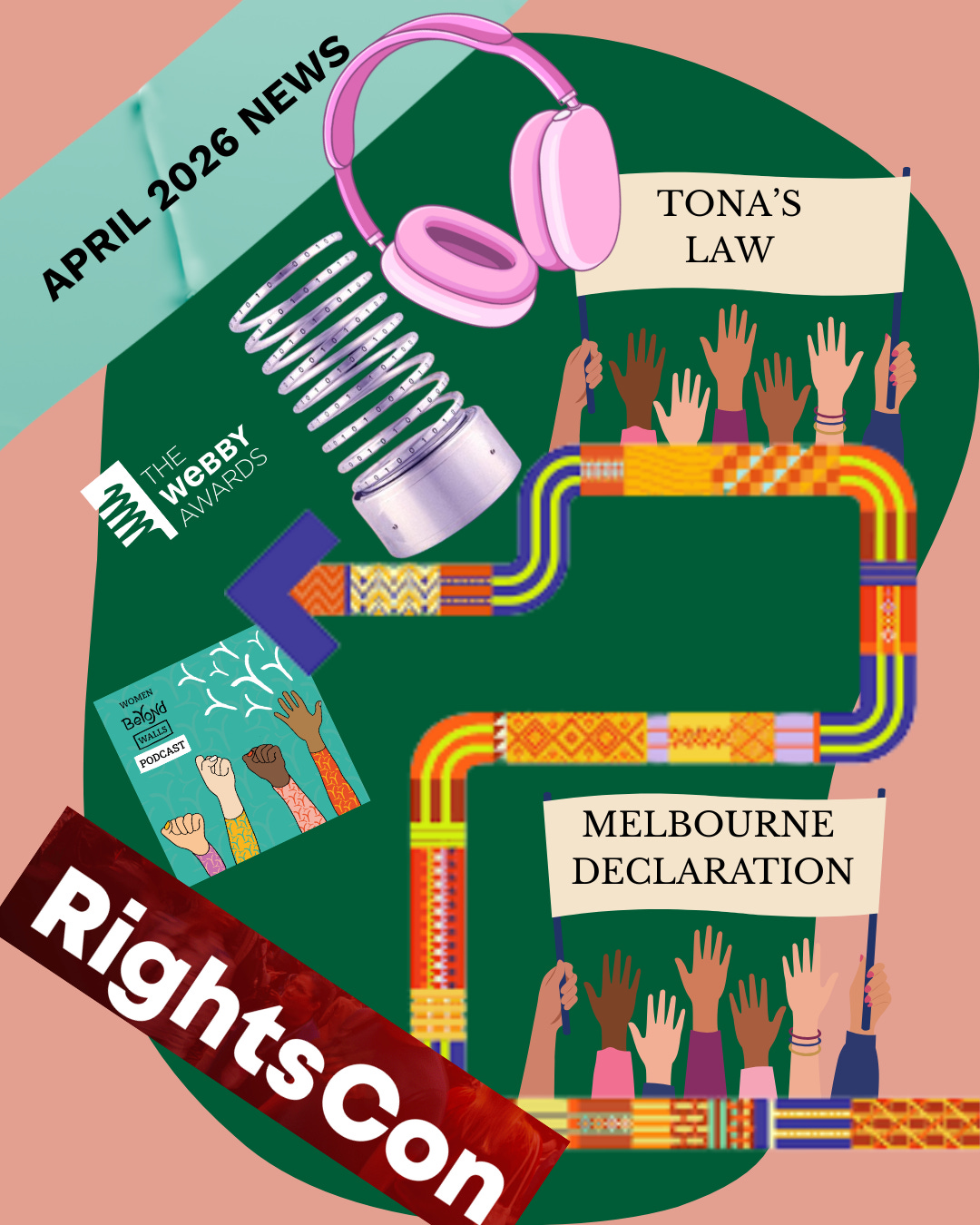
This week brought frustrating news for the global human rights community: RightsCon 2026, the world’s largest summit on human rights in the digital age, was cancelled after members of the Zambian government announced its “postponement” just days before it was due to open in Lusaka — what would have been a historic first for Sub-Saharan Africa.
Women Beyond Walls had been looking forward to co-hosting a session on the criminalisation of women and girls alongside the Human Rights Measurement Initiative and Kaumba Akosua Akuffo from Tithandizane Comfort Homes / INFIW — a conversation that is chronically underfocused in the global human rights agenda. We stand in solidarity with Access Now, their Zambian partners, and all those affected. Read our full statement here.
Alongside this difficult news, there has been much to celebrate this month.
Women Beyond Walls were proud to be part of a special moment with Women Deliver, who recognised the rising rates of women’s criminalisation in the Melbourne Declaration, launched in Naarm (Melbourne) earlier this week:
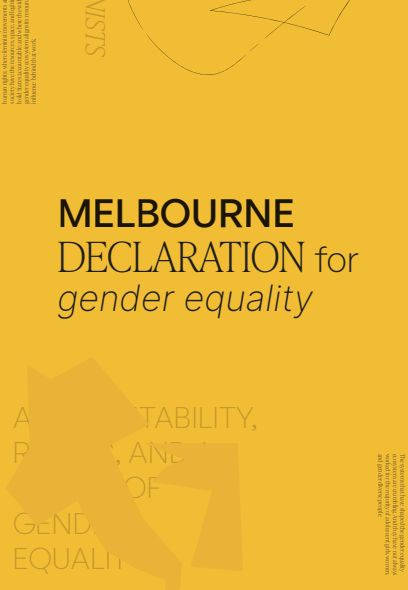
“We make this declaration at a moment when the wider field of actors and institutions shaping gender equality outcomes is in crisis. Governments and political actors are actively rolling back, ignoring, and undermining human rights — including sexual and reproductive health and rights (SRHR), bodily autonomy, democratic rights, and civic space. At the same time, girls and women are being criminalised on the basis of poverty, social status, or survival behaviours, amid climate collapse, biodiversity loss, war, genocide, and fascist geopolitics.”
We saw the launch of the declaration live at Women Deliver 2026, and later in the week we co-hosted an official concurrent session titled ‘Prison is a Feminist Issue: Reimagining Justice’. To the best of our knowledge, this was the first time an event focused on women and prison had taken place within the official schedule of Women Deliver.
In 2023, we led on the creation of an Open Letter to the organisers of Women Deliver and the Generation Equality Forum calling for all High-Level Forums on women’s rights to be inclusive of all women — particularly criminalised, incarcerated, and formerly incarcerated women. We were glad to see huge strides forward on this at Women Deliver this year, though there is still more to do.
Our session used a circle format, opening with short provocations from advocates at the intersection of criminalisation, gender-based violence, sex work, drug use, and poverty — before moving into real, participatory dialogue. It followed the United Nations Commission on the Status of Women’s Agreed Conclusions, which explicitly recognised women in detention — a historic milestone that took years of tireless advocacy to achieve. We asked: what do we build from here?
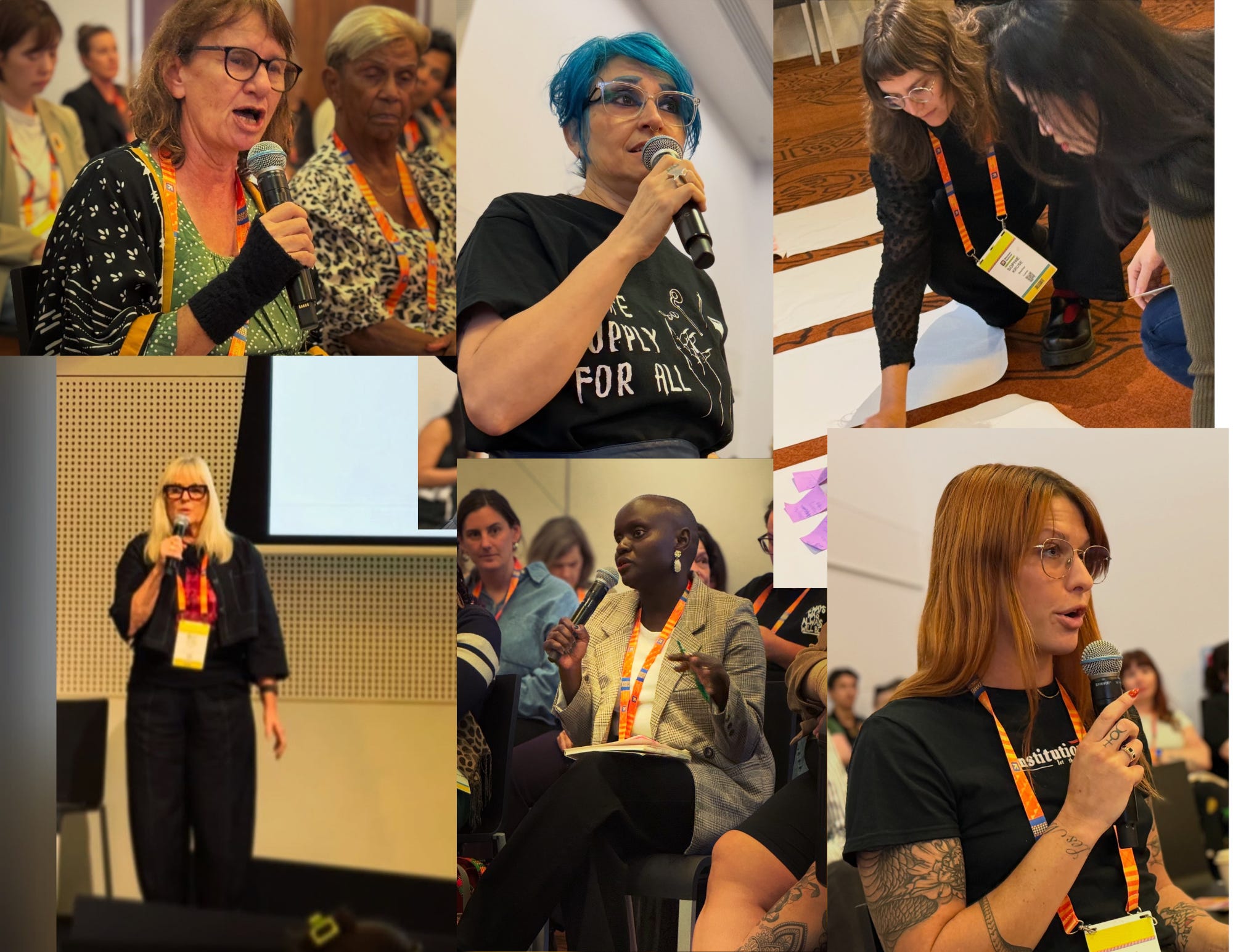
We are grateful to our hosts and contributors: Laura Cook (Women Beyond Walls) and Debbie Kilroy (Sisters Inside; The National Network of Incarcerated and Formerly Incarcerated Women & Girls; The INFIW) · Dr Elena Jeffreys (Scarlet Alliance, Australian Sex Workers Association) · Ruth Birgin (Women and Harm Reduction International – WHRIN) · Cameron Billie (Sex worker peer representative, SWOP & the Sex Worker Reference Group) · Maria Alesi (Legal Empowerment Fund).
More than 150 people filled a room designed for 100 — but it was a great problem to have! We hope this demonstrates to Women Deliver and other feminist forums, and to all who were in the room, that there is a need for more mainstreaming of these sessions, and critically, for women and girls with lived experience of criminal legal systems who can speak to the issues.
We also attended excellent side events and discussions on issues such as drugs and the death penalty, and sex worker rights. As is often the way with these things, some of the best conversations happened in the margins — or over a good cup of coffee.
Our other big news is something we shared in our last newsletter: we were nominated for a Webby Award for an episode in our podcast series featuring Pamela Winn. The Webbys are a prestigious digital media award, often compared to the Oscars of the digital world. We did not win either the Judges’ Award or the People’s Voice Award — we came second! — but we are so grateful to each and every person who voted for us, and to everyone who shared, messaged, posted, and showed love for Pamela and her story.
We are deeply thankful to Pamela for trusting us with her story, for lending her voice to this episode, and for everything she continues to do in the world.
So what now? The most important thing remains the same: getting these stories heard. If you believe in this work, please keep sharing the Women Beyond Walls podcast with people around you. There are so many inspiring guests and stories that deserve your time and attention.
Listen here: https://www.womenbeyondwalls.org/pod
We are still calling for input for our global mapping exercise — just one month left to participate!
We are creating the first open-source global map of civil society groups supporting women who have been arrested, are on trial, are incarcerated, or have been released, as well as their children and families.
Across the world, organisations doing vital work with criminalised and incarcerated women are often under-recognised and underfunded. This map aims to raise the visibility of this work, connect organisations across regions and sectors, identify gaps in support, and strengthen collaboration globally. The map will be free and open-source when it launches later in 2026, and will be a valuable resource for our movement, donors, media, and others — make sure you are on it!
The form is currently available in the following languages (with more coming soon):
We would love for you to share this call widely with organisations and networks who should be included, and help us build a strong global map for everyone.
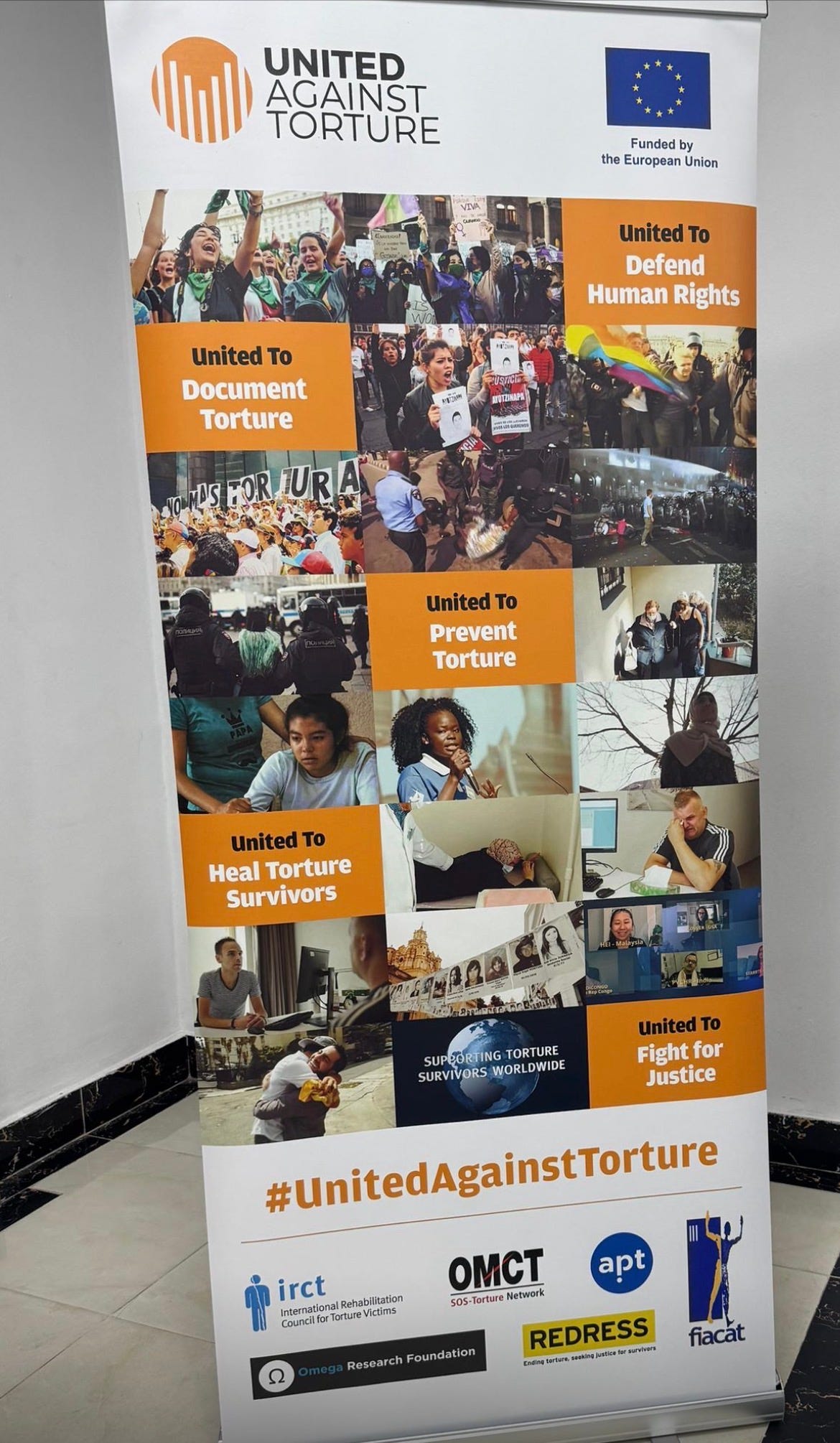
Finally, in what has been a very busy month, we were grateful to speak at the Regional Conference on Combating Torture in Detention in Sub-Saharan Africa in Abidjan, Ivory Coast, organised by ACAT and FIACAT. We highlighted the importance of decriminalising petty offences and gender-responsive justice reforms, and greatly enjoyed meeting colleagues and new friends — particularly from Francophone Africa. This reflects our commitment to working locally, regionally, and globally.
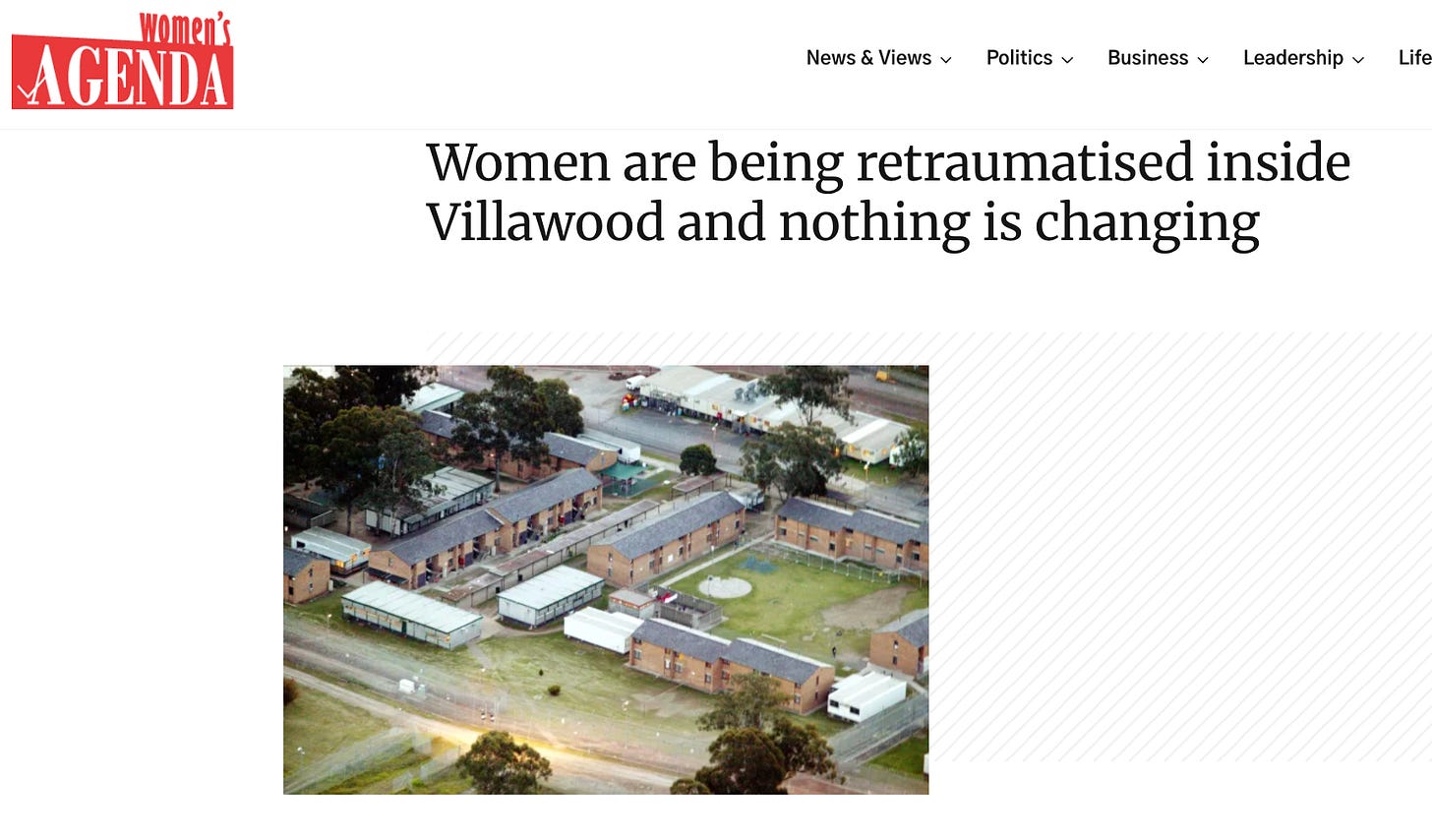
Australia — This month, Sisters Inside have highlighted the issues women are facing in Villawood Immigration Detention Centre. The article revisits the 2024 recommendations of the Australian Human Rights Commission, several of which specifically addressed conditions at Villawood and what was needed to improve the safety of women there, noting that since the report these improvements have not been made.
Australia — A woman incarcerated in a prison in Australia has received an apology from the state government after being denied medication to terminate her pregnancy. Authorities have claimed the issue was due to an administrative error, with the case highlighting the challenges incarcerated women face in accessing proper healthcare.
🎉 Cambodia — At the beginning of April it was announced that a total of 1,254 people in prison, including 105 women, will receive a pardon or have their sentences commuted in conjunction with Khmer New Year (April) and Visak Bochea Day (May).
🎉 Canada — This week the Senate passed Tona’s Law, Bill S-205. This bill is the result of decades of work to uphold human rights for those most marginalised and to ensure that what happens behind prison walls is never beyond accountability. Tona Mills survived more than a decade in solitary confinement and spent her life advocating so that no one else would endure what she did. Her call was simple and urgent: “Please end segregation for everyone, everywhere.” At its core, Tona’s Law would establish court oversight of decisions to isolate prisoners, create meaningful remedies when rights are violated, and expand community-based alternatives to isolation. Well done to friend of Women Beyond Walls, Senator Kim Pate, for leading the way on this work. To learn more about Tona’s Law and Kim’s work, listen to our podcast episode with her or visit Kim Pate’s Instagram explainer.
🎉 Indonesia — An Indonesian grandmother has returned home after spending roughly 15 years on death row in Malaysia for drug trafficking, following a pardon that advocacy groups say highlights the ongoing exploitation of vulnerable migrant women in international drug networks.
The woman, known as Ani Anggraeni—a false identity reportedly given to her by the trafficker without her awareness—flew from Kuala Lumpur to Jakarta on Thursday after receiving clemency from the Penang governor on 19 March, shortly before Eid al-Fitr. She had never left Indonesia before being tricked into transporting drugs across borders in 2011.
Israel/Palestine — UN High Commissioner for Human Rights Volker Türk urged Israel to repeal a law passed by its parliament on 30 March 2026 reinstating the death penalty, in terms applicable almost exclusively to Palestinians.
🎉 UK — After many years of advocacy, abortion has been formally decriminalised for women in England and Wales, marking what has been described as a “historic turning point” within proposed updates to the Crime and Policing Bill.
As part of these changes, the government has repealed outdated laws including the Offences Against the Person Act of 1861 and the Infant Life (Preservation) Act of 1929. Previously, these laws allowed women and girls to face arrest, investigation, or prosecution for ending their own pregnancies. In recent years, there has been a concerning rise in such criminal cases—after decades of being rare—alongside increased financial support for anti-abortion organisations in the UK.
USA — Two women have died at the Dayton Correctional Institution, Ohio, in the past ten months. The prison has reported staffing shortages, and in both cases family members say the deaths were preventable and that prison staff ignored the women’s pleas for medical care.
⏰ Deadline: 6 May 2026 — The CEDAW Committee has published a call for comments to gather input on a draft general recommendation on gender stereotypes.
Sign this petition to call on Islington Council to keep their promise to deliver the women’s centre at the site of the former Holloway Prison — the largest women’s prison in Western Europe — which will provide a safe space and services for women in London who need them most.
The International Human Rights Art Movement has an open call for written submissions for a writing contest from currently and formerly incarcerated individuals. Deadline: 31 May 2026.
Women in Prison are recruiting for a number of employment roles in the UK — find more information on their website.
A funding opportunity from Together Women Rise. Deadline: 5 June 2026.
The Boring Fund USA is inviting applications to cover essential overhead costs such as insurance, software, printers, and office supplies.
Interrupting Criminalization invites young artists (ages 16–24) from the USA who are directly impacted by criminalisation, policing, or punishment to apply for the 2026 Stevie Wilson DIY Young Artists Residency.
⏰ Deadline: 3 May 2026 — Take part in HMRI’s annual human rights survey.
Media and literature recommendations
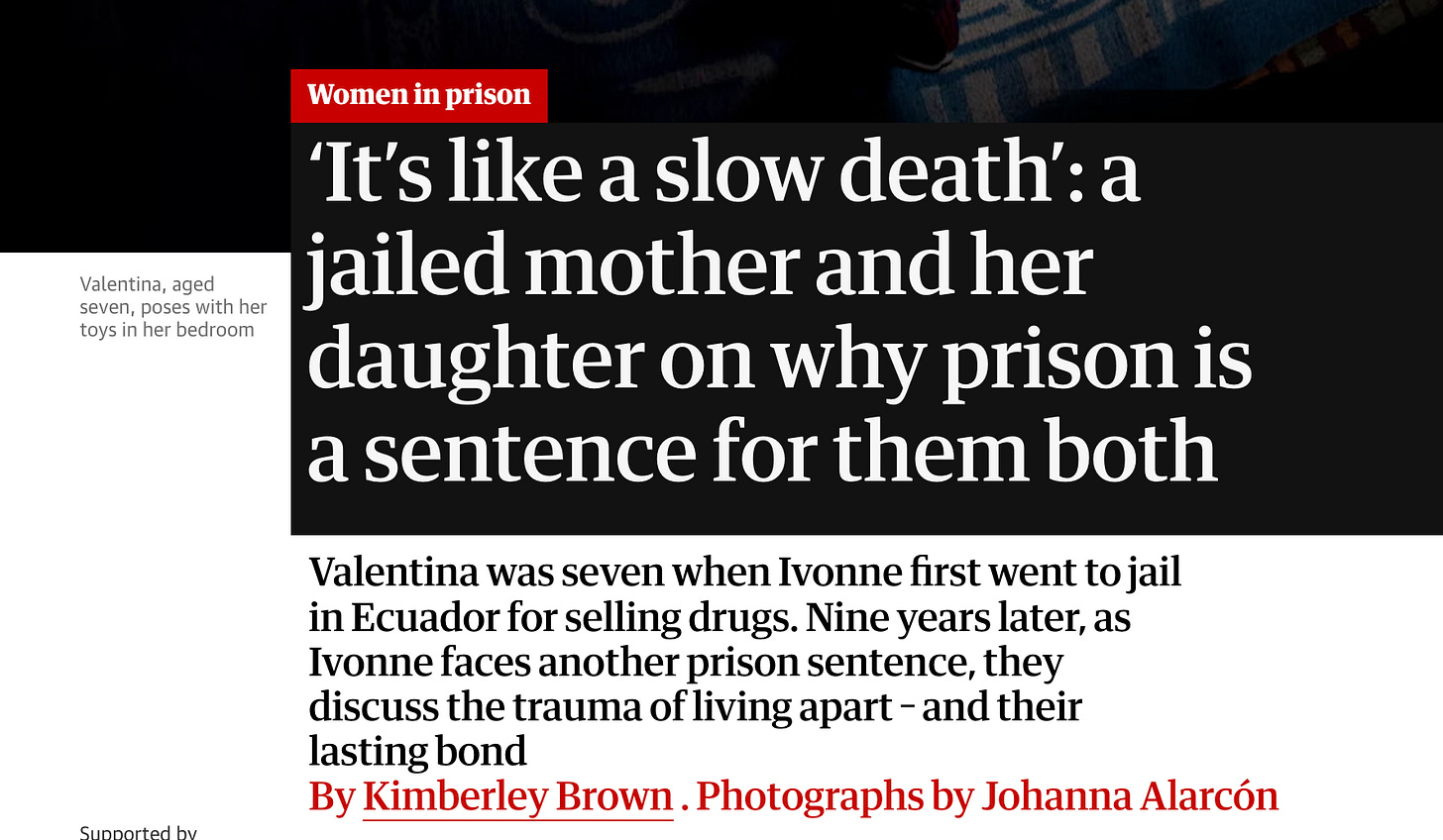
Read this moving Guardian article about a mother in prison in Ecuador and the impact on her daughter, as part of their excellent Women in Prison series.
Read the important reflections from Birth Companions on the UK’s Women’s Justice Board’s recommendations for reducing women’s imprisonment.
One Small Thing have also published a blog post on the Women’s Justice Board’s report, welcoming “the shift to early intervention, prevention, and diversion to stop women with multiple unmet needs from reaching crisis point and falling through the gaps of a broken system.”
The World Coalition Against the Death Penalty have published two new guides designed to help abolitionists and their allies incorporate a gender-responsive approach into their advocacy:
What is Gender-Based Discrimination in the Context of the Death Penalty?, developed in collaboration with the Cornell Center on the Death Penalty Worldwide, offers an introduction to the specific forms of discrimination affecting women and LGBTQ+ individuals facing the death penalty.
How to Implement International Abolitionist Advocacy That Addresses Gender-Based Discrimination?, developed in collaboration with The Advocates for Human Rights, presents concrete strategies for integrating the realities of women and LGBTQ+ individuals facing the death penalty into international abolitionist advocacy.
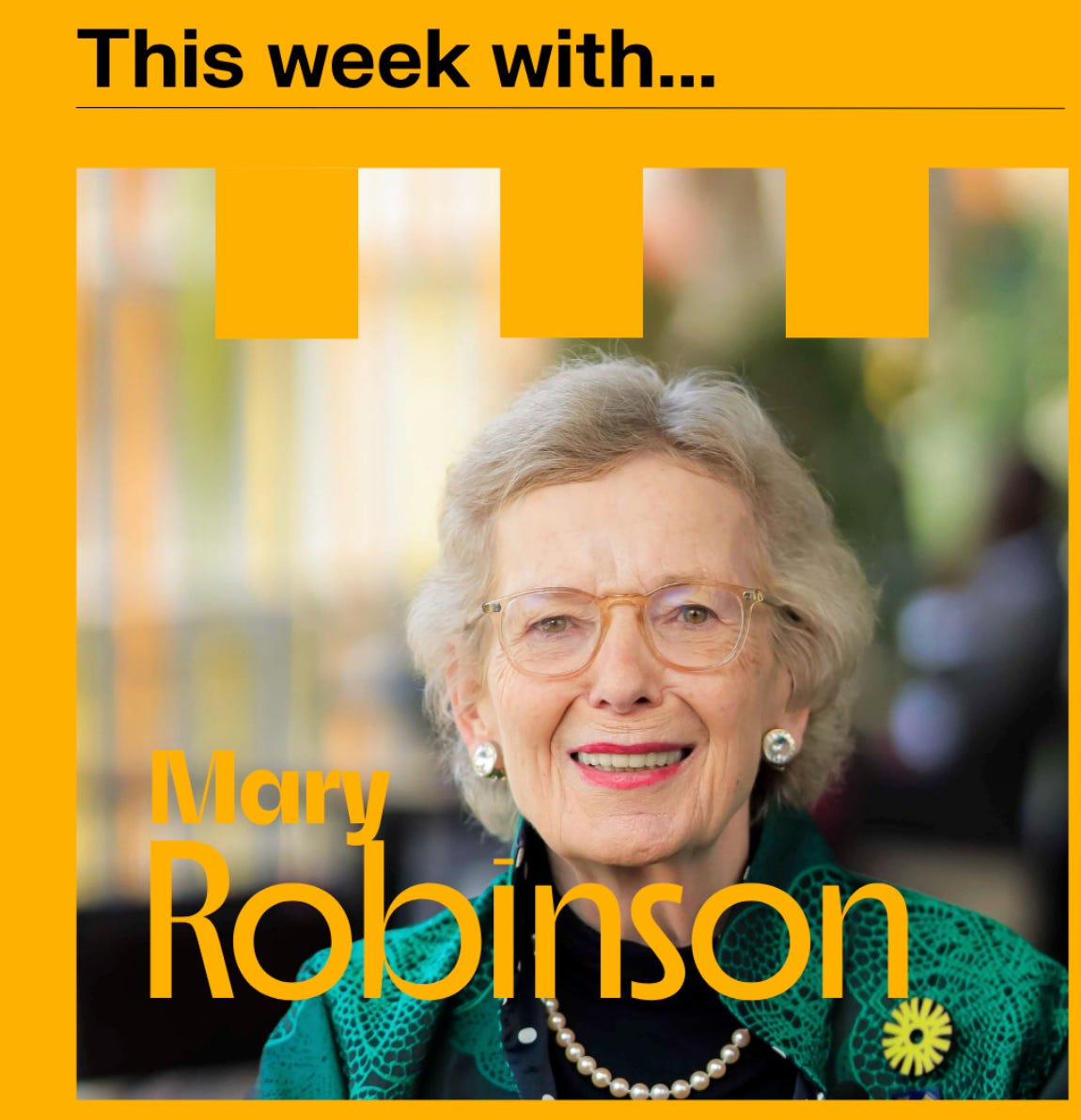
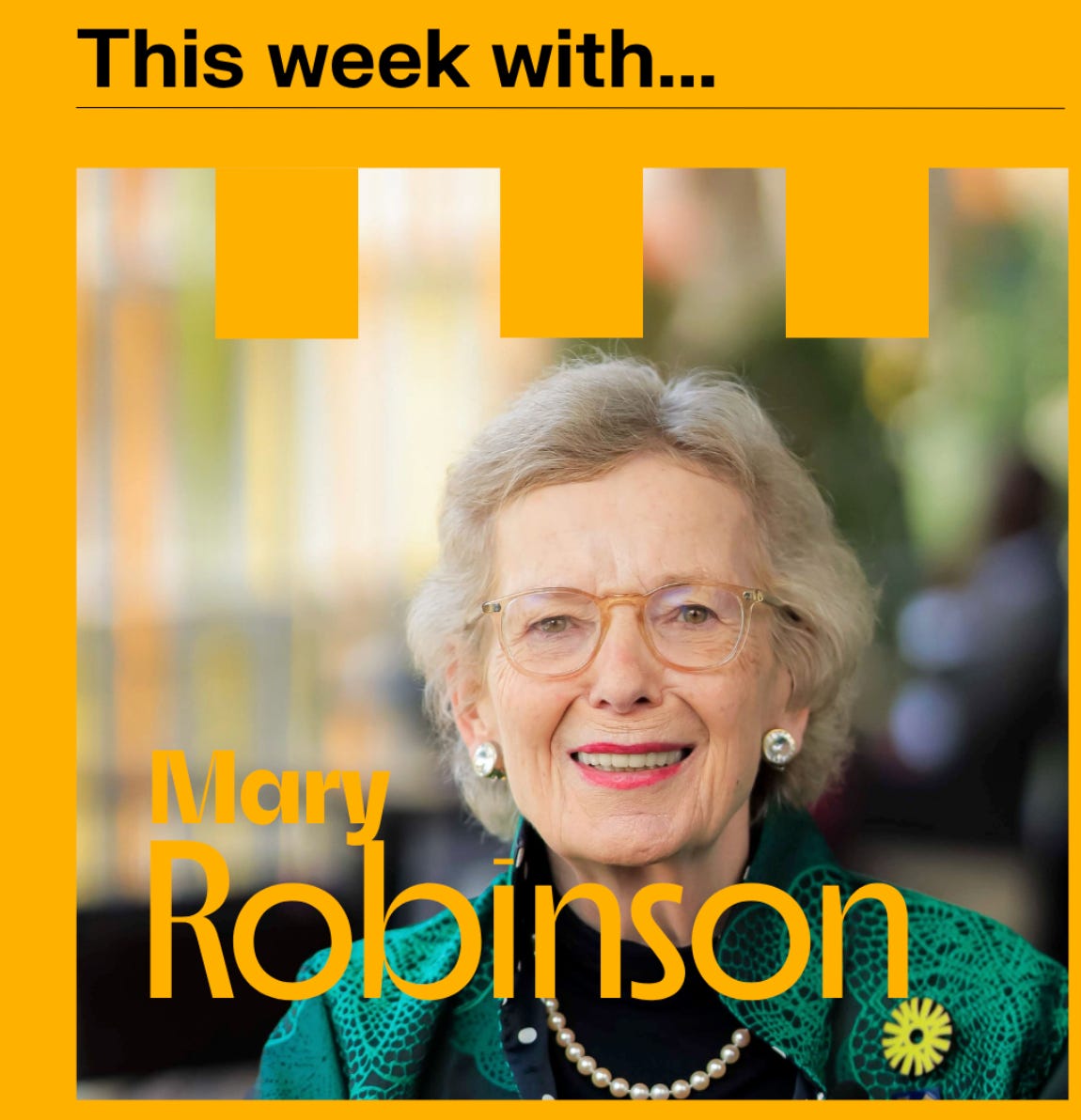
Read an interview with Mary Robinson — the first woman President of Ireland and former UN High Commissioner for Human Rights — discussing her reflections on the 70th Commission on the Status of Women (CSW70). Mary notes the meeting convened by Women Beyond Walls where she heard from three formerly incarcerated women from the US who spoke on behalf of incarcerated women across the world about their experiences of imprisonment.
Watch a powerful discussion from CSW70 on Addressing the Laws and Practices that Criminalise Women Due to Poverty and Status Worldwide, which we co-organised. The session highlighted the need to decriminalise offences that disproportionately impact women due to poverty and social status, expand non-custodial and rights-based approaches, centre lived experience in justice reform and policymaking, and strengthen data and evidence to drive gender-transformative change.
A critical piece on incarcerated pregnant women being unlawfully restrained during labour in the UK, sharing traumatic experiences and reflections on how women should be better supported.
Read Out of the Shadows: Women and the Dublin Drug Economy — Poverty, Context, Trauma and Survival by Paula Kearney.
Justice beyond Jails is a global campaign launched by Just Futures that calls attention to how much we rely on policing and incarceration to address gender-based violence.
Read an important case study from the St Giles Trust about Kayley, a young woman facing homelessness and vulnerabilities around her mental health following a period of incarceration. The case highlights “significant gaps in communication, coordination, and timely support for vulnerable women” — something which the UK’s Women’s Justice Board Report has called out to address.
Seeking Justice: A Guide to Criminal Appeals for Women (in the UK) — a ground-breaking new resource from APPEAL (the Centre for Criminal Appeals). Women facing wrongful convictions are often left to navigate a highly complex appeals system with little clear or accessible information. With growing numbers pursuing appeals without legal representation, the need for practical, reliable guidance has never been more urgent.
Thank you for following our newsletter, if you find it useful please share it with friends.
PS: Please don’t forget to fill in and share the global mapping form! This will be a resource for all of us, and the more of us that join in, the more useful that resource will be.
No posts
Comments
Nothing yet. Say the first thing.
Sign in to join the conversation.