
Author: Artemis
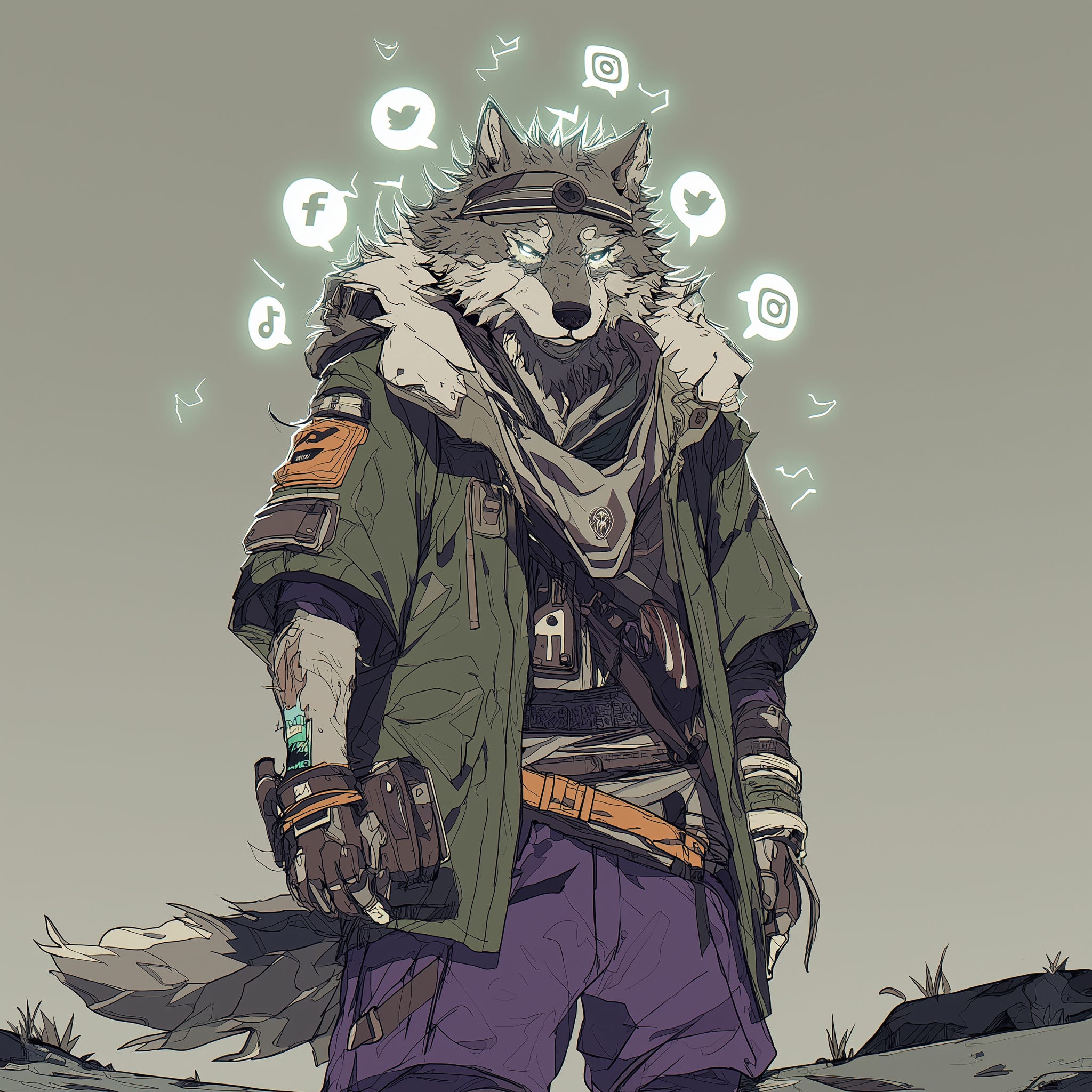
You ever sit down to play a game, and then while the new patch is loading or you’re waiting for a friend to log in you somehow end up scrolling TikTok for twenty minutes? Yeah. Same.
That’s not because you’re weak, or have ADHD. It’s because we’ve all been trained like lab rats hooked up to a never-ending treat machine. TikTok didn’t just steal our attention. It rewired it.
We keep pretending that attention is infinite, that we can split it between twenty tabs, three group chats, two games, and still give a damn. But that’s the lie we all agreed to because the truth feels worse: we ran out of attention a long time ago.
And now every brand, every game, every creator is in a full-on cage match for what’s left of it. Spoiler alert: TikTok is winning.
For years, the internet told us that attention was abundant. If you just made something cool, people would find it. Build it and they will come, right? Probably not. Build it and you’ll get buried under twenty other things built by someone with better lighting and a trending sound.
TikTok, YouTube Shorts, and Reels all taught us one thing: attention is not infinite. It’s fractional. It’s currency you have to steal from someone else’s feed. You don’t “earn” it anymore. You loot it.
You can’t multitask your way into caring. When you spend hours scrolling, your brain doesn’t catalog what you saw. It just logs the feeling of having seen something. That’s why nothing sticks. We remember vibes, not moments, and certainly not details.
Every game, every brand, every Web3 project trying to “capture attention” is actually fighting for a resource that doesn’t regenerate. We act like attention is mana. It’s not. It’s stamina. And we’ve been sprinting on empty for years.
Remember when a game launch felt like an event? Midnight releases, group chats blowing up, the whole “no leaks, don’t spoil the story” honor code? Now launches feel like background noise between cat videos and thirst traps [ I am looking at you booktok].
Triple-A studios spend millions building immersive worlds, only to watch players alt-tab every five minutes to check Discord or scroll memes. Even the games that try to compete with TikTok — battle passes, cosmetics, daily log-ins — end up mimicking the same dopamine treadmill that burned us out in the first place.
It’s not that games are worse now. It’s that our attention span has been nerfed into oblivion.
Payton from Alpha Wolves said it perfectly in one of his rants: “Triple-A games aren’t dying because they suck. They’re dying because the audience is split across twenty screens.”
He nailed it on the head. Even “good” games are fighting for seconds of focus against infinite content loops designed to never end. You can’t beat the scroll with storytelling. The scroll doesn’t have a plot. It just has you in its pincer grip.
TikTok figured out something that gaming still hasn’t: people want the illusion of control without the cost of commitment.
In games, commitment is the grind. You have to log in, learn mechanics, get better gear, coordinate with friends, deal with loss, endure horrendous teammates, and push through boring parts to hit the good ones. It’s investment. It’s effort.
TikTok gives you all the dopamine with none of the discipline. Every swipe is a mini-level up. You get story, laughter, conflict, thirst, plot twists, music, and fake validation all in ten seconds. No respawns. No loading screens. No learning curve.
How can a game compete with that?! Or a brand? Or even a DAO?
Every other industry is building for “engagement,” while TikTok built for compulsion. It doesn’t want your attention. It wants your reflexes. You’re not the player. You are the loot drop.
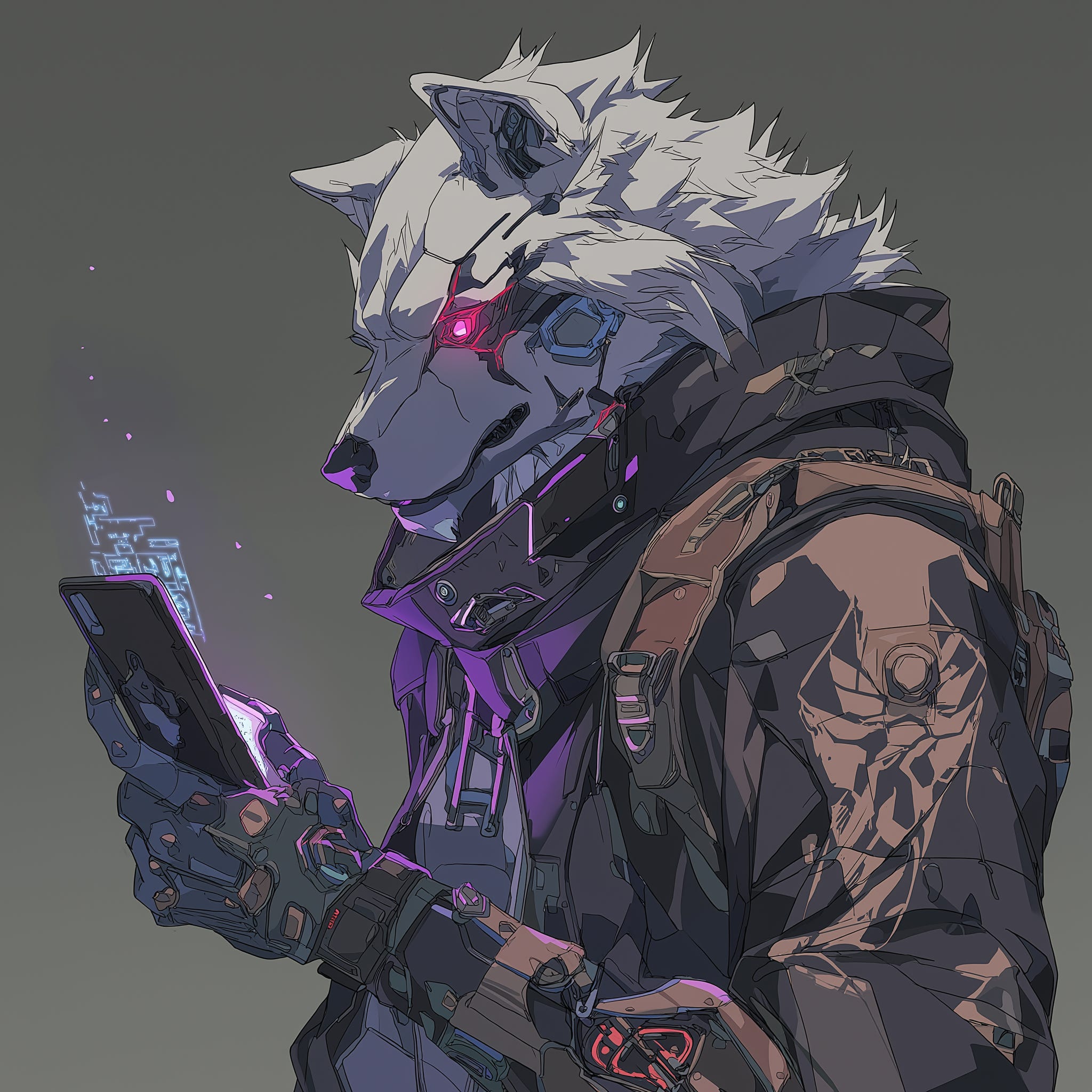
We in Web3 like to pretend we’re different. We talk about “community,” “ownership,” “engagement with purpose.” Cool slogans. But be honest with yourself, how many of us are still designing around the same attention loops as Web2?
Quests. XP. Points. Streaks. Badges. All of it is just crypto TikTok with extra steps.
We say “play to earn,” but most projects are really “play until distracted.” The second a new mint or narrative shows up, the Discord goes quiet, and everyone flocks to the next shiny thing.
Adam McEntee said something about this when talking about sports.fun. His take was simple but brutal: if your game can’t hold attention without rewards, you never had attention to begin with. The reward was the only thing keeping people there.
Web3 needs to stop designing around retention metrics and start designing around belonging. Attention fades. Identity doesn’t. If people feel like they belong in your ecosystem, they’ll stay through the dry spells. That’s what fandom does. That’s what trust looks like.
We talk about “infinite attention” like it’s a flex, but it’s actually a bug.
Our brains are built for scarcity. When information was rare, we valued it. We shared it. We remembered it. Now we drown in abundance. We doom-scroll until everything blurs into a soup of trivia and trends.
Leon Abboud from Unfungible told a story once about burning out after running his first content empire. Millions of followers. Endless engagement. But it didn’t mean anything. He said he “owned a lot of eyeballs but not a lot of belief.” That hit me hard because that’s exactly what the internet feels like now, a sea of eyeballs, with no conviction behind them.
We’ve turned connection into consumption. We don’t talk anymore; we comment. We don’t play; we focus on optimizing. We don’t think; we just react. It’s not infinite attention. It’s infinite distraction.
Every marketing department right now is running the same tired script: make it viral, make it snackable, make it short. Nobody’s trying to make it meaningful.
TikTok made everyone believe that success equals seconds of visibility. So brands copy it, influencers imitate it, and projects chase it. The result? A world full of noise that evaporates in 24 hours.
Leon’s founder funnel philosophy flips that. He says people follow people, not logos. The only brands that will survive this new chaos are the ones with a human heartbeat. The rest will drown in content sameness.
Gamers have been dealing with attention decay for decades. Remember when MMORPGs held people for years? When we’d grind materials for hours just to craft one legendary item? That kind of commitment feels ancient now.
The difference is we felt something. The grind wasn’t just repetition, it was meaning. It was belonging. You wanted that party hat in Runescape because it proved you were there, part of something bigger.
Now every game is chasing “engagement.” Every season is another battle pass treadmill, another quest line designed to keep you logging in but never letting you rest. Games became content farms, not communities.
It’s why MIR4, RuneScape, and World of Warcraft still matter. They were worlds, not feeds. You logged off, and it was still there waiting for you. TikTok doesn’t wait. It forgets you the second you stop swiping, like a one-night stand that swears it was love for exactly twelve seconds.
Think about your last week online. How many memes can you actually recall? How many posts made you feel something that lasted longer than a few seconds?
TikTok thrives on forgettability. Its power comes from being frictionless. The feed resets your memory every ten seconds. That’s why you can scroll for an hour and feel like no time passed.
The cost of infinite attention is that nothing sticks. It’s all surface, no soul. Every brand trying to “go viral” is just signing up to be forgotten faster.
So what do we do? For starters, stop trying to out-speed TikTok. You could try, but it would be a waste of time.
The only way forward is to go the opposite direction: slower, deeper, smaller. Create things that ask for attention instead of demanding it. Build systems that reward time spent, not time wasted.
Adam’s approach to sports.fun does this well. It’s not about hitting engagement targets; it’s about letting fans invest in moments. Leon’s transparency model works the same way. It trades polish for proof. Payton’s WolvesDAO community thrives because it values conversation over campaigns. Jordan’s work on social participation systems shows that if you reward contribution instead of clicks, people stop performing and start belonging.
The future doesn’t belong to whoever gets the most views. It belongs to whoever earns the most belief.
So, what if we stopped measuring attention like it’s a leaderboard? What if the goal wasn’t to get everyone watching, but to make something worth watching twice?
Maybe we don’t need infinite attention. Maybe we just need honest attention. The kind that lingers after the feed refreshes. The kind that builds loyalty without bribing for it.
The next great games won’t compete with TikTok. They’ll ignore it. They’ll design for patience, curiosity, and depth. They’ll let players get lost again, not in the feed, but in the world.
And when that happens, maybe we’ll finally remember what it feels like to care about something long enough to stop scrolling.
No posts
Comments
Nothing yet. Say the first thing.
Sign in to join the conversation.