
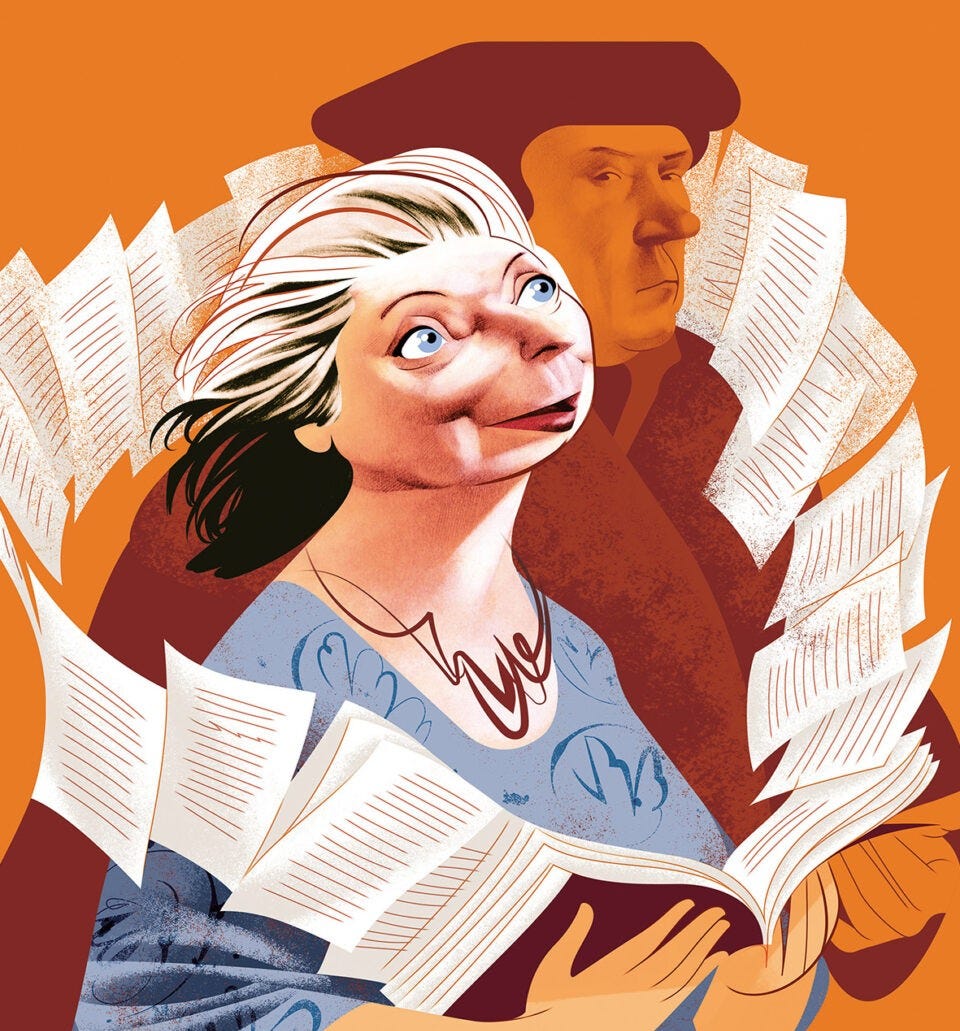
We’re thrilled to welcome Rebecca Batley and Amy McElroy—the insightful minds behind the Substack newsletter The Tudor Notebook—for a thoughtful Q&A exploring how Hilary Mantel reanimates pivotal Tudor figures through the eyes of Thomas Cromwell in her Wolf Hall trilogy.


Rebecca and Amy bring an engaging blend of historical curiosity and literary flair to their commentary—be it on Mantel, historical fiction, or Tudor culture—making their perspectives both entertaining and enriching. Today, they share their takes on how Mantel frames characters such as Edward and Jane Seymour, Princess Mary, Charles Brandon, and Stephen Gardiner—and how Mantel’s Cromwell sees them in ways both sympathetic and sharply perceptive.
Rebecca is a historian and archaeologist who has focused on women’s stories in history. Her published books include:
Ann Walker: The Life and Death of Gentleman Jack’s Wife (2023), uncovering the life behind the well-known figure Gentleman Jack’s partner;
Anne Neville: Queen and Wife of Richard III (2024), a biographical exploration of the often-overlooked Queen Anne Neville.
The Lord Protector and His Wives: Catherine Filliol, Anne Stanhope and Edward Seymour (2025), focusing on the complex relationships of Edward Seymour and his wives.
Amy writes passionately about the Tudor era and has authored several nonfiction works:
Educating the Tudors (January 2023), exploring the diverse educational experiences of Tudor society.
Women’s Lives in the Tudor Era (February 2024), illuminating the roles and experiences of women across social strata during Tudor times.
Mary Tudor: Queen of France (2025), a biography of Henry VIII’s sister, delving into her life as Queen of France.
And coming soon: Desiderius Erasmus: The Folly or Far Sightedness of Renaissance Europe’s Greatest Mind Hardcover – Mar. 2026
WHW - Let’s talk about Edward Seymour. Through Mantel’s Cromwell’s eyes, he often seems like a cold, quietly ambitious operator. Do you think her Cromwell underestimates him—or is he onto something? And how do you read the power dynamic between those two in Mantel’s world?
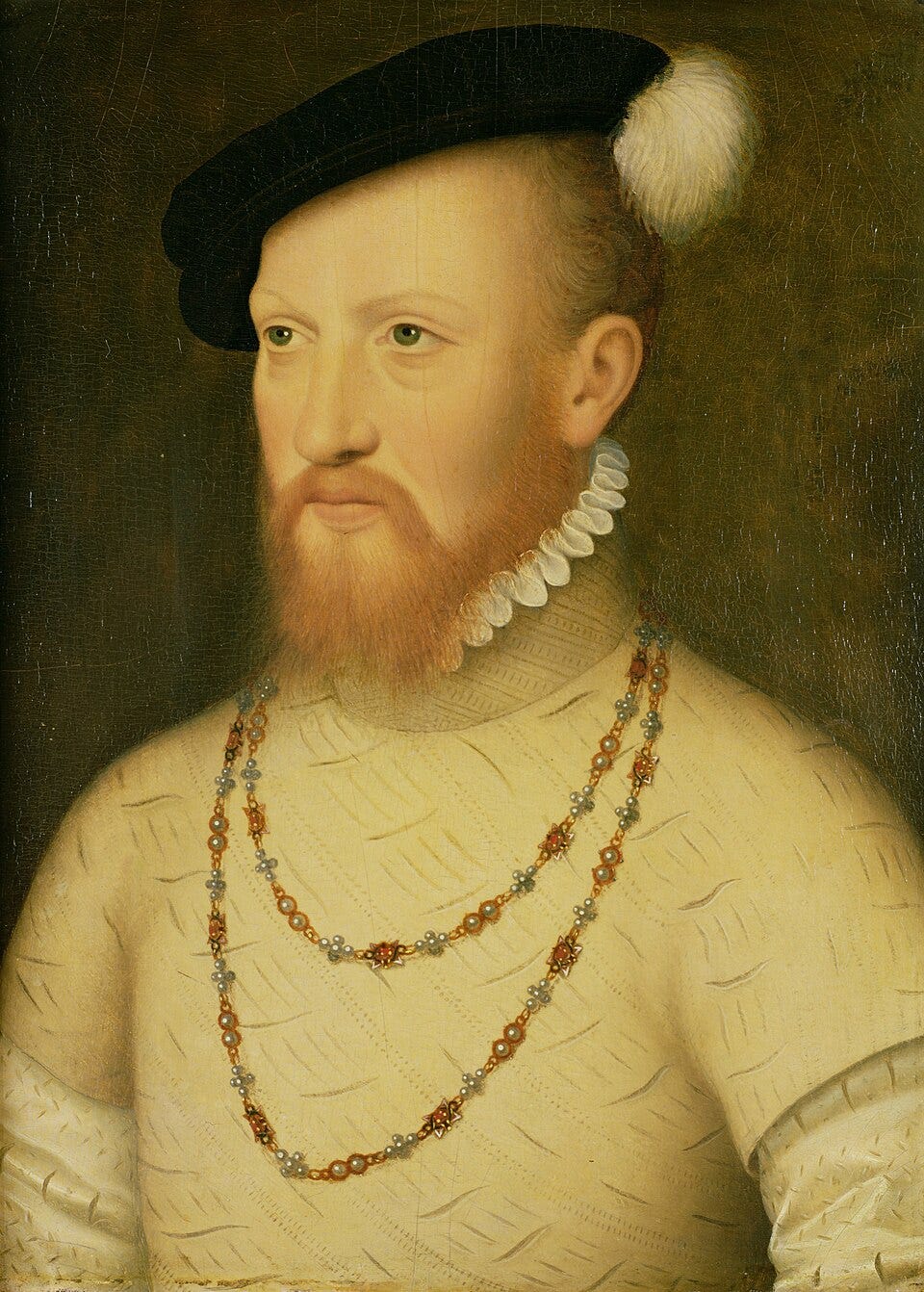
Rebecca - That’s a really interesting question and not an easy one to answer. I do not think that Cromwell’s view of him as a “cold, quietly ambitious operator” is entirely inaccurate - Seymour did after all in many ways embody the image we have of an ambitious Tudor statesman - however I do also feel that his view is rather simplistic. Seymour was undoubtedly ambitious but he was also learned, educated to a very high level and had many other interests and involvements outside politics. I think in that sense Mantel’s Cromwell underestimates Seymour’s intellectual ability. Due to this I think the power dynamic between them is tipped in Cromwell’s favour in Mantel’s world. Cromwel clearly believes he is the more intelligent and educated of the two. Whether or not this is reflective of their relationship in reality is open to debate.
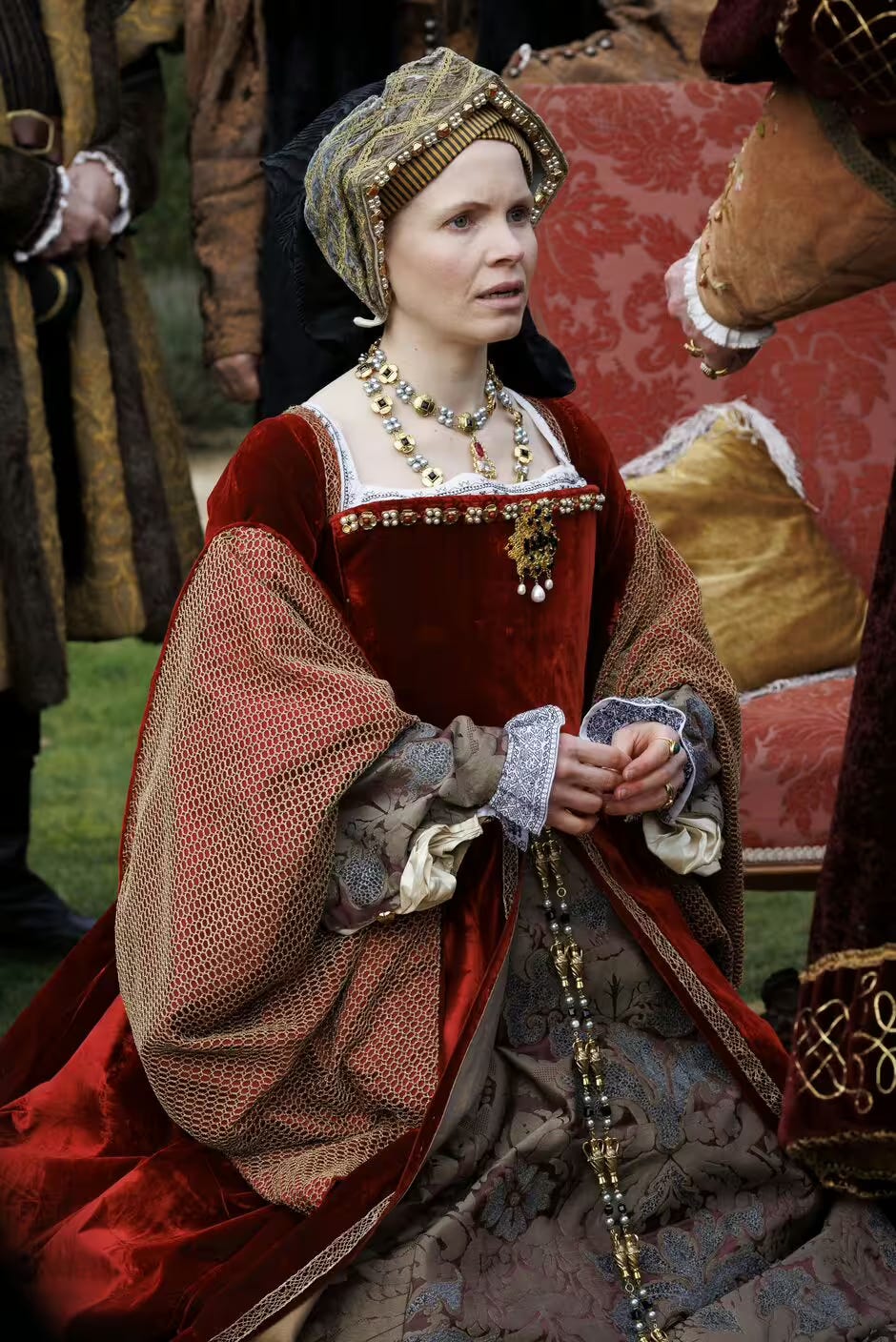
WHW - Jane Seymour is sometimes written off as dull, but Mantel— through her Cromwell—gives her a kind of quiet, steely presence. Do you think Cromwell sees something in her the rest of the court misses? Or is he simply playing a long game with a compliant queen-in-waiting?
Rebecca - Again a tricky question. I am not sure whether Cromwell sees something in her that everyone else misses or if he is seeing what he wants to see in her. I think it suits his purpose to believe that she has a certain strength in her. This is, in my opinion, extremely clever of Mantel, we know so little about Jane’s real character and she plays on this ambiguity, allowing Jane to become what Cromwell wishes her to be whilst never quite pinning down the truth of her character.
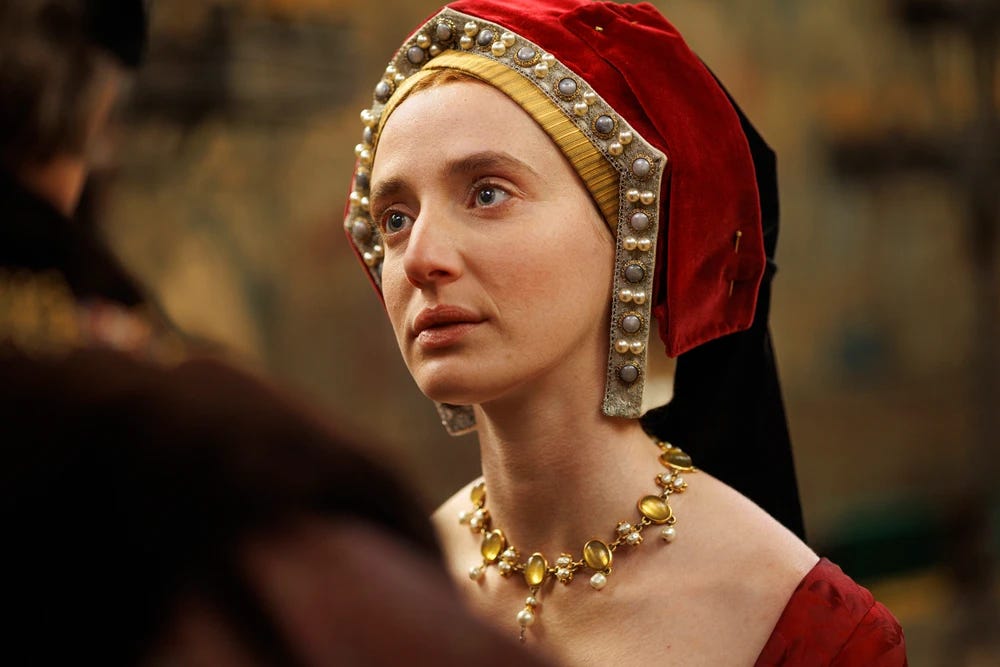
WHW - Princess Mary is one of the most emotionally fraught relationships Cromwell has. There’s conflict, but also moments of real empathy. How did you respond to their scenes together? Do you think Mantel’s Cromwell is genuinely conflicted—or just very good at pretending to care when it suits him?
Rebecca - I found the relationship between Princess Mary and Cromwell one the most fascinating in Mantel’s world. Their scenes together, are for me, some of the most emotional of the whole book. Their relationship is nuanced and complex. There are times when I genuinely believe that Mantel’s Cromwell is conflicted, for example once Mary has essentially decided that she no longer needs his protection Cromwell seems almost hurt that she is distancing herself. Having said that I also think he pretends to care more than he does when it suits his purpose to do so. He is so good at concealing his true feelings that I’m never quite sure about his motives, which I think is why the book is so good and why Mantel’s Cromwell continues to fascinate us all.
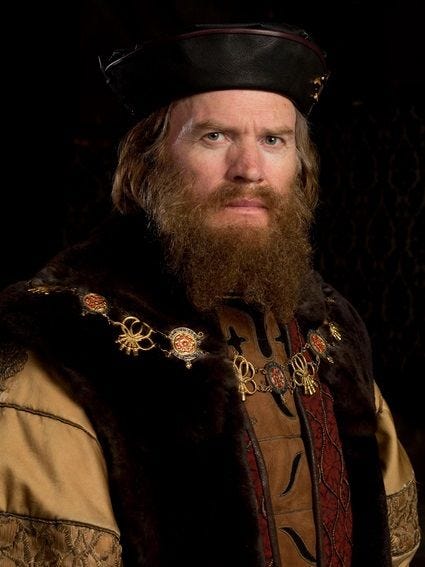
WHW - Charles Brandon—loyal drinking buddy of Henry VIII—doesn’t get much spotlight in Mantel’s trilogy, but when he does, it’s through Cromwell’s ever-skeptical gaze. What’s your take on how her Cromwell sizes him up? Respect? Contempt? Mild irritation?
Amy - I admittedly found Brandon’s portrayal to be amusing in that he comes across as loud, and a little bit of a buffoon, not quite fitting in with some of those of noble birth. Having said that, although Brandon does not feature heavily in the trilogy, Mantel does make it apparent that Brandon was a trusted friend of Henry. One cannot help but think that Cromwell viewed Brandon as largely irrelevant for his work and plans. I do feel that Mantel’s Cromwell thought more kindly of Brandon than he did of other nobles and those surrounding Henry. Within his short appearances in the trilogy Brandon gives Cromwell opportunities to speak, or persuades Henry to hear him out when others would shut him down. Overall, I think Mantel’s Cromwell did not view Brandon as any threat to him but was well aware of his influence over Henry.

WHW - Now, Stephen Gardiner. Cromwell’s old frenemy. Mantel gives us this fantastic simmering rivalry between the two—full of veiled threats and sharp-tongued letters. Do you think Cromwell secretly enjoys intellectual sparring? Or is Gardiner just the worst dinner party guest imaginable?
Amy - I loved the relationship Mantel portrayed between Gardiner and Cromwell; there was humour, rivalry, and on occasion, what appeared to be loathing. I certainly believe Cromwell enjoyed a good session of sparring, particularly with Mantel’s Gardiner who would become so irritated with Cromwell. Despite the war of words, I think Gardiner respected Cromwell, at least until he accrued so much power and became a rival to him and for Henry’s attention. Although Gardiner could be amusing on occasion he would not be at the top of my invite list to a dinner party (though Cromwell would be a fun guest).
WHW - One of the joys of Mantel’s writing is how we see the whole cast of Tudor characters filtered through Cromwell’s inner world. Do you think that narrows our view of figures like Brandon and Gardiner—or does it actually make them more vivid, seeing them through Cromwell’s unblinking, occasionally savage lens?
Amy - Mantel created an incredible world through Cromwell, one which I am sure has intrigued many and influenced them to learn more about their favourite characters or the Tudor period in general. As long as we remain aware that Mantel’s trilogy is fiction (though based on meticulous research) I do not think it narrows our views, it provides insight into history that to some may otherwise remain in the shadows. As a non-fiction author I fully respect the research and skills that go into creating historical fiction, weaving historical worlds for readers to enjoy and Mantel’s is one of my favourites.
A heartfelt thank you to Rebecca and Amy for joining us and bringing their sharp insight and enthusiasm. Their reflections remind us just how richly human Hilary Mantel’s characters are—crafted not just as historical figures, but as vivid individuals caught in the tangled web of power, ambition, and emotion.
If these discussions ignite your imagination, we’d love to meet you in person at Wolf Hall Weekend 2026, this June beside the Tower of London. Expect a weekend rich in insight, dialogue, and creative homage—featuring panels, performances, exhibitions, and immersive encounters, including an exclusive performance of The Mirror and the Light.
Secure your place now at wolfhallweekend.com/tickets
Comments
Nothing yet. Say the first thing.
Sign in to join the conversation.