
In Part I of this series of posts we began with Diarmaid MacCulloch’s observation that G. R. Elton’s England Under the Tudors is “Cromwell-centred”. In the same foreword to the latest edition, MacCulloch sharpens that judgement by describing Elton’s Tudor parliament as “a machine for legislation”, and by arguing that England was propelled “out of haphazard personal government centred on the royal court” in less than a decade by the “vision and energy” of Henry VIII’s greatest minister, Thomas Cromwell.
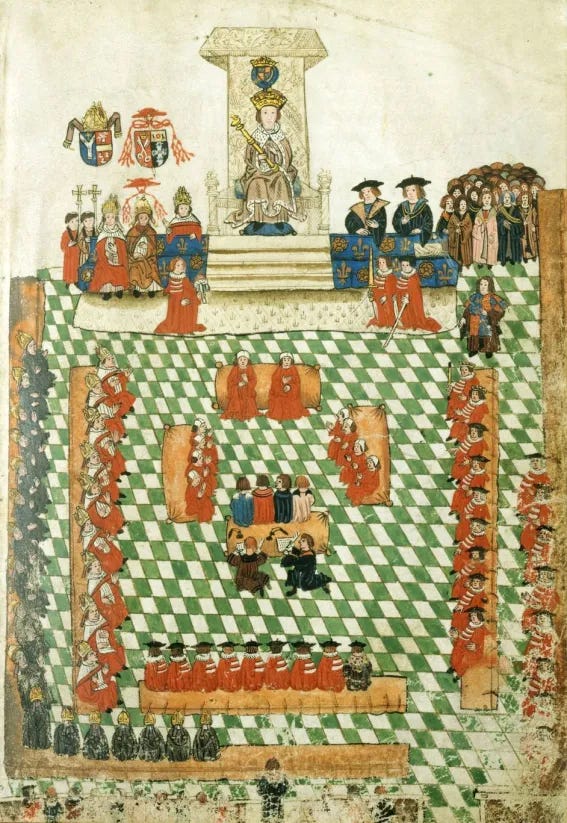
That is a very large claim and it deserves to be tested not in generalities, but against the actual statutes and institutional changes of the 1530s, and to that end we will look at the key changes, in concrete terms, Cromwell helped put into law.
This is what Elton meant by a revolution in government. And in the 1990 afterword to England Under the Tudors, he still held to the essence of it, writing that there had been “so much deliberate change crowded into the 1530s that a genuinely new state emerged, however closely it was linked to the old.” MacCulloch, though fully aware of the criticism Elton’s thesis has received, still writes that what remains from that argument is
“the restoration of Thomas Cromwell to an unassailably central place in the story of early Tudor England and the Reformation, changing the character of this archipelago up to the present day.”
That last phrase matters. Not just England. This archipelago.
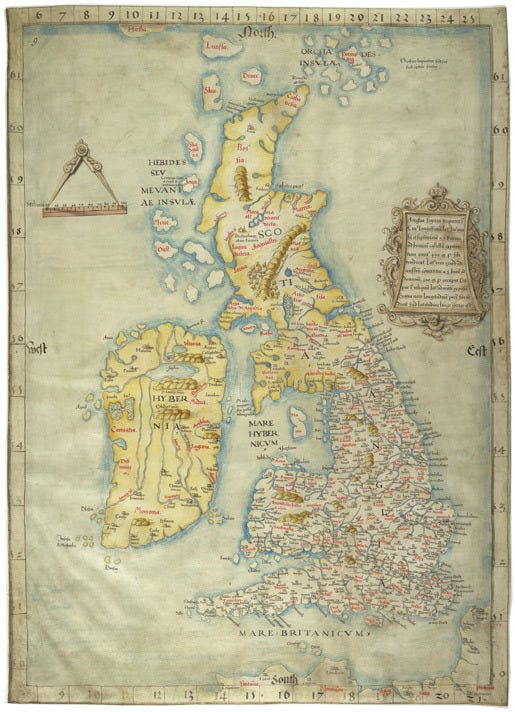
Because once government is reworked through statute, record, revenue, and administrative reach, the consequences do not stop in London.
In the rest of this post I want to stay with the statutes themselves and ask what, in practice, they changed: how they worked, why Elton thought they mattered so much, and how far their consequences ran into Wales, Ireland, and the later political formation of Britain.
Continue reading…
Comments
Nothing yet. Say the first thing.
Sign in to join the conversation.