
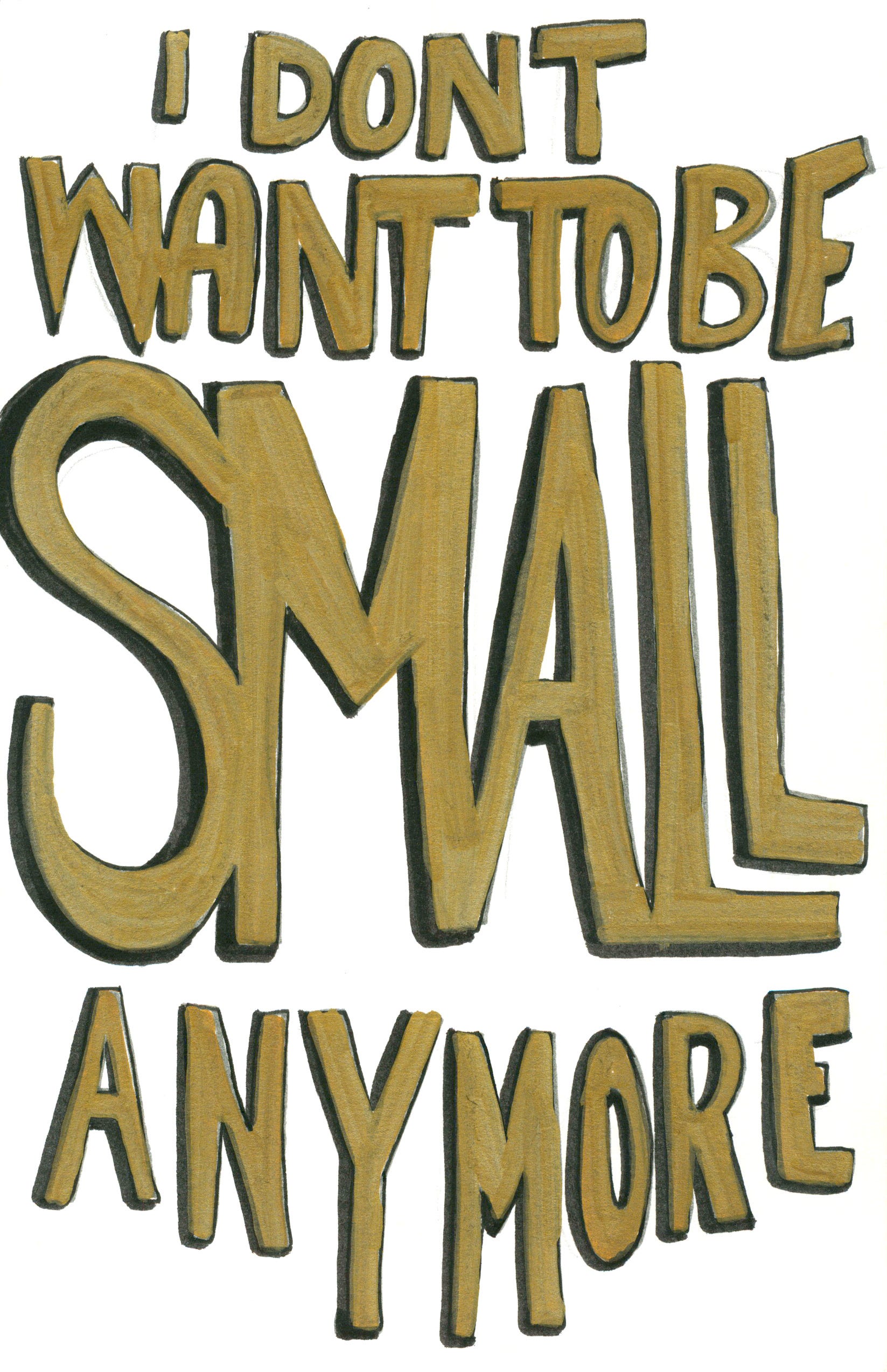
These are words I wrote down two years ago when I was recovering from a major depressive episode. I was feeling lost, alone and hungry for success. Something to make me feel alive and important and a part of something bigger than myself. The last time I felt like I lived up to the “big life” goals was around a decade ago. I was used to hustle culture when I was in my late 20’s and early 30’s. I’d wake up at 6am for Pilates and a run at the gym, then shower and eat breakfast by 8 so I could get to my first job by 9. I’d work managing a Vitamin Department at a major health food store, using my certification in Nutritional Therapy to help people make healthier food choices and understand their options when it came to supplements. I’d be on my feet for 8 hours building displays and training my team. Then I’d clock out (usually without a real rest or lunch) and head off to my next job singing with an opera chorus, or as a section leader at a church, shoving food into my mouth at some point so I wouldn’t pass out. By 9pm, I’d be done singing and I’d head home to sleep and then do it all again the next day. I was a peak overachiever. I worked every single day and also ran my own nutrition business on the side, plus some vocal coaching for little kids one day a week. The hustle was in my BLOOD. I felt like a dragon screaming, “Bring it ON! I can do this all DAY!” as fire poured out of my nose and scorched those who sought to bring me down.
I knew, deep down, I couldn’t keep doing this forever, but even after my divorce, I just doubled down on work, becoming a training specialist on a new store opening team. I lived on the road with the same group of people, getting up super early and coming home late after 10+ hours on my feet, only to crash and eat gluten free pizza and beer in the hotel lobby while we played card and dice games to pass the time. This is when my body started showing signs of a problem. Pain, fatigue, insane bloating and weight gain. I didn’t know it yet, but I was restarting a long battle with Endometriosis, while developing Fibromyalgia and a side of Functional Neurological Disorder. I kept going despite the pain, applying to multiple internal positions with greater stability and pay and I actually got them! They were both huge back-to-back promotions that came with a 6-figure salary, moving support, health care, dental, vision, stock options and more. I was doing it! I had made it. Unfortunately, that pain and fatigue I had ignored for almost 5 years came for me quickly post-Covid, until finally I became mostly bedridden. When I could walk it was only with assistance from a cane or to the closest mobility scooter. I started having what I now know are functional seizures and began to see neurologists all over the state. I eventually took a long leave of absence to “recover.” I thought I would be right back to work again, doing my “Big One”. But once I attended the Mayo Clinic Pain Rehabilitation Center for my FND, I knew I was wrong. The days of playing in the Big League were over. I was disabled for real and if I wanted to get better, I had to make some huge changes.
Thanks for reading Wit's Queer Chronic-ills! This post is public so feel free to share it.
Changes like, quitting alcohol, walking daily, journaling, meditating, resting, actually eating meals with vegetables, and physical rehabilitation. These were all things I was familiar with. When I was in my early 20’s I got really bloated and depressed from years on Jenny Craig and other weight loss diets. I was undernourished and hypervigilant and had no joy in my life at all. I started seeing a Naturopathic Doctor and she changed my life, the first time. She was the reason I suddenly had so much capacity for the hustle! My weight was down, my energy was up, I had a new interest in nutrition and learned how to cook. I think I did about 3 stints of the Whole 30 during that time and I learned how helpful it was to slow down, chew my food, and support my mental health. I was feeling good! Cut to a decade later - I was floundering, trying to make the same changes but unable to gain back the momentum I felt years earlier. This time I couldn’t magically meditate once and gain inner peace… I had bills and a partner and pets to support. I owned a house, too and the pressure to “figure it out” was mounting.
But, despite the symptoms, I kept going. I never gave up on myself. Now, when my mind works to build me up, but my body works to shut me down, I feel lost and sad, but never defeated. When I have these grand ideas of what my art business could look like, or thoughts about how I could volunteer or contribute to society in some way, I think about how I might incorporate some of this into my life on my “good” days. But the truth is- no one in capitalism wants to commit to a person who cannot show up consistently. Corporate jobs hate it. Even volunteer groups are hesitant because if you don’t show up due to last minute symptoms, they likely don’t have another option to replace you. So, I do what I can for myself. I dream. I think up ideas, write them down and think, “well, maybe I’ll get to this next year.”
The truth is, being chronically ill makes me feel small, I don’t want to feel small anymore. I want a BIG LIFE! I want opportunities and success as an artist. I believe I am talented enough, smart enough and capable enough exactly as I am. (Can I get a “whoop, whoop” for Disabled Joy?!) And while I have no grand plan for how to do everything my heart desires, it doesn’t mean I will stop trying. It just means I have to think about life, and success, a little differently.
If you’ve found some value in my posts, consider buying me a matcha! It’s an easy way to support me and the work I am doing here on Substack without becoming a paid subscriber. My posts will always be free to read as I never want finances to be a barrier between my audience and my work, but your favorite squid would appreciate a little treat every now and then!
For the last three years I have been trying to figure out how the f#%$ to be creative and also sustain my health and finances, and let me tell you, it is not easy. Below are the top three things that helped me find success*1 in life while balancing my health, relationships and career.
Values are extremely important when you are chronically ill. Suddenly you have less capacity and time, so what you do with that limitation becomes your whole life. If you figure out those values, though, you can focus your attention on building things that matter to you. But how do you figure out your values? First things first- take a quiz!
This quiz is one of my favorites because once you pick your top values, you are asked a simple “this or that” question, and the site calculates the order of importance for you. I’m not saying this is an easy thing to do, and you may need to take the quiz more than one time to get an idea of what you’re comparing, but once you establish your top 10 list, it becomes a lot easier to rank them in order of importance.
There are a lot of values quizzes out there on the internet, some of them better than others, but ultimately remember that this isn’t about what others want you to value, it’s about what you desire and hold importance for most of all. It is about you. This is one of the reasons to start here.
Your values will help guide you towards a more authentic reality. Do you value money over free time? Then having a busy job with a hefty paycheck should be easier to choose than if you valued family time over work. For me, my values included things like authenticity, love, relaxation, making art, and nature. So naturally, being an artist in the Pacific Northwest fits that bill!
Some things I don’t actually value that I thought I did? Money, possessions, and having kids. Learning I didn’t actually value money, but financial safety was helpful in reframing the loss of those six figures. This is the hardest part of value work in my opinion; letting go of the things you don’t value that society has put huge importance on.
For me the hustle and grind of a well-paying job, along with the pay, and the constant desire to work towards a goal needed to be released. It wasn’t that I wanted to hustle forever, it was that I got praised for it with words, money and perks, and that kept me going. Everyone wanted to work with me, and it was easy to overbook myself. When my disability hit, I had to say goodbye to my side projects. I let go of my extra jobs and started to focus more on me. There was only a finite amount of time to do projects, and if it didn’t light my soul on fire, it was laid to rest. The graveyard of projects started and abandoned is not only full but also overrun and that is OK. Instead of RIP, all the Tombstones in this graveyard say WIP or work in progress.
So, what if your values aren’t in alignment with your current activities? Great question! This next part will help you find more of the balance missing in your life and hand you the keys to your best self.
The biggest struggle for me in my new life was down time. I was so used to being busy 24/7, I didn’t know how to relax or do any self-care. Sure, every night I got high and watched random television shows, but was that really helping the situation? Or was I numbing myself into disassociation, only to wake the next day with too many dishes to do and too little time to accomplish my goals. This is where the wellness wheel comes in. If you’ve ever done any work with an Occupational Therapist, they likely had you do some sort of wellness assessment: a look into your basic daily tasks and what category of wellness they fit into. Usually, the wheel is broken into several categories, most commonly, these six: Physical, Intellectual, Professional, Personal/Social, Emotional, and Spiritual. To do the exercise, all you need is a piece of paper, two different colored pens and some time.
Start by drawing a large circle and dividing it into 6 pieces like a pie. Each piece or wedge represents one of the above wellness categories. If you have more categories than six, continue making wedges until you have your desired amount. But be cautious, the more wedges you have, the less options you have to choose from daily. You only have so much time in the day.
Next, label each wedge with a category. You may choose a different title if something like “Religion” connects to you more than “Spiritual.”
Now, starting with the top, go around and fill out all of the things you do daily or weekly that fit these categories. For example, in Physical, you might list: going to the gym, walking the dog, brushing my teeth and showering. Anything you do for your physical body should be listed here, including the care and maintenance of yourself. If you find yourself struggling to put anything other than “put on soft PJ’s” under this category, that is okay! This is the data collection part of the process- no need to judge your list.
Once you’ve filled in each category, compare your wedges. Is your Intellectual Wedge FULL but your Spiritual wedge EMPTY? This is data! The point of the exercise is to find more balance in your everyday- to stop ignoring certain parts of us, our needs, our desires, and to start finding a more well-rounded way to live. Identify if there are any actions you want to remove right away and cross those out. Leave only things that are essential and serve your values.
Finally, look to see if you have categories that are sparce, and if so, look to your values as a guide to find more options. Are there things on your values list that align with the spaces that are empty? Add those items in a different color pen so you can highlight the new activities you desire to participate in. If in Personal/Social you wrote, “scroll social media content,” but you value personal connection, perhaps you could add “walking to the park with a friend,” or “family game night” to that list. If your list is overwhelmed with options, find the top five that align with your values and cross out the rest. Now, of course, stuff like, “Pick up the Kids from School” can’t be eliminated completely, but maybe you could ask a friend or loved one to help with that a few days a week. Bam! Now you have more time in your afternoon to do something else on your list.
The ultimate goal with this exercise is to find at least one thing from each wedge to do daily to help balance your needs throughout the week, rather than push everything off until later. For me, this was huge. Figuring out that I did almost NO self-care (brushing my teeth, showering, physical movement, reading, or meditation- all things I wanted to be able to do) but did a LOT of Professional work (business calls, trips out of town, working through lunch, texts and calls after hours, checking my work email after dinner) was a HUGE wake up call. I was severely off balance and was desperate to fix it.
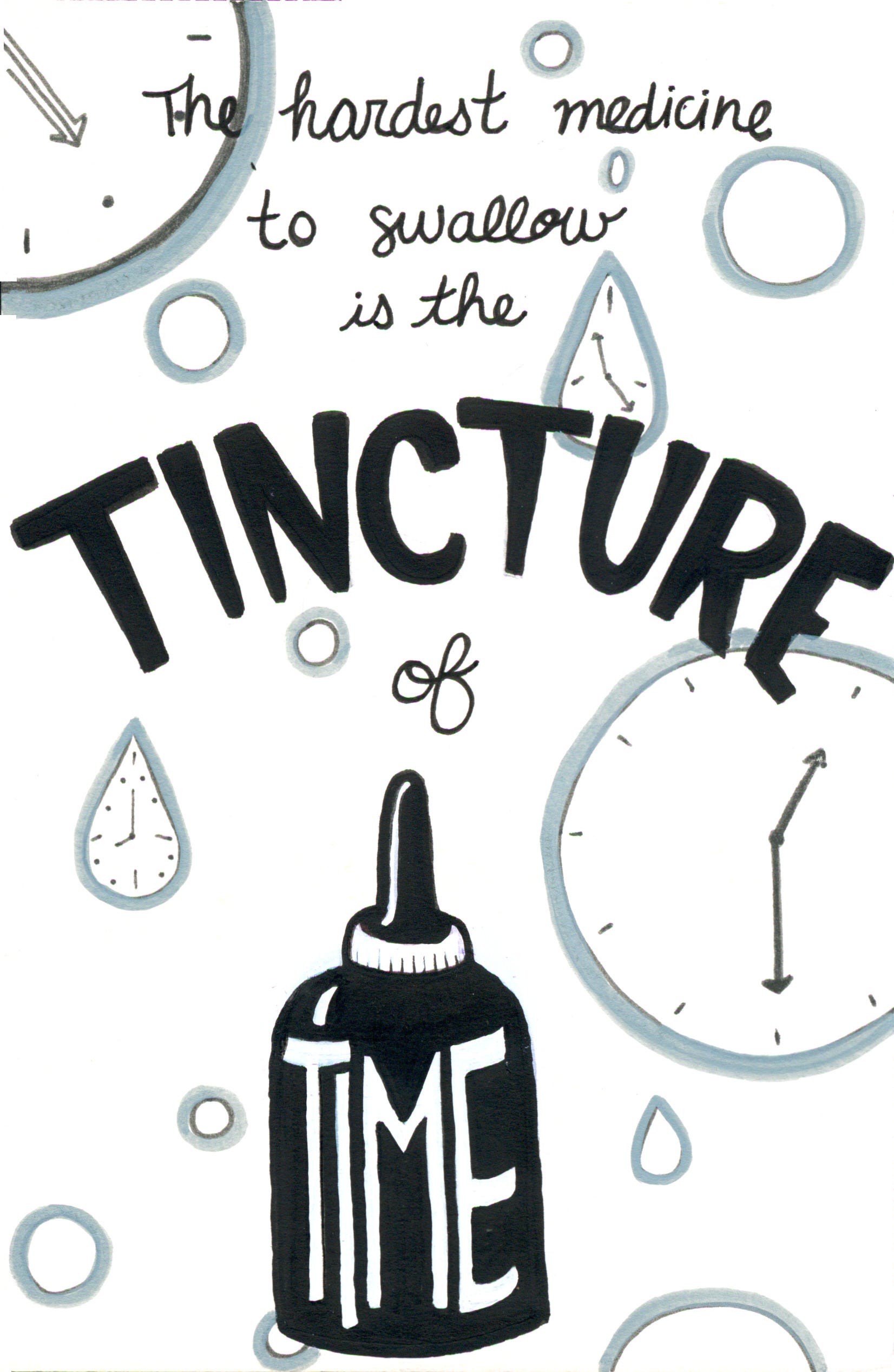
One way to do this is with patience. Yeah, sorry. The tincture of time really is the hardest medicine to swallow. Some of the goals and dreams I had for my career I had to either spread out the timeline for or give up entirely. If it didn’t make me happy or feel balanced, why was I doing it? This ultimately freed up a lot of time to add more self-care and healthy rituals back into my day, something that was not only on my list of top values but was essential for managing my disability.
In regard to my dreams, I knew I wanted to draw a graphic memoir, but my timeline of 2-3 years was unrealistic. These babies take TIME. So I mentally told myself I’d be done in my 50’s but would start the process now. I started drawing my squids back in 2023 with zero expectation for what they would become. And what they became, 3 years later, was a Zine project I was able to launch at a gallery opening where I was displaying my art along with 50+ other trans artists’, something that I never saw coming so quickly! Now, I am about to launch the second Volume of Squid Wit Adventures. Did I finish an entire graphic novel on my original timeline? Absolutely not! But am I doing the work I love? Hell yeah! And this is a win I could celebrate knowing I didn’t abandon myself or my health to achieve.
Sometimes our changes include other people, and this is where it gets tricky. External pressure can be a real bitch when we start to hold our boundaries. Saying no to projects people assume you will jump on quickly raises eyebrows and egos. This happened to me at work when I stopped doing my colleagues paperwork for them. I was in a group of Ops Specialists that were all male, except for me. So naturally I became the team “secretary,” helping fill out expense forms and running budgets for departments. Just because I was the quickest at doing it, and happened to be the only femme presenting person (at the time), I was somehow responsible for everyone else’s bull shit work? Yeah, no. I stopped that shit as soon as I figured out it was causing imbalance in my life. The pushback though? Heavy and strong. Suddenly I wasn’t asked to do certain projects anymore, you know, the stuff I actually liked doing and wanted to continue doing? It’s funny how that works out…
Ultimately, I left that career behind, cashed all of my stock options, moved across the country from Florida to Washington, and started over. Was this the best plan for a person in active recovery from a surgery and new disability? Probably not. But it is what I needed to do to restart my habits and actions and live my best life? Yeah. There was a lot more opportunity here in the world for a graphic memoirist, so it felt like an important move. I was also fleeing my transphobic state so I could finally come out as nonbinary and be my true self! Authenticity is my #1 value, after all. I am happy I leaned into my own values, because that transition was, and still is, hard. I’m still struggling to find balance in my life, especially when it comes to work. But having a well-rounded look at my life has given me sustainable practices that have kept me out of severe hardship and allowed me to thrive in areas I feel most aligned in. Am I still struggling financially? As the big Kool-Aid Man says, “Oh yeah!” But do I feel capable of tackling these problems head on? You betcha!
Have you ever done any values work? What sort of things do you do regularly to tap into those values? Share in the comments below!
Success isn’t a one size fits all endeavor. You have to figure out what matters to you first and then strive to live in those values. Sometimes success is small actions compounded over time, and sometimes it is a temporary accomplishment. Basically, success should be defined by YOU, not other people.
Comments
Nothing yet. Say the first thing.
Sign in to join the conversation.