
I seem to be on a tear this week with these almost daily posts. It’s not my usual rhythm but each new one seems to be flowing right out of the last, so perhaps these most recent three are just chapters in one continuing essay.
Given how often and how crankily I criticize the contemporary Art World, the reader may suspect that I do so out of some wistful nostalgia for a supposedly better time, or a superior artistic order to which I wish we could all return. Just to be absolutely clear, I don’t want anything of the kind, nor would I ever argue for it. I do often wish that our understanding of artistic things could be more freely defined for us by the people who actually make the stuff, but that is as much about a hoped-for future rebirth of that sort of creative autonomy and freedom than pining for some lost and idealized past. One of my first essays that was ever published — written for an online arts magazine about sixteen years ago — took on a reactionary Neo-Classicism that was on the rise at the time in the so-called “Atelier Movement.” In it, I argued that methodology and style (whether self-consciously traditional or conversely innovative) are not where the art happens. It flows instead from the quality of our engagement with whichever method or style we choose, and with how that labor can take us out to something bigger than our own egos, of which all such dogmatically methodological posturing is, to me at least, a mere extension.
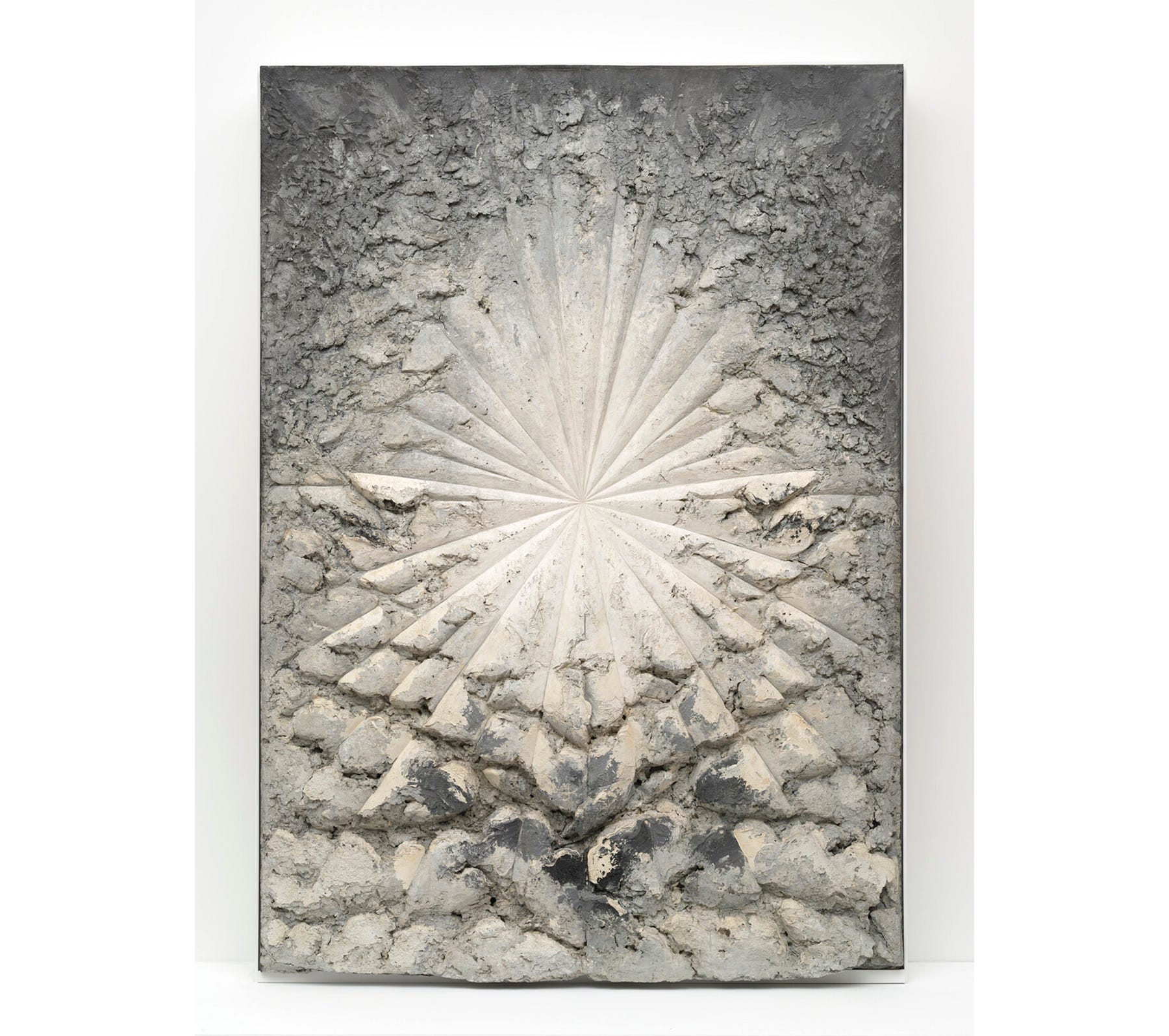
My own aesthetics, and the specifically oil-painted type of picture-making that feel most natural to me, may have their roots in an art history that mostly took place between the end of the eighteenth century and the middle of the twentieth (from Goya and Turner to Bonnard, Porter and Neel), but I see extraordinary art in all the myriad forms that arose over the past century and a half and right up to the present day. So whether we are talking about the evocatively ghosted body imprints of Anna Mendieta, or Anselm Kiefer’s epically-scaled murals of post industrial dissolution and ennui, Jay deFeo’s astonishing The Rose, Jack Whitten’s always mobile experimental arc of painting and assemblage, Donald Judd’s distilled sculptural geometries, or Yoko Ono’s sweet, hopeful conceptual poems — all of this, and so many other things that artists have done in our time are worthy, inspiring, GREAT art in my book. But to me, the most lively and genuinely innovative recent artistic era was the one book-ended between the reigns of two dominant and respectively constraining Academy-to-Market systems — the first being the classically-oriented Parisian Academie and Salon, and the second in the reborn Postmodern academy of art colleges and universities, with its pipeline to international art fairs and mega galleries like Zwirner and Gagosian — whose institutional power has been gradually cemented here in the US between the Reagan and Trump eras.
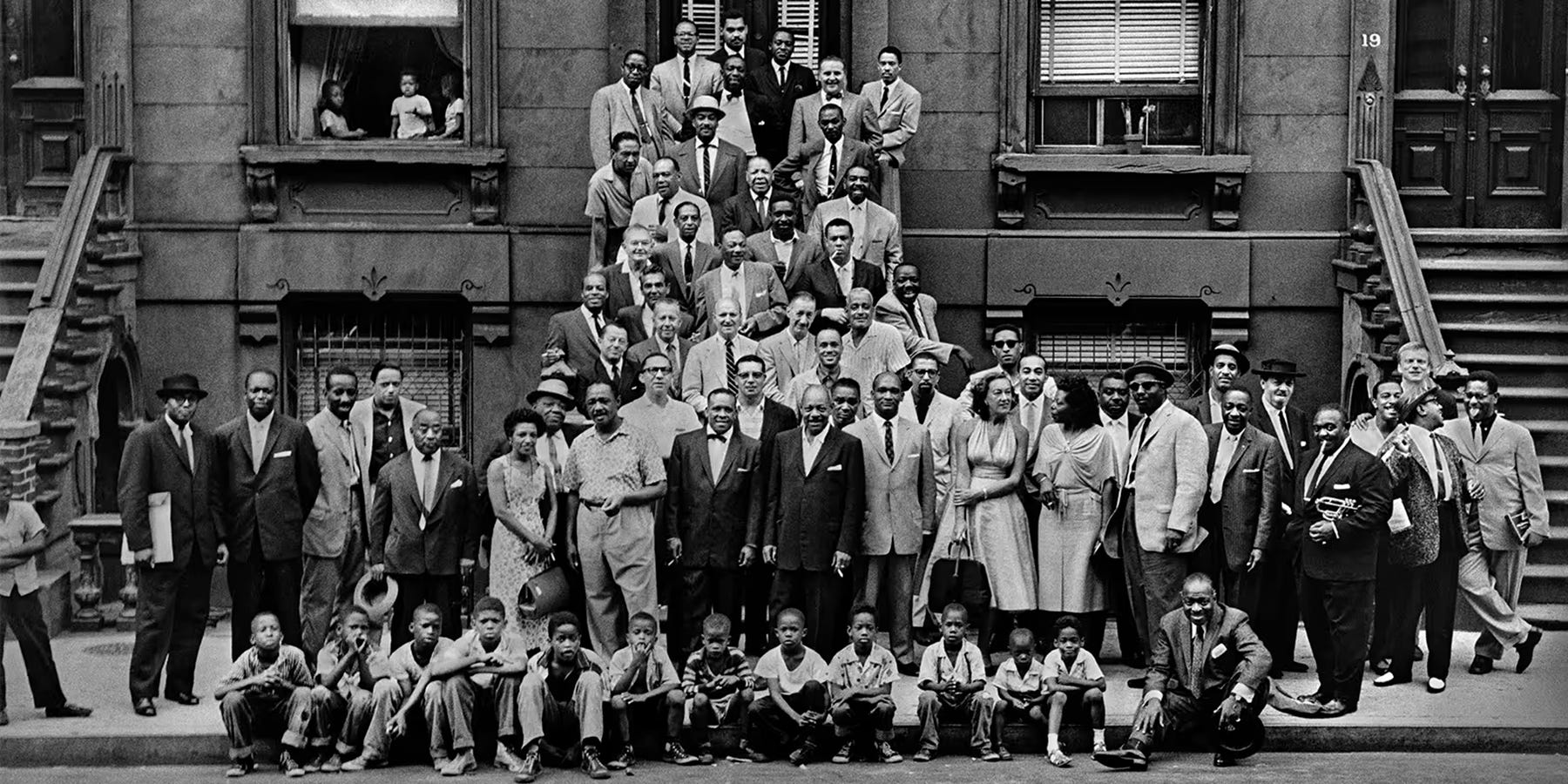
The other astonishingly original creative arc that grew within that same interstitial early-twentieth century epoch of artistic freedom was that of Jazz music, which I increasingly see as one of the highest, most transcendent expressions of true art to which this country of ours has ever given birth, not to mention that it was a movement which inspired and set fire to so many other innovative Modernist forms within the painting that was being done it its time, from Piet Mondrian to Stuart Davis and so many others. The extraordinary subtlety, variety, intelligence and sophistication of Jazz and its “age” should burn to the ground every demeaning racist stereotype that white America has ever attempted to attach to the great black communities that have always formed one of the principally foundational cultural, productive and artistic pillars of every success we have ever achieved as a nation.
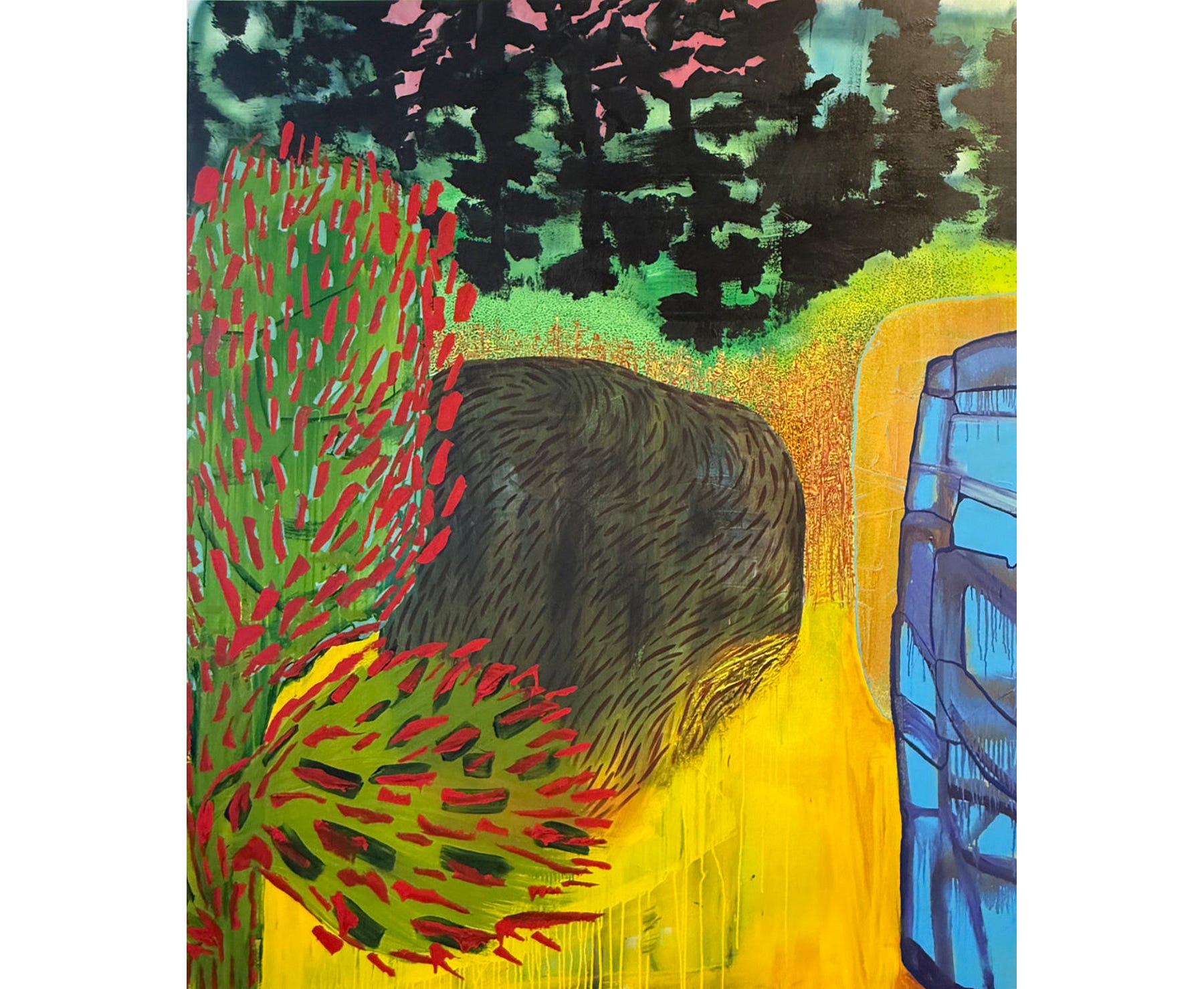
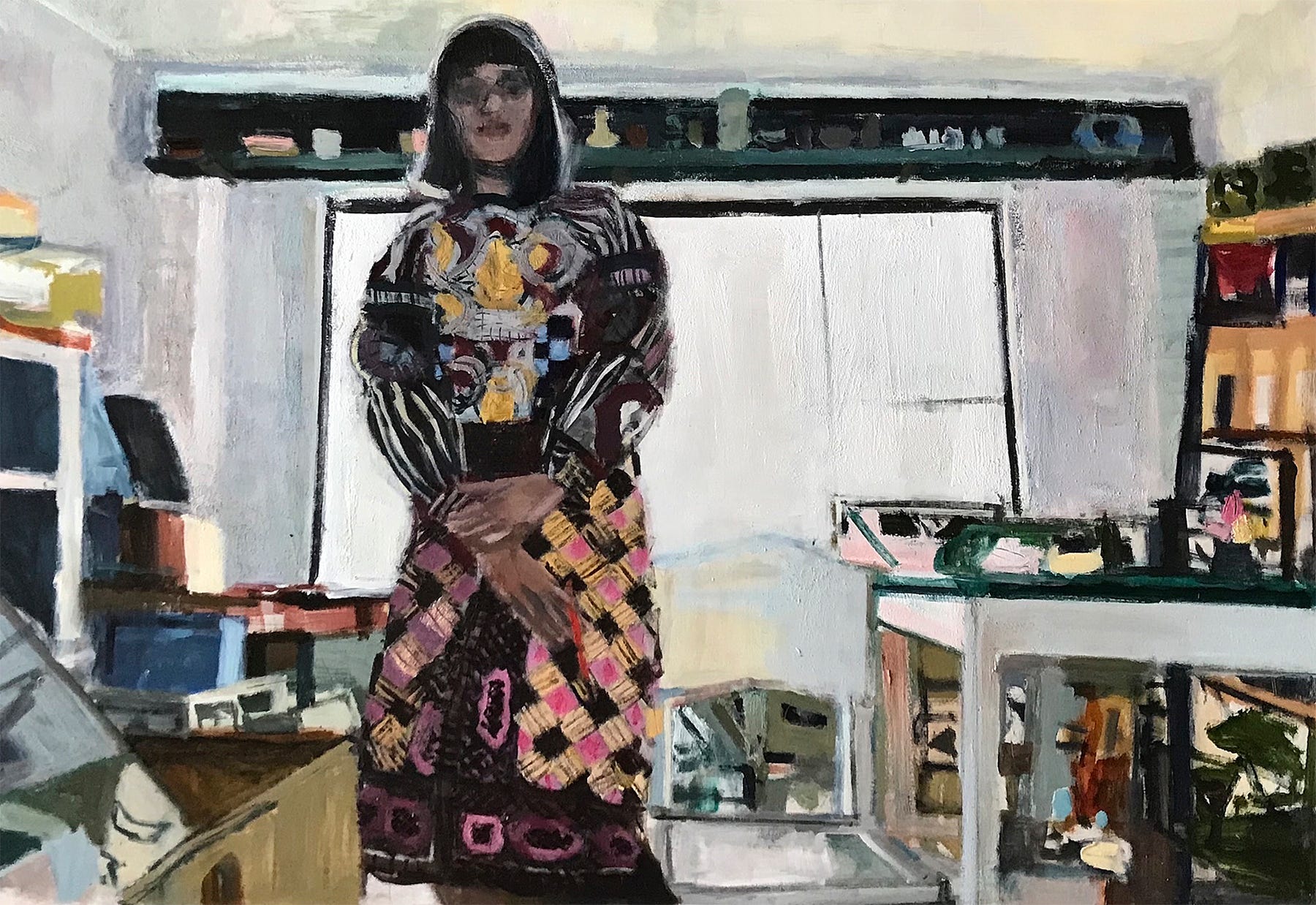
Even in the present day, despite the dominance of the market-driven Art World with which I find so much fault, there are so many outstanding artists working all across the globe, and often well outside the limelight of the academy and art fair buzz to which so much of our print and digital “ink” is devoted. Both elder and younger women especially are among my favorite painters working right now. My good friend and occasional fellow exhibitor, Sue McNally, is a powerfully original painter from my own age group and New England hometown who has made her way on her own terms, largely outside the mainstream market of galleries and fairs, by getting her work into museum collections and shows and in other non-profit venues all over the country. Anh Nguyen, a younger artist who lives and works in Australia, and who I randomly stumbled across on Instagram a few years back, is also one of my favorite contemporary painters, with a style that resonates with the same art historical lineage as my own, but whose pictures never fail to wake me up with their bright freshness and originality.
Art is in the things we make when we are working to the very pinnacle of our own aspirations, however those aspirations may be guided, shaped or defined. Where it does NOT live is in the inflated hammer price at an auction, the gushing runway-show patter of the art consultant class, or in the arcane critical languages and theories of the philosopher, the historian, the reviewer or the curator. We need those folks for sure, but they do not make the art! They are just the audience out in the darkened theater, watching the real stuff happen.
No posts
Comments
Nothing yet. Say the first thing.
Sign in to join the conversation.