
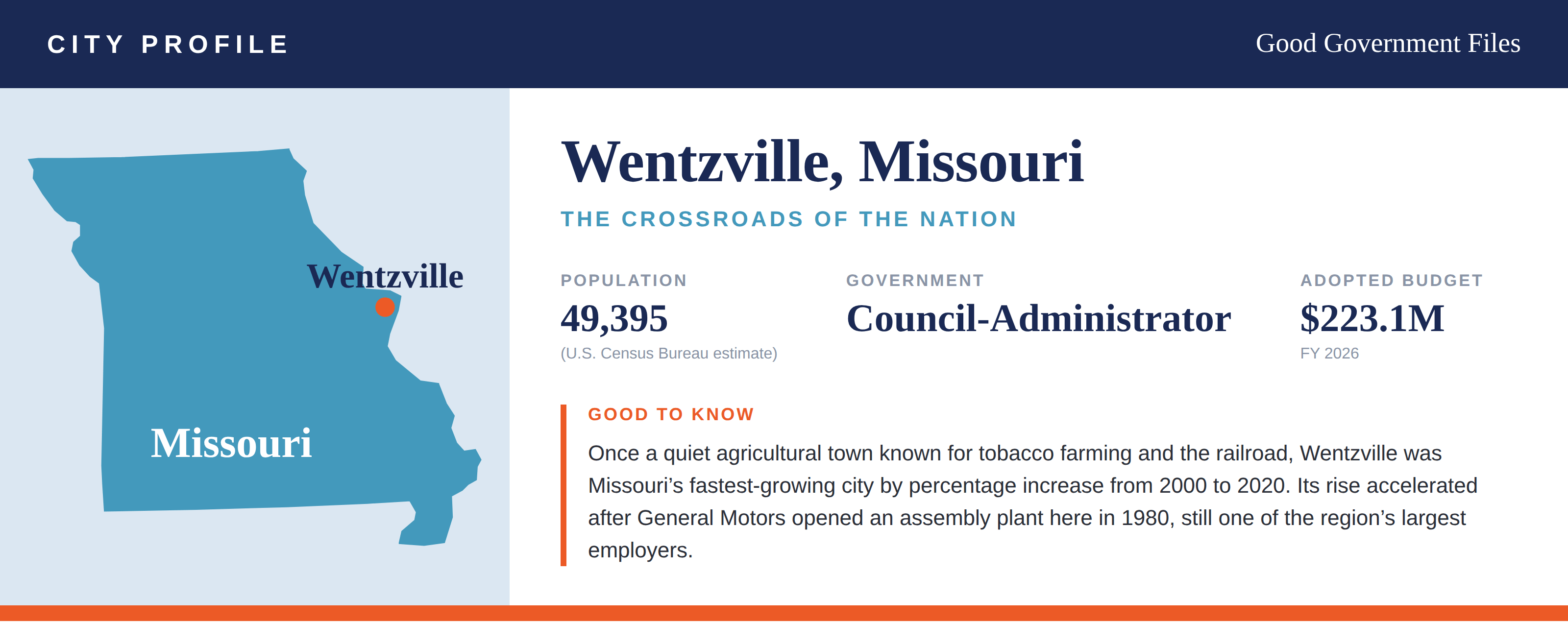
Wentzville, Missouri, calls itself the Crossroads of the Nation. Roads are embedded in the brand. So when Interstate 70, Highway 61, Wentzville Parkway and Route Z all went under construction at once, the city’s identity and its biggest headache became the same thing.
A city can absorb a few hard years. Its small businesses often can’t. A downtown shop running on thin margins doesn’t get to wait out a three- or four-year project. Every detour sign is a reason a regular customer drives somewhere easier.
That’s the problem Kara Roberson’s communications team set out to solve, alongside the city’s economic development office. What they built is one of the better answers I’ve seen to a question every growing city eventually faces.
The city could have gone quiet and hoped people stayed patient. Instead it told the truth. The campaign page admits the construction can be “frustrating right now,” then explains the work is about safety, easing congestion and connectivity. Worse now, better later, said plainly.
I learned that lesson in Round Rock, where road work is a way of life. One of our former mayors, a natural salesman, used to put it this way: things are going to get worse before they get a whole lot better. Wentzville built a campaign on that same honesty.
They called it Worth the Trip, Wentzville. The line reframes the detour instead of apologizing for it. As Roberson put it, “It’s worth that extra bit of effort to support our businesses.”
Here’s where it gets smart. City policy doesn’t let Wentzville promote individual businesses. The toolkit says so plainly: no tagging, no direct endorsement. Most cities treat that as a wall. Wentzville treated it as a design problem.
Rather than promote businesses, the city handed them the means to promote themselves. Editable Canva templates, suggested captions, a phased posting calendar, even a staff member to walk owners through Canva. Businesses dropped in their own names, logos and colors, then posted into the reach of a campaign seen across Facebook, Instagram, LinkedIn and Nextdoor by more than 45,000 followers.
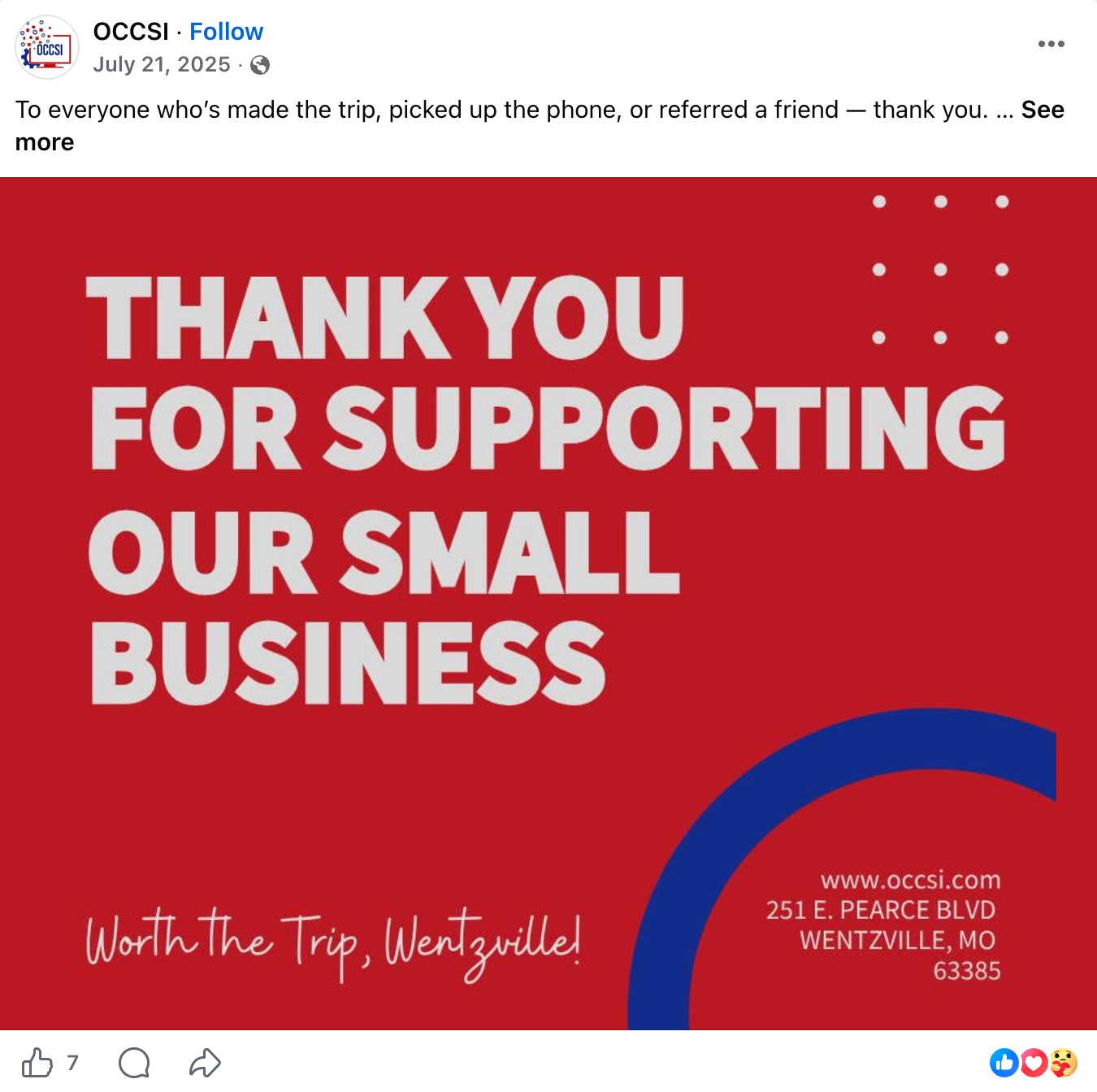
One local shop, OCCSI, recolored the city’s template to its own red and blue and posted it. The city’s logo wasn’t on it. That was the point.
Ben Motil, the city's economic development manager, thinks the real lesson is in the toolkit details and the support behind them. “What I think makes this program unique,” he said, “is taking it that step further and telling them, like, here’s how you use this.” The toolkit doesn’t just hand over graphics. It tells a busy owner when to post: a sale, a holiday, a quiet week. It even wrote the honest lines for them, like one caption that admits downtown is “louder (and dustier) than usual.”
None of it would have worked without two things underneath.
The campaign started in listening. Motil sits on local business groups and heard the worry directly. Before launch, Roberson sat down in person with one vocal business owner, showed her the plan and won her over. That owner then carried the message into her own circles.
It also had strategic cover. The work maps onto three of the city’s published Critical Success Factors: Regional Destination, Infrastructure Connectivity, and Economic Vitality. The construction itself is the city delivering on connectivity. Leadership didn’t need much convincing, because the campaign served priorities the council had already set.
The campaign numbers are strong. More than 217,000 video views, more than 39,000 eNewsletter opens, thousands of website interactions. Roberson watches engagement more than raw views, because engagement tells her people are connecting with the message. Sales tax dipped during construction and has leveled back up, and Motil won’t claim the campaign caused that. “I wouldn’t know how to ... tie it to, like, a specific campaign,” he said. That level of honesty builds the kind of credibility governments could use more of these days.
Wentzville wasn’t working from my 5 Elements framework. This is how high-performing cities operate. But the campaign maps onto it so cleanly it’s worth pointing out.
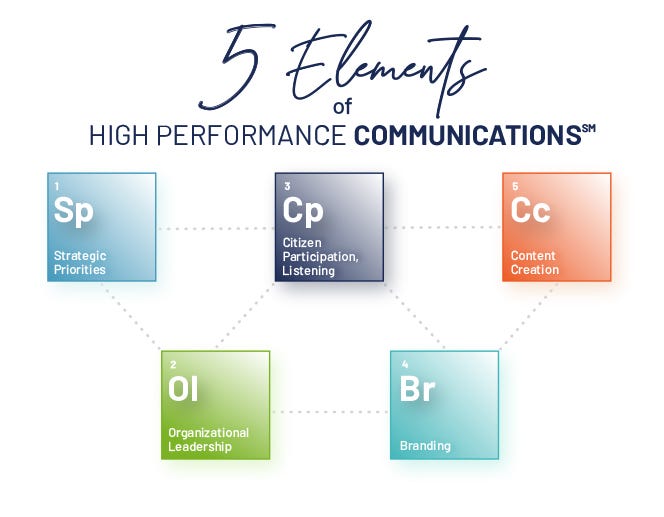
Three of the elements carry this story.
Strategic priorities gave the work its spine. The Critical Success Factors and the no-favorites policy shaped every decision that followed.
Brand gave it truth. A city with a tagline centered on roads was honest enough to admit the roads are a mess, and confident enough to make that admission part of the pitch.
Put those two together and the content delivers. Editable, portable, occasionally funny, easy for a tired shop owner to use. That’s one of my favorite equations in one project: Strategy + Brand = Killer Content. The content works because the two elements beneath it are solid.
A city can survive a long construction project. Its small businesses need help to endure one. Wentzville’s answer was to stay true to what it is, tell the truth about a hard season, and make it easy for its businesses to carry the message farther than the city could reach alone.
As the campaign page says, downtown is “still vibrant. And still the heart of our City.”
Worth the trip, indeed.
Onward and Upward.
Strategy + Brand = Killer Content is the equation I taught this week at the Certified Public Communicator program at TCU. Wentzville shows what it looks like when strategy and brand are in alignment. Helping organizations get there is the work I do at Hampton Public and with SGR.
No posts
Comments
Nothing yet. Say the first thing.
Sign in to join the conversation.