
Since the turn of the century, one of the biggest demographic shifts in Boston and Massachusetts has been the increase in our foreign-born population (“newcomers”).
Despite this, there is almost no public information or state reporting on newcomer student enrollment and performance.
That is what makes this report released this week by the Annenberg Institute (and a previous report in 2023) so interesting, as one of the few data sources available on the topic (aside from relying on language status as a bad proxy).
It’s dense, so three big themes/nuggets:
Variability: Newcomers are often lumped into one big group, but there are variations by countries of origin, by income status, and how homogenous/heterogeneous enrollment is within districts
Graduation: Rates have been improving, and appear to have jumped with the drop of the MCAS graduation requirement
Timing: When newcomers arrive and at what grade level (particularly at high school ages) has big implications for programming and outcomes
But this is the graph that gathered headlines.
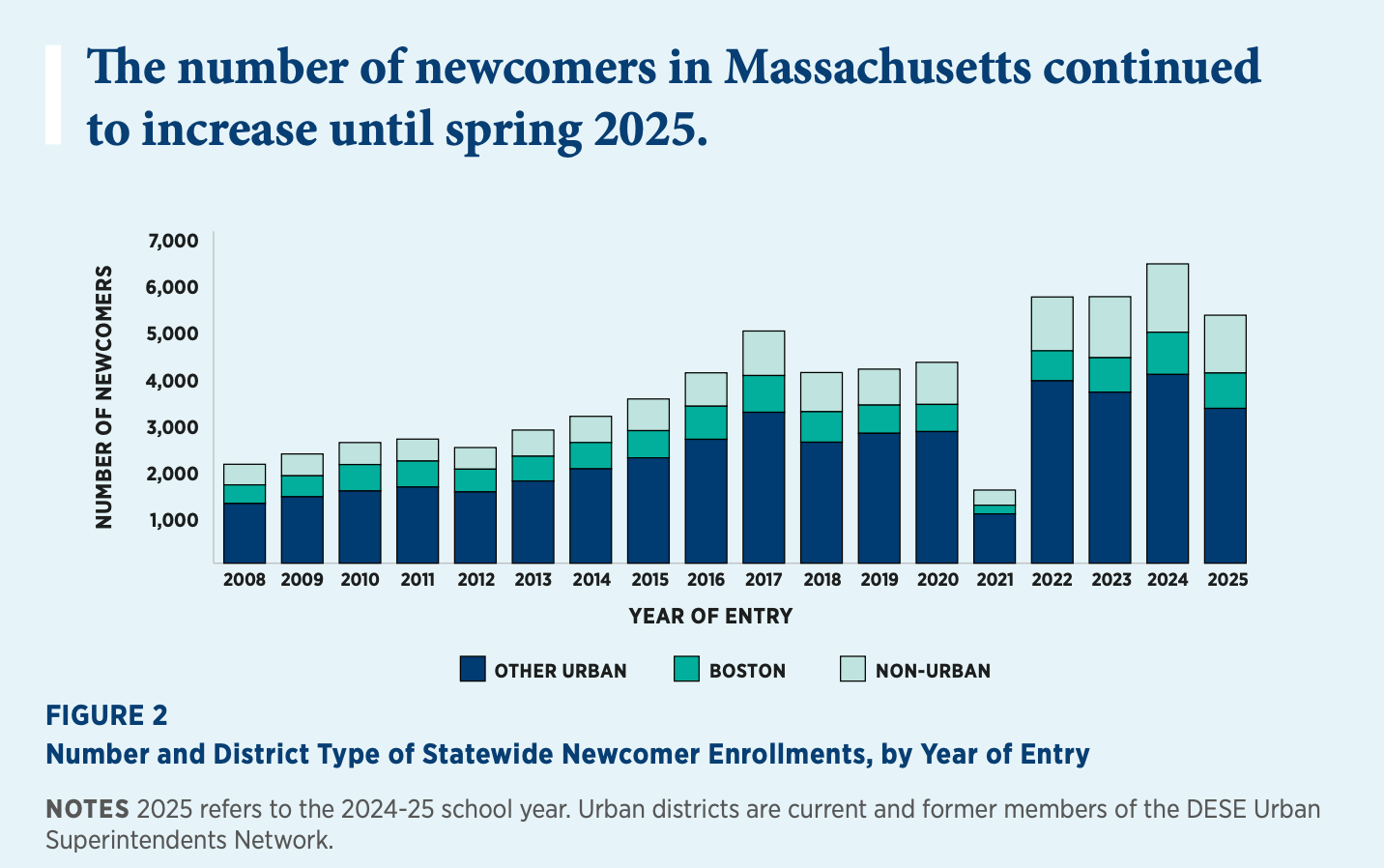
The 2025 drop is likely due to the shift in federal immigration policies, which also happened during the first Trump presidency.
But don’t less recency bias get the best of you. Even with the drop last spring, newcomer enrollments are still significantly higher than any year before 2021.
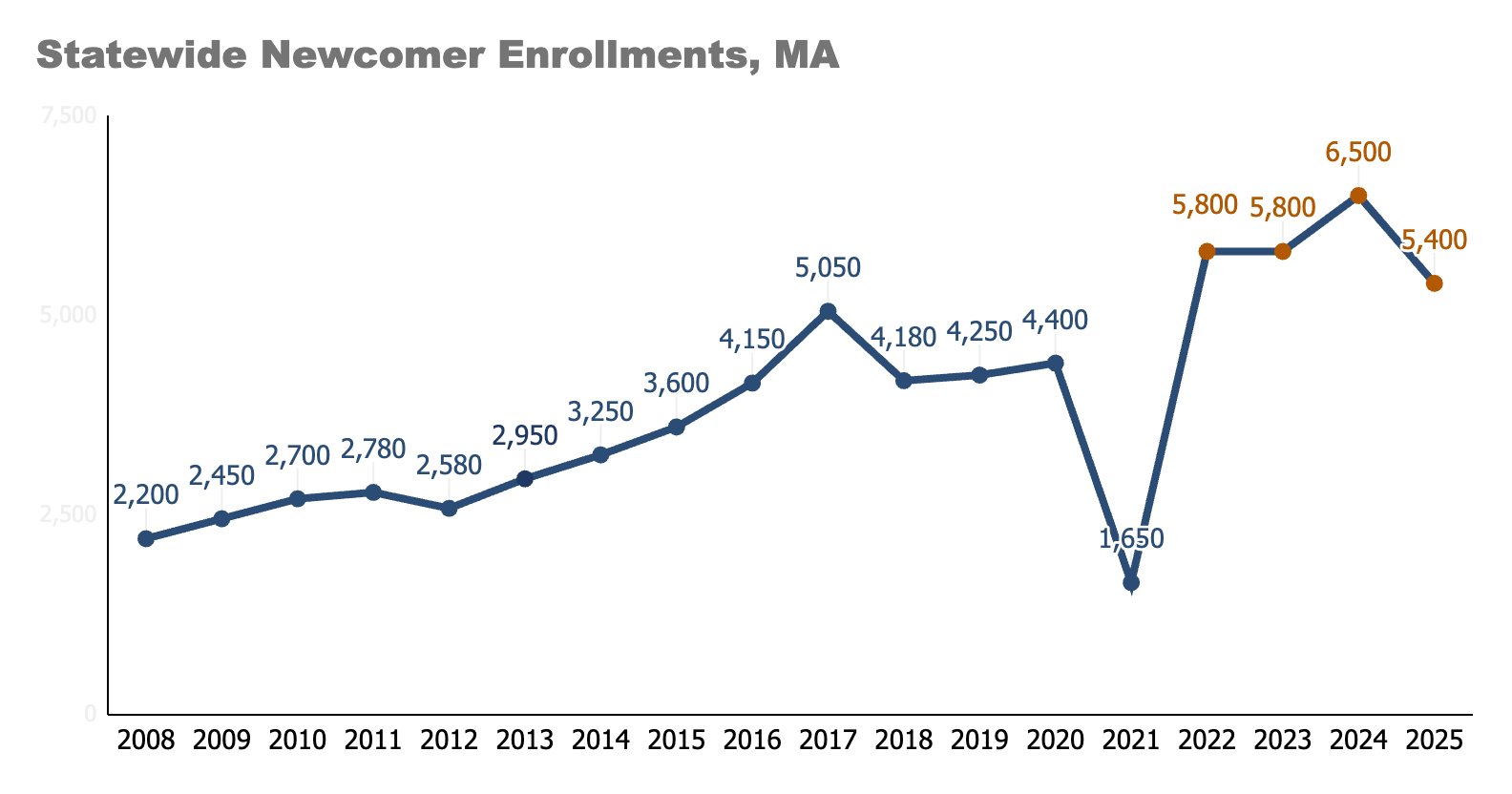
(Estimates used for each graph and data point; the report does not provide raw data, so figures are extrapolated from the graphs and data tables)
Your eyes may have gone to the decrease in Boston. But since 2021, newcomer enrollment in Boston is still net positive (~80). A long-term view shows newcomer enrollments to be pretty consistent in Boston.
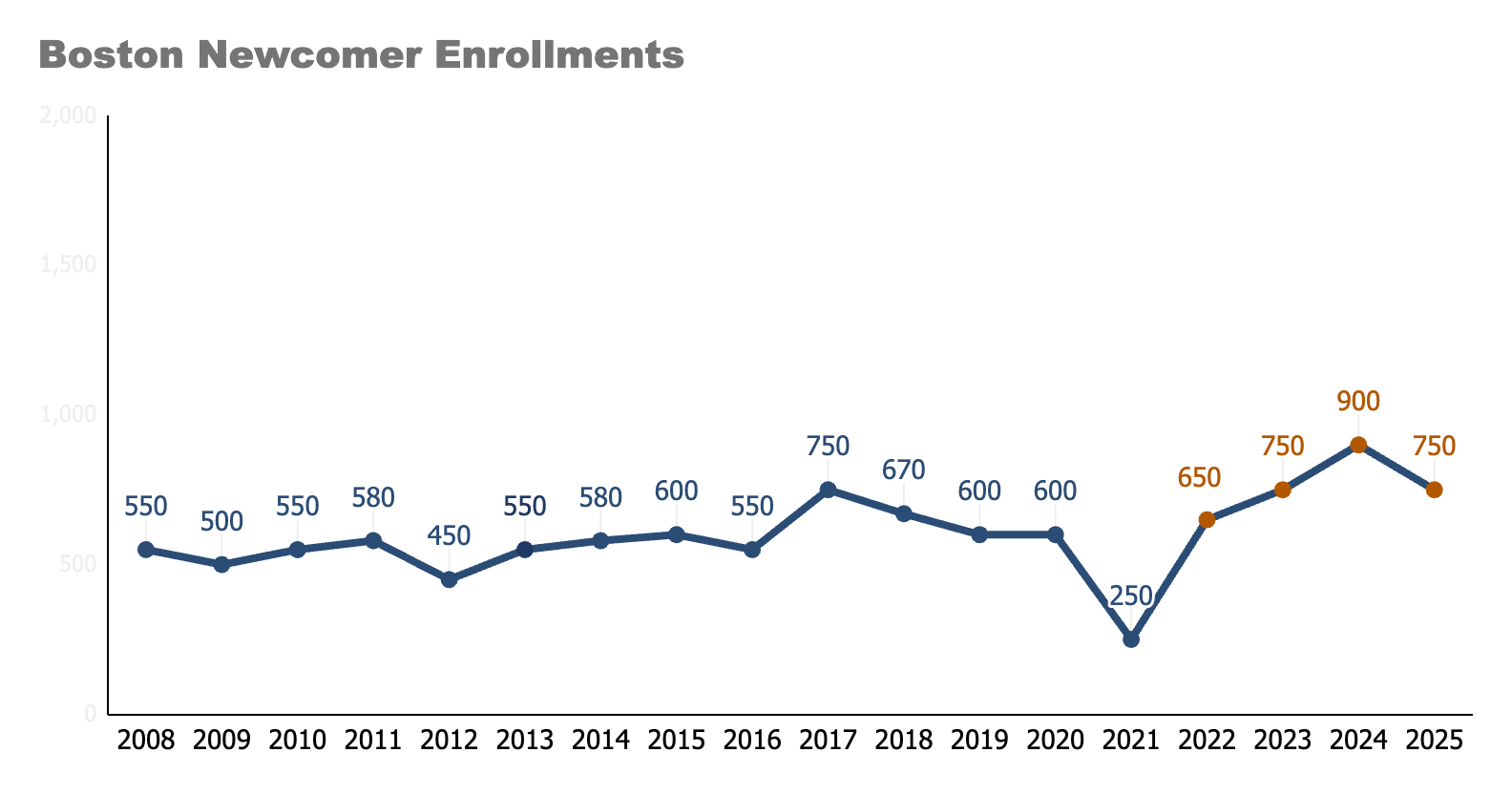
The 2025 spring drop amounts to 0.3% of BPS enrollment.
A trend to monitor and that could grow? Sure. The reason for significant enrollment declines? No.
Boston and other cities aren’t even the biggest development. The greatest (and sharpest) percentage increases over time have been in non-urban communities.
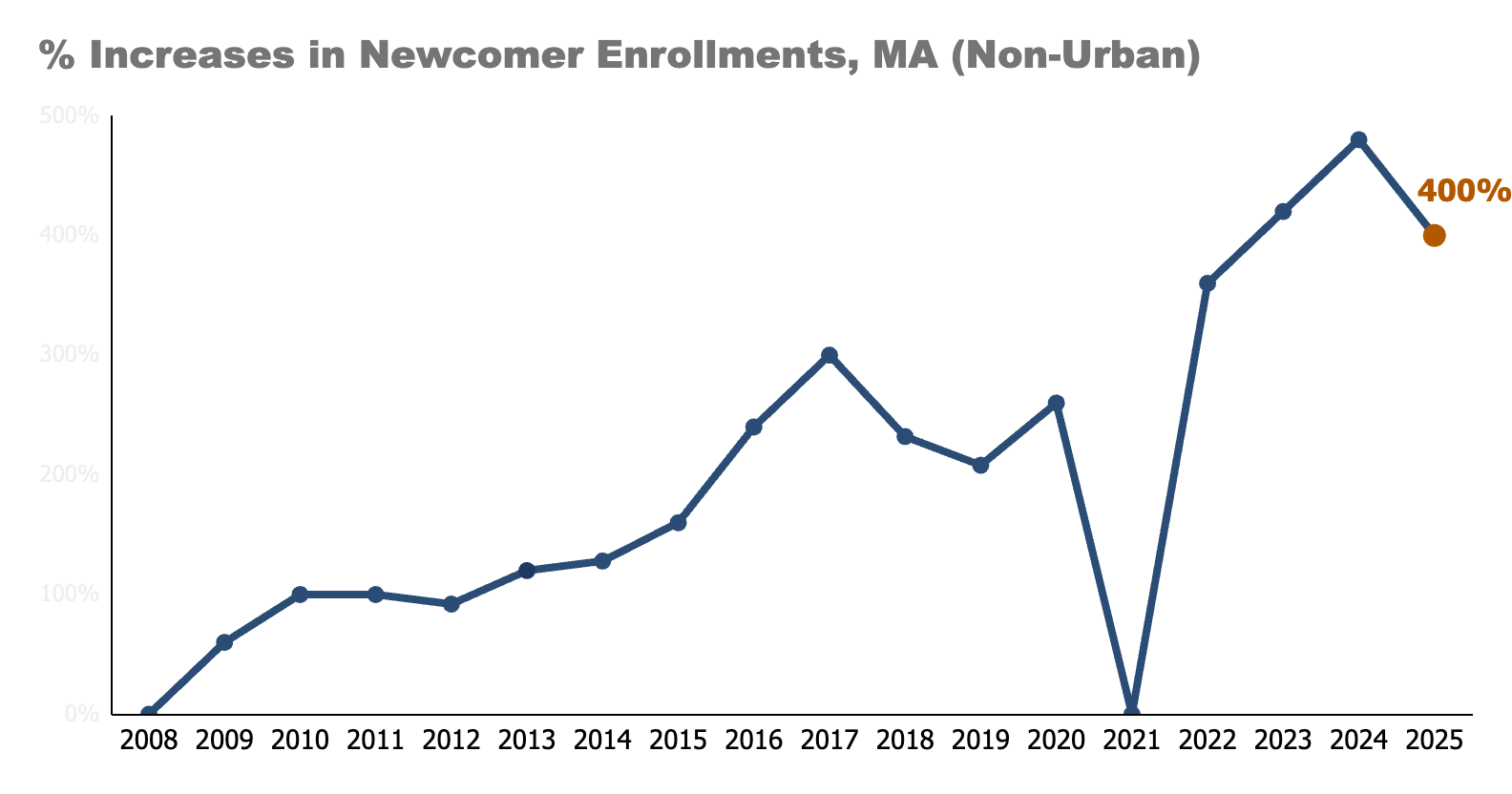
Probably not a coincidence that immigration emerged quickly as a leading policy and political issue by 2023.
This of course misses the point that immigration is the only positive enrollment development pushing against Massachusetts demographic headwinds (i.e., lower birth rates, high housing prices, etc.). From 2008 to 2025, Massachusetts public school enrollment declined by ~46,000 students. Imagine how even more difficult the budgetary and staffing issues in schools would be now without ~70,000 newcomers, forestalling a more significant enrollment decline.
It is hard to imagine a growing, high-performing public school system in Massachusetts without newcomers. And there should be significantly more data and research - not just a report every three years - to better support them.
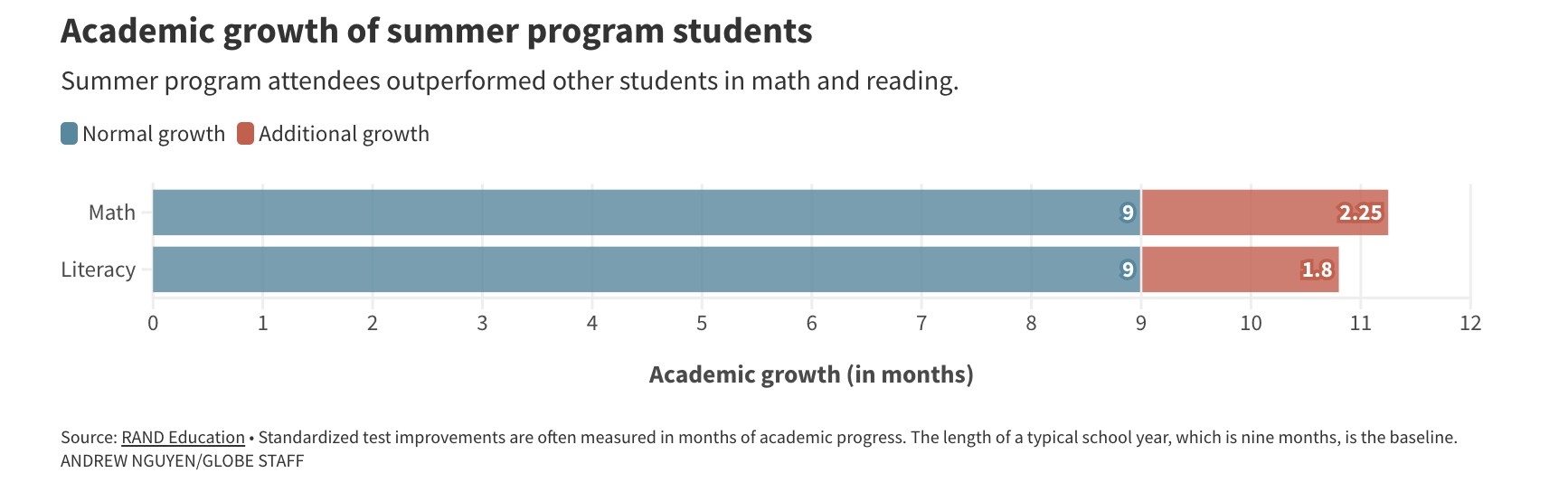
The city has seen a slight dip in student summer activities. Still, the “Fifth Quarter” remains one of the big education success stories of the last decade.
Boston Green Academy, which originally opened in the former South Boston High School building, may be moving back there.
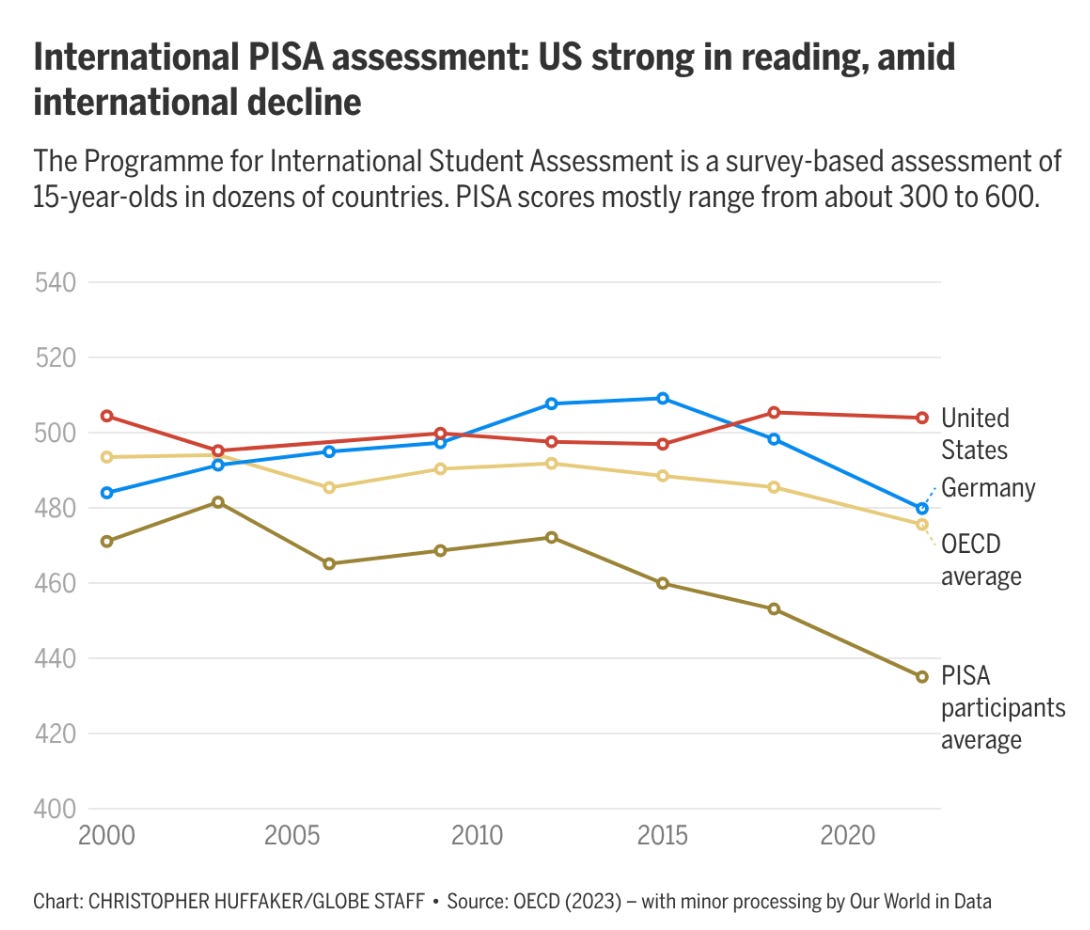
This week’s Boston Globe Great Divide newsletter featured some interesting data that positions US student achievement well when compared to many of its international peers.
Should Massachusetts graduation standards include end-of-course assessments? If there was one thing I learned supporting the losing effort to keep the MCAS graduation requirement, calling something a “standardized test” - whether or not that is accurate - makes it unpopular fast.
Too often in education, (1) things aren’t implemented well, or (2) things sound good, but aren’t good or real (e.g., “learning styles,” three-cueing in reading). Examples here.
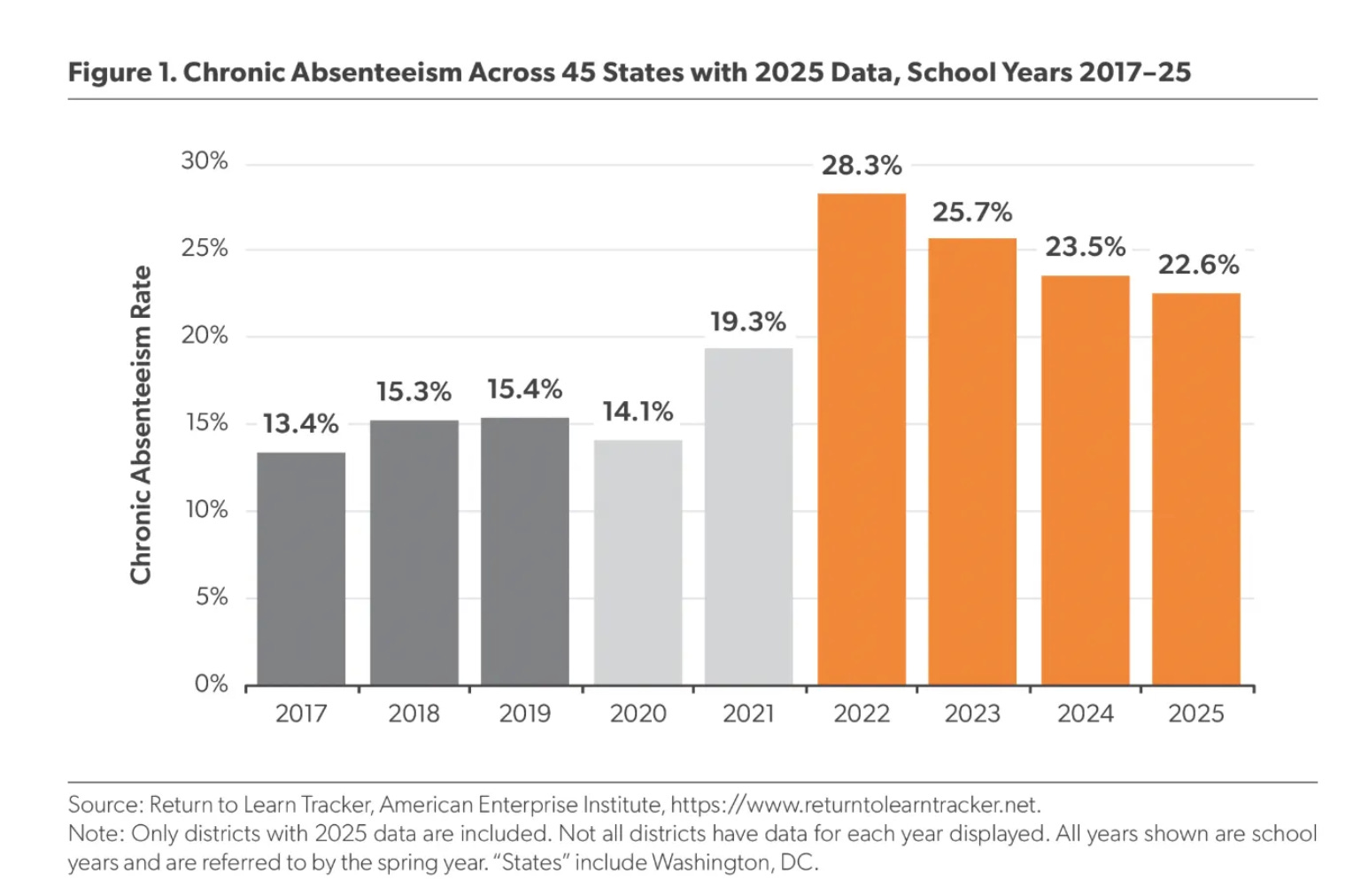
Absenteeism levels have never shifted back to baseline post-pandemic.
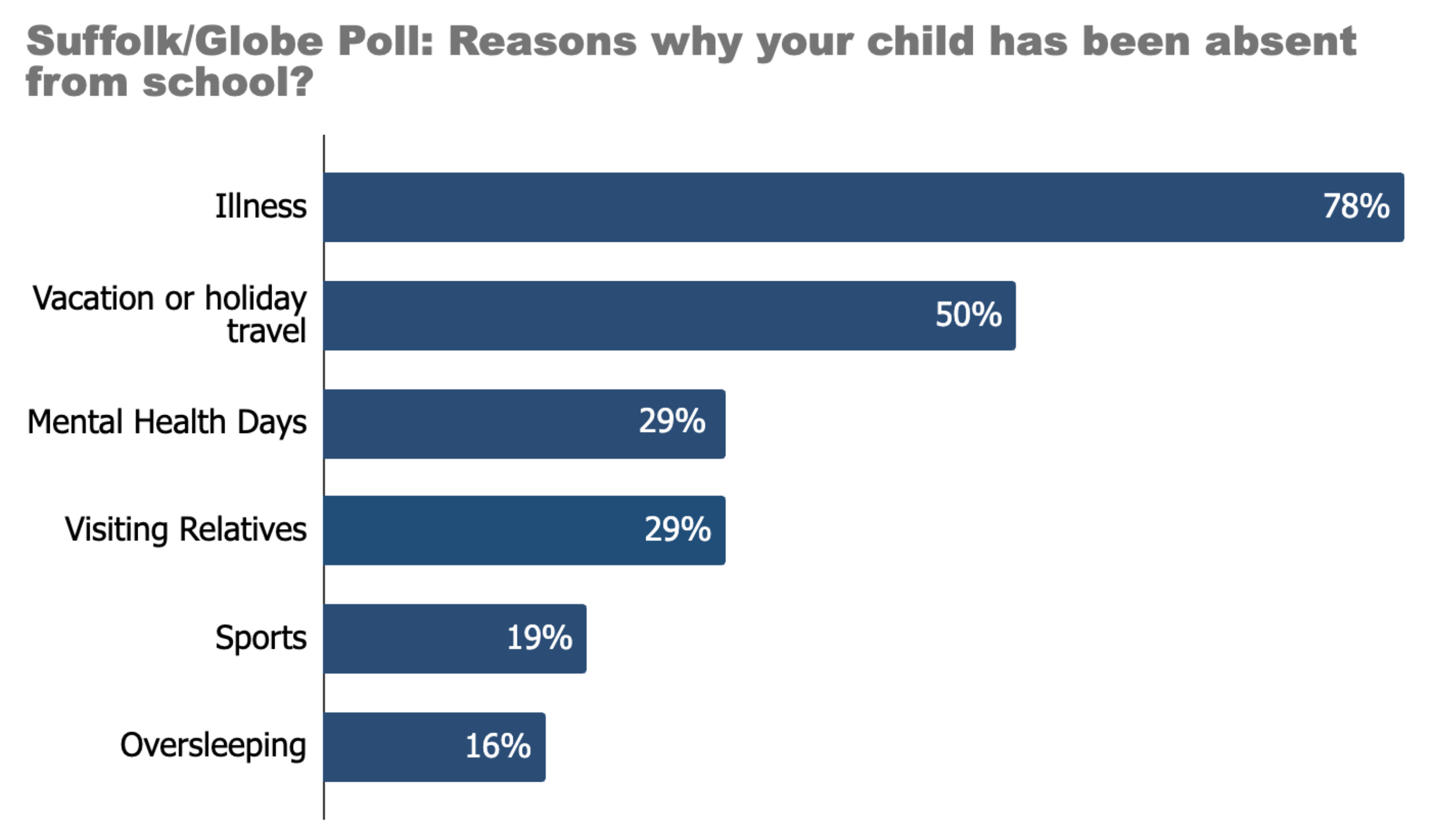
Why? Reminder that recent MA polling data confirms that attitudes on missing school days may have permanently shifted; saving money on a trip or going to a lacrosse tournament is now a good enough reason to skip.
Housing affordability geared towards teachers.
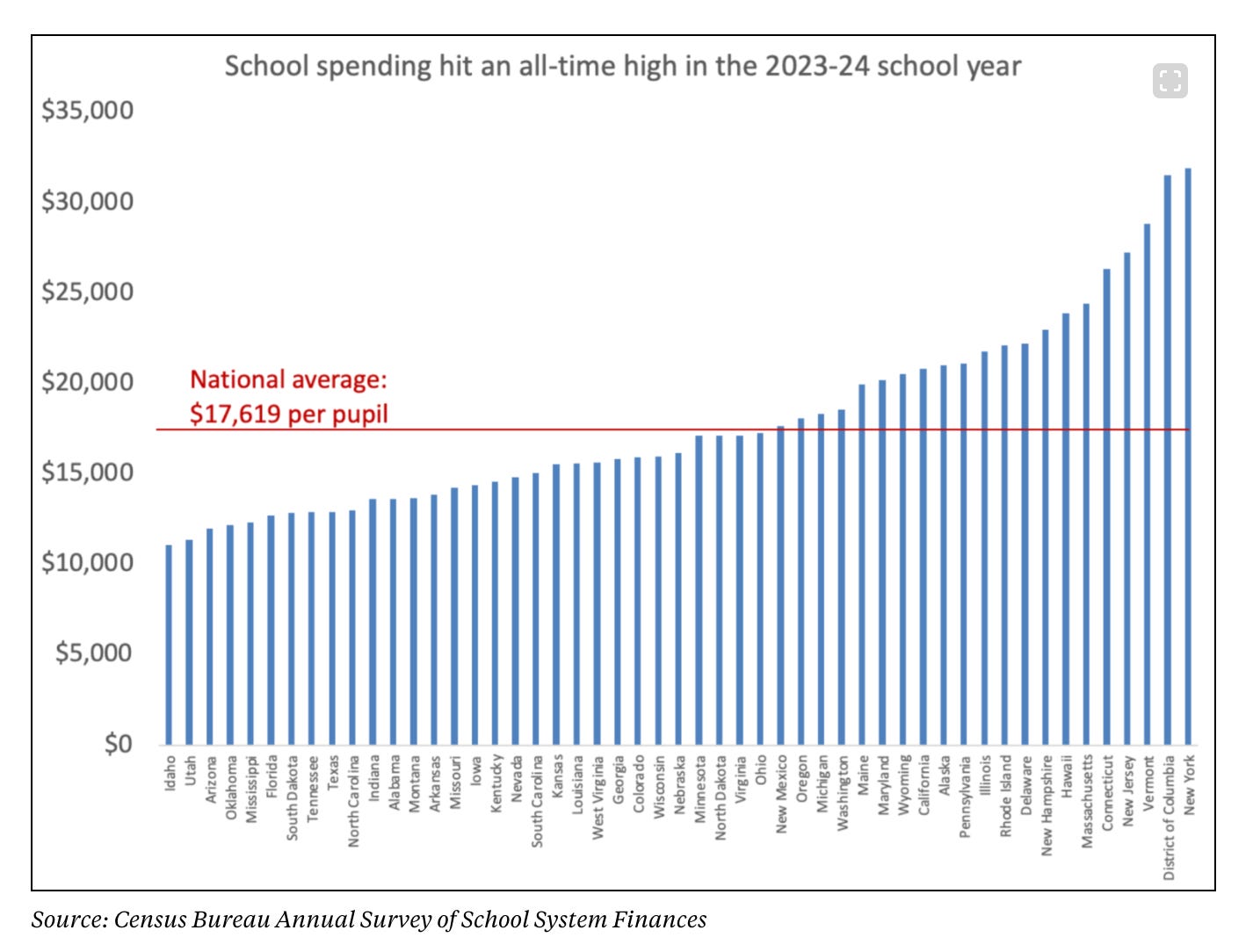
A good summary of macro school spending trends.
School buses are usually a local matter, but not when the Attorney General is getting towns money back because of collusion by bus companies and US Senators are raising safety concerns.
With lottery profits down, there is only one logical conclusion: let people play the lottery online. Legal, but still a bad idea.
Another good summary of what the new federal housing bill does (not to do) for Massachusetts.
Comments
Nothing yet. Say the first thing.
Sign in to join the conversation.