
Note: This was originally published August 27, 2020
Want to feel inspired and uplifted? Just read science.
These are hard times: a global pandemic, economic depression, racial injustice, huge wildfires, worsening wealth inequality, massive ecological destruction and much more besides. Sometimes it gets a bit much.
One prescription that gives me continual hope is reading science. Each morning I start by reading a few articles in Nature magazine. Seeing the incredible march of science towards greater understanding of the universe — and ourselves within it — is inspiring and up-lifting. It is like an unstoppable train. It is miraculous that the universe is understandable at all; and we are doing so at a breathtaking pace, it’s incredible to observe; to peer in on these fast paced gains as the happen. And unlike many hope strategies, it succeed not through escapism, but via hard facts about reality and our understanding of it.
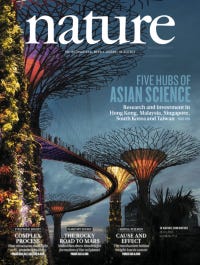
It’s like peering into the future — because the scientific advances one reads typically lead to practical human applications a decade or more after the fundamentals are understood.
Take this article I read today (screenshot below) — in this case peering into the past not future! In it, humanity is observing a galaxy as it was 12 billion years ago, just 1.5 billion years after the big bang. Yet we’re able to resolve it, despite its insane distance from us, measure the movement of gasses circling it and theorise its formationo. (I say ‘we’ because it feels to me a human accomplishment).
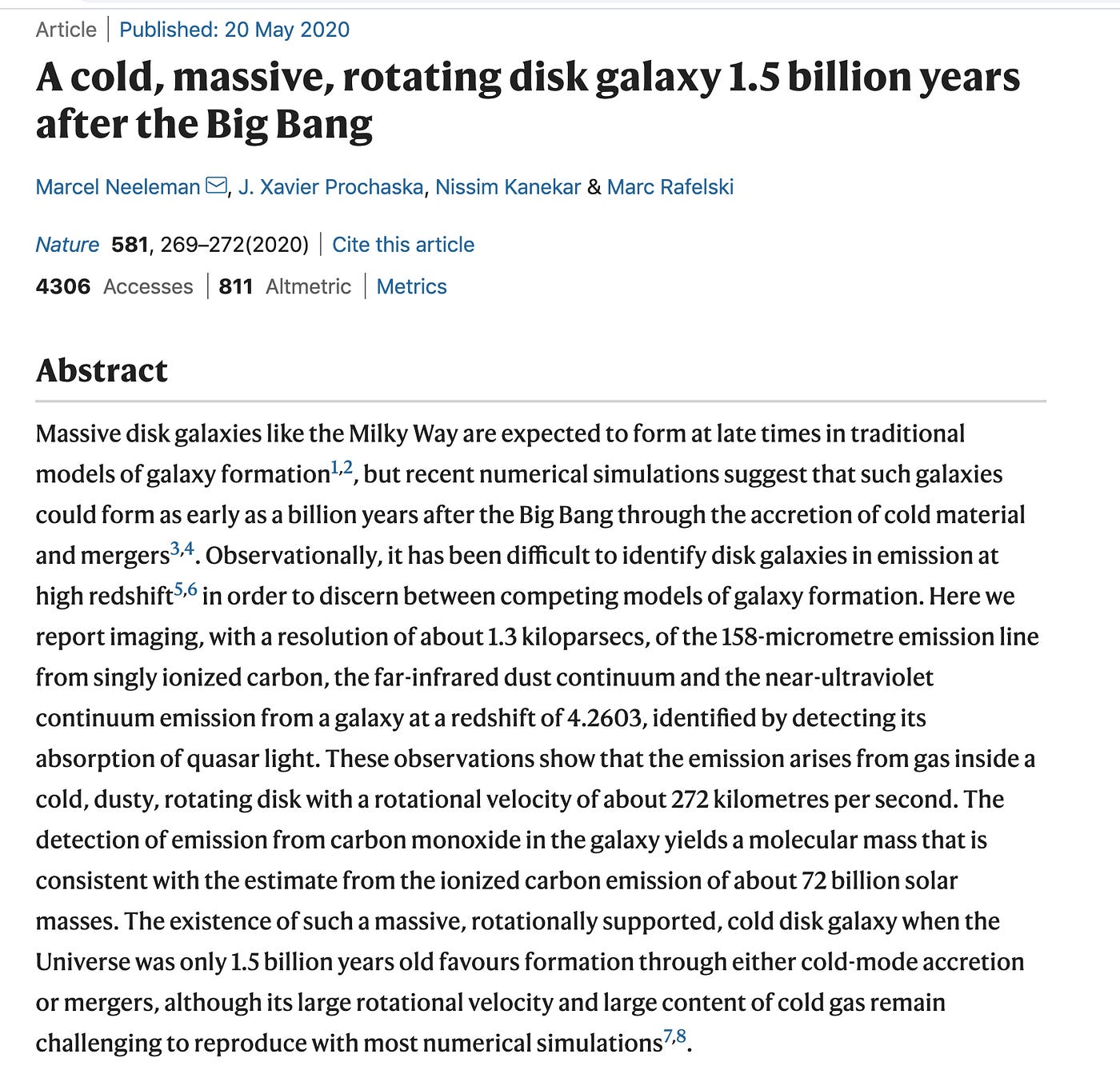
The observation is astonishing because the galaxy and its gas disk around it (which alone masses 72 billion suns!) formed considerably earlier in cosmic history than previous disks observed, and earlier than thought possible by many astronomers computer simulations — thus the observation helps constrain theories on early galaxy formation.
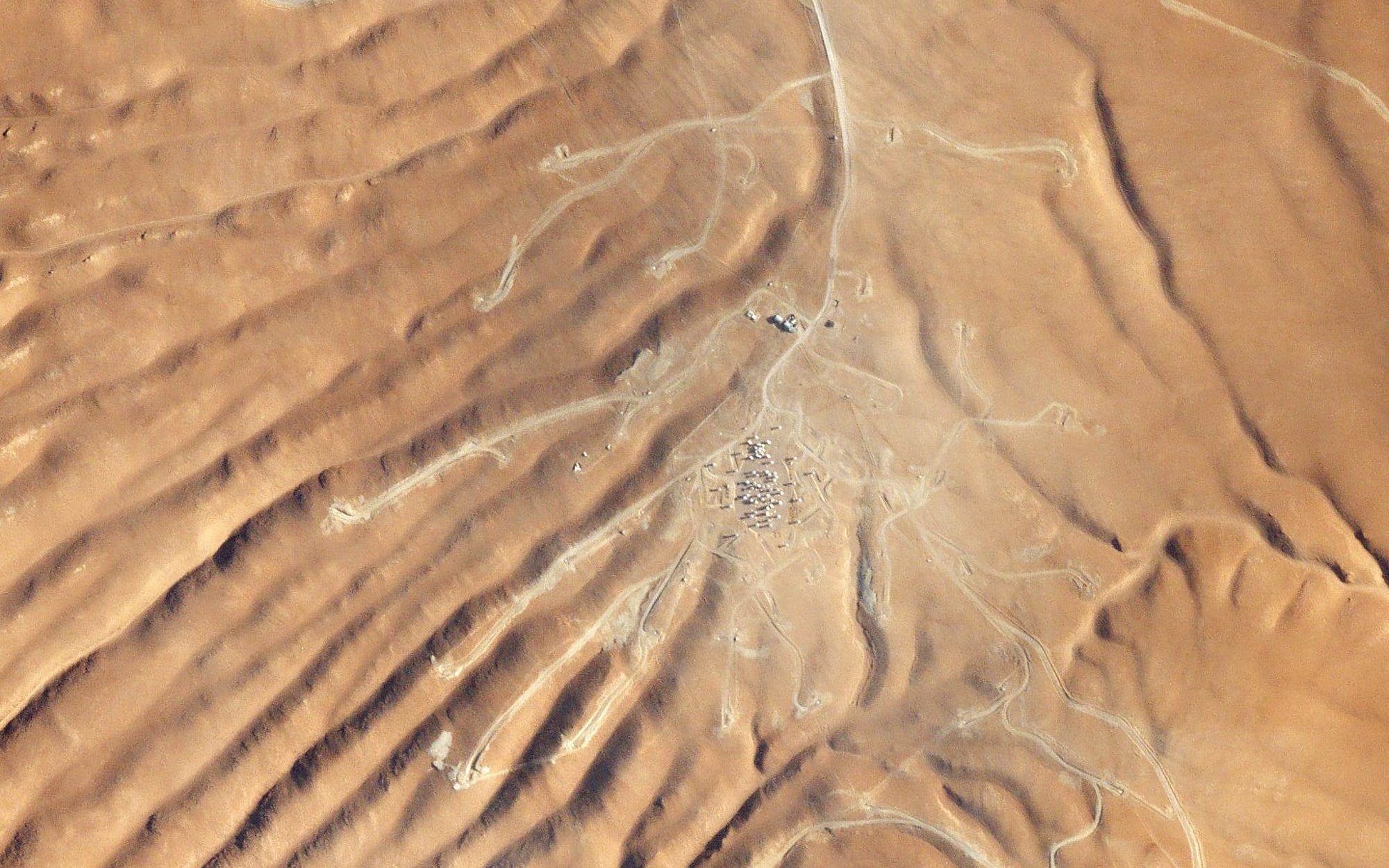
The technical feat is amazing…they are using a facility in Chile called ALMA, high in the Atacama deserts still clear air. If you’ve not heard about it it’s worth reading up— it’s the Hubble space telescope of microwaves. The facility is a significant (order of magnitude or more) advance on its predecessors and is unlocking many secrets due to incredible resolving power. It’s an array of 66 microwave telescopes each 12 meters diameter whose signals are combined such that it sees like it was vastly larger than each dish.
I sometimes observe the facility from Planet satellites — as they are regularly on the move — they move the distance between the dishes along rails to optimise observations that the different astronomers request.
But so is the sociological feat… it was a truly global effort — so common in science today but inspiring and continuing apace (even as politics looks so depressing). The team of four are from far-flung places of Germany, California, Japan and India. And they of course are just the tip of the iceberg as this facility was built by a consortium of 21 countries and presumably thousands of scientists and engineers.
There are many articles I could have picked from in any Nature magazine. The march of science is nothing short of breathtaking. Incredible ingenuity. Inspiring collaboration. Eye-opening results.
No posts
Comments
Nothing yet. Say the first thing.
Sign in to join the conversation.