
According to the Pentagon, the current war between Iran and the United States, together with Israel, is mainly about a nuclear weapons program still in development, one that would upset the balance of power in West Asia. But it is really being fought over 33 kilometers of water that no international court can arbitrate, because Hormuz is not international waters. It belongs to the Iranian and Omani coastlines. The 14-point memorandum signed in June recognizes this in Article 5, which gives Iran and Oman joint administration of the strait, under a fee system similar to what Turkey charges in the Bosphorus or Australia charges in the Torres Strait. No one questions those two sovereignties, which makes it more striking that President Trump signed that point and, three weeks later, treated it as worthless paper.
On July 10, in Muscat, technical meetings meant to implement the ceasefire turned into a US ultimatum. Washington demanded that Iran give up de facto control it had already secured and accept an inspection system run indirectly by the US Navy. Iran walked away from the table, and the next day, on the 11th, missiles struck 140 Iranian military targets. Iran retaliated against bases in Jordan, Qatar, Kuwait, and Bahrain. These are the variables behind who has time on their side, Iran, while on the other side the United States has deployed forces ten thousand kilometers from its own territory to enforce a right that international law does not grant it.
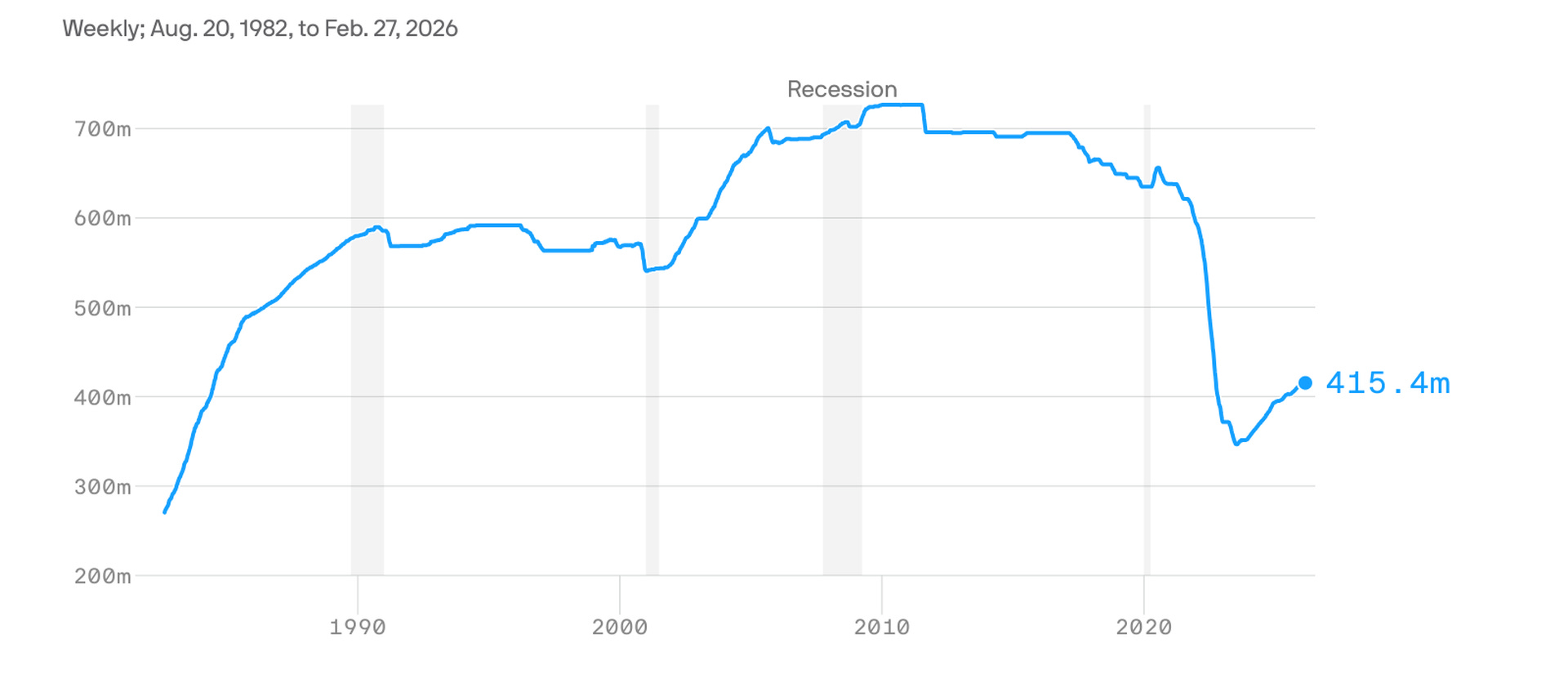
What is pushing this toward collapse lives in Washington’s strategic oil storage. The Energy Information Administration recorded a drop of 6.2 million barrels in the week ending July 3, down to 319.5 million barrels, the lowest level since April 1983, barely 44% of installed capacity. Because of this, thirty-two countries in the International Energy Agency had to unanimously agree to release 400 million barrels from their own reserves, a coordinated move that only gets triggered by a shock of historic scale. Iran, meanwhile, keeps the passage closed only to its own tankers and to those of Russia and China. Each side is racing against a different clock, and the Trump administration is hanging by a thread.
Beneath the geography lies a second layer, and it is that Iranian deterrence does not depend on building the weapon or an atomic bomb, but on staying at the threshold, right before building it. The International Atomic Energy Agency documented that Iran had accumulated 440.9 kilograms of uranium enriched to 60 percent by the time of the mid-2025 attacks. Independent technical analyses estimate that this material could be converted to weapons grade in one to three weeks, enough for nine devices. Three weeks of bombing left that distance exactly where it was, and yet today more voices among Iranian politicians and analysts are calling for crossing that threshold once and for all.
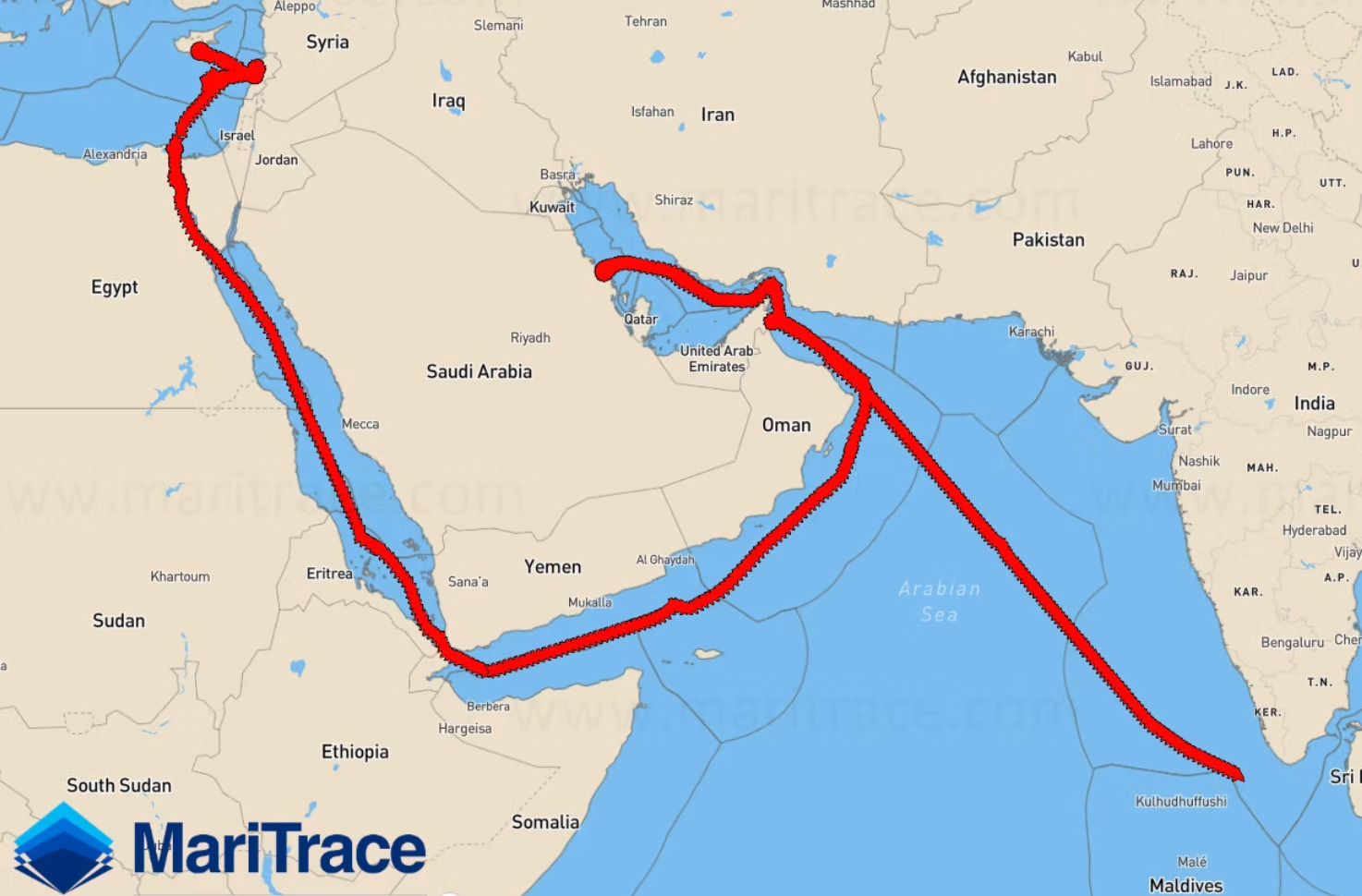
Geographic alternatives to the Strait of Hormuz do not exist either, because the Al Hajar mountain range, which separates the Omani coast from the rest of the United Arab Emirates, drives up both the cost and the volume needed to cross by land instead of by sea. No investor wants to finance multi-billion-dollar infrastructure for a closure the market still sees as temporary, which is why Saudi Arabia, the UAE, Qatar, Kuwait, and Bahrain remain tied to Hormuz.
While the oil monarchies lose ground, the war-risk maritime insurance market, the P&I Clubs and the Lloyd’s syndicates, reprice shipping risk hour by hour based on actual traffic through the strait. Washington plays that same financial game when it suits its interests. The unilateral revocation of the license that had allowed Iran to sell oil at market prices, a decision worth billions of dollars, convinced Tehran that no signed agreement survives Trump’s whims, and it weighed more heavily on that conviction than the bombings themselves. The real weapon, then, is the administrative license that gets granted and withdrawn as convenient, answerable to no memorandum at all.
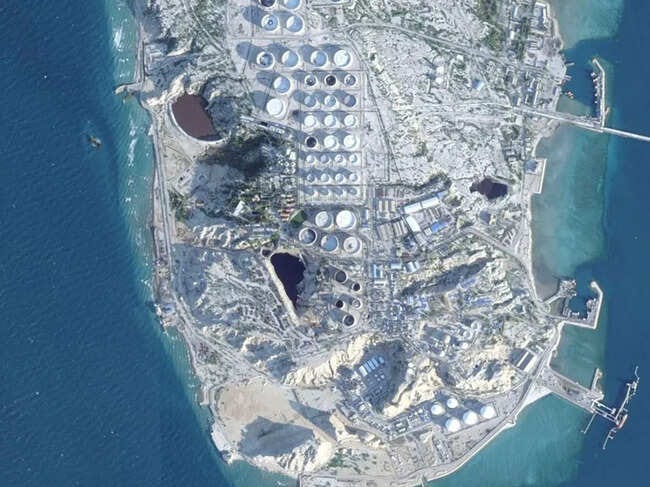
What remains after this round of bombing is that the price of risk is now set at once by a private reinsurance market, a multilateral energy agency forced to intervene with 400 million emergency barrels, and a US administrative apparatus operating outside its own agreements. Bases, railways, and nuclear plants will keep getting hit, and there may even be attempts to seize Kharg Island or the Tumb islands. Despite Donald Trump’s threats by tweet, any control gained there will be borrowed, because Iran and Oman remain the only sovereigns recognized by maritime law over those waters. What has already happened, without the White House fully grasping it yet, is that sovereignty over Hormuz has split in two. Territorially, Iranian and Omani control holds. Financially, for now, it belongs to whoever is best at repricing panic, whether that is a Lloyd’s syndicate in London or a Treasury Department official revoking a license.
[References in the comments]
No posts
Comments
Nothing yet. Say the first thing.
Sign in to join the conversation.