
Last week, I packed my bags again and took the high-speed train south, stopping in Fuzhou (Fujian) and Nanchang (Jiangxi), both provincial capitals. This trip puts my total count to 40+ cities across China in the past year, tracking consumer and retail trends in tier 2 cities and below.
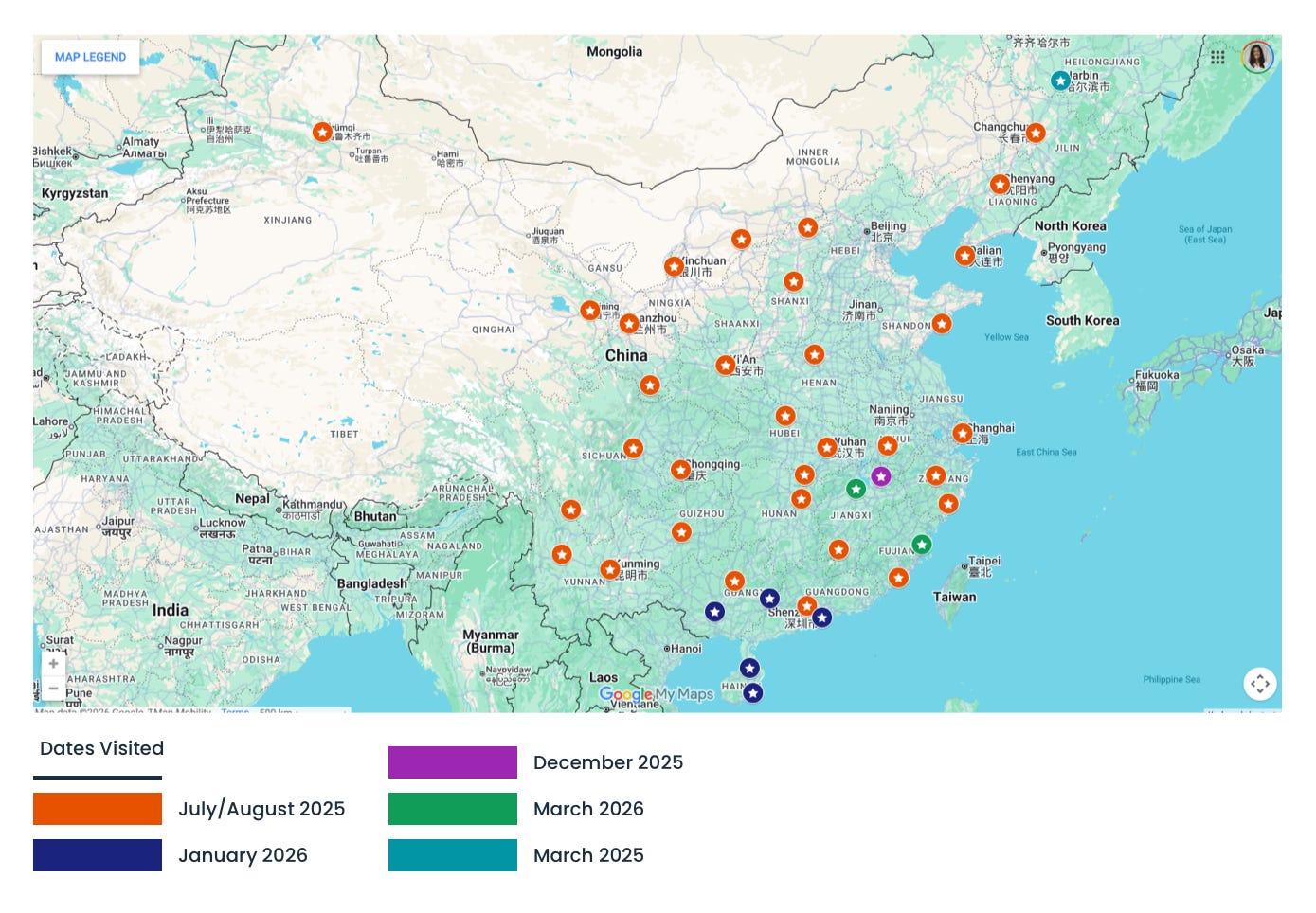
Across the cities I’ve visited recently, new shifts are emerging. The mix of stores on mall ground floors is changing — fewer EV showrooms, more sports and outdoor brands. Local fashion brands are claiming more prime retail locations. And the growth of local coffee shops, even in the most remote places, shows no signs of slowing.
After four days in Fuzhou, I find it hard to understand why more people aren’t obsessed with this city. Forget Chongqing’s viral 3D cityscape — Fuzhou is the most underrated city in China right now. Great retail locations, incredible food, easy access to nature, a rich cultural history, and a vibrant, bustling vibe.
Nanchang felt completely different from Fuzhou. This gap is important — serving as a reminder that China operates as a multitude of micro-economies. Although high-speed rail has made China feel more connected than ever, connectivity is not the same as assimilation. Two cities, three hours apart, can have entirely different industries, economic constraints, consumer behaviors, and retail landscapes — these distinctions can matter enormously for brands evaluating their regional China strategy.
Why am I here?
My lens when visiting these cities is always the same: what is the significance of this place for foreign brands? That means looking at retail environments, understanding where people spend their time and money, and identifying local brands or experiences worth knowing about.
This piece covers my time in Fuzhou, where I spent four days, four nights, and walked a total 78km on foot through the city. I’ve divided my observations into five sections:
Retail — unique retail areas in Fuzhou
Fashion — numerous local brands
Hospitality — this hotel chain is quickly becoming my favorite budget-friendly place to stay
Food — the untapped potential for collabs
Fitness — attending Lululemon Fuzhou’s first run club with 60+ participants
⚠️ This post contains photos that increase the length beyond email limits, so you’ll need to click through to get to the end.
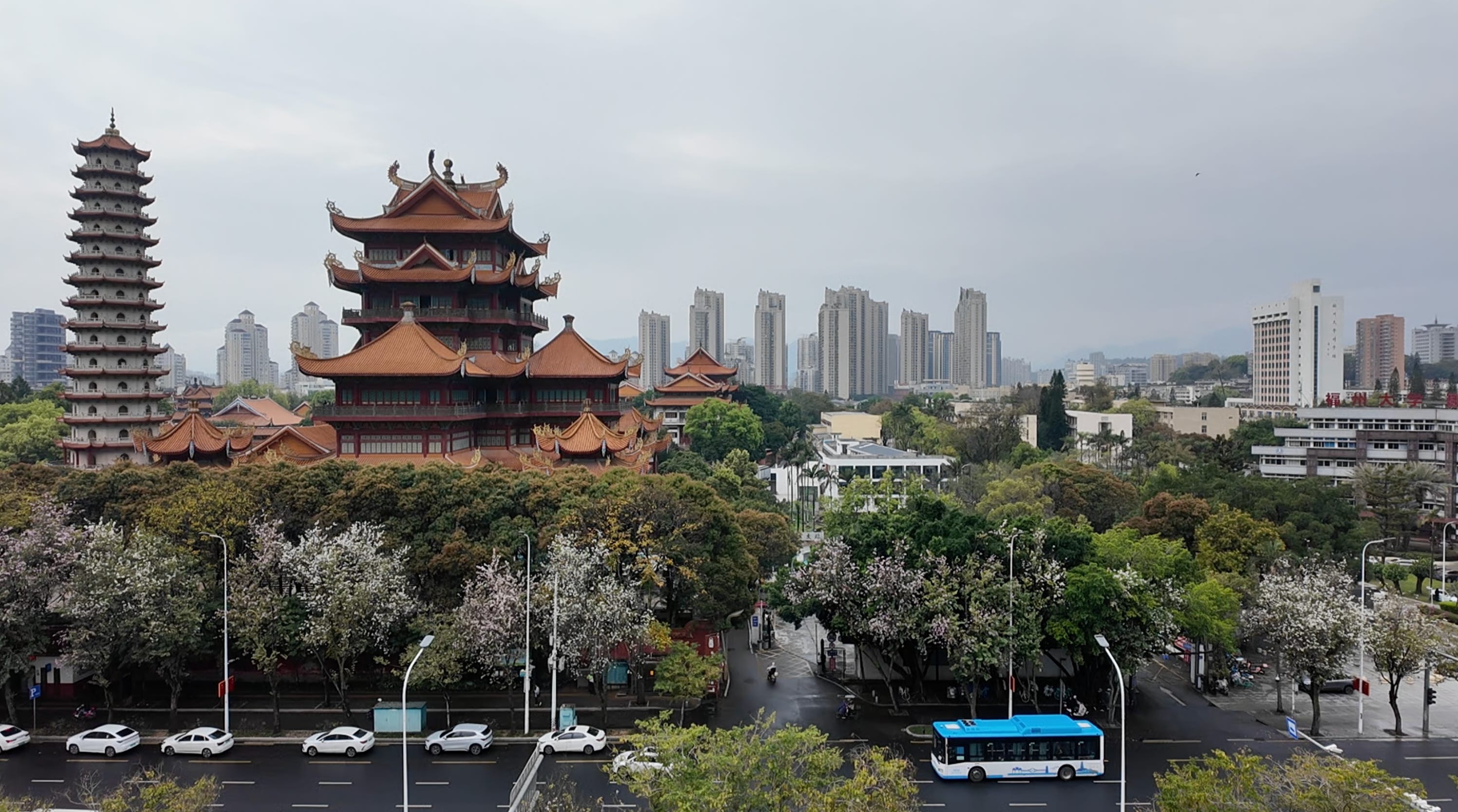
First, a little background….
Fuzhou is the capital of Fujian province, a port city of around 8 million people classified as a 2nd-tier city. Fúzhōu (福州) literally means “Blessed Prefecture”: 福 (fú) denotes fortune, prosperity, and happiness — 州 (zhōu) means “region”.
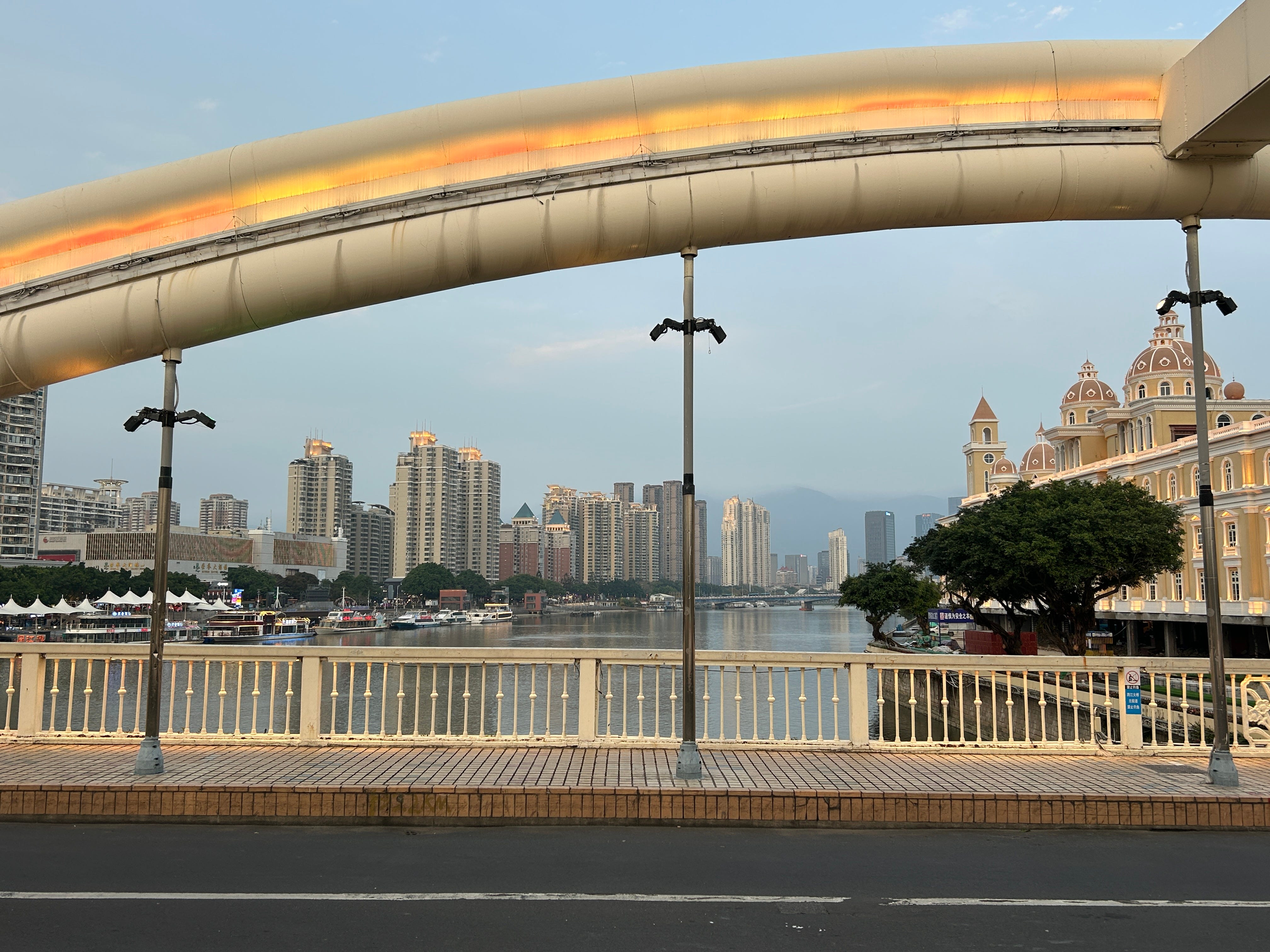
The city’s port heritage runs deep — Fuzhou was a key node on the maritime Silk Road — a factor that has had a lasting and noticeable impact on the city’s culture and economic position. However, today it’s not just a port city, it’s a serious industrial and digital economy hub, posting +6% GDP growth in 2024 (yes, always important to take China's GDP numbers with a grain of salt). Electronics, textiles, and machinery form the industrial backbone, while the digital economy is increasingly where the city is placing its bets.
The city’s trajectory was shaped by none other than Xi Jinping himself. In 1990, Xi served as Fuzhou’s Communist Party Secretary and proposed the “3820 Project” — a long-range plan to develop Fuzhou into a major economic and technological center, positioned between the Pearl River Delta and the Yangtze River Delta. Clearly, the man loves a long-term plan.
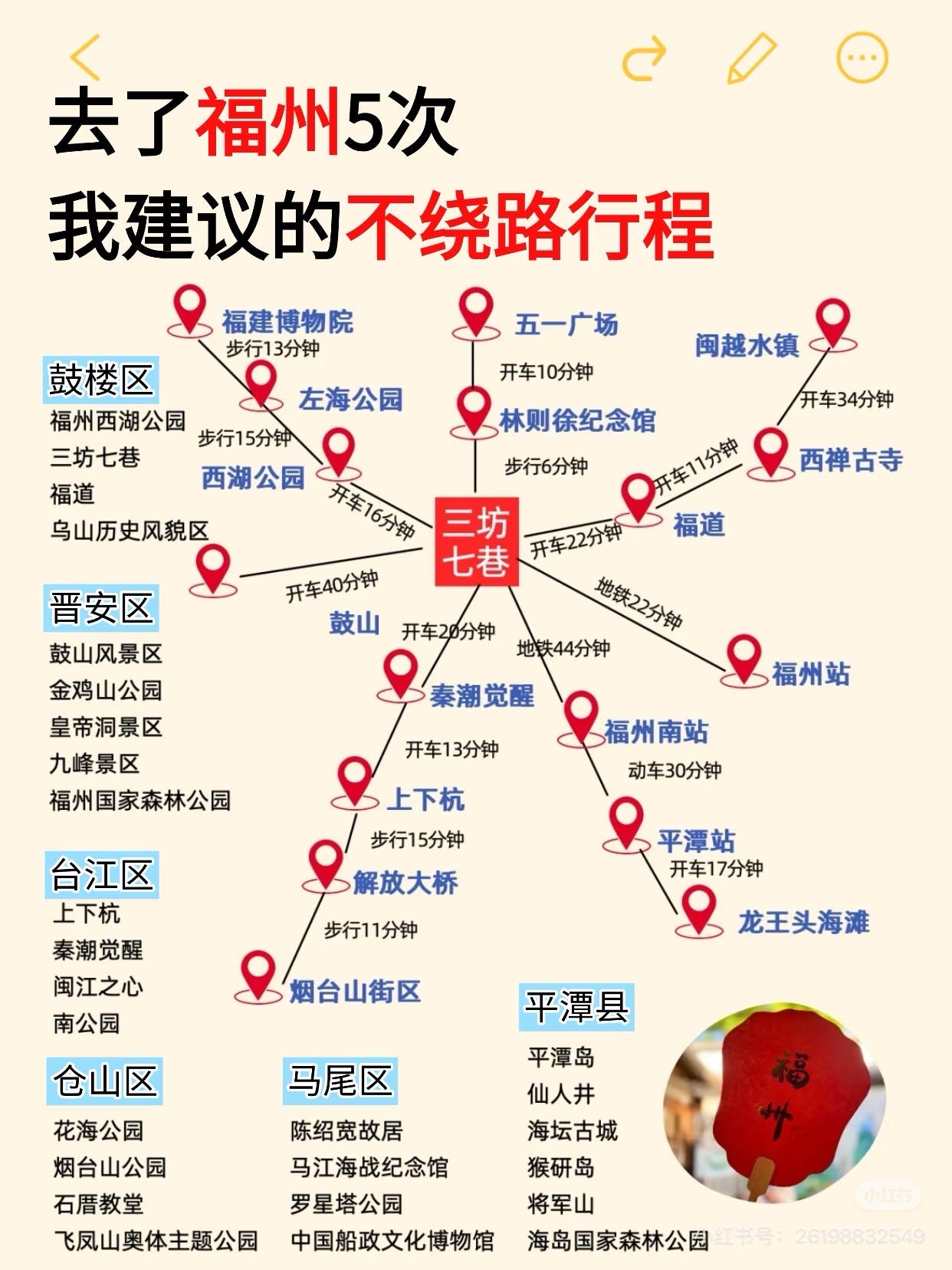
What makes Fuzhou particularly interesting from a retail perspective is the concentration of several distinct retail and cultural hubs within walking distance of each other. If you’ve been following China social media trends over the past few years, the term “City Walk” will be familiar. A phrase that went viral and has since made its way into everything from brand marketing copy to official government campaigns — it refers to exploring a city on foot, moving between landmarks, neighborhoods, and hidden gems along a route. On Xiaohongshu, people post detailed City Walk guides for every city in China (as well as abroad — hello tourism & hospitality industry), complete with must-see stops and photo recommendations.
Fuzhou is a City Walk paradise with multiple retail hubs and cultural districts within walking distance.
Yantaishan
After the opium wars Fuzhou became one of the treaty ports that opened and as such, many foreign countries opened up consulates in the city, mostly in the Yantaishan area. As a result, the neighborhood has a rich history and noticeable Western influence.
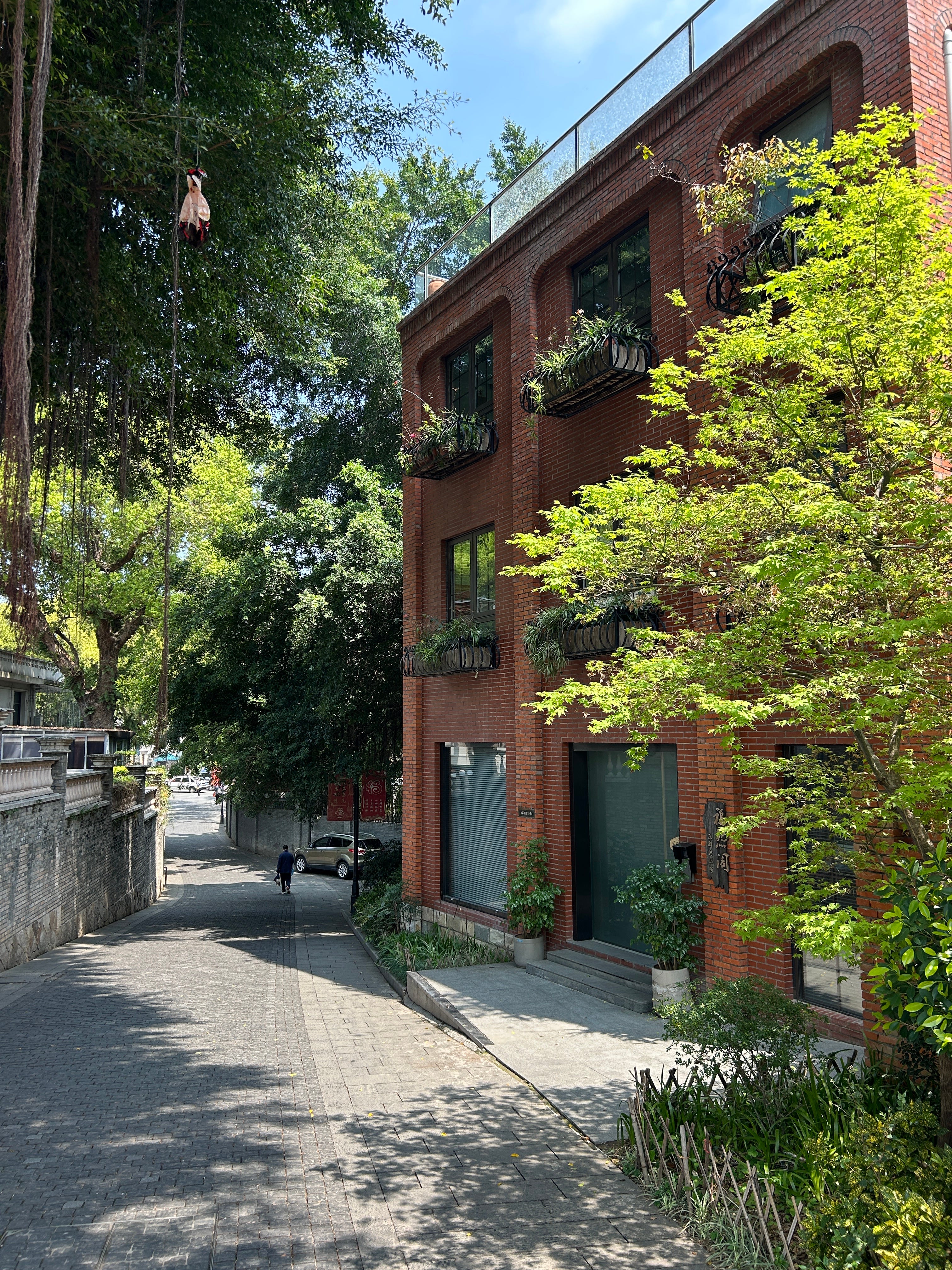
It’s worth walking around the whole area; there’s a beautiful park and old historical buildings, such as this European-style mansion (above video), which was apparently owned by a famous female gynecologist and was the site of the Fuzhou underground C.P.C. Radio Station.
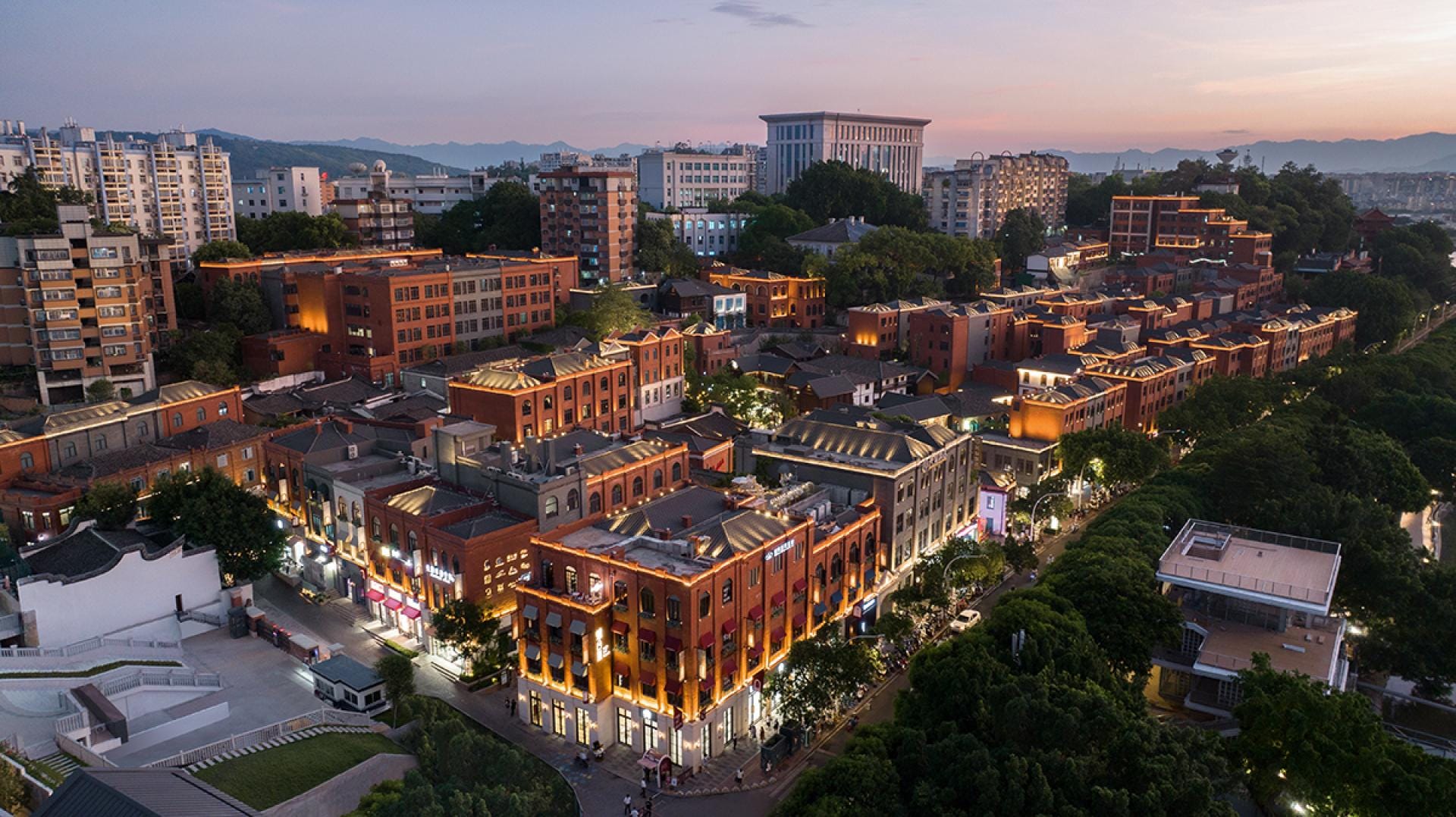
On the side facing the Min River is the Yantaishan Commercial Block. Yantaishan is a project by Fuzhou Vanke (unfortunately, the Vanke group has not been doing so hot in China lately, although Yantaishan seemed to have reasonable capacity and strong foot traffic). From what I can gather, the project was completed around 2022. It is a mixed-use retail and cultural district built around the historic architecture of Fuzhou’s old foreign consulate quarter. The design layers Chinese courtyard typologies with Western colonial-era facades organized across three walkable blocks connected by streets and alleys. The result is a space that feels multi-dimensional, incorporated into nature and rich in culture and history. Kind of like a small-scale Hong Kong or Chongqing but less chaotic, more tranquil.
You can browse more photos of the project here.
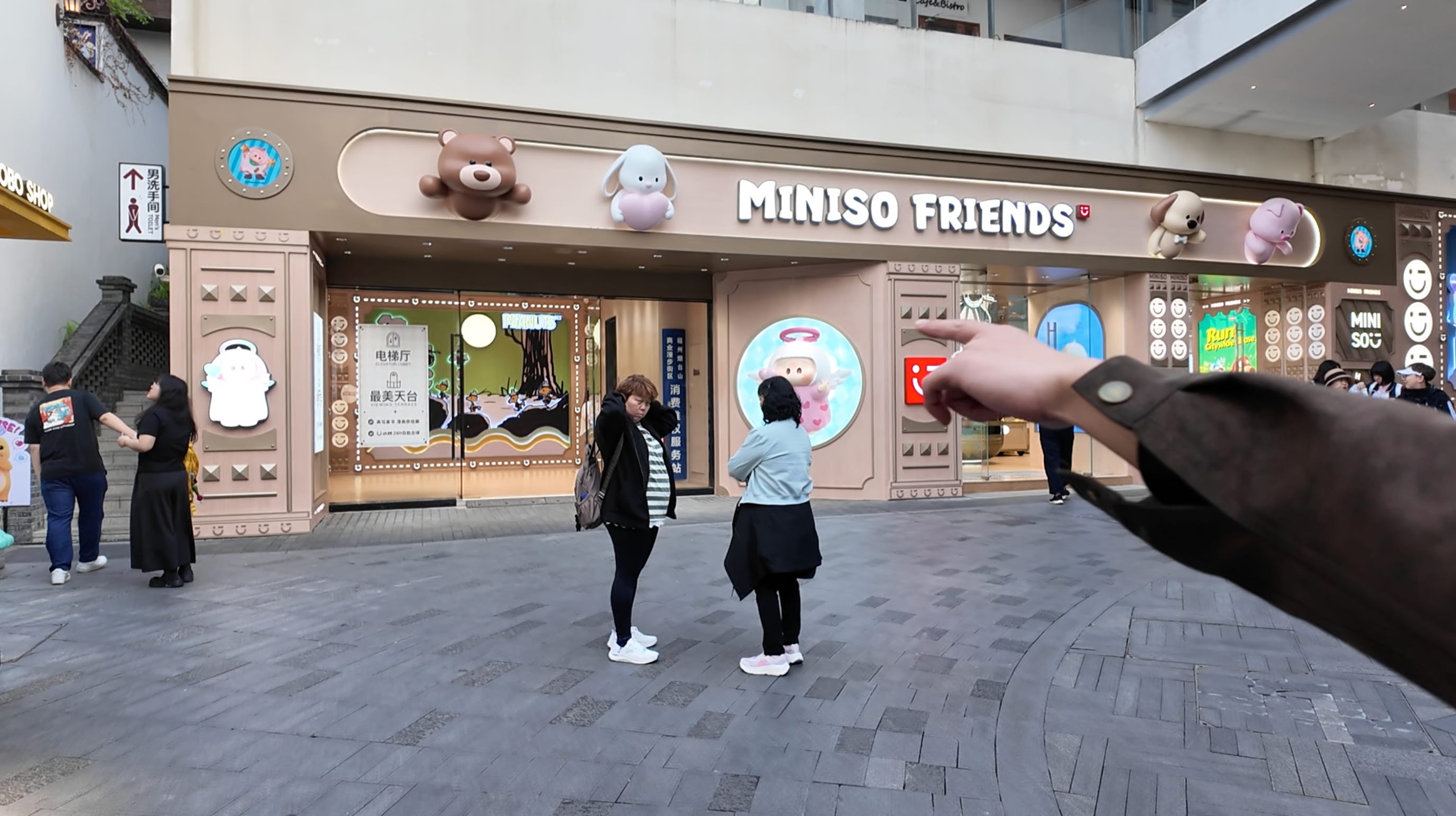
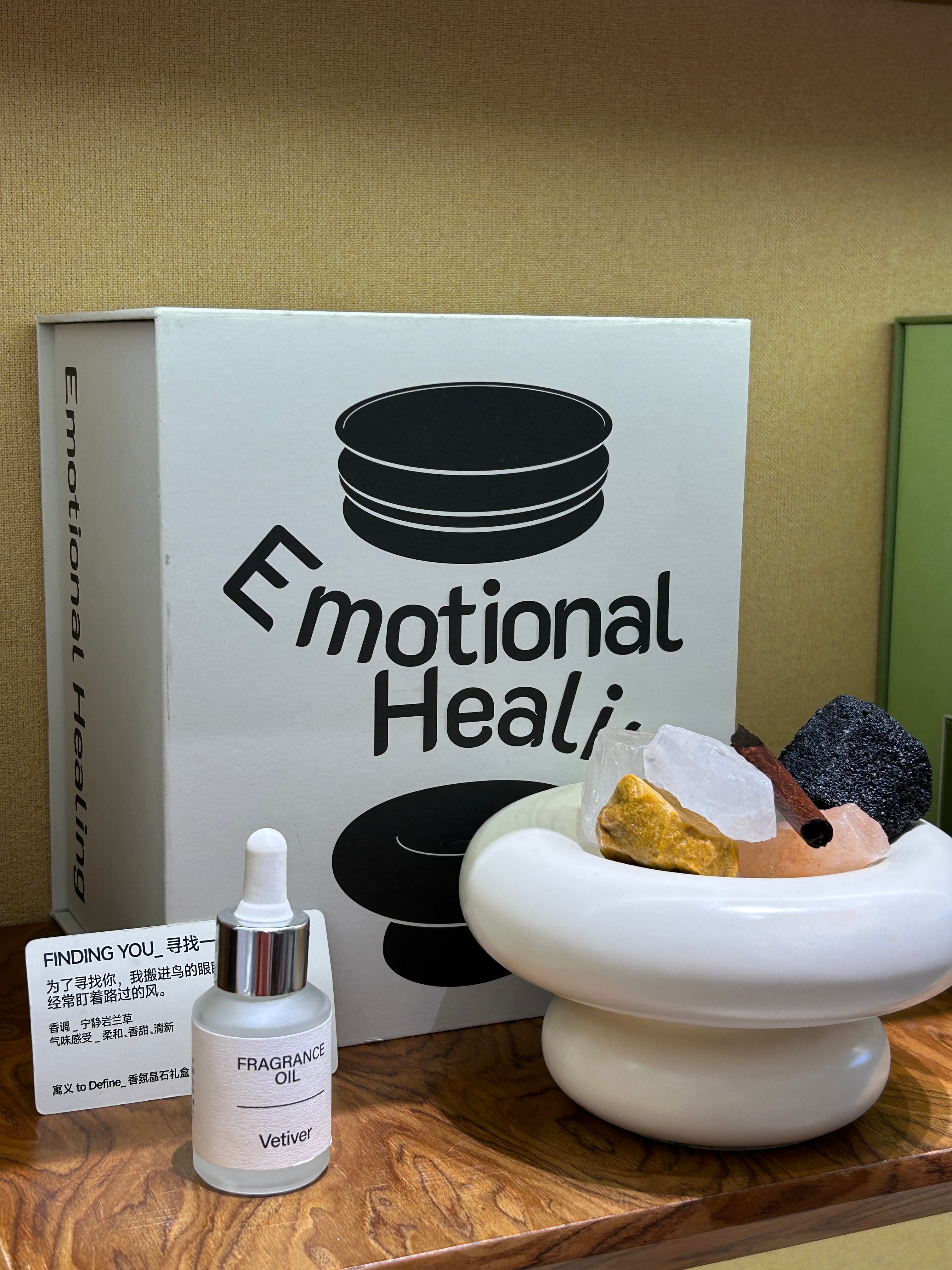
There are many schools located around the area as well, and as such many of the shops cater to younger consumers and their insatiable appetite for ‘emotional consumption’. Stores like Miniso Friends, SimpleMill and ZhiYang Project were packed with Chinese youth browsing blind boxes , plush toys and snapping pics of themselves between the aisles.
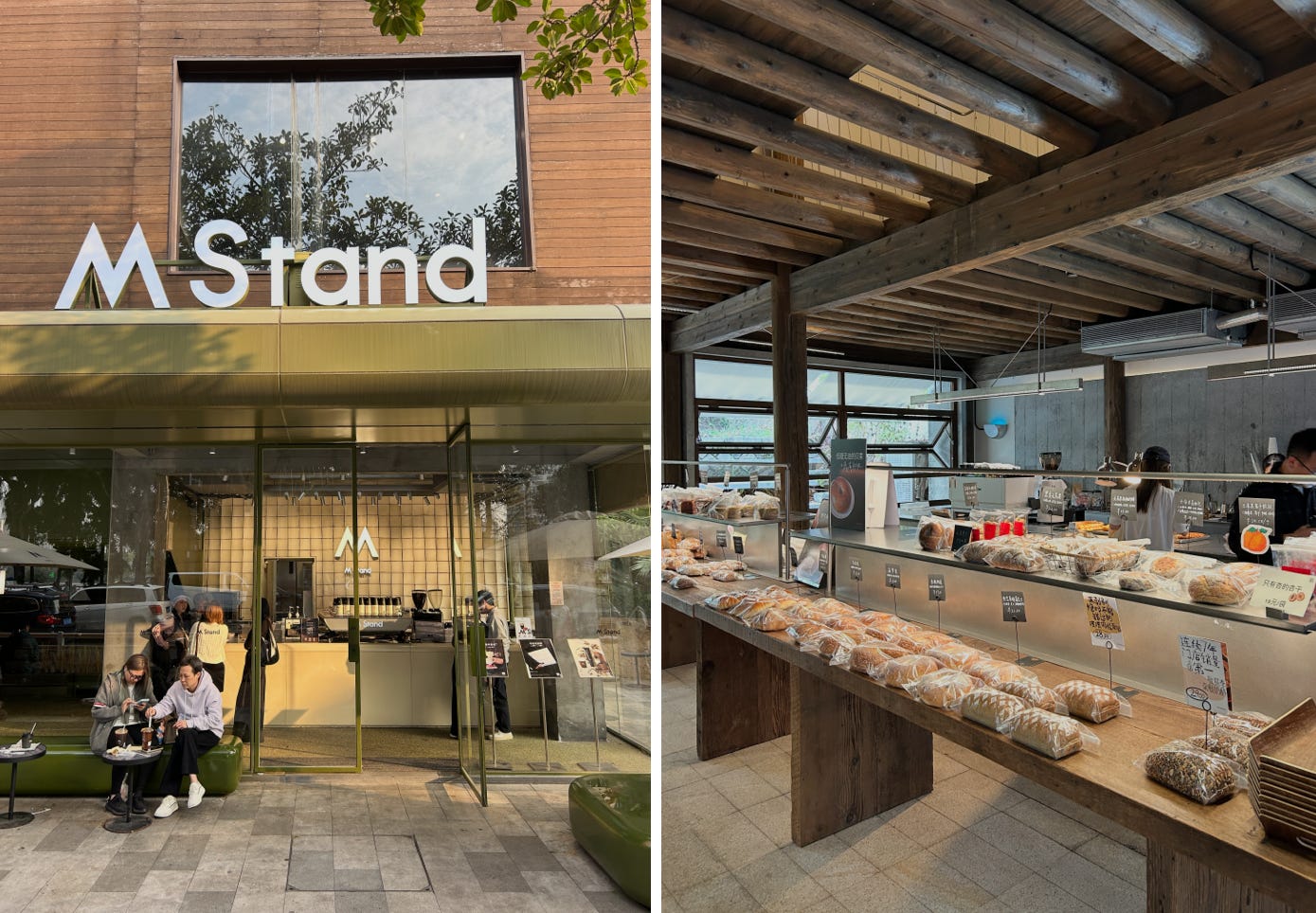
Yantaishan also has a mix of trendy coffee shops and bakeries, like an M Stand and Xun Bakery that serve customers seeking a Xiaohongshu-worthy photo op with their coffee and cake.
Fulland
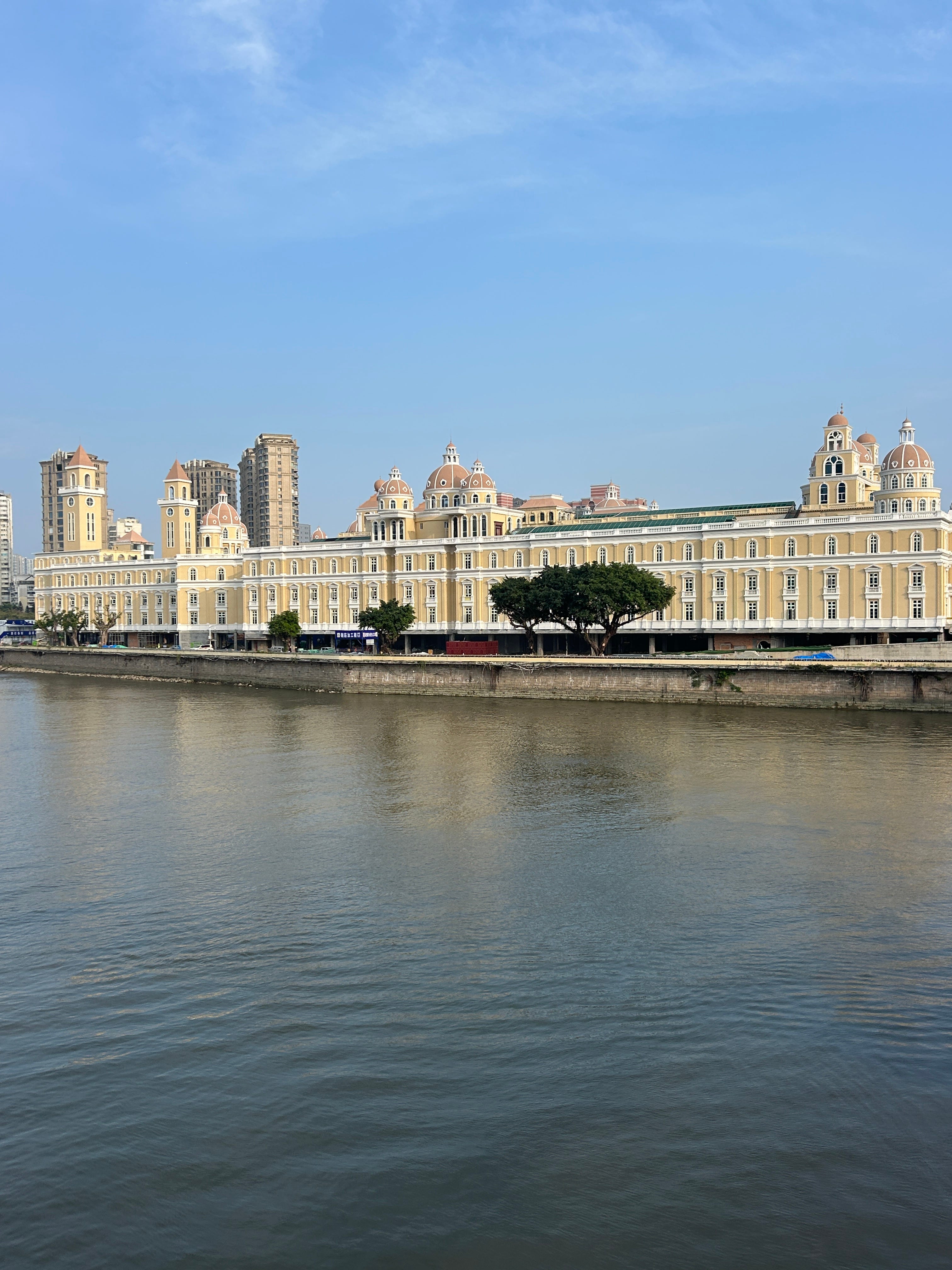
Cross the river on the Jiefang bridge and halfway you’ll come to a small island in the middle of the river. Once an unfinished, abandoned development, today it has been transformed into a brand-new urban landmark.
In 2003, an overseas Chinese investor based in the UK invested HKD 200 million, aiming to turn the spot into an “Oriental Venice” shopping island. However, the project ultimately failed and the site was left to operate as a wholesale market for many years.
Last Fall, renovations to some sections of the building were officially completed and opened to the public. It is now positioned as a “digital consumption innovation district,” centered around a vibrant night economy, featuring themed spaces such as the “Creative Lifestyle Market,” along with regular light shows and drone performances. There is still construction going on and a large part of it remains closed, but huge potential for more retail and tourism activities. This space is an example of how retail property in China is evolving from the traditional mall into dynamic, entertainment-driven venues.
Shangxiahang Commercial District
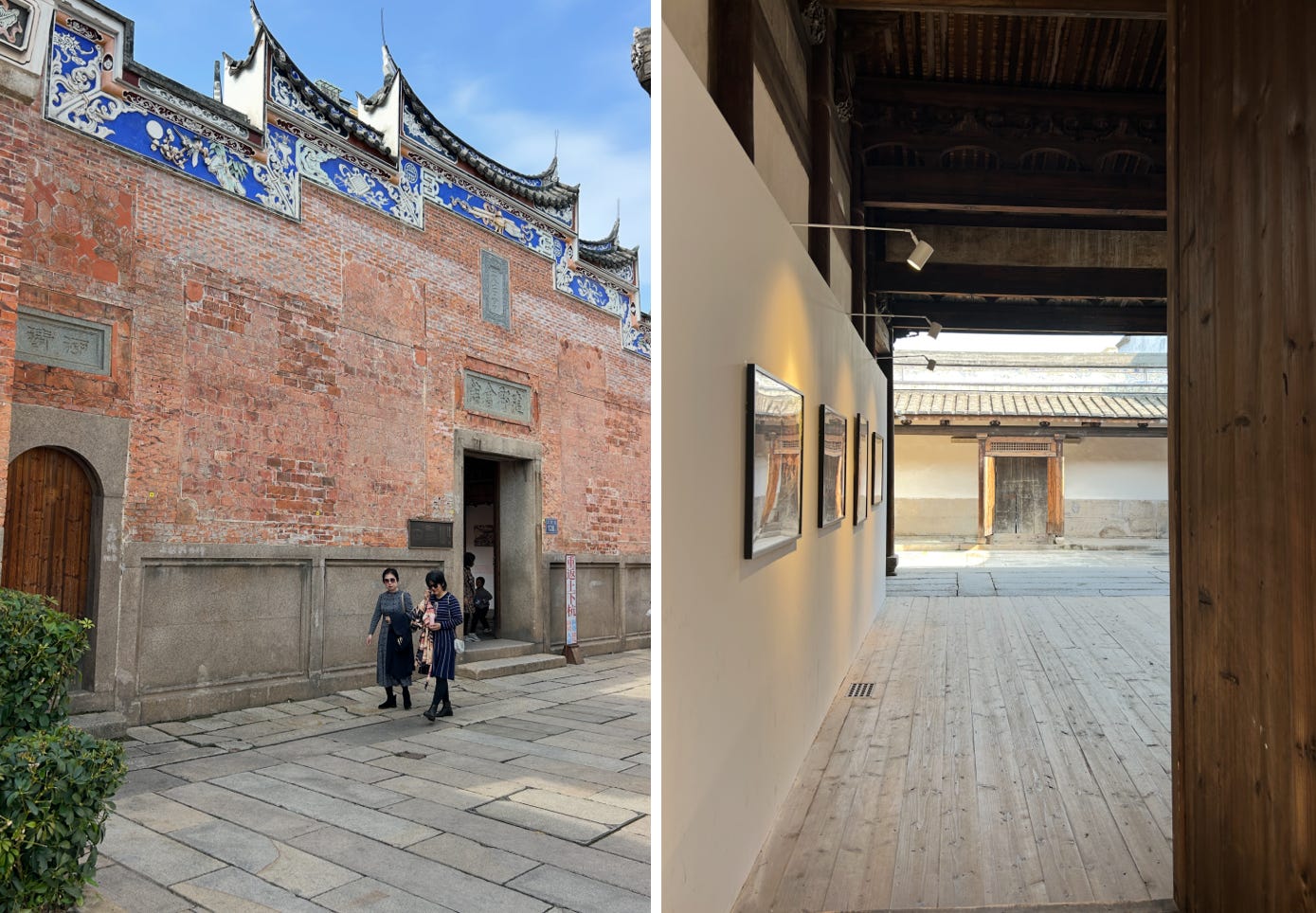
While this is more of a cultural site featuring exhibitions and landmark buildings, there are still many cafes, bookstores, shops and restaurants that line the area. In my opinion, this area is very well done, of course, it is a restored historical site but the restorations feel authentic and minimal, maintaining the beauty and tranquility of the area.
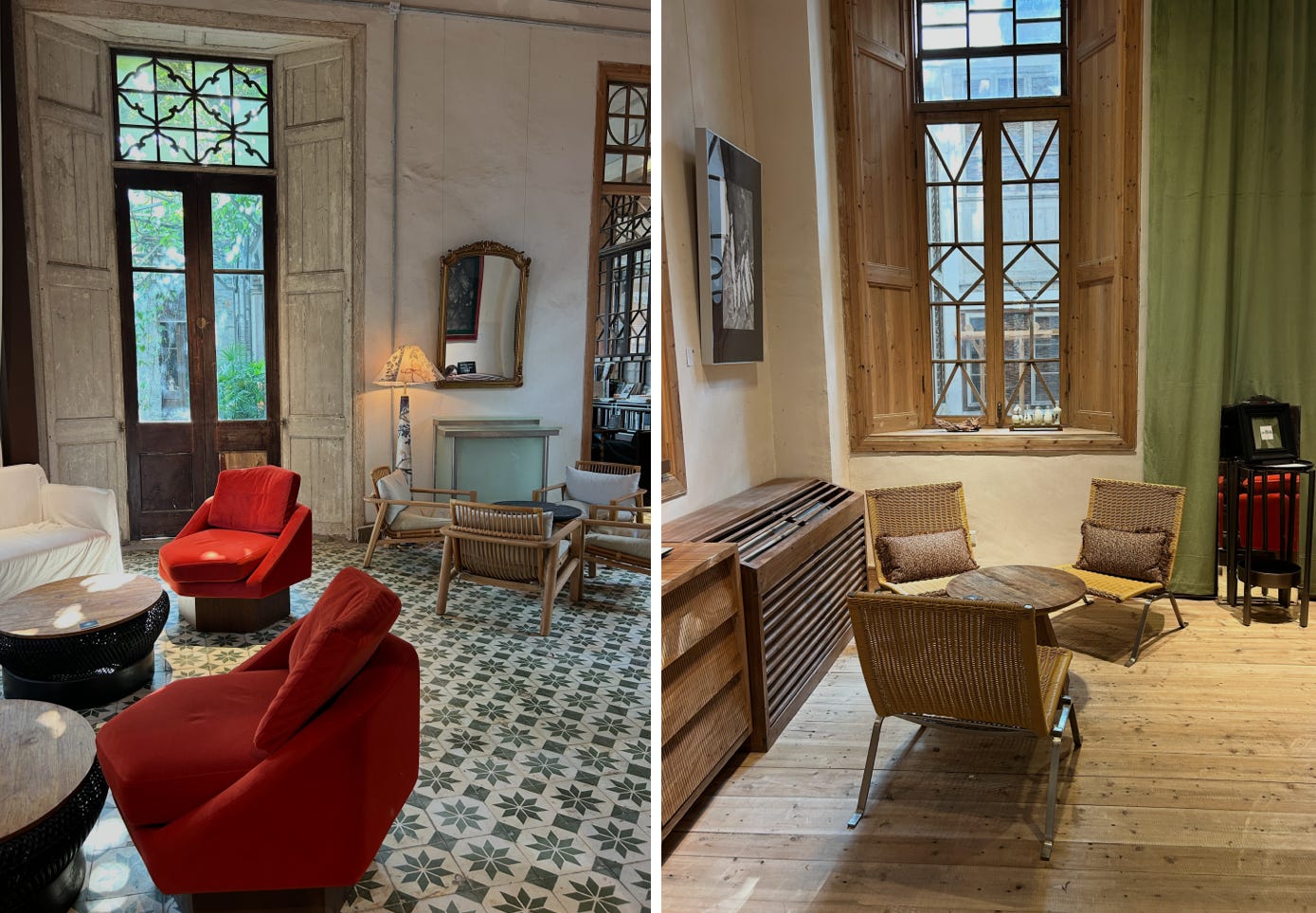
Inside the maze of alleys sits a cafe/bookstore that looks like a European-style villa. Patrons can order food and beverages and dine in any of the many rooms. Talk about the optimal photo opportunity.
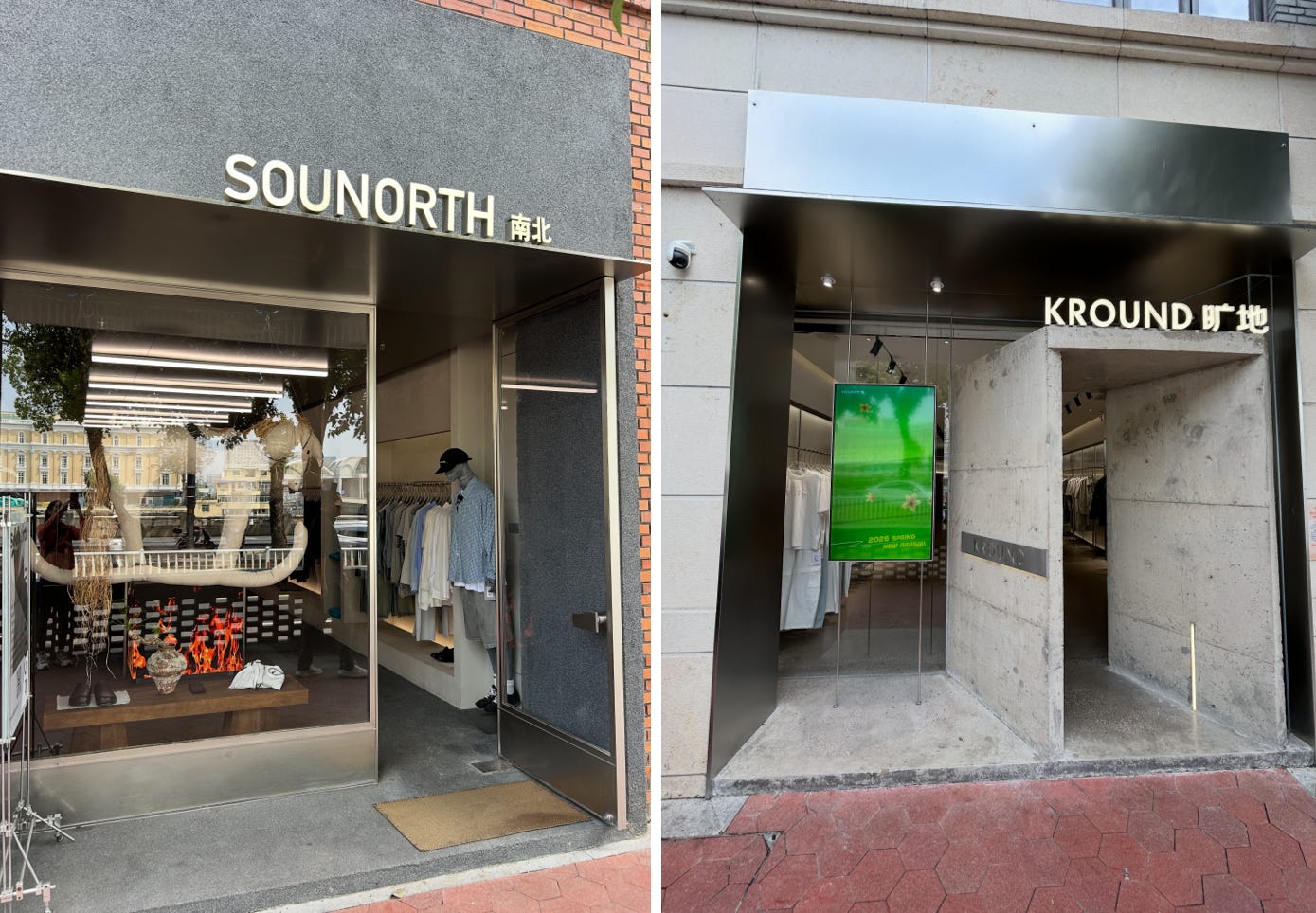
Thanks to Fuzhou’s proximity to raw materials, high-speed manufacturing, and logistical networks a number of trendy fashion brands have come out of the city in recent years. In addition to local brands, the city has also attracted other domestic labels to open up boutiques and flagship locations. Most people think of Shanghai, Shenzhen and Chengdu when they think about fashion, but Fuzhou should absolutely be added to the list.
Between two years living out of a suitcase and the past year traveling across China, I’ve stayed in more hotels than I can count. After a while you start tracking the small things — room layout, design consistency, service, breakfast — because they’re what actually separate a forgettable stay from a good one.
Of all the domestic chains I’ve stayed in across China, none has impressed me more than Orange Hotel (橘子酒店). To be fair, their social media record isn’t perfect — there are complaints about inconsistency and cleanliness — and my stays are a small sample against nearly 1,000 locations nationwide. But what I’ve seen has been consistently distinct.
Orange sits in the mid-range sweet spot — more polished than economy chains like Hanting, without the price tag of luxury and much more playful and design-forward than Atour. That positioning is deliberate. The target customer is a younger, price-sensitive traveler who won’t compromise on experience, and the hotel is designed around that. The “3.0” version leans hard into what the brand calls “dopamine design” — high-saturation oranges, greens, and earth tones, lobby installations built for Xiaohongshu, staff in t-shirts and jeans instead of stiff uniforms.
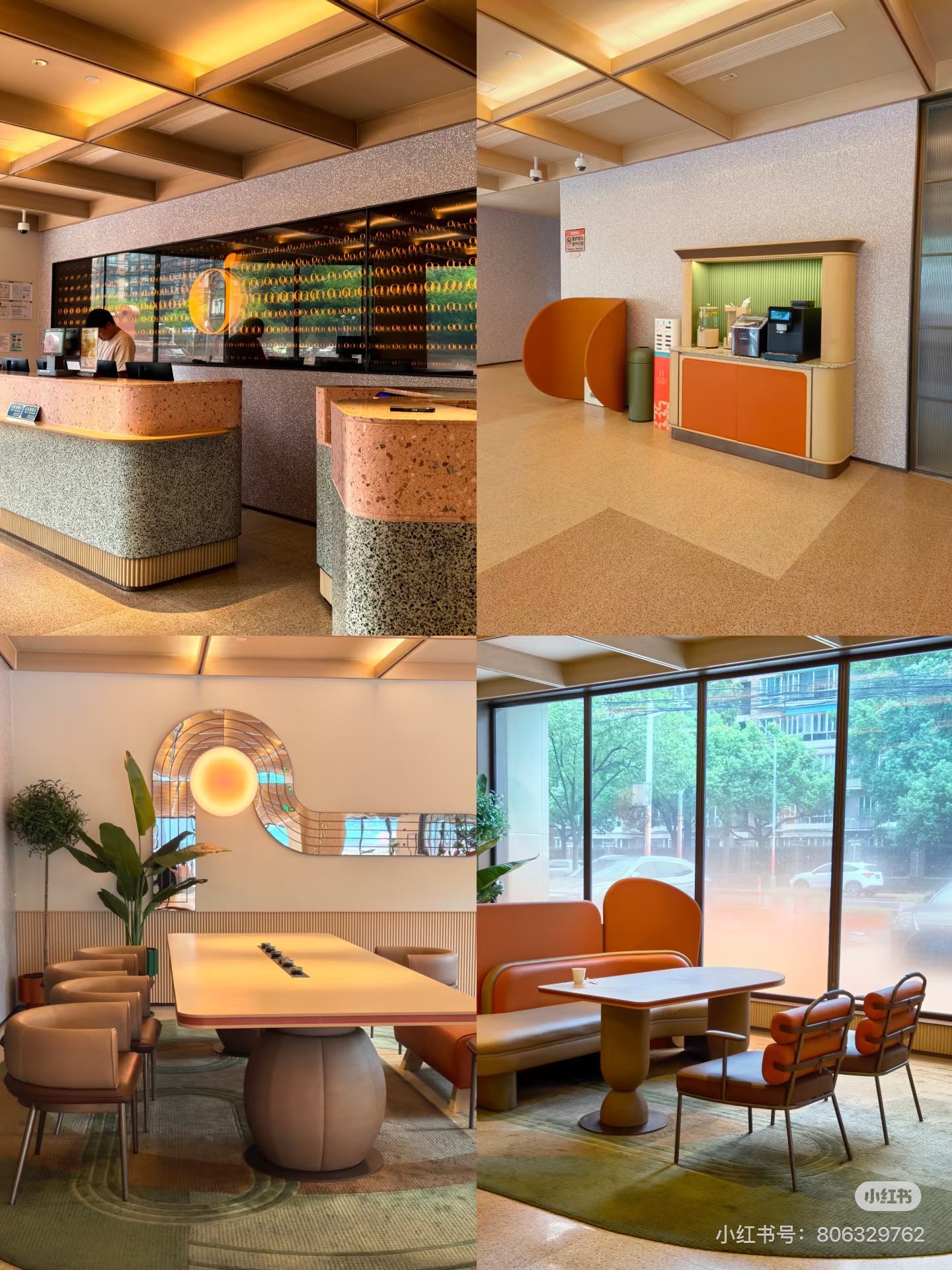
The brand ecosystem extends further than most hotels bother to go: fresh oranges at the front desk, orange-scented toiletries that guests reportedly want to take home, a limited-edition Orange Bear mascot bag charm. It’s a level of brand coherence at this price point that not many hotel chains in China have adhered to up until now.
Which is exactly why I think chains like Orange represent an untapped collab opportunity. Brand collaborations require a strong identity to work — a clear aesthetic, a loyal audience, a reason for the partnership to feel natural rather than transactional. Orange has potential. It sits at the intersection of two trends worth paying attention to: the rise of domestic travel among younger Chinese consumers and their growing preference for brands that deliver emotional value, not just a product.
Last but not least, the real reason I loved Fuzhou so much — the food. I think food is the largest untapped opportunity for foreign brands to connect with Chinese consumers. Regional food in China is deeply diverse and deeply meaningful. For brands looking for authentic ways to connect with consumers, the storytelling opportunities are enormous.
I went to two restaurants thanks to fellow Substackers ’ recommendations. First, this one from Chinese Cooking Demystified where I had to try the Fuzhou specialty, Lychee Pork.
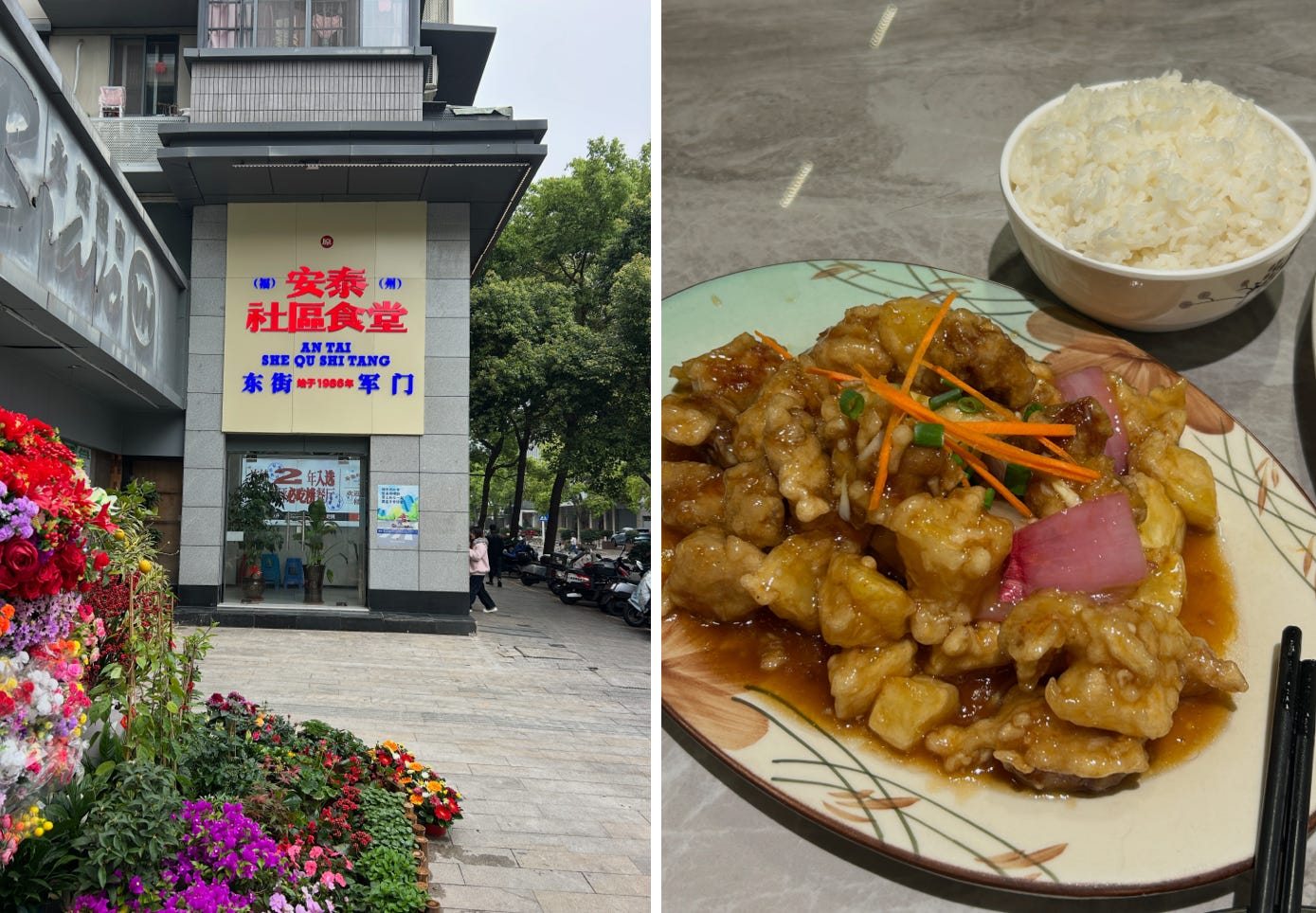
Second, I was going to a restaurant recommended by Jake but then I turned down the wrong street and stumbled upon this gem, and ate what is quite possibly my favorite meal that I’ve ever eaten in China over the past 10 years. It was simple, it was filling, it was fresh, it was flavorful. I loved the branding and the style of the restaurant as well. I’d take the train 3 hours from Shanghai just to eat here again.
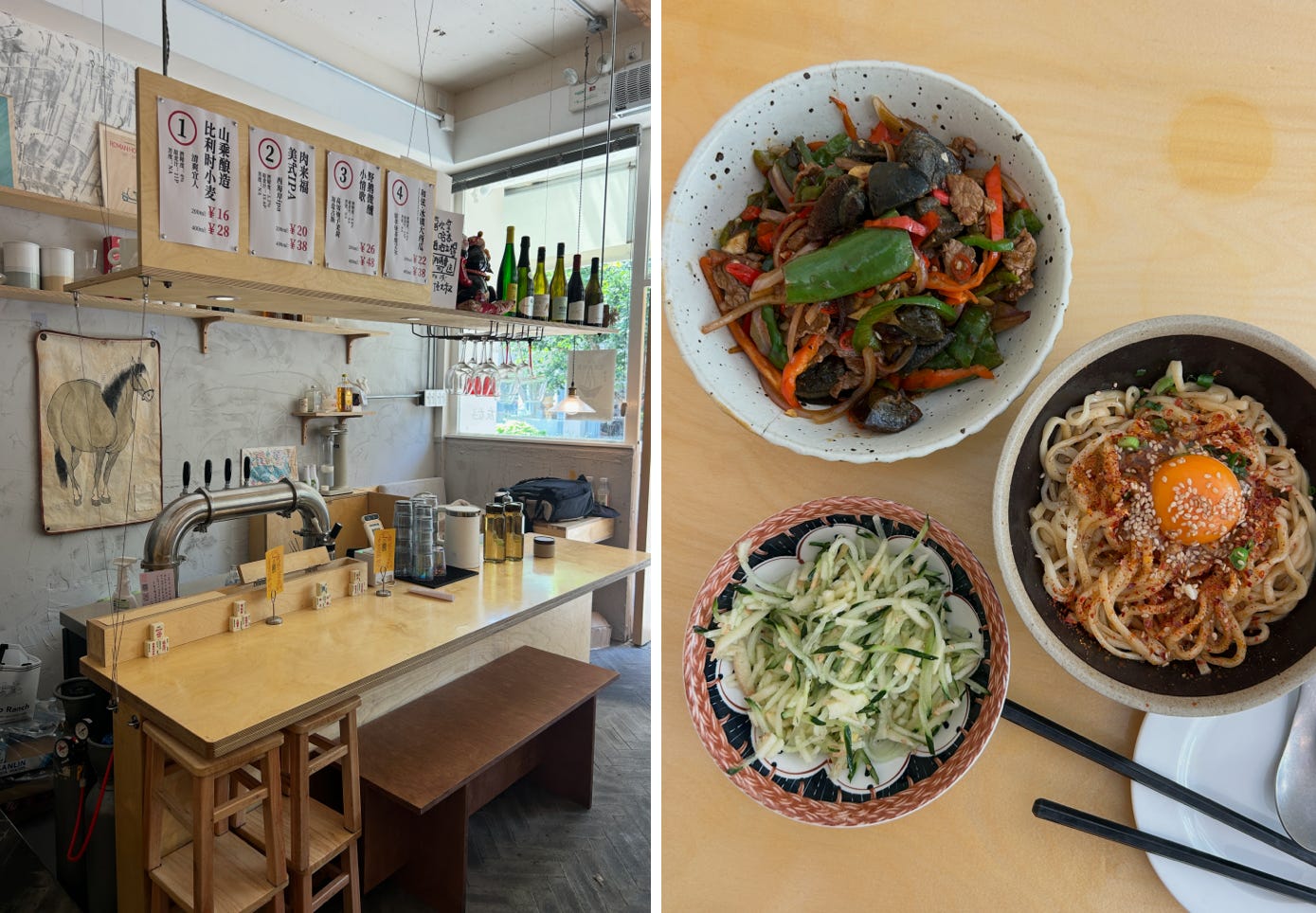
Fuzhou’s coffee scene was exploding.
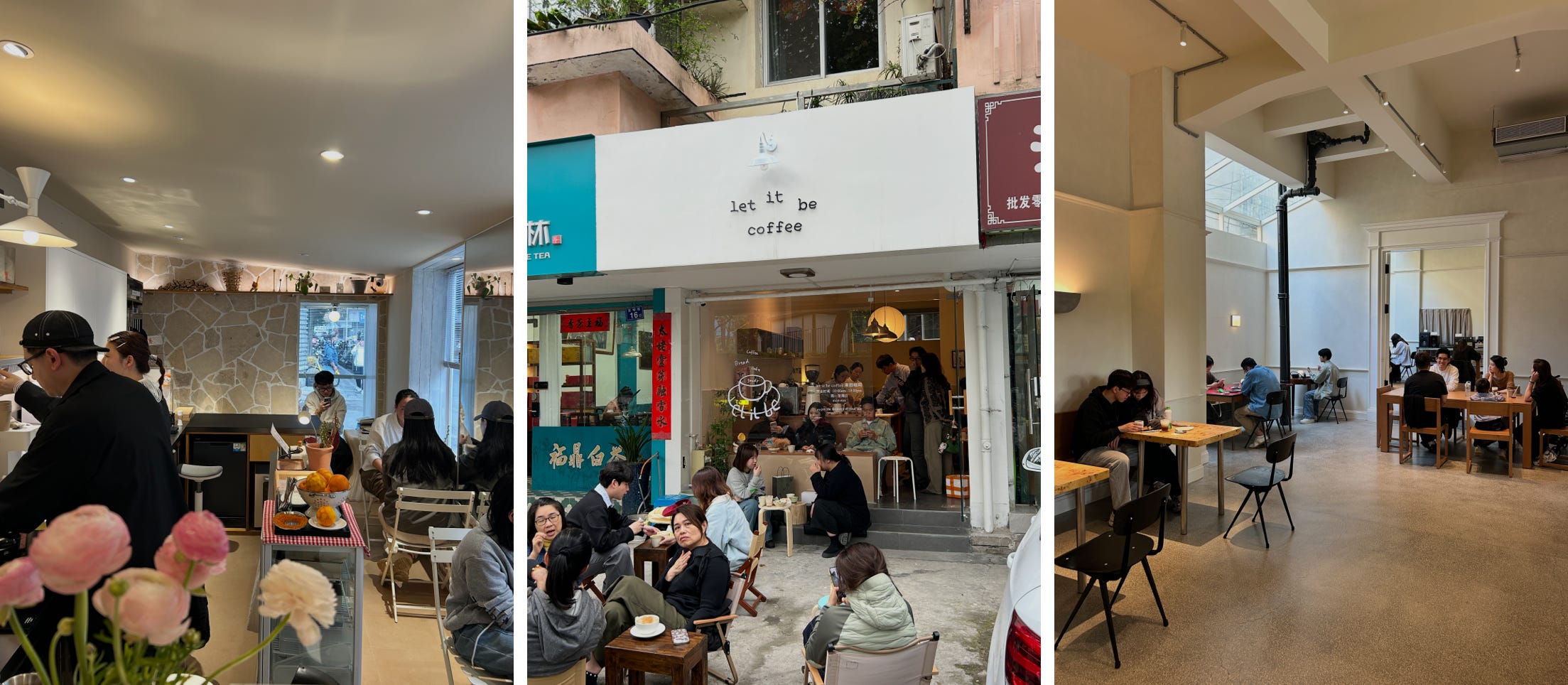
If you haven’t been following along, visiting coffee shops across China has become a serious side quest of mine — and not just because I need the caffeine. Independent coffee shops are a uniquely revealing indicator of larger economic and cultural shifts.
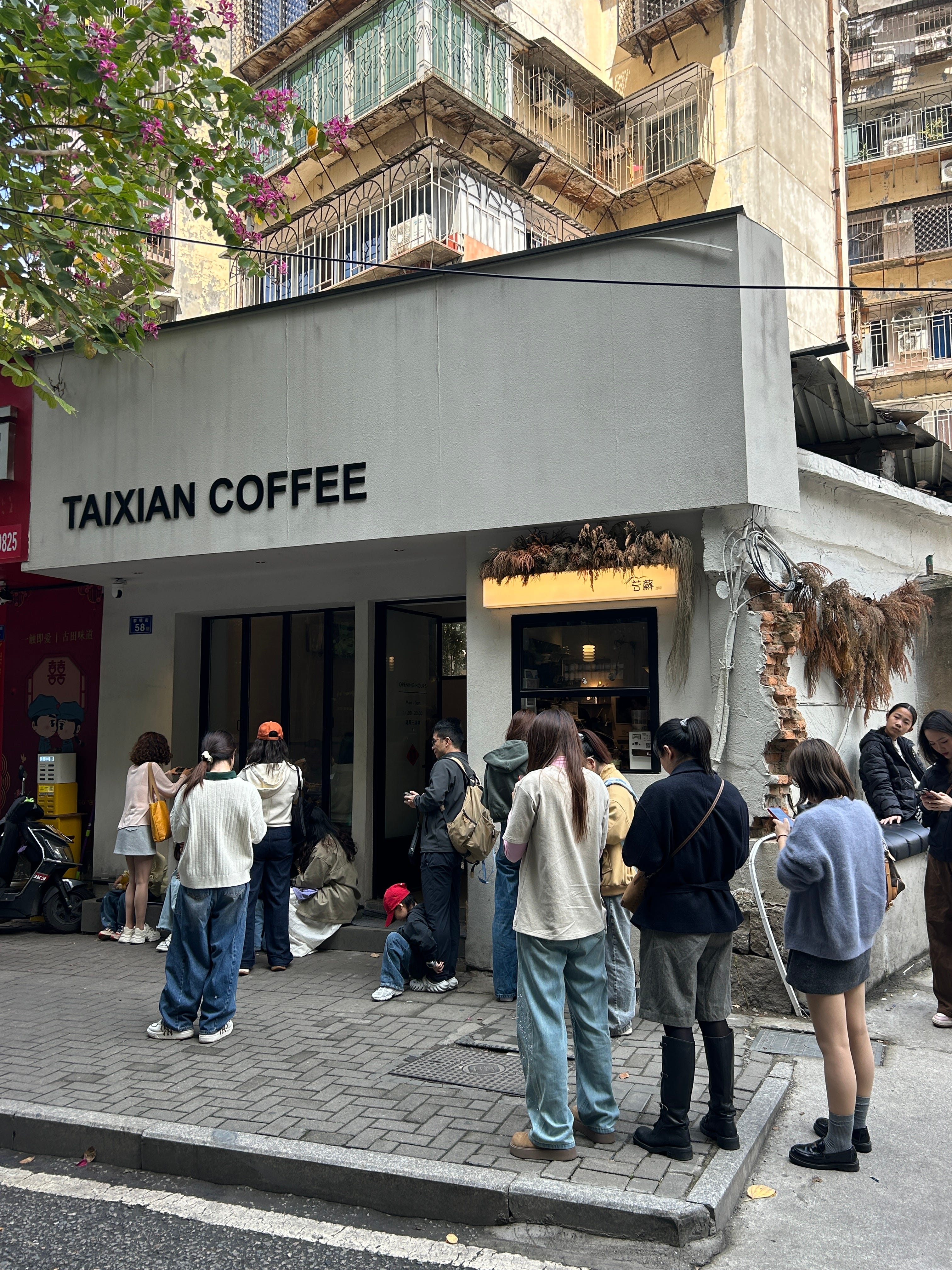
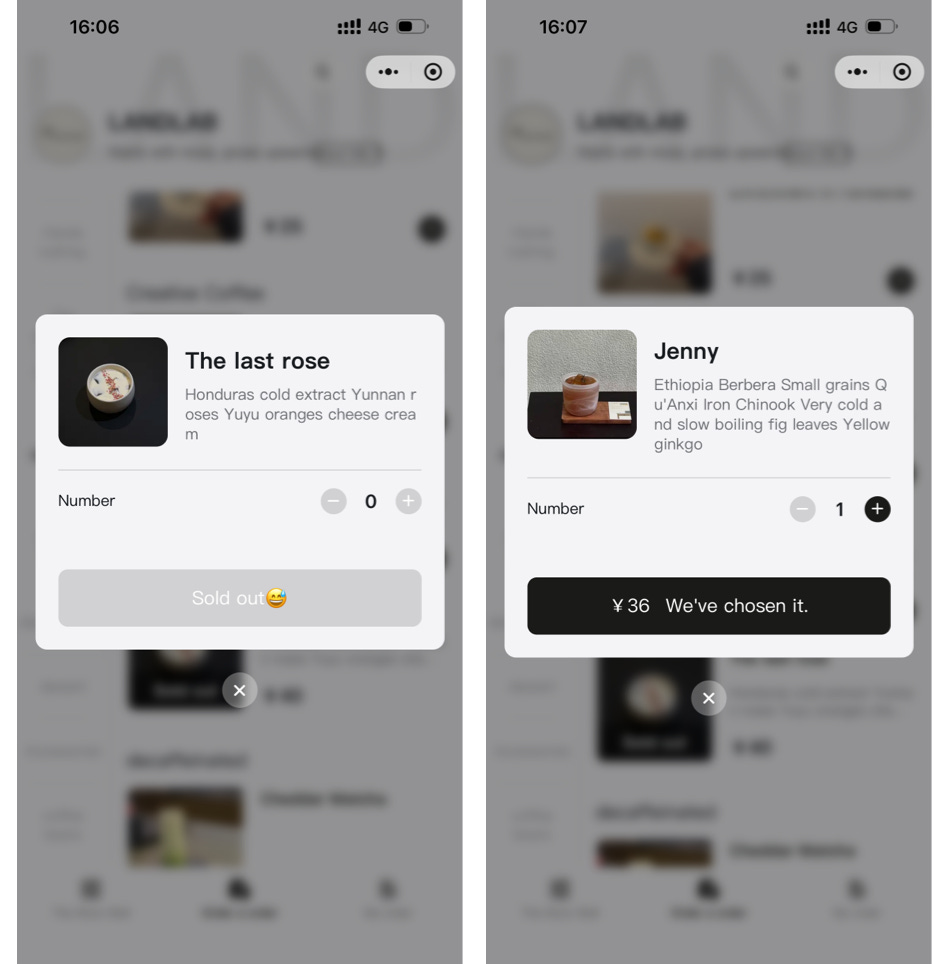
What’s happening in China’s coffee scene is bigger than a beverage trend. Starbucks introduced coffee to China, and China took it and made it something entirely its own — this is ‘Guochao’ (国潮) — Chinese style — applied to food and beverage. Walk into any independent café in China, and you’ll find drinks that blend espresso with local flavors, traditional ingredients reimagined for a new generation. For younger Chinese consumers, this is part of a broader identity formation — a new aesthetic, a new taste, distinctly and proudly Chinese.
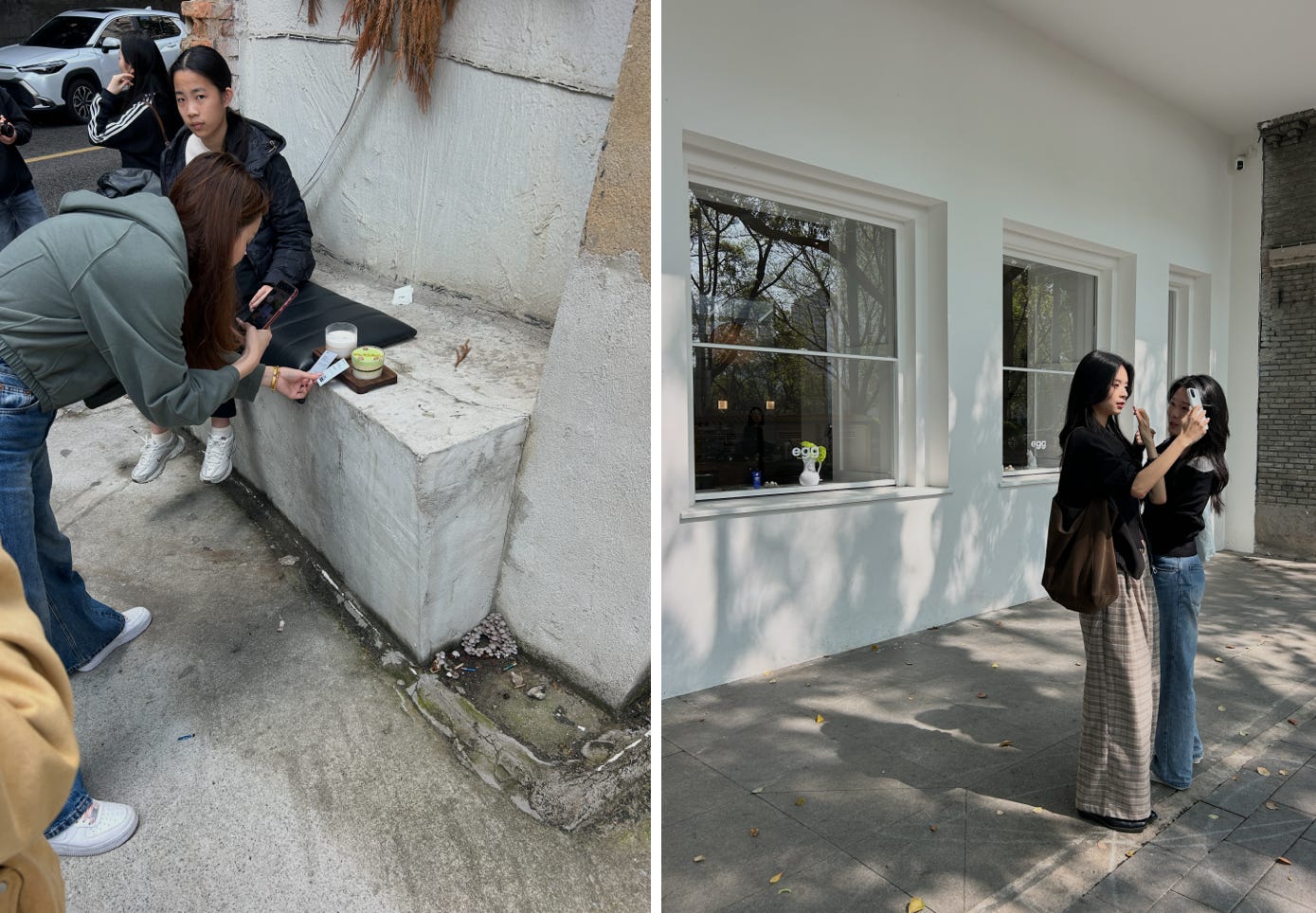
Coffee shops have become the physical backdrop for a shift in how younger consumers want to be seen. The café visit — the space, the drink, the outfit, the photo — is all part of projecting a lifestyle that prioritizes taste and enjoyment over grind. People aren’t just getting their caffeine fix; they’re documenting an intentionally curated lifestyle.
While Fuzhou’s coffee scene is booming, it’s at a different stage of maturity than Shanghai, arguably the most saturated coffee market in the world with close to 10,000 shops. In Shanghai, coffee shops compete on the coffee itself — single origins, precise blends, beans sourced from around the world. In Fuzhou, the draw is more about the atmosphere and the novelty of the drink.
I was lucky enough to be in Fuzhou when Lululemon held its first-ever run club event in the city. I registered through the mini program, showed up to the park on a weekend morning, and joined about 60 people for a 5km run.
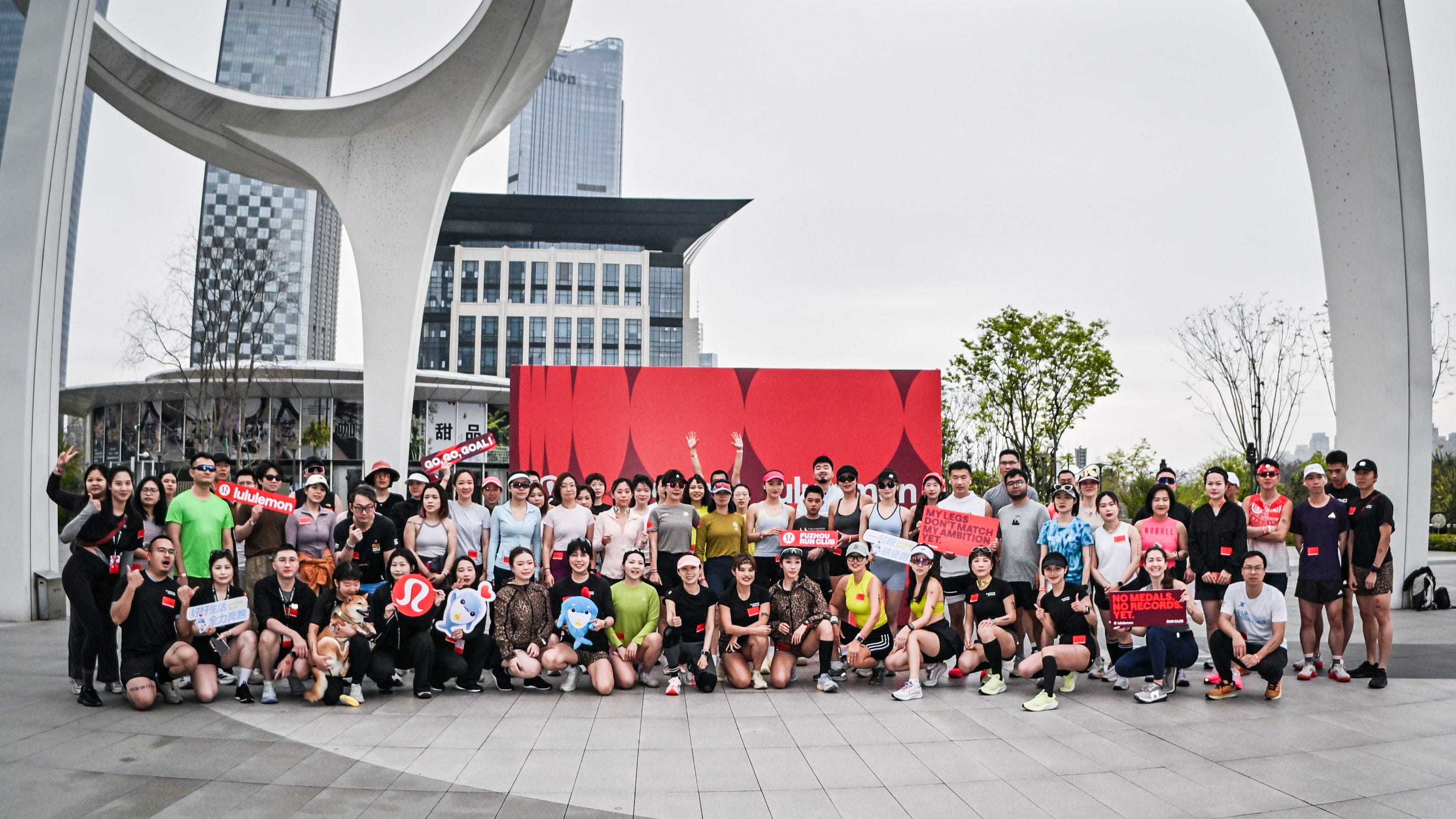
Before the run I got chatting with two women in their mid-to-late 30s — inseparable friends who live in the same building and had gotten into running together over the past few years. They’d done a few marathons but didn’t take themselves too seriously as runners. Mostly, they said, they enjoy getting outside and taking photos.
I asked them about their gear;
Favorite running shoe: Adidas Adizero
Favorite sportswear: Staw and Nedao — good price, better fit
Favorite platform for running content: Douyin
Looking around the group, Adidas was a popular choice. The brand has been making a serious comeback in China — not just through their fashion line but by leaning hard into running at exactly the right moment. I also noticed a lot of Saucony and On.
But here’s the key reminder for foreign brands — Chinese consumers will pay for quality when it’s genuinely there, but they are not going to pay a premium for a brand name alone. And increasingly, they’re not going to be won over by marketing either. Lululemon built the community, organized the event, created the experience — and the people at that event still told me they preferred another brand’s fit. Storytelling and community can get consumers in the door, but if the product and price don’t hold up, it doesn’t convert. There are too many good alternatives.
During the week I was in Fuzhou, Shanghai Fashion Week was in full swing — and this year more than ever, the talent and reputation of Chinese designers was impossible to ignore. Seeing those shows flood my feed while simultaneously walking through local Fuzhou labels left me with one overwhelming feeling: the time for Chinese brands is just beginning.
Entrepreneurs in China are no longer learning from a Western playbook, they’re done studying and are now writing their own. The products, aesthetics, and ideas coming out of cities, not only Shanghai but cities like Fuzhou, are proof of that. For foreign brands, the opportunity isn’t to lead them — it’s to learn from them, partner with them, and not miss the window.
A real (estate) reason to be optimistic? While walking around the city, I passed numerous active construction sites — apartment buildings, office towers. Over the past several years, a lot of ink has been spilled about China’s property sector, so this kind of visible momentum feels worth noting and feeling hopeful about… Just maybe 🤞🏼🤞🏼
And then there’s something harder to quantify but impossible to ignore after four days on foot in this city. The pace of life in Fuzhou is different from Shanghai. People are not rushing. The mood feels lighter. Consumers here may buy some of the same brands and follow some of the same trends, but the motivations and emotions behind those decisions are slightly different. That gap — between surface behavior and underlying driver — is critical to understand. And it’s exactly what keeps me motivated to continue exploring China’s emerging cities.
✌🏼 As always, thanks for reading! If your brand or organization is interested in tailored briefings on Chinese retail and consumer trends, reach out to olivia@waisocial.com or just respond to this email with any questions or comments!
No posts
Comments
Nothing yet. Say the first thing.
Sign in to join the conversation.