
Previous to last week, I had no idea of just how vibrantly chthonic Slovenia actually is. Six days in Ljubljana impressed upon me its lively history of performance, body, and bio art; its gritty countercultural zones; and, the broader landscape strata of karst caves, medieval streets, and socialist-era relics. All of these conjure a city (and surrounds) that is crawling with undercurrents of the past, beneath its wildly experimental impulses: dragons guard bridges at the base of a castle, art slithers from galleries into courtyards and clubs, and the ground itself breathes through wet vapour clouds in carbonate caverns below. I will try to give a brief recap of the truly feral experiences I had, but know that I cannot possibly do them all justice. I returned a changed person, both inside and out.
Ljubljana seems to operate on overlapping frequencies: baroque façades and café terraces meet post-military ruins that front the punk squats and murals of Metelkova, whilst subterranean rivers carve secret paths underfoot. The contemporary art was likewise pulsing. Especially relevant for me was the radical legacy of Galerija Kapelica’s taboo-defying performance and bioart—truly, it was a thrill to see their exhibition of archival objects, artifacts from performances such as Kira O’Reilly’s “Wet Cup” bloodletting piece.1 And, international gatherings such as the one I just participated in continue to position Slovenia as a node of cultural emergence in Europe. Ljubljana’s atmosphere throbs with a kind of raw renewal that I have rarely experienced. Mind you, this was my first time in Eastern Europe. I can assure you it won’t be my last.
This subterranean mythos was the cradle for this year’s Taboo—Transgression—Transcendence in Art & Science conference, TTT2025.2 Artists, scientists, ‘wet philosophers,’ and provocateurs gathered to seriously (and playfully) push the limits of what a conference can be.3 Aside from my own two panel presentations, then chairing a separate panel, and having my video performance work screened in the exhibition space at Kino Šiška, I also drank my own piss with a group of esteemed peers, witnessed techno-masturbatory witchcraft rituals, as well as sonic anal probe music performed by a trans space girl in a vibrating pink suit…4 and somehow ended up with a very large scorpion-dragon hybrid tattoo across my thigh, etched into my skin by a visiting Amazonian witch. And folks, that ain’t even the half of it.
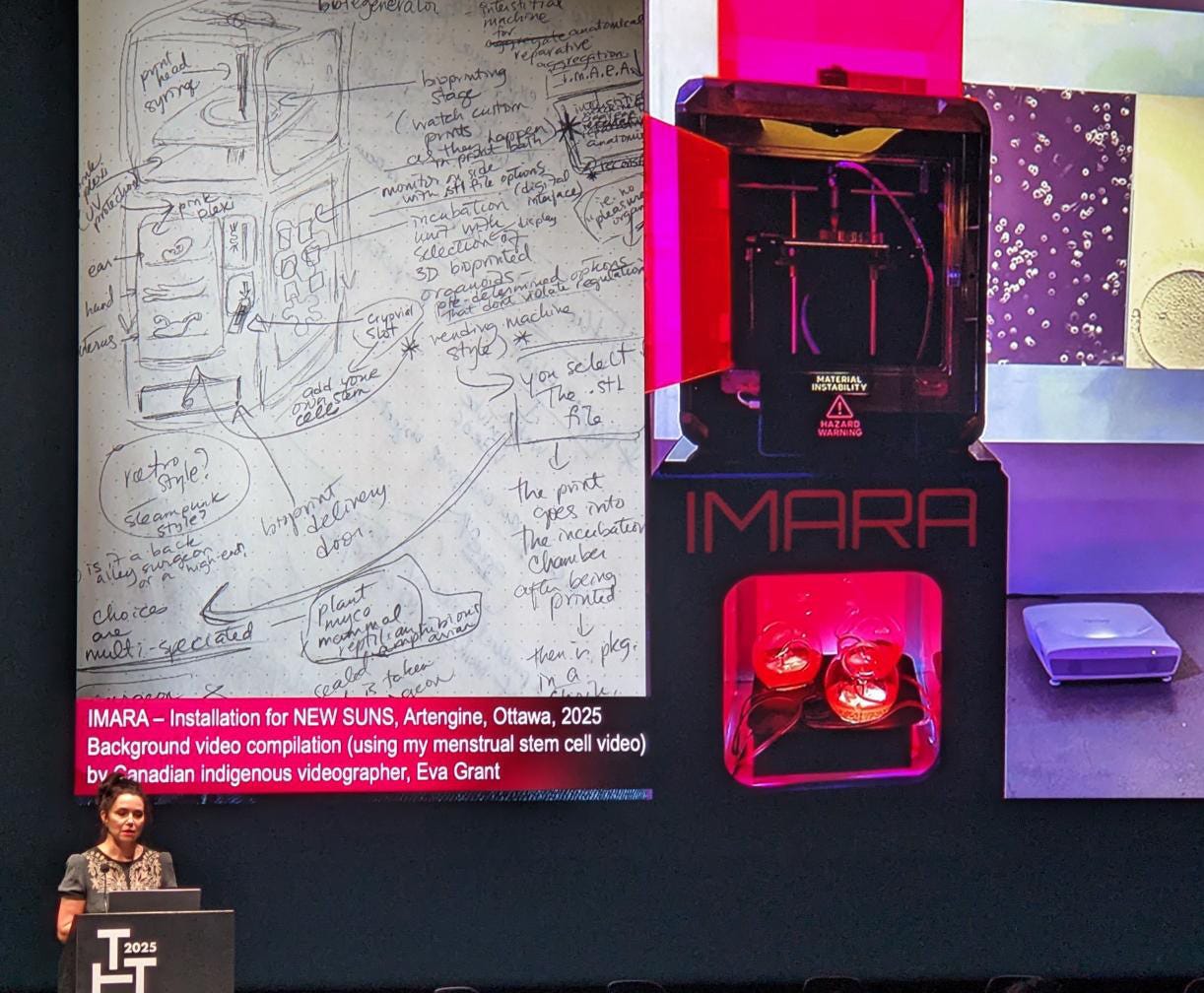
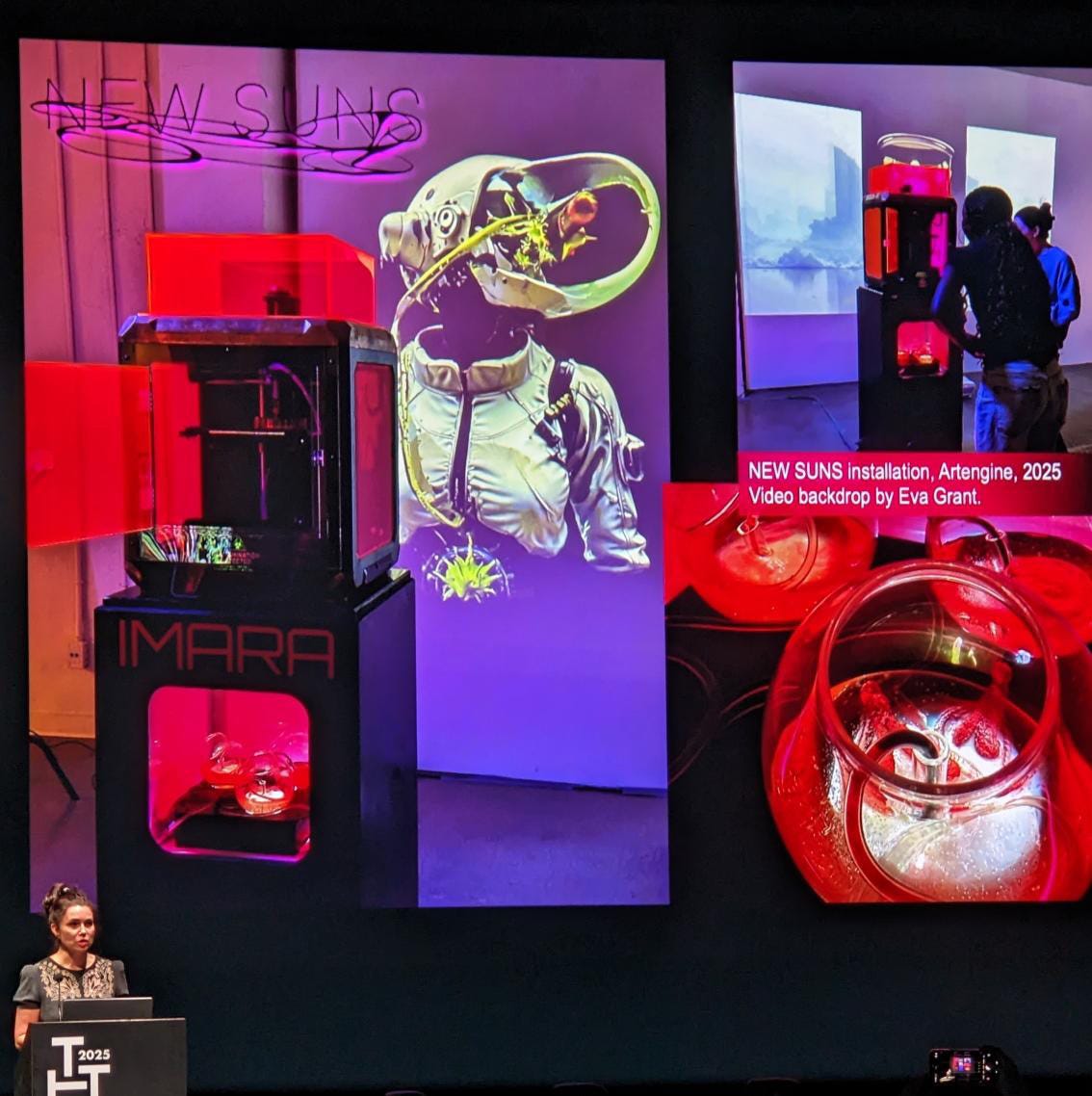
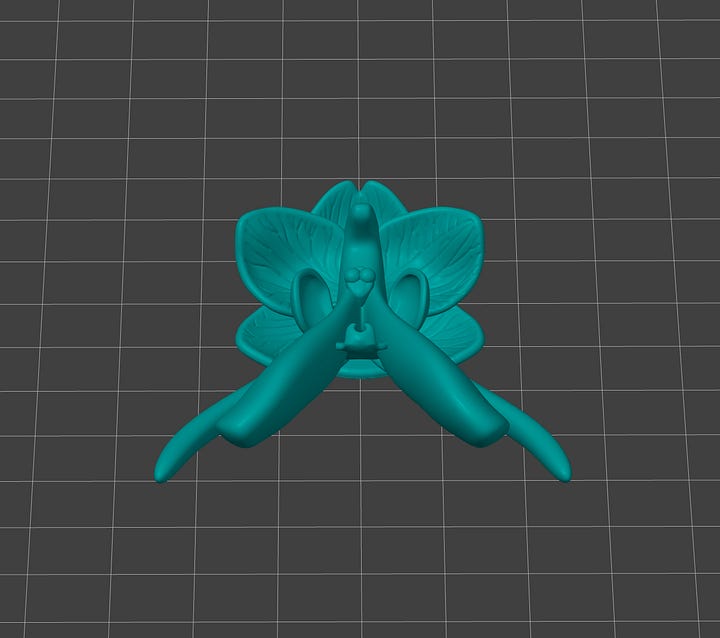
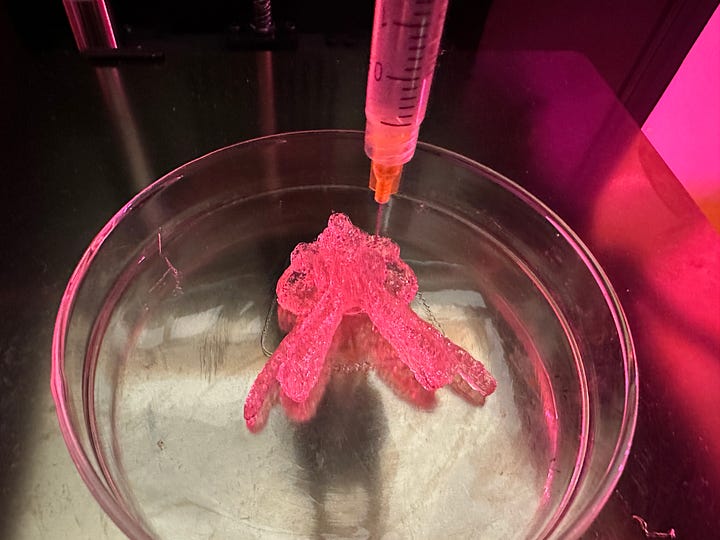
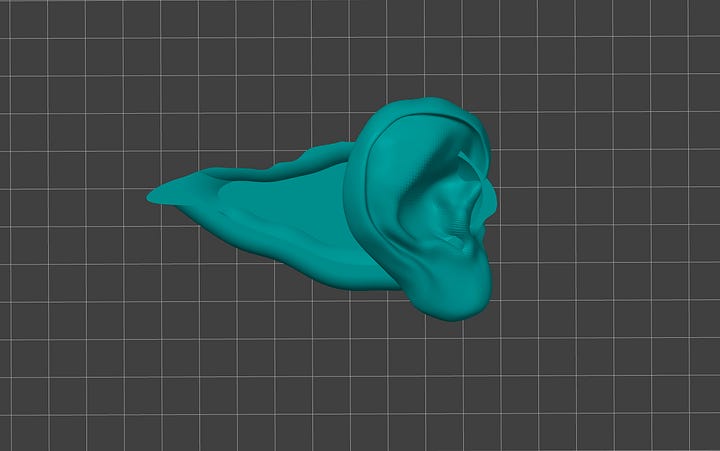
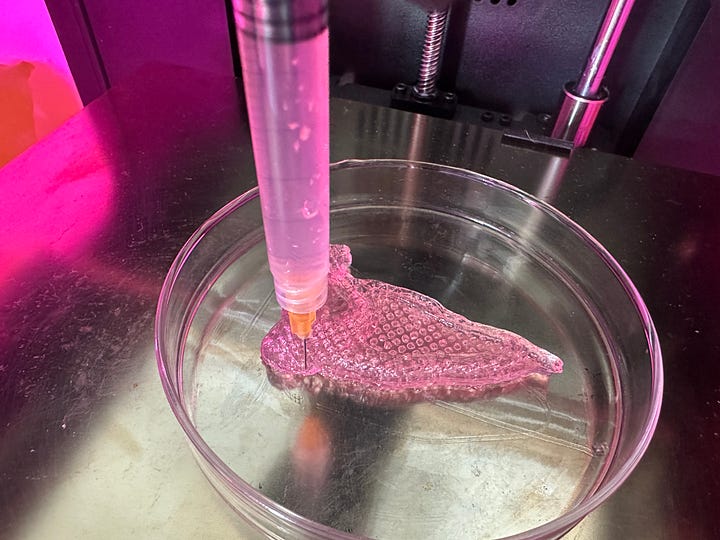
I presented IMARA: DIY Biofabrication and Feminist Worldbuilding, bringing my hacked bioprinter, speculative hybrid organs, and futures rebuilt from cryogenic ruins into dialogue with an audience ready to chew on the weird proclivities of my tinkering. I presented my most recent prototype in progress: an interspecies intersex sex organ, the orchid-clitoris, along with a human-bat ear. The questions I received regarding ethical, technical, and aesthetic implications were well informed, considered, and I even got a deeply enthusiastic, “God Bless You!” at the end for the work that I do (bless her heart). Truly, I am blessed with such a community. I even met a new aspiring collector, though I typically discourage collection of my ephemeral works (for this amazing person, though, I would make an exception). I also received an invitation to be part of an ambitious production that will take place in Latvia in 2027, as well as an invitation to participate as a speaker in the international SCI_ART Symposium taking place next month at the University of British Columbia (Kelowna campus).
So, why exactly was I drinking piss? Hanging out in chilly, melancholic caves to cook omelets where Russian POWs once sheltered in tortuous conditions? Scavenging wild savoury herbs from overgrown WWI trenches? Being inoculated with a cephalopod skin microbiome? Watching a shimmery octo-pope wax poetic about the current Schumann resonances and planetary upheaval? Witnessing the writhing lament of a bound body across the scorched soil of wildfire? Hearing the sonic datafication of electronic anal stimulation cum music? Holding space for the witchy autoerotic probing of sensors that produced ribald ritual chanting? What the fuck, exactly, am I talking about?
What I’m talking about is that for once, I was not the only freak in the room. I was in a mad hive of freaks, and I’ve rarely been so deeply rejuvenated by such communion.
Yes, drinking your own piss—or, urophagia—is believed by some to have dubious health benefits, not that I would know nor typically indulge belief in.5 I can tell you that mine tasted impossibly salty, like concentrated seawater, and had no smell or taste otherwise.6 The group activity was conducted as part of a satellite event called eliXir by Floravita, Jatun Risba, and Uroš Brezavšček, held in the karst region around Ljubljana, beside and inside of the Ruska jama cave.7 Our small group performance included first plucking local herbs for use in a frittata that was cooked on a beautiful hand-built stove inside the cave, whilst we stood around being dripped on by various slippery stalactites and breathing the spooky vapour of aerated cave droplets. After having plucked the sage, savoury, blackberry, dandelion, etc. for spicing the traditional Slovenian frtalja (frittata), we were guided through a mindful urophagy session. The person seated next to me had forgotten to collect his midstream morning piss and so snuck a dash of bottled water into his jar. I wondered how many others had faked it, but I am sure that my high profile curator friend next to him did the real act (as did I). Such risqué behaviour certainly levels the high art hierarchies—and perhaps this is the point.
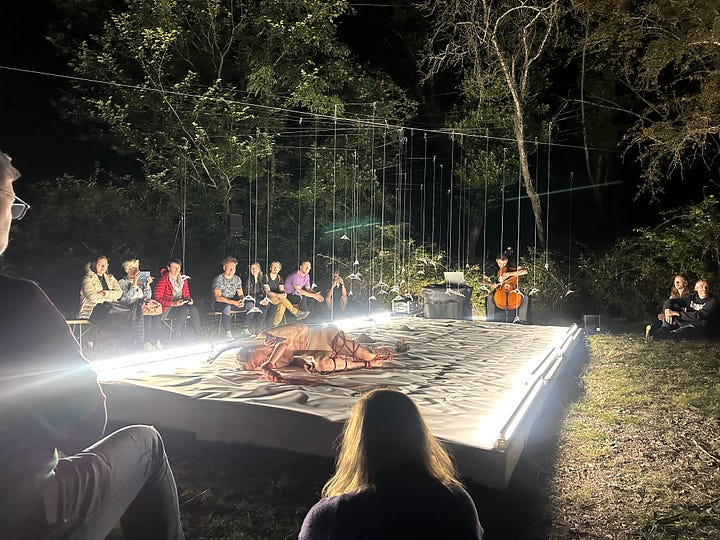
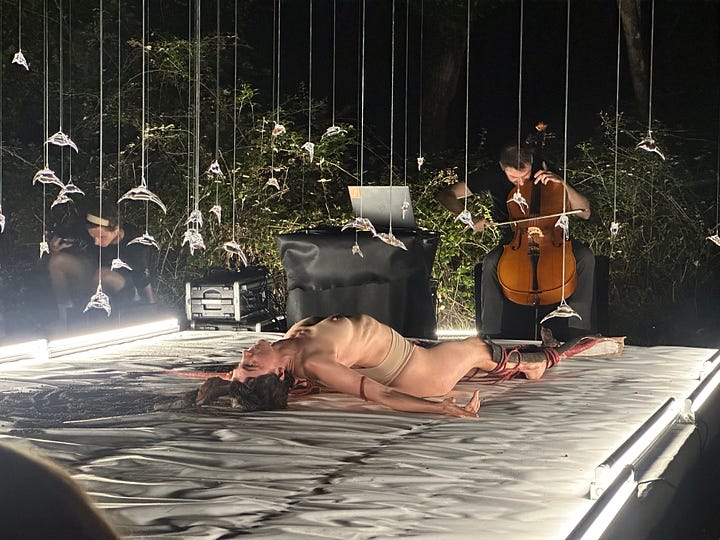
This activity, witnessed by an amassed crowd of around one hundred, was followed by a breathtaking performance by artist, Margherita Pevere.8 Lament was Pevere’s 45-minute, choreographed naked writhe, accompanied by gorgeous live music by Ivan Penov. Her costume consisted of silicone-covered, red felted tentacular extensions bound around her arms and legs, along with long, immobilizing strips of rigid tree bark. These appendages added to the complexity of her movements, attenuated by restraint, both from the prostheses and the low dangling, fragile glass seeds suspended above the entire performance stage. These aesthetics, although strikingly aquatic because of the floating glass forms and tentacles, were actually built around her research into scorched ecologies that remain after wildfires. Where I saw the insemination of plankton-like bodies, which she strained to (successfully and unsuccessfully) dribble her saliva into, she imagined seeds and soil re-wet by her own intimate resources. Her contortions were truly impressive, displaying incredible core strength and muscle discipline, even in her simplest gestures.
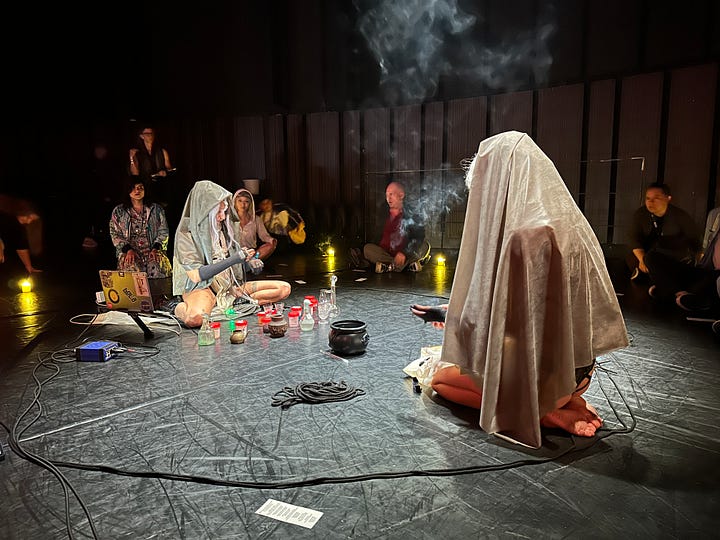
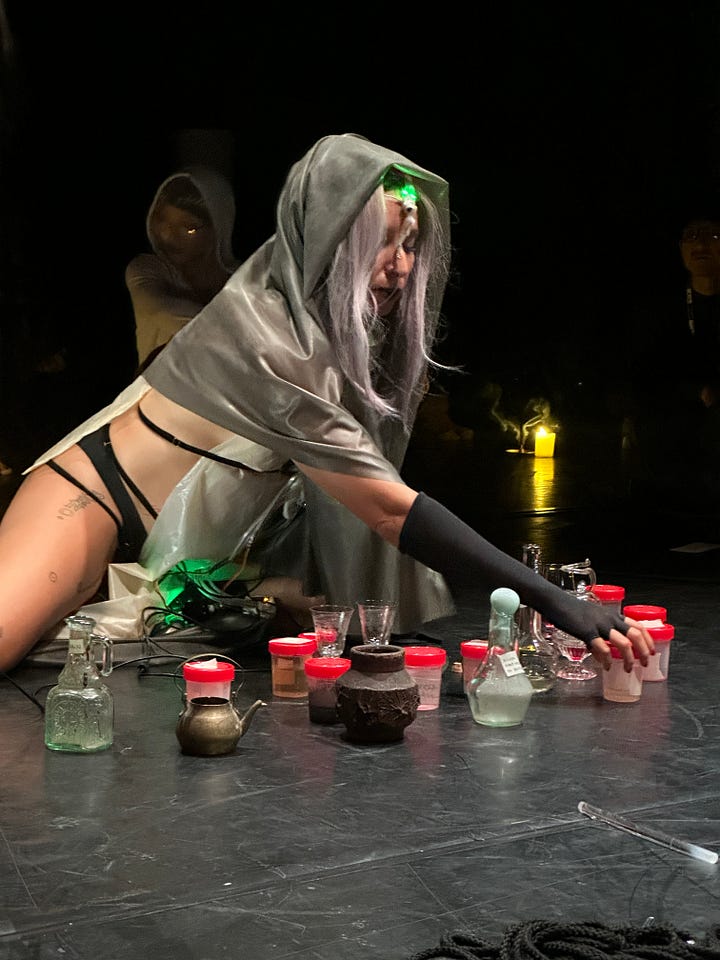
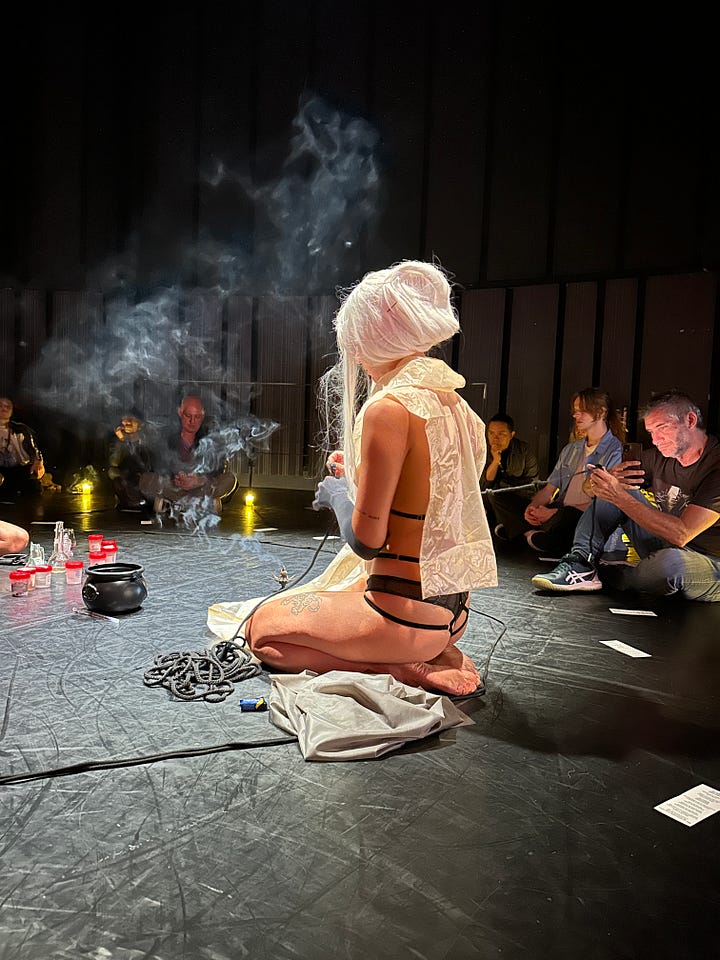
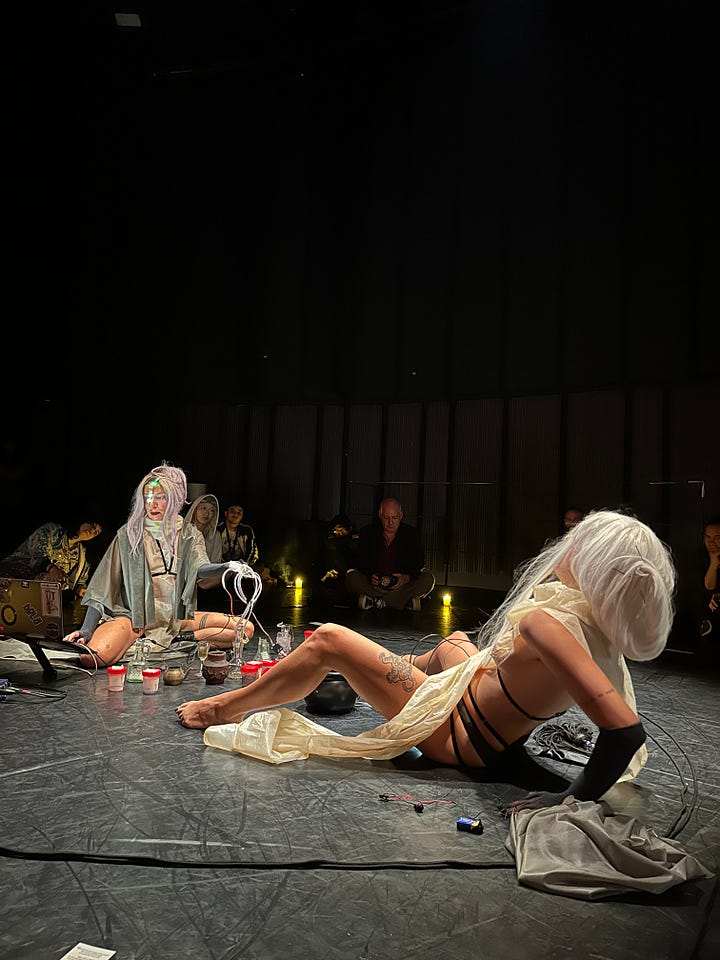
To back up a bit, this performance was preceded the previous day(s) by other remarkable performances that I must also share: bruixes_lab/ALMA de Bruixes (now rebranded as Le Ambigue)9 performed a sextech ritual, on/scenity, that charged the conference theatre with their courage in presenting erotic pleasure as a tech medium. Gathering the audience from our rows of polite seating to sit in an organic circle around them, the performers remixed spellcasting chants with manifesto-like declarations. One wove through the crowd to collect various unspecified fluids in a cauldron, coaxing us into complicity with a cat o’ nine tails flicked lightly across our backs and shoulders, blurring the lines between invitation and command. Once the fluids were gathered and the audience fully implicated in building the wet energies, the witches introduced electronically mediated masturbatory audio modulation into the ritual by direct penetration with a sensor—a thermistor, perhaps? This collision of intimacy, circuitry, and spellwork seduced us into collective trance/resonance.
There were performances and presentations that I missed, sadly—casualties of my own body’s limits (just as numerous interested people regrettably missed mine). Jet lag after crossing half the planet had me collapsing into afternoon naps or retreating early while the conference events roared past midnight. With 200 presenters packed into four relentless days, I selfishly wished for an extra day or two to fully land and give every work the attention it deserved. What I really wanted wasn’t just more time, but enduring proximity. I wanted extended access to this community, my community, as more than a rare convergence, but a more regular orbit. For that, I will have to return to Europe but plans for that are already afoot. Also, my roommate for the week, Dr. Alizée Armet, was an absolute charm—and another artist/ bioengineer!10 We are a rare breed and so our coming together was wonderfully unexpected; I was tickled to discover her cell culture medium bottles in the crisper drawer of our shared fridge, supplies for her next residency (looking much like my fridge at home).
By the end of this week-long feral extravaganza, I was fully entranced in the flow of the collective; this unruly convergence insisted on leaving a mark that would outlast the week itself. Enter Isadora Regis, or Kisa,11 who had come to present (speculative) tissue engineered nanoparticle clitoris tattoos with my dear friend and fellow bioengineer, Laura Sordini—the only other person on the planet 3D bioprinting clitorises (that’s how she discovered me).12 On the final day, Kisa inked a scorpion-dragon hybrid, freehand across my thigh. Synchronously, Kisa comes from the small Amazonian town where I will be for the LABVERDE Speculative Ecologies residency at the end of 2026. The tattoo felt like a stitching of timelines together and a living mark as souvenir, a reminder that some experiences do not stay politely in memory but insist on becoming part of the body. Thus, I left Ljubljana markedly changed, my own feral myth embedded in psyche and skin, still breathing after the conference ended.13
My jet lag upon returning to Vancouver was null, cancelled out by the lack of time to adjust to Eastern European circa diem, so that my body blinked right back into its usual rhythms. A fortunate thing, since there’s no time to linger: I have an imminent deadline for a chapter in the forthcoming Feral Labs Node Book #3, a flight to Kelowna right after for SCI_ART at UBC, a guest lecture and workshop to prepare for an interactive arts course at SFU, a panel presentation for the ASAP/16: Worldmaking/Worldbreaking conference in Texas at Rice University (which I will attend online), and a group exhibition coming up in Australia at Southern Forest Arts, called Resonance—Dialogues in Art & Ecology and (gulp) more. So much for the pacific phase I’d imagined. Somehow, I must still find time to write my book. I’m on the dragon’s back now, clinging to scale the next upward turn into the sky.
PS — If you enjoy my Substack as a research resource for your own academic/ artistic pursuits, or find it a useful index in building your own menstrual/ witch/ tech networks, please consider supporting my efforts here with a paid subscription. I’ve worked for almost a decade to bring together these practitioners and continue to work with them to create more opportunities for convergence and fertile craziness. Stay tuned!
I was introduced to the term, “wet philosopher” by French forest artist, Julien Isoré, who learned it (and reworded it) after hearing about “wet conceptualism” from artist, Warren Neidich, the director of Saas-Fee Summer Institute of Art and author of The Glossary of Cognitive Activism (For a Not so Distant Future). Henceforth, I shall refer to myself as a wet philosopher.
And as someone versed in microbiological agents, I do not endorse this activity. Though, my dear microbiologist friend did participate in the event. He was well and truly afraid, especially when I jokingly suggested swapping jars.
Ruska jama “was used by the Austro-Hungarian military units to store ammunition. In 1915, more than 30 thousand Russian prisoners of war were brought to the Isonzo Front. In very harsh conditions, they built military infrastructure, dug trenches, paths and caverns. They sought for shelter in caves that protected them against shootings. One of the largest caves was Ruska jama Cave.” Source: https://www.go2025.eu/en/imports/poi/mirenkras/ruska-jama-cave
The thing is way fucking bigger than I’d imagined, though. Oops.
Comments
Nothing yet. Say the first thing.
Sign in to join the conversation.