
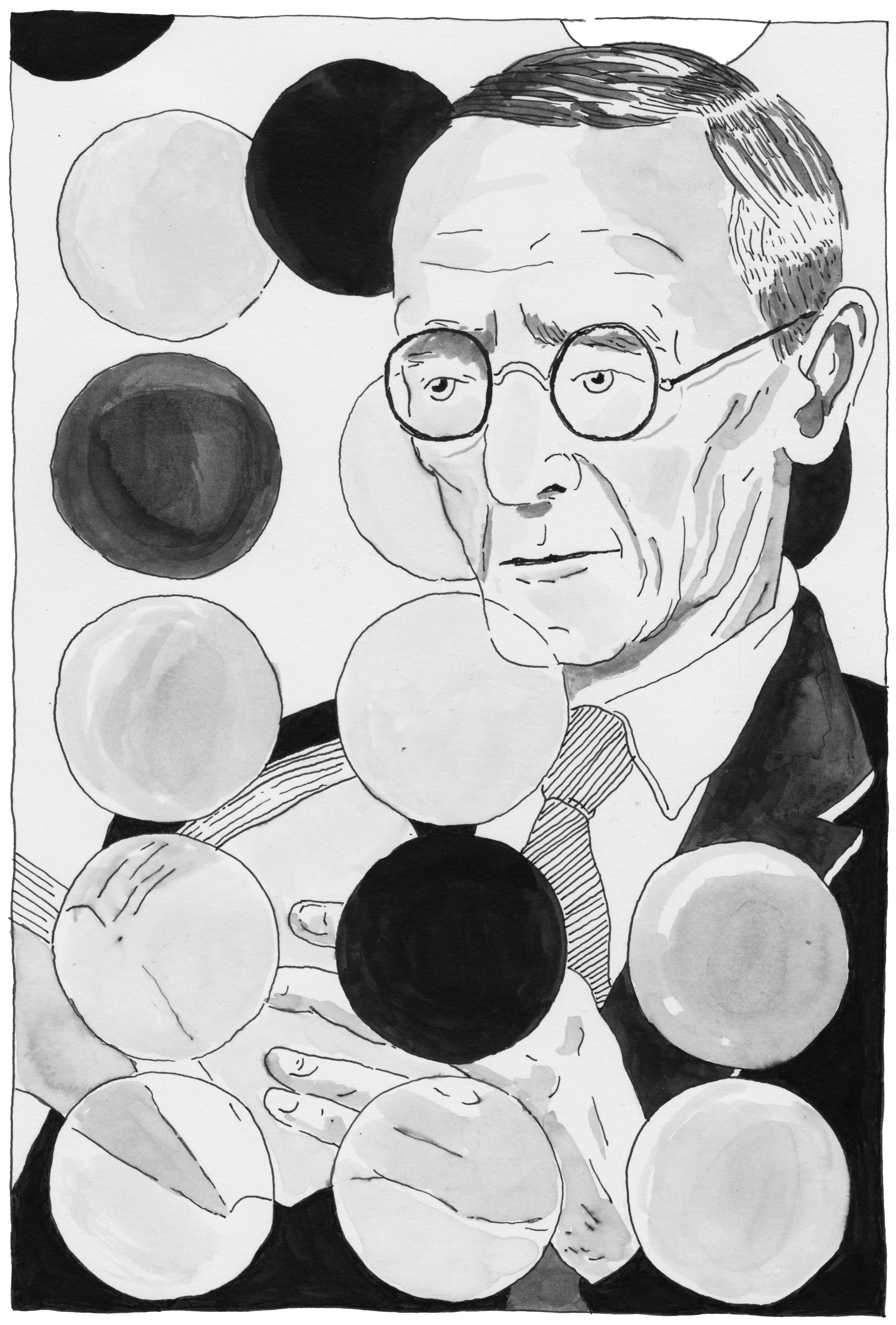
Herman Hesse uses the introduction to his proto-Sci-fi novel The Glass Bead Game to quickly predict and forecast our century. He even predicts this substack …
‘They reported on, or rather “chatted” about, a thousand-and-one items of knowledge (…) When we look at the titles cited, we feel surprise that there should have been people who devoured such chitchat for their daily reading.’
‘Feuilleton’ is the tasteful mid-century name for the gossip and nonsense which currently fuels several billion-dollar corporations, and untold hours of my and your time. Who said what about who? And how can they be stopped from saying what they said about said person. History, philosophy, the various social sciences, all sifted and collaged into quick rebuttals. The textbooks of each discipline left in tatters by that process.
‘These games sprang from their deep need to close their eyes and flee from unsolved problems and anxious forebodings of doom into an imaginary world as innocuous as possible… for they faced death, fear, pain and hunger almost without defenses, could no longer accept the consolations of the churches, and could obtain no useful advice from Reason. These people who read so many articles and listened to so many lectures did not take the time and trouble to strengthen themselves against fear, to combat the dread of death within themselves; they moved spasmodically through life and had no belief in a tomorrow.’
After the feuilleton, ‘a breakdown of outmoded forms, and a degree of reshuffling both of the world and its morality by means of politics and war, had to take place before the culture itself became capable of real self-analysis and a new organization.’
Hidden within this bleak reordering, the Glass Bead Game develops. Intellectuals hide in obscurity, refining a board game which summarises mathematics and musical theory. Over time, the game devours linguistics, physics, visual art and architecture. Eventually, ‘the Glass Bead Game contributed largely to the complete defeat of feuilletonism and to that newly awakened delight in strict mental exercises to which we owe the origin of a new, monastically austere intellectual discipline.’
Out of these schools and monasteries, rises Joseph Knecht. From penniless orphan to Magister Ludi, leader of the game. Plinio, a childhood friend, rebels against the abstraction of their schooling and returns to the real world. He knocks down the aristocratic manor house he was born in, and builds a great brutalist clump of rock and steel.
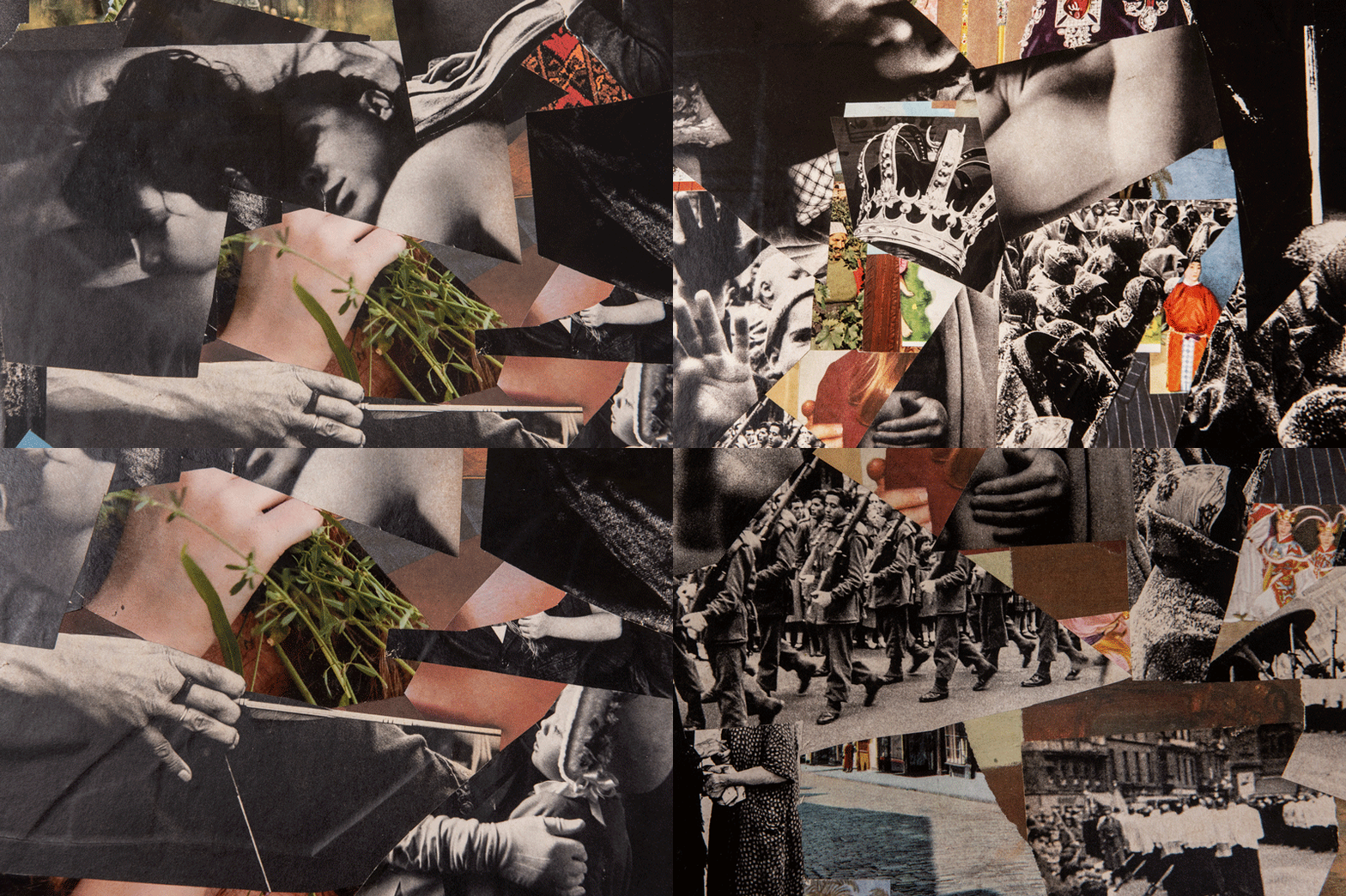
Long before these feuilleton’s, I had my own Glass Bead Game. I attended art school, and made collages. I thought they were the artform of our time, but like most things we see around us, they belong to the twentieth century. Picasso and Braque and Hannah Hoch and John Heartfield. Still, I spent many hours with my scissors and pritt stick, arranging images until my eyes sharpened beyond use and my brain began to fog. Sometimes, as the hour grew late, with an angle poise lamp behind me, I interrogated those books and magazines, cutting little pieces off them until they caved and revealed all the images they had connections with. Like an investigation that follows too many leads, accepts too much evidence and interviews too many informants, I would lose track and feel a growing panic as I looked on the floor and sensed that the offcut fragments were all communicating with one another. Shaking hands and conspiring. I didn’t have the time or resources to catch them all, cut them up and stick them in place. I believed, like many art school students, that I should be employed by the government to do this work. Who else was going to? And wasn’t it important?
Joseph Knecht spends his time writing plans for games, which he reads out at conferences. But on meeting his friend Plinio again, Knecht starts to draft his resignation, a collage of historical texts describing declining empires and isolated elites. Plinio has squandered his fortune and alienated his son Tito. The boy’s a tearaway, he gets in fights, he won’t go to school, he hates that his father gave up their ancestral home and built that ugly lump of concrete. Styles have changed. Knecht packs in his job as Magister Ludi so he can reconnect himself to the real world. He will tutor the boy.
In 1959, Xi Xingping’s father Xi Zhongxun was Vice Chairperson of the National People’s Congress. By 1962, he had been purged and sent to work in a tractor factory. His wife was forced to denounce him, and one of his daughters committed suicide after their house was raided by activists of the Cultural Revolution. Xi Xingping was sent to work in the countryside, fled, was imprisoned in a work camp and eventually, returned to the collective farm. Rejected seven times from the Communist Youth League, and rejected ten times from the Communist Party. After studying Chemical Engineering, Xi found a job with one of his fathers old friends, and slowly, over the course of thirty years, worked his way back into the Politburo.
Here, in the age of the feuilleton, our politicians study PPE for three years, then spend a decade or so in public relations.
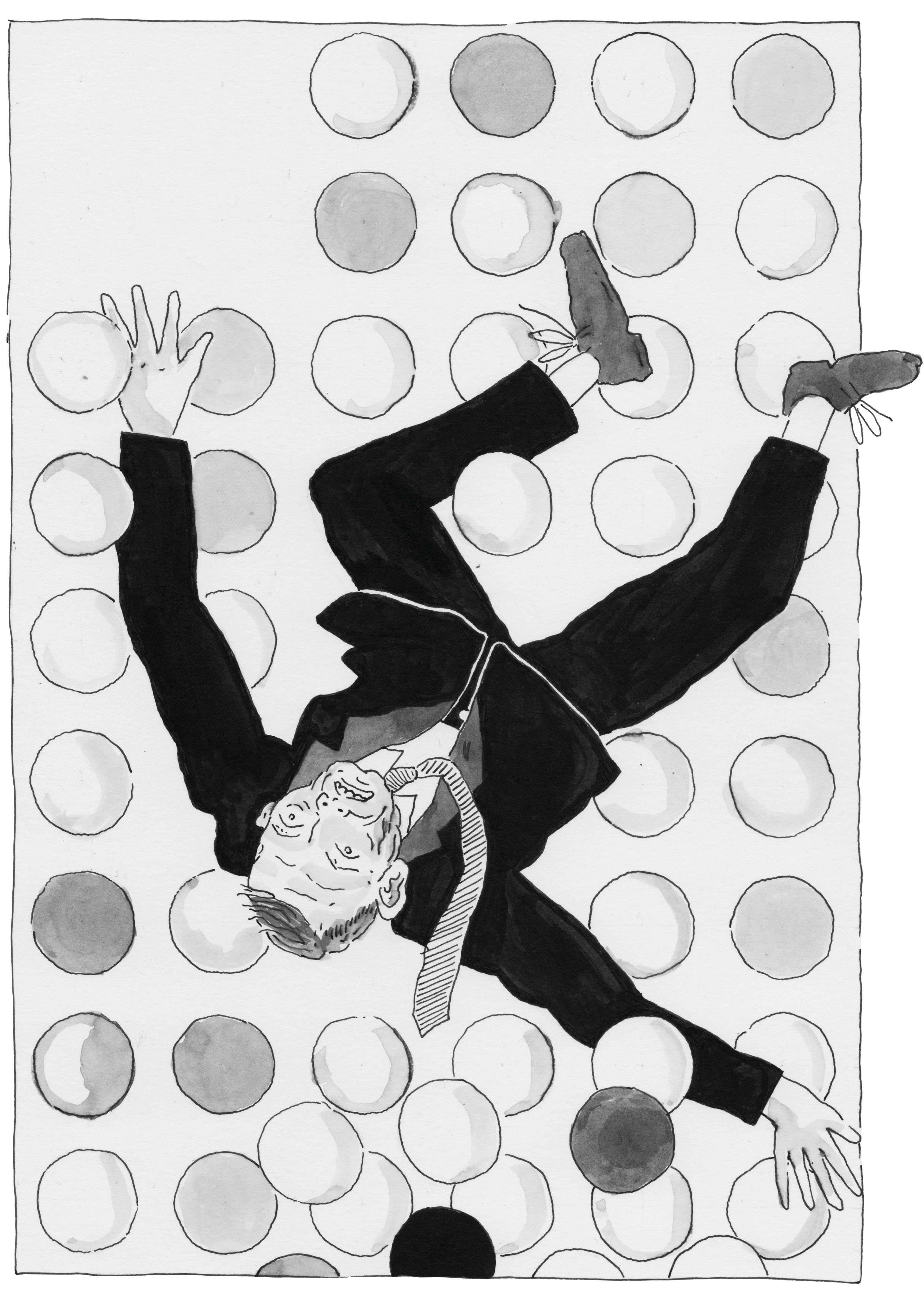
Joseph Knecht struggles to bond with his pupil. The boy won’t take him seriously. He stops turning up to their lessons. Knecht tries to appeal to young Tito’s athletic instincts by proposing a race across a glacial lake. But the intellectual life has weakened him. Knecht struggles and dies in the cold water, and Tito fails to notice. The boy splashes around, then swims to the shore. ‘And since in spite of all rational objections he felt responsible for the Master’s death, there came over him, with a premonitory shudder of awe, a sense that this guilt would utterly change him and his life, and would demand much greater things of him than he had ever before demanded of himself.’
In the last two pages, Hesse undermines the previous four hundred. It seems The Glass Bead Game was just as superficial as the feuilleton. Necessary for today, useful only as ballast or fuel for tomorrow.
No posts
Comments
Nothing yet. Say the first thing.
Sign in to join the conversation.