
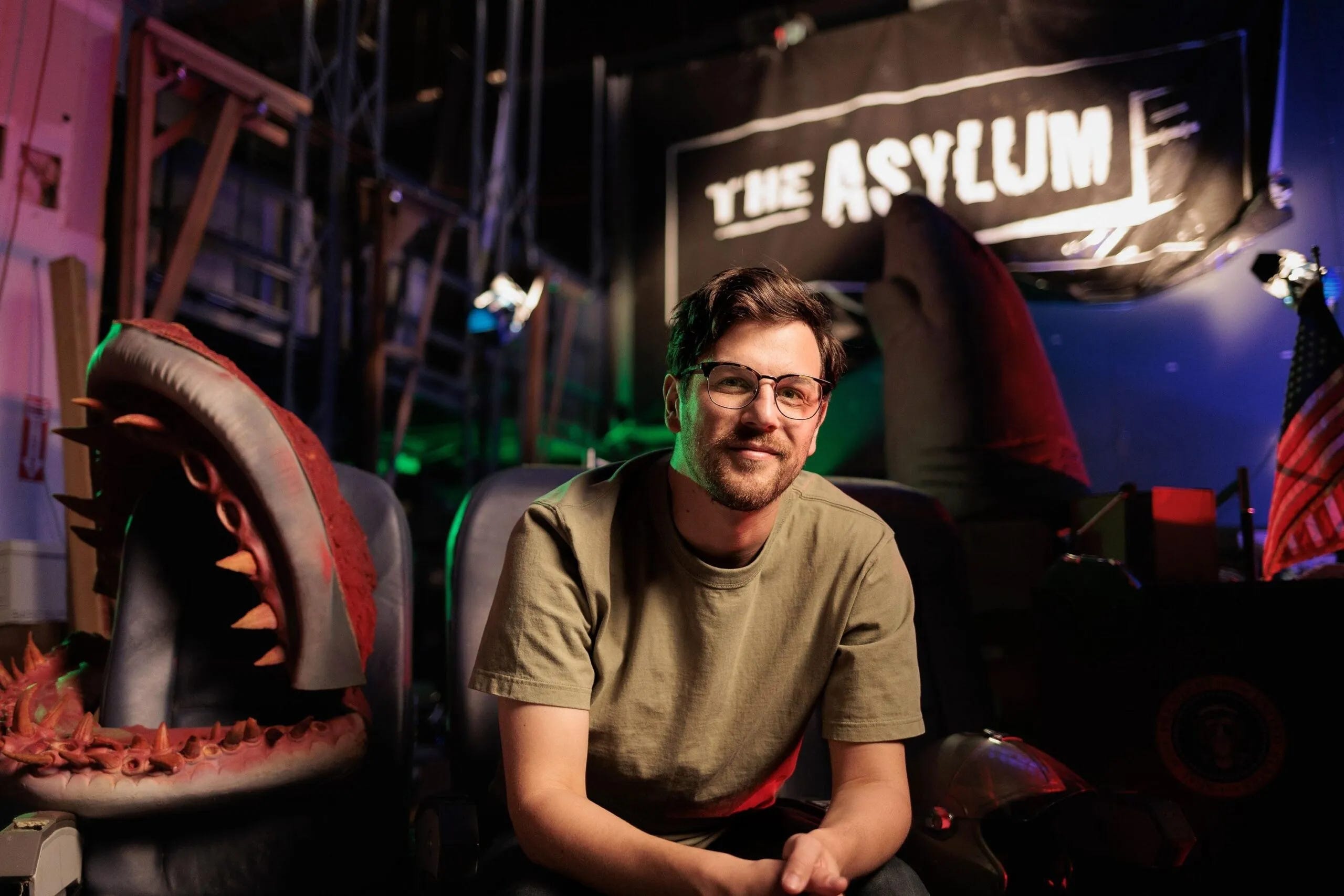
Mockbuster is released on digital platforms today (27th July) via Miracle Media.
It’s easy to take a very snobbish view on the world of Hollywood knockoffs. Made explicitly as cash grabs, using titles and cover images that are just close enough to big budget productions to pull in audiences looking for a quick 90min thrill ride, and rehashing scripts, effects and actors to keep budgets low, these productions are not out to woo the awards crowd, but to turn a quick profit to fund the next film.
While Paul Bales, chief operating officer at The Asylum, is probably a little too dismissive when he says ‘everyone says they like art films, but no one actually does’ in Mockbuster, there is a well-documented gap between what critics want and what audiences want, and a wealth of companies out there to fill that gulf.
Not only that, but these companies work at such a pace, and on such tight budgets, that they can afford to give emerging talent opportunities. While you might argue about the difference in quality between a Roger Corman film and something from The Asylum, the mentality of quick films, with new directors, using themes that are currently within the zeitgeist is not that far apart.

Which brings us to Mockbuster. A candid look at aspiring director Anthony Frith and his experience directing The Land That Time Forgot (2025) for The Asylum.
Turning the camera on himself, after falling into a rut directing corporate videos when he really wants to be making features, Frith is a likeable guide through the story. Unsure in which direction to turn, and too used to rejection emails, he decides to reach out to The Asylum who take him on as a director sight unseen.
One wonders if there wasn’t a little more to process than is shown here, but it makes a good hook, and Frith quickly finds himself with a one-page synopsis, a six-day shooting schedule, and the pressure of finding cast and crew for the first Australian film in The Asylum’s catalogue.
While the nuts and bolts of the filmmaking process, and with it all the stresses and fakery behind the scenes, are on display here. Frith is more introspective and uses much of the running time to question his own motivations. His desire to create something more memorable hints at the snobbery towards these b-movies and yet does perhaps highlight some of the issues with the way The Asylum works.
There’s a surprising amount of micro-management from the company, with little actual support in putting things in motion. They do send out Brendan Petrizzo as line producer when Frith’s contacts drop out, and he is fundamental to getting production off the ground, and yet there is a dissonance to how the company portrays itself and the reality of working for them and this is laid bare in Mockbuster.
The tight schedules force a filmmaker to just go with it. Go with the shoddy scripts, go with the best take after just a couple of run throughs, and just focus on getting the required coverage. This pressure can result in diamonds, as cast and crew fire on all cylinders to get something made. But the strict adherence to a formula stifle this, and Frith is frank about this, often feeling trapped by the weight of the production.
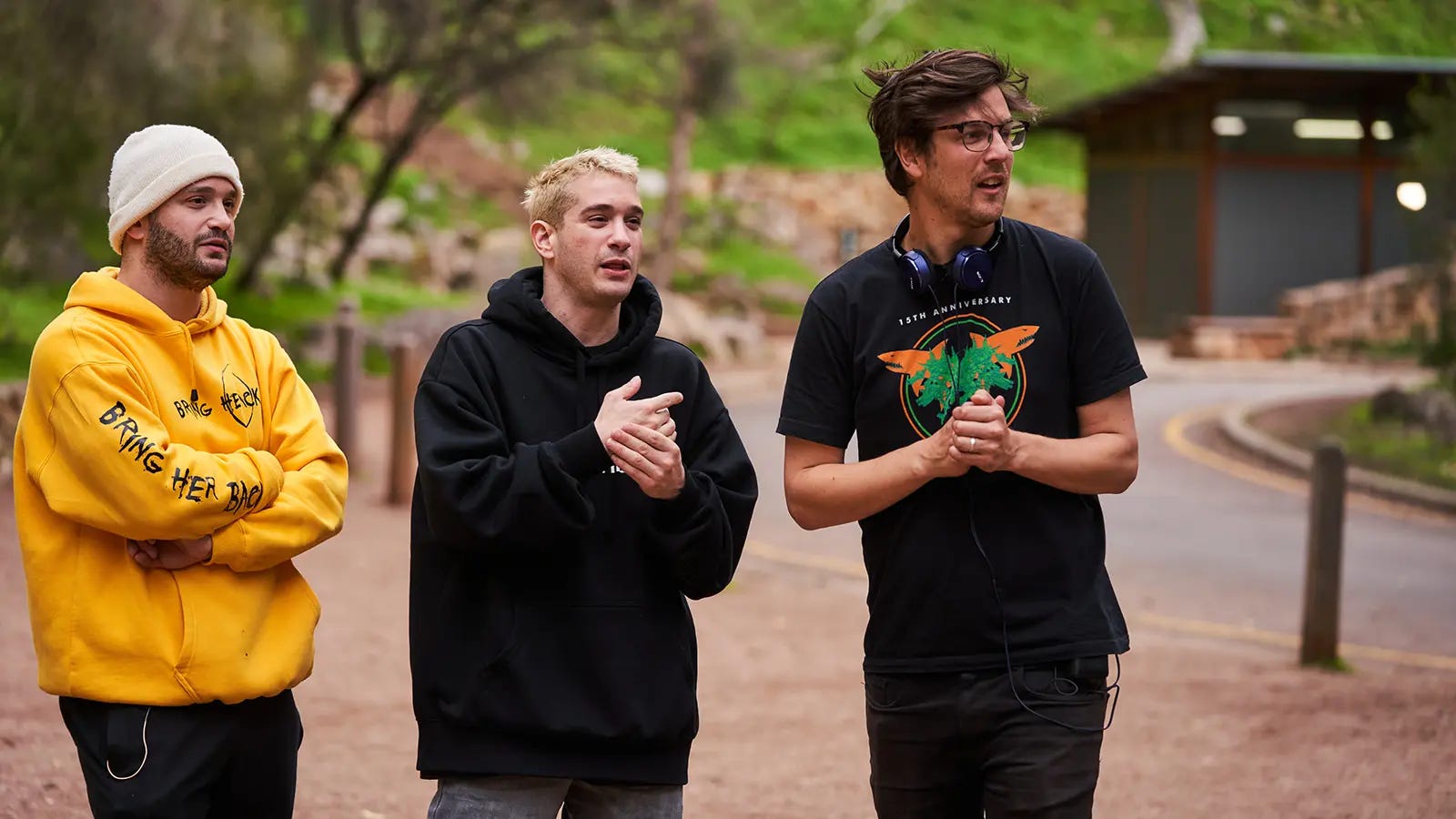
However, this frustration is tempered by his clear love for filmmaking. His warts and all experience comes with as many highs as it does lows, and there are some genuinely heartwarming moments in the final days of shooting where Frith lets go of his own ambitions, just for a moment, and focuses on wrapping his debut feature.
Mockbuster highlights the struggles that young creatives find themselves in. Even though Frith is a working director, it is not in the field he wants it to be, and he is disheartened especially when looking back at the stuff he was able to make when not constrained by family, bills, and adult life in general.
Things do feel a little too neat at the start. Frith has said in interviews that he had the ideas of emailing The Asylum and making the documentary simultaneously, so it seems unlikely that the company would have taken him on so easily without the pitch of the documentary alongside it. Perhaps I’m wrong, but it feels a touch disingenuous to suggest that The Asylum, or any production company, would take on an unproven director on the strength of an email.
But then this also feeds into the film’s main message, which is grabbing the opportunities given and making the most out them. Frith not only lived out a dream of directing a feature film, but walks away with a second, more interesting film.
This is an often funny look at just one avenue for filmmakers to take, though with the industry now reckoning with the decade-long rise of the Youtuber-cum-director, it already feels like an antiquated one.
Director: Anthony Frith
Writers: Anthony Frith, Sandy Cameron
Starring: Anthony Frith, Brendan Petrizzo, David Rimawi, David Latt, Paul Bales, Michelle Bauer, Lauren Koopowitz, Eliza Roberts, David Margetts
Comments
Nothing yet. Say the first thing.
Sign in to join the conversation.