
Every now and then, someone asks me whether I would recommend Germany as a place to live if you’re an artist or illustrator. Since many of you are freelancers, dream of working remotely, or have considered moving abroad, I thought I’d finally write a proper answer :)
The truth is that Germany is a country of extremes. Some aspects of living here have been so frustrating that they’ve made me question whether I want to stay. Others have been so good that they’ve made me seriously consider building my long-term future here.
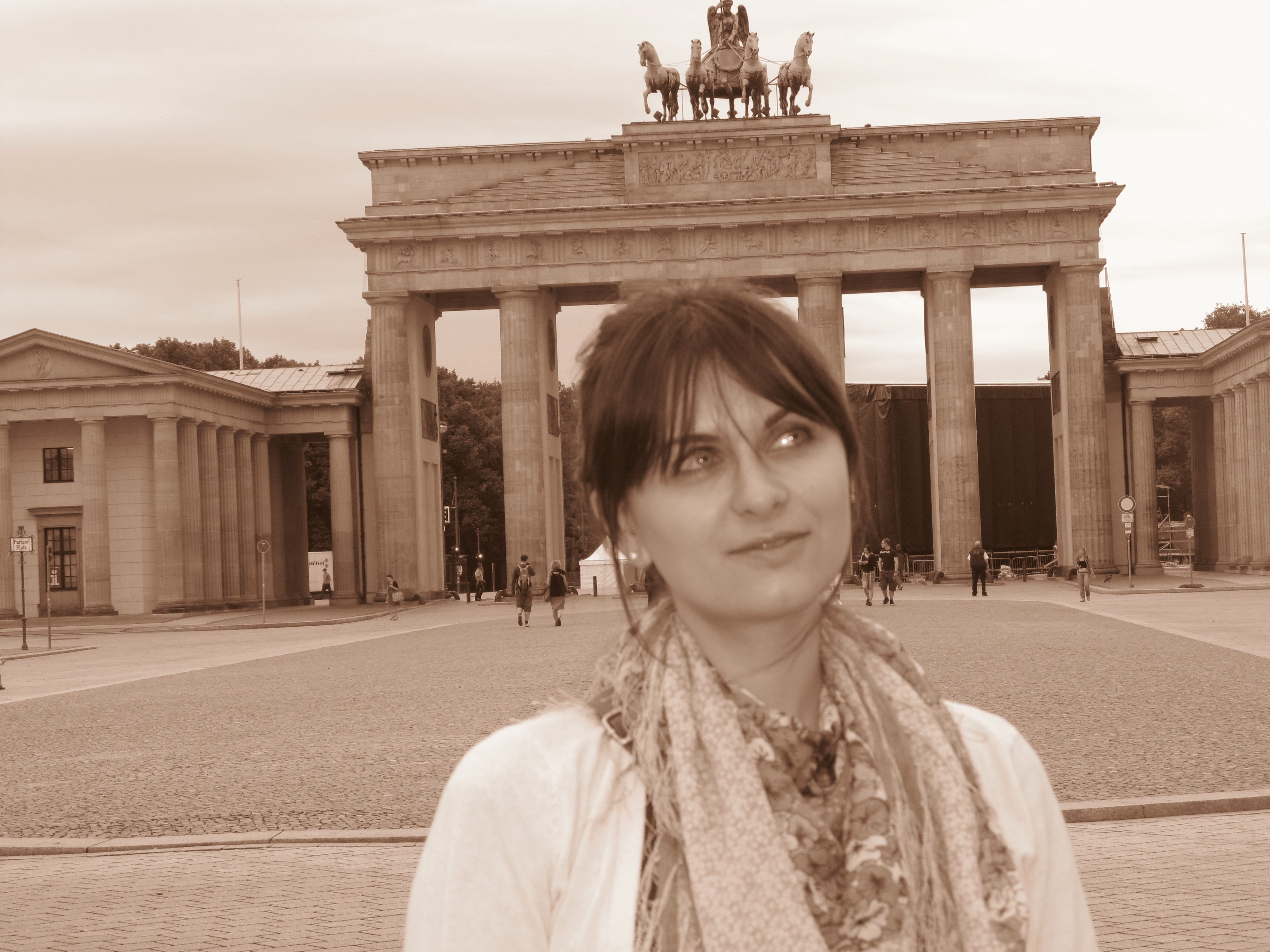
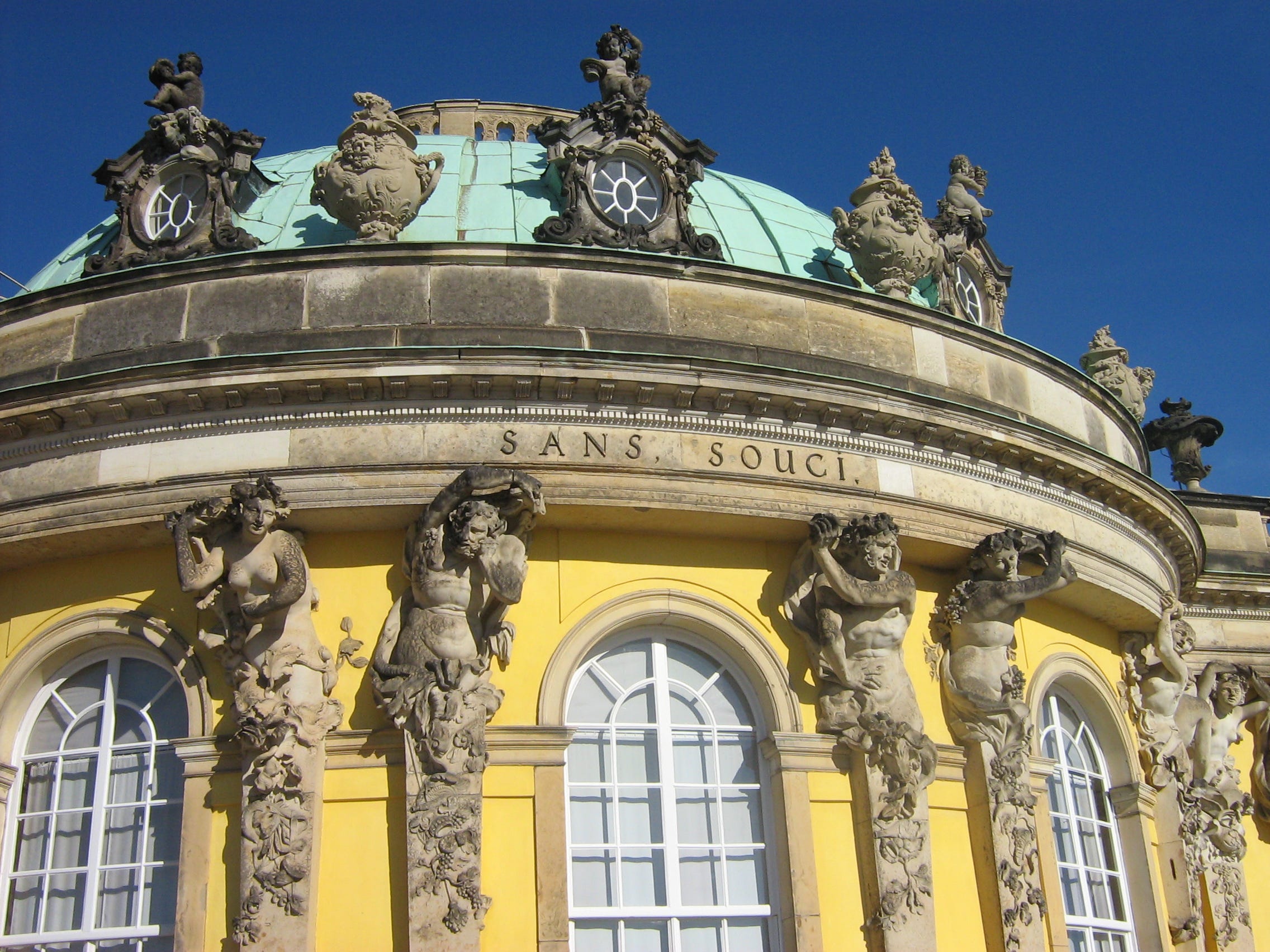
A small disclaimer: these are my personal experiences after living in Berlin and Potsdam (Brandenburg). Germany is a large country, and your experience in another city may be completely different.
If you’ve ever heard someone joke about German bureaucracy, I can confirm that the stereotype exists for a reason. As a freelancer, I honestly think bureaucracy is the single hardest part of living here.
There are forms for everything. Registrations, taxes, insurance, accounting, official letters, applications, declarations... it sometimes feels as though every task creates three more tasks. Germany adds another full-time job on top of that: paperwork. And I mean actual paper. Printed-out forms, letters in the post, signatures, envelopes, stamps... it’s honestly exhausting. I really mourn the trees here :( And next time around I will be expecting to send my mail by an actual mail pigeon… (coo coooo!)
What surprises me the most is the lack of efficient digitalisation. Germany often presents itself as a modern, innovative country, but when it comes to public administration, it frequently feels decades behind. So many processes still can’t be completed online, and when digital services do exist, they’re often incomplete or difficult to use.
Anyways, ass someone whose entire business is digital: I teach online, create digital illustrations, sell online courses and work with people all over the world - it honestly feels like stepping back in time every time I have to deal with government offices.
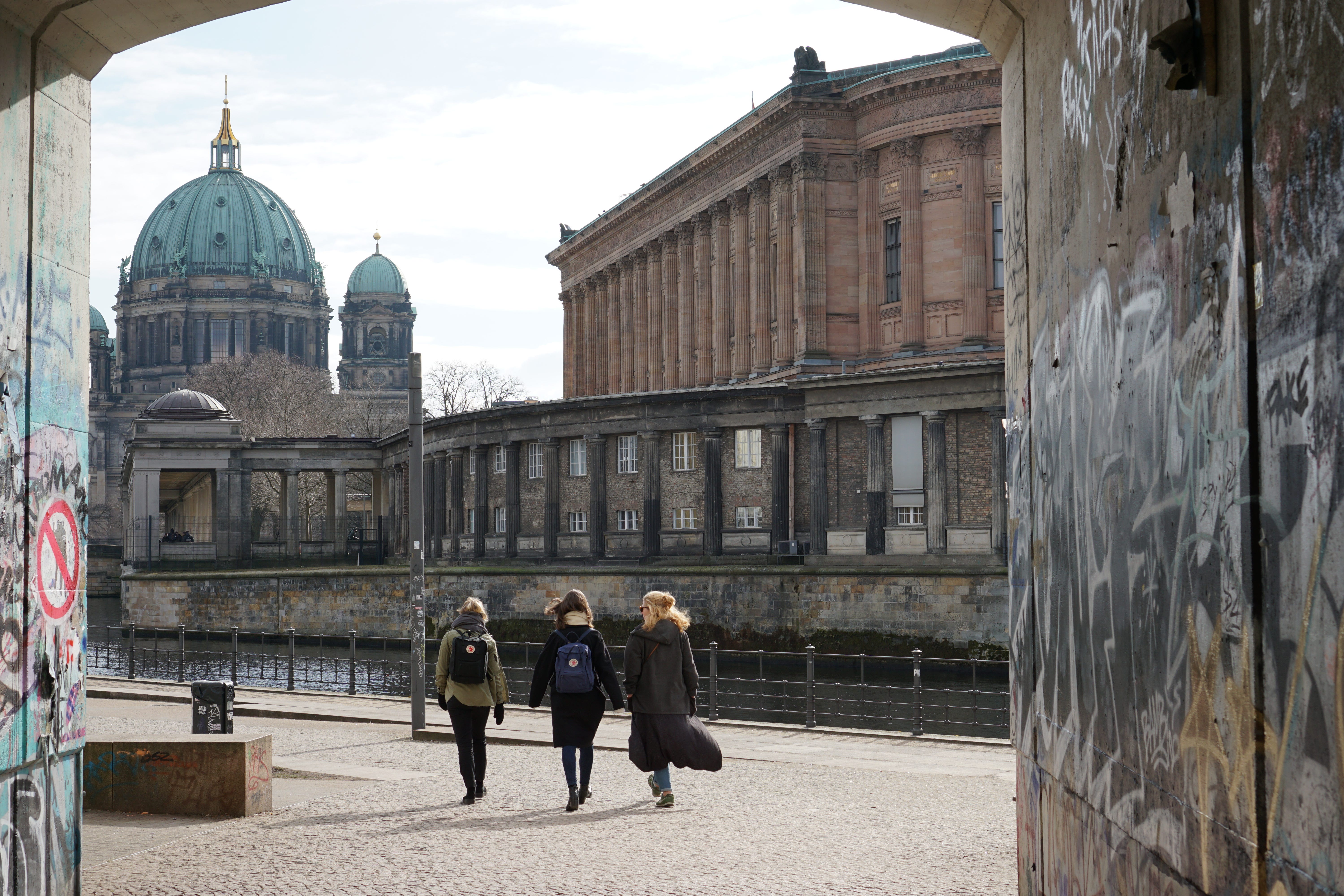
Nothing represents that bureaucracy better than the Finanzamt, which simply means the German tax office.
As I’m writing this, my Steuerberaterin (tax advisor) has been trying to reach the Finanzamt for more than three weeks. She needs information in order to complete calculations for my Elterngeld application. (Elterngeld is Germany’s parental allowance for new parents.) Three weeks without getting the information she needs. And btw, still no succes.
It’s difficult enough preparing for a baby without wondering whether important paperwork will be delayed because nobody answers the phone. Situations like this create unnecessary stress, and unfortunately they haven’t been rare in my experience.
Germany offers wonderful support for artists in some ways, but becoming and staying a freelancer here isn’t necessarily easy. You’re responsible for your own taxes, bookkeeping, insurance, invoicing and accounting. Most freelancers eventually hire a Steuerberater (tax advisor), which is incredibly helpful but also another business expense.
None of this is impossible, of course, but it’s something people should know before moving here. Germany isn’t the kind of place where you can simply ignore paperwork and hope for the best. It is also my subjective opinion that the German system will “reward” you if you comply and simply get a 9-5 full-time desk job. You will be rather well protected against losing your job, get a good contract, get some extra money benefits, get your insurance half paid by your employer bla bla bla. Whether there is a work balance there, and whether the system is family friendly… Depends on the company, but again, I don’t want to go there too deep.
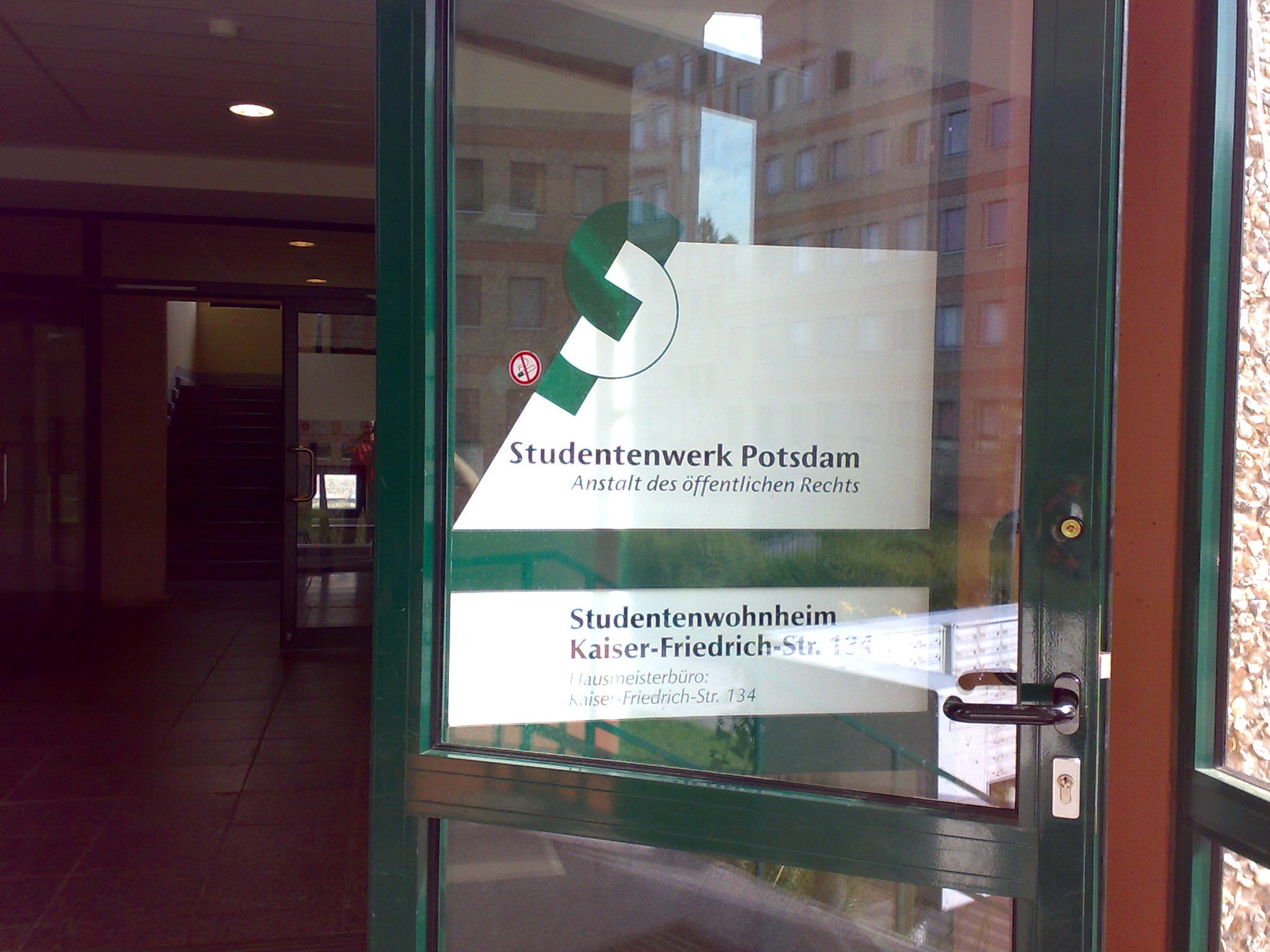
Another challenge that deserves its own section is housing. If you’re thinking about moving to Germany, prepare yourself for a competitive rental market. It’s completely normal for dozens or even hundreds of people to apply for the same apartment. Applicants often bring folders full of documents to prove their income, employment and financial stability. Flat owners often drive the prices up, knowing that people will pay. Since I moved back to Potsdam in 2024, I have been paying triple rent compared to the rent I used to pay in Berlin. Ouchhh…
For freelancers, it can be even harder because you don’t have a traditional employment contract. Finding a wonderful apartment is certainly possible, but it often requires patience, persistence and a bit of luck.
Now let’s move on to the good news.
One thing I genuinely appreciate about Germany is grocery shopping. Compared with several other European countries, supermarket prices are still relatively reasonable. Whether you’re shopping at Aldi, Lidl, Rewe or Edeka, it’s possible to eat well without spending a fortune.
As someone running a freelance business where income can fluctuate from month to month, I definitely appreciate that.
Germany is honestly a wonderful place if you love buying art materials. There are fantastic brands available, professional-quality supplies are easy to find, and prices are often very OK.
One of my favourite places is Boesner, a huge art supply store that feels like heaven for artists. Every visit somehow turns into an expensive visit, but I never regret it :)
Here are also some of my favorite online shops for art supplies: Kunstpark Shop, and Gerstaecker Shop.
I’ve also found that electronics tend to be fairly competitive. If you’re looking for an iPad, microphone, drawing tablet, camera or other equipment for your creative business, Germany is often a very good place to shop. Considering how dependent many of us are on technology these days, that’s definitely worth mentioning.
I also used to work for Rebuy.de, an online marketplace for 2nd-hand electronics, and this is where I got all my iPads from :) Medimops is also worth mentioning for 2nd-hand books.
I’ve saved my favourite part until the end. If there is one thing Germany does exceptionally well for professional artists, it’s the Künstlersozialkasse, better known as the KSK. The name sounds intimidating, but the idea is wonderfully simple.
The KSK is a special system for professional freelance artists and creatives. If you’re accepted, it pays roughly half of your public health insurance, long-term care insurance and pension insurance contributions, giving freelancers support that’s similar to what employees receive from an employer.
For me, this changed everything. Being self-employed is exciting, but it also comes with uncertainty. Knowing that I receive support with health insurance provides a level of stability that’s difficult to overstate. In fact, the KSK is one of the main reasons I started thinking that maybe Germany should remain my home for longer than I originally planned. Without it, I’m not sure I would have reached the same conclusion.
After several years here, my answer is still: yes, but with some important caveats.
If you’re an established freelance artist who qualifies for the KSK, Germany offers a level of support that many creatives around the world would love to have.
At the same time, you’ll need patience. Bureaucracy is real. The tax system is complicated. Housing can be difficult. Public administration still has a long way to go when it comes to digitalisation.
I’d love to hear your experiences. If you live in Germany, what has your experience been like? And if you’re reading this from another country, what does your country do brilliantly for artists, and what do you wish would change?
Thanks for reading The Art of Growth! This post is public so feel free to share it.

A German media authority contacted me about my YouTube channel
·
May 31

Exactly 3 months after having my baby, I finally felt ready to return to creating. I opened my laptop, started catching up on emails, looked at my YouTube channel, my courses, my Substack… And then I saw an email that made my stomach drop :(The Art of Growth is a reader-supported publication. To receive new posts and support my work, consider becoming a free or paid subscriber.

Hi! I’m Weronika Salach, a freelance illustrator specializing in children’s books, toy design and surface pattern design. Internationally I’m represented by Advocate Art. Over 50,000 happy students have taken my digital illustration courses and watched my YouTube videos. Let’s connect :)
👉 Website
👉 Courses
👉 “The Art of Growth” blog-letter
👉 YouTube
Comments
Nothing yet. Say the first thing.
Sign in to join the conversation.