


Dear Noire,
My husband had a stroke five years ago, and I have been his caregiver ever since. Between caring for him and managing the demands of work, some days it all gets to be too much. I need someone to talk to, and I feel like I need something in my life that is just for me. Is it wrong to want something just for myself?
Signed,
TF am I supposed to do now?
Dear TF am I supposed to do now,
I remember sitting around with a group of girlfriends a while back, all of us in our 40s, when one friend started recounting a story about a call she received while traveling. It was a frantic call. Her husband had fallen, and it was bad. The message was basically: You need to get home immediately. At that point, they thought he might be paralyzed.
She shared, “Y’all, my immediate thought was not, ‘Oh my God, I hope he’s okay.’ It was more like, ‘Oh, fuck no. He better not be paralyzed. I am not taking care of you and these kids by myself. Absolutely the fuck not. I will leave him!’”
We all burst out laughing hysterically at our friend who is truly the most kind hearted person we know.
Fortunately, his injury was not as serious as they initially thought. He was fine. So while we all had the privilege of laughing about it after the fact, we were not laughing because we thought him getting hurt was funny. We were laughing because every woman in that circle could relate and knew we would probably feel the exact same way if it happened to us.
In that one phone call, she saw her whole life flash before her eyes. The kids would still need her, the household would still need her, work would still need her, and now her husband would need her more— in a way that neither of them had planned for. And somehow, she would be expected to absorb all of it. So, in a world where each of us are already carrying way too much, a first thought of “absolutely the fuck not” made perfect sense!
That story came back to me when I read your question because unfortunately, you did not get the privilege of finding out that the situation was less serious than everyone feared. Your husband had a stroke, and your life really did change. The stroke happened to his body, but it also happened to your marriage, your routines, your work, your future plans, and the version of life you expected to have together. I am sorry this happened to you. You are allowed to acknowledge what this has cost you without making his suffering less important.
But let me answer your actual question directly: No, it is not wrong to need something for yourself. It is not wrong to think, I do not want this life. I am angry this happened to us. I miss who we used to be. I do not want to spend the rest of my life taking care of someone. What about me? Having those thoughts does not mean you do not love your husband. It means you are human trying to make sense of an enormous change.
When a major illness enters a marriage, the person who becomes ill experiences the most direct physical loss. But the partner often experiences a quieter collection of losses that the world does not always know how to acknowledge. There can be changes in companionship, intimacy, finances, work, freedom, recreation, household roles, and the future the couple once imagined. Research on spouses of stroke survivors has found lasting disruptions in personal relationships, employment, and recreation, with those losses connected to greater caregiver strain.
You can feel grateful that your husband survived and still grieve what changed. You can love him and feel angry. You can be committed to his care and feel exhausted by it. You can recognize that he did not choose this while also recognizing that you did not choose it either. All of those things can be true at the same time.
And you have been doing this for five years. Five years is long enough for an emergency to become a lifestyle. The initial crisis may have passed, but the demands did not disappear. You figured out routines. You handled what needed to be handled. You probably learned things you never expected to know and became capable of things you never wanted to become capable of doing. But settling into a routine is not the same thing as rebuilding a life.
I imagine that your depletion is so often praised. You get called strong when you are overwhelmed, dependable but nobody has asks what all that responsibility is costing you, and selfless while you have slowly disappeared from your own life.
Being needed can give life meaning. But being nothing but needed can leave a person resentful, trapped, and invisible. The goal is not to become endlessly useful to everybody else. It is to build a life in which care, meaning, contribution, and your own personhood can coexist. There should still be room for you to feel whole and full. There should still be laughter, curiosity, pleasure, excitement, and experiences that belong to you. I encourage you to start considering what the new plans are, and those plans should not consist only of you being a caregiver.
Part of rebuilding after an unwanted life change is separating the deeper emotional or spiritual goal from the particular plan you once made to fulfill it. Let’s say the goal you shared with your husband was to experience wonder, magic, excitement, and adventure. The physical plan might have been to travel together to a new country every year. After a stroke, that version of the plan may no longer be possible, or it may require more support than you currently have. But the deeper goal does not have to die with the original plan.
Maybe wonder now includes smaller adventures the two of you can still share. Maybe it also includes you taking international trips with friends every other year while trusted care is arranged for your husband at home. The physical manifestation has changed, but the emotional and spiritual goal remains: I want a life in which I still experience awe. I want to stay connected to the part of me that feels excited to be here. That is not betrayal. That is rebuilding. Your husband is more than a stroke survivor, and you are more than his caregiver.
The sentence in your question that stands out most to me is, “I just need someone to talk to.” Caregivers need spaces where they do not have to be encouraging, protective, competent, or grateful. They need somewhere they can say the ugly thing, the exhausted thing, and the true thing without worrying that their honesty will injure the person they care for. If you don’t currently have a space like that, I would encourage you to make your next step finding such a space. You can start by reading more at the American Stroke Association here. They offer caregiver resources, support groups, and more.
Warmly,
Dr. Tai
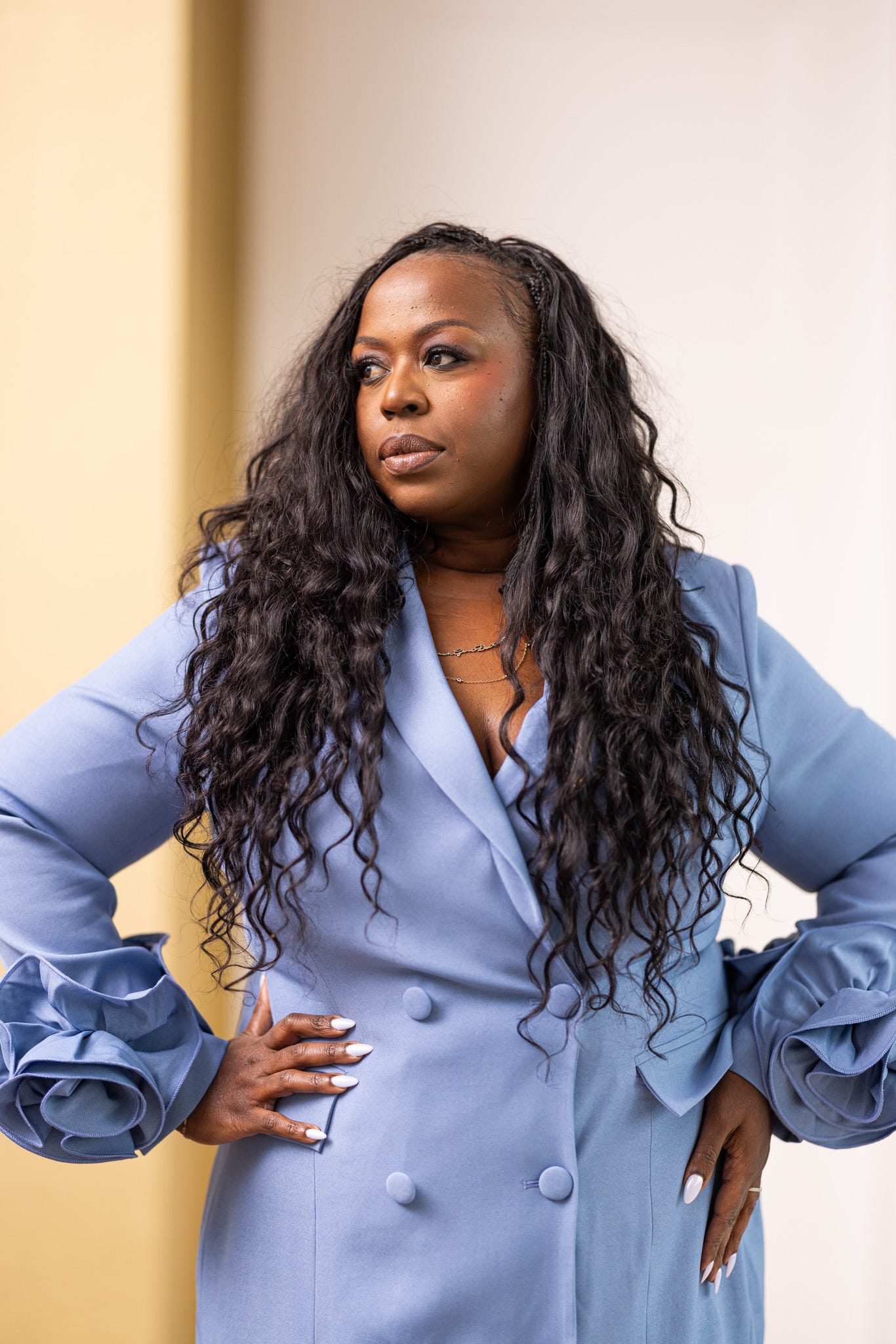
Dr. Taisha Caldwell-Harvey is licensed psychologist, entrepreneur, speaker, and mental health consultant. Her research and published work centers career selection, motivation, and ambition in Black communities. She believes joy can be created in any circumstance, and believes her purpose is to inspire others to fulfill the calling on their lives.
We’d love to hear what’s on your heart. Use the form below to submit an anonymous question. You might see your letter featured in a future post answered by one of our licensed psychologists at The Black Girl Doctor.
No posts
Comments
Nothing yet. Say the first thing.
Sign in to join the conversation.