
Our team at Invest in Our Future believes that faster clean energy deployment, especially in rural communities, will require a narrative boost. Across rural America, projects are generating direct benefits for families, workers, and residents. And there are countless local champions who can speak authentically about how clean energy has made their lives, and their communities, better.
This week, we’re taking a look at how a close-knit Hispanic community in rural Minnesota stepped up to embrace clean energy savings, and how IOF grantee and Builders Network member Resource Rural has helped them spread their story far and wide.
• • •
Drawn in by manufacturing jobs in metal fabrication, agricultural machinery, and a big meat packing plant, a growing number of Hispanic working class families have built a tight knit community in the rural city of St. James in southern Minnesota, where they now make up more than 40 percent of the town’s population. Local officials host an annual Multicultural Fiesta and the mayor invites the community to coffee events. But many of the best local resources available come from trusted groups like Convivencia Hispana, a community-led organization of Hispanic residents who offer support through student scholarships, programs for senior citizens, and education initiatives on things like building credit or buying a home.
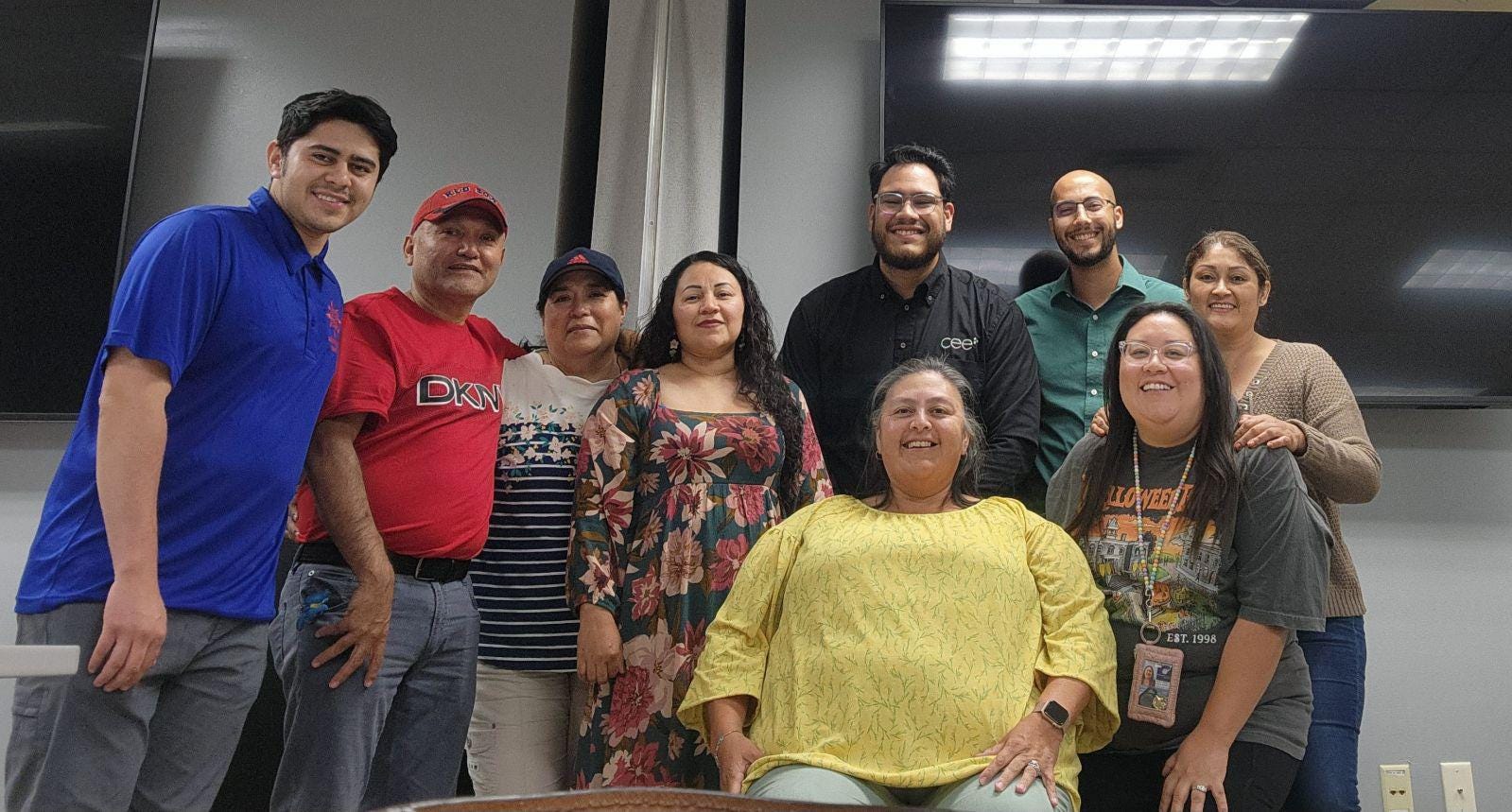
In 2022, word started to go around about the potential for households to save money on their utility bills through energy efficiency upgrades, home weatherization, and clean energy. In a community where families live on tight budgets, these savings would make a world of difference. But for many, government programs felt distant and difficult to navigate. Contractors weren’t always trusted. And information on programs and grants wasn’t reaching residents from countries like Mexico, El Salvador, and Guatemala in their native language.
That’s where Convivencia Hispana stepped in. Strengthened by their strong cultural affinity and trust built over the years, the group partnered with local officials and the Region Nine Development Commission (RNDC) on a program to provide free energy audits and upgrades in St. James. They also helped train residents to become “energy navigators,” answering questions and connecting neighbors with the resources and grants that were available. The program directed grant funding to more than 40 families, allowing them to insulate their homes and install cost-saving appliances like heat pumps and efficient furnaces, while 143 homes received comprehensive energy audits.
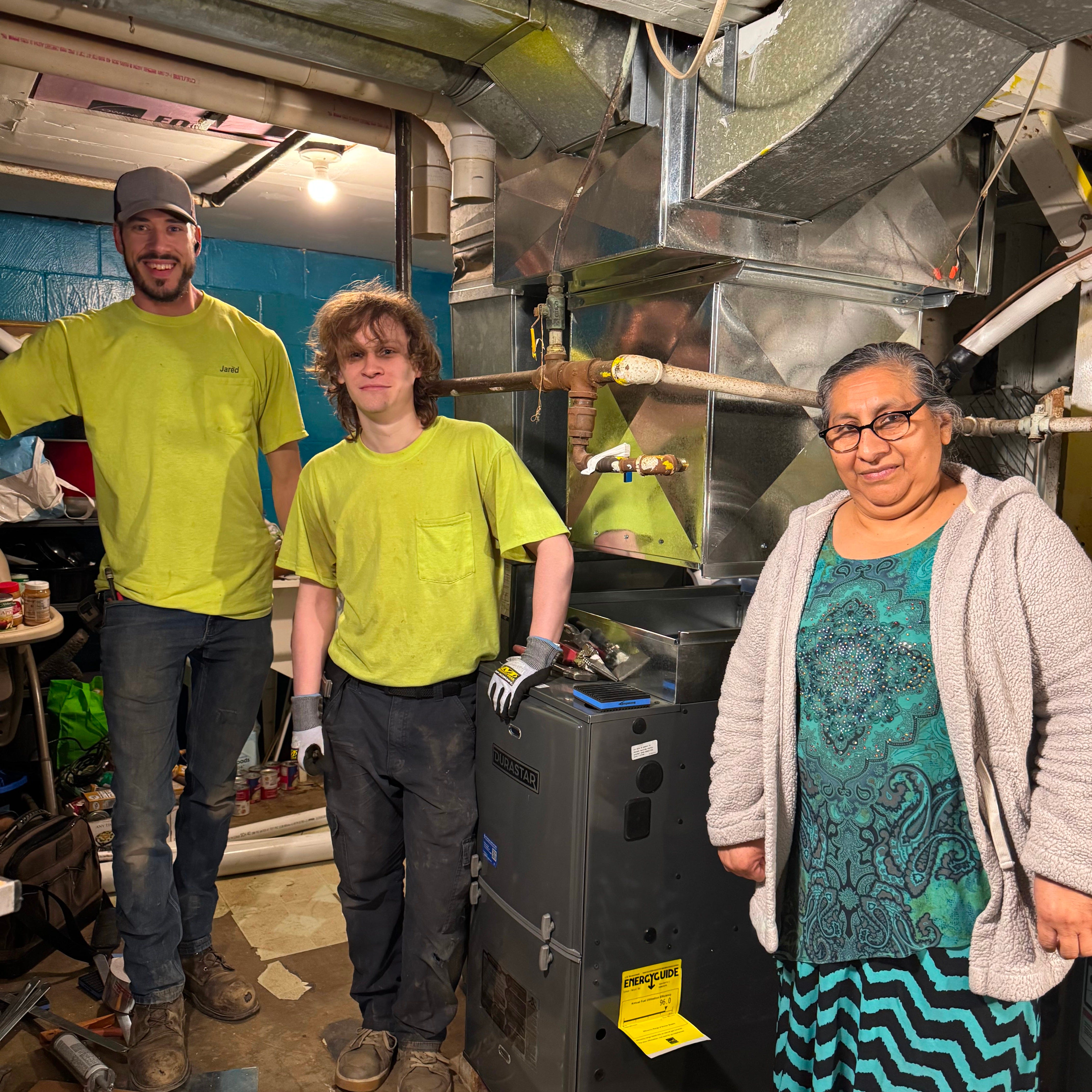
Success stories like these rarely make national headlines. But they’re precisely the kind of narratives that can inspire change in other rural communities, changing the minds of those who might not know the benefits of cleaner, cheaper energy.
One group that’s working to harness the power of these local stories is Resource Rural, a Builders Network member that works to unlock public and private investment in rural and indigenous communities. Two years ago, Resource Rural launched a storytelling effort that has engaged 260 rural storytellers so far and generated almost 600 individual pieces of media, built with partner organizations that have deep rural roots. They post articles, videos, and photos on social media and on their website’s Storywire. They pitch op-eds and news coverage of these stories to local outlets. And they produce reports highlighting lessons learned in places like St. James, which is featured in their case study “Powering Our Communities: Saving Money and Energy in Rural Minnesota.”
Rural Communities Leading the Way
The national conversation around clean energy deployment often frames rural communities as an impediment, stemming from the rise in local opposition and the spread of anti-renewable ordinances. But the truth is, rural communities have long been the engine of clean energy deployment. Nearly 90% of our renewable electricity generating capacity is located across rural America, according to Resource Rural’s sister program and IOF grantee Rural Climate Partnership.
“Rural communities are already implementing and driving the transition to clean energy. The stories that land are the ones that make their leadership specific enough that a neighbor recognizes it,” said Madeline McGill, Resource Rural’s Director of Storytelling.
There are farmers and ranchers powering their family-owned businesses with solar energy, one of whom cut down his utility bills to $4 a month. There are Tribal leaders who expect to save more than $14 million over the next three decades after installing a solar farm on top of a closed landfill. There are superintendents and school leaders lowering overhead costs with building efficiency upgrades, EV buses, solar arrays, and heat recovery systems.
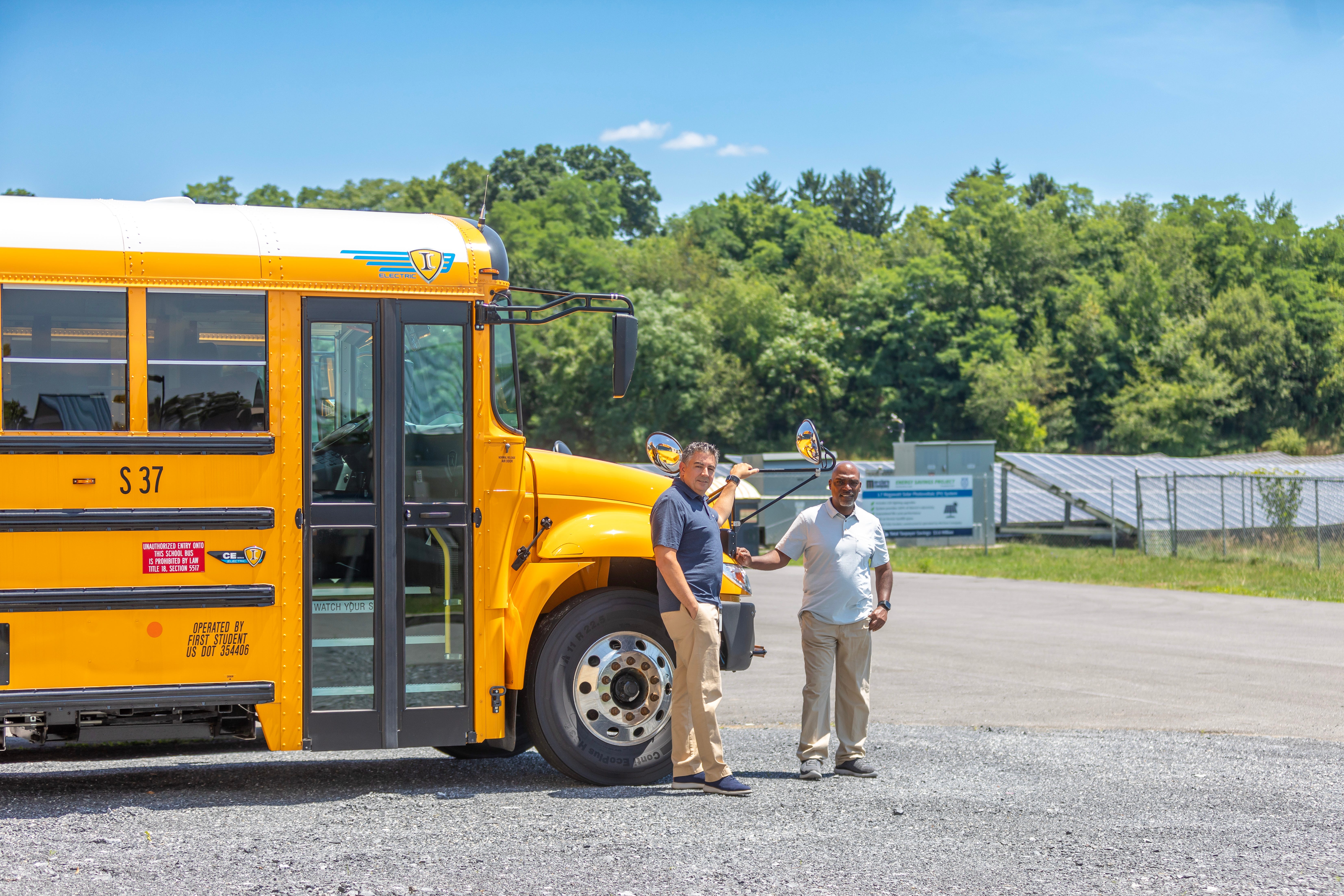
These are all trusted, local messengers. And because establishing credibility is essential to building lasting change, that makes a world of difference. That’s why Resource Rural leads with the real challenges people face and the depth of connection they have to their community.
“Most of our stories follow one person. We name who these individuals are, we center their expertise and connection to their community, and we detail how choices they’ve made and actions they’ve taken have created actual benefits, for themselves and their neighbors,” McGill explained.
Based on the responses they’ve seen over the last two years, a humanized central character and a focus on economic benefits make a compelling combination.
Small, targeted investments in digital reach have also led to outsized impact. Last year, Resource Rural produced a video about Mike Long, a grocery store owner in Eastern Kentucky who’s saving $15,000 a year thanks to a solar and battery system. The system will pay for itself within four years — and once it does, the owner plans to put the annual savings toward employee bonuses, re-paving the store’s parking lot, and making other store upgrades.
By boosting Mike’s video via Facebook and Instagram, Resource Rural was able to get his story in front of 1.6 million people across Kentucky, sparking coverage on local television, local newspapers, and a grocery trade publication.
Bringing Resource Rural’s Comms Shop to the Builders Network
Through the Builders Network, Resource Rural is finding new partners for exploring powerful storytelling opportunities.
“Storytelling is infrastructure. It takes capacity and craft to do this kind of work, and almost no organization can carry that alone. When many organizations opt to collaborate, it’s there for all of them to draw on,” McGill observed.
• • •
Other BUILDERS in Action
Solar United Neighbors:
AzCentral: How solar energy co-ops can cut costs for Arizona homeowners
South Bend Tribune: Let’s make solar power more accessible in Indiana | Letters
WJCT Public Media: First Coast Connect segment on JEA
WMRA Radio: ‘Virtual power plants’ will launch soon in Virginia. Here’s what that means.
WFLA: Solar nonprofit offers guidance to customers amid bankruptcy filing
El Paso Times: OPINION: El Paso solar owners being unfairly punished
Washington Post: The Advice about Rooftop Solar is Changing. Do This Instead.
Groundswell:
LaGrange News: CONTRIBUTOR’S VIEW - L. Michelle Moore: Virtual Power Plants.
Trellis: Community opposition to data centers grows, crossing political divides
Impact Entrepreneur: The AI Sustainability Paradox
Comments
Nothing yet. Say the first thing.
Sign in to join the conversation.