
Our team at Invest in Our Future believes that faster clean energy deployment will require building deeper public support, strengthened by the stories and enthusiasm of community members who are already reaping its benefits. All over the country, clean energy projects are generating direct jobs and savings — and there are now countless local champions who can speak authentically about how clean energy has made their lives better.
But how do we make sure key decision makers hear about these projects and increase federal investments in key communities? We take to Capitol Hill!
Today we’re highlighting the story of Arla Wagner, an Iowa small business owner who joined our Congressional Fly-In last week, exchanged ideas with dozens of other local clean energy leaders as part of our Builders Network, and spread the word on Capitol Hill about how clean energy is helping entrepreneurs like herself save money on their utility bills.
• • •
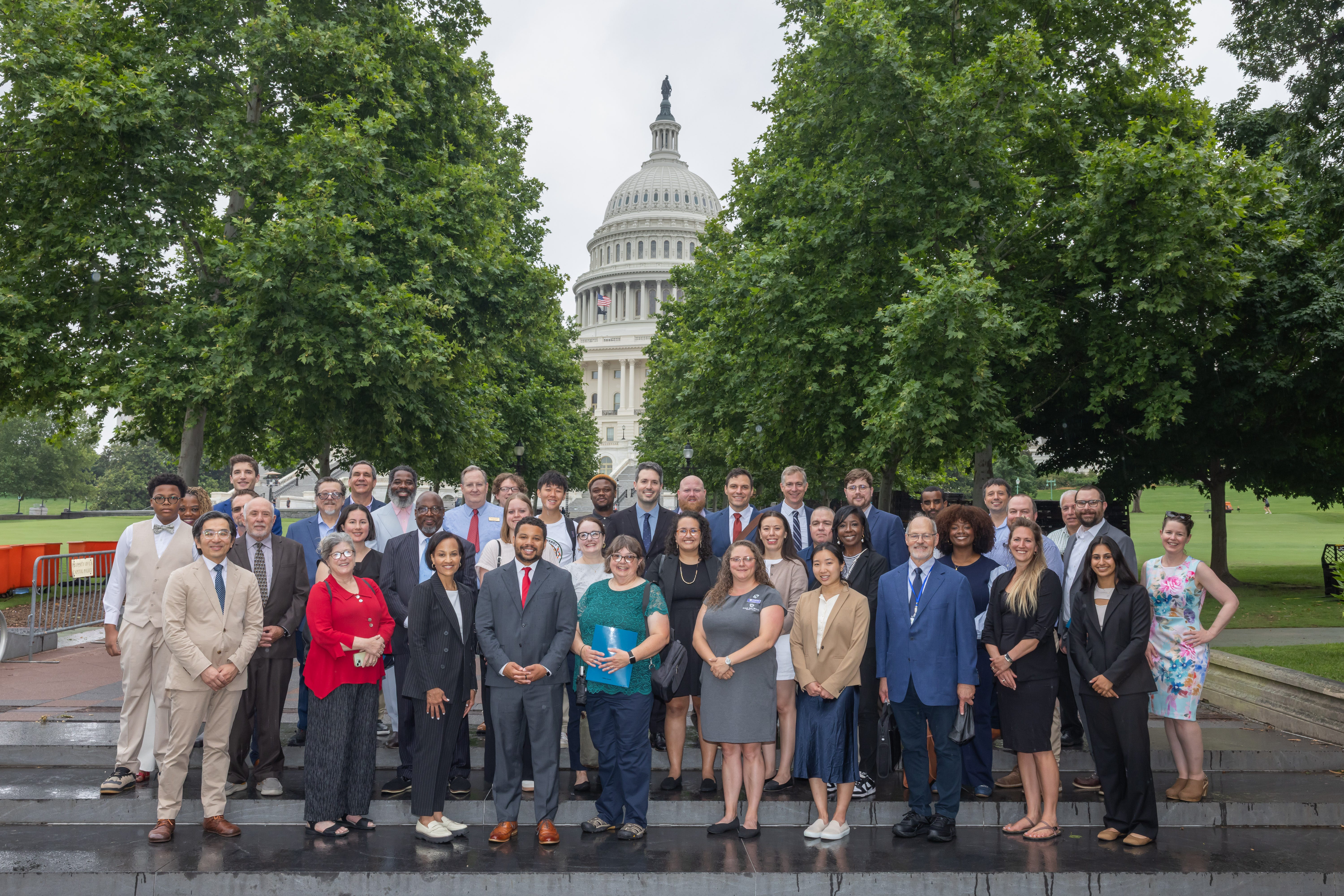
On Capitol Hill, the conversations happening about America’s energy future, economic competitiveness, and community investment often center on policies, programs, and numbers. But behind every statistic is a person, a small business, a school, a church, a nonprofit health center, or a local government putting those investments to work.
Last week, more than 50 local leaders from our Builders Network arrived in Washington, met with lawmakers and congressional staff, and shared stories about how federal investments are helping their own communities. The delegation included business owners, nonprofit partners, elected officials, educators, and other trusted community members from across the country who spoke directly to the opportunities and challenges they see every day.
Collectively, these builders met with 39 congressional offices — spanning 14 states and both sides of the aisle — to discuss how federal investments in clean energy are generating real, tangible benefits: lower costs, local jobs, better infrastructure, and a resilient future.
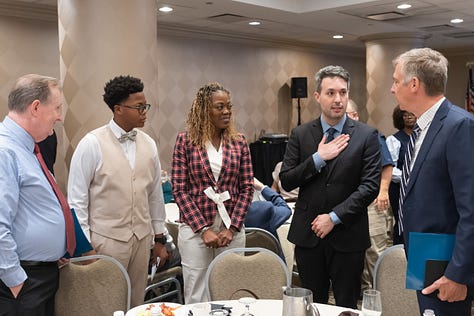
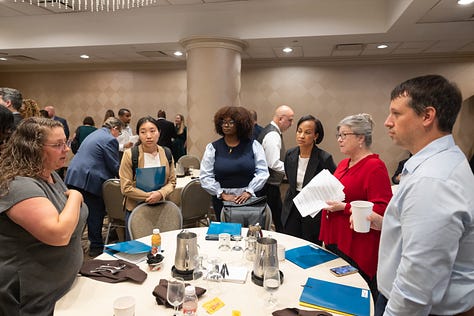
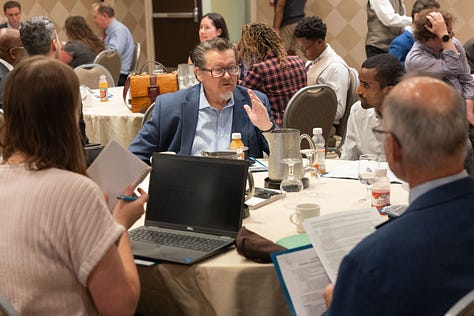
The most compelling moments came when local leaders and business owners moved the conversation beyond policy and into lived experience.
Enter Arla Wagner, a former middle school teacher who launched her own sewing machine repair and quilt shop in rural Iowa. Operating out of a historic Main Street building in the city of Lansing, Wagner used to face heating costs so high that winter utility bills routinely reached hundreds of dollars each month. These expenses made it more difficult to invest in other parts of her business and made it harder to serve her customers.
During meetings with congressional staff, Wagner described how a grant from the U.S. Department of Agriculture’s Rural Energy for America Program (REAP) made a huge difference. The grant enabled her to install high-efficiency heating and cooling equipment, dramatically lowering her energy costs and generating enough savings to help her continue to serve her rural community on the Mississippi River.
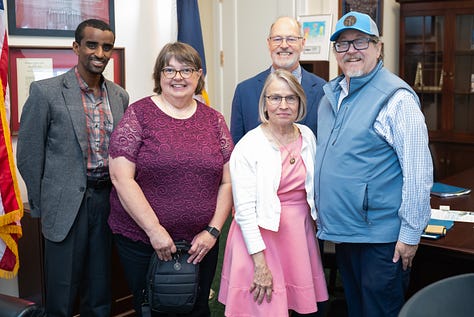
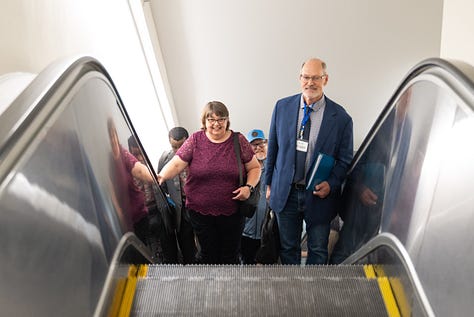
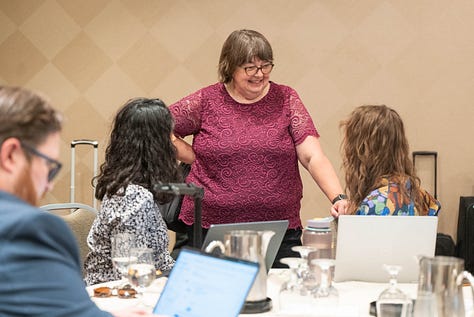
Wagner's story shows how federal investments often reach far beyond energy itself, empowering the small town entrepreneurs who keep the spirit of Main Street alive.
• • •
What We Heard on Capitol Hill
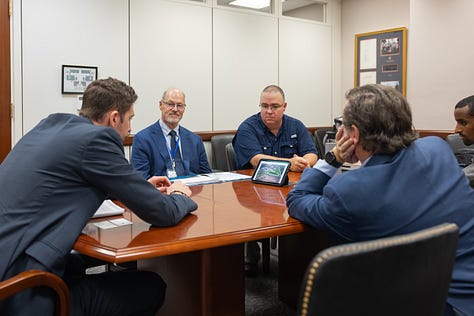
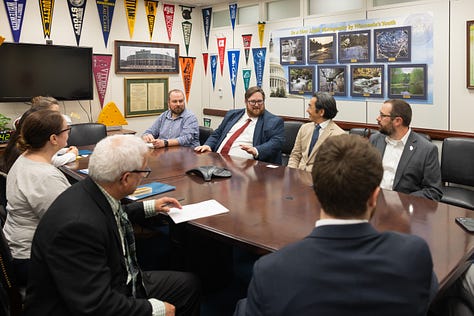
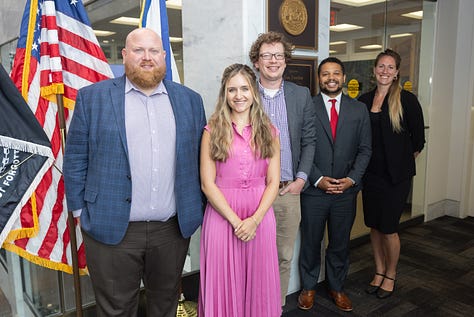
One takeaway became clear after two days of conversations: local stories cut through in ways policy talking points alone cannot.
Across meetings, congressional staff responded most strongly to examples of projects lowering energy bills, creating jobs, strengthening local infrastructure, and delivering tangible benefits for the communities they represent.
Time and again, the Builders Network delegation — which also included a Georgia pastor, a Nebraska land agent, a Michigan manufacturer, a Utah lending executive, and a Wisconsin senior construction manager — found that sharing firsthand experiences opened doors to productive conversations, even in offices where there wasn’t immediate agreement on every policy issue.
The meetings also created opportunities that extend beyond the fly-in itself: several congressional offices requested additional information about projects in their districts, expressed interest in future site visits, and welcomed continued engagement with local leaders.
Participants returned home with new insights into the priorities shaping the conversation on Capitol Hill, from permitting reform and grid modernization to workforce development and rural energy resilience. They also gained a deeper understanding of how finding common ground can help move conversations forward across the political spectrum.
Why These Stories Matter
Policy conversations are often framed around dollars, regulations, and timelines. And while those discussions matter, personal stories remain one of the most powerful tools for demonstrating impact.
The community leaders, business leaders, elected officials, faith leaders, and advocates who traveled to Washington this week reminded policymakers that behind every investment is a community working to solve problems, create opportunities, and improve quality of life for residents.
Their experiences provide valuable insight into what’s working, where challenges remain, and how policy decisions can help communities continue building toward a stronger future.
As participants head home, the conversations will continue. Builders Network members and partners will keep sharing stories from the ground, elevating local voices, and ensuring that community perspectives remain at the center of national policy discussions.
Thank you to every member and partner who took the time to participate in last week’s fly-in. Your voices make a difference!
Comments
Nothing yet. Say the first thing.
Sign in to join the conversation.