
Of all the stand-out performances at this year’s Euros, Lamine Yamal’s was something else - his strike in the semi-final against France rightly won him EUFA’s Goal of the Tournament. Yet Spain’s star player is a child; he was still 16 when he scored that goal. Hailed as a “wonderkid” by the media, he was also berated for an unwise Instagram post in the final’s aftermath, for all the world as if he wasn’t just a teenager.
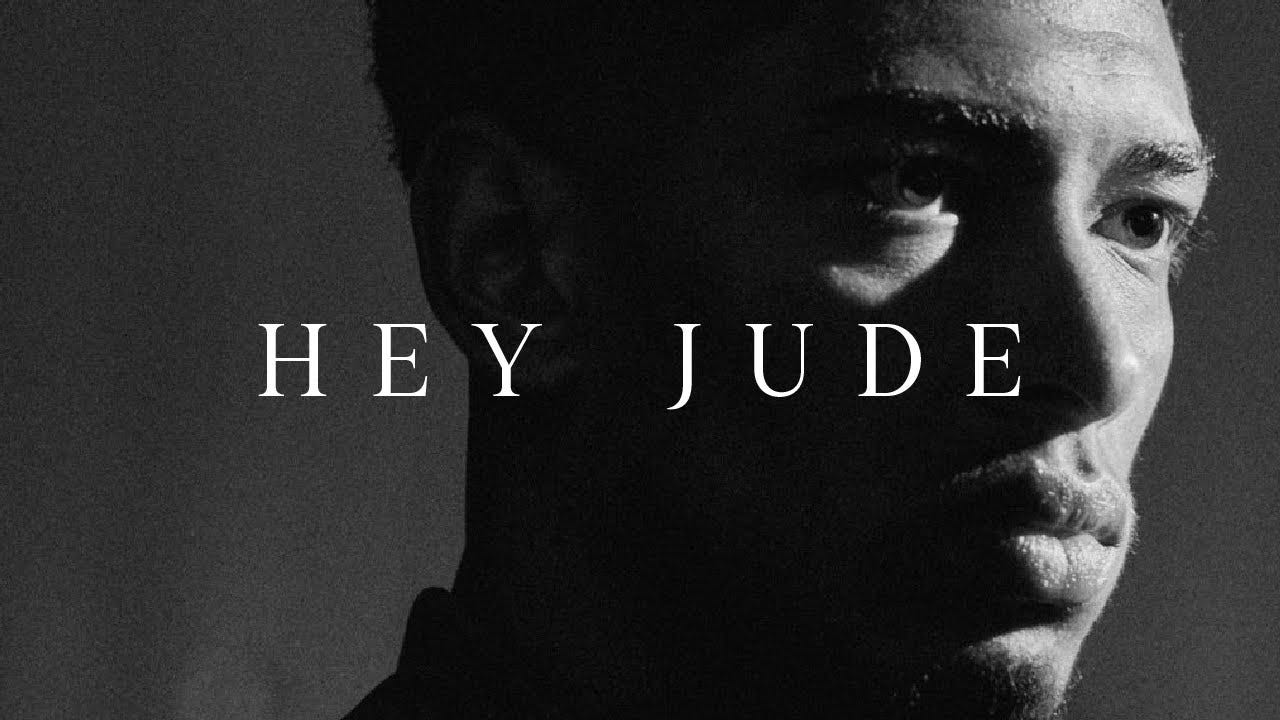
Or look at Jude Bellingham. His Adidas advert in the run-up to the Euros was incredible; it shows a footballer with the weight of the nation’s expectations on his shoulders. But check the YouTube comments:
“Jude has arrived as the saviour of England!”
“It’s actually crazy that at 20 years old this man is already carrying the expectations of an entire country on his back”
“Jesus, talk about loading pressure on the lad”
Jude is 21 years old. When I look at an average 21-year-old, earning an average 21-year-old’s wage, I see them as a brother or sister, son or daughter, cousin or friend. I see someone perhaps 20% of the way through their life, with a tremendous amount still to learn.
Because of that I don’t expect them to get it right first time. The pressure I might put on them is relative. Proportionate.
Yet we talk about 21-year-old pro athletes like Jude or Lamine completely differently. They’re infallible heroes, there with Perseus saving us from the Kraken. They hold our hopes and dreams in their hands, and when they make a mistake, it feels personal. The reaction is swift and vicious. When Marcus Rashford, Jadon Sancho and Bukayo Saka (then 24, 22 and 20 respectively) missed their spot kicks at the Euros 2022, for example, they were abused and ridiculed.
Why is that? Why do we forgive ordinary 20-somethings for their mistakes but not the likes of Marcus, Jadon and Bukayo?
I have a theory: Sports marketing. Those photoshoots where the athlete has been lit as if they’re straight out of a Marvel movie. The camera angle, slightly from below, exaggerating their size and power. Clip lights hitting either side of their face, adding drama. And, often because they’re so young and have spent their lives doing nothing but train, their club, team or management create a narrative around them, a heroic story that, like their image, separates them from us.
We’re conditioned to see them as ‘other.’ As superhuman rather than just … human.
But no one can manage that level of pressure alone. Our basic needs include belonging and connection, and that extends to extraordinarily talented young athletes who, like everyone, make mistakes. There will be times when they miss that kick, fail to deliver – but if they know, in those moments, that we have their backs, they’ll do better next time. And, in turn, we’ll be right alongside them as they learn, grow - and win.
Words: Chris Baker
When gymnast Simone Biles pulled out of the Tokyo Olympics, she made headlines around the world. Initial reports cited injury, but she made it clear that she’d pulled out because of a case of the “twisties,” a mental block that led to the kinds of mistakes that – in such a dangerous sport - could result in physical harm if she tried to push on through.
Many assumed her career was over. Yet three years on, she’s back - and has not only won gold(s) but made Olympic history.
Simone’s story isn’t just about a great comeback. And it’s not just about a woman whose performance is off the scale. Since 2021 Simone has become a spokeswoman for mental health, openly discussing what lead to her breakdown at Tokyo, encouraging others to find balance. “I worked on myself a lot, I still do therapy weekly, and it’s just been so exciting to come out here and have the confidence I had before,” she said in the build-up to this year’s Games.
Simone is not the first to use social media to speak up, yet she is part of something new: athletes using social media to show the world their true selves. New research from Bournemouth University shows the emergence of this ‘authentic voice’.
“You might think they always had access to a platform to speak, through traditional sports media, but this was sanitised and often limited to interviews that sought to capture the immediacy of a performance,” says the research. “Social media has expanded and accelerated a properly authentic voice that is also more personal and openly political.”
Former England rugby union player, Shaunagh Brown is another example, campaigning on issues ranging from racism to PE in schools. “When I'm having my down days, when I think I should stop being so different, and just fit in, I think no, that's not my role. I'm here to remind people that you don't have to fit in with others, you can be yourself and enjoy life,” she told the Youth Sport Trust.
The Bournemouth University study suggests that change is being driven by athletes. They’re “challenging outdated ideas about what it takes to be an athlete. Through social media, they have opened up conversations about performance, mental health and the impact of the media.”
And, by owning their own narrative, they “have broken the idea that top sports stars – with their extreme athleticism, dedication and seeming invincibility – are somehow superhuman. Elite athletes carry enormous burdens of responsibility and winning doesn’t come before everything else. As Simone Biles made clear: ‘We are not just entertainment, we are human”’.”
Public opinion is with athletes like Simone and Shaunagh. “There is overwhelming support for athletes using their platforms to speak out about social issues and advocate for change,” said UK Sport, with younger people in particular gravitating towards athletes they can relate to, who see themselves reflected in posts that feel genuine, real and far less polished.
This shift represents huge opportunity. For athletes, able to open up about the pressures they face. For causes, given fresh support from sports stars who share their values. And for likeminded brands, able to build closer relationships with their communities by supporting, showcasing and amplifying a new kind of athlete – one who uses use their platform to talk openly and authentically about their emotions, relationships and challenges.
Words: Janice Stainton, Susie Stubbs
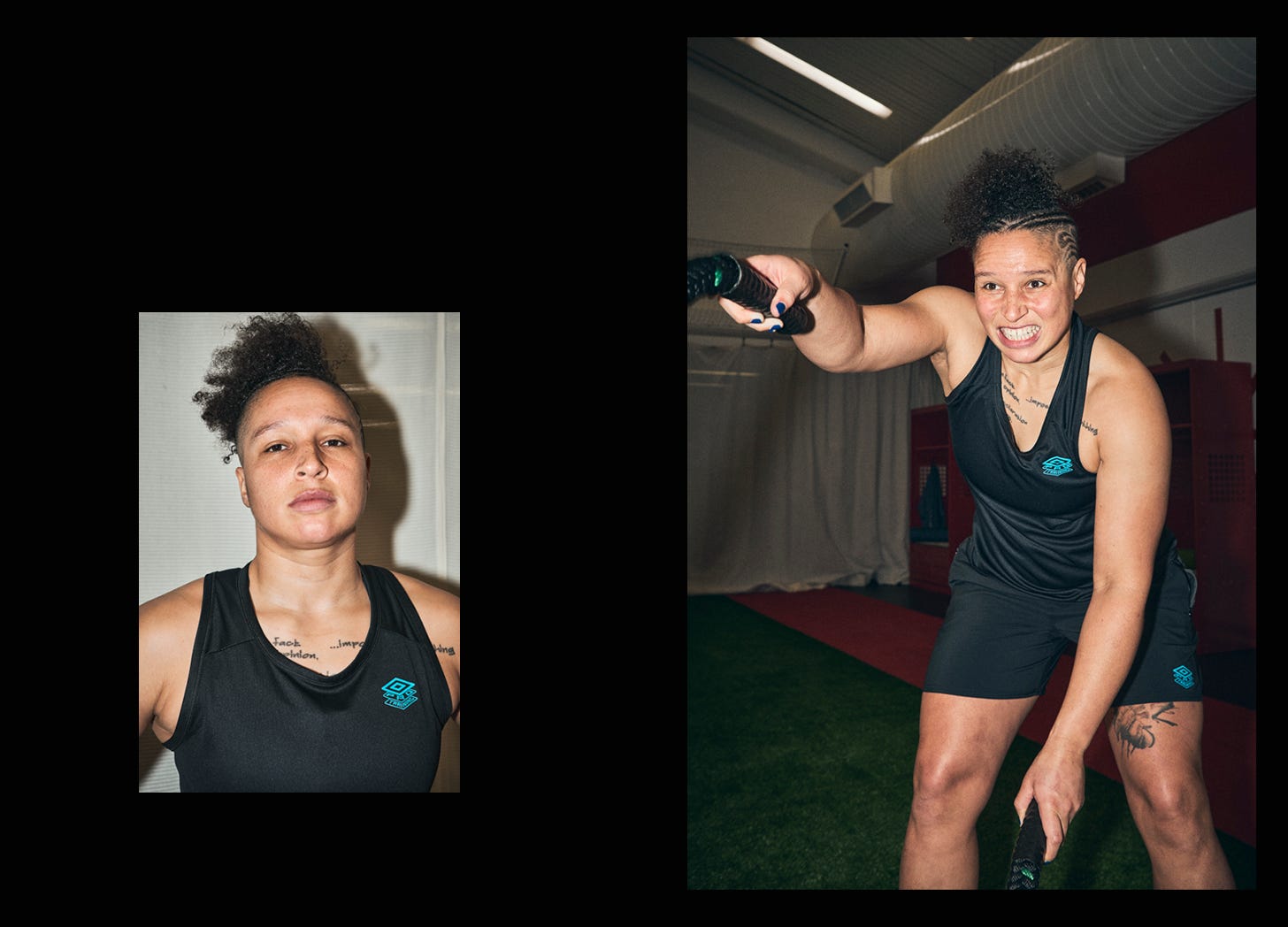
The CrossFit Games kick off this week, a reminder of a global movement that has belonging at its core. We worked with Umbro’s creative team last year on two 60-second spots, trailers, campaign and editorial photography to reflect the CrossFit community; this film was part of a global campaign that shows two athletes using CrossFit to become stronger, more capable, and with a renewed sense of purpose.
“With Common Ground, we have found the perfect partner for our training campaigns – they intuitively understand our brand ethos: real sport – less hype, no filters,” said Head of Global Brand Marketing at Umbro, Helene Hope.
And finally - as the Olympics come to a close, after all the drama and feats of athletic ability - what stands out are two things. Courage and hope. That someone can get to the Olympics is rare enough, but someone holding the belief that on the day, the hour, the second, they can produce a performance good enough to earn a medal is awe-inspiring.
Courage and hope alone aren’t enough, of course. They sit alongside hard work, discipline, consistency, and a level of sacrifice that few outside elite competition can fully appreciate. But without courage, without hope, it’s unlikely an athlete will make it to the global stage.
The Olympics are the point at which athletic and commercial expression meet. Brands are just as much on show as athletes and, for many, it’s their pinnacle event – but, beyond the sponsorship deals, what can they really offer athletes?
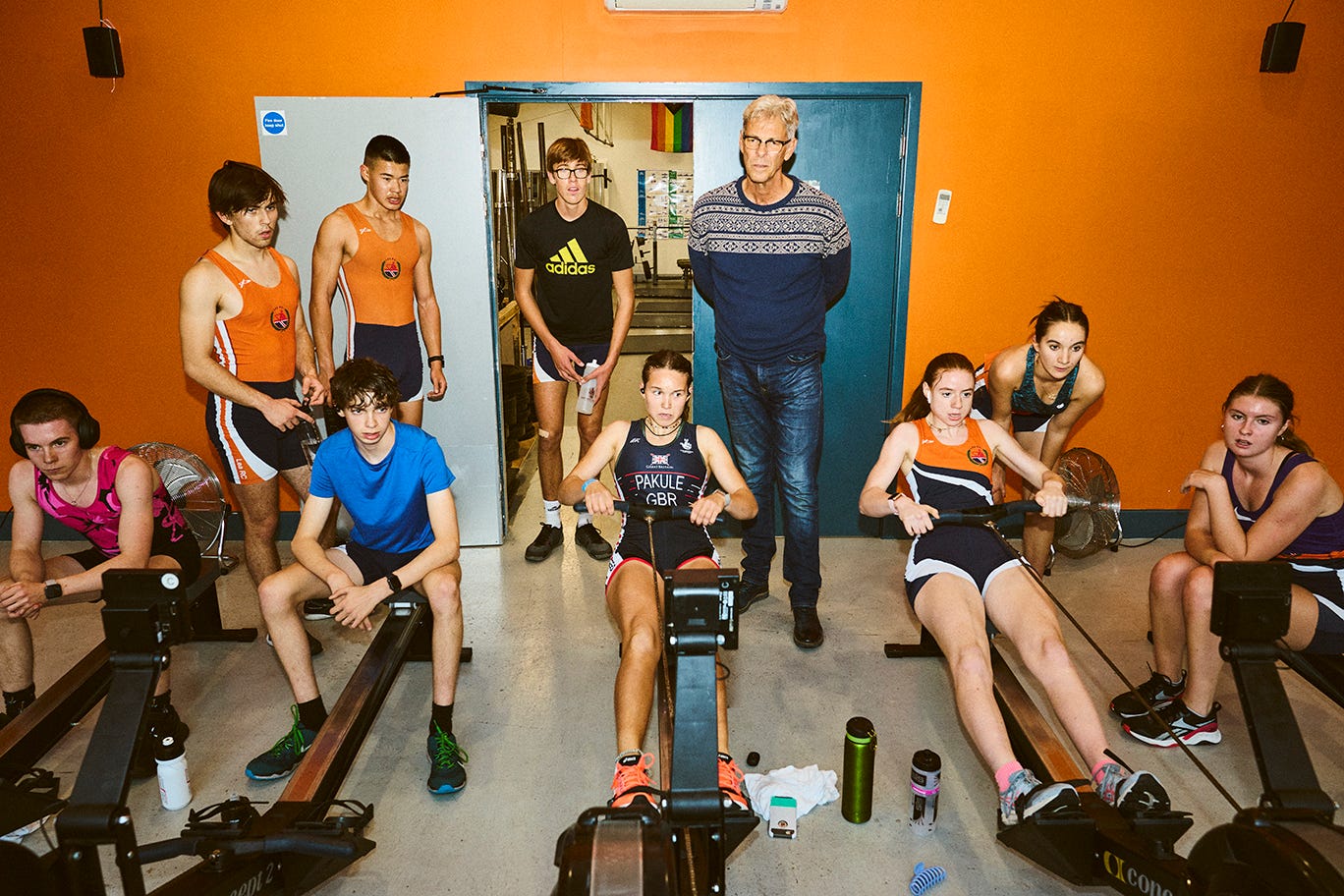
They could do worse than take their inspiration from the Olympic trackside; from the fans who’ve travelled across continents to cheer ‘their’ athletes on. Or from the father of British rower Lola Anderson, who took gold in the women’s quadruple sculls. Lola’s dad kept a note she wrote at 14 where she described her dream of an Olympic win. She threw it away, embarrassed by her own ambition – but her dad kept it. He handed it back in 2019, just before he died.
“He chose to believe,” said the rower, who credits her dramatic win (by 0.15 of a second) to his support.
Athletes like Lola need courage, but those around them – whether it’s in the roar of the crowd, your dad having your back, or the hard-won backing of a brand – must provide encouragement. Athletes can use it to find the courage to train harder, make a move, keep the faith. And, in return, and whether they win or not, we all get something remarkable back.
Words: James Shaw
Comments
Nothing yet. Say the first thing.
Sign in to join the conversation.