
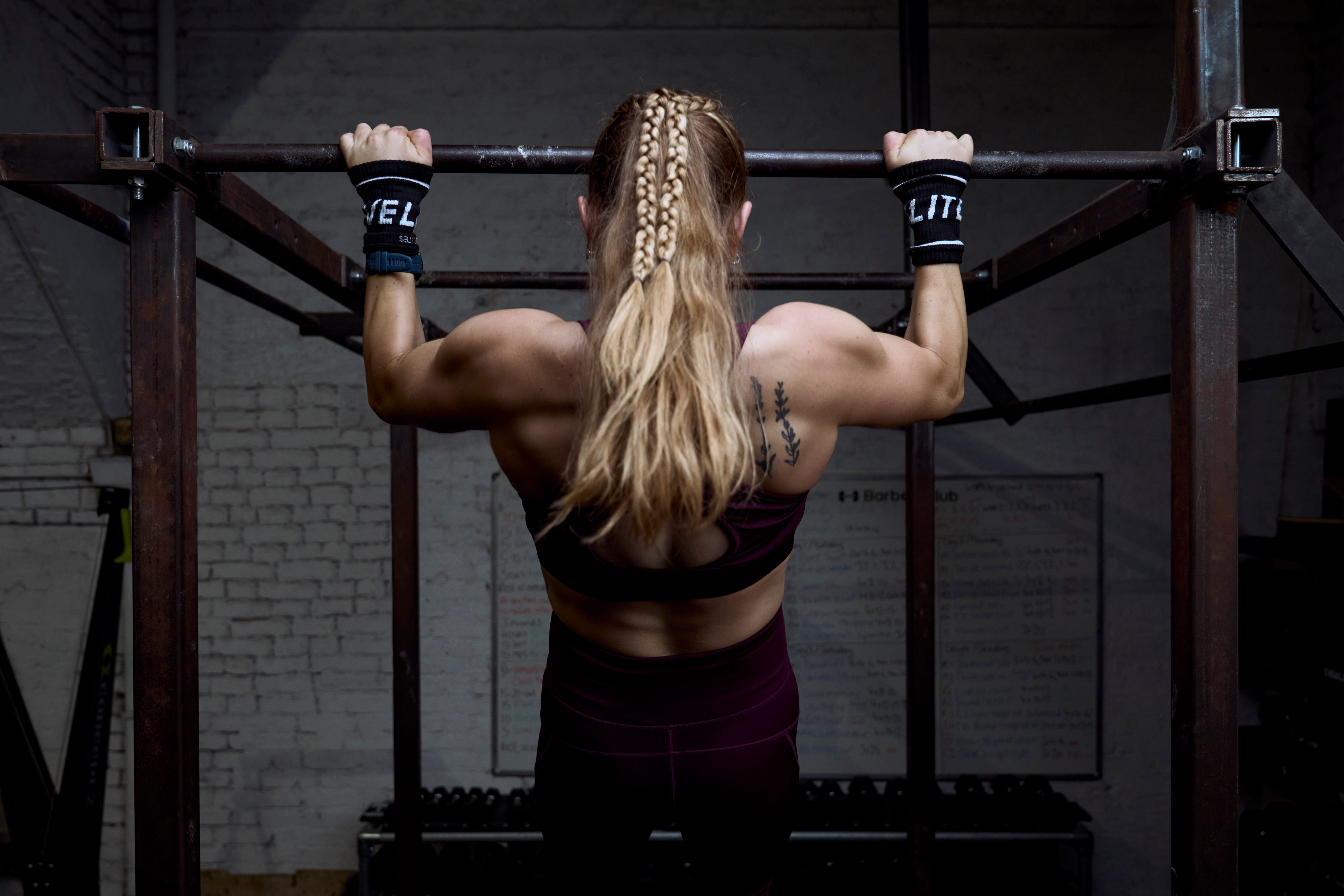
How do you balance how you look with what you can achieve? It’s a question for all women but particularly those in strength training – who often feel forced to choose between a “strong” look and a “feminine” one.
It’s a double standard highlighted in a recent study by Dr Alison Owen at Staffordshire University. “The [female] athletes in my study felt that exacting standards led to intense pressure. They were battling between looking a certain way (perhaps due to cultural pressures such as maintaining a slim physique), but also keeping up their athletic ability.”
There are pressures on men, too, but women feel it more when it comes to building muscle – because while for men muscle expresses strength and masculinity, women often say they don’t want to get “bulky”; a myth that just won’t die.
For Umbro’s Pro Training campaign, we spoke to Elise, a junior doctor and CrossFit athlete who’d always been complimented on her small frame. Initially hesitant to gain muscle mass, CrossFit “has shown me that putting on muscle is important. It’s fine to be a bit heavier. I don’t need to be really skinny and be this classic model-esque type.”
Women are taking up strength training in increasing numbers. Female participation at HYROX is almost 50%, and Hackney Weightlifting Club’s most popular class is Intro to Barbells for women. And the results go beyond what you might expect. The American Journal of Cardiology reported that women who lift weights live longer.
Personal trainer and bodybuilder, Emily, told us how she loves “the feeling of feeling strong” – and says her workouts give her mental strength. “Seeing and feeling physical changes made me want to continue. It’s not just numbers. You’re not just chasing the distance or a weight - you’re feeling the effects. You’re feeling good and seeing yourself look stronger, so it’s like an internal and external representation of what’s actually going on.”
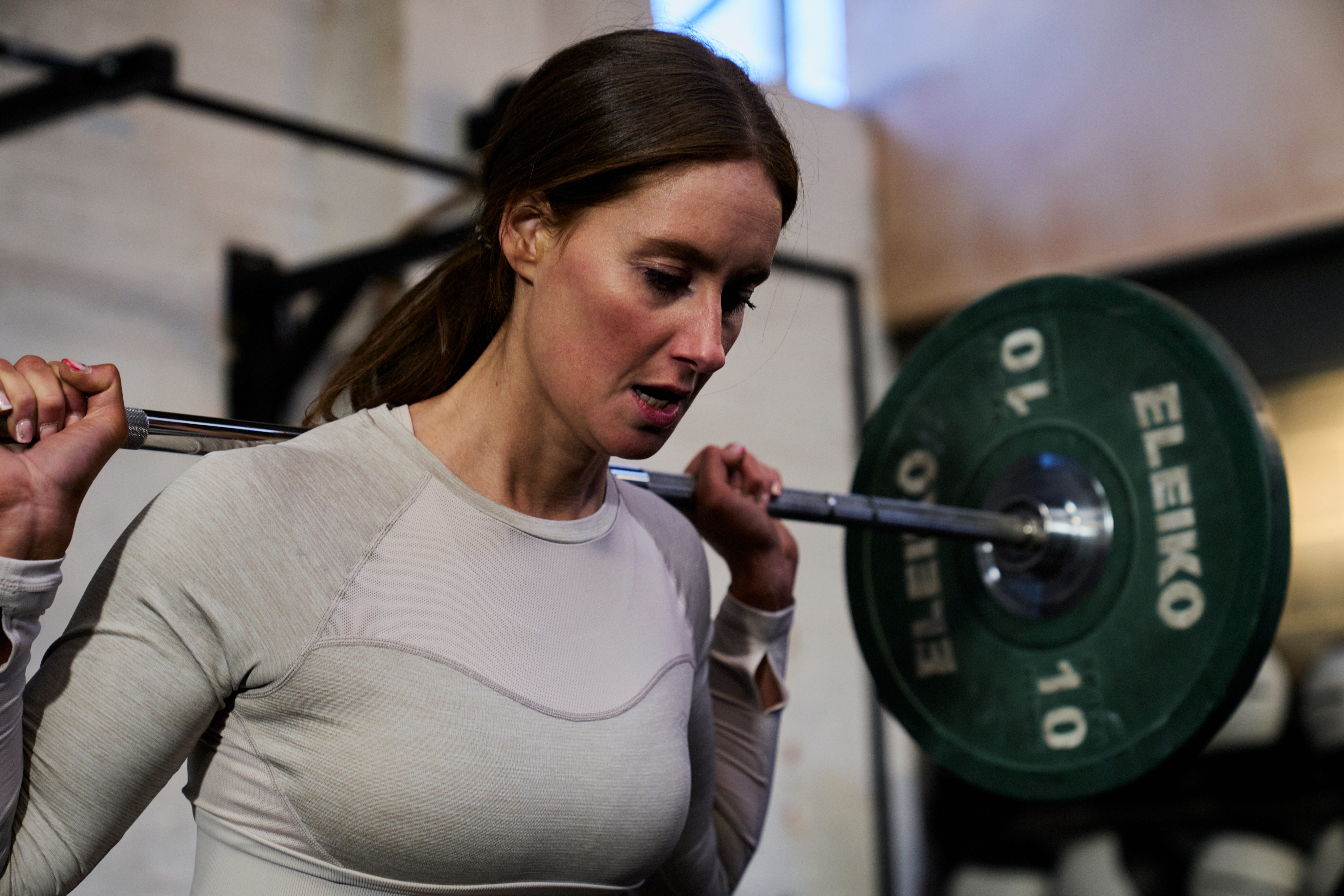
According to NYU study, The Female/Athlete Paradox, when women gain muscle they worry others will see them as “fat”. The paradox comes when they’re also called out for being “too skinny”. Former Lioness Jill Scott described desperately trying “to gain weight after being criticised for being too skinny” earlier in her career – and is calling for an end to body shaming in sport.
It's nothing new, though, is it? Women and girls live with the effects of lifelong social conditioning; of being told that our worth is measured by whether or not we look a certain way. We are bombarded by images, messages, comments and DMs that reinforce that measure – even when we know our health is better if we set our own standards.
The truth is that we don’t have to choose between “strong” or “feminine”. Like Elise and Emily we can focus on what our bodies can do, and celebrate skills over a narrow definition of beauty. We can publish the research, challenge the DMs, and redefine what feminine means – so that everyone, regardless of gender identity – is free to focus on what actually matters.
Words: Janice Stainton, Susie Stubbs
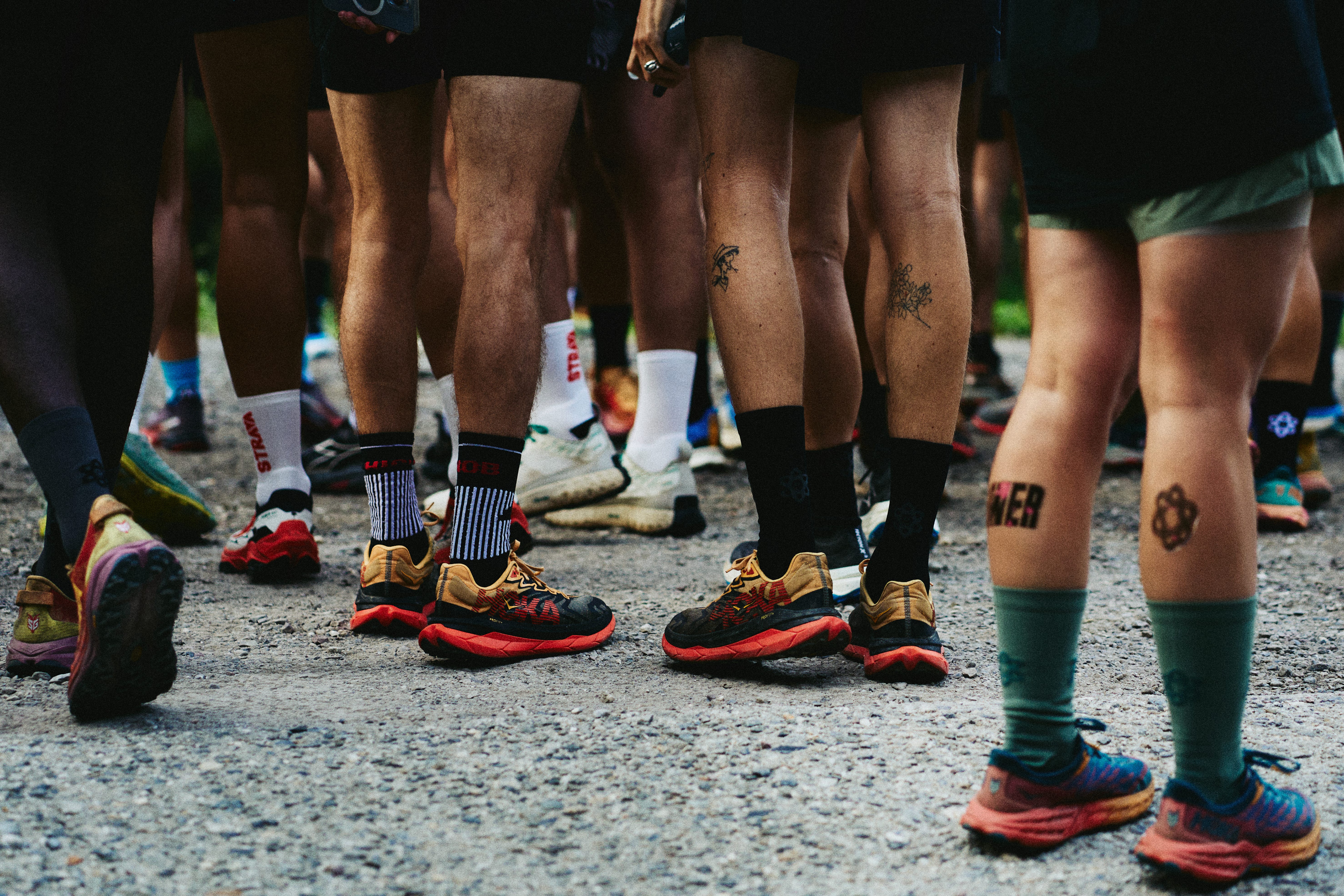
Fresh from the UTMB World Series Finals, we delve into the mind of an ultra-trail runner. What does it take to compete in the ‘Olympics of trail running’ – and what can the ultras teach us about living?
A typical ultra-trail runner runs 3-4 times a week, with a weekly mileage of around 50km, owns five pairs of running shoes, and races four times a year. But they’re not like other runners – they’ve a mental toughness that means they excel under pressure.
Even so, we could see the nerves at this year’s UTMB start line. On Running athlete and coach, Xavier Thevenard recognises that it’s easy to get a bit lost, your attention straying because of the intense atmosphere (it’s a highly competitive process to even get to UTMB). His advice is to focus on yourself: "Imagine you’re in a bubble, that you’re undisturbable, and that you’re there to have a good time.” It’s good advice, but what else does an ultra need to get through an ultramarathon that’s considered the world’s hardest?
Mental strength.
While UTMB asks runners to come prepared for challenges such as digestive problems, overwhelming fatigue, wounds and joint pain, the race is not just about the physical. Ultras need huge mental reserves to embrace the pain, fatigue and loneliness they’ll face. As one says: “When your body shuts down, from there on it’s the mind that takes over.”
Over 70% of trail and ultra-trail runners rate their mental health as good to excellent, although they often use simple techniques to boost resilience. Some break down the distance into a series of smaller challenges – 10-20 kilometre blocks, for example. Others lean in to the connection to nature and wild landscapes that ultra-running provides.
Yet while UTMB expects runners to be self-sufficient, family and friends still matter. When each checkpoint is also the point at which an exhausted runner can leave the race (around 40% of UTMB entrants drop out), something as simple as a text message at the right moment can get them through.
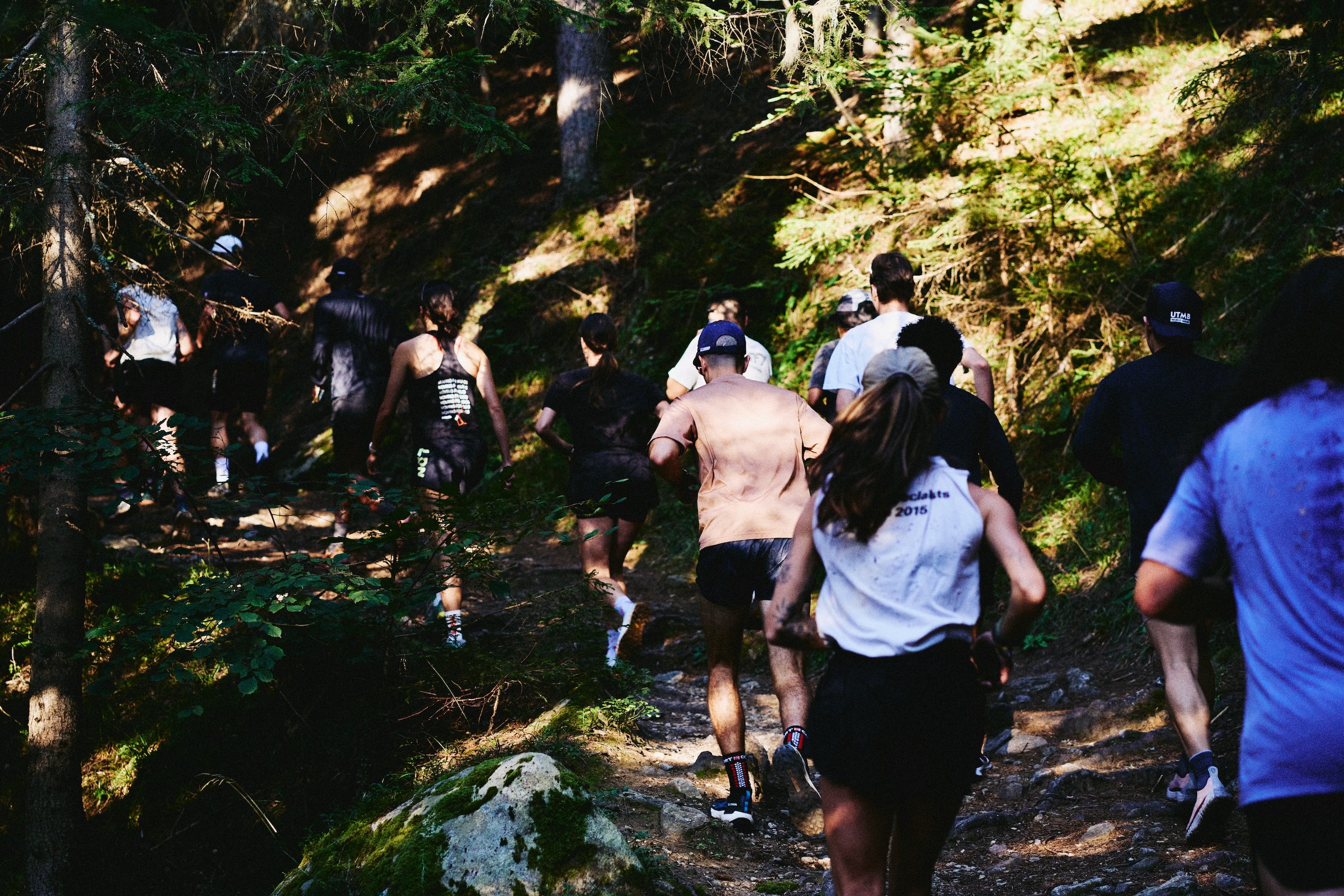
There’s something else that marks ultras out, though. They’re curious about their limits. Over 80% of 18-24-year-old runners use their sport to test their limits but, as they age, this percentage declines – except in trail and ultra-trail runners, who carry on pushing their limits at the same level right up until their mid-60s.
“The race itself is brutal, but it is through facing and overcoming pain, doubt and obstacles that [runners] find their motivation and potential,” said ultra-runner Nadia Portelli. “Trail running is like a mirror of life,” said another ultra. “If you compare that with life, it is the same, you know you have a problem, you know it will pass.”
The qualities that make someone capable of running UTMB - focus, preparedness, resilience, connection to nature and to loved ones, and scratching that itch when it comes to personal limits – are also qualities we need to make the most of life. So, if we’re to take one lesson from the ultras perhaps it is this: we’ll only find out what we’re truly capable of if we’re prepared to test ourselves to the limit. Are you ready for it?
Words: Chris Baker
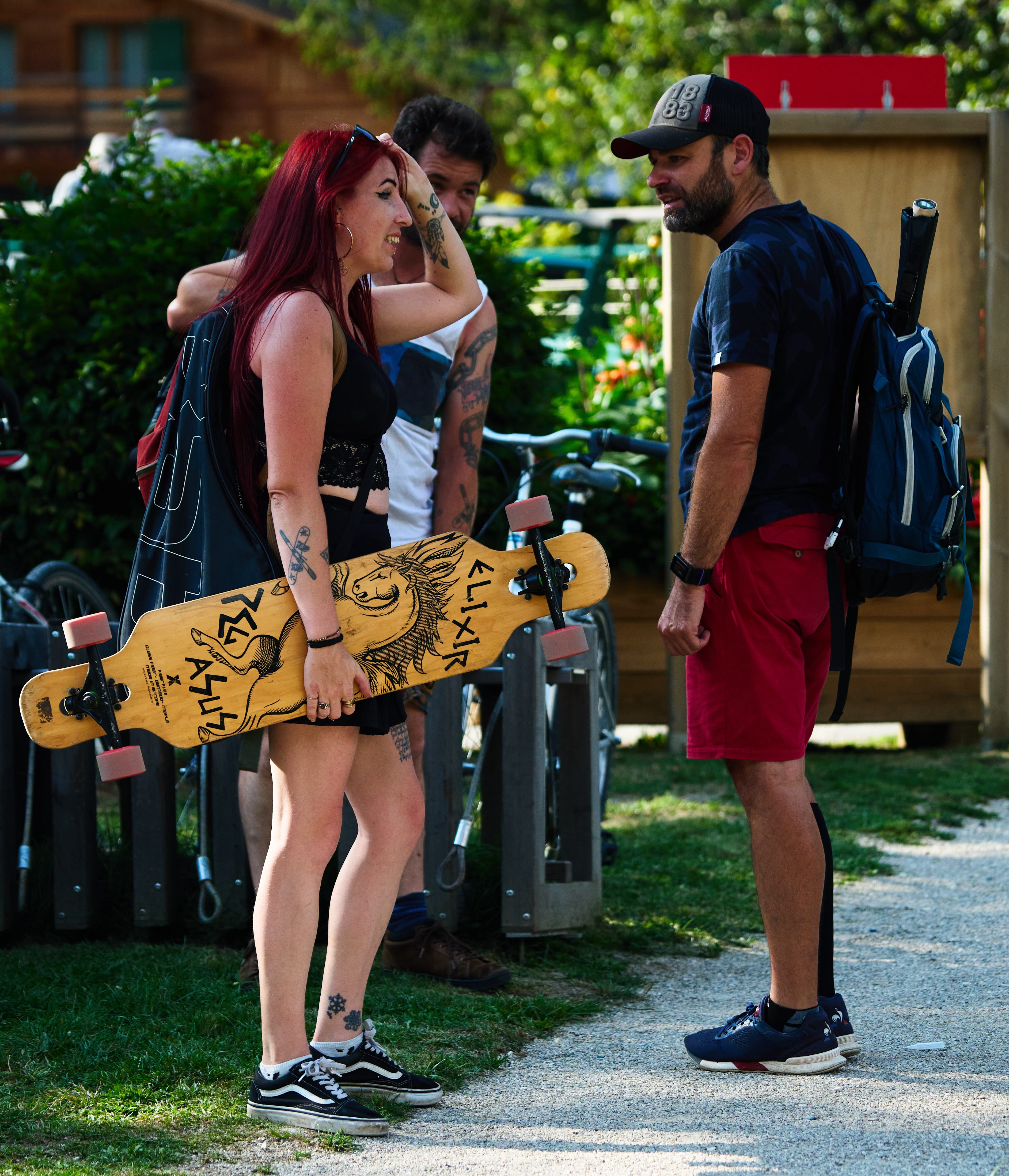
The ‘Run Club’ happened not only in running but in cycling and training, too. So, what sport is next? Can every sport have its run club moment?
As with so many things in life, timing is everything. People were cycling, training and running before these sports materialised into crews, teams and clubs. Something happened along the way to create what we see today - new brands, new product categories, memes, and crossovers into mainstream culture.
The running boom has created clubs of fit people looking for a new challenge. Now we want our ability tested, to be challenged, and learn something new. Which raises the question, what sport will be next to be ‘Run Clubbed’? It got us thinking about about what drives club culture.
So, what is it about run clubs that builds such a cult following?
1. Started by Outsiders
Movements originate outside of brands and commercialisation. They’re about people seeking something else: a better way to get fit, to be around like-minded people, to belong to a group.
2. Sense of Collective Effervescence
The club culture of cycling, running and training brought together people at a time when we have been actively seeking connection: improved fitness, appearance and endorphins only enhanced the offering. Clubs bring routine and rhythm to our lives; we enjoy standing alongside others who have turned up. It feels good.
3. Gear as Cultural Currency
Running, cycling, and training gear has never looked so good. The run club boom, as with cycling, has been fuelled by fashion. Before the run club, there simply wasn’t the assortment of running gear to fuel growth. New streetwear aesthetics have created the ‘cultural currency’ to run, lift, and ride.
4: High Skill, Highly Accessible
Founders of clubs and brands tell us that they started their companies because they felt that a particular sport felt out of reach, whether in terms of price or status. The best way to join a club is to create your own; some people just attract others.
Sports with a high skill level, that connect the mind and body, are ripe to create the next club culture. The next ‘run club' must combine performance, health, and style, and have gear that gets people talking. Som which sport is next? Which one will break away from the norm to create something new? I’m keeping an eye on racket sports – tennis, padel and pickle – multi-layered, and ready to be refreshed.
Words: James Shaw
Comments
Nothing yet. Say the first thing.
Sign in to join the conversation.