
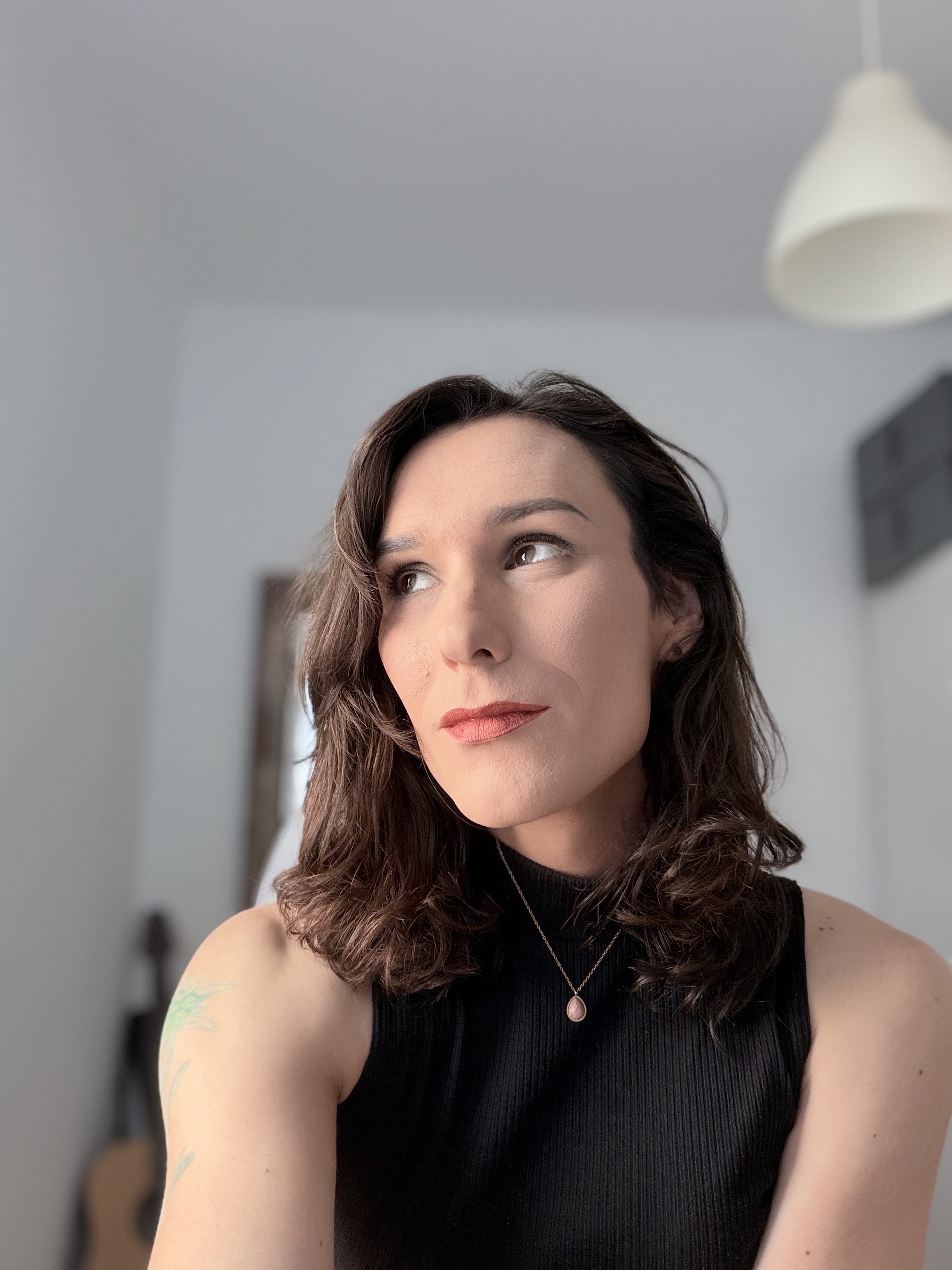
Kate Isett sought asylum from America in Barcelona, and could set the legal precedent that the United States is no longer “safe” for LGBTQ+ residents.
Isett has endured the asylum-seeking process, and has resided in Barcelona since December, 2025, although she hasn’t yet been awarded her relocation officially.
She now sat in her house awaiting permits from the Barcelona government, denying her the option to work six months. And with six months to kill, Isett already knew what to focus on and it wasn’t anything new to her.
LGBTQ+ Assoc. Far (“FAR”) is Isett’s nonprofit volunteer-led organization focused on assisting members of the queer community with relocating domestically and internationally. “FAR” translates to lighthouse in Catalan– a symbol of guidance, safety and hope.
Currently, the volunteer team’s efforts are focused on inquiries from the United States, as a record number of anti-LGBTQ+ legislation has been proposed in recent years, with 530 bills being written in 2026 alone, American Civil Liberties Union reports. The Lemkin Institute for Genocide Prevention and Human Security has also released three Red Flag Alerts related to recent anti-trans legislation, and “believes that the United States is squarely within the early to middle stages of a genocidal process against trans people….”
Yet, queer asylum-seekers leaving America are often unsuccessful as the United States is still widely considered a “safe” country for the community.
When Isett took to social media to share what she learned from the asylum process, she had filmed it alone in one take in Barcelona. It quickly generated thousands of impressions around the world, including asylum-seekers from America who could relate to Isett.
In December 2024, 48% of all transgender adults in the United States had already relocated, or had been considering relocating, the Williams Institute reported, with 45% of respondents expressing a desire to leave America.
The video had also reached Kirsten Gartner, a 36-year-old non-binary Washington D.C. area resident, with serious experience in public relations. Gartner was immediately inspired by Isett’s story and offered their own expertise to assist with the nonprofit. They had been highly depressed so, when Isett encouraged their to join the organization on the phone, Gartner felt an immediate change in their attitude.
“This work has given me– speaking for myself– passion and purpose in my day-to-day and a way to feel that I am actually helping people right now,” Gartner shared. “I am able to say, ‘oh, we saw 15 new seekers this week.’ We have our first seeker that got our help in navigating the Spain-asylum experience landing in Spain this next month.
“So it’s working. Our work is working and that was before we even put ourselves out there publicly.”
Gartner wasn’t the only person hoping to help the nonprofit, as they’d quickly learn several volunteers with different skillsets and careers reached out to Isett within hours of their phone call. Before the association officially launched, a team was created behind-the-scenes and approximately 200 people relocating were supported.
The lawyer clenched his red pen tightly as he read over Isett’s asylum declaration letter. When he finished, he removed the glasses from his head and set them down lightly on the paper.
“I’m so sorry, but I think you’re eligible for asylum,” he said softly.
Isett had brought her letter to ACATHI, a queer outreach organization located in Barcelona, wanting them to provide revisions for her. Instead, the lawyer said her case was “distinguished” as she described persecution without protection of the governing body and gave her a phone number to call in order to schedule the next meeting.
After three days of trying to reach the office, and countless calls made, Isett was directed to the country’s international police station where she showed her passport and informed them she was applying for asylum. She was instructed to return to the station again in a few days to provide an interview for the caseworker.
She sat outside the interview room with around 20 other asylum-seekers, the fear of the unknown making her shake in her seat. When she was called, Isett was met with her translator and the caseworker in a room alone. There she turned in her declaration letter and answered “pressing” questions surrounding her childhood, her struggles and her ostracization within Lubbock.
“We talked about everything. It was about a 3 and a-half-hour trauma dump to the Spanish Government and, by the time I walked out of that, I felt emotionally destroyed,” Isett said. “Because it’s a lot of hard-hitting questions that they’re asking. And it’s a lot of just pulling everything out and stuff that I didn’t even think they would potentially ask, but it was asked.”
Isett returned to her hostel, and settled down with a blanket and chocolate. All that was left was to wait.
Isett wrote her asylum declaration letter with no previous examples or references.
“There aren’t a lot of people that have made this journey so far, so there wasn’t really a blueprint for it all,” she recalled.
Now, Isett and her team are providing “FAR” relocation packets as a “starting point” on their website, including key steps, documents and considerations for the relocation process. Citizens can also schedule a guidance session on a secure channel after reviewing the packet to discuss their particular situation.
Isett emphasized the organization considers seeking asylum a final solution, and assists people in figuring out other Visa processes. Gartner attested this and said it feels like a community-wide threat is made actionable through communication.
“I know that I am safer and more protected and more supported by the community by being plugged into “FAR,” Gartner said. “And I’m thrilled that we’re able to help so many people find that same thing.”
Gartner also emphasized the cohesion of the team and credited Isett for their leadership. Isett’s selflessness drew in the people who wanted to help, they said, with no signs of risks they’ve experienced in previous nonprofit positions.
“I think the algorithm really did its thing and it brought together people who would see what needed to be seen in her and respond to it,” Gartner said.
Isett still plans on expanding the resources “FAR” offers and hopes to soon help asylum-seeking citizens in countries outside the United States. Her and the team have all agreed to remain committed to the mission, regardless of any major reform.
“[If] the [Trump] administration completely folds and we have some sort of reform overnight– if that happens, I’ve talked about it with the other volunteers and we wouldn’t stop doing this work,” Isett said. “And eventually we plan on broadening this out to helping people in other countries, so it’s not going to be just a thing that happens for the United States.”
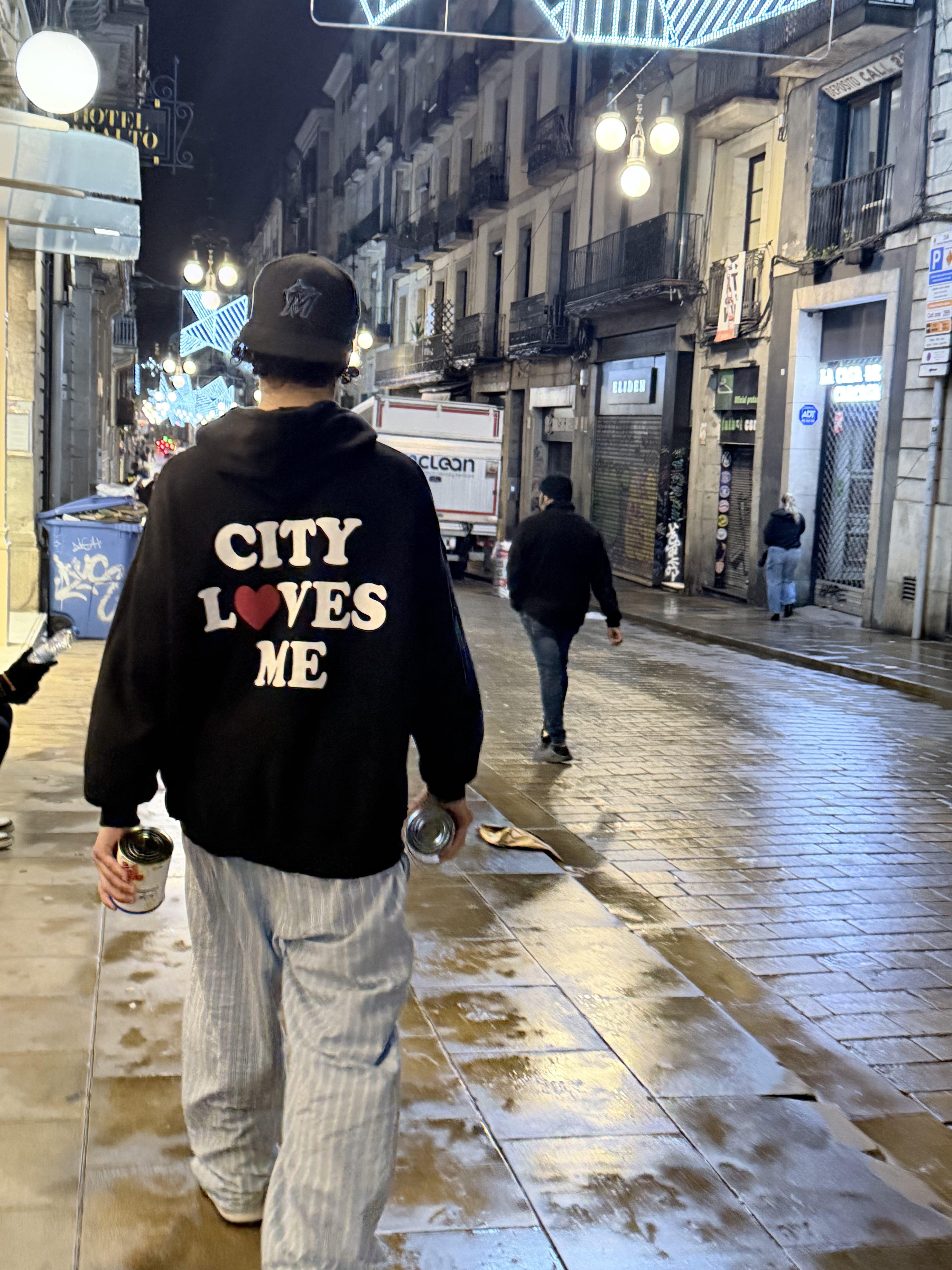
Isett first met her partner Alex Terra on an app for meeting new people in new places. Even though she’s lived in Spain for 25 years now, Terra was born in Uruguay and understood Isett’s unfamiliarity in a foreign country. The two talked for hours as Isett shared her experience with the asylum process and her goals for “FAR.”
Today, they are officially a couple, although Isett still awaits the outcome of her asylum application. Terra is upset Isett was forced to flee her home but sees her as someone who can smile through the obstacles.
“She looks happy about the fact that she’s doing this,” Terra said. “She’s safe here. Safer here than where she was before.
“And I feel happiness is safe.”
Isett made a brief trip to the supermarket one day and when she returned to Terra, with bags of groceries still in hand, she believed she was home.
“I feel amazing because I feel invisible here,” Isett remembers saying to Terra, recalling the stares and behaviors she was subjected to in the United States. “I feel like I’m just another human being.”
Read More about Kate’s Journey:
Trans Texan Seeks Asylum in Spain
·
Aug 18
According to Kate Isett, the reality began to hit her as she stood inside the Half Price Books with a box full of her records.
Comments
Nothing yet. Say the first thing.
Sign in to join the conversation.