
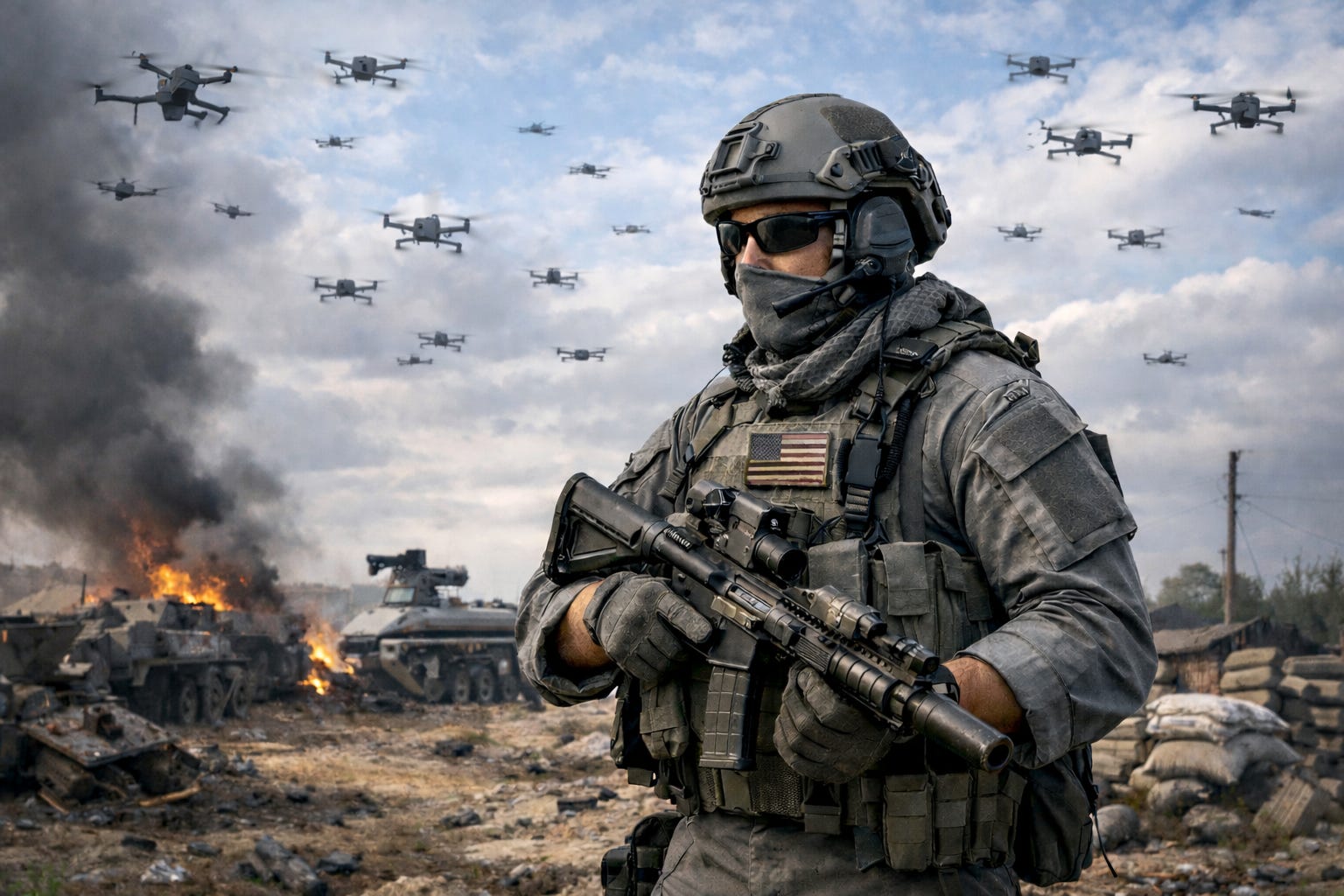
While current military reform efforts are clearly on the right track, perhaps more so than ever before, there is a critical danger that many military and industry leaders do not seem to be focusing on. While we are doing a good job taking the initiative in rapidly testing new capabilities to solve future battlefield problems, there seems to be less focus on thinking about what that future battlefield will actually look like.
Some of this problem stems from believing that lessons-learned from a conflict like Ukraine can directly translate to a potential near-peer conflict such as a war between NATO and Russia. Some lessons will convey but others will not, especially when it comes to large-scale offensive operations. Another concern is the inevitable tendency to overestimate the decisiveness of new weapons such as unmanned systems or the effectiveness of new sensors and battlefield management technologies. Technology has yet to provide the magical panacea that so many leaders have hoped for.
In future articles, we will offer some suggestions and potential solutions to these problems, along with our own vision of what future war might look like. However, the first step is to present some historical examples that might provide a check to the hubris of anyone who believes that our current transformation efforts will inevitably succeed. We must be humble enough to recognize that many smart innovators in the past with flawless logic and the best of intentions, ended up failing catastrophically.
When a new decisive weapon emerges or an innovative technology opens the door into a new domain of warfare, the first reaction is often to assume that such advances will render all previous weapons and other domains of warfare irrelevant. This assumption has yet to prove true. The second reaction is to begin trying to figure out exactly how such new weapons will work on the battlefield or trying to predict the nature of warfare in the new domain. Without the audit of real battle, such thought experiments can prove exceedingly difficult and their results highly inaccurate.
For example, when fighter aircraft first emerged early in World War I, no one could know that the best way of shooting down an enemy aircraft was with a fighter plane armed with a forward-firing machine gun. That seems intuitive to us now. However, at the time there were many competing theories including trailing cables to tangle in enemy propellers, snagging enemy aircraft with nets, throwing grenades and even using grappling hooks to physically board enemy aircraft. These options seem preposterous to us but at the time, who could know the ideal tactics and doctrine of air combat? Only wartime experimentation would reveal the answers.
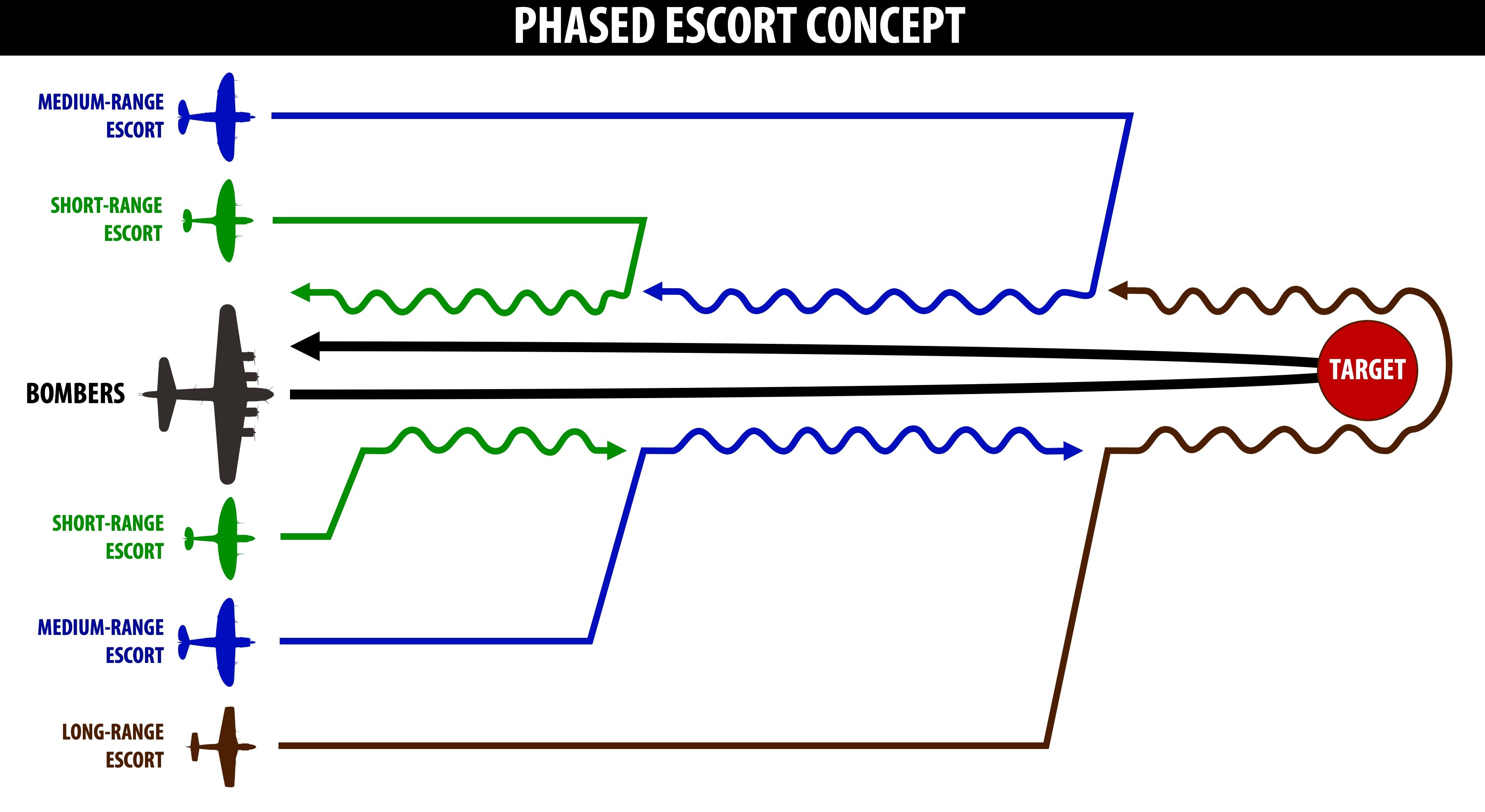
A more contemporary example is the debate over how bombers would protect themselves from enemy fighters in World War II. Extensive research by the best minds in aviation, immense monetary investment and extensive technological development gave rise to the “self-defending bomber” concept. Given that fighters of the time did not have enough fuel to escort bombers all the way to the target, the logical conclusion was to arm the bombers themselves with ten or more .50-caliber machine guns and have them fly close together in a “defensive box,” creating a wall of bullets that would shoot down any attacking enemy. Once again, the idea seemed logical enough in theory.
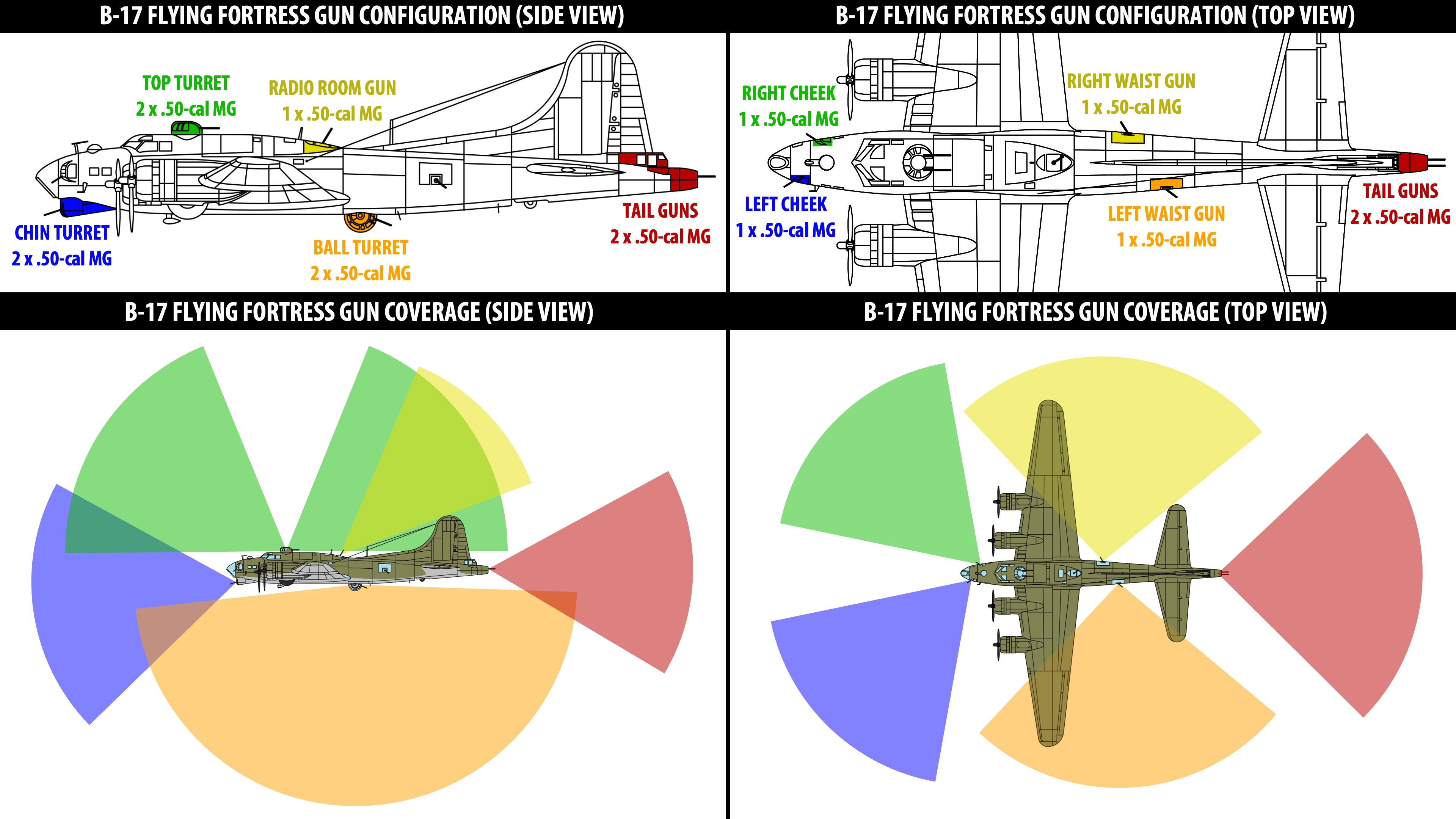
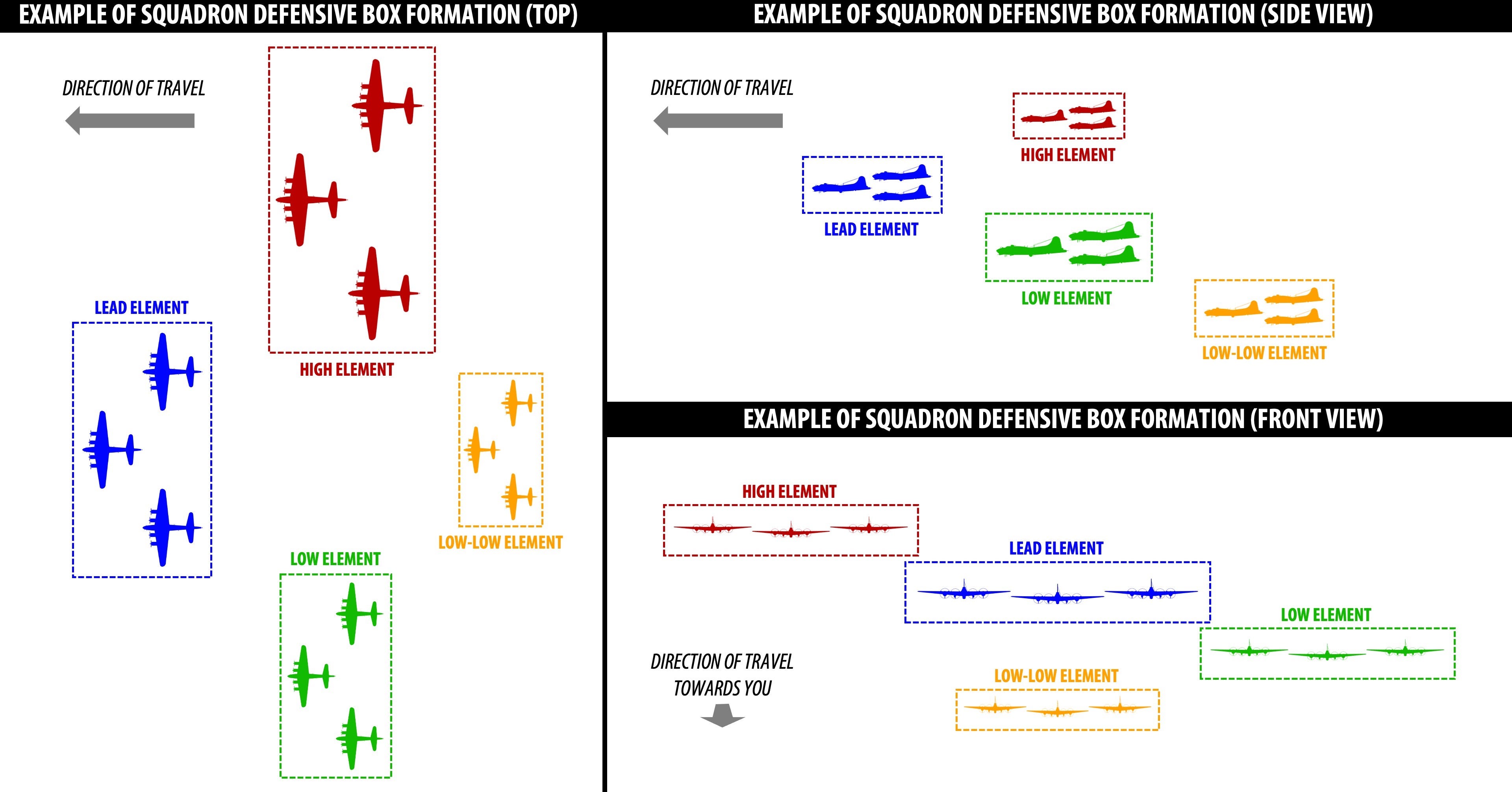
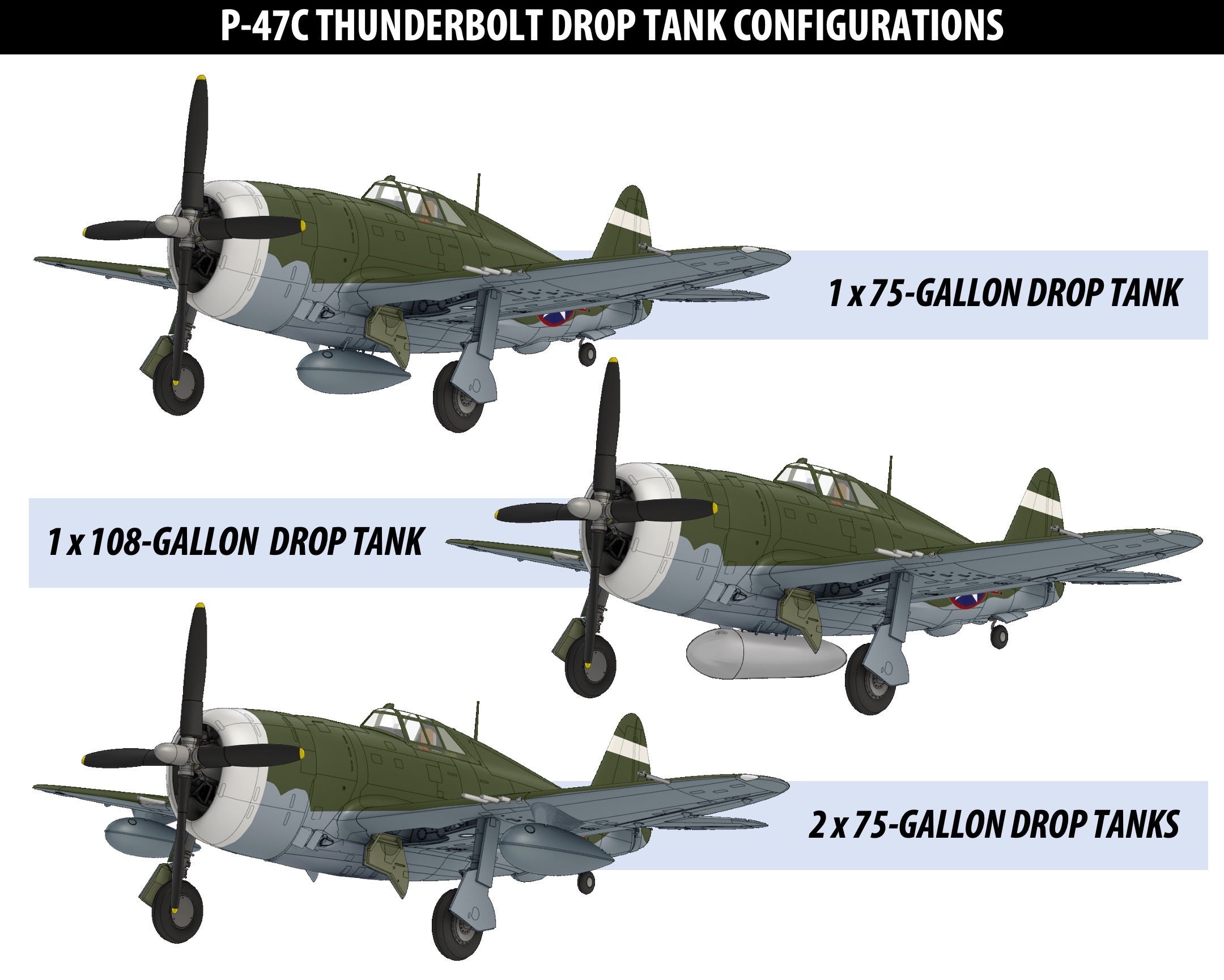
The events of “Bloody Thursday,” 17 August 1943 proved otherwise. The B-17 crews that flew the infamous Schweinfurt-Regensburg raid suffered unprecedented casualties, losing 60 aircraft while nearly 100 more suffered heavy damage. This disaster, combined with a consistent trend of heavy bomber losses made it clear that while logical on paper, the self-defending bomber concept simply did not work. It would take many months of thinking, experimenting and technological innovation before General Billy Mitchell came up with the winning formula of abandoning close-escort tactics while introducing phased escort using long-range fighters equipped with drop tanks.
It is necessary to belabor such historical examples because otherwise, we may fall into the same trap as those who made such tragically false predictions in the past. Our current era of warfare likely boasts a more complex web of technological innovations than any other in history. If trying to figure out how bombers would fight was difficult, the task before us is infinitely more challenging and complex. How will drones and unmanned systems fight each other? How will they best be employed and how will a force defend against them? What will prove most effective: drones, rockets or artillery? Which will prove more sustainable from a logistical and industrial standpoint? How does electronic warfare fit into the picture? What about artificial intelligence?
These are just a few examples of questions that no one has answers to and finding such answers will not be easy. Current defense acquisition reforms such as the Army’s “Transformation in Contact” are clearly a step in the right direction but when it comes to actually making decisions about which capabilities to focus on and purchase, how will units decide? A system might “pass the test” but is it the right test? Many similar tests validated the self-defending bomber concept. Who will come up with the evaluation criteria and what underlying assumptions about the nature of peer-to-peer conflict will drive the parameters of the experiments?
Thus, as we attempt to transform, before we decide on the best way to employ drones, rockets, EW and AI, we must heed the lessons of history and be extremely careful. We must realize that an idea can seem to work on paper but prove disastrous in real combat. We must learn from the Ukraine conflict and others while realizing that the next war may be entirely different. We must avoid the natural human tendency to look for evidence to support our existing biases rather than striving to challenge our own assumptions. Most importantly, we must avoid the temptation of thinking we are “already doing” all of these things… are we really? We might be, but can we be sure? We had better be. The young men and women who will fly the next “Schweinfurt-Regensburg” mission are counting on us.
This is the first in a new series of articles and studies from Warfare Mastery Institute, focused on the “Future War” - the latest trends in weapons, tactics and technology. Thanks to our partnership with Special Tactics, LLC we will be able to inform our analysis with real-time data provided by retired U.S./NATO SOF operators currently serving overseas (in an unofficial capacity) in conflict zones where such weapons and tactics are being employed and tested. Stay tuned for more posts in the weeks to come.
Comments
Nothing yet. Say the first thing.
Sign in to join the conversation.