
Happy long weekend! It’s been a fun one for me. Yesterday I drove up to my uncle’s place and we swapped the stock speakers in my car (Venza - basically a RAV4) for a pair of better quality Kickers in the dash and door panels.
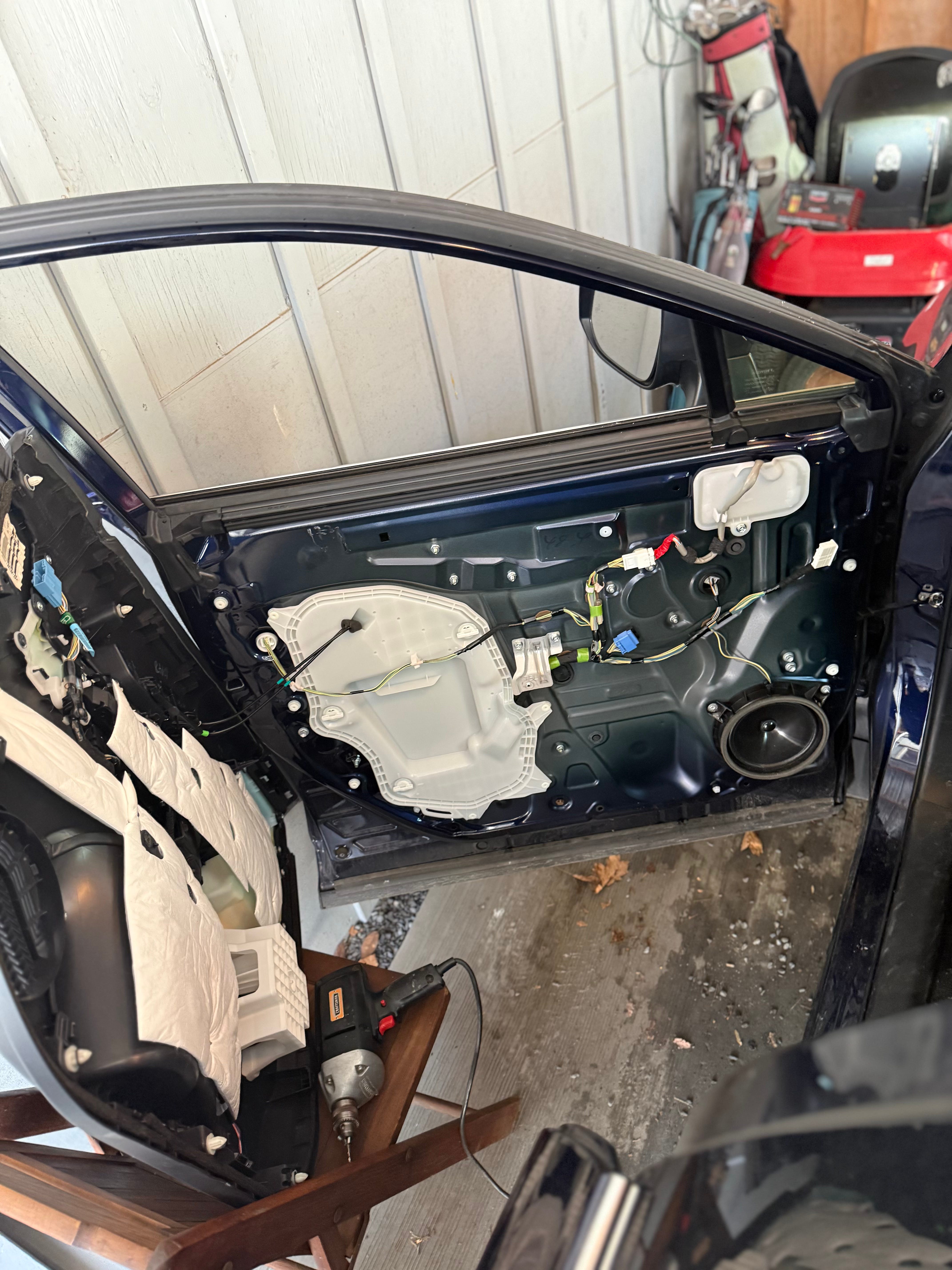
Not gonna lie, YouTube made it look easy. And it was, up until these rivets we had to drill out. After fighting for a while with them we got them out (at the expense of a drill bit or two). Bonus pic of the car in pieces mid-install (shhh, don’t tell Toyota):
Today is another opinionated deviation - I’m talking about how to take back your attention from social media and other online platforms.
Ward and this blog have historically been focused on mitigating scams and other immediate, tangible threats. However, the covert psychological changes from the proliferation of devices and social platforms over the past few years is deserving of just as much, if not more recognition.

I’m currently reading The Anxious Generation by Jonathan Haidt, which deep dives the data behind the generation shift from being “play-based” to “phone based” from 2010 onwards. At the older end of Gen-Z, this shift is something I witnessed and experienced with my own eyes from 2010-2015. It’s a shared experience.
To be fair, I don’t think it’s all bad. Social media has raised awareness to issues that would have never seen the same light or response. It’s empowered people from different continents to stay connected at a level never seen before. But it’s changing. Fast.
Phones have become the “everything” device. They’re no longer relegated to just being used for texting, Facebook, email, or web browsing. They can now:
Unlock your front door
Unlock your car
Control your thermostat
Receive work messages
Receive 2FA/MFA codes
In China, the WePay/AliPay apps are the main way to pay for goods and has been for years. You otherwise can’t buy stuff with a card or cash outside of some foreigner-friendly establishments.
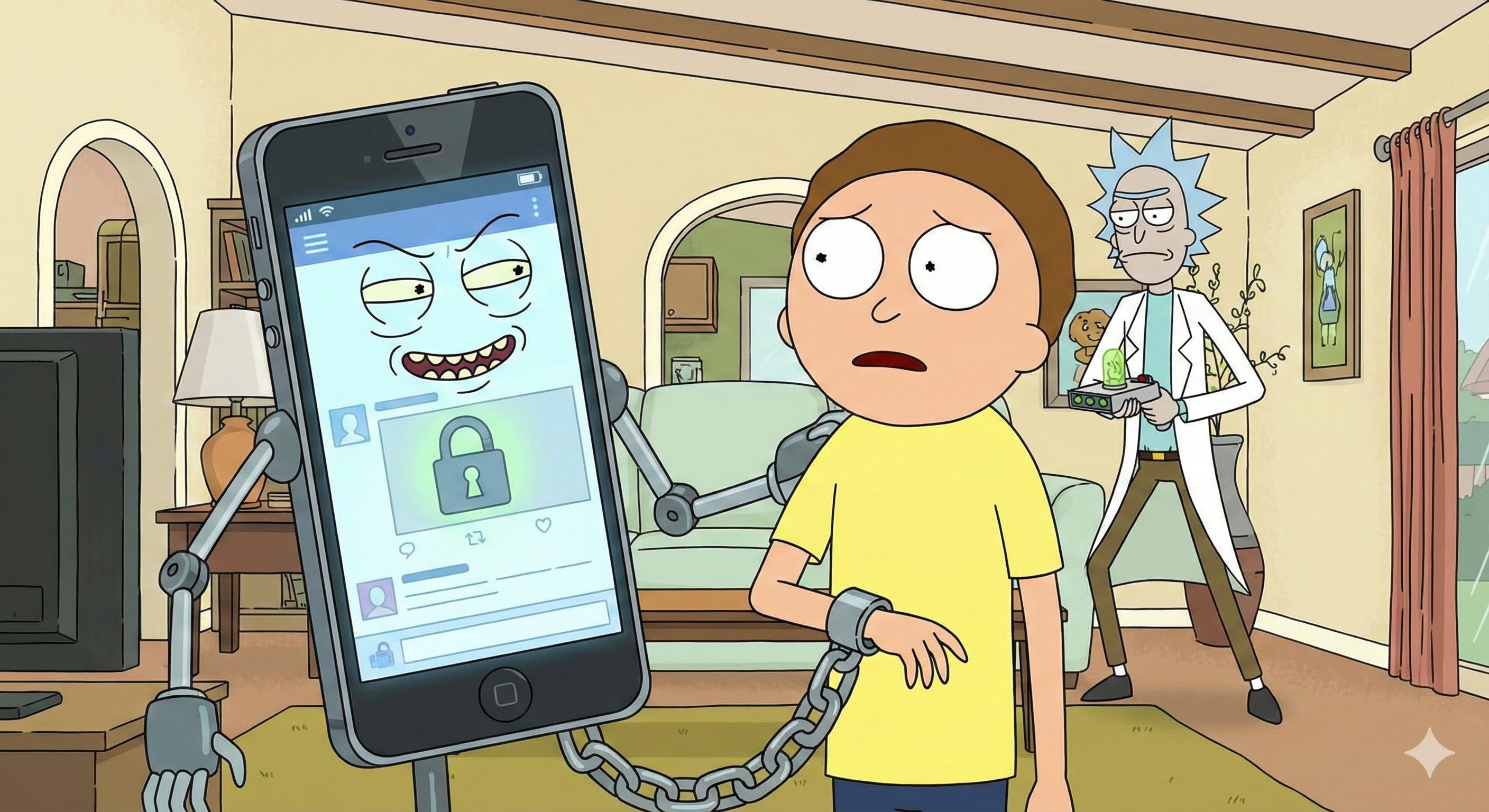
These changes have chained us to our devices instead of freeing us as they were promised. Every time we use a device to enter an authentication code is a hook to check our notifications or scroll Instagram. It’s not just you. Just like 2010-2015, we’re entering a shift to another level of radical phone dependence.
Put simply,
Convenience has driven complacence. It’s intentional.
Infinite scroll was one thing. Transformer neural nets like TikTok, Facebook, and Instagram Reels was another.
It’s impossible to discuss attention span without also considering the impact of advertising.
In 2017, Polish researchers studied participants as they read text interspersed with online advertisements. They found that these ads led to a drop in activity in the frontal and prefrontal cortex, the parts of the brain responsible for cognitive processes and high-level cognitive functions.

The findings?
Concentration also dropped immediately - suppressing the participants’ focused cognitive engagement
An asymmetry appeared when presented with ads - either anger or anxiety/avoidance emotional activation.
This was an extremely small sample size study, but goes to show we still don’t fully understand the negative psychological impacts of advertising, especially as they make their way to places we share sensitive context like ChatGPT.
It’s possible to be wise without being considered a Luddite by changing the way we consume. My objective list (probably poor financial advice):
Shell out for the paid, ad-free plans of services and use an ad-blocker. You pay for any subsidy with your time and attention. This includes:
ChatGPT
Streaming services like Netflix, Prime Video
→ Avoid using ad-supported tiers of services.
Use devices for specific purposes to retain your attention instead of viewing your phone as an “all-in-one”. This could mean:
Using a Basic Kindle for reading
Wired speakers vs. wireless - ties up your phone
Watching movies on a dedicated TV, not your phone
Change or dumb down devices that rely on your phone for operation. This could mean:
Going with an “old fashioned” doorbell or chime
Using a physical car key or card
Using a physical hardware token for 2FA/MFA codes
Disconnecting devices from the internet, like a smart fridge
Ultimately, reclaiming our attention isn’t about becoming a hermit or buying a bunch of things. It’s about ensuring that we remain masters of our tools rather than the inverse.
By introducing small frictions like a physical key or thermostat we carve out space for the kind of deep focus that an algorithm can never provide.
In an age when every device is fighting for your attention, the most radical way to subvert is to look away.
If you enjoyed this read please subscribe for future posts and drop a comment with your thoughts. Until next time.
- Cedric
No posts
Comments
Nothing yet. Say the first thing.
Sign in to join the conversation.