

A science experiment to better understand the Northern Lights startled Russian early warning radar operators to such a great extent that they nearly started World War III. The operators were so concerned, they sent an alert through the Russian Ministry of Defense system that rapidly reached President Boris Yeltsin for a final decision whether to “launch on warning”, or ride out the initial attack. Yeltsin decided that a US bolt-from-the-blue nuclear attack on Moscow was so unlikely, doing nothing was the right move. The full story is just a bit odd, and worth retelling here - especially the risk reduction aspects: what worked, what did not, and why?
For instance, why did Russia not check the NOTAMs or launch notifications from other countries? If it was a joint US-Norwegian launch, should the US have used the Ballistic Missile Agreement?
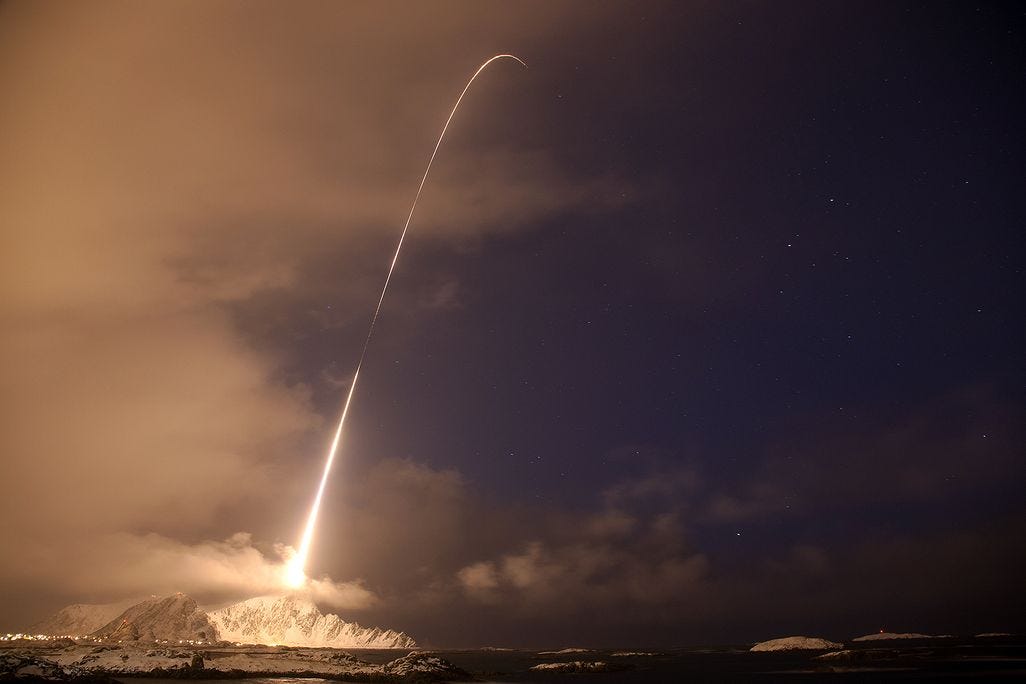
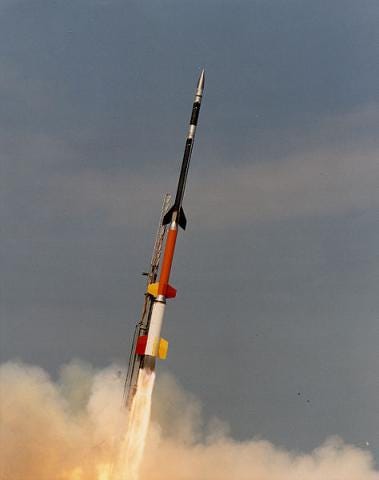
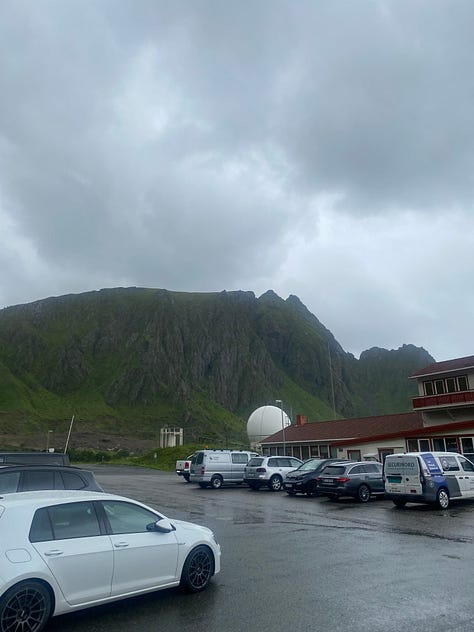
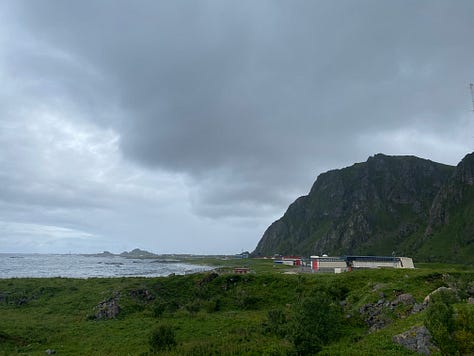
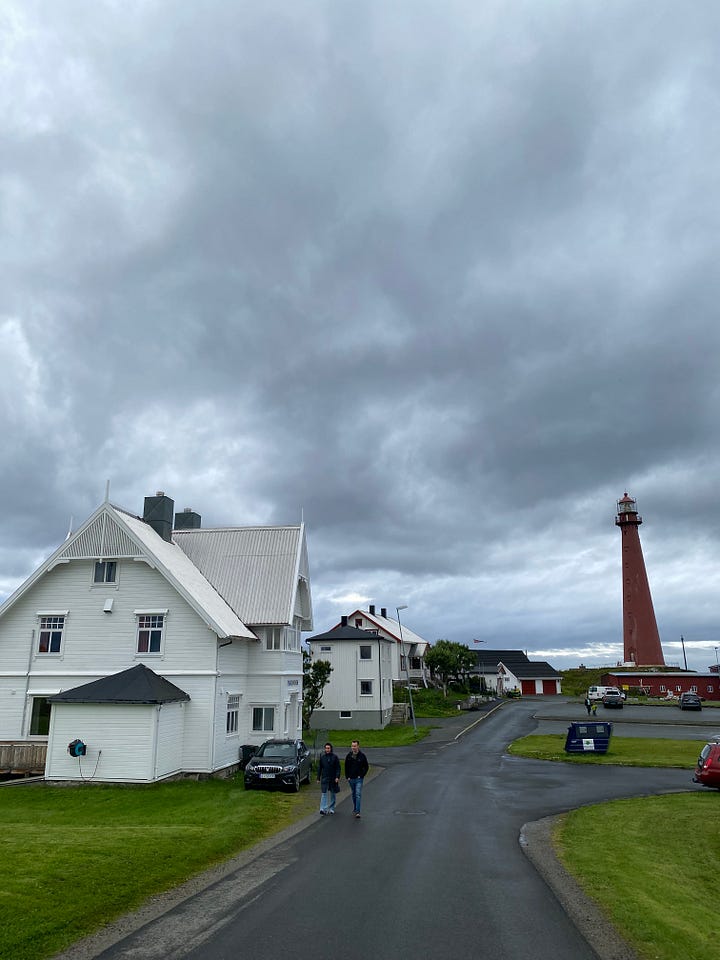
At 0924 GMT on 25 January 1995, NASA and Norway jointly launched a routine scientific sounding rocket, the Black Brant XII, into the aurora borealis over Svalbard Island to unlock the secrets of that marvelous phenomemon. It was a routine launch, the eighth in the Black Brant XII series and the seventeenth of all Black Brant rockets from Andøya, launched from the Black Brant launch complex, Universal Launcher 3, Pad 7.
The four-stage rocket (Talos, Taurus, Black Brant VB, Nihka) carries a maximum payload of 136 kg to its 1,500 km (or heavier payloads at shorter ranges), and this particular launched finished its fourth-stage burn at the 93-second mark, before beginning its mission. The sensors stayed aloft for 24 minutes, collecting its data, before the payload dropped into the North Atlantic near Spitsbergen at 0948, a trip of around 1,000 kilometers.
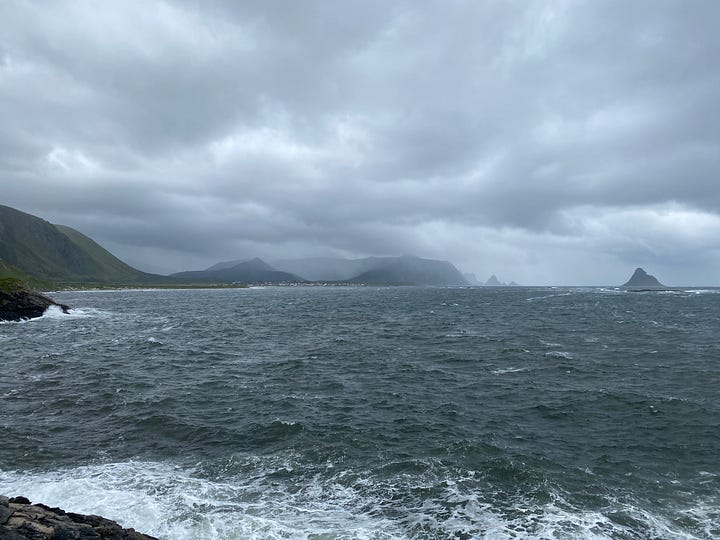
The rocket never came closer than within 480 kilometers of the Russian border. The science was tantalizing - to put a rocket exactly at the point where the charged particles from the sun (the solar wind) enter the magnetosphere near the poles, with the stripped electrons causing the dancing lights in a beautiful shimmer and collect the plasma of the aurora.
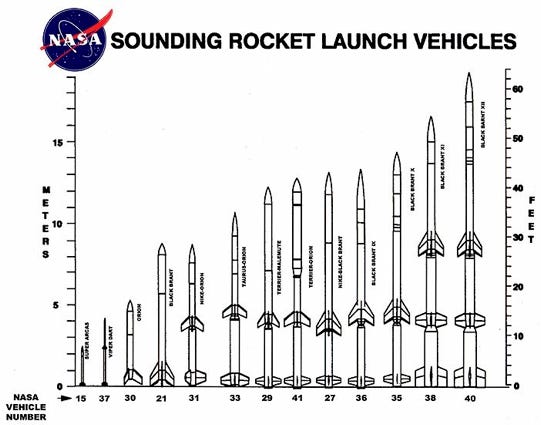
Andøya has served as a launch site primarily for sounding rockets since 1962, with 607 launches prior to this inauspicious day in January 1995. The major difference of note between this launch, number 608, and the previous 607 launches, was the apogee: at 1,453 kilometers (~900 miles, deep into low earth orbit), this rocket went further into the atmosphere than any prior launch from Andøya by 700 kilometers.
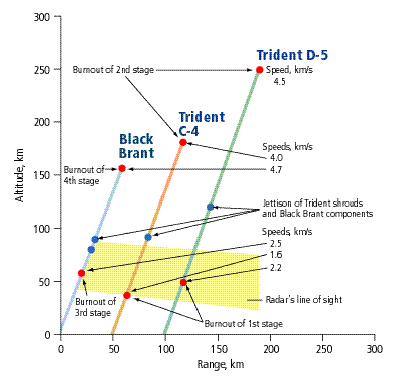
One rule of thumb for calculating the maximum range for a missile is to double the apogee - and Moscow is only 1,850km away from Andøya. Then consider that one of the primary launch areas for US submarine-launched ballistic missiles is off the northern coast of Norway, and that the burnout altitudes and speeds for Blank Brant XII and the Trident family of missiles just about line up. Now you’re starting to get the picture from the Russian radar operator’s point of view.
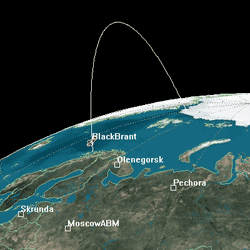
This particular rocket, flown to that apogee, from that region, with Russian radars in the state they were in during the 1990s, all contributed to a cascade of errors that nearly led to World War III.
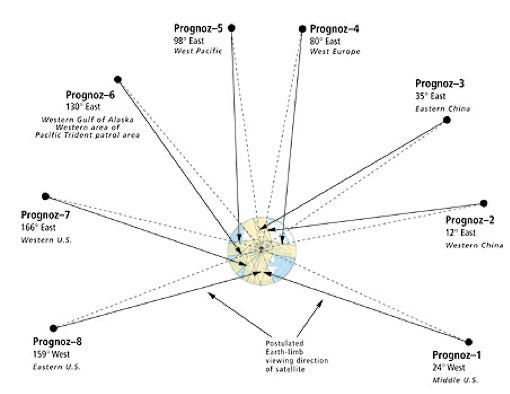
Recall that this was 1995 - the Russian military was in shambles, with their early warning radars in a parlous state and their space launch capabilities rapidly disappearing down a massive budget hole. Gaps had developed in the radar net, built from a combination of (Oko and Prognoz SPRN) satellites and land radars, and the Cold War paranoia of a surprise US attack had not yet disappeared.

Russia was busy losing the first Chechen War - with some commentators speculating that the US was supplying the rebels, and others complaining bitterly about US missile defense testing. No lesser person than the head of Russian Strategic Rocket Forces even opined that some of the Hera series of missile defense targets were part of a secret plan to develop Pershing III.
Yes, the 1990s were wild.
From Oslo’s point of view, this was another in a long series of scientific rocket launches with a completely routine handling procedure:
December 21: the Dip Note. The Norwegian Foreign Ministry sent a Diplomatic Notice to all Heads of Mission in Oslo, complete with the window, the estimated launch times, the types of rockets to be launched (Black Brant XII and two Viper 3 A/Dart Falling Sphere rockets), and the impact area for the Black Brant’s four stages.
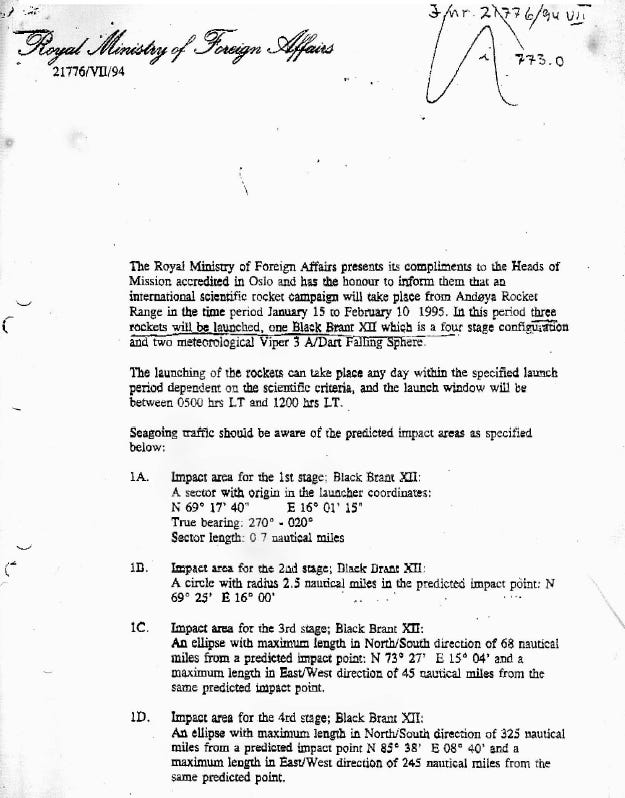
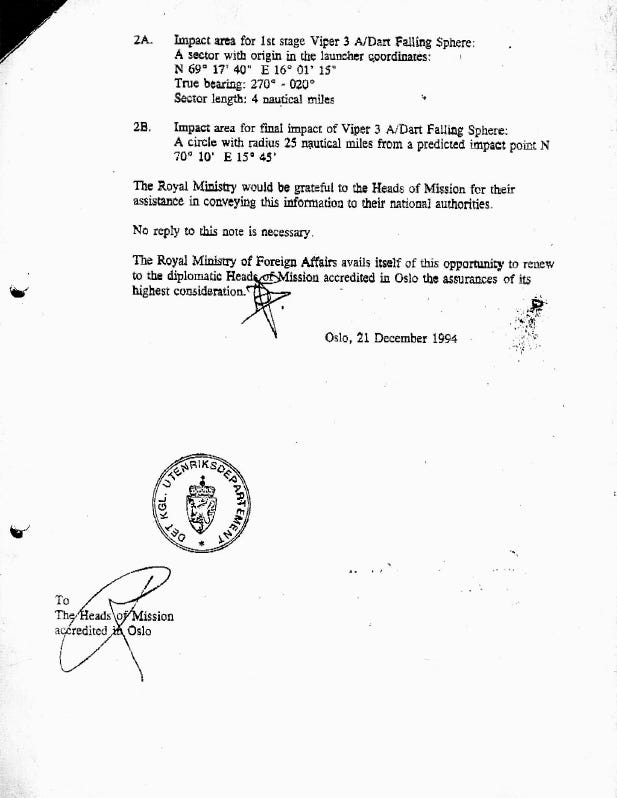
DipNote 21776/VII/94 16 January: International Civil Aviation Oragnization (ICAO)/Notice to AirMen (NOTAM) issued on the Aeronautical Fixed Telecommunications Network with the same information as the DipNote.
24 January: Supplementary warning on shipping and air-traffic control channels with time and place of launch.
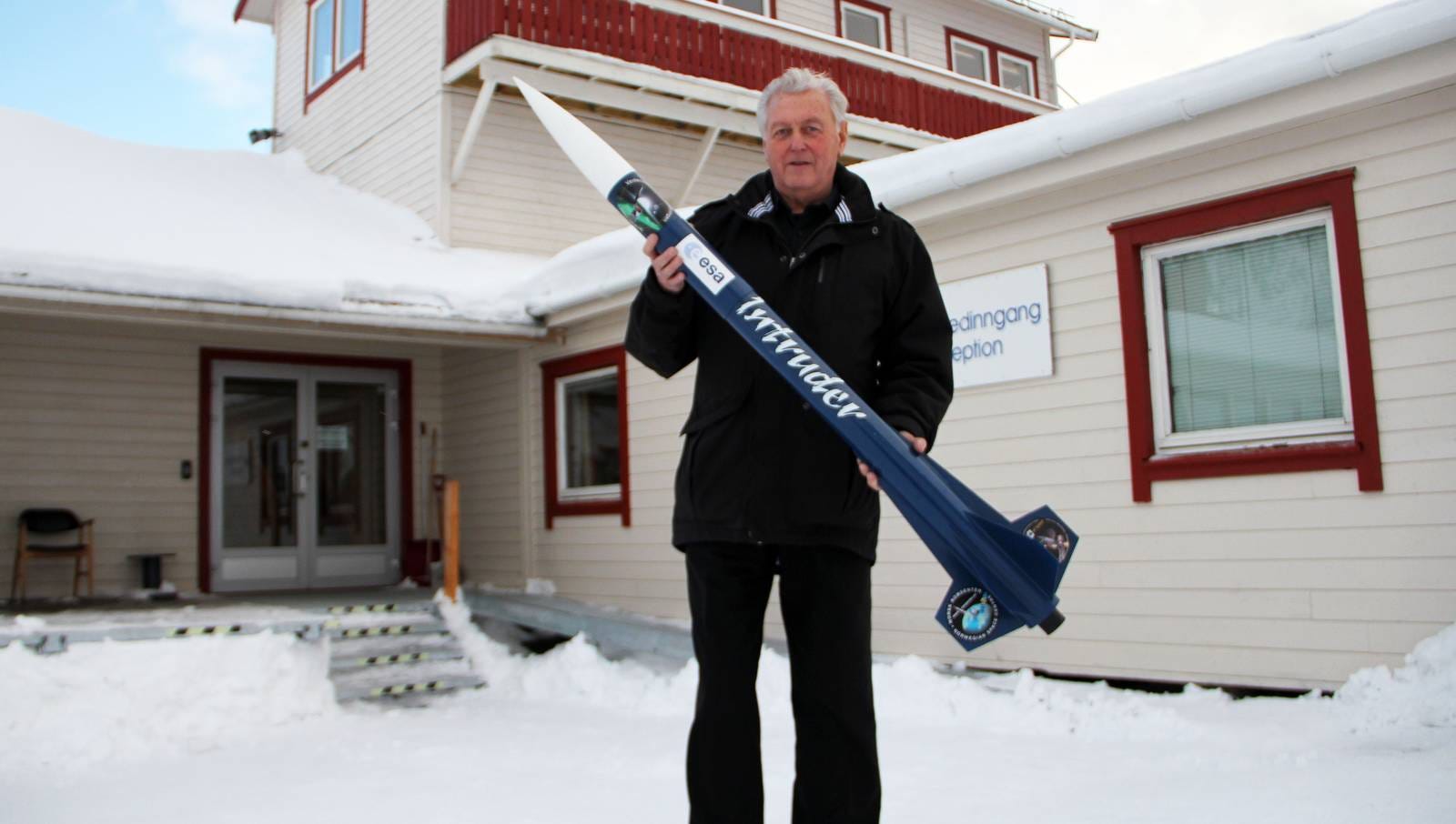
The launch was successful, and the team began planning the next launch. Hence, you can imagine the surprise of the scientists and planners involved! Kolbjørn Adolfsen who was the Director of the Andøya range on the day in question was stunned when he was asked what to tell the press about his effort to attack Moscow.
"This was a 100 per cent successful mission from a scientific and technical point of view…until the phone started ringing we were all very happy."
The Norwegian Ambassador to Moscow Per Tresselts held two meetings with a Russian Deputy Foreign Minister and discussed potential additional notification methods. Russia’s MFA reacted sheepishly, stating that the notifications all had been passed to the Navy General Staff, MOD, Border and Security Forces, and the Russian Academy of Sciences.
Internally, Norway launched an inquiry into the incident and found that everything was done right and proper.
At NATO, the NATO Situation Center got a call from SHAPE at 1620 Z, reporting that at 1030 Z on 25 January, a routine rocket launch had caused a reaction in Russia, with Interfax incorrectly reporting a missile had been launched towards Russia and been shot down.
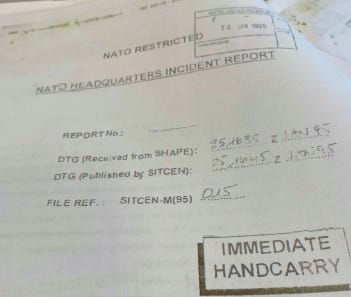
The Norwegian Ambassador to NATO Leif Mevik quite understandably received many questions about the incident at the North Atlantic Council meeting on 26 January 1995, but said he needed time to look into it. A week later, at the 1 February 1995 meeting of the North Atlantic Council, Ambassador Mevik spoke for just about ten minutes, giving a brief recap of the incident and their communication with Russia. He quietly and unfussily asserted Norway’s soverign right to handle the incident and the follow up, and took no questions.
The matter was dropped.
At US EUCOM Headquarters, EUCOM Commander and Supreme Commander of Europe George Joulwan monitored the traffic. He was briefed on the Black Brant launch and went about his business. Reportedly, he was shocked by the Russian over-reaction as it continued to snowball over the next few days. According to internal reporting, EUCOM assessed that:
“Russian submarine commanders were ordered to go into a state of combat readiness and prepare for nuclear retaliation,”
However, this assessment is not widely shared, as we will see. Joulwan decided to use the incident to work with Washington to build additional notification and disclosure procedures to prevent future misunderstandings that could have been worse. He decided in the interim to begin sending Allied NOTAMs directly to his counterparts in Moscow as an interim measure.
Talks began between Washington and Moscow to reduce risks, building on agreements like the US-Russian Ballistic Missile Agreement, INCSEAs, the Accident Measures Agreement, and the Notification of Strategic Exercises. These discussions led to a Presidential statement and two agreements:
Joint Statement by the President of the United States of America and the President of the Russian Federation on the Exchange of Information on Missile Launches and Early Warning, Sept. 2, 1998.
Memorandum of Agreement Between the United States of America and the Russian Federation on the Establishment of a Joint Center for the Exchange of Data from Early Warning Systems and Notifications of Missile Launches, June 4, 2000 (JDEC).
Memorandum of Understanding on Notifications of Missile Launches between the United States of America and the Russian Federation, Dec. 16, 2000 (PLNS MOU).
The purpose of the agreements was for the US to share early warning information on missile threats with Russia, including third party missile and space launch vehicle launch information. The agreements would thus make up for the shortcomings in its early warning system or other systemic failures to prevent confusion about US and Russian launches as well as third party launches such as the Black Brant incident.
However, with the switch from the Bill Clinton Administration to the George W. Bush Administration, such cooperation foundered over disagreements between the sides over missile defences and the US pusuit of its Global War on Terror.
Black Brant almost led to World War III, and it almost led to unprecedented US-Russian cooperation, but in the end it fell short on both accounts.
On 25 January 1995 at 0924 local time, Olenegorsk-1 radar early warning station picked up a launch detection. Recall that the four-stages completed their burn within 93 seconds, so by 0926, the payload was lofted, with 24 minutes of flight time before it plummeted to earth at 0948. Quite early within this 26 minute window, a decision had to be made: alert command or dismiss the incident.
The radar station, known as RO-1 and located at 68°06’49.8”N 33°54’38.4”E, started construction in 1963 and reaching initial operating capacity in April 1964 as a 5N15M radar station (later upgraded to a 5N86) as part of the Dnepr-M system, NATO name “Hen House.” The facility was operated by the 57th Independent Radio-Technical Unit, military unit (в/ч) 16605. It was upgraded in 1978 with a co-located 5U83 Daugava radar, serving as a key part of the Russian Missile Attack Warning System or MAWS) to watch over the North Atlantic and Norwegian costlines.
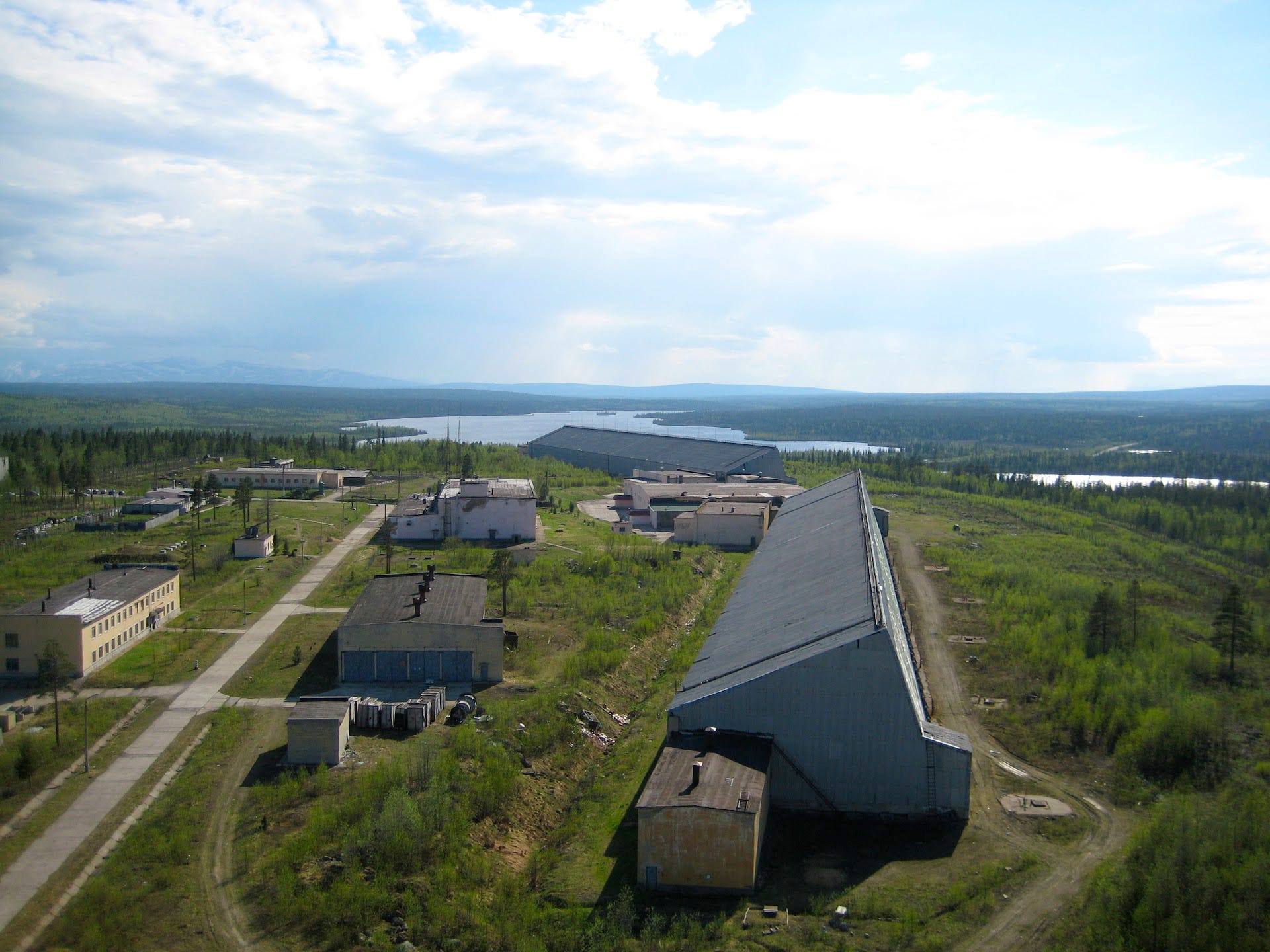
The operators of RO-1 had to evaluate dozens to hundreds of alerts a year, including an increasing number of erroroneous alerts, trying to sift through all the noise to evaluate when they should alert the MAWS command center in Solnechnogorsk (just to the northwest of Moscow) or ignore the alert.
Radar operators were under pressure - the system of early warnig radars was out of date, too many were inoperative, and with a failing space program, the cluster of early warning satellites were not up to the job. In this case, there is a maximum of ten minutes from initial detection to make the call.
The radar operators’ computer analysis concluded that the missile track, stage separation, and payload separation was all consistent with a single Trident I C-4 SLBM, possibly originating in the launch area in the north Atlantic, near the Norwegian coast - a potential staging area for US SSBN strikes on Moscow.
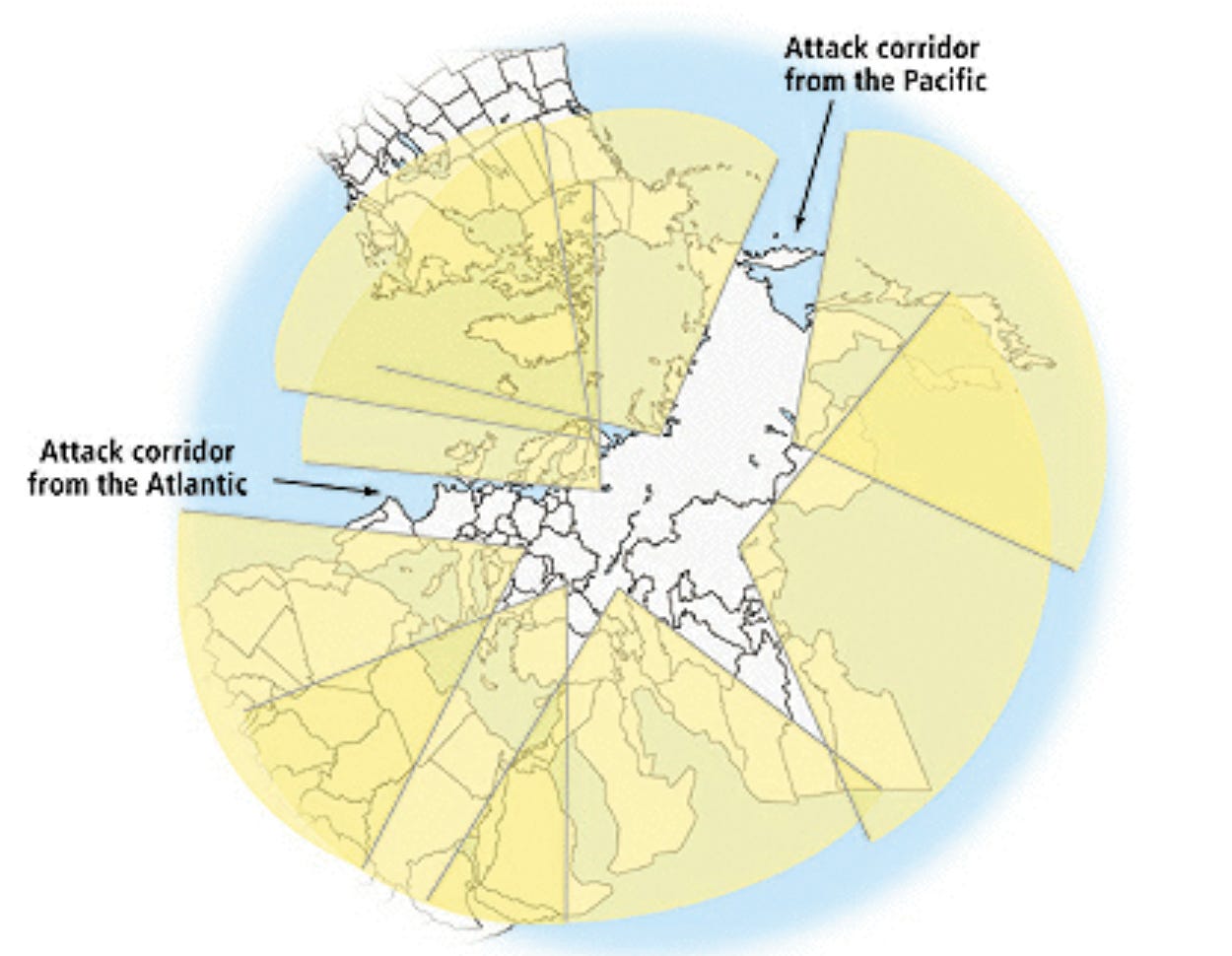
The operators were unsure whether the radar had missed additional launches before or after this track, outside their detection band. If it were an SLBM, there were now under ten minutes for Russia to respond before they were struck by at least one and as many as eight warheads on a single Trident I. A single or small group of warheads could be intended to presage a massive first strike, knocking out radars, communications, and possibly even decapitating Russian leadership. Targets could include Moscow, or the radar itself, other radars, or the anti-missile system that defends Moscow. Due to the gaps in the radar coverage, there also was the possibility that many, many more missiles could be incoming off-radar, in a ripple attack from a group of SSBNs or other forms of mass attack.
They made the call - pushing the notification up the MAWS chain, where the general in charge at the MAWS Command Center decided to pass the alert on to the General Staff at the command post at Chekhov, south of Moscow, and from the General Staff War Room to the President.
I can quote here from an excellent Washington Post article by David Hoffman on the incident, quoting Nikolai Devyanin, the chief designer of the “Cheget”:
At that point, the Russian electronic command-and-control network, known as Kazbek, had come to life.
The duty general received his information from the radar operator on a special notification terminal, Krokus. He then passed it to the Kavkaz, a complex network of cables, radio signals, satellites and relays that is at the heart of the Russian command and control. From there, it caused an alert to go off on each of the three nuclear “footballs” in the Russian system: one with Yeltsin, one with then-Defense Minister Pavel Grachev and a third with the chief of the General Staff, then Mikhail Kolesnikov. The black suitcases were nicknamed Cheget.
The command-and-control system “was now operating in combat mode,” Devyanin said. Yeltsin immediately got on the telephone with the others holding the black suitcases, and they monitored the rocket’s flight on their terminals. (The actual launch orders are not given from the suitcase, only the permission to fire. The launching process, including ciphers, is controlled by the military’s General Staff, which, in some circumstances, is authorized to act on its own.)
In other words, President Yeltsin, Minister Grachev, and General Kolesniko opened their Chegets and had the opportunity to give permission to the Strategic Rocket Forces to unleash hell on the Americans. They did not.
The BBC reported on the initial confusion with typical sangfroid, with Jeremy Paxman, at the end of Newsnight on 25 January describing the chain of events and providing the receipts
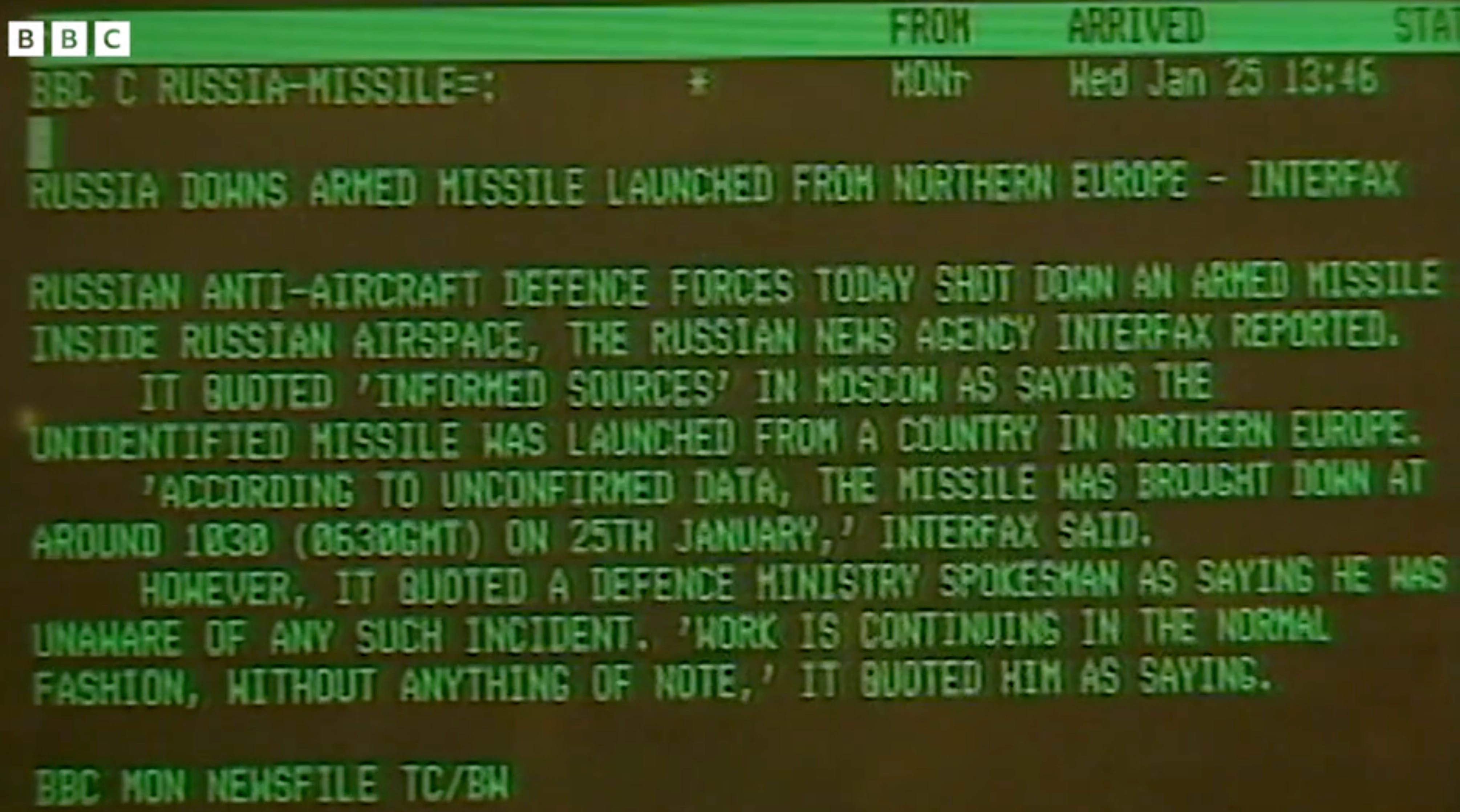
At 1646 local time (1346 GMT) 25 January, Interfax issued a brief story claiming that Russia had shot down a missile.
Russia downs armed missile launched from northern Europe - INTERFAX - 25 January 1346 GMT
Russian anti-aircraft defence forces today shot down an amred missile inside Russian airspace, the Russian News Agency Interfax Reported.
It quoted ‘informed sources’ in Moscow as saying the unidentified missile was launched from a country in northern Europe.
‘According to unconfirmed data, the missile was brought down at around 1030 (0630 GMT) on 25th January,’ Interfax said.
However, it quoted a Defense Ministry spokesman as saying he was unaware of any such incident. ‘Work is continuing in the normal fashion, without anything of note,’ it quoted him as saying.
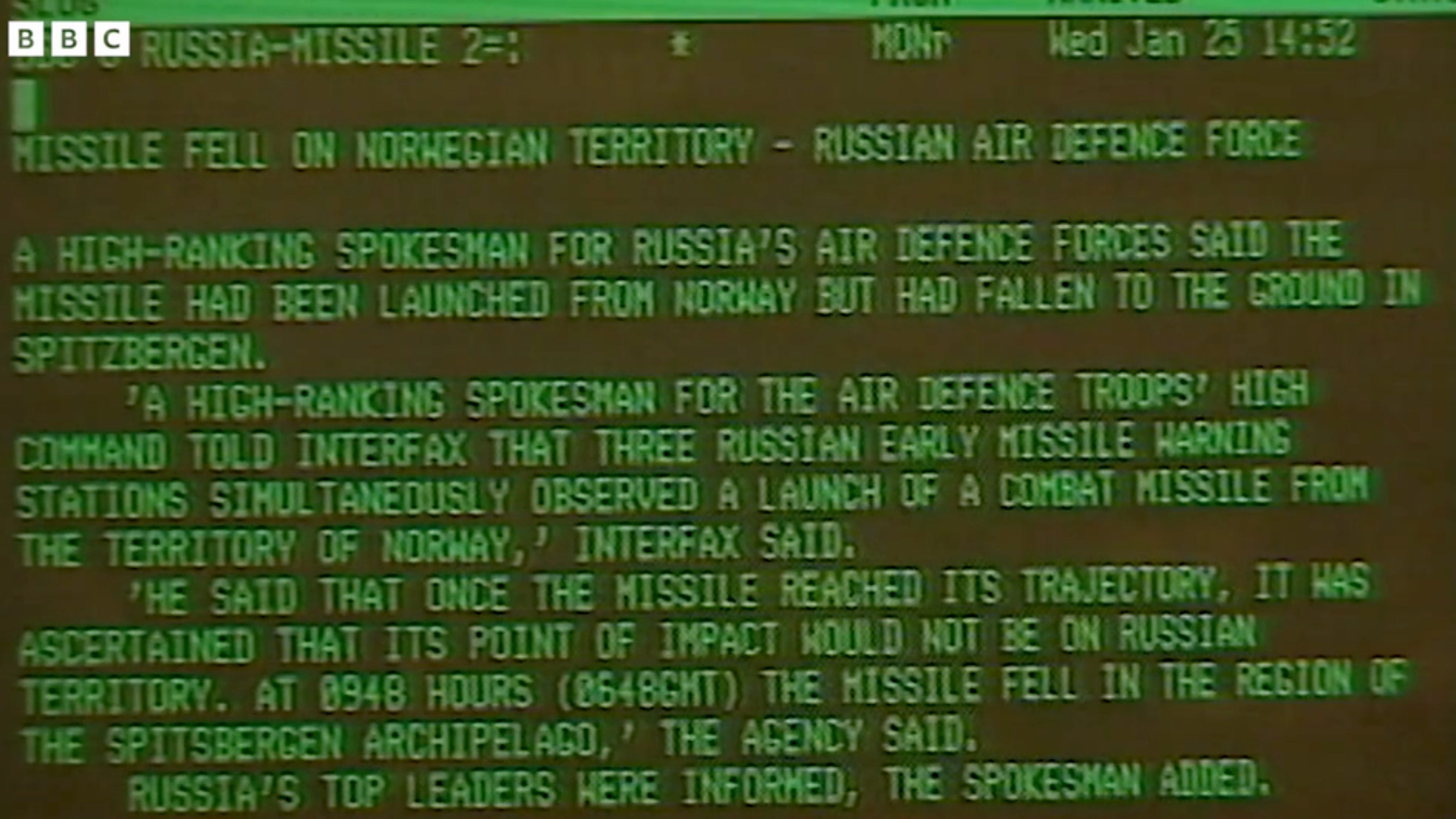
At 1752 local time (1452 GMT), Interfax issued a “clarification:
Missile Fell on Norwegian Territory - Russian Air Defence Force - INTERFAX 25 January 1452 GMT
A high-ranking spokesman for Russia’s Air Defence Forces said the missile had been launched from Notway but had fallen to the ground in Spitzbergen.
‘A high-ranking spokesman for the Air Defence Troops’ High Command told Interfax that three Russian early missile warning stations simulatneously observed a launch of a combat missile from the territory of Norway,’ Interfax said.
‘He said that once the missile reached its trajetctory, it was ascertained that its point of impact would not be on Russian territory. At 0948 (0648 GMT) the missile fell in the region of the Spitsbergen Archipelago,’ the Agency said.
Russia’s top leaders were informed, the spokesman added.
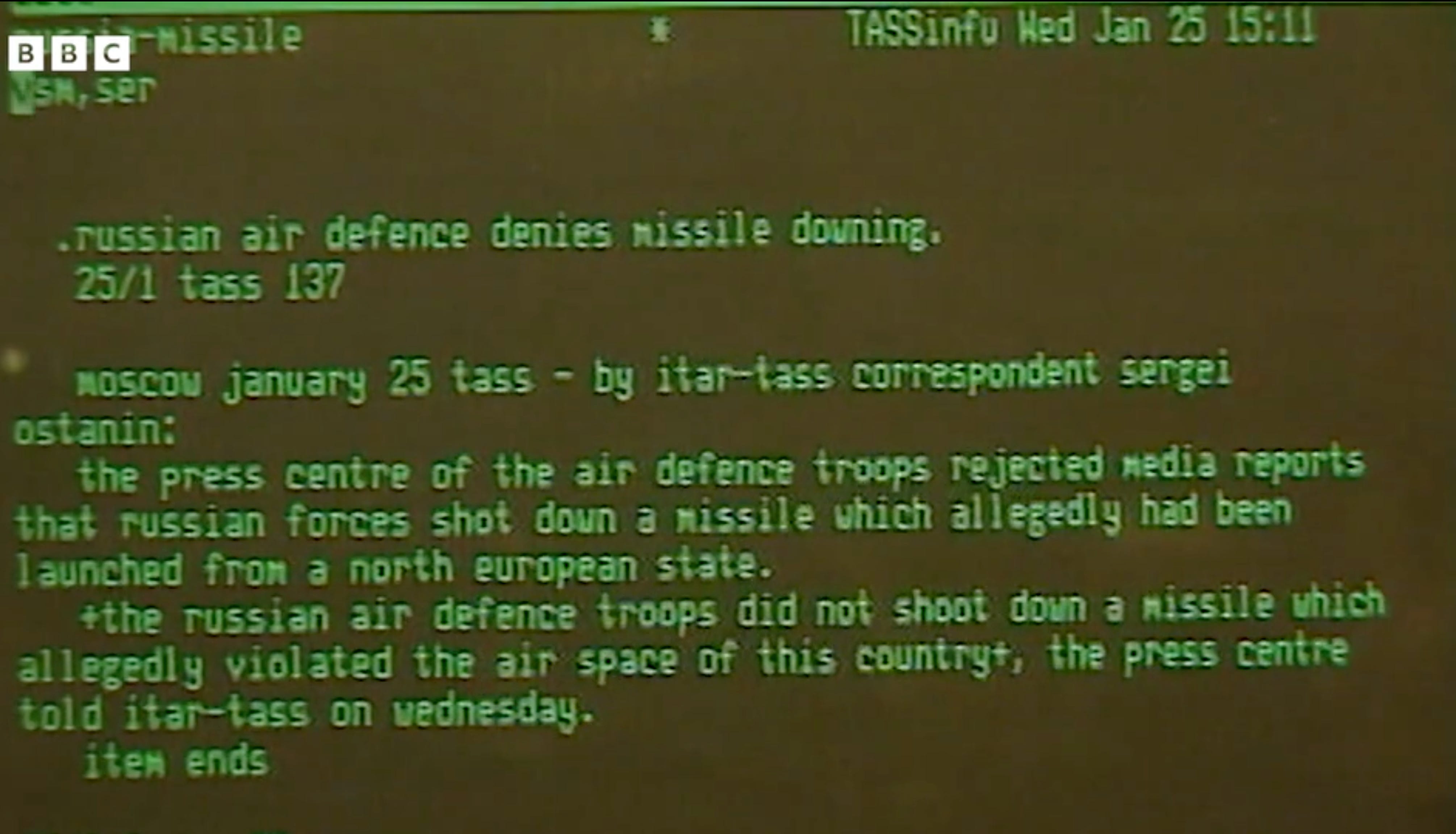
ITAR-TASS muddied the waters further just a quarter of an hour later:
Russian Air Defence Denies Missile Downing - TASS 25 January 1511 GMT
Moscow January 25 TASS by Sergei Ostanin
The Press Centre of the Air Defence Troops rejected media reports that Russian forces shot down a missile which allegedly had been launched from a north European state.
‘The Russian Air Defence Troops did not shoot down a missile which allegedly violated the air space of this country’ the Press Centre told ITAR-TASS on Wednesday.
Later on 25 January, the BBC contacted the UK Ministry of Defence which clarified:
“I am confident that the British have not fired any missiles at Russia.”
The BBC also asked DoD, and the Pentagon reply was similarly gnomic:
“All we have is reports of reports.”
Finally, Paxman clarified what we already know:
'There was a rocket. It was Norwegian. It was meteorological…
They told the Russians they were launching it, as they had done for the last 32 years.’
Interfax’s Editor, Vyachelav Terekhov, would later blame a senior military official for the confusion.
The next round of revelations about the Andøya incident came from Yeltsin’s famous propensity for loquacious oversharing. On 26 January 1995 Interfax asked for a clarification about the incident, during a whirlwind campaign visit to the Lipetsk region. Yeltsin was desperate to turn the page in the face of whithering criticism of his failing intervention in Chechnya, and was likely to receive a slightly warmer reception in the sticks rather than Moscow.
The first Chechen war had started less than two months earlier, on 11 December 1994, and more than 2,000 Russian soldiers had been killed in the disasterous seige of Grozny, with more than 35,000 civilians killed in the brutal Russian seige. Families of Russian soldiers and even some senior military officials were appalled at the decision to go to war, the terrible tactics employed, and the massive casualties.

Yeltsin’s trip to Lipetsk on 26 January, the day after the Black Brant incident was packed: the Lipetsk Complex Sausage Factory, the Stinol refrigerator plan, and the Novolipetsk Iron and Steel Works (NLMK), Centrolit, and the Lipetsk Tractor Plant (LTZ). Locals came out to criticize his failed Chechen policies, his failed industrial policy, and the collapsing economy. Then, Yeltsin shocked the world.

“Yesterday I used the black suitcase that I always carry with me for the first time. I had it with me yesterday morning and immediately called the Minister of Defense. We followed closely and found out where and when the rocket would land. We followed it from beginning to end.”
“I received reports by the Defense Minister, Chief of Defence - the information was complete, and we kept track of that missile from beginning to end."
"Maybe someone decided to test us a bit…The mass media keeps going on, ‘weak army, weak army,’ but here they proved themselves, you understand - not a minute passed, immediately we knew from where, at what speed, what trajectory and the spot where it would come down. Is that something to be ashamed of?"
“The military, of course, deserves thanks... For their high combat readiness...some may not have thought we had the capability of detecting such a small missile, but we caught it immediately and determined the location of its fall – quite far from our shores.”
Keep in mind, this is Yeltsin, trying to be as funny and charming as possible - a charm offensive in part aimed at his military, flattering them, and trying to show their competence in the face of an event that showed Russia to be completely unprepared for a surprise attack.
You can watch the interview here, starting at 03:02. Kommersant was quick to criticize Yeltsin, speculating wildly about whether Yeltsin was criticizing the military or being set up. UPI also ran with the question as to whether this routine scientific launch had been misrepresented to Yeltsin to show up his incompetence. Radio Free Europe caught the story with some good detail and analysis on the missle alert part, but omitted the nuclear aspect of the story.
Chief of the General Staff, General Kalesnikov also released a statement, seeking to tamp speculation down:
Our early warning stations’ equipment automatically took over missile monitoring. The technology is completely indifferent to whether the missile is military or civilian. However, a missile launch from a certain area is always a serious event...
I hope that this conclusion will be shared by those foreign military observers who, after studying material about operations in Chechnya, have rushed to talk of a so-called decline in the military readiness of Russia's armed forces.
He clarified that the Norwegians notified this incident and that there should be no fuss.
Former head of the Strategic Rocket Forces (and then-advisor to the Russian Minister of Defense) General Vladimir Dvorkin was keen to dismiss the incident completely - saying:
…there has been no investigation of the issue and we don’t see whey there should be. The launch of the missile was detected and that information was passed on to the president...But there was nothing, not even in the very nascent form, in terms of taking any kind of retaliating measures…I think you should be more concerned with the falling birth rates in Russia, than a decreasing control system.
Of course, that is to be expected, considering his job with MOD. He was not about to criticize, was he? Others, like Colonel Rober Bykov, a lower-level officer in the SRF and 12th GUMO blamed the whole thing on lost paperwork:
There was a warning given by the Norwegians that there will be a training missile launch…the main mistake is that the shift did not pass on the information to the other shift, that's the most important mistake. They had to put it down in paper, but not just put it down in paper but verbally pass on this warning about the launch.
However, Bykov was criticized by author Viktor Baranets in his book, Yeltsin and His Generals, for claiming that a disgruntled duty officer could use the Cheget to launch nuclear weapons. He used the occasion to advance the theory that the press stir about Black Brant was a backlash against the military’s failures in Chechnya, and Yeltsin’s revelation was meant to praise the military’s professionalism.
Former member of the Russian Parliament Defense Committee Alexander Pikayev agreed that it was paperwork, but added detail on the functioning of the Russian launch decision and launch-on-warning policy:
But the procedure is the following--if necessary, if the signal about adversarial missiles launch is received by the national command authorities, the President could decide to launch Russian missiles, and he sends his code down to military hierarchy, then Minister of Defense will have to add his codes. Reportedly, the Chief of General Staff will have to do the same, so that a decision on launching Russian missiles must be made by three men - the Russian President, Minister of Defense and Chief of the General Staff…
I think that they could talk through this suitcase, the suitcase is a communication terminal, nothing else, there is no red button there. It is a communication terminal which has President, Minister of Defense and Chief of General Staff and they could have conversation through it.
…the President would execute orders and he would release certain codes which are kept in this suitcase, the same will be done by Minister of Defense and Chief of General Staff. It goes down to Strategic Rocket Forces command then to command of the Rocket Division and then to Cruise and Cruise could launch the missiles if necessary.
…if there was a launch of more missiles, say five missiles, and they would have different trajectory going towards Russian territory, it could lead to mistake. The Russian strategic plans permit to launch Russian missiles before enemy missiles hit Russian territory, the same move has the United States.
Viktor Baranets in his book recounted the episode as an example of Yeltsin trying to rehabilitate himself in the eyes of the military by “frantically clutching at the nuclear briefcase,” and rolled his eyes at the whole incident.
Hence, we see four seperate spin messages trying to sway the narrative:
The incident was a test by the US and NATO of Russia’s preparedness
The incident was the test of a new, secret US IRBM from the Norwegian facility to mask its true purpose
Russia’s military is in great shape and the missile defence system is working perfectly, but maybe the paperwork handling could be better
Yeltsin is an idiot and a drunk and should not be trusted with the nuclear codes
Now, there are TONS of articles that either focus on the Andøya/Black Brant incident to varying degrees of success. Usually they’re very brief, cut down from the definitive WaPo Hoffman piece. I’ve tried to collect as much information as possible, combining all the credible information I could find. I did, however, want to highlight two particularly egregious pieces of poor work:
The Center for Arms Control and Non-Proliferation published a completely useless pdf on Black Brant, filled with errors (impressive considering how short it is), as part of its “Factsheets & Analysis on Russia.” It is cribbed from earlier, better descriptions of the event, and, speaking to its ‘quality,’ the factsheet states that “Russian news did not report on this incident until a week later.” A week, a day, what’s the difference, eh?
Sonni Efron’s 26 January 1995 article for the LA Times, “‘Missile Attack’ on Russia was just a science probe” is also rife with errors - confusing miles and kilometers, getting the date of the initial Norwegian notification, and messing up the times. I can forgive Sonni, at least - this was written on deadline. What’s the Center’s excuse?
Målfrid Braut-Hegghammer, who flew me and some friends to Andøya to collect all available data and discuss it. I learned a lot.
David Santoro, Miles Pomper, and Hanna Notte for working with me on our amazing report that finally brought together the Black Brant incident and the failed JDEC PLNS and MOU. It all fits together!



“Russia: Boris Yeltsin Visits Lipetsk,” Broadvast Video, AP Newsroom, 26 January 1995, https://newsroom.ap.org/editorial-photos-videos/detail?itemid=ec2db3277f4fbe1a2a41ad4ab2de59ac
“United States-Russia relations and the status and the direction of the Russian nuclear forces and their command and control,” Senate Report, 17 March 1998, https://www.globalsecurity.org/wmd/library/congress/1998_cr/s980317r.htm
“Russian Roulette: A Report on the Safety and Security of Russia’s Nuclear Arsenal,” Frontline, WGBH, February 1999, https://www.pbs.org/wgbh/pages/frontline/shows/russia/etc/script.html, https://www.pbs.org/wgbh/pages/frontline/shows/russia/interviews/blair.html, https://www.pbs.org/wgbh/pages/frontline/shows/russia/interviews/bykov.html, https://www.pbs.org/wgbh/pages/frontline/shows/russia/interviews/dvorkin.html, https://www.pbs.org/wgbh/pages/frontline/shows/russia/interviews/pikayev.html
EUCOM History Office, “This Week in EUCOM History: January 23-29, 1995,” EUCOM Media Library, 23 January 2012, http://www.eucom.mil/media-library/article/23042/this-week-in-eucom-history-january-23-29-1995
“Close Calls with Nuclear Weapons,” Union of Concerned Scientists Fact Sheet, April 2015, https://www.ucs.org/sites/default/files/attach/2015/04/Close%20Calls%20with%20Nuclear%20Weapons.pdf
“Nuclear Close Calls: The Norwegian Rocket Incident,” Atomic Heritage Foundation, 15 June 2018, https://ahf.nuclearmuseum.org/ahf/history/nuclear-close-calls-norwegian-rocket-incident/
William Alberque, Hanna Notte, Miles Pomper, and David Santoro, “Mitigating Miscalculation The Role of Pre-Launch Notifications in Strategic Stability, Issues and Insights 26.5, The Pacific Forum, May 5, 2026, https://pacforum.org/publications/issues-and-insights-26-5-mitigating-miscalculation-the-role-of-pre-launch-notifications-in-strategic-stability/
Viktor Baranets, General Staff Without Secrets, Politburo, Moscow, 1999, https://coollib.in/b/34988-viktor-nikolaevich-baranets-genshtab-bez-tayn/read
Viktor Baranets, Yeltsin and His Generals, Top Secret, Moscow, 1998, http://flibusta.site/b/466535/read
Jeff Berliner, “Yeltsin: Russia tracked ‘missile’,” UPI Archives, 26 January 1995, https://www.upi.com/Archives/1995/01/26/Yeltsin-Russia-tracked-missile/8958791096400/
Andreas Budalen, “Norsk værrakett holdt på å starte tredje verdenskrig,” NRK, 26 February 2012, https://www.nrk.no/nordland/_-aldri-vaert-naermere-atomkrig-1.8005229
Edward C., “Andøya: The Arctic Spaceport that Almost Ended the World,” The Dark Atlas, 2 January 2026, https://thedarkatlas.com/posts/andoya-rocket-range-norway
Ariel Conn, “Accidental Nuclear War: A Timeline of Close Calls,” Future of Life Institute, 23 February 2016, https://futureoflife.org/resource/nuclear-close-calls-a-timeline/
Geoffrey Forden, “False Alarms on the Nuclear Front,” Russia’s Nuclear Warriors, NOVA Online, October 2001, https://www.pbs.org/wgbh/nova/missileers/falsealarms.html
Geoffrey Forden, “Reducing a Common Danger: Improving Russia’s Early-Warning System,” Policy Analysis No. 399, Cato Institute, May 3, 2001, https://www.jstor.org/stable/resrep04948
Geoffrey Forden, Pavel Podvig, et al, “False alarm, nuclear danger,” IEEE Spectrum, March 2000, Volume 37, Number 3, https://russianforces.org/podvig/2000/03/false_alarm_nuclear_danger.html
Andrew Higgins, “How Boris Saved the Kremlin, The Independent, 3 February 1995, https://www.independent.co.uk/life-style/how-boris-saved-the-kremlin-1571317.html
David Hoffman, “Cold-War Doctrines Refuse to Die,” Washington Post, 15 March 1998, https://www.washingtonpost.com/archive/politics/1998/03/15/cold-war-doctrines-refuse-to-die/c73be619-8d9d-4ab4-b23e-3764584e6439/
Veronica Kutsyllo, “The Norwegian Trail Led to Norway,” Kommersant, 27 January 1995, https://www.kommersant.ru/doc/100511
Patricial Lewis, Heather Williams, et al, “Too Close for Comfort”, Chatham House, 2014, https://www.chathamhouse.org/2014/04/too-close-comfort-cases-near-nuclear-use-and-options-policy
Greg McKevitt, ‘Someboyd perhaps decided to test us’: How a Norwegian weather rocket almost sparked nuclear war,’ In History, BBC, 19 January 2026, https://www.bbc.co.uk/culture/article/20260116-how-a-norwegian-weather-rocket-almost-sparked-a-nuclear-war
Pavel Podvig, “Soviet and Russian False Alarms and Nuclear Weapon Incidents, Working Paper 27, 27 February 2025, https://russianforces.org/podvig/Podvig-False_alarms_and_incidents-2025.pdf
Peter Vincent Pry, War Scare: Russia and America on the Nuclear Brink, Praeger, 1999.
Jess Sleight, “5 Frightening Nuclear Weapons Close-Calls,” Global Zero, 30 October 2015, https://web.archive.org/web/20160918211455/https://www.globalzero.org/blog/5-frightening-nuclear-weapons-close-calls
Nikolai Sokov, “Could Norway Trigger a Nuclear War?”, PONARS Policy Memo 24, Center for Nonproliferation Studies, October 1997, https://ponarseurasia.org/wp-content/uploads/attachments/pm_0024.pdf
Max Tegmark, “The Top 10 Reasons to Reduce the Risk of Accidental Nuclear War,” Huffington Post, 26 February 2016, https://www.huffpost.com/entry/the-top-10-reasons-to-red_b_9327686
Sarah Witmer, “Nuclear Close Calls,” Nuclear Age Peace Foundation, 31 August 2017, https://www.wagingpeace.org/nuclear-close-calls/
David Wright, “Nuclear War and the Science Experiment of January 25, 1995,” The Equation, Union of Concerned Scientists, 27 January 2015, https://blog.ucs.org/david-wright/nuclear-war-and-the-science-experiment-of-january-25-1995-603/
No posts
Comments
Nothing yet. Say the first thing.
Sign in to join the conversation.