
THE PERENNIAL ANTIDOTE against times of crisis isn’t optimism. It’s beauty. Historically speaking, relentless optimism—the latest US “philosophy”—is a crazy exception, not the rule. Indeed, for most of the 20th century—especially after 1945—the US exported not just capital and culture but a metaphysics: the belief that history bends upward. From the victory in World War II to the end of the Cold War, the American narrative was one of material expansion, technological breakthroughs, and ideological triumph. Optimism wasn’t naïve. I’m not going to waste energy arguing whether, from a geopolitical perspective, Pax Americana will make a comeback; that’s irrelevant for the purposes of this essay. My point is that there’s a far more robust, time-tested alternative: getting serious, really serious, about beauty.
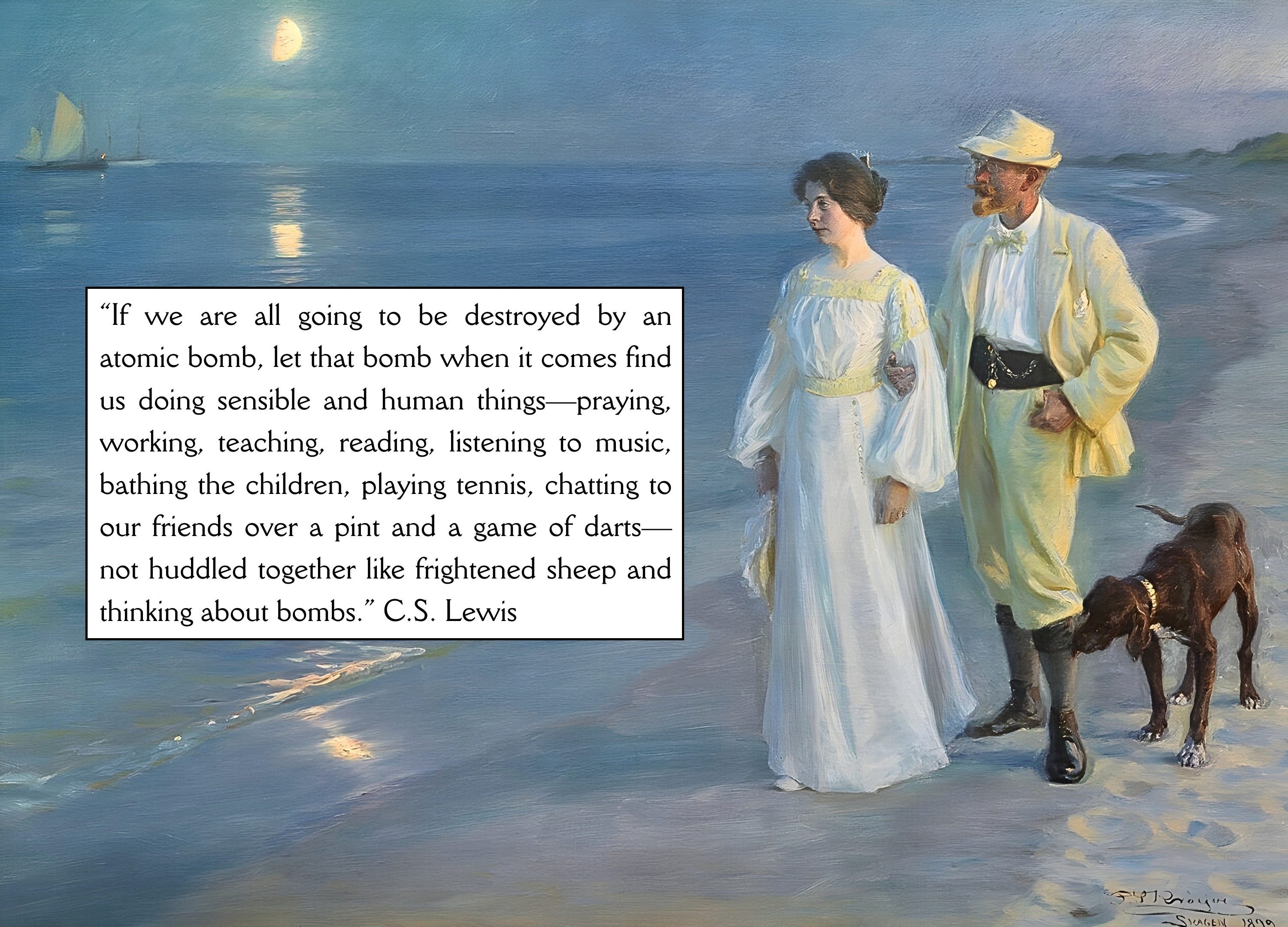
One problem with relentless optimism is that it assumes we live in Mediocristan, when in fact we live in Extremistan. But maybe the worst problem with relentless optimism is its fragility: it’s easy, very easy for such optimism to turn into pessimism, because what is pessimism after all but wounded optimism?
My spiritual orientation is antimodern; you might confuse this with “conservative” or “traditionalist.” But I’m not nostalgic about the past; I’m nostalgic about the future! For example, I find most contemporary art that glorifies ugliness or rejects beauty exhausting and boring. I can appreciate works that explore tragedy or the absurdity of existence to convey a hidden message—but making ugliness the central theme feels like a gross lack of imagination and depth masquerading as sophistication.
“I reject ugliness in art and architecture because we can see it almost everywhere around us today more than ever. Why add more ugliness to the universal ugliness into which we’re being plunged deeper and deeper every day? Meaninglessness seems to me the most antihuman thing there is. To be human is to seek for meaning—to invent it, project it, reinvent it. So the triumph of the meaningless, in certain areas of modern art and architecture, seems to me a revolt against humanity. It’s a desiccation, a sterilization—and a great bore! I accept sterility, boredom, monotony, but only as a spiritual exercise; the preparation for mystic contemplation. In that case, there’s meaning there. But to offer the meaningless as an object for contemplation and aesthetic delight, that I don’t accept—and I rebel against it utterly. Naturally, I see that this is sometimes a cry of distress uttered by certain figures in protest against the meaninglessness of modern existence. But repeating this kind of message ad infinitum in practice merely compounds the meaninglessness of the modern world. They’re simply helping the problem get bigger and bigger!” — Mircea Eliade
HENRI MATISSE is one of my favorite painters. Yet I feel especially attracted to his latest works of art. What I love about his approach is how cheerful his style was despite going through two world wars and fighting cancer.
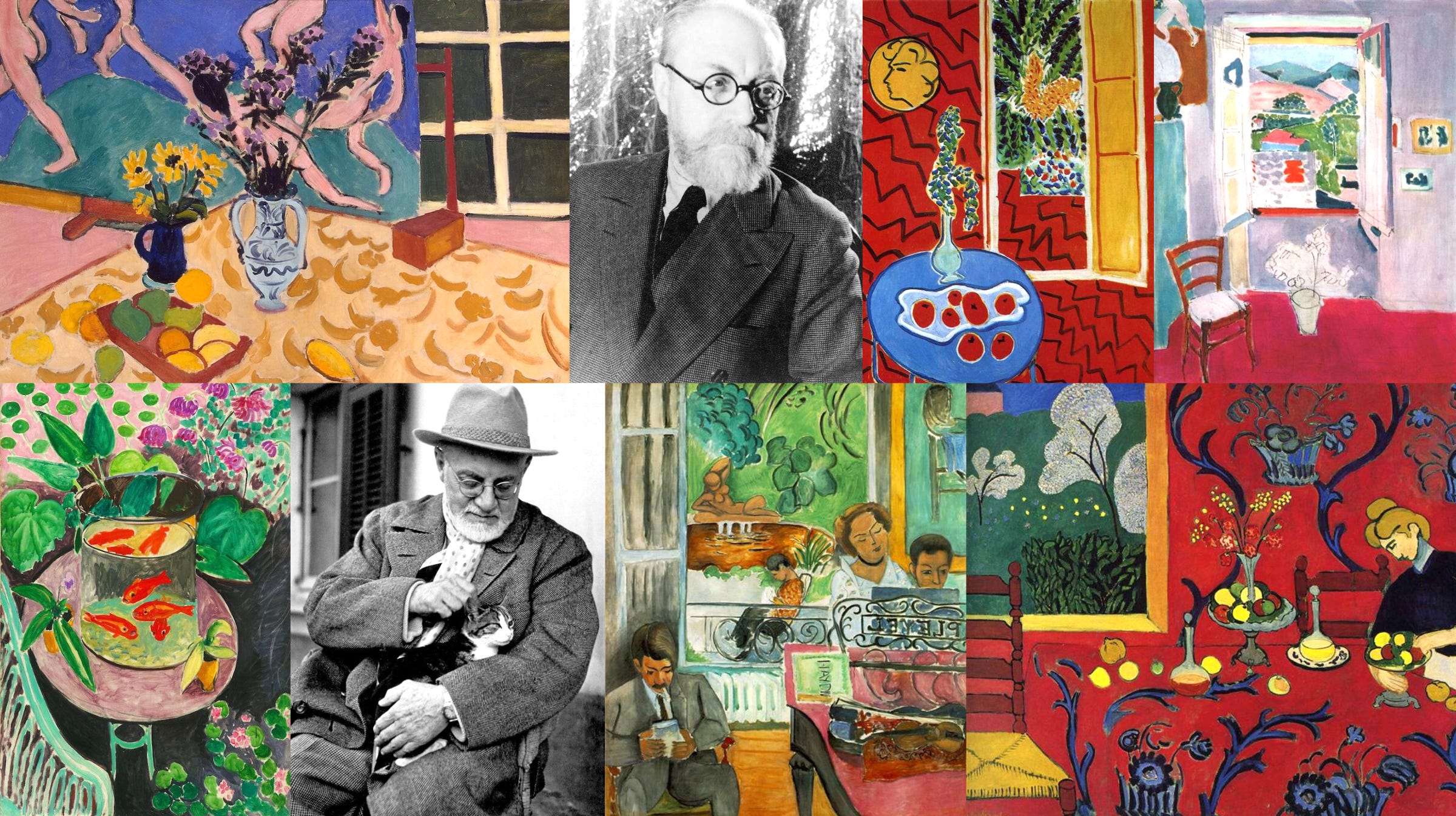
Such artists aren’t necessarily in denial about how much suffering or misery there is in the world. “Matisse knew very well what tragedy or living in times of crisis meant,” Alain de Botton writes, “yet the real problem, as he shows us, is that darkness is very likely to overpower us,” and the only remedy is to make a deliberate effort to spread beauty honestly: about small pleasures.
How?
This is something I discussed at length in part 1, among other things. In the remainder of this essay, I’d like to invite the 21st-century creative to meditate deeply on what Dostoevsky meant when he declared: “Beauty will save the world.” I also explore why Emil Cioran wasn’t truly a nihilist, how people in the Middle Ages dealt with crises, and more. The next section is available to paid subscribers, for just 5 EUR/month.
Comments
Nothing yet. Say the first thing.
Sign in to join the conversation.