
When I got fired at age 50, I thought my career might be over. I didn’t realize my transformation was just beginning.
Some might think I was “over the hill” and “damaged goods.” I needed to find new mountains to climb to prove them and myself wrong.
I needed what is commonly called a “career pivot.”
These 11 books are among the most useful and inspiring I have read. I list and summarize them here in no particular order. Pick one and take it to the beach. Or pick three and go on a retreat.
And don’t forget to subscribe to this newsletter so you get future articles for men over 50 sent directly in your inbox for free. Pick a paid option and you get even more stuff.
Note: There are no affiliate links in this article. I don’t make money if you buy these books.
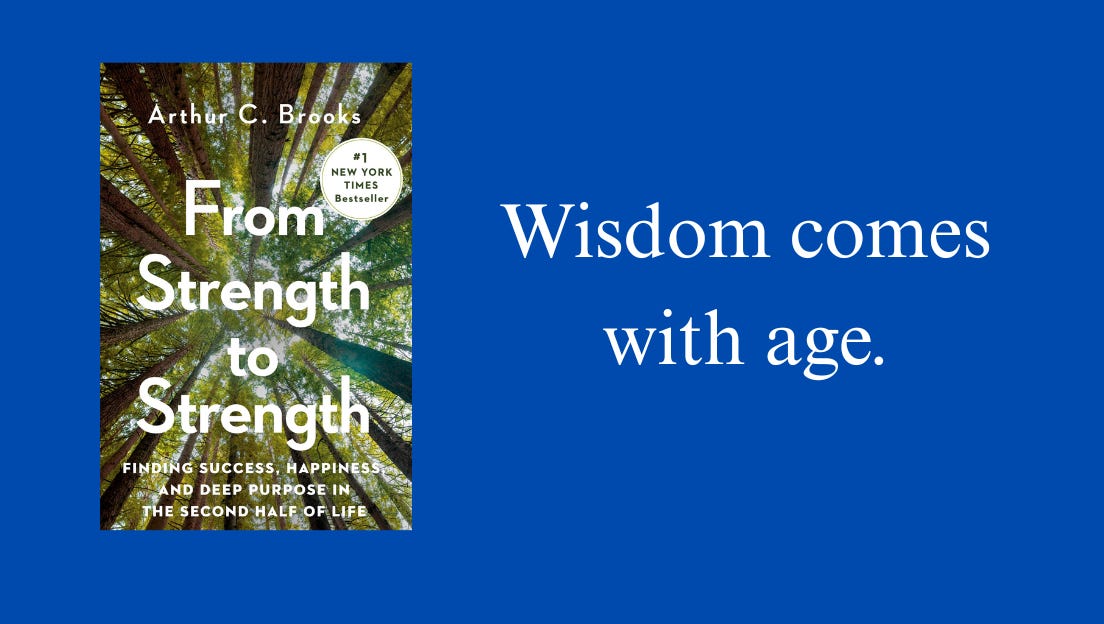
This No. 1 New York Times bestseller is about Brooks’ “quest to turn my future from a matter of dread to an opportunity for progress.” A social scientist (who was briefly my boss at The American Enterprise Institute), Brooks concluded he was at the height of his career at the age of 50. He embarked on a seven-year journey to overcome what he perceived as waning abilities. He comes up with an encouraging point about getting older. You may not be as quick as you were 20 years ago, but you have something those whippersnappers don’t – a superpower to synthesize. Older people gain a valuable kind of intelligence – the ability to synthesize. Based on experience, you can guide, explain, and derive meaning from vast information. The Bible calls this “wisdom.” It’s an attribute even ChatGPT struggles with.
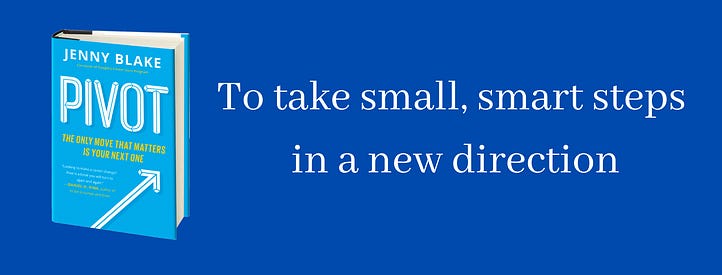
Jenny Blake is a former Google executive who ventured out independently in a mid-career pivot. I like the way she defines what a career pivot means by using a sports metaphor. In basketball, a pivot refers to a player keeping one foot firmly in place while moving the other in any direction to explore passing options. Much like a basketball player, successful pivots start by planting your feet, setting a strong foundation, and then scanning the court for opportunities, according to Blake. The key is staying rooted (if possible) while exploring new options. The most manageable career pivots take your skills and abilities and apply them in a different field where you are valued.
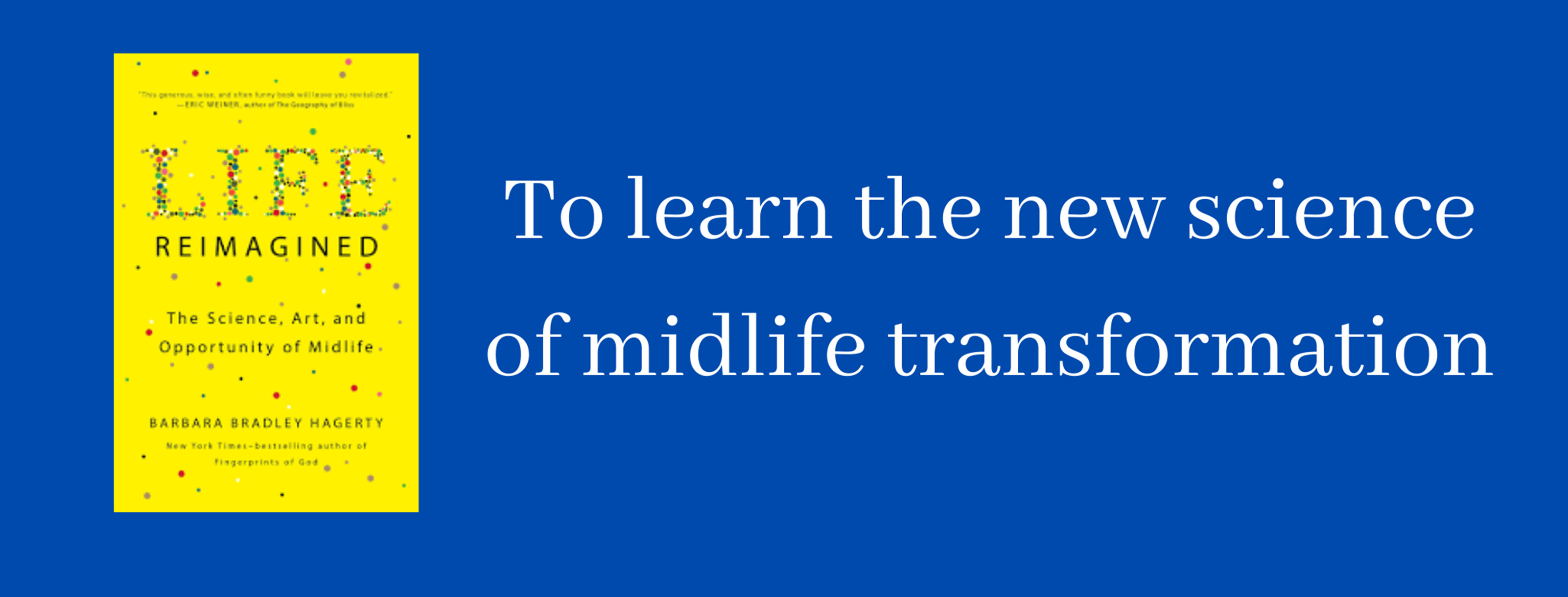
Drawing from emerging information in neurology, psychology, biology, genetics, and sociology, Barbara Bradley Hagerty (a friend and former reporter covering religion, like myself) paints an encouraging picture of the potential for midlife health, relationships, spirituality and career success. One good bit of news is that there is no empirical evidence of an inevitable “midlife crisis” accepted as fact in the 1960s and 1970s. Maybe not unavoidable, but you can take it from me that a midlife career crisis is possible. This book provides scientific and personal insights to escape or altogether avoid such a crisis.
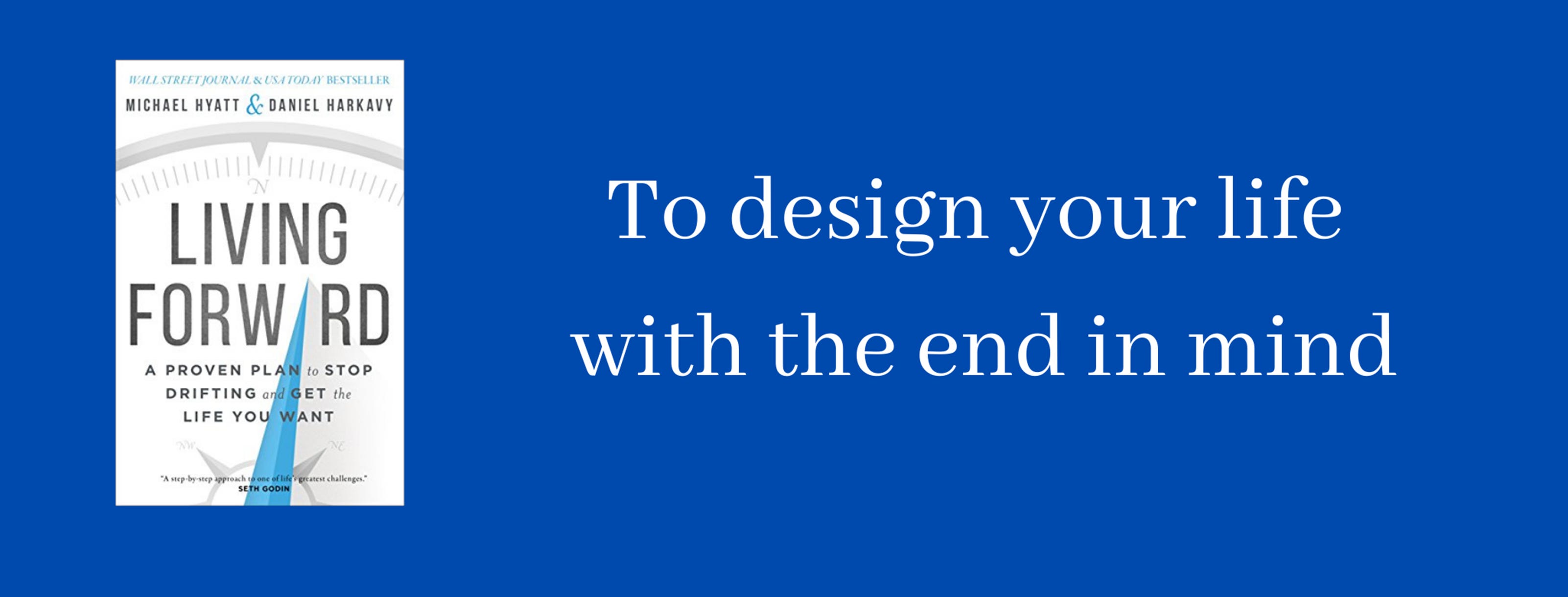
I procrastinated before doing a rather macabre Michael Hyatt exercise. He had me imagine my funeral as a scene in a movie. When family and friends stand to speak, what would they say? I had to book myself in a local hotel to get focused. Once I got over that chilling image of myself in that open coffin (looking good, mind you), I began to write the script of what I hoped the people most important to me would say. Thinking about my death provided surprising new clarity of what I want in life and where I needed to pivot in my career. From there, I followed Hyatt’s exercises of working backward to create an empowering action plan.
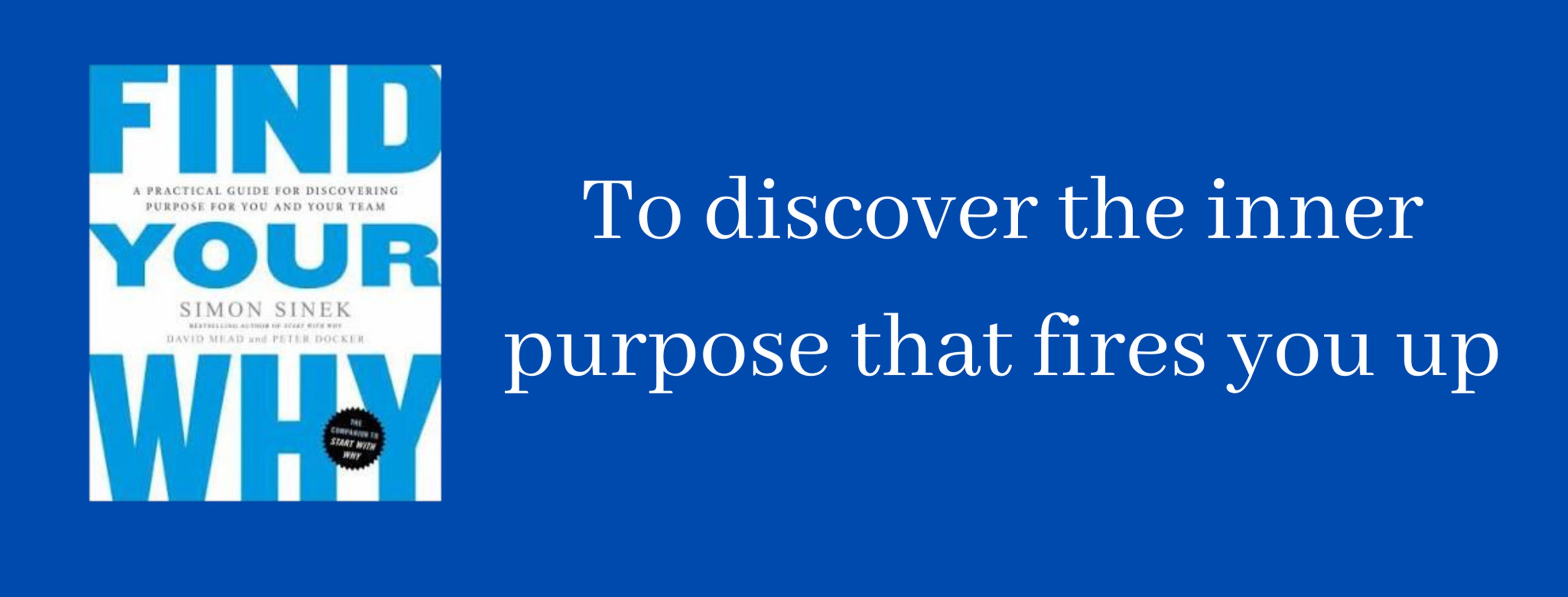
Simon Sinek popularized WHY in a 2009 TED Talk that has garnered 52 million video views (and counting), with subtitles in 48 languages. He discusses a “Golden Circle” of good business: what, why, and how. He argues that organizations must focus on the “why” of their unique passion for motivating and inspiring action. The book provides steps to find the WHY for companies and individuals. I especially like the fill-in-the-blank format to draft a WHY Statement: “To______ so that ______.” The first blank represents the contribution you make to others. The second blank represents the impact of your contribution. This book is for you if you want to pivot your career to your life’s passion and calling.
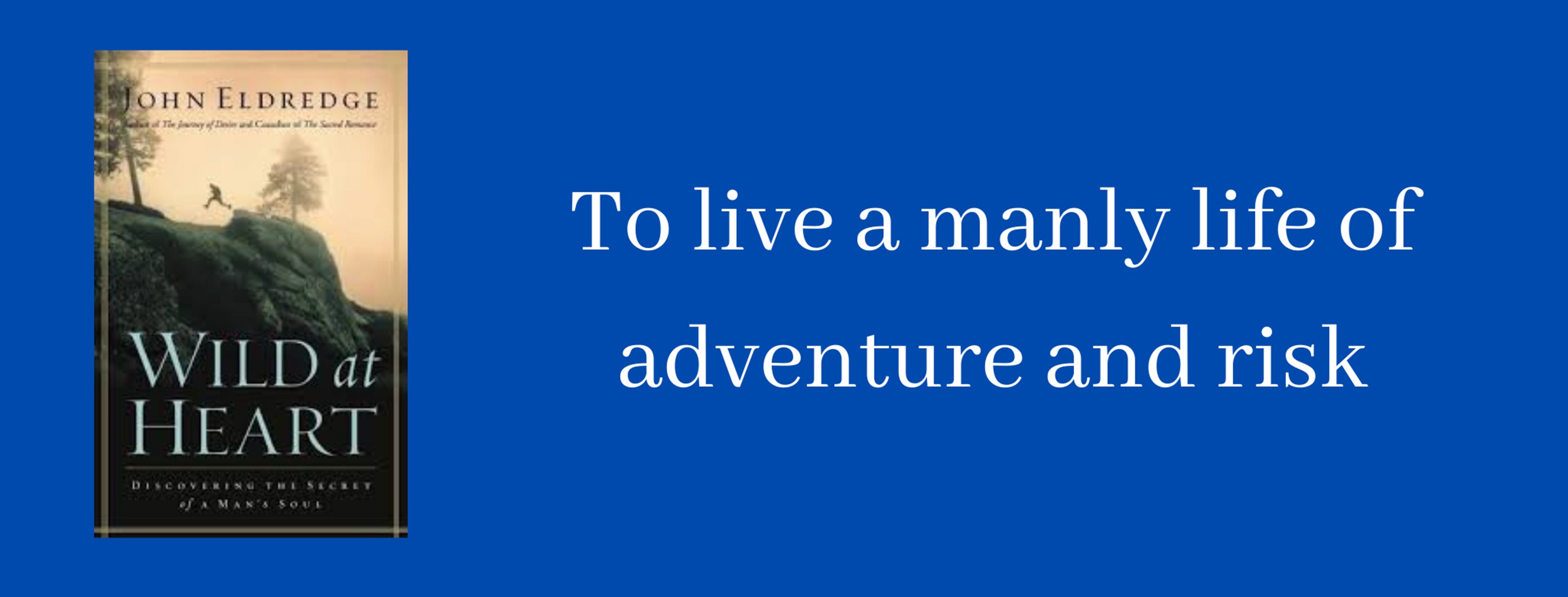
WARNING: This book will offend some but ignite others. Eldredge says God designed men to be dangerous, to be a hero, to be a warrior. Most men abandon those desires, aided by a society that says they are wrong and a Christianity that feels like nothing more than pressure to be a “nice guy.” Most guys don’t leave their computer screens trying to answer THE masculine question: “Do I have what it takes?” Men get bored, especially at midlife. They need a new risk as much as they fear it. This book inspired me to take some personal risks, including starting a full-time business in my 50s. Ultimately, it didn’t turn out how I charted it in my business plan, but I felt alive trying. The risky journey through a new jungle took me to unexpected new pivots, places, people and opportunities.
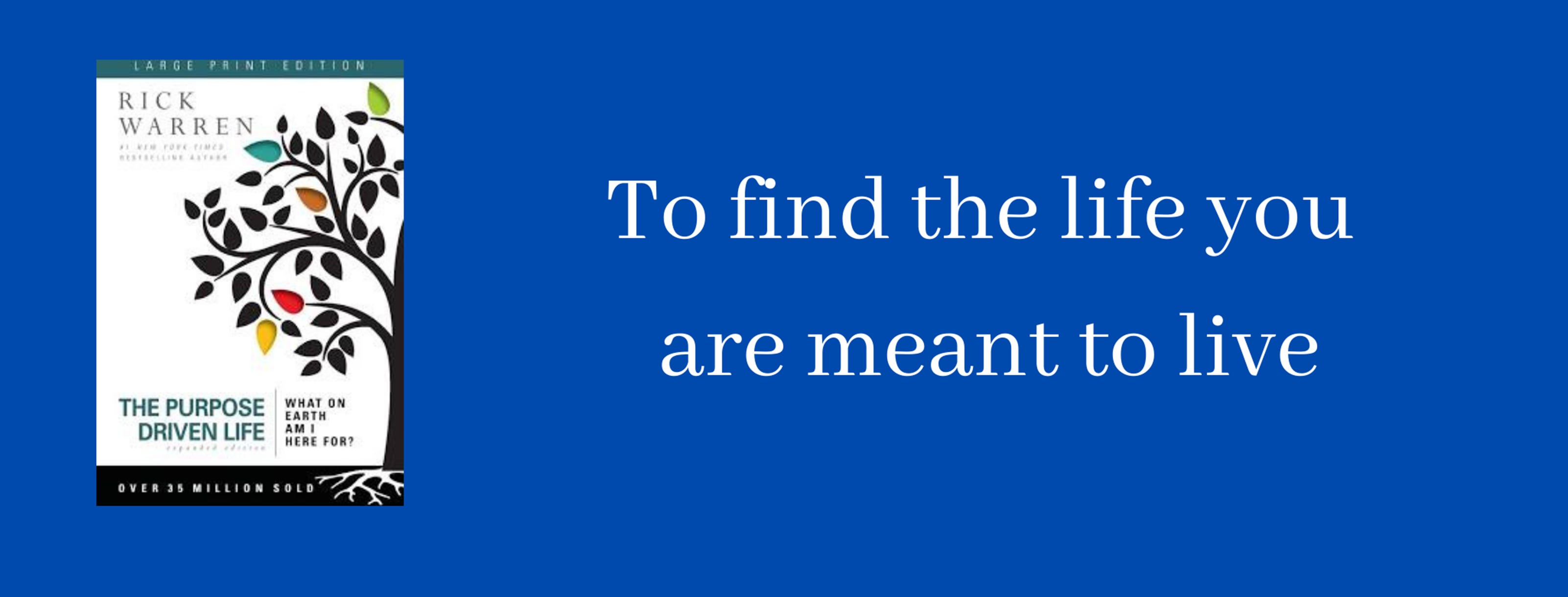
Warren’s classic opens with one of the most memorable first sentences of any book I have read: “It’s not about you.” How’s that for a counterintuitive career pivot strategy? A runaway #1 international bestseller, the book has an updated edition with two new chapters. In it, Warren lays out a spiritual journey that asks life’s most important question: “What on earth am I here for?” He suggests you simplify your life to increase your motivation and discover God’s plan for you, not only here, while you live, but in the hereafter. The book is for people of any age, but it’s not a coincidence that the 10th-anniversary printing provides a “Large Print Edition.”
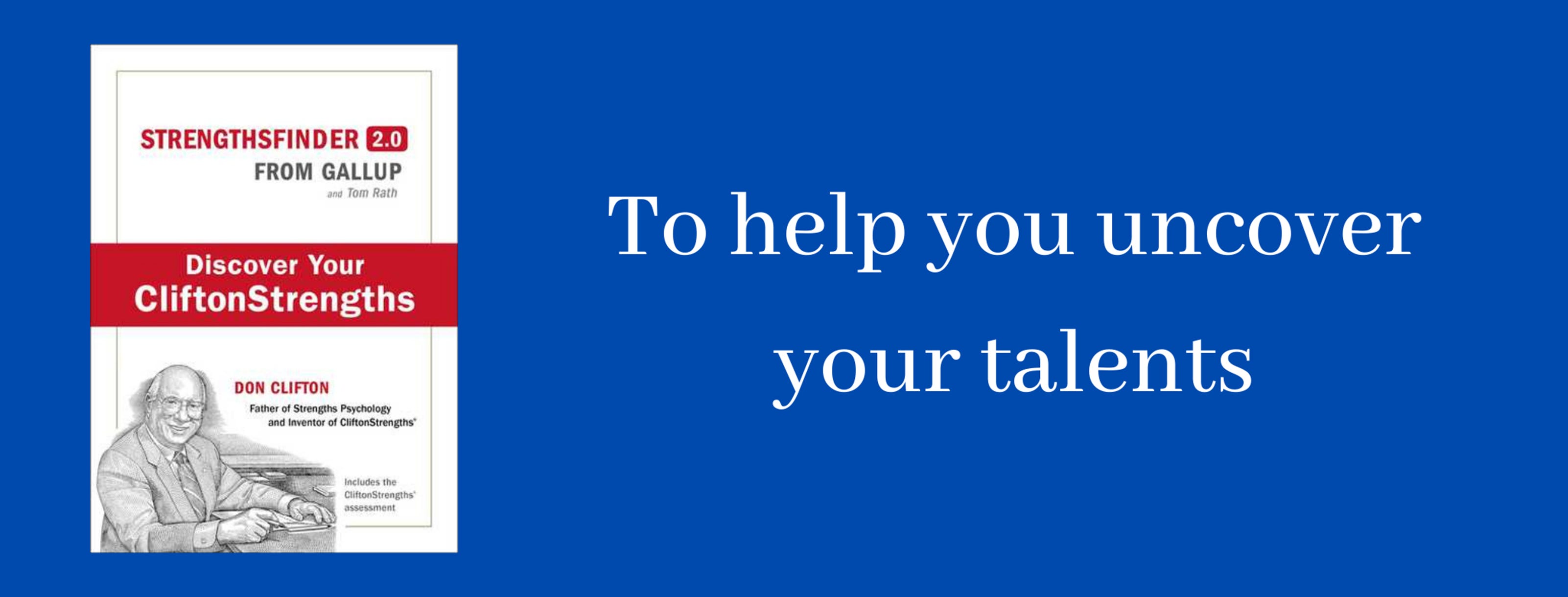
All too often, our natural, God-given talents go untapped. We devote more time to fixing our shortcomings than developing our strengths. That’s a frustrating and ineffective strategy, according to Tom Rath. It’s better to pivot from strength to strength. But what if you don’t know your strengths? Gallup introduced the first version of its online assessment, StrengthsFinder 2001, to help people uncover their talent DNA. It helped millions to discover their top five talents and is still widely used today. The online exam identifies and ranks your strengths from 1 to 34. The book helps you make sense of it all.
Noah, Abraham, Joseph, Joshua and Ruth. These are just five people in the Bible who made scary pivots. I like to read these stories because the Bible doesn’t gloss over challenges or failures. That’s inspiring. Job may be the best example. He is famously remembered for suffering and plagues, losing nearly everything but his faith. You have to read to the last chapter of the Book of Job to learn that God made the last years of Job the best years, redeeming the losses. “So the LORD blessed Job in the second half of his life even more than in the beginning. For now, he had 14,000 sheep, 6,000 camels, 1,000 teams of oxen, and 1,000 female donkeys.” (Job 42:12.) One math-savvy reader tried to assess how much that would be worth in today’s U.S. currency and arrived at an estimated $56 million!

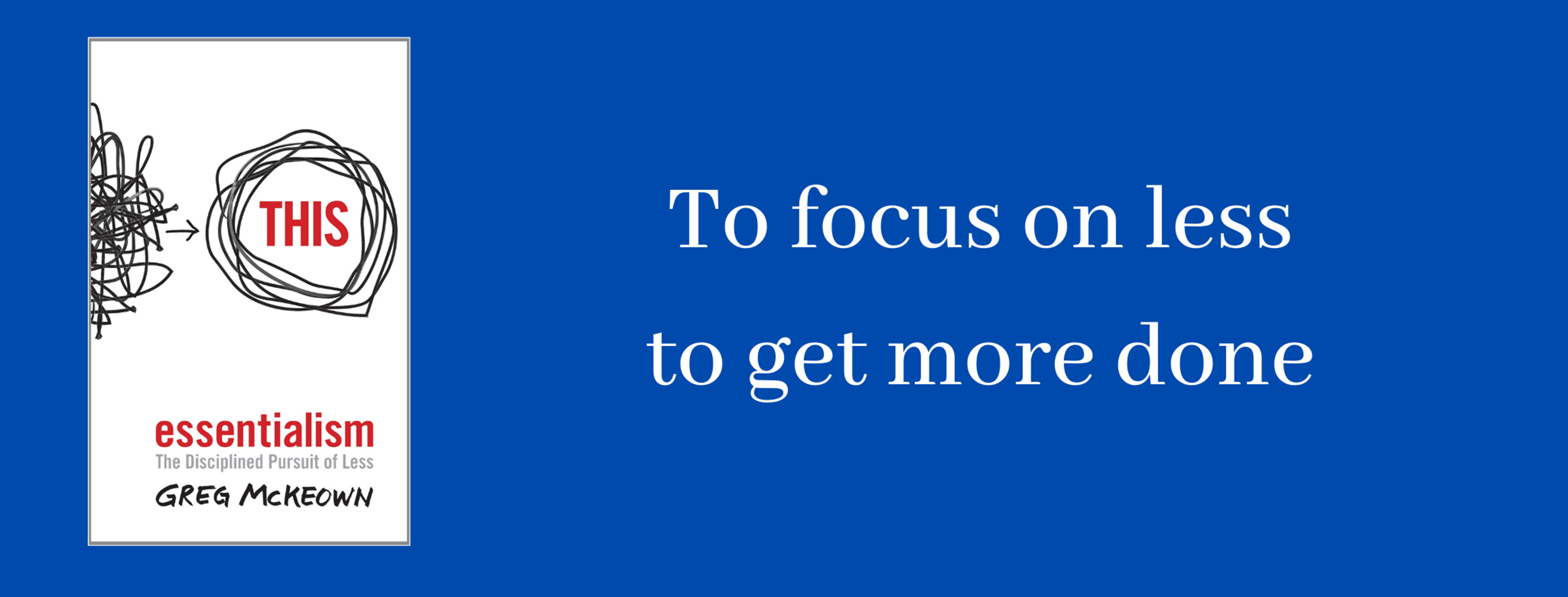
The author says you must permit yourself to stop trying to do it all, to say yes to every request, to working until 1 a.m. (as I’m doing right now as I type, oh no). Essentialism is a systematic discipline for discerning what is essential, eliminating everything that is not, and achieving your best. It is the pursuit of less to help you make your career and life pivots. But how? One simple criterion: “If it isn’t a clear yes, then it’s a ‘no.” There is also “The 90 Percent Rule.” Evaluate all the options you can spend your time on. Give each a score between 0 and 100, with 100 being the most essential. Change anything lower than 90 percent to 0 and reject it. Ruthless! Brilliant! Liberating! A great system to focus on what matters after age 50.
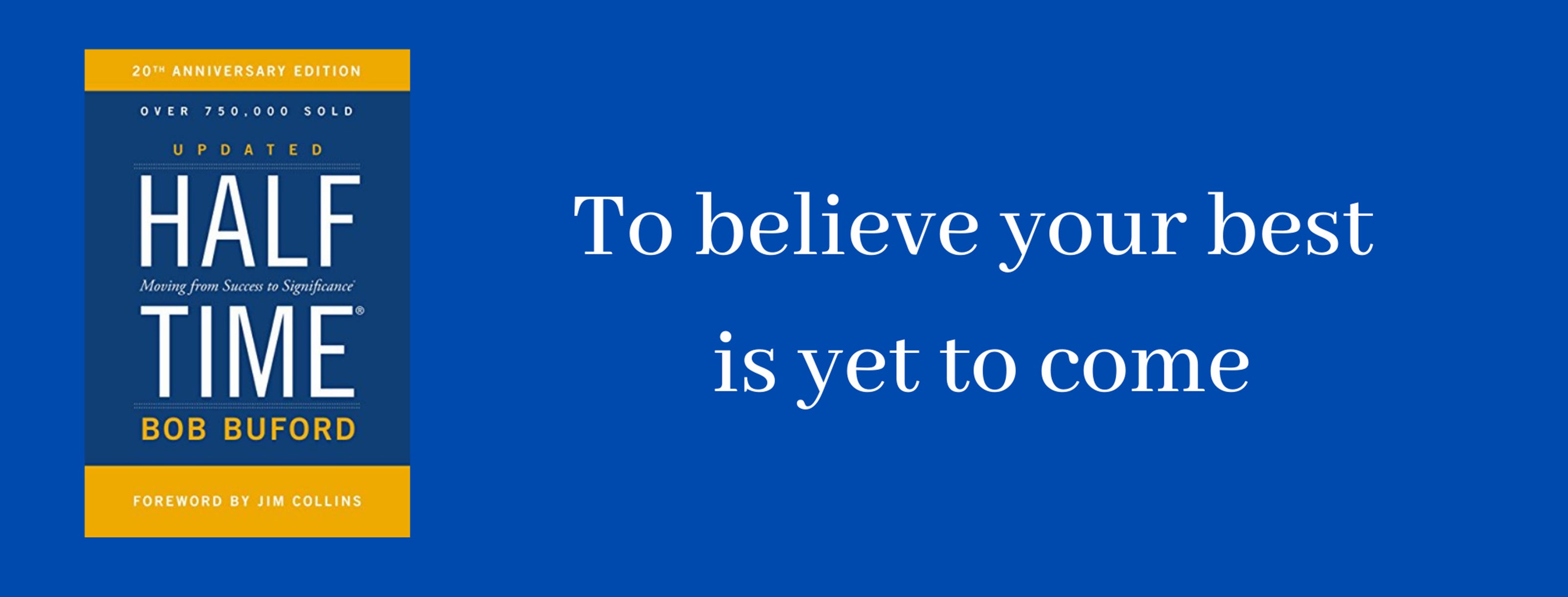
The second half of your life can be better than the first! Look at it this way. If you live to be 100, as more and more people do these days, then 50 isn’t the two-minute warning; it’s halftime. In sports, halftime is when you go to the locker room, assess what worked and what didn’t, and then adjust your game plan. Bob Buford says it’s an excellent time to redefine significance. You can develop a fresh mission for serving God and others. An updated and expanded 20th Anniversary edition includes questions for reflection at the end of each chapter and “halftime” stories of people like you enjoying a renewal in their careers and lives. Ongoing programs and coaching are available through the Halftime Institute.
The School of Hard Knocks has high tuition. These books help you learn the inspiring strategies and tactics others have successfully used to change their mindsets and lives after 50.
Please share this article with a friend or colleague if you found it helpful.
Comments
Nothing yet. Say the first thing.
Sign in to join the conversation.