
Emotional intelligence is all about balance. There are 15 core characteristics that shape a healthy person, but the trick is this—too much of any one characteristic is unhealthy, and too little is just as problematic.
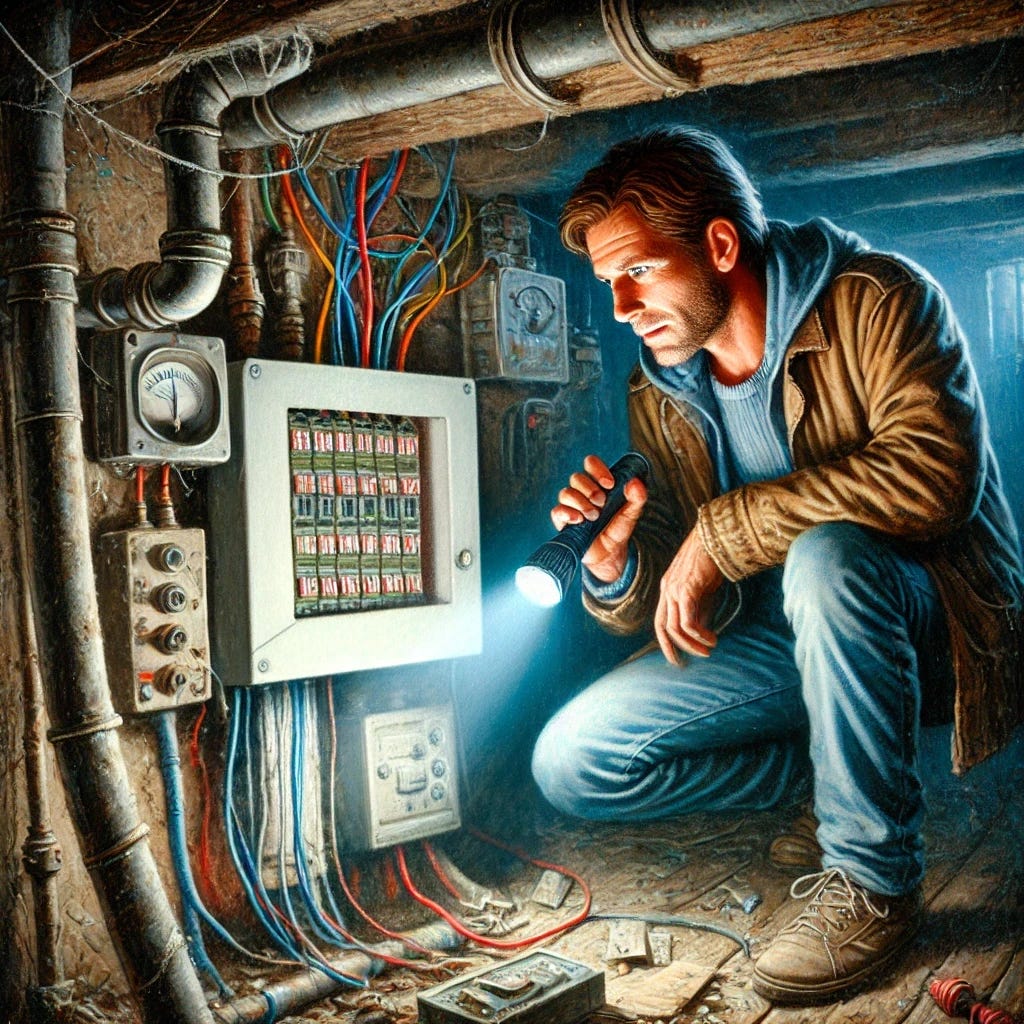
Years ago, my wife and I bought a 100-year-old home. It had been a rental property for 40 years and hadn’t been updated much since 1910. The biggest issue? Electrical capacity.
The house ran on a mere 30 amps of electricity. Up in the attic, we found two round 15-amp fuses controlling the entire house. Worse, the wiring was old-school knob-and-tube, meaning if we tried running too many appliances—say, a microwave and a blender—we blew a fuse and the power would cut out.
Each time that happened, we’d have to run upstairs, grab a new fuse, and get the lights back on. It was frustrating, so I started looking for an electrician to upgrade our system. That’s when a neighbor offered a "solution":
"Just bypass the fuses. Run a jumper wire around them, and you’ll never lose power again."
Sure, that would keep the power on, but it came with a serious risk—burning the house down. Without the fuses regulating the flow, too much electricity could overwhelm the wires and start a fire.
Capacity is a funny thing. Our house had power. We had the appliances we needed. But without enough capacity in the breaker panel, we couldn’t effectively use what we had.
That got me thinking about leadership, teamwork, and emotional intelligence. We've all been in meetings where everything seems fine—until someone says something that makes someone else blow a fuse. Maybe they lose their temper, shut down, or lash out.
What does that reaction tell us?
It tells us that person doesn’t have the capacity to handle what they just heard. Their emotional breaker panel can’t manage the load, so they react in frustration, defensiveness, or avoidance.
One of the things I love about emotional intelligence is how it reveals where we have capacity—and where we don’t. When I first took an emotional intelligence assessment, I learned that empathy was one of my weakest areas.
Growing up, my family wasn’t exactly empathetic, so I never learned how to develop that skill. As a result, when someone complained or shared their struggles, it agitated me. I had zero patience for what I perceived as whining.
But that lack of empathy was a problem.
Too much empathy, and you coddle people. Too little, and you come off as cold and dismissive.
I had to work on that. And as I did, something interesting happened—people noticed. They felt seen. They felt valued. My capacity to connect with others grew, and it changed my relationships, my leadership, and my ability to build trust.
So here’s my challenge to you: where is your emotional intelligence lacking capacity?
Do you struggle with assertiveness—holding back when you should speak up?
Do you have trouble with problem-solving—thinking clearly when emotions are involved?
Do you notice yourself shutting down or overreacting in certain situations?
These are all signs that you need to upgrade your capacity.
Let’s say I came to your house and checked your breaker panel. Imagine that every room needed 30 amps of power, but your kitchen was running on a 5-amp fuse. The moment you plug in a toaster and microwave? Boom—you blow a fuse.
Would you be embarrassed? No. You’d say, “Oh, I need to fix that fuse.”
That’s the mindset I want you to have with emotional intelligence. When you notice a weak spot, don’t get defensive—just fix the fuse.
People shouldn’t have to tiptoe around your emotional weak points. If you know there’s an area where you tend to lose it, shut down, or overreact, that’s not their problem—it’s yours. Own it. Work on it. Grow your capacity.
When we take responsibility for our emotional capacity, we create an environment where people feel safe, seen, and valued. That’s the real power of emotional intelligence.
So, go check your breaker panel. Upgrade your fuses. Grow your capacity. It will change everything.
No posts
Comments
Nothing yet. Say the first thing.
Sign in to join the conversation.