
They struggle because they hesitate. They hover. They overthink. They keep the work “safe” long past the point where safety is useful. But an edit can’t become alive until something is decided.
Impact is commitment. A sound effect is one of the simplest ways to practice that commitment because it forces you to choose what the moment means.
A click/ding/woosh isn’t decoration. It’s reaction.
A hit isn’t flair. It’s consequence.
Silence isn’t emptiness. It’s control.
Not in chaos, not in randomness, but in the ability to stay in motion without losing your grip. A loop you can return to. A process that doesn’t collapse under choice.
Stop asking, “What should I add?” Ask, “What is this moment doing?”A movement. A release. A punchline. A warning. Then place one sound that tells the truth. Not ten. One.
The work doesn’t need more noise. It needs a signal.
Continue Playing.
A visual language for consequence
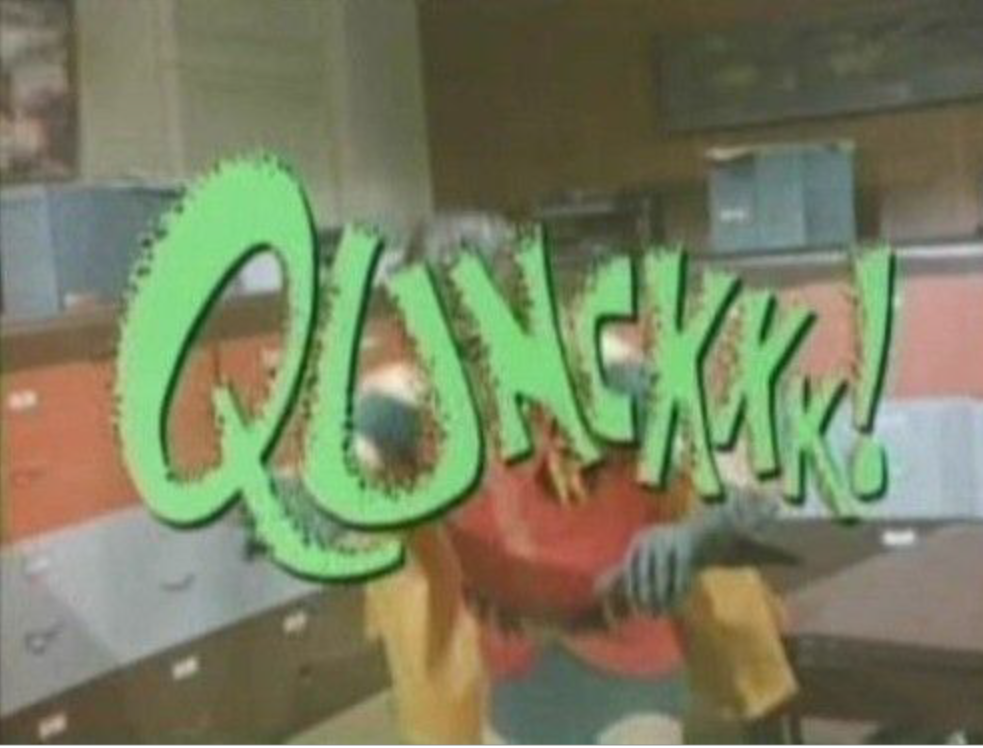
Some visuals don’t just say something. They sound like something.
BAM. WHAM. CRASH. BZZT. KRRSH.
Big type. Sharp angles. impact bursts. speed lines. Letters that feel like they’re punching the screen.
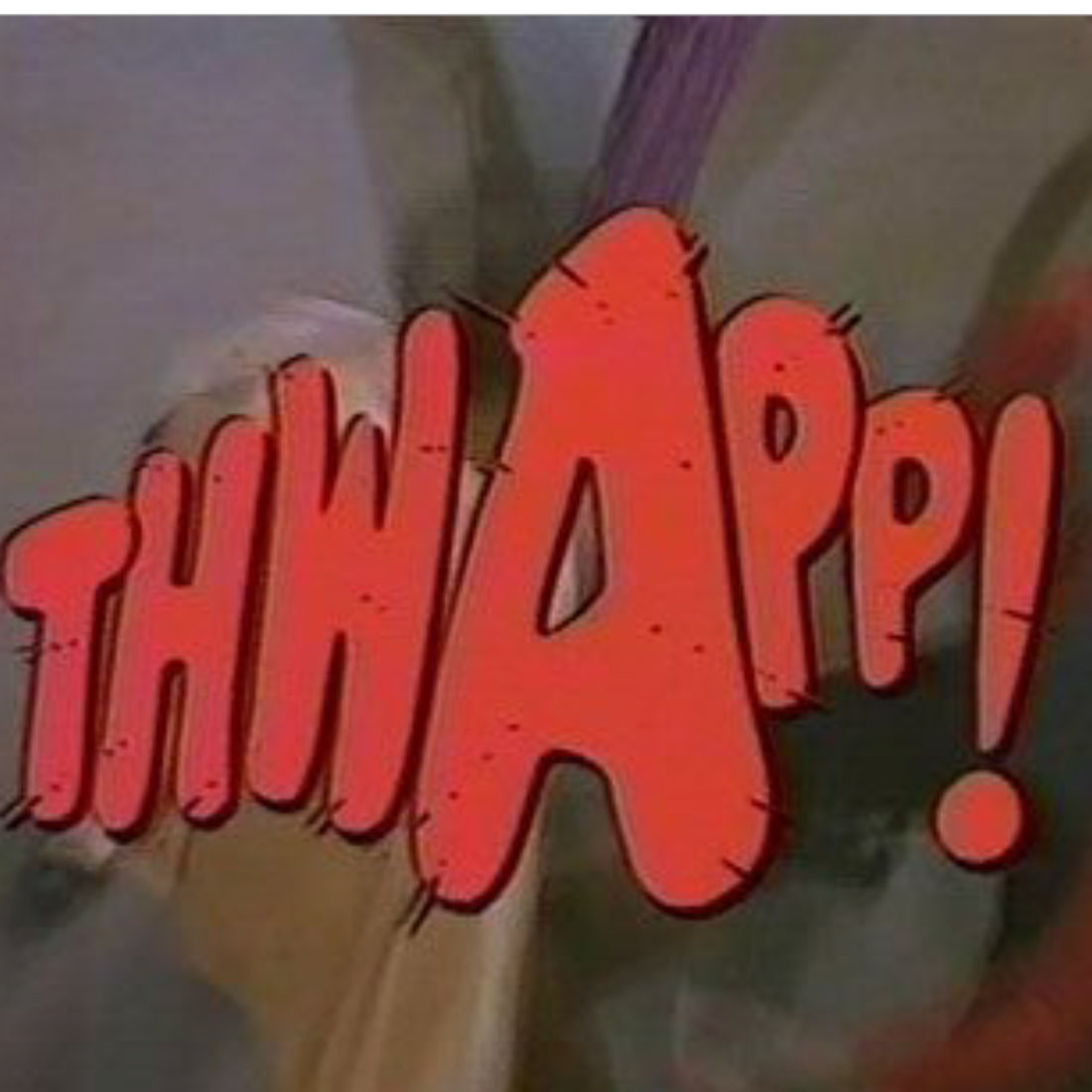
This isn’t just “comic book style.”
It’s a visual language for consequence.
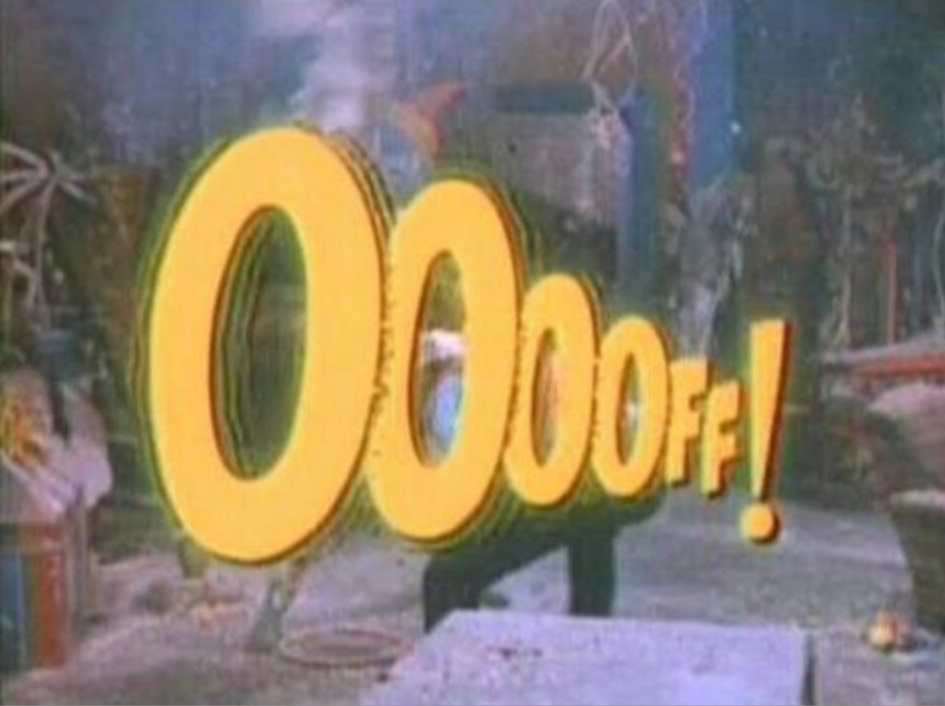
It shows up everywhere:
anime impact frames + subtitle hits
skate videos + VHS-era title cards
fighting games + arcade UI
early internet banners + “WARNING” overlays
It signals urgency. Force. Comedy. Danger. A moment you’re not allowed to ignore.
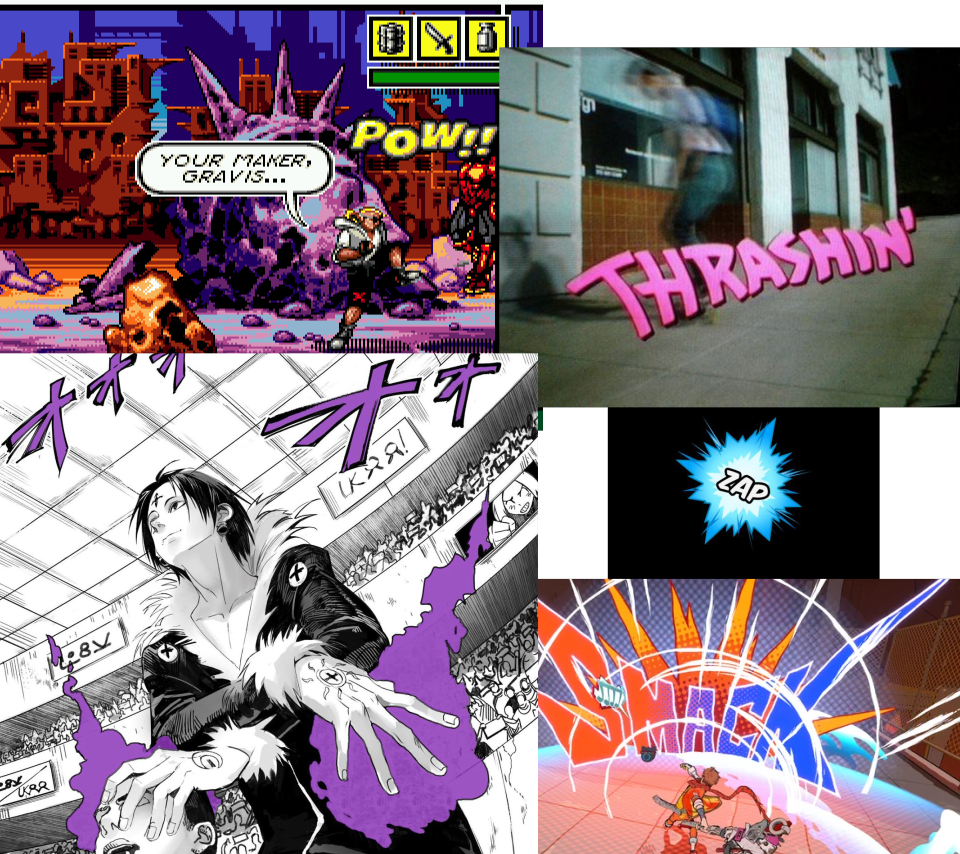
It endures because it solves the oldest problem in editing: “How do I make this moment land?”
Onomatopoeia graphics are punctuation for the eye the same way SFX are punctuation for the ear.
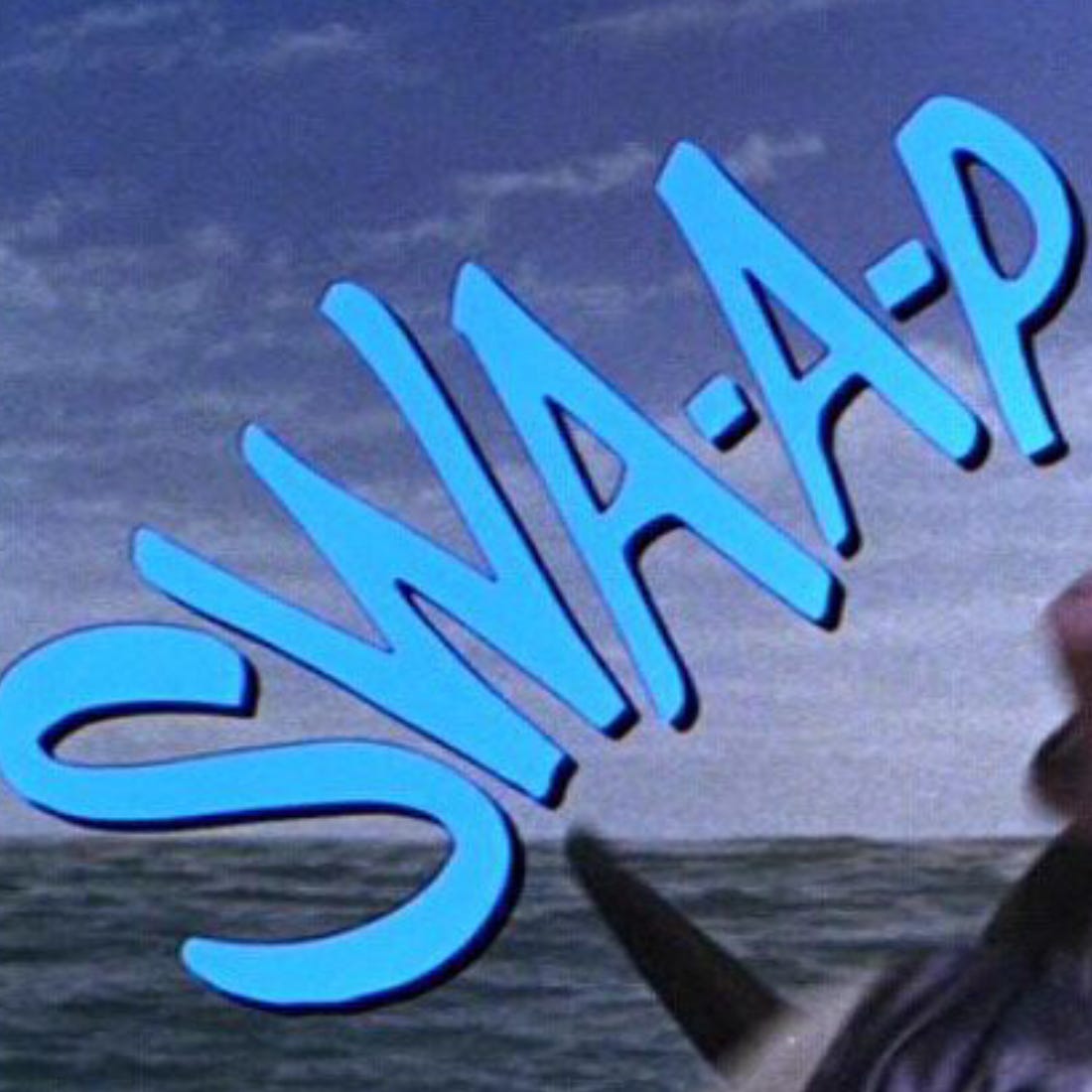
This week, notice how often culture uses text as impact. When a moment needs to land, this is what we reach for.
No posts
Comments
Nothing yet. Say the first thing.
Sign in to join the conversation.