
I discovered Lukas Mauve’s work by following the recommendation of Jeanne and Louise Tresvaux du Fraval, founder of the brand Studio de Lostanges. Since then, it’s one of the Substack accounts whose articles I wait for eagerly. With Present Forever, he explores independent clothing brands, makers and stores from across the globe. Writing from a small village in the Netherlands, with a PhD in history and philosophy under his belt, this freelance journalist works at distinguishing the work of those who apply themselves to creating intimate relationships with the clothes they make.
Thanks to Lukas, I discovered new brands and new designers, and had the reassuring feeling that there still are, in fashion as elsewhere, creative and committed people who apply themselves to doing their best. His newsletter, full of curiosity for our contemporary era, gave me the feeling of sharing with him a certain sensibility, a shared search for what's better. I’d already been thinking about interviewing him for a few weeks, but it was the ridiculous spectacle of Paris men’s fashion week that pushed things forward: the appropriation of shared spaces and common goods, the omnipresence of celebrities as devoted as poodles, a general crushing of criticism, the uniformization of taste, and submission to the diktat of followers. There was of course the Louis Vuitton show, with its set up shaped like a giant wave, staged in the middle of a heatwave (a set up that got plenty of attention, and had the merit of distracting from criticism of the poor quality of the clothes on display), and that shameful guest list, circulated as an Instagram carousel and shared over and over across social media (making you wonder if not being invited hasn’t become the height of cool). After all that, I told myself it was urgent to find new sources of information, to know who the interesting designers of the moment actually are, and who’s capable of talking about them. That's what led me to reach out to Lukas, hoping he'd open up new perspectives for me, and keep me from settling into the role of critic (because, well, being a hater is just another way of being a follower, and it only guarantees more success for dumb brands that no longer stand for anything except standing where they are, far away from any kind of reality). Lukas, on the contrary, seems to defend a world of connection, meaning, and care, a world where clothes are made and worn with intention and, it seems so precious now, with personality.
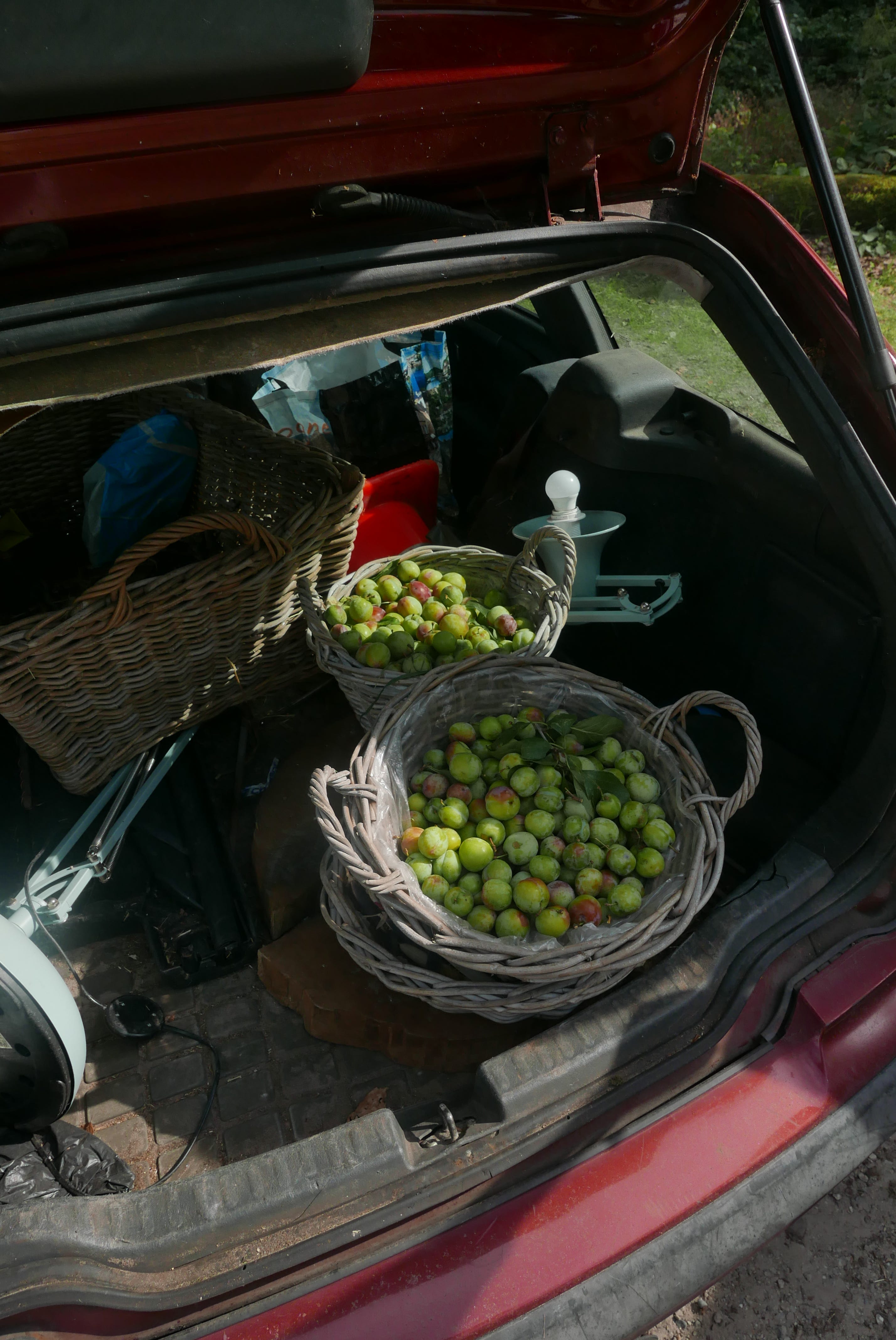
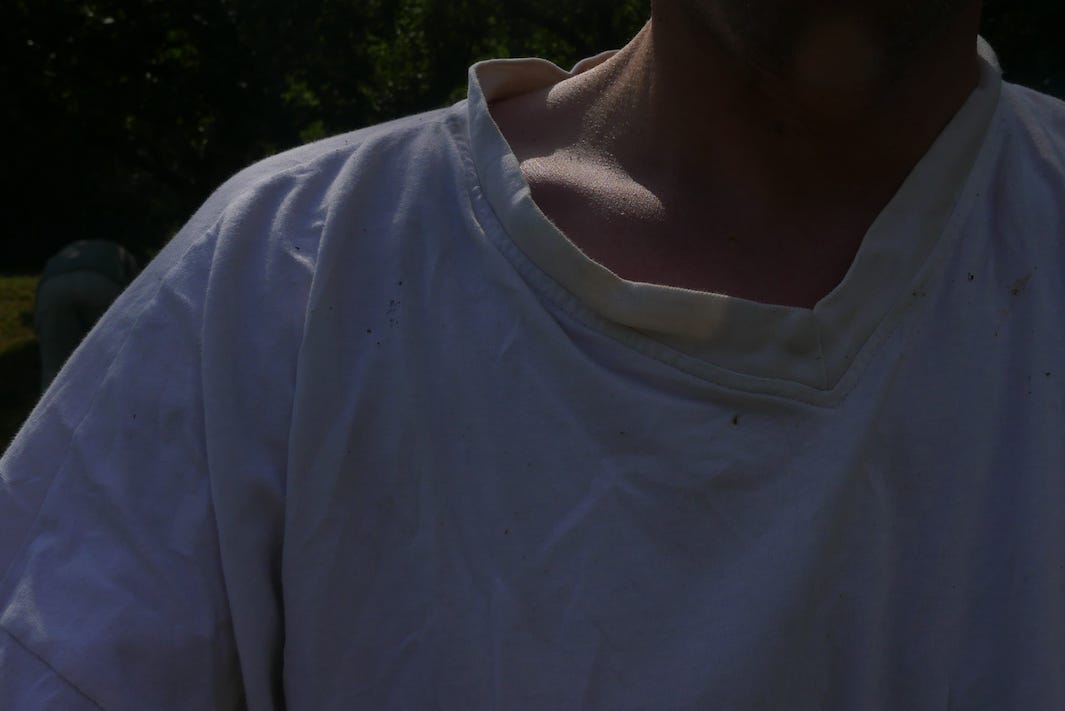
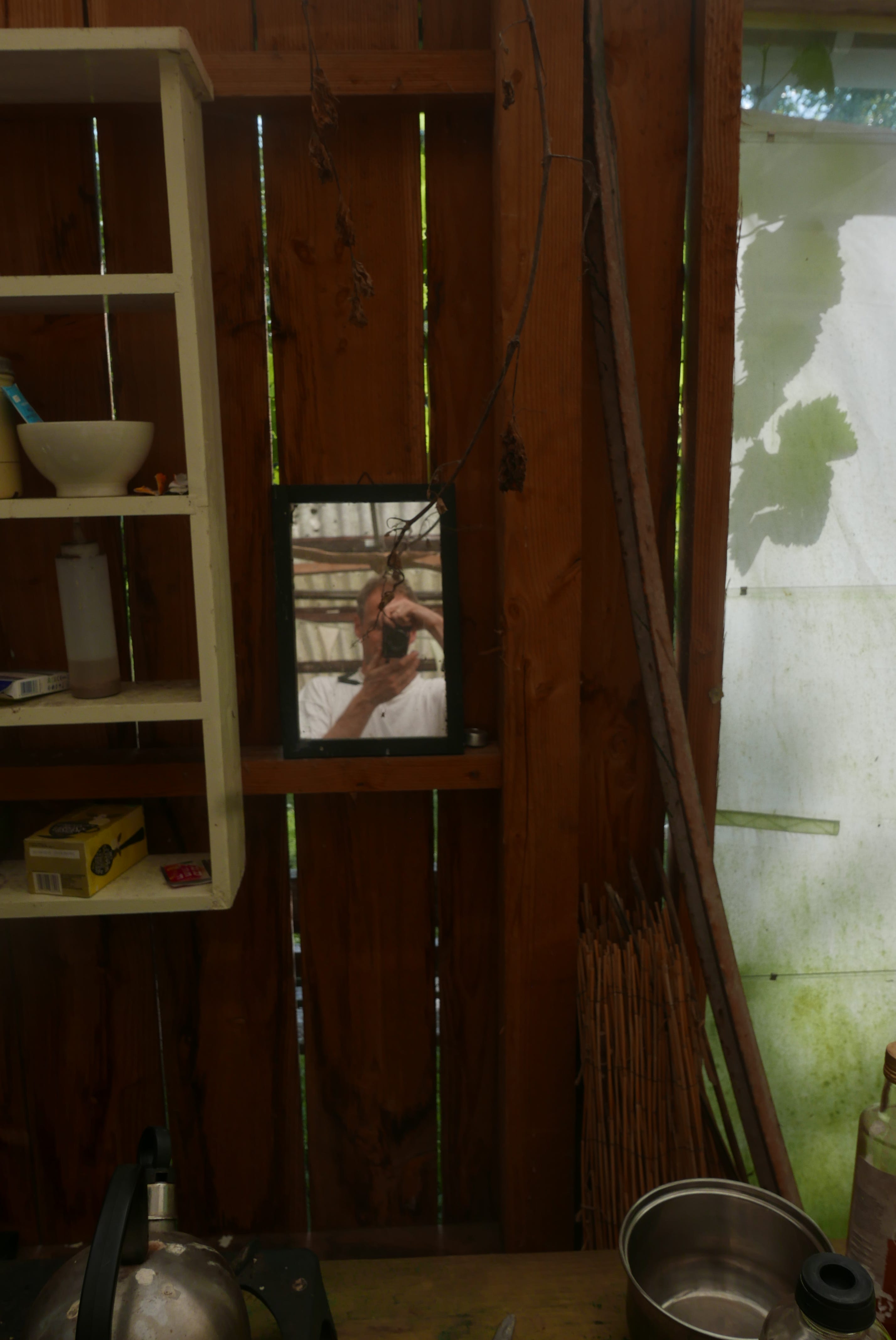
After he replied, I asked him for a few photos to illustrate the piece, as I usually do. “On Wednesday afternoons, I always help out my father, who takes care of a former monastery garden close to where I live. Yesterday, we’ve been picking plums and mowing the grass. These are not “fashion” photographs, but they do give a sense of what my actual life is like, and what kind of “aesthetic” I’m surrounded by”. To me, that answer alone sums up Lukas’s approach, and should be enough to make you want to read this interview. But if you want more reasons to read on, know that we talked about the survival of fashion criticism, Alsatian fabrics, inspiring podcasts and newsletter, and the bridal tradition rooted in a Victorian-era rhyme.
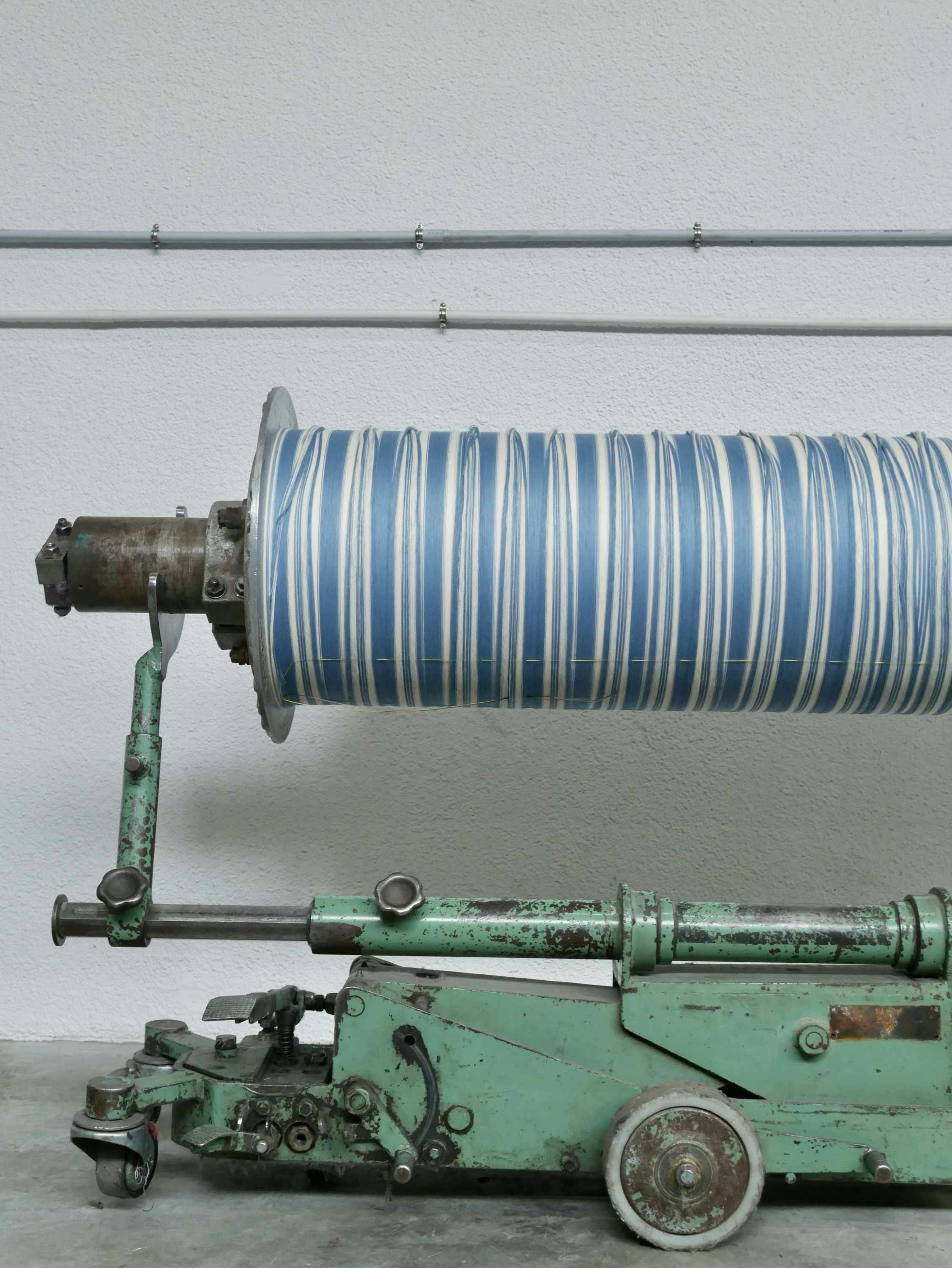
That can only be Manufacture Métis, a weaving mill in the Burgundy-Franche-Comté region. Founded in 2016, it’s run by Cédric Plumey, who worked at Louis Vuitton in Paris before returning to his native village of Etupes to learn himself how to weave traditional fabrics like cotton-linens and cotton-wool blends. He only uses antique mechanical looms dating mostly from the early 20th century which he bought and restored himself. One of my first interviews for Highsnobiety was with Plumey; honestly, it was only afterwards that I realized how many of my favorite labels use his fabrics, including Oliver Church, Unkruid and William Frederick.
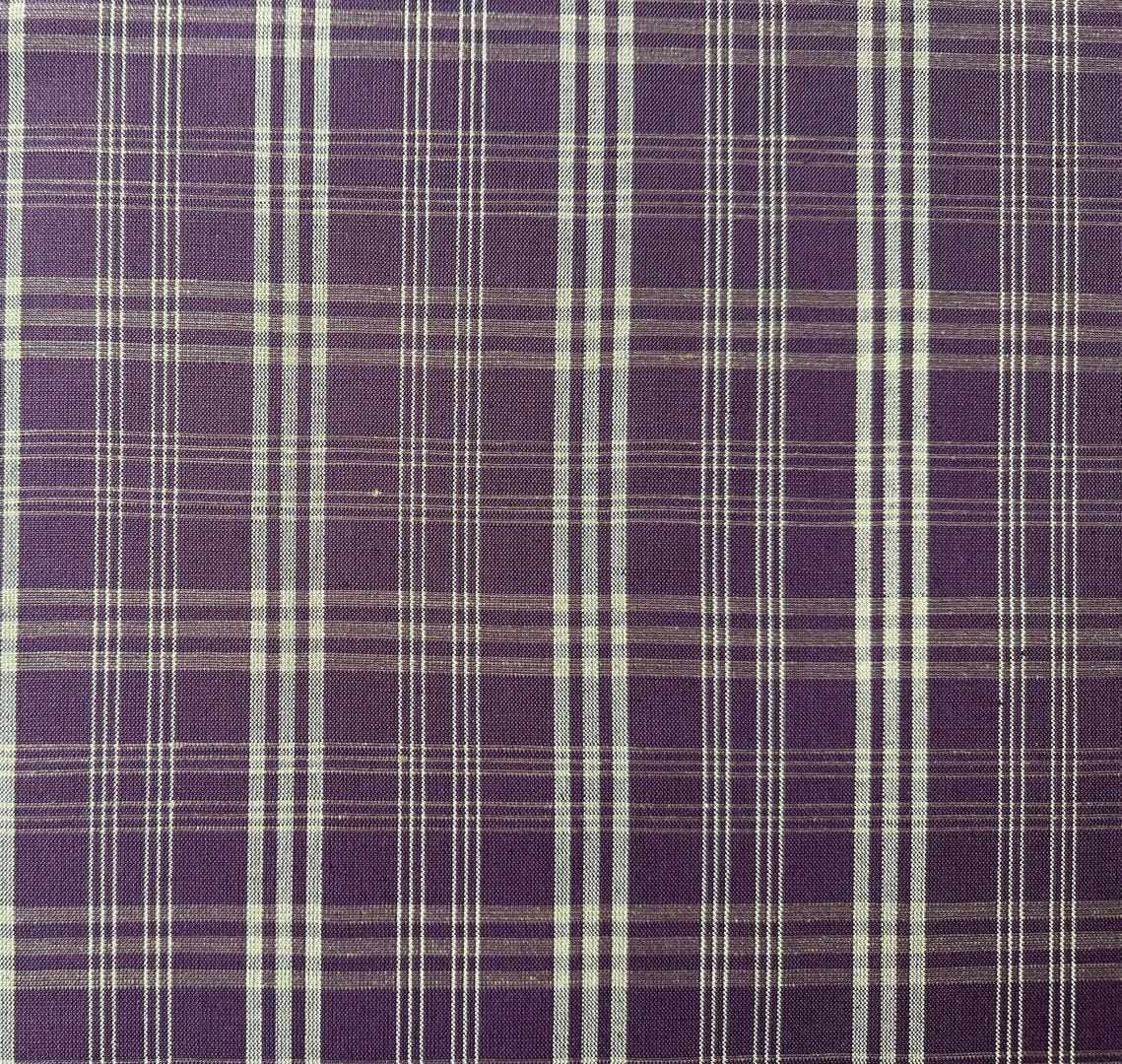
One fabric I’m particularly drawn to at the moment — and this actually ties in with my previous answer — is kelsch, both because of the hand feel and the bold patterns. When I say that I’m drawn to it, that’s of course largely because more and more labels are making use of it, at least that was my impression as I moved between showrooms during Paris Fashion Week. As with basically any fabric, it doesn’t make sense to say you like it because it looks good on a screen. It’s only when you touch a fabric and hear its sound when you move it between your fingers that you realize, for instance, that there are cottons that feel like soft linen and other cottons that feel like sturdy wool.
Like métis fabric, which blends linen and cotton, kelsch fabric must meet certain conditions in order to legally carry the name. For instance, it must come from the Alsace region and have a specific check pattern (if I’m not mistaken!) with colors achieved by using natural dyes like indigo and madder. I believe I read somewhere that Catholics used red, and Protestants favored blue. Originally a staple for household and bedroom linens made by hand by peasants, dating back to medieval dates, it’s slowly becoming a marker of good clothes.
I don’t get invited to the major shows. Nobody ever told me why that is, but I guess it’s a combination of things. The simplest explanation is that I’m not high-profile enough. Others might range from the fact that I write about clothes, not fashion, to my habit of writing that I actually don’t care about the major shows. I still feel that way, though I have to admit that, by now, I’m actually keen to put it to the test. Maybe Celine or Chanel or Hermès will surprise me and change my mind. Also, whenever I re-watch early Margiela shows, I realize the downsides of the showrooms most of the designers I like and write about present their work. It’s human-scale, it’s cosy, it’s off the beaten path, for sure, and that’s great. But while a bunch of racks of clothes can blow your mind when everything is really good, in the end it’s also not more than that: a bunch of clothes on a rack. I believe they can be more than that. They deserve to be.
Comments
Nothing yet. Say the first thing.
Sign in to join the conversation.