

“Fake it till you make it” is one of those phrases that gets repeated so often it starts to sound like truth. It’s meant to encourage confidence and courage before you feel ready. On paper, it sounds simple and even empowering.
But for many introverts, it doesn’t feel empowering at all. It feels like pressure to become someone you’re not just to move through the world more easily.
And the problem is not that introverts cannot grow into confidence. The problem is that this advice confuses confidence with pretending, and introverts tend to resist anything that feels inauthentic.
Introverts are very observant and naturally intuitive. We read the rooms we’re in. We notice tone, energy, timing, and even small changes in behaviour. So when we’re told to “fake” confidence or social ease, we don’t simply act it out. We become highly aware of the act itself.
At first, it might look like progress. You push yourself to talk more, smile more, engage more. You try to appear relaxed even when you don’t feel relaxed or at ease at all. From the outside, it may seem like your attempt at faking it till you make it is working. But internally, something different is happening. You are no longer participating naturally in a moment. You are managing how you appear in that moment. And that creates distance from yourself. Instead of being present, you are monitoring how convincing you are.
There is another layer to this that seems to get overlooked. Introverts are usually very sensitive to authenticity in others. We pick up on forced energy, exaggerated enthusiasm, or conversations that feel rehearsed rather than real.
When we sense someone is performing rather than being genuine, it can actually cause us to withdraw and close off. Not out of judgment, but out of instinct. Something inside us notices and feels the mismatch between words and energy, and because of that, we become a bit quieter or more reserved.
This is why “faking it” can sometimes have the opposite effect socially. Instead of creating connection, it can create distance. People who are highly perceptive tend to respond to authenticity, not performance. We feel most comfortable around people who are honest, genuine, and at ease with who they are.
And when we feel like someone is not being completely real, it can leave us unsure of how to connect in a way that feels easy and comfortable. We become more cautious, even uncertain about what to say. On an unconscious level, we can sense that something feels off, even if we cannot fully explain why.
The longer you try to sustain a version of yourself that does not feel natural, the more it starts to drain your energy. Introverts already process things deeply, which means social interaction is not just external. It’s internal as well.
You’re tracking your words, your timing, your expression. You’re thinking about what you said five minutes ago while still trying to stay present in the current conversation.
After a while, this leads to emotional and mental exhaustion that can feel hard to put into words. You might notice that you feel depleted after social events, even when nothing “bad” happened. You might replay conversations in your mind over and over. You might wonder why it all felt slightly off, even if people seemed to enjoy you.
That “off” feeling is often the gap between who you are and who you were trying to be in that moment.
Real confidence for introverts isn’t having to become louder or more performative. It’s becoming more comfortable being yourself without having to hide who you are. It’s speaking more slowly instead of rushing to fill the silence. It’s choosing meaningful conversations instead of constant small talk. It’s saying less but meaning more when you do speak. It’s also not forcing yourself into situations that leave you feeling drained, uncomfortable, or out of place. It’s staying aligned with the essence and energy of who you really are.
Instead of “fake it till you make it,” a more grounded approach might be something like “support yourself while you grow.”
That means allowing space for awkwardness without turning it into a personal flaw or failure. It means taking small social steps instead of forcing dramatic personality changes just to fit. It means learning to tolerate discomfort without abandoning yourself in the process.
Growth does not have to come from pretending. It can come from practice, patience, and trust in yourself.
There seems to be this constant pressure in society to appear more outgoing and socially effortless. But any “belonging” that requires you to hide yourself is not real belonging at all.
Introverts don’t need to change or alter their natural way of being in order to connect with others. In fact, the more honest and grounded you are, the more likely you are to attract relationships that feel safe, warm, and real.
Because the truth is, people who value authenticity will feel the difference between presence and performance. And the same sensitivity that makes introverts notice fakeness in others is also what allows real connection to feel so meaningful when it does happen.
You don’t need to fake confidence to become confident. You don’t need to become a different version of yourself just to be accepted. You can simply be yourself without ever abandoning who you truly are.
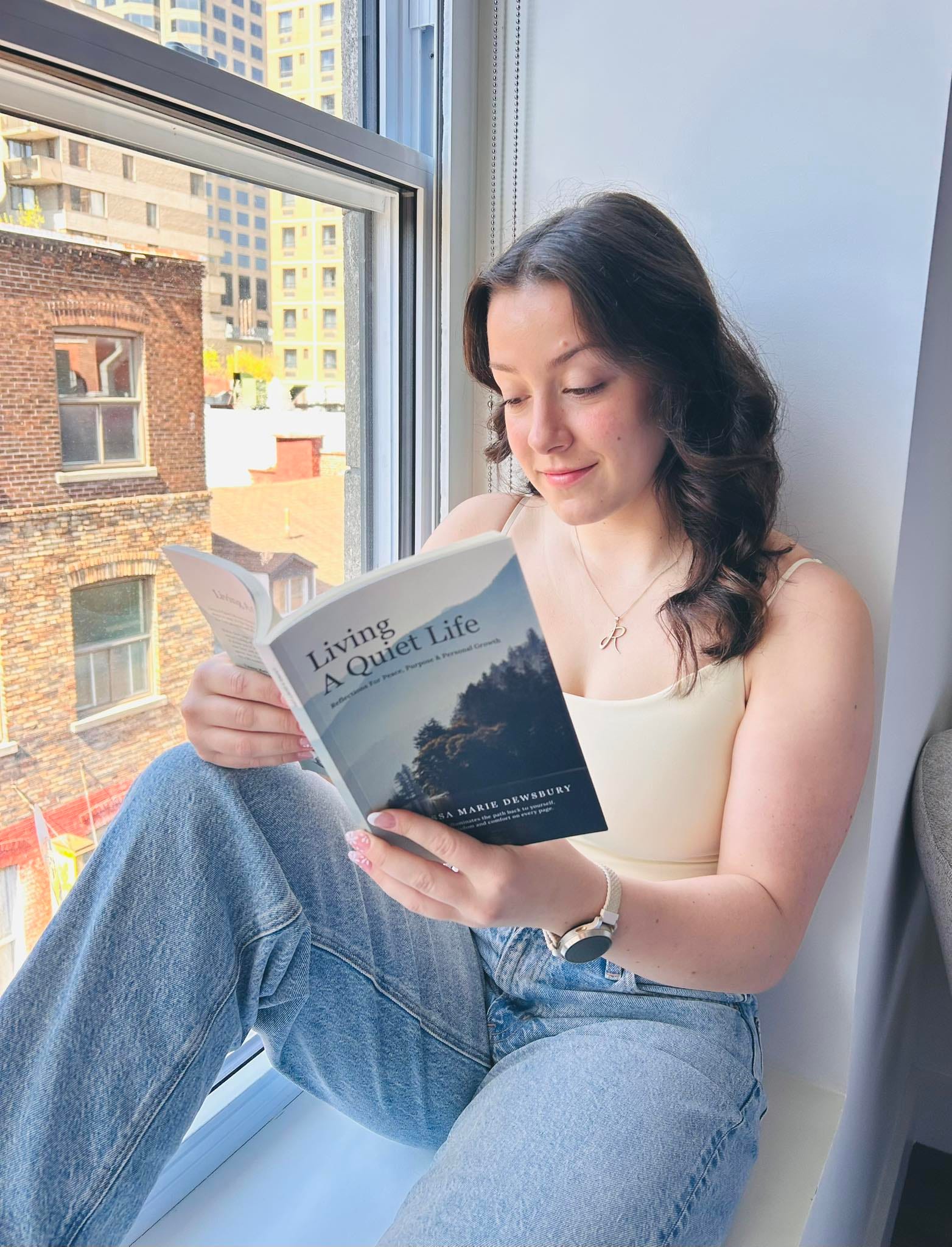
Living A Quiet Life: Reflections For Peace, Purpose & Personal Growth
“I wasn’t expecting this book to resonate with me as much as it did. It felt like it put words to things I’ve felt for years but never knew how to express.” AM
No posts
Comments
Nothing yet. Say the first thing.
Sign in to join the conversation.