

I think one of the most important things to understand about introverts is that we don’t always need more attention, more words, or more energy from others. What we need most is understanding.
For a long time, I felt misunderstood in my relationships and friendships because I didn’t show up in the way people expected me to. I wasn’t the kind of person who always needed to be with someone or stay in constant contact to feel connected. I valued my time alone. And because of that, people sometimes assumed I wasn’t interested or that I didn’t care.
But the truth is, I care deeply. I just express it differently.
So if you want to love an introvert well, whether in friendship or romantic relationships, it helps to understand our nature, not just the way we appear on the surface.
Introverts experience social energy in a different way. Even when we love the people we’re with, being around others still takes something from us internally. Too many social interactions can be completely draining and depleting. For us, it’s all about our energetic capacity. There comes a point where our system becomes overstimulated, and we need time alone to return to ourselves.
So when we become quiet or withdraw for a while, it’s not rejection. It’s restoration. It’s a need for peace and space to reconnect with ourselves. We are not pulling away. We are stepping back so we can feel grounded and calm again. This is why space is so important for us. It’s how we stay connected to ourselves and others in a healthy way.
Loving an introvert means understanding that our need for solitude is not something to fix, question, or take personally, but something to respect as part of how we maintain inner balance and well-being.
One of the biggest misunderstandings about introverts is the assumption that silence means something is wrong or that we’re not okay. But silence for us is rarely empty. Most of the time, it’s where everything is happening internally.
We may be thinking about what’s being said, processing energy or emotions, or taking in the environment in a more reflective and observational way. We feel things deeply, but express them more slowly. So while we might not be reacting outwardly in real time, that does not mean we are not present.
Loving an introvert means learning not to rush silence or interpret it as distance or a lack of care. It means understanding that connection can still be very real even when it’s quiet, and that some of the deepest engagement happens within us first before it’s ever expressed externally.
Introverts need time alone, even in close friendships or romantic relationships, but what makes the difference is how that need is received. If space is met with guilt, pressure, or constant questioning, it can create stress and misunderstanding. What we truly need is the freedom to step back without fear of being misinterpreted or seen as uncaring for needing time alone.
When an introvert asks for space, it’s not because they want to walk away from the relationship. We do not disconnect to end the connection. We step back so we can maintain it in the best way we know how.
Loving an introvert means trusting that space is part of their natural way of being. Without that time alone, we can become emotionally and mentally overwhelmed and lose the sense of balance we need to stay connected in a healthy and loving way.
Introverts need time to think before we can fully express what we feel, which means sometimes we don’t respond right away in heavy, intense, or stressful situations. We need time to gather our feelings and share them in a way where we are not misunderstood, or where what we say is not taken the wrong way. And when we feel overwhelmed or pressured, we can’t always articulate what we feel the way we want to. This is because we need to process things internally first before translating thoughts and emotions into words.
In moments where others might speak or react right away, we tend to pause before responding. That pause is part of how we stay honest with ourselves and what we’re feeling.
Loving an introvert means not rushing that process. It means allowing space for reflection and not expecting us to talk or respond immediately. When we do speak, it comes from a place of depth rather than reaction. And for introverts, that time alone to process is important.
Introverts don’t usually connect through constant interaction alone in friendships or romantic relationships. We connect through depth and meaning. We are less focused on frequency and more focused on the quality of our connections. A deep and meaningful conversation that feels real and insightful can mean more to us than hours of surface-level interaction.
Even when we’re not actively communicating, we’re still holding the connection in our own way. We think about the people we love and care about, we reflect on our time together, and we value substance over the need for constant contact.
Loving an introvert means understanding that less communication does not mean less love or connection. It means the connection is being held in a quieter, more internal kind of way.
Introverts can become overwhelmed more easily in environments that are too loud, too busy, or too stimulating. And how we’re feeling is not always obvious from the outside. But when we reach that point, it can affect how we feel and how we respond to things. We might become quieter than usual, more withdrawn, or sometimes even seem agitated or anxious. Our internal system becomes overloaded and tries to find its way back to balance.
In these moments, what we need most is gentleness and understanding. We don’t always want to explain ourselves or how we’re feeling in the moment. We need space to self-regulate and come back to a calm state within ourselves.
Loving an introvert means noticing these signs without taking them personally, and allowing us quiet moments to ground ourselves so we can feel steady again.
If you can recognize when an introvert is overwhelmed, you can love them in a way that feels safer and more supportive, rather than adding more pressure to something that already feels full.
Introverts thrive in environments where they feel emotionally and energetically safe. And safety for us means being able to be distant at times without having to explain ourselves. It means being able to take space without feeling guilty for needing time alone. It also means not feeling like we have to constantly express our emotions to be loved or understood.
When trust and safety are present in the relationship, introverts open more naturally and with more vulnerability. The connection becomes deeper and fuller, more honest and authentic.
Loving an introvert means creating a space where they can fully be themselves without feeling judged for who they are. It’s about honoring and nurturing their natural way of being, rather than trying to change it.
In the end, loving an introvert is understanding their internal depth and learning to meet them there with patience, compassion, and awareness.
Because when introverts feel truly understood, they don’t hold back their love. They express it in ways that are far more lasting than words alone.
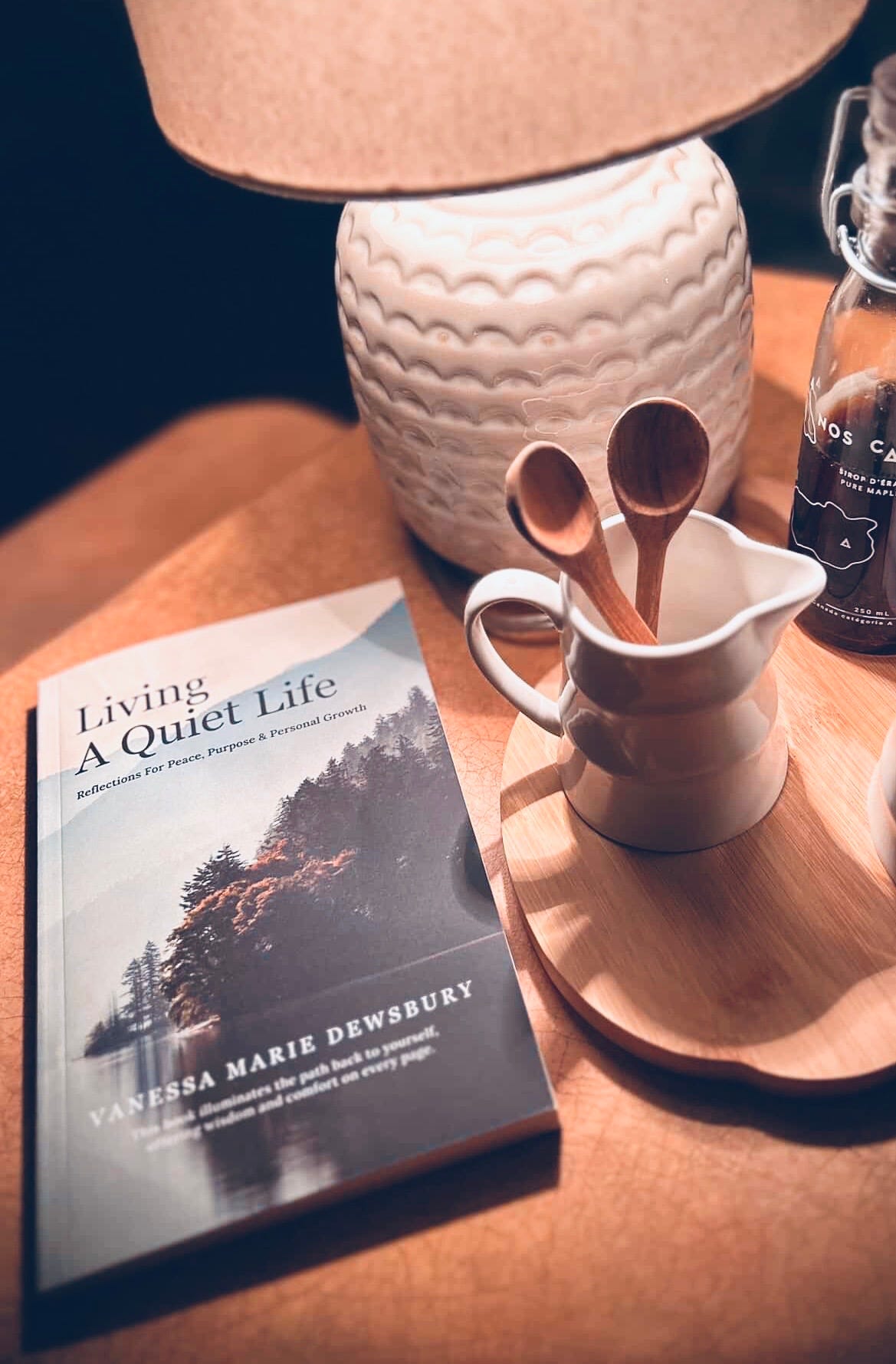
Living A Quiet Life: Reflections For Peace, Purpose & Personal Growth
Join me on Instagram in my quiet, growing community where I share excerpts from my book, along with gentle, soulful reflections for healing and self-acceptance.
No posts
Comments
Nothing yet. Say the first thing.
Sign in to join the conversation.