
A new video will post this week, but here’s a favorite project from my lesson collection:
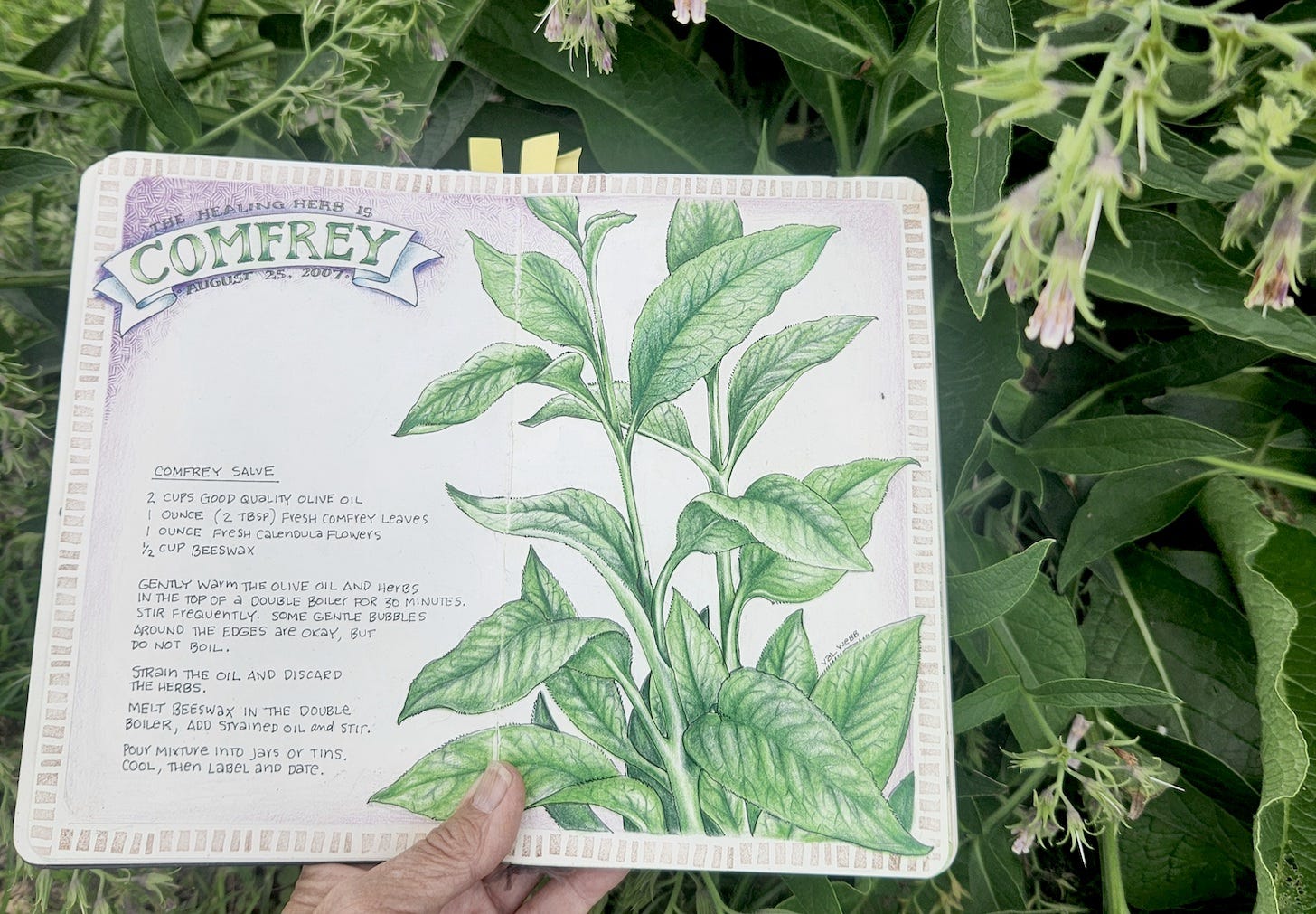
It was 1922, a still summer night in the North Carolina mountains. A family from the city -- father, mother, young boy -- were camping with friends, enjoying the glow of the dying embers from a bonfire before sleep. And then the 10-year-old boy, unable to resist leaning close to poke the coals with a stick, suddenly fell into the fire ring.
There was a shower of sparks as his right hand was plunged deep into the bed of burning embers. The boy scrambled to his feet, screaming. One look at the charred skin was enough to send them all running for the car, dreading the long hour of driving required to reach the nearest doctor.
But one of the friends, who had kinfolk scattered among the mountain communities, remembered something. An old woman who lived nearby was known to have the gift of healing, he said. Maybe she could provide relief for the boy’s burned hand. Her house was only a few miles away.
The parents were skeptical -- after all, the father managed a drug store in the city, and he placed his faith in medical science. But the boy, in agony, begged to try the healer. And so it was that, fifteen minutes later, the family was gathered at the kitchen table of a tiny, ancient woman. She took a lantern out into her garden and returned with several large, veined leaves.
The old woman tucked the leaves into her jaw and chewed them several times, then spread the resulting poultice over the burns. As she worked, she chanted and sang. Sometimes the words sounded like a rhyme, and sometimes like verses from the Bible. The poultice was thick and mucilaginous, like aloe, and immediately the pain began to subside. She brought more of the leaves, spread them on the table, covered them with with a clean handkerchief and pounded them to bruise the plant tissue and release their juices, then layered them on top of the first poultice. A cold cloth soaked in spring water completed the dressing.
The old woman sent a few extra leaves home with the boy’s family, to be applied the next day, but by morning the burn had already begun to heal over with new, pink skin.
The boy was my grandfather, who told me this story with a lingering sense of awe 75 years later. The leaves -- large, veined, rough to the touch, full of natural mucilage -- were almost certainly comfrey. This remarkable plant contains a protein called allantoin, which is a potent cell proliferant. It spurs the regrowth of cells, especially in ulcers and burns. These days, allantoin is an active ingredient in several topical pharmaceuticals.
Comfrey is astonishingly easy to grow. An herbalist friend gave me a tiny bit of root last spring and now I have a mass of lovely, purple-flowered greenery that has completely taken over one outside corner of my cabin. Pollinators love its bell-shaped blooms. I love it, too, because it reminds me of my grandfather, who was a mischievous boy helped by a wise old woman on that summer night so long ago.
We’ll use comfrey to practice layered watercolor, in which each color is added as a layer covering the entire leaf, working from light to dark. (It’s important to let each layer dry before adding the next!)
Watch the video and print the attached pdf page before you start to paint.
The video password is nest
No posts
Comments
Nothing yet. Say the first thing.
Sign in to join the conversation.