
Imagine you’ve decided to sell your home. The last flood was the last straw; you’re tired of lifting your stuff on top of the furniture and parking your car on higher ground. You’d barely finished replacing the carpet after the previous storm and you’re starting to worry about mold in the walls. You could sell to a flipper or someone who doesn’t know the risk, but passing the buck doesn’t feel right. Instead, when your neighbor tells you about your city’s buyout program, you fill out the form and make some calls. You’ll sell your house to the city, and they’ll tear it down and maintain the land as open space. That sounds good. Maybe it’ll be a park afterwards, or a rain garden. You picture a restored wetland with birds and cattails. Floodwaters can collect there, instead of in somebody’s living room.
What happens next? As disaster recovery often is, the buyout process is both overwhelming and mundane. Weeks pass, then months. There’s a lot of paperwork and a lot of hurry-up-and-wait. The lower-risk parts of town are expensive, and house shopping goes from feeling exciting to feeling out of reach. One of your neighbors moves out, then another. You wake up in the middle of the night dreaming about the next flood, and in the morning there’s another flyer under the door from a company who says they’ll buy your house for cash. Still, you stick with the buyout. You don’t want anyone else to go through what you’ve experienced, and you want that experience to be worth something. You want to see the site of your former home benefit the wider community.
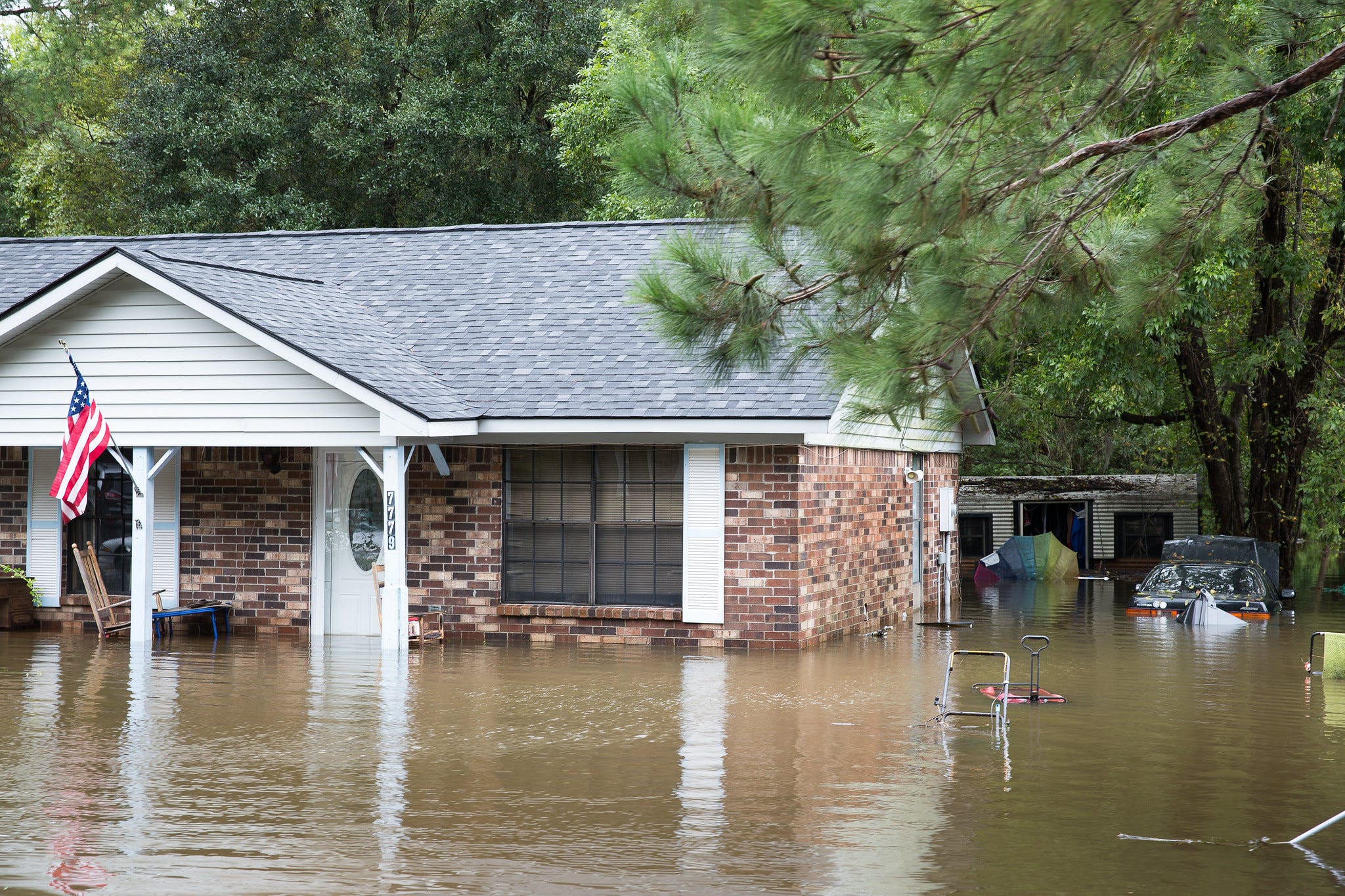
For tens of thousands of people around the country who are facing the increased risks from extreme rain, coastal storms, and higher tides, this isn’t a thought exercise—it’s a reality. Perhaps more than any other tool for addressing the risk of floods and other hazards, home buyouts come at a serious cost to the social and physical fabric of communities. The long and uncertain timeframes, the financial and health impacts, the fragmented neighborhoods—and yet, despite all these challenges, buyout participants are often motivated to see it through to stop the cycle of flooding and rebuilding. In our work hosting conversations with homeowners and buyout managers from around the country, this is something my colleagues and I have heard again and again.
If residents are to endure the hardship of leaving their homes, the land that is left behind should be treated as a critically valuable resource and leveraged to reduce flood risk and advance other community goals. This is especially important in dense coastal cities, where open space is at a premium and parks, gardens, and ecosystem restoration can help build adaptive capacity while also providing other community benefits.
Unfortunately, like many aspects of home buyouts, managing acquired land is a serious challenge. Even when residents and local officials have clear visions for vacated land, there are economic, policy, and knowledge barriers that can prevent these visions from becoming reality. The federal grants typically used for buyouts pose restrictions on allowable land use but otherwise take little interest in what happens after the grant ends; states and cities interpret requirements in different ways, and the need to mix and match funding sources just adds to the confusion. Ultimately, government-funded buyout sites most often remain as vacant lots, providing little community benefit at best and, at worst, creating new hazards, redistributing risk to people who can least afford to bear it, and further eroding residents’ trust in government.
This cycle is unacceptable. If we can’t even manage the land from a simple home buyout, how can we ever take the larger-scale actions we know are needed? At the same time, we are in a pivotal moment. Federal buyout funds remain critical, but they were never sufficient, and now they are increasingly uncertain. With states and cities considering how to fill the gap in federal resources, this is a key opportunity to take a broader view and think beyond the narrow framing of federally funded projects.
My work with the Better Buyouts Working Group (BBWG) points to a path forward: bringing together people with lived experience and professional knowledge to share lessons, build on each others’ work, and provide the support that cities and communities need to innovate instead of starting from scratch. Over the course of this year, I will work with the BBWG, other Climigration Network members, and a range of institutional, academic, and community-based partners to build a toolkit for post-relocation land management and stewardship. Reaching beyond typical structures for land ownership and use, we will explore pathways like the role of land trusts, the possibility for Land Back and rematriation, and leveraging sites to build the resilience workforce. The goal is to develop a tangible, actionable resource for practitioners and communities to support land use decisions that create benefits rather than burdens, and help shift buyouts from discrete risk reduction projects to a stepping stone for holistic, community-wide adaptation.
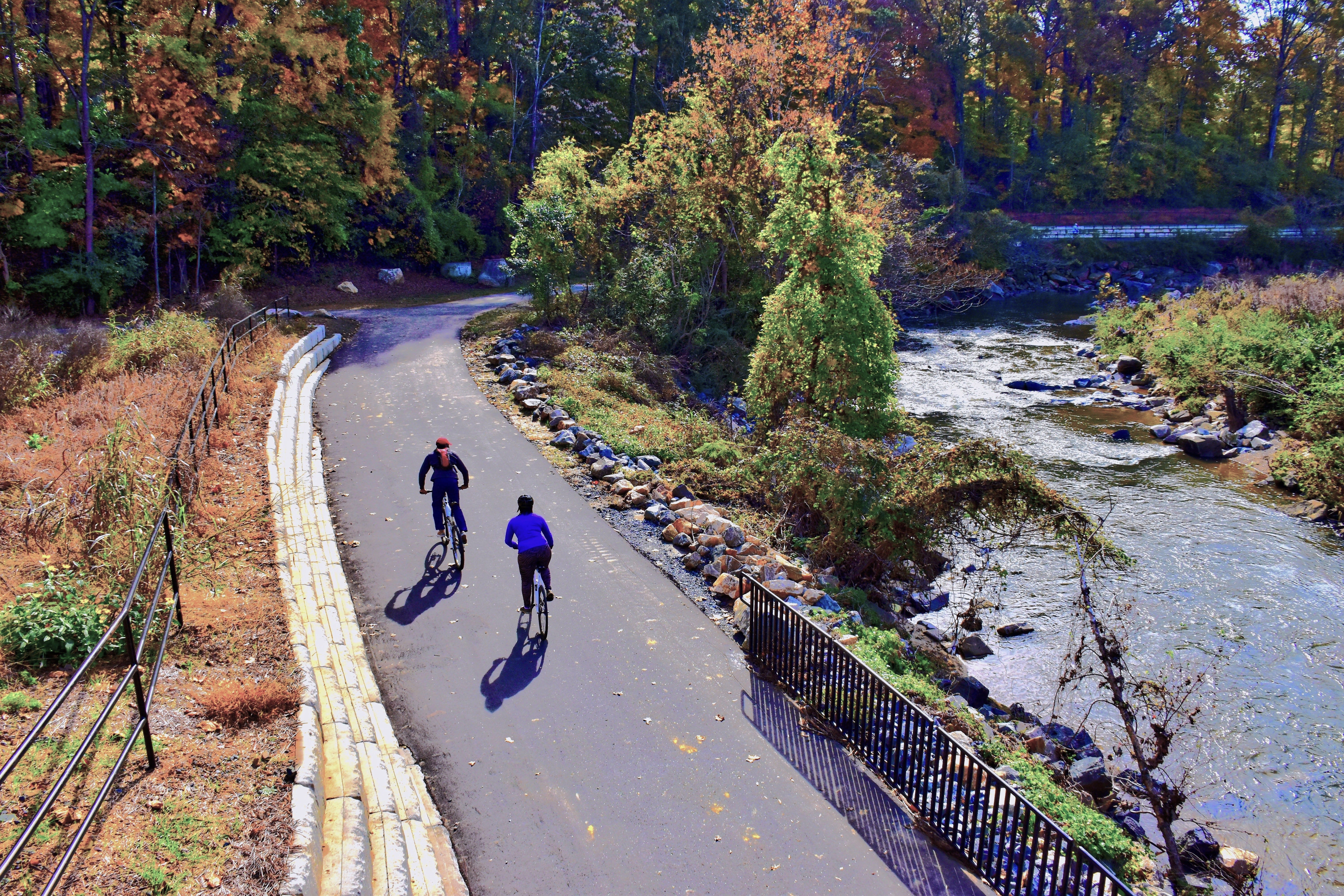
Imagine you’ve now sold your home. It was a long road and, honestly, it was stressful at times. But you found a group of neighbors who supported each other through the process, and the city stepped up to provide clear information, helpful case managers, and extra resources like cash for moving costs. You’re in your new neighborhood now and the fact you don’t have to worry every time it rains is a huge relief. Every now and then you go past where your old home was, and you’re proud of how it looks there. It feels worth it, like you were part of something. Like moving wasn’t just about leaving a place behind, but going forward toward a more resilient version of your community. Imagine this isn’t something we have to imagine—we can make it a reality.
This is a collaborative effort intended to strengthen and grow connections among people with all kinds of expertise. Buyout participants, local organizers, floodplain managers, landscape architects, youth leaders, community gardeners—anyone who thinks about buyouts (or climate-related relocation, broadly posed) is wholeheartedly welcome to join the conversation. Fill out this form to get in touch.
If you’d like to learn more about Urban Ocean Lab’s work on buyouts, reach out to us at info@urbanoceanlab.org.
No posts
Comments
Nothing yet. Say the first thing.
Sign in to join the conversation.