
Back in October 2024, I published a paper with Geoff titled “Sisters are doin’ it for themselves”: Gender differences in singles’ well-being” in Social Psychological and Personality Science (SPPS). In it, we tested one simple question: Do single men or single women report greater well-being? We found that, on average, single women reported greater life satisfaction, greater satisfaction with their singlehood status, and a lower desire for a romantic partner compared to single men.
This was only my second paper as a lead author and I was only in my second year in grad school, so you could imagine my surprise when, almost overnight, I was fielding interview requests, seeing news coverage, and receiving invitations to speak on panels and podcasts. The study was featured in BBC, Forbes, Vox, and more. If you Google “single women happier,” you’ll find countless discussions on the topic.
One particularly surreal moment was seeing the paper featured in The Times (London) alongside Samantha Jones from Sex and the City with the headline “It’s a bad time to be a bachelor, as single ladies have all the fun.” Friends and colleagues began sending me posts from Instagram, Tik Tok, and even platforms in China and Korea discussing these findings. At times, I would scroll through my TikTok feed and stumble across an influencer talking about my study or see commenters on a video citing it as evidence in debates about relationships. As of April 2026, this paper remains the most read publication in SPPS, with over 43,000 views and downloads (how exactly this happened remains unclear to me).
Amid all this attention, one thought continued nagging at me: This finding is receiving global attention, but does it actually hold globally? You see, our data came from the crowdsourcing website Prolific, which, despite being an international platform, draws heavily from Western, English-speaking participants, especially from countries like the United States and the United Kingdom. We acknowledged this limitation in the paper and I made it a point to mention it in interviews.
But as the findings spread, people around the world began interpreting them in light of their own personal lives and cultural contexts. As Geoff’s post on “What’s It Like Being Interviewed?” explains, one of the downfalls of media coverage on academic research is that the incentive for attracting attention (and consequently, ad revenue) often results in overgeneralized interpretations of research findings. As a result, the specifics of the sample (i.e., who the results actually apply to) get lost.
Our original study was descriptive such that it documented a gender difference, but didn’t demonstrate the validity of this difference around the world. Naturally, people wanted to know whether this pattern would hold in different cultural contexts. And it was also a natural question to ask given my cultural upbringing. So around this time, one of our standout undergraduates, Julia Hu, had collected data from Chinese-speaking participants in China. She did this with the help of Xin Shi at Chengdu Medical College in China, who led the translation and back-translation of all measures. Given our familiarity with our original design, we saw an opportunity to use these data and replicate our study in a very different cultural context. Ultimately, this resulted in my most recent paper published in Personal Relationships which examined the following question: Are there gender differences in well-being amongst singles in China?
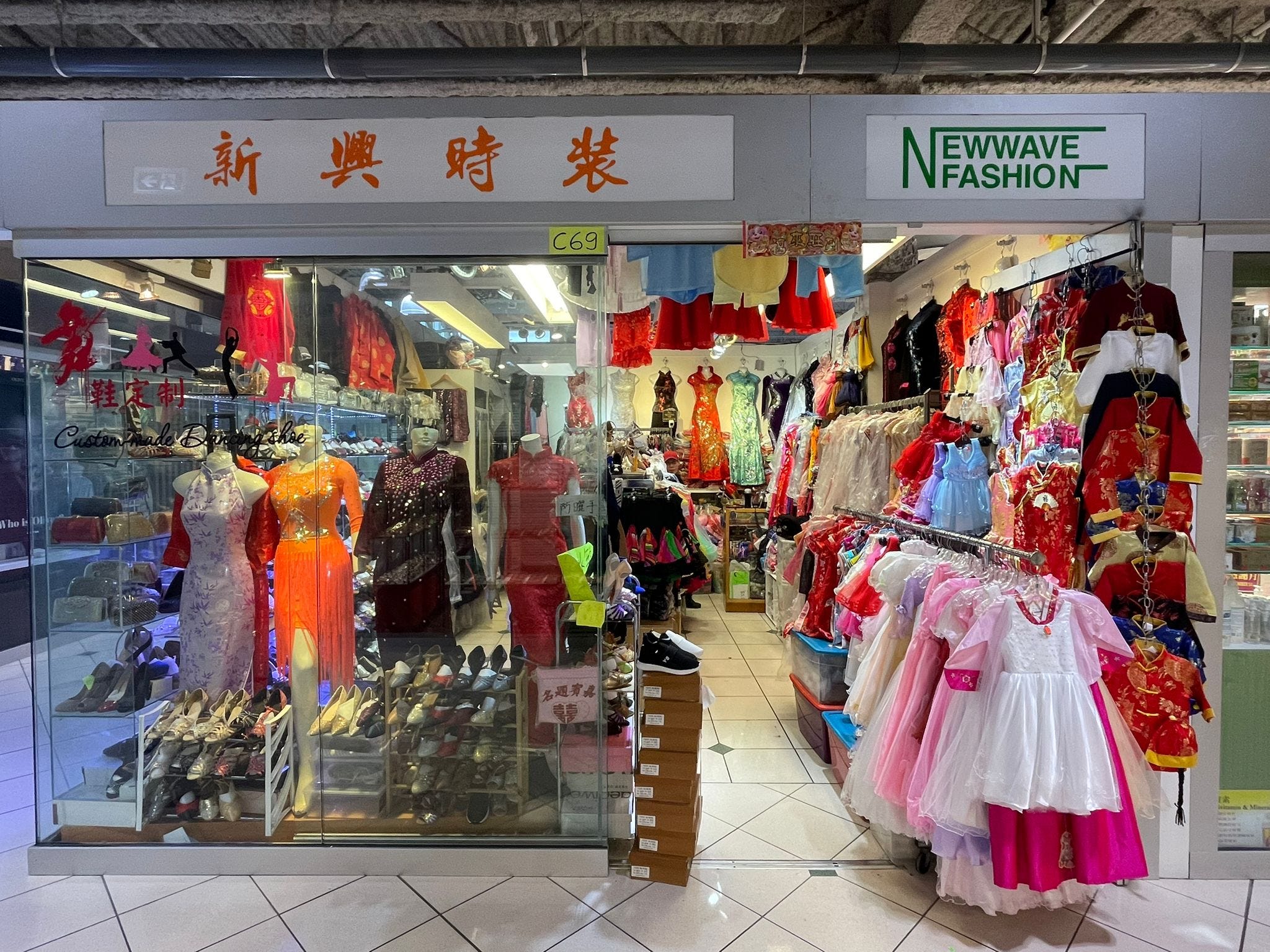
This project was empirically important, but also personal to me. For one, I’m Chinese (and Vietnamese), but Chinese culture has been especially prominent in my upbringing. My family cooked Chinese food, celebrated Chinese traditions, and in fact, my mom runs a small business selling traditional Chinese clothing, including wedding attire. Growing up, one message I heard repeatedly was that I should marry a rich husband. That message carries two assumptions: first, that I must marry, and second, that I should marry a particular kind of person (wealthy). Also implicit in this message is that it’s more realistic for me to marry wealth than to achieve it myself. According to these assumptions, remaining single and failing to marry will not only result in a personal life failure, but would also leave me broke! So according to my Chinese upbringing, the picture of lifelong singlehood was bleak. There was much for me to gain from marrying, and much to lose from staying single.
So was it true that despite my past findings, single women in China were, in fact, unhappy? Using Julia’s data collected from Credamo, we examined the same outcomes as before, including life satisfaction, satisfaction with their relationship status, and their desire for a romantic partner. Additionally, given the relevance of family in Chinese culture, we examined whether there were any gender differences in singles’ satisfaction with their families. One theme that emerged from our literature review was that negative attitudes toward remaining single appear to be especially prominent in China. This is reflected, for example, in the notion of “leftover women” which describes women are seen as having “failed” to marry after a certain age (usually around age 30). Given this cultural context, we also examined Fear of Being Single, a construct that captures anxiety about remaining single.
The results were strikingly consistent. Once again, single women reported higher well-being than single men. That is, single women reported higher satisfaction with their singlehood and their lives overall, lower desire for a partner, and lower fear of being single. Even more compelling was that the pattern of effect sizes mirrored the original study. Gender differences were more pronounced for singlehood-specific outcomes (i.e., relationship status satisfaction and desire for a partner) and less pronounced for broader life evaluations (i.e., life satisfaction). One helpful way Geoff has described this is: “the closer we get to asking them whether they like being single, the bigger the effect.” Likewise, the only outcome without a significant gender difference was family satisfaction, suggesting that single men and women feel similarly about their family lives.
China is an incredibly vast country, boasting one of the largest populations in the world. As such, we thought it would be important to also explore whether single women still reported greater well-being than single men across a variety of contexts. Specifically, we tested whether the link between gender and well-being varied according to (1) geographic region, (2) urbanization, and (3) age. These particular variables were included to capture different social and cultural contexts within China, including differences in gender norms, economic development, and attitudes toward partnership and marriage. These regions also differ in availability of education and healthcare for women, which could shape motivations and satisfaction with partnering.
Overall, the pattern held. Across regions, levels of organization, and age, single women still reported greater well-being than single men. There was one exception such that in the Northeast region, women reported higher fear of being single and there was no difference in satisfaction with singlehood status. However, because the Northeastern sample was relatively small, we need to be cautious about what we conclude since it’s possible this smaller sample may not accurately represent the broader region. Still, these results give me a slight boost of confidence that our original pattern of findings are not purely a Western artifact.
A central argument that we make in both the original paper and this recent paper on Chinese singles is that these gender differences may stem from unequal divisions of household and emotional labour. Across the globe, women in heterosexual partnerships tend to take on a disproportionate share of unpaid work (Davis & Greenstein, 2004). For instance, a 2018 report from the International Labour Organization estimated that women engage in 16 billion hours of unpaid care work every day, including cooking, cleaning, and looking after children and the elderly (International Labour Organization, 2018). While singlehood experiences and relationship norms can vary widely across cultures, one near-universal pattern remains: Patriarchy. Across societies, women face greater structural inequalities than men.
Against this backdrop, romantic partnerships may come with greater costs for women. This is precisely the argument that Iris Wahring and her colleagues (2025) make in their review paper “Romantic Relationships Matter More to Men than Women” where they highlight a body of research demonstrating that men benefit more from romantic partnerships than women with respect to physical health benefits (e.g., lower mortality risk, lower rates of disease) and psychological health benefits (e.g., greater well-being and social support, lower rates of mental health disorders). Contrary to the messaging I received growing up that I need to marry (ideally, a wealthy man), the evidence suggests that opting out of marriage may not be as risky as I was led to believe.
What began as a simple descriptive finding in primarily Western data is looking less like a cultural anomaly and more like a cross-cultural pattern, according to our newest paper. Across cultures, women often find themselves in relationships where the balance of costs and benefits is uneven. Singlehood may offer women a form of freedom that partnership does not. In other words, and as Aretha Franklin and Annie Lennox once put it, sisters are doin’ it for themselves—apparently in China as well!
No posts
Comments
Nothing yet. Say the first thing.
Sign in to join the conversation.